
Nutrition comparison
Anchovy vs Caviar: Nutrition, Omega-3, Cost, and Sustainability Compared
Anchovies and caviar are both omega-3 powerhouses, but which is actually better for you? Compare nutrition, sodium, sustainability, mercury risk, and value to make the smartest choice.
Overall winner · Anchovy
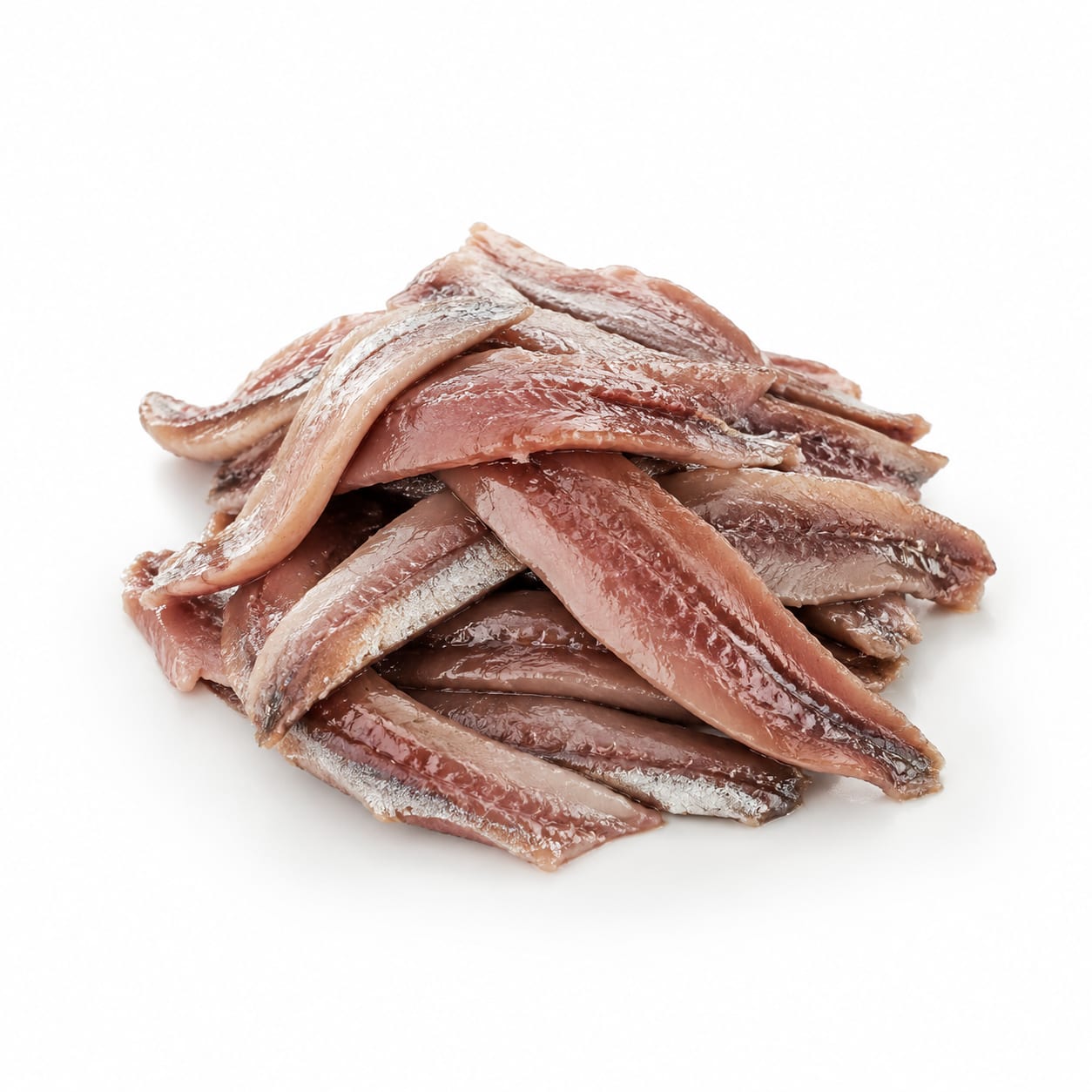
Anchovy
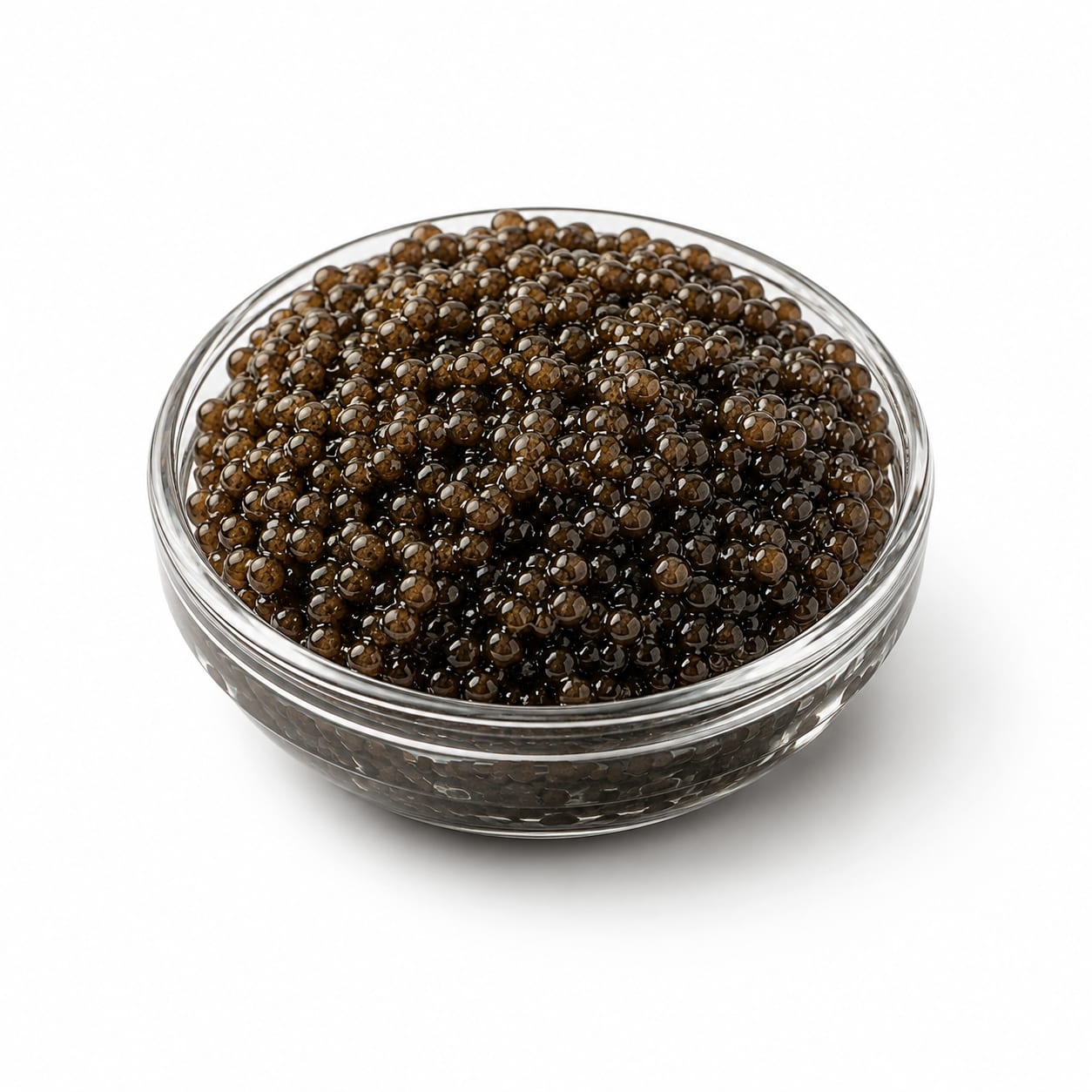
Caviar
Anchovies deliver nearly all the nutritional benefits of caviar at a fraction of the cost, with better sustainability and lower contaminant risk. Caviar wins on luxury experience and certain B-vitamin concentrations, but the nutritional gap is far smaller than the price gap.
Anchovies score significantly higher due to superior affordability, sustainability, and lower contaminant risk while delivering nearly equivalent omega-3 content. Caviar loses ground on accessibility, ethics, and practical daily use, though it remains nutritionally impressive.
Anchovies are the practical omega-3 powerhouse you can eat weekly; caviar is an occasional luxury that offers similar benefits but with sustainability concerns and a staggering price premium.
At a glance
Executive summary
Overall
Anchovy
Healthier
Anchovy
More practical
Anchovy
Daily use
Anchovy
Key comparison lenses
omega-3 and heart health comparison
Both are among the richest marine sources of omega-3s, making this the primary reason anyone chooses either food
sodium and blood pressure tradeoffs
Both are salt-cured, so sodium load is a critical concern that can override their health benefits
value and everyday accessibility
Anchovies are cheap and widely available; caviar is one of the most expensive foods on earth
sustainability and ethical sourcing
Sturgeon overfishing and farming practices make caviar a complicated ethical choice
contaminant and heavy metal exposure
Both are seafood with potential mercury and pollutant concerns, though anchovies score better due to small size
Best choice for
Anchovy
- Budget-conscious omega-3 seekers
- Regular home cooks wanting umami depth
- People who want sustainable seafood
- Anyone needing calcium from whole fish bones
- Frequent consumers who eat fish multiple times per week
Caviar
- Special occasion dining and celebrations
- Those who dislike strong fish flavor but want omega-3s
- People seeking a refined, delicate culinary experience
- Anyone wanting B12 and iron in a more palatable form
Least suitable for
Anchovy
- People on strict low-sodium diets who cannot rinse them
- Those who find strong fish flavors repulsive
- Anyone needing a presentable appetizer for formal dining
Caviar
- Anyone on a budget
- People concerned about sturgeon conservation
- Frequent consumers due to cost and potential heavy metal accumulation
- Those watching sodium who eat it in large portions
Deep comparison
Dimension by dimension
Each lens scores both foods and breaks down who each option suits.
- Dimension 1 · Priority 95Anchovy
Omega-3 Fatty Acid Density
Anchovy · 92Caviar · 85Anchovies edge out caviar on EPA and DHA content per gram, making them one of the most concentrated omega-3 sources available.
Tradeoff
Caviar provides substantial omega-3s too, but you get less per dollar and per serving compared to anchovies.
Why it matters
Omega-3s from marine sources are the most bioavailable form for brain and heart health. Getting them from whole food beats supplements for absorption and synergy.
Real-world impact
Eating anchovies twice a week gives you therapeutic omega-3 levels for a few dollars. Matching that with caviar would cost hundreds weekly.
Anchovy
- Consistent omega-3 intake without financial strain
- Higher EPA/DHA per calorie consumed
Better for
- Strong flavor makes it hard for some people to eat enough regularly
Worse for
Caviar
- Getting omega-3s in a form that doesn't taste fishy
- A more socially elegant way to consume marine fats
Better for
- Cost prevents the consistent intake needed for real omega-3 benefits
Worse for
- Dimension 2 · Priority 90It depends
Sodium Load
Anchovy · 35Caviar · 38Both are heavily salt-cured, making them high-sodium foods. Neither is friendly to blood pressure concerns, though anchovies can be rinsed to reduce salt somewhat.
Tradeoff
Caviar's salt is more integrated and harder to reduce, but portions are typically smaller. Anchovies can be rinsed, but many people eat them with the oil and salt intact.
Why it matters
Excess sodium directly raises blood pressure and counteracts some cardiovascular benefits of omega-3s. This is the Achilles heel of both foods.
Real-world impact
A single anchovy fillet has roughly 150-300mg of sodium. A tablespoon of caviar has 240-400mg. Either can push you toward your daily limit quickly.
Anchovy
- Can be rinsed to remove surface salt
- Often used in such small quantities that total sodium stays manageable
Better for
- Oil-packed varieties often have added salt that soaks into the fish
Worse for
Caviar
- Typically eaten in tiny portions as a garnish, naturally limiting sodium intake
Better for
- Salt is essential to the curing process and cannot be removed
- Premium caviar with less salt is extremely expensive
Worse for
- Dimension 3 · Priority 85Anchovy
Protein and Micronutrient Density
Anchovy · 88Caviar · 78Anchovies provide more protein per gram and a remarkable calcium advantage from their edible bones. Caviar offers excellent B12 and iron but less overall nutritional breadth.
Tradeoff
Anchovies are a more complete nutrient package, especially for minerals. Caviar excels at B-vitamins but falls short on calcium and protein quantity.
Why it matters
Nutrient density per calorie determines how much value you extract from what you eat. Foods that pack more nutrition into fewer calories support better health outcomes.
Real-world impact
A small tin of anchovies gives you roughly 15g protein, significant calcium, and a full day's selenium. The same weight in caviar costs dramatically more for similar but slightly less broad nutrition.
Anchovy
- Calcium from edible bones is a rare whole-food mineral source
- Higher protein per gram supports satiety and muscle maintenance
- Niacin and selenium content is exceptional
Better for
- Bone texture is off-putting to some, reducing consumption
Worse for
Caviar
- B12 concentration is outstanding, supporting nerve health and energy
- Iron content is more bioavailable than many plant sources
Better for
- Lower protein per serving compared to anchovies
- Missing the calcium advantage entirely
Worse for
- Dimension 4 · Priority 88Anchovy
Value and Accessibility
Anchovy · 95Caviar · 15Anchovies are one of the best nutritional values in the seafood aisle. Caviar is among the most expensive foods in the world per ounce.
Tradeoff
Caviar's cost prevents regular consumption, which undermines the very health benefits it offers. Anchovies are cheap enough to eat multiple times per week.
Why it matters
A superfood you cannot afford to eat regularly provides no real health benefit. Consistency trumps perfection in nutrition.
Real-world impact
A tin of anchovies costs $2-5 and provides 2-3 servings. An ounce of caviar costs $50-300+ and provides a single garnish portion.
Anchovy
- Affordable enough for weekly consumption
- Available in virtually every grocery store
- Long shelf life as canned/preserved product
Better for
- Perceived as a low-end or unappealing food by some consumers
Worse for
Caviar
- Luxury experience carries social and emotional value beyond nutrition
Better for
- Cost makes consistent health-promoting intake unrealistic for most people
- Limited availability outside specialty shops and online
Worse for
- Dimension 5 · Priority 82Anchovy
Sustainability and Ethics
Anchovy · 82Caviar · 40Anchovies are abundant, fast-reproducing, and low on the food chain. Wild sturgeon populations have been devastated, and even farmed caviar carries environmental concerns.
Tradeoff
Choosing caviar means engaging with a industry built on an endangered species, even with aquaculture improvements. Anchovies represent one of the most sustainable fish choices available.
Why it matters
Food choices have consequences beyond personal health. Supporting sustainable fisheries protects marine ecosystems for future generations.
Real-world impact
Anchovy stocks are generally healthy and well-managed worldwide. Many sturgeon species remain critically endangered despite farming efforts.
Anchovy
- Small, fast-reproducing fish with healthy population levels
- Low on the food chain, meaning minimal ecosystem disruption from harvest
- Often certified by sustainable seafood programs
Better for
- Some regional anchovy fisheries have experienced periodic overfishing
Worse for
Caviar
- Some farm-raised caviar operations are improving practices and reducing wild harvest pressure
Better for
- Wild sturgeon harvest has pushed multiple species toward extinction
- Even farmed caviar requires significant resources and energy
- Lack of consistent certification standards makes ethical sourcing difficult
Worse for
- Dimension 6 · Priority 78Anchovy
Contaminant and Heavy Metal Risk
Anchovy · 85Caviar · 60Anchovies' small size and short lifespan mean minimal mercury accumulation. Sturgeon are larger and longer-lived, accumulating more heavy metals over time.
Tradeoff
Both foods carry some contaminant risk inherent to all seafood, but anchovies are among the safest choices while caviar requires more careful sourcing.
Why it matters
Mercury and heavy metals undermine the neurological benefits of omega-3s. The net health effect depends on the balance between beneficial fats and harmful contaminants.
Real-world impact
Pregnant women can safely eat anchovies multiple times per week. Caviar should be limited to occasional consumption, especially for vulnerable populations.
Anchovy
- Very low mercury levels make them safe for frequent consumption
- Short food chain position means fewer accumulated pollutants
Better for
- Some canned anchovies may have BPA exposure from can linings
Worse for
Caviar
- Premium farmed caviar from controlled environments may have lower contaminant levels than wild-caught
Better for
- Sturgeon's longer lifespan allows more mercury and heavy metal accumulation
- Lack of consistent testing standards across caviar sources
Worse for
- Dimension 7 · Priority 70Anchovy
Culinary Versatility
Anchovy · 80Caviar · 45Anchovies melt into sauces, dressings, and braises as a flavor enhancer. Caviar is essentially a finishing garnish with limited applications.
Tradeoff
Anchovies make everything savory taste better and disappear into dishes. Caviar demands center stage and pairs with very specific foods.
Why it matters
A food you can cook with daily delivers more nutritional value than one reserved for rare occasions. Versatility drives consistency.
Real-world impact
Anchovies disappear into pasta sauce, salad dressing, and roasted vegetables. Caviar sits on a blini or toast point and that's about it.
Anchovy
- Dissolves into cooked dishes as umami backbone
- Works in pasta, salad dressing, roasted vegetables, and more
- Enhances other foods rather than requiring accompaniment
Better for
- Strong flavor limits use in delicate or sweet dishes
Worse for
Caviar
- Creates a striking visual and textural experience as a garnish
- Elegant presentation elevates simple dishes for special occasions
Better for
- Heat destroys caviar's texture and flavor, eliminating cooking applications
- Very narrow range of compatible flavor pairings
Worse for
Timeline
Health impact over time
Short-term
Hours to days
Anchovy
- Quick omega-3 boost supporting brain function and mood stability
- Sodium may cause temporary water retention and thirst
- High protein content provides steady satiety without blood sugar spikes
- Strong flavor can trigger satisfaction with very small portions
Caviar
- Concentrated B12 delivers a noticeable energy support effect
- Sodium load may cause bloating if eaten in larger quantities
- Rich, fatty texture provides immediate sensory satisfaction
- Iron content supports oxygen transport and reduces fatigue
Long-term
Months to years
Anchovy
- Regular omega-3 intake reduces cardiovascular disease risk meaningfully
- Consistent selenium intake supports thyroid and immune function
- Calcium from bones contributes to bone density maintenance
- High sodium intake may increase blood pressure if not managed
- Low contaminant levels make long-term frequent consumption safe
Caviar
- Occasional B12 and omega-3 intake supports neurological health
- Heavy metal accumulation risk increases with frequent consumption from unverified sources
- Cost prevents the consistent intake needed for measurable long-term benefits
- Sodium contribution adds up if eaten regularly alongside other cured foods
Risk profile
Safety & processing
Both foods rely on traditional salt-curing preservation, one of the oldest processing methods. Neither requires artificial preservatives, emulsifiers, or modern food technology. The main concern is salt, which is intrinsic to the preservation process, not an additive in the modern ultra-processed sense.
Anchovy
Sodium overload
mediumA single serving can contain 300-500mg sodium. People with hypertension should rinse anchovies and limit portion size.
BPA from can linings
lowCanned anchovies may have BPA in can linings. Glass jar options eliminate this concern.
Scombroid poisoning
lowRarely, improperly stored anchovies can cause histamine reactions. Purchase from reputable sources and refrigerate after opening.
Caviar
Heavy metal accumulation
mediumSturgeon accumulate mercury and other heavy metals over their long lifespan. Source verification is important, especially for frequent consumers.
Sodium from curing salt
mediumCaviar requires salt for preservation, typically 3-5% by weight. Malossol varieties use less salt but are more perishable and expensive.
Foodborne illness from improper handling
mediumCaviar is a raw, perishable product that requires strict cold chain management. Improper storage can lead to Listeria or other bacterial contamination.
Counterfeit and mislabeled products
highThe caviar market has significant fraud issues. Lower-grade roe is often sold as premium sturgeon caviar, and species substitution is common.
Who wins for whom
Audience fit
Same foods, different winners depending on your goal.
children
AnchovyAnchovies' low mercury levels make them safe for kids in small amounts, and their calcium supports growing bones. Caviar's heavy metal risk and intense salt content make it less suitable, though tiny tastes are harmless.
daily consumption
AnchovyAnchovies can realistically be consumed several times per week as a cooking ingredient. Caviar is financially and practically limited to occasional use, making it impossible as a daily nutritional strategy.
diabetes
AnchovyBoth foods have essentially zero carbohydrates and will not spike blood sugar. Anchovies win on accessibility, allowing consistent omega-3 intake which improves insulin sensitivity over time. Caviar's sodium content is a secondary concern for diabetic kidney health.
elderly
AnchovyAnchovies provide calcium, omega-3s, and protein that support bone density, heart health, and muscle preservation in aging. Their affordability enables the consistent intake that produces real benefits. Caviar offers similar nutrients but at a cost that prevents regular use.
muscle gain
AnchovyAnchovies deliver more protein per gram and per dollar, making them a practical addition to a muscle-building diet. Caviar's protein content is decent but its cost prevents eating enough to matter.
weight loss
AnchovyAnchovies provide high protein and omega-3s with very few calories per serving. Their intense flavor also naturally limits overconsumption. Caviar is similarly low in calories but the cost and portion size make it irrelevant as a weight loss tool.
Your move
Decision guide
Choose Anchovy
- You want maximum omega-3 benefits without spending a fortune
- You cook at home and value umami flavor enhancement
- Sustainability and low contaminant risk matter to you
- You need calcium from a whole-food source
- You believe consistency beats perfection in nutrition
Choose Caviar
- You are celebrating a special occasion and want a luxurious experience
- You dislike strong fish flavors but want marine omega-3s in a delicate form
- You are comfortable with occasional rather than regular consumption
- You can verify the source as sustainable and tested for contaminants
- Budget is not a constraint for your food choices
Either works if
- You want a sodium-free omega-3 source (neither works; choose fresh salmon or sardines instead)
- You need a neutral-flavored protein addition to meals
Avoid both if
- You are on a strict low-sodium diet and cannot accommodate cured foods
- You have a seafood allergy
- You are pregnant and concerned about unverified seafood sources
- You are looking for a primary protein source rather than a supplemental one
Final recommendation
Eat anchovies regularly as a cooking ingredient and enjoy caviar occasionally as a treat. Anchovies give you 90% of caviar's nutritional value at 1% of the cost, with better sustainability and safety. Save caviar for celebrations and let anchovies do the daily nutritional heavy lifting.
Practical
Consumer tips
- 1
Rinse canned anchovies under cold water to remove up to 30% of surface sodium before using
- 2
Look for anchovies packed in glass jars instead of cans to avoid BPA exposure
- 3
Melt anchovies into olive oil with garlic as a base for pasta sauce — they disappear completely and just add depth
- 4
For caviar, buy only from vendors who provide species verification and heavy metal testing results
- 5
Choose malossol caviar if available — it uses less salt and tastes fresher, though it's more perishable
- 6
Freeze anchovies in portions if you buy in bulk — they keep well for months
- 7
Never cook caviar. Heat destroys its delicate texture and wastes the premium you paid for it
- 8
If anchovies are too strong, try white anchovies (boquerones) — they're marinated in vinegar and much milder