
Nutrition comparison
Anchovy vs Shrimp: Nutrition, Omega-3, & Sodium Comparison
Compare anchovy vs shrimp for health benefits. Discover which is better for omega-3s, protein, and sodium, and how to choose the right seafood for your diet.
Overall winner · Shrimp
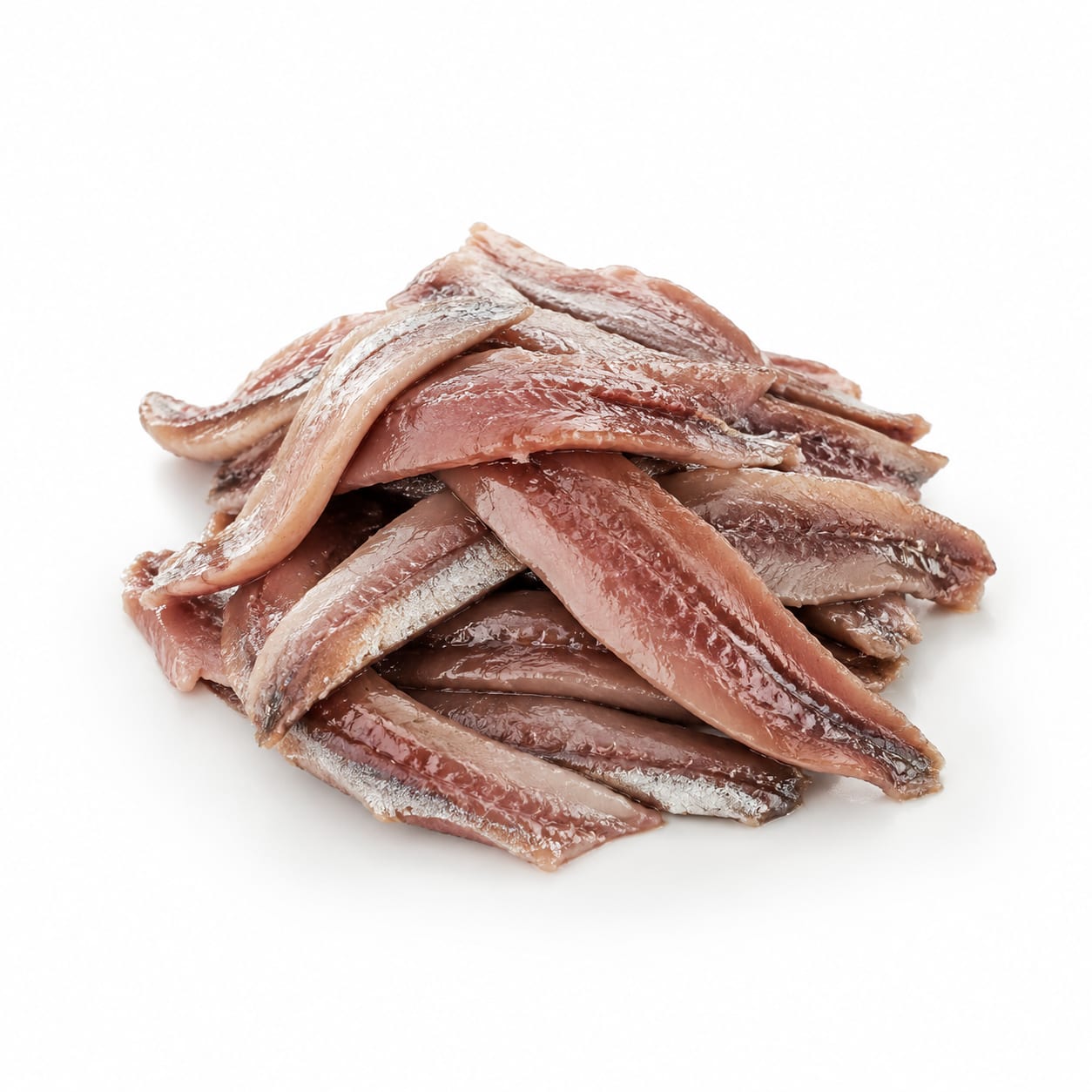
Anchovy
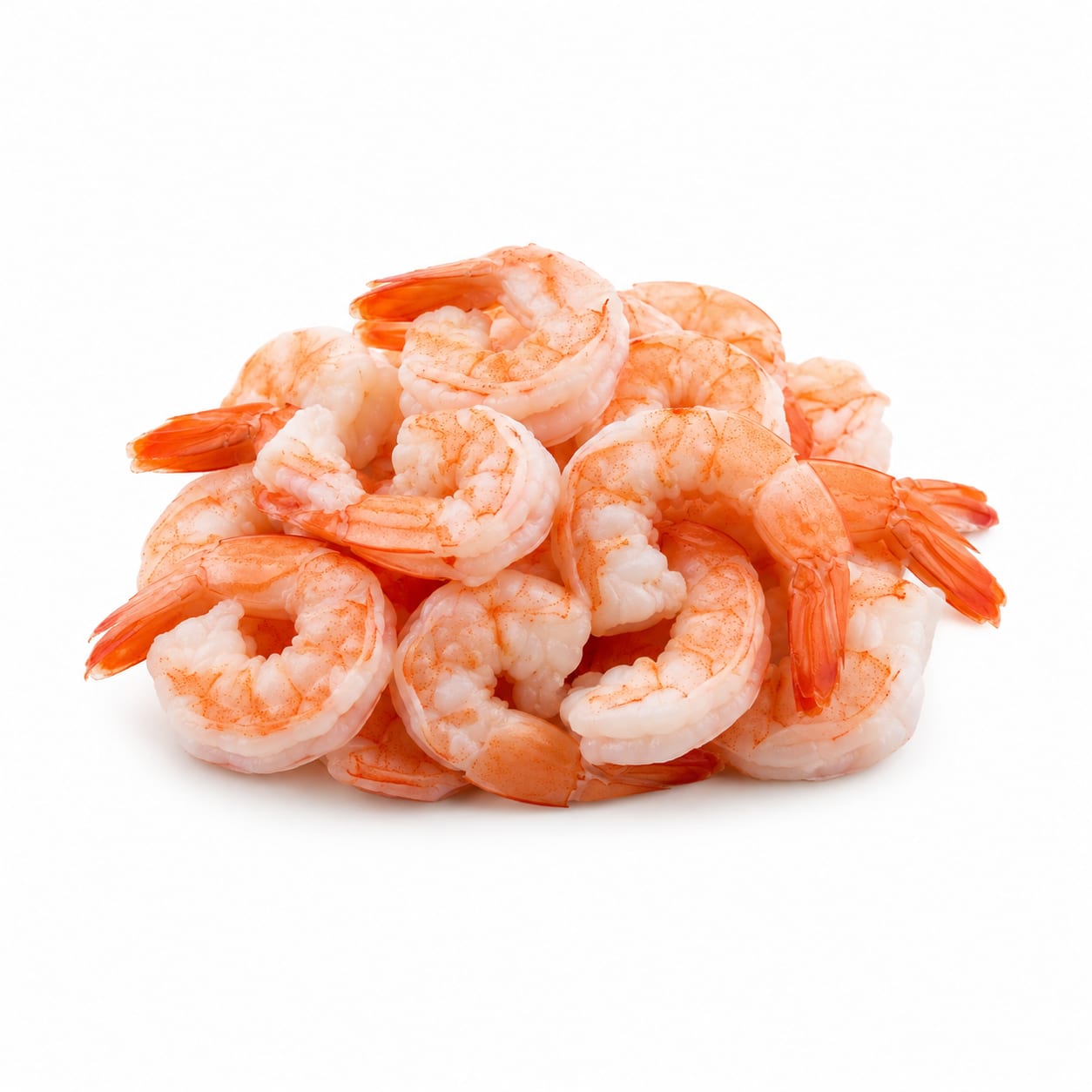
Shrimp
Shrimp wins for everyday versatility and lean protein, but anchovies are an unmatched nutritional powerhouse for heart and brain health when sodium is managed.
Shrimp scores slightly higher overall due to its versatility as a staple protein and low sodium content. Anchovies are nutritionally superior in specific areas like omega-3s and calcium but are heavily penalized by their extreme sodium levels and limited culinary role as a main dish.
You trade the massive omega-3 and calcium benefits of anchovies for the low-calorie, high-protein, and low-sodium practicality of shrimp.
At a glance
Executive summary
Overall
Shrimp
Healthier
It depends
More practical
Shrimp
Daily use
Shrimp
Key comparison lenses
Omega-3 and heart health comparison
Anchovies are one of the most concentrated sources of EPA and DHA omega-3s, while shrimp are notably low in fat.
Sodium and blood pressure impact
Anchovies are typically preserved in salt, making them extremely high in sodium compared to fresh shrimp.
Protein source and weight management
Shrimp provide lean, low-calorie protein suitable for main dishes, whereas anchovies are rarely eaten in large volumes.
Mercury and contaminant accumulation
Anchovies are low on the food chain with minimal mercury, while shrimp face concerns over microplastics and farming practices.
Best choice for
Anchovy
- People wanting to boost omega-3 intake without fish oil supplements
- Those needing extra calcium from whole food sources
- Individuals following a Mediterranean diet pattern
- Home cooks looking for umami flavor enhancers
Shrimp
- People seeking lean protein for weight loss or muscle gain
- Anyone monitoring sodium for blood pressure control
- Those wanting a versatile, low-calorie main dish
- Individuals who need quick-cooking weeknight proteins
Least suitable for
Anchovy
- People with hypertension or salt sensitivity
- Those prone to gout due to high purine content
- Anyone who dislikes strong fish flavors
Shrimp
- People with shellfish allergies
- Those strictly limiting dietary cholesterol
- Individuals concerned about imported seafood farming practices
Deep comparison
Dimension by dimension
Each lens scores both foods and breaks down who each option suits.
- Dimension 1 · Priority 95Anchovy
Heart & Brain Nutrition
Anchovy · 98Shrimp · 35Anchovies are loaded with EPA and DHA omega-3 fatty acids, which are critical for cardiovascular and cognitive health. Shrimp contain very little fat and minimal omega-3s.
Tradeoff
Choosing shrimp means missing out on the potent anti-inflammatory benefits of omega-3s, unless you eat other fatty fish or take supplements.
Why it matters
Omega-3s lower triglycerides, reduce blood pressure, and support mood regulation. Anchovies deliver these in a tiny serving.
Real-world impact
Eating anchovies a few times a week can meaningfully reduce systemic inflammation and support long-term brain health.
Anchovy
- Reducing triglycerides
- Supporting cognitive function
- Lowering chronic inflammation
Better for
- Those on severe sodium restrictions who cannot find low-salt versions
Worse for
Shrimp
- Maintaining strict low-fat diets
Better for
- Relying on it as a primary omega-3 source
Worse for
- Dimension 2 · Priority 85Shrimp
Lean Protein & Calorie Density
Anchovy · 55Shrimp · 95Shrimp is almost pure protein with very few calories, making it ideal for fat loss and muscle retention. Anchovies provide protein too, but their high fat and sodium content limit portion sizes.
Tradeoff
Shrimp offers more protein per calorie and per serving, while anchovies are rarely eaten in quantities large enough to serve as a primary protein source.
Why it matters
High-protein, low-calorie foods keep you full longer and preserve muscle mass during weight loss.
Real-world impact
A shrimp dinner leaves you satisfied without feeling heavy, whereas anchovies are typically a garnish that won't fill you up on their own.
Anchovy
- Providing satiating fat alongside protein
Better for
- Eating as a standalone protein source
Worse for
Shrimp
- Maximizing protein intake with minimal calories
- Post-workout muscle recovery
- Creating large, filling meals on a diet
Better for
- Those who find very lean proteins unsatisfying
Worse for
- Dimension 3 · Priority 90Shrimp
Sodium & Blood Pressure Impact
Anchovy · 15Shrimp · 90Canned or jarred anchovies are packed in salt, delivering a massive sodium hit per serving. Fresh or frozen shrimp is naturally very low in sodium.
Tradeoff
The preservation method that makes anchovies shelf-stable and flavorful also makes them risky for blood pressure if overconsumed.
Why it matters
Excess sodium drives up blood pressure and increases cardiovascular risk, counteracting some of the omega-3 benefits of anchovies.
Real-world impact
A couple of anchovy fillets can contain nearly half your daily sodium limit, while a full pound of shrimp has almost none before seasoning.
Anchovy
- Replenishing sodium after intense sweating or endurance exercise
Better for
- Salt-sensitive individuals
- Those with kidney disease
Worse for
Shrimp
- Managing hypertension
- Reducing bloating and water retention
- Maintaining heart health
Better for
- Situations requiring electrolyte replenishment from food
Worse for
- Dimension 4 · Priority 80Anchovy
Heavy Metals & Contaminants
Anchovy · 92Shrimp · 68Anchovies are near the bottom of the food chain, accumulating very little mercury. Shrimp are also relatively low in mercury but face higher risks of microplastics and antibiotic residues from farming.
Tradeoff
Anchovies offer a cleaner profile regarding heavy metals, while farmed shrimp carry hidden environmental and chemical risks.
Why it matters
Long-term accumulation of heavy metals and antibiotics can stress the liver, kidneys, and immune system.
Real-world impact
You can eat anchovies frequently without worrying about mercury, but sourcing high-quality wild or responsibly farmed shrimp requires more diligence.
Anchovy
- Frequent fish consumption without mercury risk
- Pregnant women seeking safe seafood
Better for
- None significant regarding contaminants
Worse for
Shrimp
- Those who verify sourcing and buy wild-caught or certified sustainable
Better for
- Unverified imported farmed shrimp
Worse for
- Dimension 5 · Priority 75Shrimp
Culinary Versatility & Convenience
Anchovy · 45Shrimp · 90Shrimp cooks in minutes and adapts to countless global cuisines as a main course. Anchovies are a polarizing flavor bomb used in tiny amounts to build depth.
Tradeoff
Shrimp is an easy, crowd-pleasing centerpiece; anchovies are a niche ingredient that requires culinary confidence to use well.
Why it matters
Foods you actually enjoy cooking and eating consistently matter more than theoretical nutrition profiles.
Real-world impact
Shrimp saves the day on busy weeknights. Anchovies sit in the fridge until you make a Caesar salad or pasta puttanesca.
Anchovy
- Adding umami depth to sauces and dressings
- Vegan dishes transitioning to pescatarian (small amounts hidden)
Better for
- Picky eaters
- Need for a quick, large meal
Worse for
Shrimp
- Quick weeknight dinners
- Grilling and appetizers
- Meal prepping lean proteins
Better for
- Building slow-cooked, complex savory sauces
Worse for
Timeline
Health impact over time
Short-term
Hours to days
Anchovy
- Can cause immediate thirst and bloating due to high sodium
- Provides a quick dose of satisfying umami and healthy fats
Shrimp
- Delivers rapid, light energy from lean protein without sluggishness
- May trigger allergic reactions in susceptible individuals
Long-term
Months to years
Anchovy
- Significantly reduces cardiovascular inflammation via omega-3s
- Excessive regular intake can contribute to hypertension if sodium is not managed
- Supports bone density due to edible, soft bones providing calcium
Shrimp
- Supports muscle maintenance and metabolic health with low-calorie protein
- Iodine content supports thyroid function long-term
- Risk of exposure to farming chemicals if consuming low-quality imported shrimp regularly
Risk profile
Safety & processing
Most store-bought anchovies are processed with salt and oil, which alters their natural state and adds significant sodium. Fresh or frozen shrimp is typically minimally processed, though some are treated with sodium tripolyphosphate to retain moisture.
Anchovy
Excessive sodium intake
highThe curing process loads anchovies with salt, posing a direct risk to blood pressure and cardiovascular health if portions aren't strictly controlled.
Gout flare-ups
mediumAnchovies are very high in purines, which break down into uric acid and can trigger joint pain in people with gout.
Shrimp
Shellfish allergy
highShrimp is a top allergen that can cause severe, life-threatening anaphylactic reactions in sensitive individuals.
Farming contaminants
mediumImported farmed shrimp may contain antibiotic residues and higher levels of microplastics compared to wild-caught options.
Who wins for whom
Audience fit
Same foods, different winners depending on your goal.
children
ShrimpShrimp is an easy, mild-tasting protein kids accept readily, whereas anchovies are overwhelmingly strong and salty for young palates.
daily consumption
ShrimpShrimp is gentle on the system and low in sodium, making it safe for daily use. Anchovies' salt content makes daily consumption risky for most people.
diabetes
ShrimpShrimp has zero carbs and won't spike blood sugar, while the high sodium in anchovies worsens the cardiovascular risks already associated with diabetes.
elderly
AnchovyThe omega-3s and calcium in anchovies are incredibly valuable for preventing cognitive decline and bone fractures in aging populations, provided blood pressure is monitored.
muscle gain
ShrimpYou can eat large quantities of shrimp to hit protein macros without overconsuming fat or sodium, which is impossible with anchovies.
weight loss
ShrimpShrimp provides high-volume, low-calorie protein that keeps you full, making dieting far easier than with calorie-dense, salty anchovies.
Your move
Decision guide
Choose Anchovy
- You want to dramatically boost your omega-3 intake naturally
- You are making a savory dish that benefits from umami depth
- You are unconcerned about sodium and want maximum nutrient density
Choose Shrimp
- You need a low-calorie, high-protein main course
- You are watching your blood pressure or sodium intake
- You want a versatile protein that works in salads, pastas, or on the grill
Either works if
- You are building a seafood-based diet and want variety
- You need high-quality, bioavailable protein without red meat
Avoid both if
- You have severe seafood allergies
- You are on a strict low-purine diet for gout management
Final recommendation
Keep both in your rotation for different reasons. Use shrimp as your go-to lean protein for meals, and treat anchovies as a strategic flavor and nutrient booster a couple of times a week. If you buy anchovies, rinse them slightly to remove excess surface salt, and balance the rest of your meal with low-sodium ingredients.
Practical
Consumer tips
- 1
Rinsing canned anchovies under cold water can remove some surface salt, though a significant amount remains inside the flesh.
- 2
Look for wild-caught shrimp from the Gulf of Mexico or certified sustainable farms to avoid antibiotic and chemical exposure.
- 3
If the sodium in anchovies is a dealbreaker, look for fresh or frozen anchovies, which have naturally low sodium levels before curing.
- 4
Check shrimp labels for sodium tripolyphosphate (STPP); untreated shrimp have a cleaner taste and lower sodium.
- 5
Mash anchovies into salad dressings or pasta sauces—they melt into the dish, providing rich flavor without an overpowering fishy texture.