
Nutrition comparison
Anchovy vs Sardine: Which Canned Fish Is Healthier?
Compare anchovies and sardines on omega-3s, sodium, calcium, mercury, and gout risk. Learn which small fish is better for daily health and when to choose each.
Overall winner · Sardine
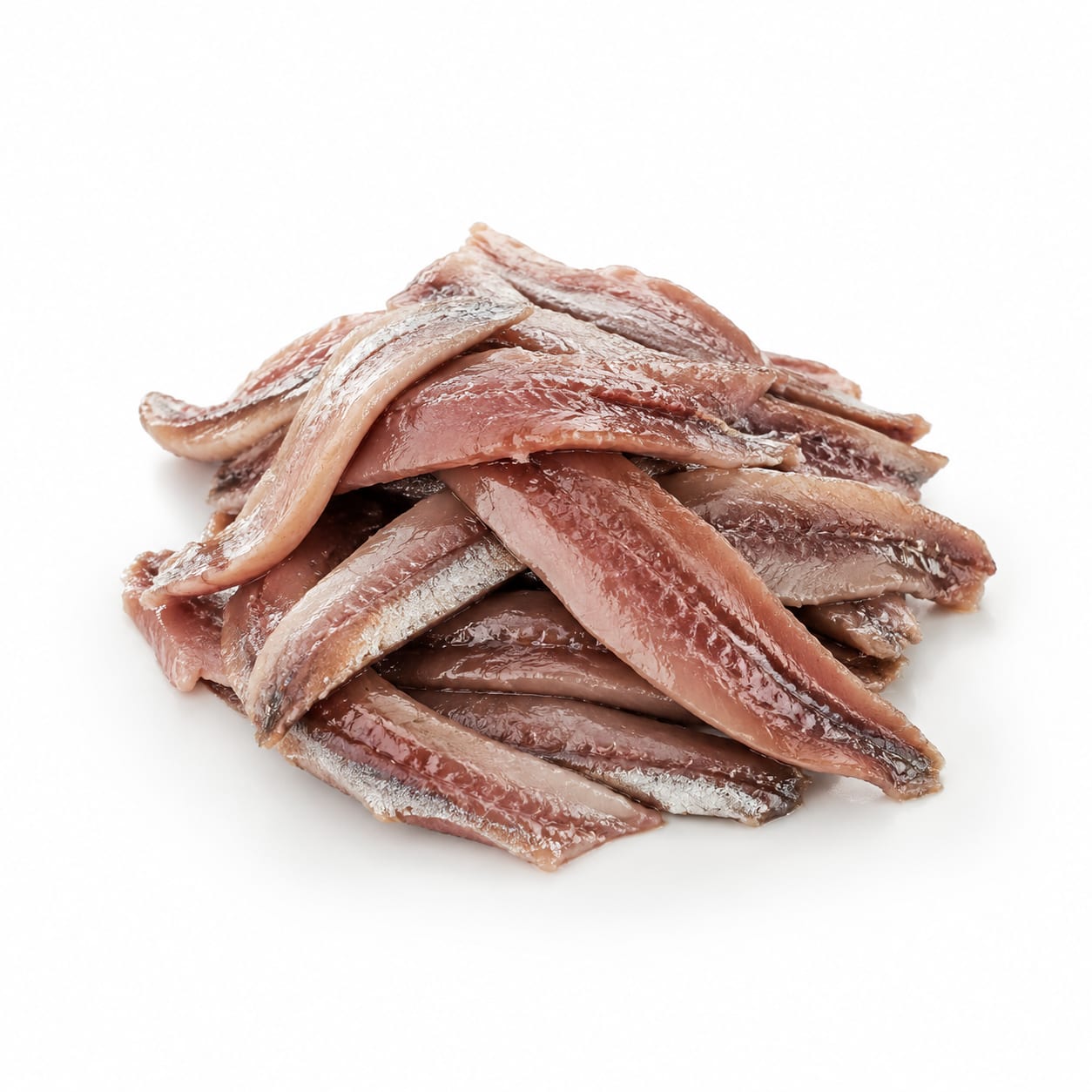
Anchovy
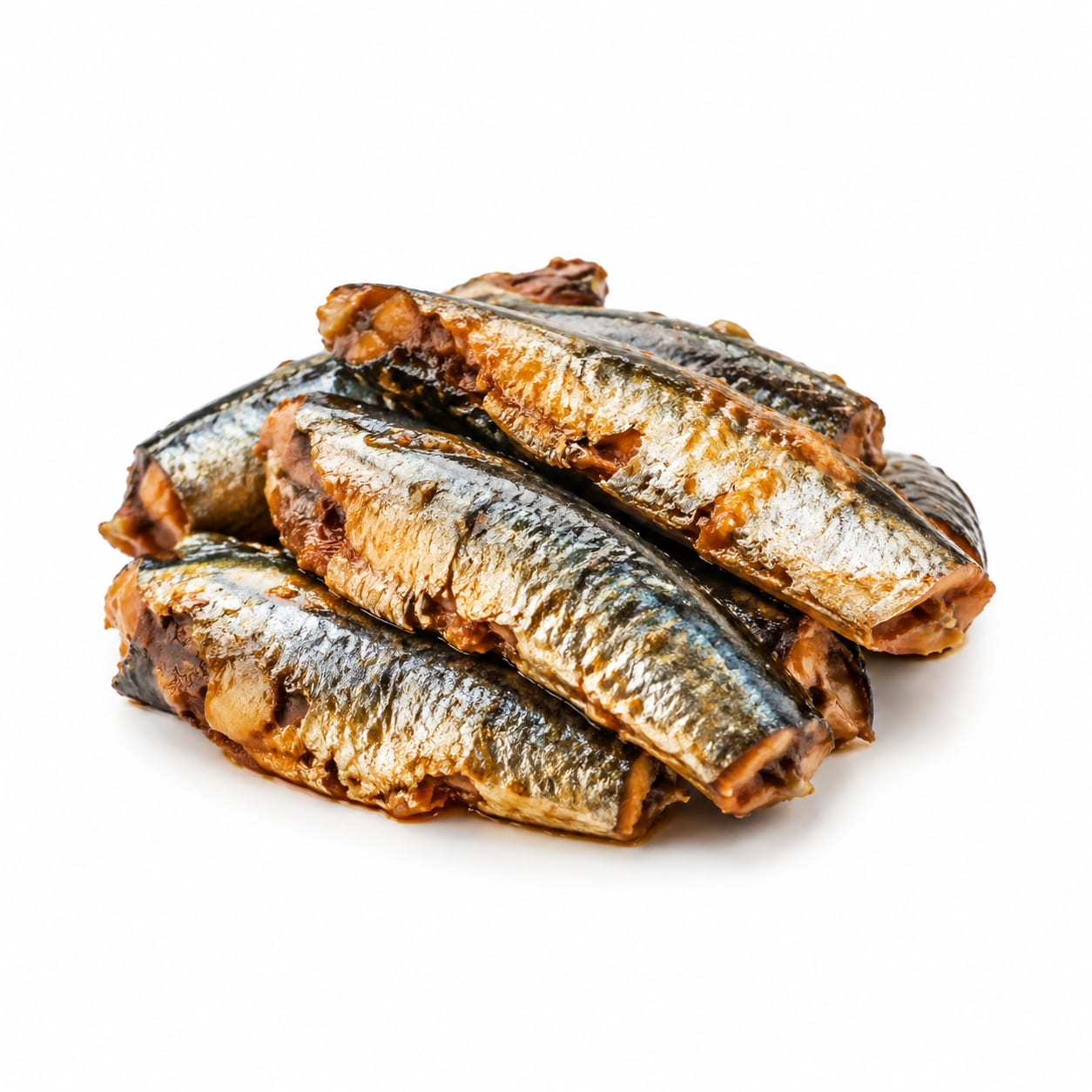
Sardine
Sardines win for most people because you can eat them as an actual meal with far less sodium. Anchovies are a potent omega-3 and umami boost, but their extreme saltiness limits how much you can realistically consume.
Sardines score significantly higher due to meal-scale practicality, lower sodium, superior calcium, and vitamin D. Anchovies are nutritionally dense but their curing process and tiny serving sizes limit real-world health impact.
Anchovies deliver concentrated flavor and nutrients in tiny doses but come with a heavy sodium load. Sardines offer a more balanced, meal-friendly package with better calcium and vitamin D.
At a glance
Executive summary
Overall
Sardine
Healthier
Sardine
More practical
Sardine
Daily use
Sardine
Key comparison lenses
omega-3 and heart health optimization
Both are top-tier omega-3 sources, but users want to know which delivers more efficiently
sodium and blood pressure concerns
Anchovies are notoriously high in salt due to curing, a major differentiator for health-conscious users
mercury and contamination safety
Both are low-mercury fish, but subtle differences matter for frequent consumers
practical eating and meal versatility
Sardines work as a meal; anchovies are mostly a condiment or ingredient, changing how people actually use them
bone health and calcium
Sardines with bones are a standout calcium source, anchovies less so due to smaller serving sizes
gout and purine sensitivity
Anchovies are among the highest-purine foods, a critical concern for gout sufferers
Best choice for
Anchovy
- Adding depth to sauces, dressings, and pasta without eating a full fish portion
- People who want omega-3s in minimal calories and tiny serving sizes
- Cooks seeking umami punch rather than a protein source
Sardine
- A complete, satisfying meal or snack with protein, healthy fats, and calcium
- Daily omega-3 intake without sodium overload
- Bone health support through natural calcium and vitamin D
Least suitable for
Anchovy
- Anyone watching sodium closely, especially with high blood pressure
- Gout sufferers due to extremely high purine content
- People wanting a filling, standalone protein source
Sardine
- Those who dislike eating whole small fish with visible bones
- People sensitive to strong fishy flavors in larger quantities
Deep comparison
Dimension by dimension
Each lens scores both foods and breaks down who each option suits.
- Dimension 1 · Priority 95Sardine
omega-3 fatty acid delivery
Anchovy · 72Sardine · 88Sardines deliver more total omega-3s per realistic serving because you eat them in larger quantities. Anchovies are omega-3 dense per gram, but you rarely eat enough to match a sardine portion.
Tradeoff
Anchovies have impressive omega-3 density, but their intense saltiness caps how much you can eat. A single sardine tin easily beats a few anchovy fillets for total EPA and DHA.
Why it matters
Omega-3s from fish are the most bioavailable form. Getting enough matters more than concentration per gram if serving size limits intake.
Real-world impact
A tin of sardines gives you roughly 1.5–2g of combined EPA/DHA. You would need to eat most of a tin of anchovies to match that, which means consuming 2–3g of sodium.
Anchovy
- Condiment-level omega-3 boosts in salads and dressings
Better for
- Unlikely to hit meaningful omega-3 thresholds alone
Worse for
Sardine
- Meeting daily omega-3 targets in a single serving
- Post-workout anti-inflammatory support with a real meal
Better for
- Higher total fat intake if you are strictly calorie-cutting
Worse for
- Dimension 2 · Priority 90Sardine
sodium load and blood pressure impact
Anchovy · 25Sardine · 65Canned anchovies are salt-cured and pack roughly 3–4 times the sodium of sardines per serving. This is the single biggest health differentiator between the two.
Tradeoff
That salty curing is what gives anchovies their umami magic, but it makes them a sodium bomb. Even a small portion can deliver 700–1200mg of sodium.
Why it matters
Most people already exceed daily sodium limits. Adding anchovies regularly can push blood pressure risk higher, especially if eaten alongside other salty foods.
Real-world impact
Six anchovy fillets can contain nearly half your daily sodium limit. A full tin of sardines in water typically has 200–400mg.
Anchovy
- Flavor enhancement so you need less added salt in cooking
Better for
- Risky for hypertensive individuals even in small amounts
- Compounds sodium load when paired with cheese, bread, or pasta
Worse for
Sardine
- Eating fish regularly without sodium anxiety
- Blood pressure-friendly protein source
Better for
- Sardines in oil or tomato sauce can still be moderately salty
Worse for
- Dimension 3 · Priority 75Sardine
calcium and bone health
Anchovy · 40Sardine · 90Sardines with soft bones are one of the best non-dairy calcium sources available. Anchovies also contain bones, but the tiny serving sizes make the calcium contribution minimal.
Tradeoff
You would need to eat an entire tin of anchovies to approach the calcium in a single sardine serving, and that means a massive sodium hit.
Why it matters
Calcium from food is better absorbed than from supplements. Sardines are a rare whole-food calcium source that also provides vitamin D for absorption.
Real-world impact
One tin of bone-in sardines delivers roughly 30–35% of your daily calcium needs. Anchovies give you maybe 5–10% per typical serving.
Anchovy
- Trace calcium contribution as a bonus in cooked dishes
Better for
- Negligible calcium impact at normal serving sizes
Worse for
Sardine
- Dairy-free calcium strategy for bone health
- Combined calcium and vitamin D for older adults
Better for
- Boneless sardine varieties lose this advantage entirely
Worse for
- Dimension 4 · Priority 80Sardine
protein and satiety
Anchovy · 35Sardine · 85Sardines provide a genuine protein serving that keeps you full. Anchovies contribute protein in theory, but nobody eats enough to count as a protein source.
Tradeoff
Anchovies are protein-dense per gram, but real meals require real portions. A sardine tin gives you 20–25g of protein; a few anchovies give you 2–5g.
Why it matters
Protein is not just about numbers. It needs to be eaten in sufficient quantities to trigger satiety and support muscle maintenance.
Real-world impact
Sardines can replace chicken or eggs as a lunch protein. Anchovies are more like parmesan, a flavor layer, not a protein pillar.
Anchovy
- Adding a protein touch to dishes that already have a main protein
Better for
- Will not meaningfully reduce hunger on their own
Worse for
Sardine
- Standalone lunch or dinner protein source
- Keeping you full for hours after eating
Better for
- Higher calorie load if you eat multiple tins per week
Worse for
- Dimension 5 · Priority 85Anchovy
mercury and contamination safety
Anchovy · 92Sardine · 85Both are low-mercury fish, but anchovies win slightly because they are smaller and lower on the food chain. Sardines are still very safe compared to larger fish.
Tradeoff
The mercury difference is minimal and unlikely to matter unless you eat fish daily. Both are among the safest choices for frequent consumption.
Why it matters
For pregnant women and children, even small mercury differences can influence weekly fish choices.
Real-world impact
You can eat either fish 3–4 times per week without mercury concern. Anchovies have a slight edge if you are maximizing frequency.
Anchovy
- Lowest possible mercury exposure among fish
- Frequent consumption during pregnancy with minimal risk
Better for
- Sodium risk outweighs mercury benefit for most people
Worse for
Sardine
- Still well below mercury concern thresholds
Better for
- Slightly higher mercury than anchovies, though still very low
Worse for
- Dimension 6 · Priority 70Sardine
purine content and gout risk
Anchovy · 20Sardine · 55Anchovies are one of the highest-purine foods in existence and are explicitly listed as a gout trigger. Sardines are also high-purine but slightly less notorious.
Tradeoff
Neither fish is gout-friendly, but anchovies are in the worst category. Even small amounts can trigger flares in sensitive individuals.
Why it matters
Gout is extremely painful and increasingly common. Purine content is a make-or-break factor for a meaningful minority of people.
Real-world impact
A gout sufferer eating a Caesar salad with anchovy dressing could regret it by morning. Sardines are still risky but somewhat more forgiving.
Anchovy
- No advantage for gout sufferers
Better for
- Top-tier gout trigger food, even in dressing form
Worse for
Sardine
- Slightly less likely to trigger an acute gout flare
Better for
- Still a high-purine food that gout sufferers should limit
Worse for
- Dimension 7 · Priority 70Sardine
vitamin D content
Anchovy · 45Sardine · 82Sardines are an excellent vitamin D source, providing a meaningful portion of daily needs per tin. Anchovies contain some vitamin D, but the small serving sizes limit practical intake.
Tradeoff
Vitamin D deficiency is widespread, and few foods deliver it naturally. Sardines are one of the best dietary sources; anchovies cannot compete on realistic serving amounts.
Why it matters
Most people lack sun exposure for adequate vitamin D. Food sources matter more than many realize.
Real-world impact
A tin of sardines can provide 40–70% of daily vitamin D. Anchovy servings contribute perhaps 5–15%.
Anchovy
- Small vitamin D bonus in cooked dishes
Better for
- Cannot serve as a primary vitamin D food source
Worse for
Sardine
- Meaningful vitamin D support in winter months
- Combined with calcium for bone metabolism synergy
Better for
- Vitamin D content varies by species and canning method
Worse for
- Dimension 8 · Priority 75It depends
culinary versatility and enjoyment
Anchovy · 70Sardine · 70Anchovies and sardines serve completely different culinary roles. Anchovies are a stealth flavor enhancer; sardines are a foreground ingredient. Neither replaces the other.
Tradeoff
Anchovies disappear into dishes and make everything taste richer. Sardines stand proudly on toast or in a salad. Your choice depends on whether you want hidden depth or visible protein.
Why it matters
Food only improves health if you actually eat it. Culinary role determines how often and how much you consume.
Real-world impact
Anchovies make pasta sauce and dressing irresistible. Sardines make a satisfying 5-minute lunch on crackers. Both are valuable in different moments.
Anchovy
- Transforming sauces, dressings, and braises without fishy taste
- Impressing dinner guests with depth they cannot identify
Better for
- Rarely eaten alone, limiting total nutrient intake
Worse for
Sardine
- Quick no-cook meals and snacks
- Mediterranean diet staple dishes like sardines on toast
Better for
- Stronger visual and textural fish presence that some find off-putting
Worse for
Timeline
Health impact over time
Short-term
Hours to days
Anchovy
- Noticeable thirst after eating due to high sodium
- Potential gout flare within hours for susceptible individuals
- Quick umami satisfaction but minimal fullness
Sardine
- Sustained satiety lasting 3–4 hours from protein and fat
- Mild fishy aftertaste that some find unpleasant
- Gentle blood sugar stabilization from protein-fat combo
Long-term
Months to years
Anchovy
- Cardiovascular risk from frequent sodium exposure if eaten regularly
- Excellent omega-3 intake if used consistently in cooking
- Gout management difficulty for predisposed individuals
Sardine
- Strong cardiovascular protection from consistent omega-3 intake
- Improved bone density from regular calcium and vitamin D
- Better blood pressure profile compared to saltier fish options
Risk profile
Safety & processing
Canned anchovies undergo salt curing and often oil packing, making them more processed. Sardines are typically just cleaned, cooked, and canned with minimal intervention. Both are traditional preservation methods, but anchovy curing involves more transformation.
Anchovy
Excessive sodium intake
highA single serving can deliver 30–50% of daily sodium limits. Regular consumption compounds cardiovascular risk significantly.
Gout trigger
highAnchovies rank among the highest-purine foods. Even small amounts in sauces can provoke flares in sensitive individuals.
Histamine reaction
mediumCured fish can accumulate histamine, causing headaches or allergic-type reactions in histamine-intolerant people.
Sardine
Moderate sodium in some preparations
lowSardines in water are low-sodium. Oil-packed or sauce-packed varieties can be moderately salty but far less than anchovies.
Gout risk from purines
mediumSardines are high-purine but less extreme than anchovies. Gout sufferers should still limit portions.
Canned fish and BPA exposure
lowSome cans use BPA linings. Look for BPA-free brands if this concerns you.
Who wins for whom
Audience fit
Same foods, different winners depending on your goal.
children
SardineSardines provide calcium and vitamin D for growing bones with manageable sodium. Anchovies are too salty and intense for most kids.
daily consumption
SardineYou can eat sardines daily without sodium concern (choose water-packed). Daily anchovy consumption would likely exceed safe sodium limits.
diabetes
SardineSardines offer zero-carb protein and fat that stabilizes blood sugar for hours. Anchovies work too, but the sodium load worsens hypertension risk common in diabetes.
elderly
SardineSardines support bone density, heart health, and vitamin D status, all critical for older adults. Anchovies' sodium load is especially risky for age-related blood pressure concerns.
muscle gain
SardineA tin of sardines delivers 20–25g of complete protein. Anchovies cannot provide meaningful protein at normal serving sizes.
weight loss
SardineSardines provide real satiety from protein and fat, making them a filling low-carb meal. Anchovies add flavor but cannot replace a meal.
Your move
Decision guide
Choose Anchovy
- You want a flavor enhancer for cooking, not a standalone food
- You are making Caesar dressing, puttanesca, or umami-rich sauces
- You eat fish occasionally and want maximum omega-3 density per bite
- You have no blood pressure or gout concerns
Choose Sardine
- You want a quick, satisfying, healthy meal or snack
- You are building a regular omega-3 habit without sodium overload
- Bone health and calcium intake matter to you
- You are following a Mediterranean diet pattern
- You need portable protein that requires no cooking
Either works if
- You are choosing between the two for an occasional recipe addition
- You have no specific health restrictions and enjoy both flavors
Avoid both if
- You have active gout and need to minimize purine intake strictly
- You have a fish allergy
- You are on a very low-sodium medical protocol and cannot find low-salt sardines
Final recommendation
Keep both in your pantry but for different reasons. Sardines are your everyday health food: eat them 2–3 times per week for omega-3s, calcium, and satisfying protein. Anchovies are your secret weapon: use them to make other foods delicious, but treat them as a condiment, not a meal. If you must choose only one for health, sardines win decisively.
Practical
Consumer tips
- 1
Choose sardines packed in water or olive oil, not soybean oil, for cleaner fat quality
- 2
Rinsing canned anchovies removes some surface salt but does not eliminate the sodium absorbed during curing
- 3
Look for BPA-free cans for either fish, especially if eating them multiple times per week
- 4
Fresh sardines are even better than canned if you can find them, with zero added sodium
- 5
If anchovies are too salty, try white anchovies (boquerones), which are vinegar-marinated instead of salt-cured and have far less sodium
- 6
Mash anchovies into butter for an easy compound butter that transforms vegetables and steak
- 7
Sardine bones are soft and edible, do not remove them, they are your calcium bonus