
Nutrition comparison
Anchovy vs Mackerel: Nutrition, Mercury, and Omega-3 Compared
Discover the key differences between Anchovy and Mackerel. Compare omega-3s, mercury levels, sodium, and which fish is healthier for your diet.
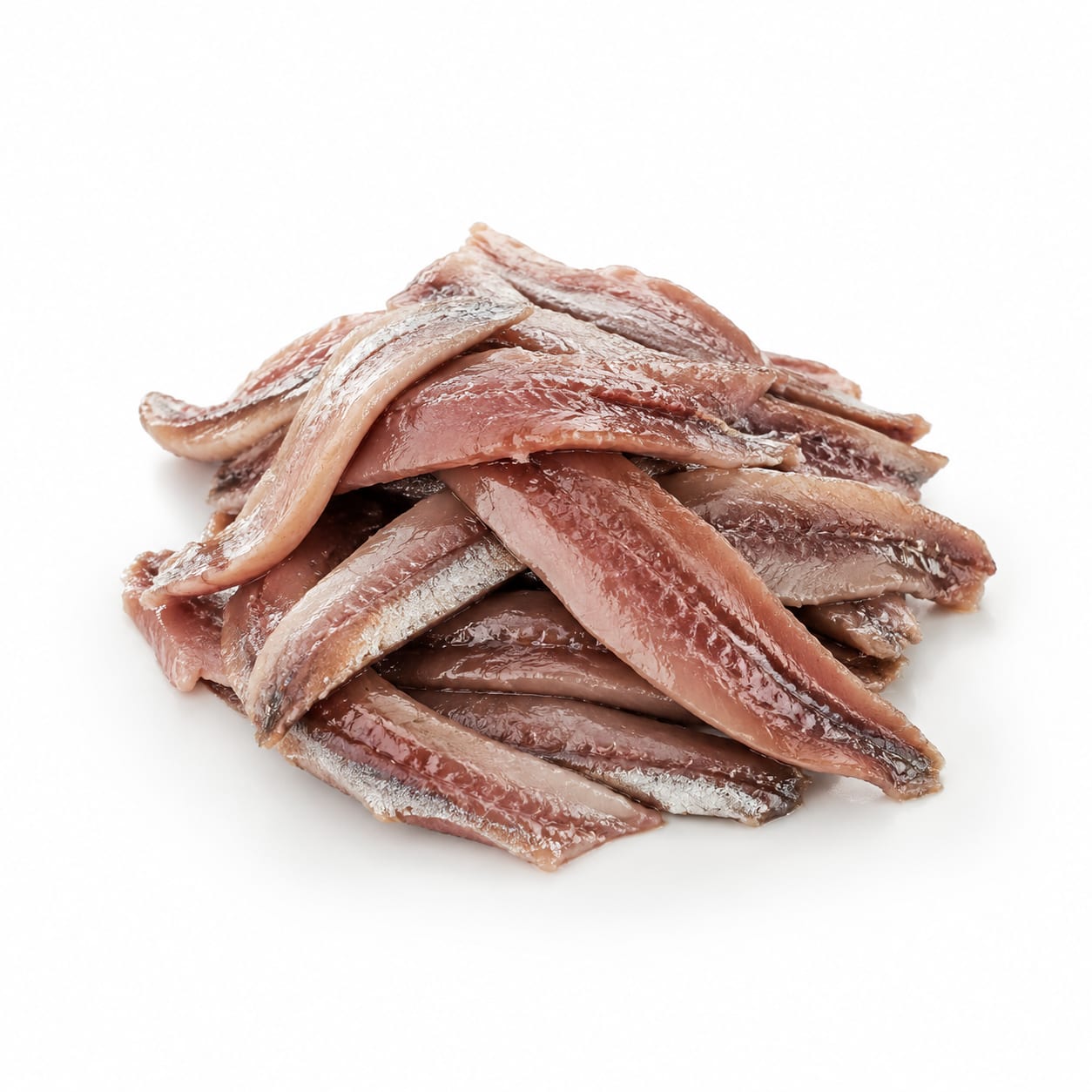
Anchovy
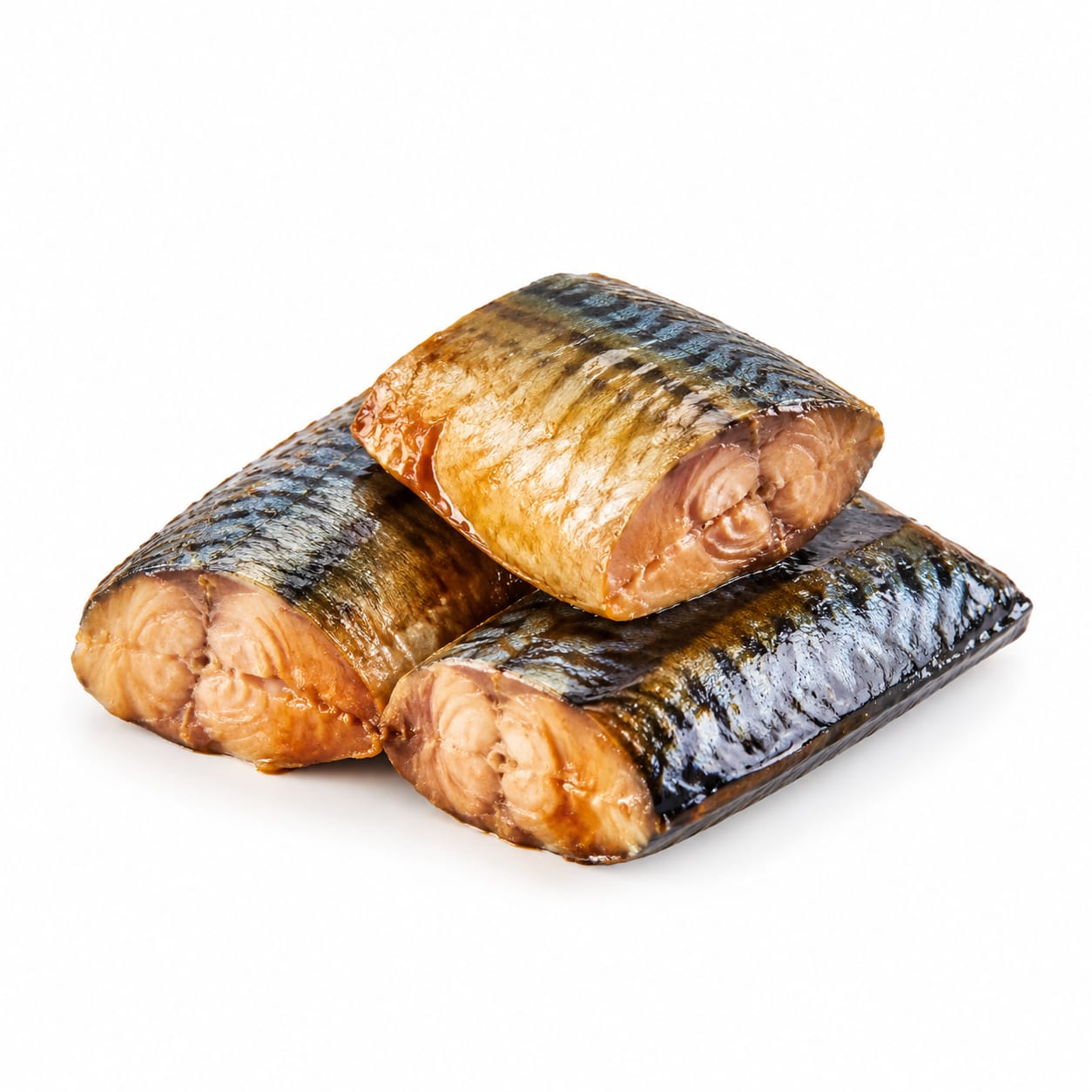
Mackerel
Mackerel is the superior main course for a low-sodium, high-protein meal, while Anchovy is the ultimate low-mercury, calcium-rich flavor booster.
Mackerel edges out Anchovy overall due to its versatility as a low-sodium, high-protein main dish, though Anchovy remains an exceptional low-mercury, calcium-rich condiment.
You trade Anchovy's extreme sodium and tiny portion size for Mackerel's higher mercury risk and hearty satiety.
At a glance
Executive summary
Overall
It depends
Healthier
It depends
More practical
Mackerel
Daily use
It depends
Key comparison lenses
Omega-3 intake and heart health
Both are renowned for their omega-3 content, but the serving size and total volume differ drastically.
Mercury and heavy metal safety
Anchovy is a small forage fish with minimal mercury, while Mackerel species vary widely in contamination risk.
Sodium load and blood pressure impact
Anchovies are heavily salt-cured, making sodium a major deciding factor compared to fresh or water-packed Mackerel.
Culinary role and satiety
Mackerel is a filling main course, whereas Anchovy is a flavor-enhancing garnish.
Bone health and micronutrients
Eating Anchovy bones provides a unique calcium boost that Mackerel does not offer.
Best choice for
Anchovy
- Low-mercury omega-3 boosts
- Calcium and bone health support
- Umami flavor enhancement for recipes
Mackerel
- Filling, high-protein main courses
- Heart-healthy weekly meal prep
- Low-sodium whole food diets
Least suitable for
Anchovy
- Low-sodium or blood pressure diets
- People who dislike strong fishy flavors
- Large portion meals
Mackerel
- Pregnant women (if King Mackerel)
- Those strictly monitoring heavy metal intake
- Quick snack needs
Deep comparison
Dimension by dimension
Each lens scores both foods and breaks down who each option suits.
- Dimension 1 · Priority 95Mackerel
Omega-3 Fatty Acids & Heart Health
Anchovy · 85Mackerel · 92Mackerel delivers a massive dose of omega-3s per fillet, making it a heart-health powerhouse as a main course. Anchovy is incredibly dense in omega-3s per calorie, but you'd need to eat a lot (and a lot of salt) to match a single Mackerel serving.
Tradeoff
Mackerel gives you more total omega-3s in a sitting, while Anchovy gives you a concentrated punch in a tiny, salty package.
Why it matters
Omega-3s are critical for heart and brain health, but the source and serving size dictate how much you actually absorb.
Real-world impact
Eating Mackerel for dinner noticeably improves your omega-3 intake for the day, whereas Anchovy provides a subtle boost unless you eat multiple fillets.
Anchovy
- Calorie-counters wanting maximum omega-3 density
- Adding healthy fats to salads without adding bulk
Better for
- People who need large volumes of omega-3s but can't tolerate high sodium
Worse for
Mackerel
- Getting a full daily omega-3 dose in one meal
- Sustained cardiovascular benefits from larger servings
Better for
- Those who struggle to eat large portions of fish
Worse for
- Dimension 2 · Priority 90Anchovy
Mercury & Contamination Safety
Anchovy · 95Mackerel · 70Anchovies are tiny forage fish, so they accumulate very little mercury. Mackerel's safety depends heavily on the species—Atlantic Mackerel is moderate, but King Mackerel is dangerously high in mercury.
Tradeoff
Anchovy is the safer bet for frequent consumption without worrying about heavy metals, whereas Mackerel requires you to be species-savvy to avoid high mercury.
Why it matters
Mercury exposure harms the nervous system and builds up over time, making fish selection crucial for long-term health.
Real-world impact
You can eat Anchovy nearly every day without mercury anxiety, but eating the wrong Mackerel species regularly could pose real health risks.
Anchovy
- Pregnant women seeking safe seafood
- Frequent fish eaters watching heavy metal accumulation
Better for
- No real downside regarding contamination
Worse for
Mackerel
- Occasional seafood diners who choose low-mercury Atlantic Mackerel
Better for
- Unaware consumers who accidentally buy King Mackerel
Worse for
- Dimension 3 · Priority 85Mackerel
Sodium Load & Blood Pressure
Anchovy · 30Mackerel · 85Canned or jarred anchovies are cured in heavy salt, delivering a massive sodium hit even in small amounts. Mackerel, whether fresh or canned in water, is naturally low in sodium.
Tradeoff
Anchovies can easily spike your blood pressure if you aren't careful with portion sizes, while Mackerel is much gentler on your cardiovascular system regarding salt.
Why it matters
Excess sodium is a leading driver of hypertension and bloating, silently impacting heart health.
Real-world impact
Eating a few anchovies on a pizza can secretly deliver a quarter of your daily sodium limit, while a Mackerel fillet keeps your salt intake totally in check.
Anchovy
- Endurance athletes who need to replenish sodium after heavy sweating
Better for
- People with hypertension
- Those prone to bloating
Worse for
Mackerel
- Anyone monitoring blood pressure
- People trying to reduce water retention
Better for
- No real downside regarding sodium
Worse for
- Dimension 4 · Priority 75Anchovy
Bone Health & Hidden Nutrients
Anchovy · 90Mackerel · 65Because you eat anchovy bones, they are a phenomenal source of calcium and vitamin D. Mackerel offers good nutrition but lacks the bone-derived calcium boost.
Tradeoff
Anchovy acts like a multivitamin for your skeleton in a tiny bite, while Mackerel provides broader nutrition without the calcium windfall.
Why it matters
Calcium is essential for bone density, and getting it from whole food sources is often more effective than supplements.
Real-world impact
Regularly eating anchovies can help keep your bones strong without needing dairy, whereas Mackerel supports muscles but won't do much for your calcium needs.
Anchovy
- Dairy-free diets needing calcium
- Older adults fighting bone density loss
Better for
- People who dislike the texture of soft bones
Worse for
Mackerel
- Those who get calcium from other sources and want pure protein
Better for
- Those relying on fish as a primary calcium source
Worse for
- Dimension 5 · Priority 80Mackerel
Satiety & Culinary Role
Anchovy · 40Mackerel · 90Mackerel is a rich, meaty fish that serves as a satisfying main course. Anchovies are typically a garnish or flavor enhancer, not something that fills you up.
Tradeoff
Mackerel actually makes a meal out of your omega-3s, while Anchovy is just a supporting actor in the kitchen.
Why it matters
Foods that keep you full prevent overeating and snacking, making weight management much easier.
Real-world impact
A Mackerel dinner keeps you full for hours, but using Anchovy paste on your toast won't stop you from reaching for a snack an hour later.
Anchovy
- Adding depth to recipes without adding bulk
- Flavor-first cooking
Better for
- People looking for a filling, standalone meal
Worse for
Mackerel
- Post-workout recovery meals
- Family dinners requiring a hearty main dish
Better for
- Quick, light snack situations
Worse for
Timeline
Health impact over time
Short-term
Hours to days
Anchovy
- Quick umami satisfaction
- Potential thirst and bloating from high sodium
Mackerel
- Deep satiety from protein and fat
- Steadier energy without a sugar crash
Long-term
Months to years
Anchovy
- Stronger bones from calcium
- Risk of elevated blood pressure if overconsumed
Mackerel
- Improved heart and brain health from omega-3s
- Potential mercury accumulation if eating the wrong species
Risk profile
Safety & processing
Most store-bought anchovies are salt-cured and oil-packed, which is a traditional processing method without artificial additives. Mackerel is widely available fresh or simply canned, keeping it very close to its natural state.
Anchovy
High sodium
highSalt-curing makes anchovies a significant contributor to daily sodium limits, impacting blood pressure.
Mackerel
Mercury exposure
mediumAtlantic Mackerel is moderate, but King Mackerel is extremely high in mercury and should be avoided, especially by pregnant women.
Histamine toxicity
lowImproperly refrigerated mackerel can cause scombroid poisoning, a histamine reaction.
Who wins for whom
Audience fit
Same foods, different winners depending on your goal.
children
AnchovyAnchovy's extremely low mercury level makes it safer for developing nervous systems, provided the sodium is managed in tiny portions.
daily consumption
It dependsMackerel is better for daily main meals due to low sodium, but Anchovy is safer for daily tiny garnishes due to low mercury.
diabetes
MackerelBoth have zero carbs, but Mackerel's lower sodium and higher protein make it a safer, steadier choice for metabolic health.
elderly
AnchovyThe high calcium from anchovy bones supports bone density in aging populations, and the low mercury reduces long-term accumulation risks.
muscle gain
MackerelMackerel provides a much larger protein serving per meal, which is essential for muscle repair and growth.
weight loss
MackerelMackerel is far more filling and satisfying as a meal, making it easier to control overall calorie intake.
Your move
Decision guide
Choose Anchovy
- You want a low-mercury flavor bomb to elevate dishes
- You need a calcium boost without dairy
- You are pregnant and want the safest fish for omega-3s
Choose Mackerel
- You want a satisfying, meaty fish for dinner
- You are watching your sodium intake
- You need a high-protein post-workout meal
Either works if
- You want to boost your omega-3 intake
- You are looking for zero-carb, keto-friendly proteins
Avoid both if
- You have a severe fish allergy
- You cannot tolerate any fish oils
Final recommendation
Use Anchovy as a strategic seasoning to add low-mercury omega-3s and calcium to your meals, and rely on Atlantic Mackerel as your go-to heart-healthy main course for its satiety and low sodium.
Practical
Consumer tips
- 1
Always buy Atlantic or Chub Mackerel, and explicitly avoid King Mackerel due to high mercury.
- 2
Rinse canned anchovies under cold water to remove some of the excess surface salt before eating.
- 3
Mash anchovies into dressings or sauces to get their nutritional benefits without overwhelming fishy flavor.
- 4
Keep canned mackerel in your pantry for a quick, protein-rich emergency meal that beats tuna on omega-3s.