
Nutrition comparison
Anchovy vs Capers: Nutrition, Sodium, and Which Briny Flavor Wins
Anchovies deliver omega-3s, protein, and minerals alongside their salt. Capers offer briny flavor with almost no nutrition. Compare sodium, health benefits, and best uses for each.
Overall winner · Anchovy
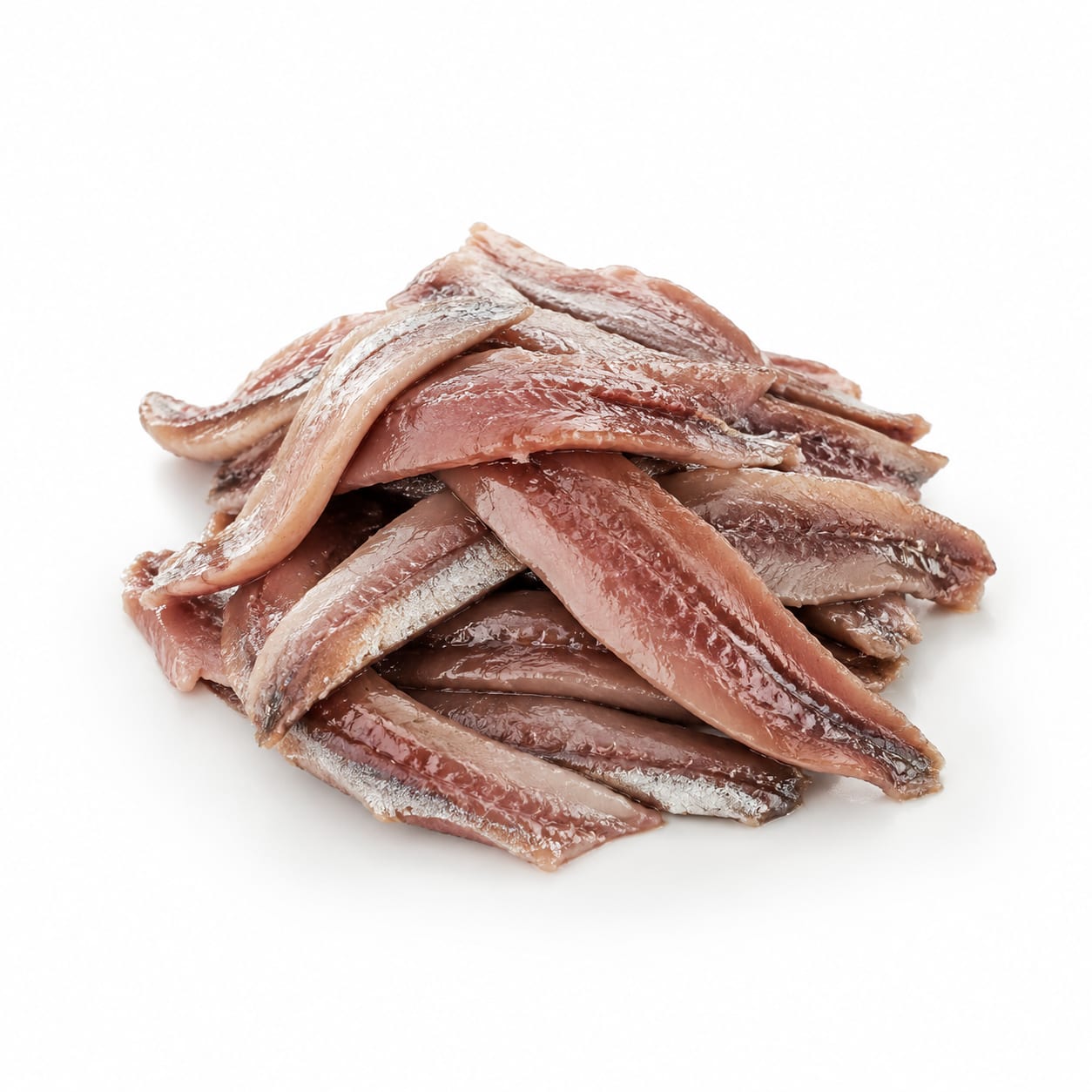
Anchovy
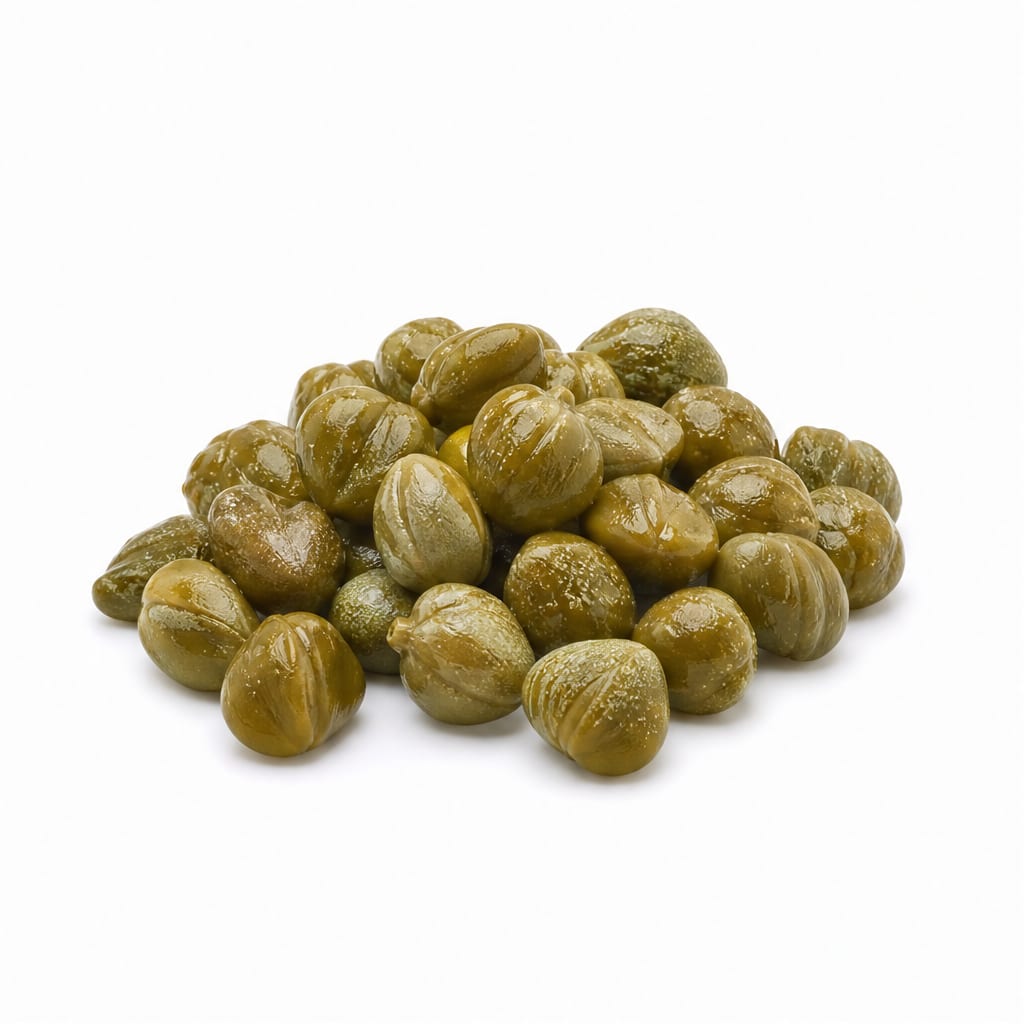
Capers
Anchovies deliver real nutrition alongside their salty punch, while capers are essentially a flavored salt sprinkle with antioxidants but almost no substance.
Anchovies score significantly higher because they deliver substantial omega-3s, protein, calcium, and vitamin D alongside their sodium. Capers score low because they offer minimal nutrition beyond antioxidants and fiber traces, while carrying an extreme sodium density that overshadows their benefits.
Anchovies give you protein, omega-3s, and minerals in exchange for sodium; capers give you almost nothing except intense flavor and even more sodium per bite.
At a glance
Executive summary
Overall
Anchovy
Healthier
Anchovy
More practical
Capers
Daily use
It depends
Key comparison lenses
sodium and flavor impact
Both are extremely high-sodium flavor enhancers, making salt load the central concern for most users
nutritional density vs condiment role
Anchovies deliver substantial protein and omega-3s while capers function almost purely as seasoning with minimal macronutrients
heart health tradeoffs
Anchovies offer cardio-protective omega-3s alongside sodium, while capers provide antioxidants but lack the healthy fats that offset sodium risk
omega 3 and anti inflammatory value
Anchovies are one of the best omega-3 sources per gram, a major differentiator from capers
culinary versatility and portion reality
Both are used in tiny amounts, so real-world nutritional impact depends heavily on how much actually lands on the plate
Best choice for
Anchovy
- People wanting omega-3s without eating large fish portions
- Anyone needing protein and minerals from a small serving
- Mediterranean diet followers seeking authentic nutritional benefits
- Those concerned about anti-inflammatory nutrition
Capers
- Vegetarians wanting a briny flavor boost without fish
- Home cooks needing a quick pantry seasoning
- People who dislike fishy flavors but want umami depth
- Anyone adding brightness to sauces and dressings
Least suitable for
Anchovy
- People on strict low-sodium diets
- Those with fish allergies or vegetarian diets
- Anyone sensitive to strong fish flavors
- People with gout flares triggered by purines
Capers
- People on strict low-sodium diets
- Anyone expecting meaningful protein or healthy fats
- Those sensitive to very salty flavors
- People seeking satiating or filling foods
Deep comparison
Dimension by dimension
Each lens scores both foods and breaks down who each option suits.
- Dimension 1 · Priority 95Anchovy
nutritional_density
Anchovy · 88Capers · 18Anchovies are a nutritional powerhouse in tiny form; capers are nutritionally near-empty despite their antioxidant content.
Tradeoff
You get real protein, omega-3s, calcium, and B-vitamins from anchovies, while capers offer only trace amounts of quercetin and fiber per serving.
Why it matters
If you are eating something salty anyway, anchovies at least pay you back with substance. Capers charge the same sodium price but deliver almost nothing nutritionally.
Real-world impact
Two anchovy fillets give you about 1g protein, 300mg omega-3s, and meaningful calcium. A tablespoon of capers gives you less than 0.2g protein and virtually no healthy fats.
Anchovy
- Getting omega-3s without supplements
- Adding protein to salads or pasta dishes
- Supporting bone health through dietary calcium
Better for
- Vegetarian or vegan diets
Worse for
Capers
- Adding antioxidant quercetin to meals
- Avoiding fish-based ingredients entirely
Better for
- Anyone needing actual macronutrients from their food
- Meals where you want nutritional substance, not just flavor
Worse for
- Dimension 2 · Priority 92Capers
sodium_load
Anchovy · 25Capers · 15Both are sodium bombs, but capers are even more sodium-dense per gram than anchovies, making neither a good choice for salt-sensitive people.
Tradeoff
Capers pack roughly 250-300mg sodium per tablespoon, while anchovies deliver about 350-500mg per serving, but anchovies provide real nutrition alongside that salt. Capers offer almost nothing to justify their sodium cost.
Why it matters
If you have blood pressure concerns, both foods require careful portioning. Neither is safe to eat freely.
Real-world impact
A few capers on a salad can easily add 200mg sodium. Two anchovy fillets on a pizza add similar salt but also give you omega-3s and protein. The anchovy salt feels more earned.
Anchovy
- Situations where sodium comes with nutritional payoff
- People who track sodium but still want nutrient density
Better for
- Strict low-sodium diets under 1500mg daily
Worse for
Capers
- Very small sprinkle portions where total sodium stays low
Better for
- Anyone assuming capers are a healthy low-sodium garnish
- People who use capers generously in sauces
Worse for
- Dimension 3 · Priority 85Anchovy
omega_3_and_anti_inflammatory_value
Anchovy · 95Capers · 20Anchovies are one of the best omega-3 sources on the planet per calorie. Capers contain no meaningful omega-3s.
Tradeoff
Anchovies deliver EPA and DHA directly, which your body uses immediately for anti-inflammatory benefits. Capers offer quercetin, an antioxidant with anti-inflammatory properties, but at amounts too small to matter in typical servings.
Why it matters
If reducing inflammation is a goal, anchovies are genuinely therapeutic. Capers are not an omega-3 source in any practical sense.
Real-world impact
Eating anchovies twice a week can meaningfully improve your omega-3 intake. Eating capers twice a week adds almost nothing to your anti-inflammatory nutrition profile.
Anchovy
- Cardiovascular protection through EPA and DHA
- Reducing systemic inflammation naturally
- Brain health and cognitive support
Better for
- Vegetarians who cannot consume fish
Worse for
Capers
- Plant-based antioxidant intake without animal products
Better for
- Anyone relying on dietary omega-3s for health outcomes
Worse for
- Dimension 4 · Priority 70Anchovy
antioxidant_and_micronutrient_profile
Anchovy · 78Capers · 55Anchovies win on overall micronutrient breadth with B12, selenium, calcium, and vitamin D. Capers offer quercetin and rutin but in amounts that barely register nutritionally.
Tradeoff
Anchovies provide vitamins and minerals your body actually needs in meaningful amounts. Capers provide interesting phytonutrients but at doses too low to create real health effects.
Why it matters
A single anchovy fillet delivers measurable B12 and selenium. You would need unrealistic amounts of capers to get any meaningful antioxidant benefit.
Real-world impact
The B12 in anchovies supports nerve function and energy. The quercetin in capers sounds impressive but the actual dose per serving is negligible.
Anchovy
- B12 intake for energy and nerve health
- Selenium for thyroid and immune function
- Calcium from edible bones
Better for
- People avoiding animal-sourced micronutrients
Worse for
Capers
- Quercetin for those specifically studying flavonoid intake
- Vitamin K traces for blood clotting support
Better for
- Anyone expecting measurable vitamin or mineral contributions
Worse for
- Dimension 5 · Priority 75It depends
culinary_versatility_and_portion_reality
Anchovy · 65Capers · 72Capers are easier to use as a quick seasoning, while anchovies require more culinary skill but offer deeper flavor transformation.
Tradeoff
Capers can be sprinkled directly from the jar onto almost anything. Anchovies often need to be melted into sauces or used strategically to avoid overwhelming fishy flavor.
Why it matters
In real cooking, convenience matters. Capers are more forgiving and easier to use correctly. Anchovies can ruin a dish if overapplied.
Real-world impact
A pinch of capers instantly brightens a lemon butter sauce. An anchovy needs to dissolve slowly into olive oil to work its magic without tasting fishy.
Anchovy
- Building deep savory bases for pasta sauces and stews
- Dressings where umami depth matters more than brightness
Better for
- Dishes where fish flavor would be intrusive
- Serving to guests who dislike fish
Worse for
Capers
- Quick garnishes for fish, chicken, or salads
- Cooking situations where you want bright briny pops
- Recipes where even non-fish-eaters enjoy the flavor
Better for
- Recipes requiring deep umami foundation rather than bright accent
Worse for
- Dimension 6 · Priority 65Capers
digestive_tolerance_and_allergy_risk
Anchovy · 45Capers · 70Capers are gentler on most digestive systems, while anchovies carry fish allergy risk and histamine concerns.
Tradeoff
Anchovies can trigger fish allergies, histamine intolerance, and gout flares. Capers are generally well-tolerated except for their sodium impact.
Why it matters
Fish allergies are common and serious. Histamine intolerance from preserved fish affects more people than expected. Capers skip these risks entirely.
Real-world impact
Someone with a fish allergy must avoid anchovies completely. Capers remain safe for nearly everyone except those watching sodium closely.
Anchovy
- People without fish allergies who tolerate preserved fish well
Better for
- Fish allergy sufferers
- People on histamine-restricted diets
- Those with gout triggered by purine-rich foods
Worse for
Capers
- People with fish or shellfish allergies
- Those with histamine intolerance
- Anyone prone to gout attacks
Better for
- People sensitive to very acidic or very salty foods
Worse for
Timeline
Health impact over time
Short-term
Hours to days
Anchovy
- Quick sodium hit that may cause thirst or mild bloating
- Omega-3s begin anti-inflammatory signaling within hours
- Umami satisfaction can reduce cravings for additional salty snacks
Capers
- Intense sodium spike that triggers thirst quickly
- Briny acidity may stimulate digestion and appetite
- Minimal satiety response due to near-zero protein and fat content
Long-term
Months to years
Anchovy
- Regular intake supports cardiovascular health through consistent omega-3 delivery
- Calcium and vitamin D contribute to bone density maintenance
- Sodium load requires monitoring for blood pressure management
- Purine content may aggravate gout in susceptible individuals
Capers
- Chronic high sodium intake from frequent caper use may elevate blood pressure risk
- Quercetin accumulation offers modest anti-inflammatory benefits over time
- No meaningful contribution to protein, omega-3, or mineral status long-term
Risk profile
Safety & processing
Both anchovies and capers are preserved through traditional methods, mainly salt curing and brining. Anchovies are typically packed in oil or salt with minimal additives. Capers are cured in salt or brine with vinegar. Neither involves artificial preservatives or ultra-processing, but both are far from their fresh natural state due to the heavy salt preservation required.
Anchovy
histamine toxicity
mediumPreserved anchovies accumulate histamine during curing, which can trigger headaches, flushing, or digestive issues in sensitive individuals.
heavy metal exposure
lowAnchovies are small and short-lived, so they accumulate far less mercury than larger fish. Risk is minimal but not zero.
fish allergy reactions
highAnchovies are fish and can cause severe allergic reactions in fish-allergic individuals, including anaphylaxis.
Capers
excessive sodium intake
mediumCapers are extremely sodium-dense. Regular generous use can easily push daily sodium intake well above recommended limits.
pesticide residue
lowCapers are flower buds grown on hardy bushes, typically with minimal pesticide use. Residue risk is low, especially after brining.
Who wins for whom
Audience fit
Same foods, different winners depending on your goal.
children
It dependsNeither is ideal for children due to extreme sodium content. Anchovies offer better nutrition if a child tolerates the flavor, but most children reject both foods.
daily consumption
It dependsNeither should be consumed daily in large amounts due to sodium. Anchovies used sparingly a few times per week offer genuine health benefits. Capers daily provide only sodium risk without nutritional reward.
diabetes
AnchovyAnchovies have zero carbohydrates and their omega-3s improve insulin sensitivity. Capers also have minimal carbs but lack the metabolic benefits of omega-3s.
elderly
AnchovyAnchovies support bone density through calcium and vitamin D, and omega-3s protect cardiovascular and cognitive health. Both require sodium caution in older adults.
muscle gain
AnchovyAnchovies deliver complete protein with all essential amino acids. Capers provide essentially no protein for muscle repair or growth.
weight loss
AnchovyAnchovies provide protein and omega-3s that support satiety and fat metabolism, while capers offer zero satiety despite their sodium load.
Your move
Decision guide
Choose Anchovy
- You want omega-3s without taking fish oil supplements
- You are building savory depth in pasta sauces, dressings, or braises
- You need protein and minerals from a compact, shelf-stable source
- You follow a Mediterranean dietary pattern and want authentic nutritional benefits
Choose Capers
- You are vegetarian and need a briny flavor enhancer without fish
- You want a quick, forgiving garnish that brightens dishes instantly
- You dislike fish flavor but still want umami complexity
- You are making sauces where bright acidic pop matters more than savory depth
Either works if
- You are simply looking for a salty umami boost and have no dietary restrictions
- You are following a Mediterranean recipe that calls for either ingredient
- You already have adequate omega-3 intake from other sources
Avoid both if
- You are on a strict low-sodium diet for blood pressure or kidney health
- You are highly salt-sensitive and already exceed daily sodium targets
- You are seeking a low-sodium flavor enhancer, as neither qualifies
Final recommendation
Choose anchovies when nutrition matters as much as flavor. Their omega-3s, protein, and mineral content make the sodium cost feel justified. Choose capers when you need a quick, vegetarian-friendly flavor accent and already get your omega-3s elsewhere. If blood pressure is a concern, treat both as occasional seasonings rather than regular ingredients, and always rinse them before use to remove surface salt.
Practical
Consumer tips
- 1
Rinse anchovies and capers under cold water before using to remove up to 30% of surface sodium
- 2
Choose anchovies packed in olive oil rather than salt-packed for easier portion control
- 3
Melt anchovies into warm olive oil for pasta sauces where they disappear completely and leave only rich umami
- 4
Add capers at the very end of cooking to preserve their bright, briny pop
- 5
Freeze anchovy fillets on a sheet tray then transfer to a bag for easy single-fillet portioning
- 6
Look for capers packed in salt rather than brine for better flavor, then rinse and soak before using
- 7
If sodium is a concern, try caper berries instead of capers for a milder salt load with similar flavor