
Nutrition comparison
Anchovy vs Herring: Nutrition, Omega-3, and Sodium Compared
Discover the nutritional differences between anchovy and herring. Learn which fish is better for omega-3s, which is lower in sodium, and how to choose for your health goals.
Overall winner · Herring
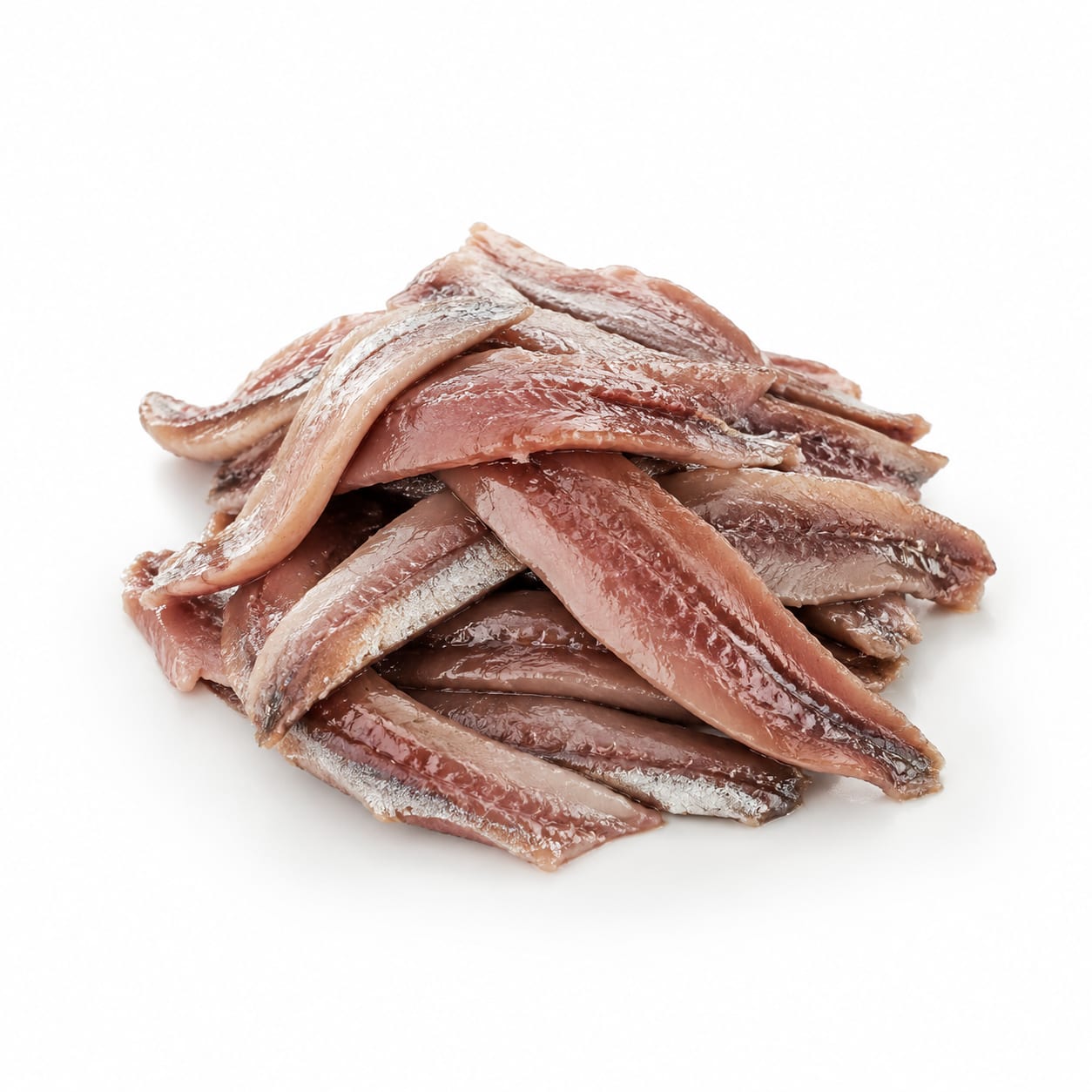
Anchovy
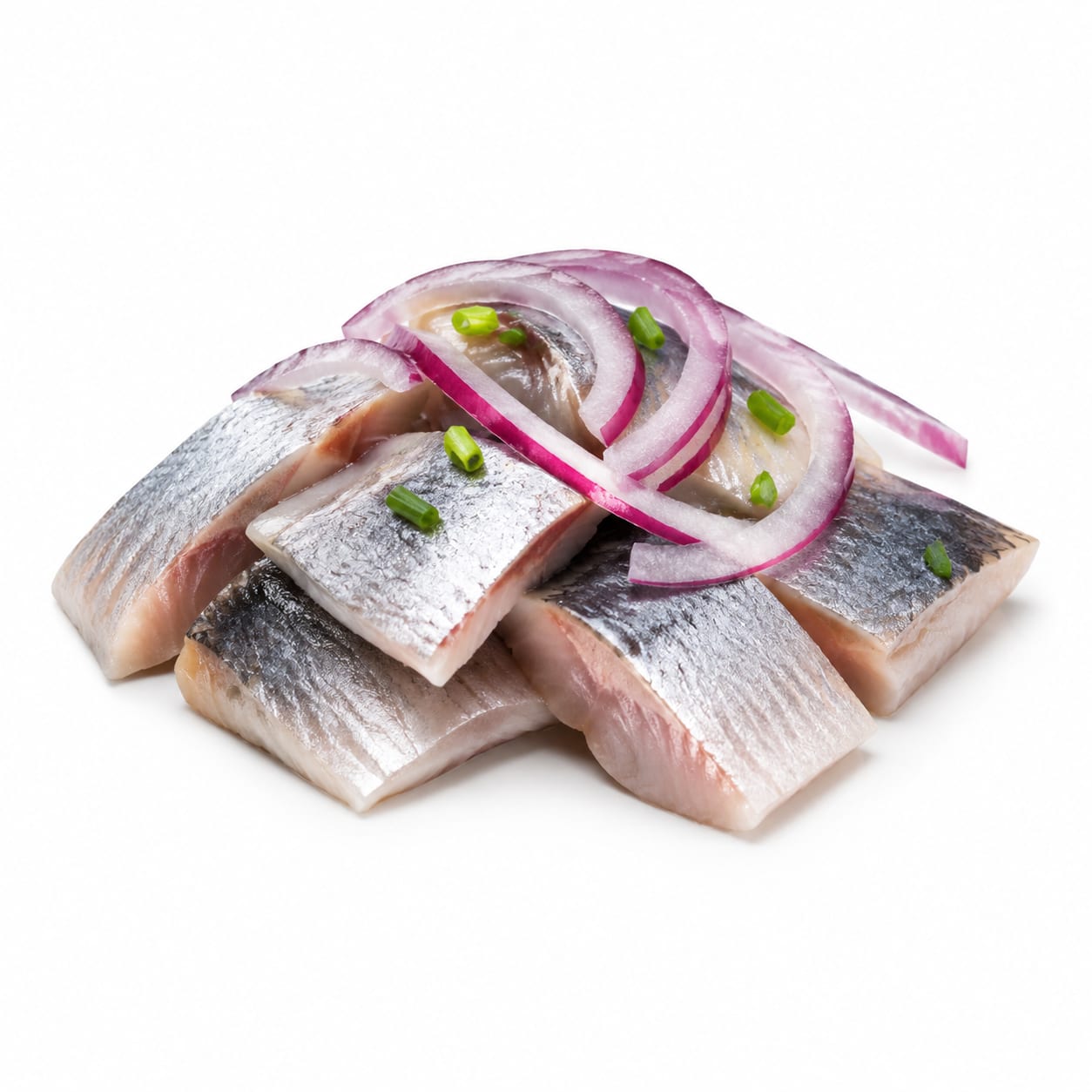
Herring
Herring wins as a versatile, low-sodium main course rich in vitamin D, while Anchovy is a concentrated flavor bomb that packs omega-3s but comes with a massive salt load.
Herring scores higher primarily due to its lower sodium content and versatility as a satisfying meal, making it easier to incorporate regularly without the cardiovascular risks associated with heavy salt intake.
You trade the intense flavor and bite-sized omega-3 density of Anchovies for the satisfying, meal-friendly portions and lower sodium of Herring.
At a glance
Executive summary
Overall
Herring
Healthier
Herring
More practical
Herring
Daily use
Herring
Key comparison lenses
Omega-3 density and heart health benefits
Both are celebrated for their omega-3 content, making this the primary reason users compare them
Sodium load and blood pressure impact
Anchovies are typically cured with heavy salt, creating a stark contrast with fresher herring preparations
Culinary role and serving size practicality
Anchovies are eaten as a condiment while herring is a main dish, drastically altering how they fit into a diet
Heavy metal and contaminant exposure
Consumers often compare small fish to gauge mercury and toxin safety
Best choice for
Anchovy
- Adding savory umami depth to sauces and dressings
- Maximizing omega-3 intake in tiny portions
- Those seeking the absolute lowest mercury fish
Herring
- A filling, protein-rich main course
- Boosting vitamin D intake naturally
- Those watching their sodium but wanting fish benefits
Least suitable for
Anchovy
- People managing high blood pressure
- Large portion eaters looking for a main dish
- Those sensitive to strong fishy flavors
Herring
- Quick flavor accents in cooking
- People who need shelf-stable pantry staples without refrigeration
Deep comparison
Dimension by dimension
Each lens scores both foods and breaks down who each option suits.
- Dimension 1 · Priority 95It depends
Omega-3 Fatty Acids
Anchovy · 88Herring · 90Both are omega-3 powerhouses, but Herring provides more total omega-3s per realistic serving because you eat much more of it.
Tradeoff
Anchovy is more nutrient-dense per gram, but since it is eaten in tiny amounts, Herring usually delivers more total heart-healthy fats per meal.
Why it matters
Total omega-3s consumed matters more for heart and brain health than concentration alone.
Real-world impact
A Herring fillet easily gives you over a gram of omega-3s, while a few Anchovy strips might only offer a fraction of that.
Anchovy
- Getting a quick omega-3 boost without eating a full meal
Better for
- Relying on it as your sole source of daily omega-3s
Worse for
Herring
- Meeting your daily omega-3 targets in a single sitting
Better for
- Adding healthy fats to a dish without changing its texture
Worse for
- Dimension 2 · Priority 90Herring
Sodium and Blood Pressure
Anchovy · 25Herring · 80Canned Anchovies are loaded with sodium, whereas Herring—especially fresh or smoked—contains dramatically less salt.
Tradeoff
The curing process that gives Anchovies their savory punch also makes them a high-sodium food, whereas Herring can be enjoyed with minimal salt impact.
Why it matters
Frequent high-sodium meals raise blood pressure and increase cardiovascular risk over time.
Real-world impact
Eating a few Anchovies can easily add hundreds of milligrams of sodium to your day, while a Herring fillet keeps your salt intake comfortably low.
Anchovy
- Flavoring dishes where you would otherwise add table salt
Better for
- Those with hypertension eating them straight
- Daily snacking
Worse for
Herring
- Keeping blood pressure in check
- Enjoying fish without excessive thirst afterward
Better for
- Recipes that specifically require a salty, cured flavor profile
Worse for
- Dimension 3 · Priority 85Herring
Satiety and Protein
Anchovy · 40Herring · 90Herring provides a substantial, filling portion of protein, while Anchovies are too small to offer meaningful satiety on their own.
Tradeoff
You eat Herring as a meal that keeps you full, but Anchovies are a garnish that barely makes a dent in your hunger.
Why it matters
Foods that keep you full help prevent overeating and make it easier to stick to a healthy eating pattern.
Real-world impact
A Herring fillet makes a satisfying lunch that holds you over until dinner; Anchovies just add flavor to whatever you are already eating.
Anchovy
- Light snackers who only want a taste of umami
Better for
- Using it as a standalone protein source
Worse for
Herring
- Post-workout recovery meals
- Avoiding afternoon energy crashes
Better for
- Light snacking where a heavy meal feels uncomfortable
Worse for
- Dimension 4 · Priority 80Herring
Vitamin D Content
Anchovy · 60Herring · 95Herring is one of the best dietary sources of vitamin D available, far outpacing Anchovies in this essential nutrient.
Tradeoff
Choosing Herring gives a massive boost to bone and immune health through vitamin D, while Anchovies offer very little of this sunshine vitamin.
Why it matters
Vitamin D deficiency is widespread and critical for mood, bone density, and immune defense.
Real-world impact
Eating Herring a few times a week can meaningfully improve your vitamin D levels, especially during winter months.
Anchovy
- Minor contributions to daily nutrient intake
Better for
- Relying on it to fix a vitamin D deficiency
Worse for
Herring
- Supporting bone health naturally
- Boosting immunity during darker months
Better for
- Situations where vitamin D is already supplemented heavily
Worse for
- Dimension 5 · Priority 75Anchovy
Mercury and Contaminants
Anchovy · 98Herring · 92Both are low-mercury fish, but Anchovies sit slightly lower on the food chain, making them the safest possible pick for toxin avoidance.
Tradeoff
While Herring is still incredibly safe compared to large fish, Anchovies hold a slight edge for those hyper-concerned about heavy metals.
Why it matters
Minimizing mercury exposure is crucial for neurological health, especially for pregnant women and children.
Real-world impact
You can eat either fish frequently without worrying about mercury buildup, though Anchovy offers slightly more peace of mind.
Anchovy
- Pregnant women seeking the absolute lowest mercury fish
- Hyper-cautious consumers avoiding all heavy metals
Better for
- No real downside regarding contaminants
Worse for
Herring
- Still a very safe, low-mercury choice for daily eating
Better for
- Slightly higher theoretical risk than the smallest forage fish
Worse for
Timeline
Health impact over time
Short-term
Hours to days
Anchovy
- Quick hit of savory flavor that satisfies umami cravings
- Can cause immediate thirst and bloating due to high salt content
Herring
- Provides solid protein for sustained fullness and steady energy
- Gentle on the stomach with a milder, more approachable flavor
Long-term
Months to years
Anchovy
- Excellent cardiovascular support from concentrated omega-3s
- Risk of elevated blood pressure if consumed frequently due to sodium
Herring
- Strong support for heart and bone health through omega-3s and vitamin D
- Sustainable, low-mercury protein source that is safe for regular consumption
Risk profile
Safety & processing
Canned Anchovies are typically salt-cured and packed in oil, classifying them as processed. Herring is widely available fresh or frozen, offering a much more natural state, though pickled and smoked varieties do exist.
Anchovy
Excessive sodium intake
highThe salt-curing process makes Anchovies a major source of hidden sodium, which can quickly push daily limits.
Purine concentration
mediumAnchovies are very high in purines, which can trigger gout flare-ups in susceptible individuals.
Herring
Parasites in raw preparations
mediumRaw or under-pickled Herring can carry parasites, making proper freezing or cooking important.
Purine content
lowHerring contains moderate purines, which is less of a concern than Anchovy but still notable for gout sufferers.
Who wins for whom
Audience fit
Same foods, different winners depending on your goal.
children
HerringHerring is lower in sodium, offers crucial vitamin D for growing bones, and has a milder flavor that kids tolerate better than intense Anchovies.
daily consumption
HerringHerring can be eaten daily as a meal without sodium concerns, whereas daily Anchovy consumption would likely result in excessive salt intake.
diabetes
HerringThe low sodium and high protein content of Herring supports metabolic health without the blood pressure spikes associated with salty Anchovies.
elderly
HerringThe vitamin D and omega-3s in Herring support joint and cognitive health, while its lower sodium content protects aging cardiovascular systems.
muscle gain
HerringYou can eat Herring in large enough quantities to serve as a meaningful protein source for muscle repair and growth.
weight loss
HerringHerring provides high protein and satiety in a low-calorie, low-sodium package, making it far easier to manage portions and hunger.
Your move
Decision guide
Choose Anchovy
- You need a flavor bomb to elevate a salad, pizza, or pasta sauce
- You want maximum omega-3 density in a single bite
- You are highly sensitive to mercury and want the smallest forage fish
Choose Herring
- You want a satisfying, healthy fish for a main course
- You are watching your sodium intake
- You need a natural boost of vitamin D and protein
Either works if
- You simply want to eat more low-mercury, omega-3 rich fish
- You enjoy Mediterranean or Nordic dietary patterns
Avoid both if
- You have severe gout and must follow a strict low-purine diet
- You strongly dislike any fishy flavor or aroma
Final recommendation
Keep both in your rotation but use them differently: rely on Herring as your go-to fish meal for protein and vitamin D, and use Anchovies sparingly as a culinary seasoning to add depth without relying on salt shakers.
Practical
Consumer tips
- 1
Rinse canned Anchovies under cold water before eating to remove up to 20-30% of their surface sodium.
- 2
Look for fresh or frozen Herring fillets rather than pickled versions to keep sodium levels at their lowest.
- 3
Melt Anchovies into a hot pan with olive oil and garlic; they dissolve into a rich base that doesn't taste fishy at all.
- 4
If buying canned Herring, choose water-packed or mustard-based over heavy oil or sugary tomato sauces.