
Nutrition comparison
Anchovies vs Olives: Nutrition, Health Benefits & Which to Choose
Compare anchovies and olives side by side — omega-3s vs monounsaturated fats, protein vs healthy fats, sodium concerns, and which fits your diet best.
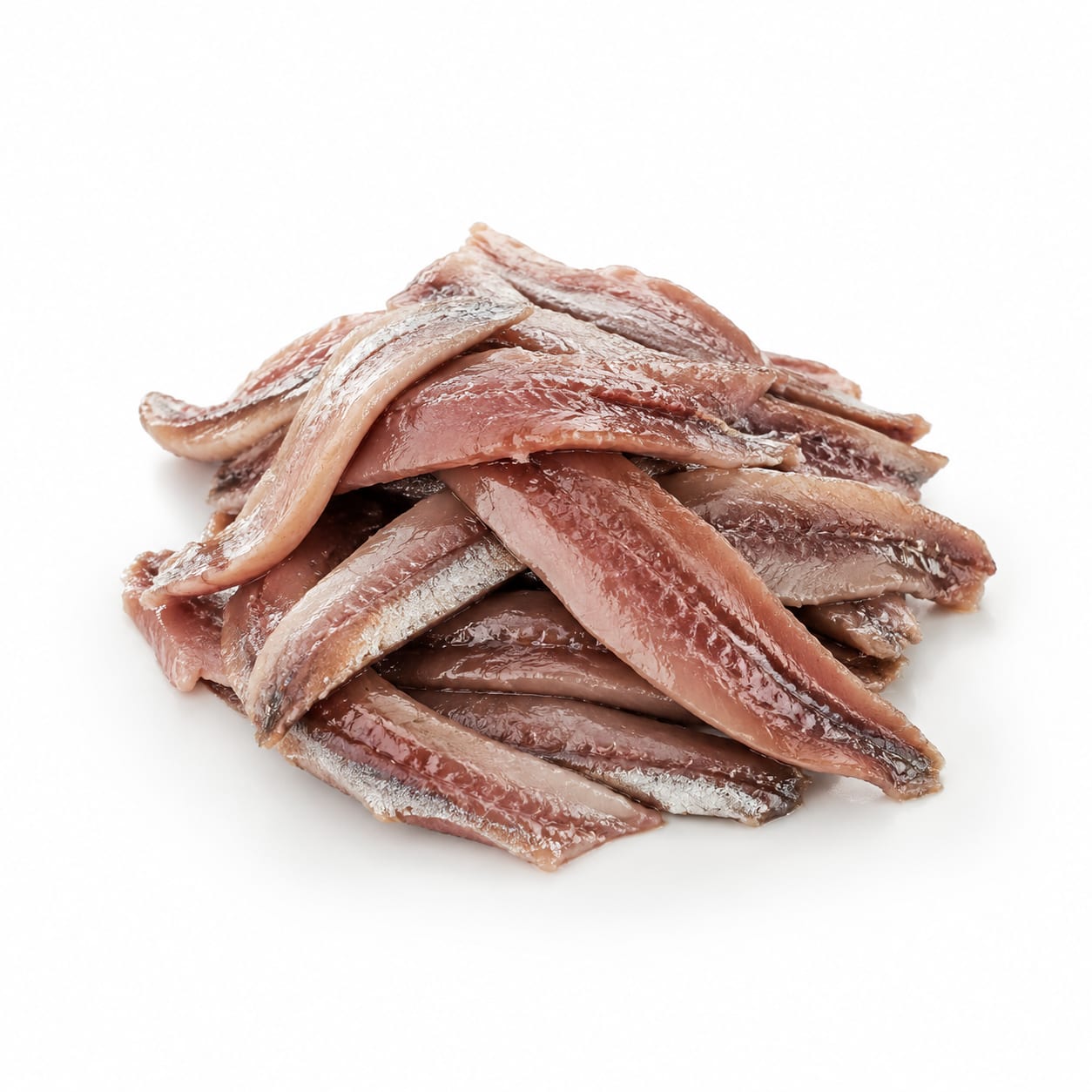
Anchovy
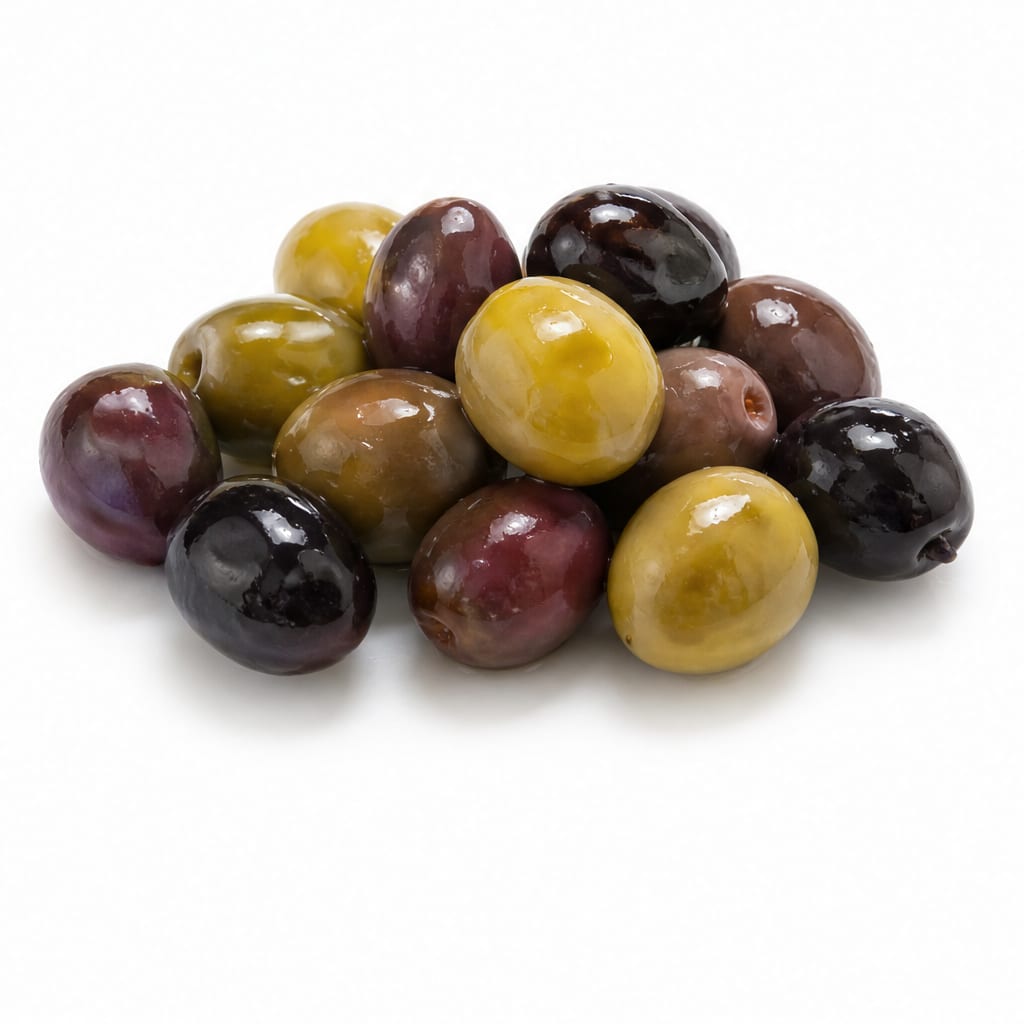
Olives
Anchovies win on nutrient density and protein, olives win on versatility and daily enjoyment — both are sodium-heavy preserved foods with strong heart-health credentials.
Anchovies edge ahead on raw nutritional density — more protein, omega-3s, calcium, and B12 per calorie. Olives score slightly lower but are far more practical for daily eating, which narrows the gap significantly in real-world use.
Anchovies give you omega-3s and protein in a tiny, intense package; olives give you satisfying healthy fats and antioxidants in a more snackable, approachable form.
At a glance
Executive summary
Overall
It depends
Healthier
Anchovy
More practical
Olives
Daily use
Olives
Key comparison lenses
heart health fats
Anchovies deliver omega-3s while olives provide monounsaturated fats — both support cardiovascular health through different pathways
sodium concern
Both are typically preserved in salt or brine, making sodium the single biggest shared drawback
protein vs fat tradeoff
Anchovies are protein-dense with minimal fat calories; olives are fat-dense with negligible protein — a fundamental macronutrient fork in the road
anti inflammatory comparison
Omega-3s and olive polyphenols both fight inflammation but through different mechanisms worth comparing
everyday versatility
Olives are an easy snack or garnish; anchovies are a polarizing ingredient that most people eat in small amounts
Best choice for
Anchovy
- People wanting omega-3s without fish oil supplements
- Anyone needing high protein in a small portion
- Those following Mediterranean or pescatarian diets
- Cooking enthusiasts adding umami depth to dishes
Olives
- People wanting a satisfying, snackable healthy fat source
- Anyone looking for plant-based anti-inflammatory foods
- Those who find fish flavors unappealing
- Casual snackers and charcuterie board builders
Least suitable for
Anchovy
- People on low-sodium diets (unless rinsed or fresh)
- Anyone with gout or uric acid concerns
- Those who dislike strong fish flavors
- Children unaccustomed to intense savory flavors
Olives
- People strictly limiting calorie density
- Anyone needing significant protein from snacks
- Those on very low-fat diets
- People with olive allergies or sensitivities
Deep comparison
Dimension by dimension
Each lens scores both foods and breaks down who each option suits.
- Dimension 1 · Priority 95It depends
heart_health_fats
Anchovy · 88Olives · 85Anchovies supply EPA and DHA omega-3s directly; olives provide oleic acid, a monounsaturated fat. Both are heart-protective but through different mechanisms.
Tradeoff
Omega-3s from anchovies are more clinically proven for reducing triglycerides and arrhythmia risk. Oleic acid from olives is better studied for lowering LDL cholesterol long-term.
Why it matters
If your diet already lacks fatty fish, anchovies fill a harder-to-replace nutritional gap. If you eat fish elsewhere, olives add complementary fat diversity.
Real-world impact
Eating anchovies twice a week meaningfully moves your omega-3 intake. Eating olives daily steadily improves your fat quality profile without needing to cook.
Anchovy
- Lowering triglycerides
- Reducing arrhythmia risk
- People who eat little to no other fatty fish
Better for
- Not ideal if you need a daily heart-healthy habit (portions are tiny)
Worse for
Olives
- Sustained LDL cholesterol reduction
- People already getting omega-3s from other sources
- A plant-based approach to heart health
Better for
- Does not provide EPA or DHA directly
Worse for
- Dimension 2 · Priority 90It depends
sodium_load
Anchovy · 35Olives · 40Both are high-sodium foods due to curing and brining. Anchovies are slightly saltier per gram, but olives are eaten in larger quantities, often equaling the sodium hit.
Tradeoff
A single anchovy fillet packs concentrated sodium in a tiny bite. A handful of olives spreads similar sodium across more volume, making it easier to overconsume.
Why it matters
If you have hypertension or sodium sensitivity, neither is truly safe in large amounts. Portion control is the deciding factor, not which food you pick.
Real-world impact
Six anchovy fillets can deliver 500–800mg sodium. A quarter cup of olives hits 400–600mg. Both can quietly blow past your daily sodium budget.
Anchovy
- Easier to portion-control since you naturally eat fewer
Better for
- Harder to find low-sodium versions
- Every single fillet is a sodium bomb
Worse for
Olives
- Available in low-sodium or rinsed varieties more commonly
Better for
- Easy to mindlessly eat a large bowl, multiplying sodium intake
Worse for
- Dimension 3 · Priority 85Anchovy
protein_content
Anchovy · 92Olives · 15Anchovies are remarkably protein-dense for their size. Olives contain negligible protein, functioning almost entirely as a fat source.
Tradeoff
A 2-ounce serving of anchovies delivers roughly 13g of complete protein with all essential amino acids. The same weight in olives gives you less than 1g.
Why it matters
If you use these foods as part of a meal rather than a garnish, anchovies contribute meaningfully to your protein targets. Olives never will.
Real-world impact
Adding anchovies to a salad or pasta actually helps you hit protein goals. Adding olives is purely about flavor and fat — you still need a protein source.
Anchovy
- Athletes and active people tracking protein
- Older adults needing leucine-rich protein for muscle maintenance
- Anyone building a balanced small meal
Better for
- Protein comes with high sodium attached
Worse for
Olives
- Not applicable — olives are not a protein source
Better for
- Essentially zero protein contribution to any meal
Worse for
- Dimension 4 · Priority 80It depends
anti_inflammatory_potential
Anchovy · 86Olives · 82Anchovies fight inflammation through omega-3s (EPA/DHA). Olives fight it through polyphenols and oleocanthal, a compound that mimics ibuprofen's mechanism.
Tradeoff
Omega-3s from anchovies have broader clinical evidence for inflammatory conditions. Oleocanthal from olives is exciting but more narrowly studied.
Why it matters
For autoimmune or joint inflammation, omega-3s have stronger evidence. For general low-grade inflammation, both contribute meaningfully.
Real-world impact
Regular anchovy consumption correlates with reduced inflammatory markers in studies. Extra virgin olive products show similar patterns, especially for joint comfort.
Anchovy
- Rheumatoid arthritis and autoimmune inflammation
- Post-exercise inflammation recovery
Better for
- High sodium can paradoxically promote inflammation if overconsumed
Worse for
Olives
- Chronic low-grade inflammation from metabolic syndrome
- People who cannot tolerate fish
Better for
- Polyphenol content varies widely by olive variety and processing
Worse for
- Dimension 5 · Priority 75Anchovy
calorie_density_and_satiety
Anchovy · 78Olives · 55Anchovies are low in calories and high in protein, making them surprisingly filling per calorie. Olives are calorie-dense from fat and easy to overeat.
Tradeoff
Ten anchovy fillets cost roughly 50 calories and deliver solid protein. Ten olives cost 80–100 calories with almost no protein — less satiating per bite.
Why it matters
For weight management, anchovies give you more nutritional return per calorie. Olives can silently add hundreds of calories before you feel full.
Real-world impact
A small tin of anchovies on toast is a satisfying light meal. A bowl of olives before dinner can add 300+ calories without reducing your appetite.
Anchovy
- Weight-conscious eaters
- People who want flavor without calorie creep
Better for
- Not enough calories to function as a standalone snack
Worse for
Olives
- People needing calorie surplus or healthy weight gain
- Endurance athletes needing dense energy
Better for
- Very easy to overconsume without realizing it
Worse for
- Dimension 6 · Priority 75Olives
everyday_versatility_and_enjoyment
Anchovy · 50Olives · 88Olives are a universally approachable snack, garnish, and ingredient. Anchovies are polarizing — loved by cooks, avoided by many eaters.
Tradeoff
Olives work in salads, on their own, in pasta, on pizza, and on snack boards. Anchovies shine when melted into sauces or used as a seasoning, but rarely as a standalone food.
Why it matters
The healthiest food only works if you actually eat it. Olives are easy to incorporate daily. Anchovies require more culinary effort and tolerance.
Real-world impact
Most people can happily eat olives several times a week. Many people never cook with anchovies, no matter how nutritious they are.
Anchovy
- Home cooks wanting umami depth in sauces and dressings
- Adventurous eaters who enjoy intense flavors
Better for
- Strong flavor limits how much and how often you can use them
- Not a standalone snack for most people
Worse for
Olives
- Casual snackers
- Entertaining and social eating
- People who want a no-prep healthy addition to meals
Better for
- Less culinary versatility as a flavoring agent compared to anchovy paste
Worse for
- Dimension 7 · Priority 70Anchovy
bone_and_mineral_support
Anchovy · 90Olives · 45Anchovies eaten with bones are an exceptional calcium source. They also provide selenium, iron, and B12. Olives offer modest iron and vitamin E but are mineral-light overall.
Tradeoff
A serving of anchovies with bones can deliver 10–15% of daily calcium needs. Olives provide trace minerals but nothing remarkable for bone health.
Why it matters
For people who avoid dairy, anchovies are one of the best whole-food calcium sources available. Olives cannot fill that role.
Real-world impact
Eating anchovies a few times per week meaningfully supports bone density. Olives are neutral on this front — neither helping nor hurting.
Anchovy
- Dairy-free individuals needing calcium
- Older adults at risk for osteoporosis
- Anyone low in B12 or iron
Better for
- Bones may be off-putting to some eaters
Worse for
Olives
- Not applicable for bone or mineral support
Better for
- Minimal mineral contribution per serving
Worse for
Timeline
Health impact over time
Short-term
Hours to days
Anchovy
- Quick protein and omega-3 boost in a small serving
- High sodium may cause bloating or thirst shortly after eating
- Umami richness can enhance meal satisfaction immediately
Olives
- Steady energy from healthy fats without blood sugar spikes
- Sodium can cause water retention if eaten in large quantities
- Satisfying mouthfeel may reduce cravings between meals
Long-term
Months to years
Anchovy
- Regular omega-3 intake supports heart rhythm stability and triglyceride management
- Consistent calcium and vitamin D intake strengthens bone density over decades
- Excessive sodium from frequent consumption may elevate blood pressure risk
Olives
- Daily monounsaturated fat intake associated with lower cardiovascular disease risk
- Polyphenol consumption supports vascular flexibility and cognitive aging
- Calorie density can contribute to gradual weight gain if portions are not managed
Risk profile
Safety & processing
Both foods are preserved through traditional methods — anchovies are salt-cured or oil-packed, olives are brined or fermented. Neither typically contains artificial preservatives, but the curing process itself is a form of processing that adds significant sodium.
Anchovy
Mercury and heavy metals
lowAnchovies are small and short-lived, accumulating far less mercury than larger fish. Among seafood choices, they are one of the safest for heavy metal exposure.
Purine load and gout
mediumAnchovies are very high in purines, which can trigger gout flares in susceptible individuals. People with gout should limit or avoid them.
Scombroid poisoning
lowRarely, improperly stored anchovies can cause histamine reactions. Commercially canned or jarred anchovies are generally safe from this risk.
Olives
Acrylamide formation
lowSome processed black olives may contain trace acrylamide from the curing process. Levels are typically low and not a major health concern at normal consumption.
Pesticide residue
lowOlives are often grown with pesticides, but the curing and rinsing process removes most surface residues. Organic options further reduce this concern.
Botulism from home-cured olives
lowImproperly home-cured olives in oil can carry botulism risk. Commercially produced olives are safe due to regulated processing standards.
Who wins for whom
Audience fit
Same foods, different winners depending on your goal.
children
OlivesMost children accept olives more readily than the intense fishy flavor of anchovies. Olives also pose no mercury concern, making them a safer introductory food for kids.
daily consumption
OlivesOlives are easier to eat daily in moderate amounts without flavor fatigue. Anchovies are intense enough that most people naturally limit them to a few times per week.
diabetes
OlivesOlives have virtually no carbohydrates and will not spike blood sugar. Their healthy fats slow gastric emptying, stabilizing post-meal glucose. Anchovies are also fine but their sodium load can worsen hypertension, which frequently accompanies diabetes.
elderly
AnchovyAnchovies provide calcium, B12, and high-quality protein — three nutrients elderly people commonly lack. The omega-3s also support cognitive health and joint function in aging.
muscle gain
AnchovyAnchovies provide complete protein with leucine, which directly supports muscle protein synthesis. Olives contribute essentially zero protein.
weight loss
AnchovyAnchovies deliver high protein and omega-3s with minimal calories per serving. Olives are easy to overeat and their fat calories add up quickly without providing satiating protein.
Your move
Decision guide
Choose Anchovy
- You want maximum nutrition per calorie and are comfortable with strong flavors
- You rarely eat other fatty fish and need an omega-3 source
- You are dairy-free and need a whole-food calcium source
- You enjoy cooking and want an umami secret weapon for sauces and dressings
Choose Olives
- You want a satisfying, snackable healthy fat you can eat daily
- You prefer plant-based options or dislike fish
- You need something low-effort that fits into social eating and entertaining
- You are managing blood sugar and want a zero-carb flavor addition to meals
Either works if
- You are following a Mediterranean diet pattern — both are traditional staples
- You want to reduce reliance on processed snack foods
- You are looking for sodium-free flavor enhancers (in which case, seek fresh versions of both)
Avoid both if
- You are on a strict low-sodium diet for hypertension or kidney disease
- You have salt-sensitive health conditions and cannot find low-sodium versions
Final recommendation
Keep both in your kitchen but use them differently. Anchovies are your nutrient-dense secret weapon — melt them into pasta sauces, salad dressings, and braises for a protein and omega-3 boost most people never get. Olives are your daily healthy fat ally — snack on a small handful, toss them into salads, or add them to grain bowls for satisfying monounsaturated fats and polyphenols. If you must pick one, choose anchovies for nutritional impact and olives for sustainable daily enjoyment.
Practical
Consumer tips
- 1
Rinse canned anchovies under cold water before using to remove up to 30% of surface sodium
- 2
Look for anchovies packed in olive oil rather than vegetable oil for a cleaner fat profile
- 3
Choose Kalamata or Castelvetrano olives for the best polyphenol content and flavor balance
- 4
Refrigerate olives after opening and consume within two weeks for best quality and safety
- 5
Mash anchovies into a paste with garlic and lemon for a quick Caesar-style dressing that hides the fishiness
- 6
If sodium is a concern, seek out fresh anchovies which can be grilled with minimal salt
- 7
Avoid olives with color additives — natural curing produces authentic color without chemicals
- 8
Start with just two or three anchovy fillets in a dish — their flavor is powerful and builds quickly