
Nutrition comparison
Anchovy vs Salmon: Omega-3, Mercury, and Sodium Compared
Discover the nutritional tradeoffs between Anchovy and Salmon. Learn which fish is better for omega-3s, mercury safety, and daily meals.
Overall winner · Salmon
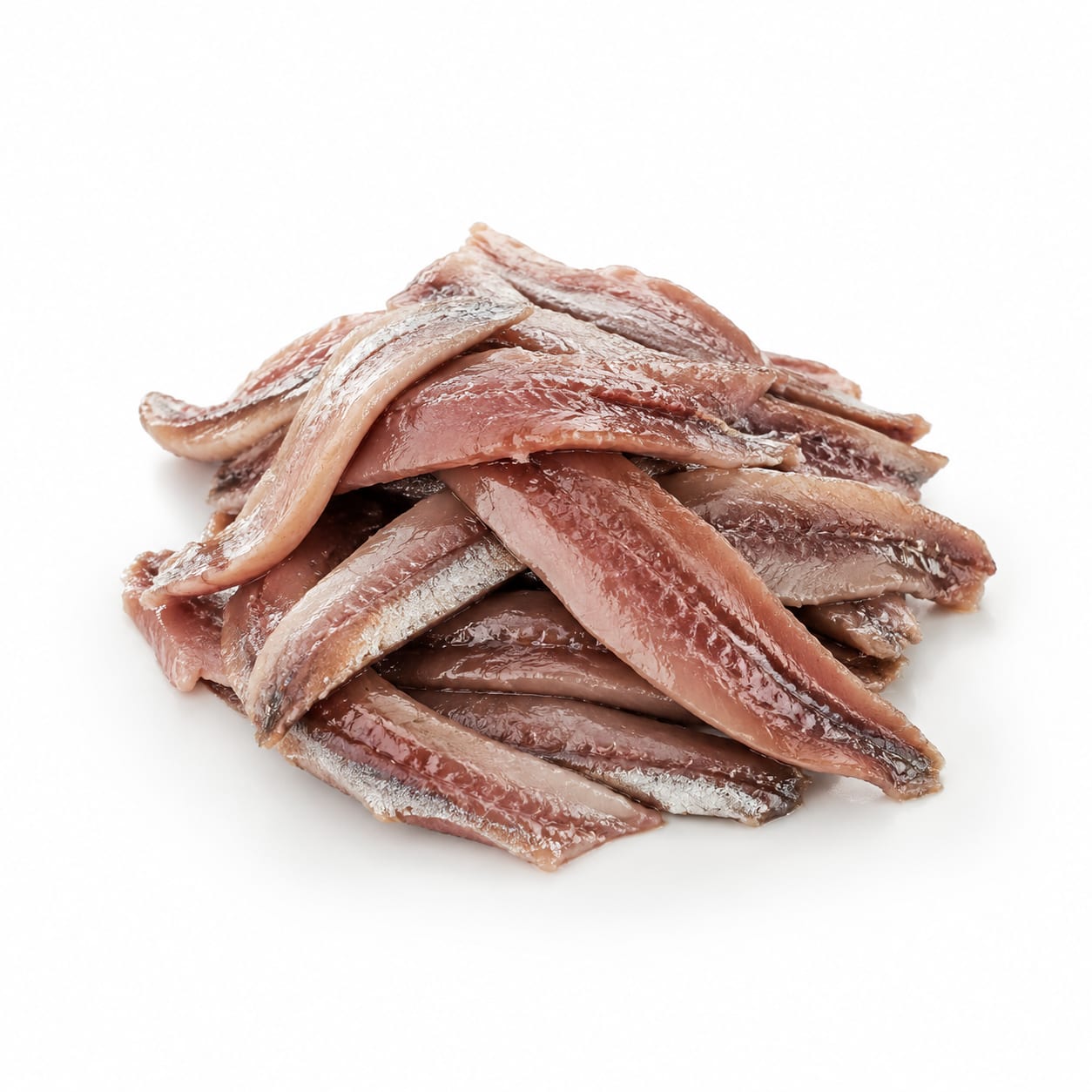
Anchovy
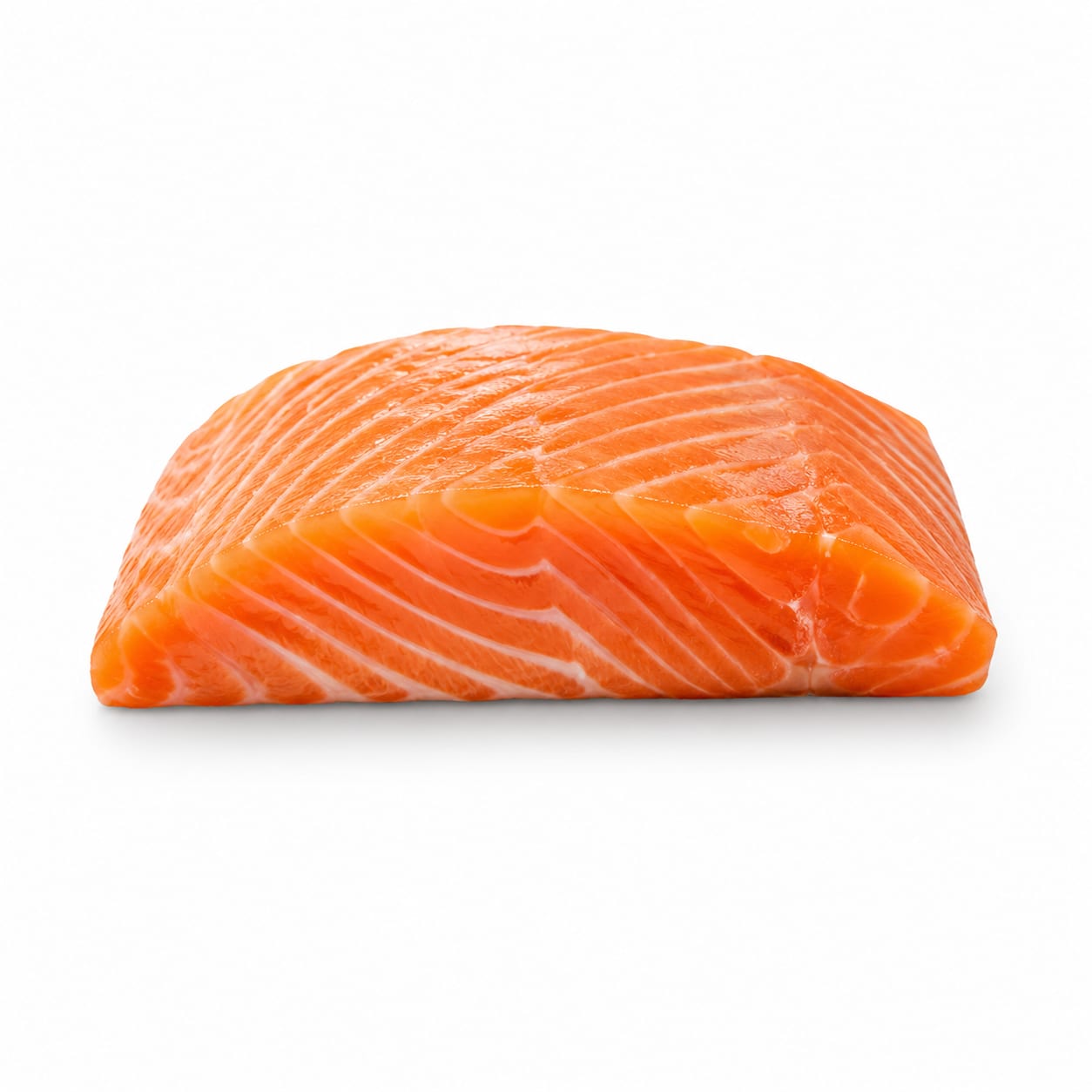
Salmon
Salmon is the more versatile, low-sodium main course, while Anchovy offers unmatched omega-3 density and lower mercury but comes with a heavy sodium load.
Salmon scores higher due to its versatility as a low-sodium main dish, though Anchovy's omega-3 density and lower mercury keep it highly competitive for specific health goals.
Anchovy gives you more omega-3s per calorie with less mercury, but Salmon delivers a satisfying, low-sodium meal without the intense fishy flavor.
At a glance
Executive summary
Overall
Salmon
Healthier
It depends
More practical
Salmon
Daily use
Salmon
Key comparison lenses
Omega-3 density and efficiency
Both are top-tier omega-3 sources, but users want to know which gives the most benefit per bite.
Mercury and contaminant safety
Seafood comparisons always trigger concerns about heavy metals and bioaccumulation.
Sodium and blood pressure impact
Anchovies are famously salty, which drastically changes their health profile compared to fresh Salmon.
Meal vs. condiment utility
How these foods are actually eaten determines their real-world nutritional impact.
Best choice for
Anchovy
- Budget omega-3 seekers
- People worried about mercury accumulation
- Flavor enhancers for savory dishes
Salmon
- Main course protein needs
- Low-sodium diets
- People who dislike strong fish flavors
Least suitable for
Anchovy
- People with high blood pressure
- Those sensitive to strong flavors
- Large portion eaters
Salmon
- Tight grocery budgets
- Those strictly avoiding larger fish due to mercury anxiety
Deep comparison
Dimension by dimension
Each lens scores both foods and breaks down who each option suits.
- Dimension 1 · Priority 95Anchovy
Omega-3 Density & Quality
Anchovy · 95Salmon · 85Anchovy packs more omega-3s per calorie than Salmon, making it an incredibly efficient source.
Tradeoff
You get more omega-3 per gram from Anchovy, but eating large quantities is impractical due to the strong taste and sodium.
Why it matters
Omega-3s reduce inflammation and support brain health, and Anchovy delivers them with less mercury risk.
Real-world impact
A small serving of Anchovy gives you a massive omega-3 boost without the heavy metal baggage of larger fish.
Anchovy
- Maximizing omega-3 per calorie
- Minimizing mercury exposure
Better for
Salmon
- Getting high total omega-3 in a single sitting
- Eating a satisfying portion size
Better for
- Daily heavy consumption due to mercury
Worse for
- Dimension 2 · Priority 85Salmon
Sodium & Blood Pressure
Anchovy · 25Salmon · 95Fresh or canned Salmon is naturally low in sodium, while preserved Anchovies are salt bombs.
Tradeoff
Anchovy's preservation method relies heavily on salt, making it a risk for blood pressure, whereas Salmon is naturally lean and low-sodium.
Why it matters
High sodium intake spikes blood pressure and increases heart disease risk, counteracting some of the omega-3 benefits.
Real-world impact
Eating Anchovies regularly can easily push you over your daily sodium limit, while Salmon keeps your salt intake in check.
Anchovy
- Post-workout sodium replenishment in heavy sweaters
Better for
- Managing hypertension
- Reducing bloating
Worse for
Salmon
- Keeping blood pressure stable
- Heart-healthy low-sodium meals
Better for
- Dimension 3 · Priority 80Salmon
Protein & Satiety
Anchovy · 40Salmon · 95Salmon provides a large, satisfying portion of high-quality protein, while Anchovy is usually eaten in tiny amounts.
Tradeoff
You can easily eat 6oz of Salmon for a filling meal, but Anchovy is typically a garnish, offering minimal protein per serving.
Why it matters
Protein is essential for muscle maintenance and keeping you full, and Salmon delivers it in a highly bioavailable form.
Real-world impact
A Salmon dinner leaves you full for hours; an Anchovy garnish barely moves the needle on hunger.
Anchovy
- Adding umami flavor to protein dishes
Better for
- Acting as a primary protein source
Worse for
Salmon
- Post-workout recovery
- Staying full until the next meal
Better for
- Dimension 4 · Priority 90Anchovy
Contaminant & Heavy Metal Safety
Anchovy · 90Salmon · 75As a small, short-lived fish, Anchovy accumulates far less mercury and PCBs than Salmon.
Tradeoff
Anchovy is one of the cleanest seafood choices for heavy metals, while Salmon—especially farmed—can carry more contaminants.
Why it matters
Mercury and PCBs can impair neurological function and hormone balance over time.
Real-world impact
You can eat Anchovies frequently without worrying about heavy metal buildup, whereas Salmon should be moderated to a few times a week.
Anchovy
- Frequent seafood eaters
- Pregnant women seeking safe omega-3s
Better for
Salmon
- Occasional high-protein meals
Better for
- Daily heavy consumption
Worse for
Timeline
Health impact over time
Short-term
Hours to days
Anchovy
- Quick sodium hit that may cause thirst or bloating
- Intense umami flavor that enhances a dish immediately
Salmon
- High-quality protein provides steady, lasting energy
- Light but satisfying feeling after a meal
Long-term
Months to years
Anchovy
- Excellent heart and brain support from omega-3s with low mercury risk
- Potential blood pressure issues if sodium intake isn't managed
Salmon
- Sustained muscle maintenance and cardiovascular health
- Possible accumulation of heavy metals if overconsumed, particularly with farmed varieties
Risk profile
Safety & processing
Fresh Salmon is about as natural as it gets, while most Anchovies are salt-cured or canned, adding significant sodium and mild processing concerns.
Anchovy
High sodium load
highSalt-cured Anchovies can contain over 1000mg of sodium per serving, posing a major risk for blood pressure.
Purine content
mediumAnchovies are high in purines, which can trigger gout flare-ups in susceptible individuals.
Salmon
Mercury and PCB accumulation
mediumAs a larger fish, Salmon can accumulate heavy metals and industrial pollutants, especially farmed varieties.
Foodborne parasites
lowRaw or undercooked Salmon can carry parasites or listeria, requiring proper cooking or freezing.
Who wins for whom
Audience fit
Same foods, different winners depending on your goal.
children
SalmonSalmon is milder in flavor and free of the extreme sodium levels that are harmful to kids, though Anchovy is great in tiny amounts for brain development.
daily consumption
SalmonSalmon is easier to incorporate daily as a main dish without overloading on sodium.
diabetes
SalmonSalmon offers a low-sodium, zero-carb protein source that stabilizes blood sugar without the cardiovascular strain of excess salt.
elderly
It dependsAnchovy offers safer omega-3s for cognitive health with less mercury risk, but its sodium content is dangerous for aging cardiovascular systems; Salmon is a safer daily protein if mercury is monitored.
muscle gain
SalmonYou can eat large portions of Salmon to hit high protein targets, which is impractical with Anchovy.
weight loss
SalmonSalmon provides high protein and satiety with low sodium, making it easier to stick to a calorie deficit without feeling deprived.
Your move
Decision guide
Choose Anchovy
- You want maximum omega-3s with minimal mercury risk
- You need a flavor boost for sauces, dressings, or pizzas
- You are on a tight budget but want seafood health benefits
Choose Salmon
- You need a filling, low-sodium main course
- You are focused on muscle gain or weight loss
- You dislike intensely fishy or salty flavors
Either works if
- You want to boost your omega-3 intake for heart and brain health
- You are looking for high-quality animal protein
Avoid both if
- You have a severe fish or seafood allergy
- You are strictly following a plant-based diet
Final recommendation
Use Anchovy as a strategic condiment to supercharge dishes with low-mercury omega-3s, and rely on Salmon as your go-to low-sodium, high-protein main course.
Practical
Consumer tips
- 1
Rinse canned Anchovies under cold water to remove up to 20-30% of the surface salt.
- 2
Mash Anchovies into pasta sauces or dressings—they melt away, leaving rich umami without an overpowering fish taste.
- 3
Choose wild-caught Salmon over farmed when possible to reduce exposure to PCBs and artificial dyes.
- 4
Freeze fresh Salmon for at least 7 days before making sushi at home to kill potential parasites.