
Nutrition comparison
Anchovy vs Tuna: Mercury, Omega-3, and Health Comparison
Anchovies vs tuna nutrition comparison covering mercury levels, omega-3 content, sodium, protein, and sustainability. Find out which fish is healthier for your needs.
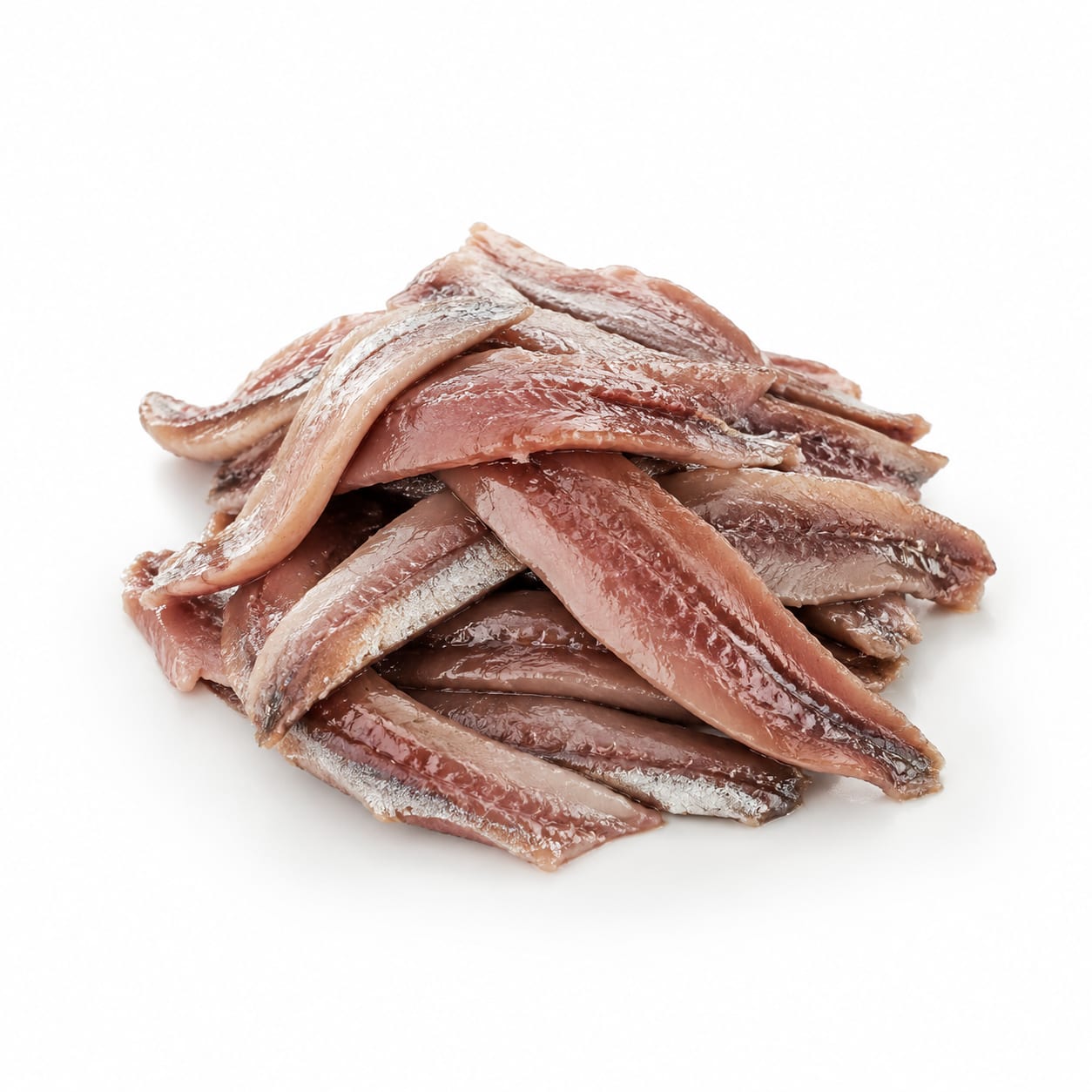
Anchovy
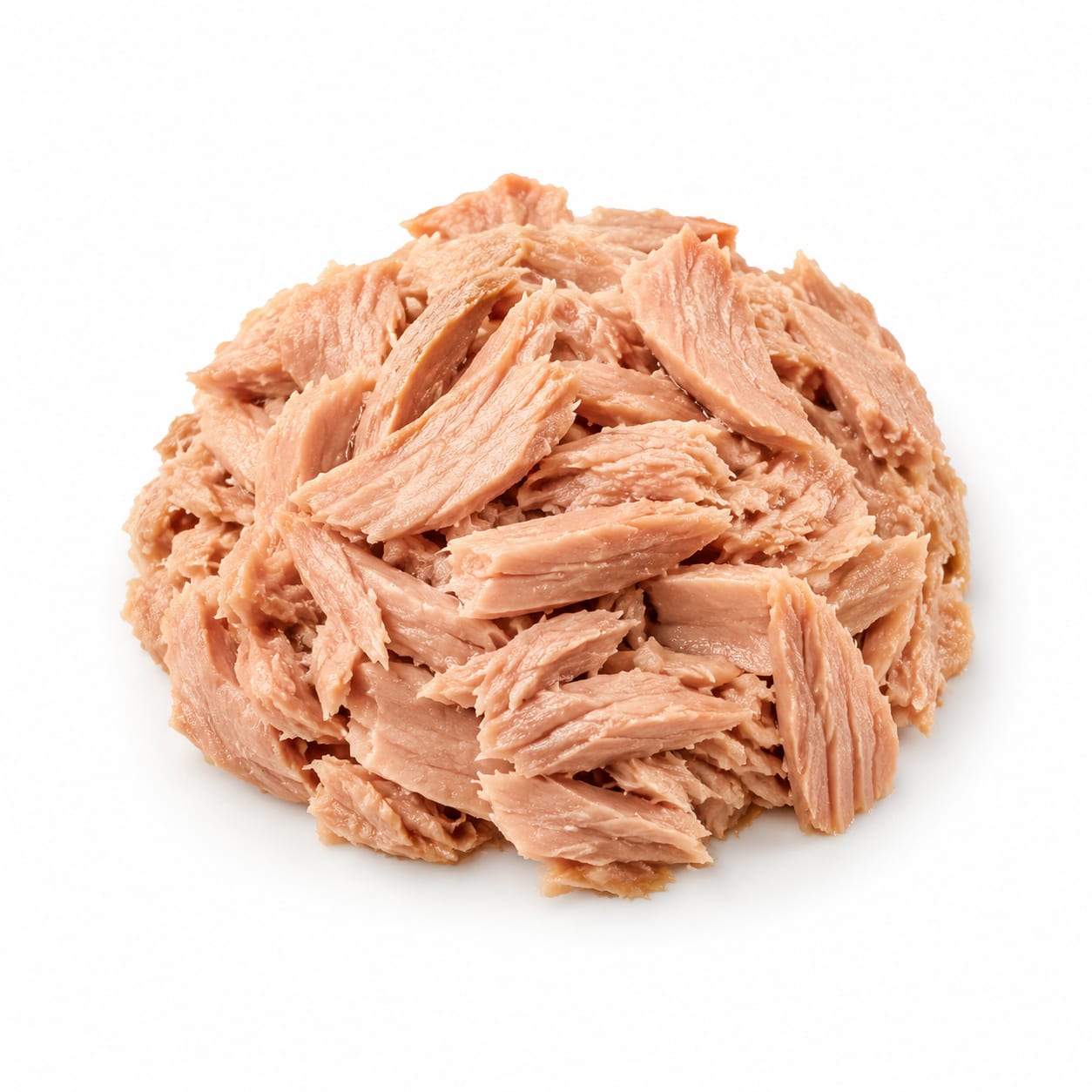
Tuna
Anchovies win on omega-3 density, mercury safety, and sustainability. Tuna wins on protein volume, versatility, and lower sodium. The right choice depends on what you prioritize.
Anchovies score higher due to superior omega-3 density, lower mercury, and better sustainability. Tuna remains competitive because of its protein content, meal versatility, and lower sodium. The gap reflects that anchovies have a stronger health profile per gram but are harder to eat in meaningful quantities.
Anchovies give you more heart-healthy fats with less mercury risk but come with heavy salt and limited meal roles. Tuna gives you a versatile, high-protein main dish but carries real mercury concerns if eaten frequently.
At a glance
Executive summary
Overall
It depends
Healthier
Anchovy
More practical
Tuna
Daily use
Tuna
Key comparison lenses
mercury and heavy metal exposure
Tuna accumulates significantly more mercury than anchovies, making this the single most important health differentiator between these two fish
omega-3 fatty acid density
Both are prized for omega-3s, but anchovies deliver far more per calorie, which matters for heart and brain health
sodium load and blood pressure impact
Anchovies are typically salt-cured, creating a sodium concern that tuna does not share
everyday meal versatility
Tuna works as a standalone protein while anchovies are usually a flavoring ingredient, affecting how people actually use them
sustainability and ocean impact
Anchovies are lower on the food chain and reproduce faster, making them a more sustainable seafood choice
Best choice for
Anchovy
- People prioritizing heart health and omega-3 intake
- Those concerned about mercury exposure
- Pregnant women or those planning pregnancy (in moderation due to sodium)
- Sustainability-minded seafood eaters
- Home cooks adding umami depth to dishes
Tuna
- Athletes needing high protein intake
- People meal-prepping affordable lunches
- Anyone wanting a standalone fish portion
- Low-sodium diet followers
- Those who find strong fish flavors unpleasant
Least suitable for
Anchovy
- People on strict low-sodium diets
- Anyone who needs a large protein portion
- Those sensitive to strong, salty, fishy flavors
- Children who prefer mild-tasting food
Tuna
- Pregnant women (especially albacore)
- Frequent fish eaters already near mercury limits
- Those eating fish daily as a primary protein
- People concerned about ocean sustainability
Deep comparison
Dimension by dimension
Each lens scores both foods and breaks down who each option suits.
- Dimension 1 · Priority 95Anchovy
Mercury and Contaminant Safety
Anchovy · 90Tuna · 45Anchovies are among the lowest-mercury fish available. Tuna, especially albacore, accumulates mercury at levels that require consumption limits.
Tradeoff
Choosing tuna for its protein means accepting mercury exposure that limits how often you can safely eat it. Anchovies let you eat fish more frequently without this worry.
Why it matters
Mercury accumulates in the body and affects neurological health. Frequent tuna consumption is one of the most common causes of elevated mercury in adults.
Real-world impact
If you eat tuna three times a week, you may exceed safe mercury thresholds. Anchovies can be eaten far more often without the same risk.
Anchovy
- Pregnant women seeking safe seafood omega-3s
- Frequent fish eaters watching cumulative mercury
- Parents feeding fish to young children
Better for
Tuna
- Occasional fish eaters for whom mercury is less concerning
- Those choosing skipjack tuna, which has lower mercury than albacore
Better for
- Anyone eating fish 3+ times weekly
- Pregnant and breastfeeding women
- Young children
Worse for
- Dimension 2 · Priority 88Anchovy
Omega-3 Fatty Acid Density
Anchovy · 93Tuna · 70Anchovies are one of the most omega-3-dense foods on the planet. Tuna provides omega-3s too, but at a lower concentration per calorie.
Tradeoff
You get more anti-inflammatory fats per bite from anchovies, but the small portion sizes mean you may still need other omega-3 sources. Tuna provides omega-3s alongside a larger protein serving.
Why it matters
Omega-3s reduce inflammation, support brain function, and protect heart health. Getting enough from food is preferable to supplements for most people.
Real-world impact
A small serving of anchovies can deliver over half your daily omega-3 target. You would need a much larger tuna portion to match it.
Anchovy
- People who do not take fish oil supplements
- Those targeting anti-inflammatory diets
- Anyone eating fish specifically for omega-3 benefits
Better for
- People who cannot tolerate the strong flavor in larger amounts
Worse for
Tuna
- People who already supplement with fish oil
- Those getting omega-3s from multiple food sources
Better for
- Anyone relying on tuna as their sole omega-3 source
Worse for
- Dimension 3 · Priority 82Tuna
Sodium and Blood Pressure Impact
Anchovy · 25Tuna · 80Anchovies are typically cured with heavy salt, making them one of the highest-sodium fish options. Fresh or canned tuna is comparatively low in sodium.
Tradeoff
The salt that preserves anchovies and creates their signature flavor also makes them problematic for blood pressure. Tuna keeps sodium minimal but loses the umami punch.
Why it matters
High sodium intake is a leading driver of hypertension. Even small amounts of cured anchovies can deliver a significant sodium load.
Real-world impact
Just two anchovy fillets can contain 300-500mg of sodium. A full can of tuna often has less than 200mg if unsalted.
Anchovy
- Active individuals who sweat heavily and need sodium replenishment
Better for
- People on low-sodium diets
- Those with high blood pressure
- Anyone eating salt-cured foods regularly elsewhere
Worse for
Tuna
- People with hypertension or prehypertension
- Anyone monitoring sodium for kidney health
- Those eating multiple salty foods throughout the day
Better for
- Dimension 4 · Priority 78Tuna
Protein Volume and Satiety
Anchovy · 35Tuna · 88Tuna delivers a large, satisfying protein portion that works as a meal centerpiece. Anchovies provide protein too, but in amounts too small to serve as a primary protein source.
Tradeoff
Tuna fills you up as a standalone dish. Anchovies boost flavor and nutrition but need to be paired with other proteins to create a satisfying meal.
Why it matters
Protein is the most satiating macronutrient. Getting enough in a meal prevents overeating later and supports muscle maintenance.
Real-world impact
A can of tuna gives you 20-25g of protein in one sitting. A typical anchovy portion gives you 2-4g, which is not enough to anchor a meal.
Anchovy
- Meals where protein comes from other ingredients and anchovies add flavor
Better for
- People relying on a single fish serving for protein
- Athletes with high protein needs
Worse for
Tuna
- Post-workout meals needing fast protein
- Quick lunches where fish is the main protein
- Anyone tracking protein intake toward a daily goal
Better for
- Dimension 5 · Priority 72Anchovy
Sustainability and Environmental Impact
Anchovy · 85Tuna · 50Anchovies are small, fast-reproducing fish low on the food chain, making them one of the most sustainable seafood choices. Many tuna species are overfished or caught with methods that harm other species.
Tradeoff
Choosing anchovies supports ocean health more directly. Tuna's popularity and slow reproduction make many species vulnerable, though some tuna fisheries are well-managed.
Why it matters
Seafood choices have direct impact on ocean ecosystems. Overfishing of large predators like tuna disrupts marine food webs.
Real-world impact
Anchovy populations rebound quickly from fishing pressure. Some tuna populations, like bluefin, are severely depleted, and even skipjack faces increasing pressure.
Anchovy
- Environmentally conscious consumers
- Those who consider food system impact in purchasing decisions
Better for
Tuna
- Those choosing pole-and-line caught skipjack from certified fisheries
Better for
- Anyone avoiding species with bycatch concerns
- Consumers worried about long-term ocean health
Worse for
- Dimension 6 · Priority 70Tuna
Culinary Versatility and Convenience
Anchovy · 45Tuna · 82Tuna works in sandwiches, salads, pasta, and as a standalone dish. Anchovies shine as a flavor enhancer but rarely serve as the star of a meal.
Tradeoff
Tuna is the easier everyday choice for quick meals. Anchovies reward more adventurous cooking but require more effort to incorporate.
Why it matters
The best healthy food is one you actually eat regularly. Convenience and versatility determine whether a food becomes a habit or sits unused.
Real-world impact
Most people can open a can of tuna and make a meal in five minutes. Anchovies usually require a recipe and other ingredients to shine.
Anchovy
- Home cooks making Caesar dressing, puttanesca, or tapenade
- Those who love bold umami flavor in small doses
Better for
- People who want simple, minimal-prep meals
- Those unfamiliar with cooking with strongly flavored fish
Worse for
Tuna
- Busy people needing quick meal solutions
- Anyone meal-prepping protein for the week
- Picky eaters who prefer milder fish
Better for
- Cooks seeking deep umami complexity in dishes
Worse for
Timeline
Health impact over time
Short-term
Hours to days
Anchovy
- High sodium can cause temporary water retention and bloating
- Omega-3s may support focus and mood stability shortly after eating
- Strong flavor can trigger thirst and increased water intake
Tuna
- High protein provides lasting fullness and steady energy
- Low sodium means no bloating or water retention from the fish itself
- Mercury from a single serving poses no acute risk but contributes to cumulative load
Long-term
Months to years
Anchovy
- Excellent omega-3 intake supports heart and brain health over decades
- High sodium from regular consumption could contribute to hypertension if not managed
- Very low mercury risk allows frequent, confident consumption
Tuna
- Regular high-protein intake supports muscle preservation and metabolic health
- Mercury accumulation from frequent consumption may affect neurological function over time
- Lower sodium supports healthier blood pressure long-term
Risk profile
Safety & processing
Canned anchovies are typically salt-cured and packed in oil, which counts as processing. Canned tuna is usually just cooked and packed in water or oil with minimal additives. Both are far less processed than most packaged foods, but anchovies undergo more transformation from their raw state.
Anchovy
High sodium from salt curing
mediumRegular consumption can contribute to elevated blood pressure, especially if other dietary sodium is not controlled.
Histamine reactions
lowAnchovies can accumulate histamine if not properly chilled. Sensitive individuals may experience headaches or flushing.
Scombroid poisoning
lowImproperly stored anchovies can cause scombroid toxicity, though this is rare with commercially canned products.
Tuna
Mercury accumulation
highAlbacore tuna contains roughly 3x the mercury of skipjack. Frequent consumption is the most common dietary source of mercury exposure in adults.
Scombroid poisoning
lowFresh tuna that has been improperly refrigerated can cause histamine toxicity, though canned tuna poses virtually no risk.
BPA from can linings
mediumSome canned tuna still uses BPA in can linings. Look for BPA-free brands to reduce exposure.
Who wins for whom
Audience fit
Same foods, different winners depending on your goal.
children
AnchovyLower mercury makes anchovies safer for developing nervous systems, though the strong flavor and high salt mean portions should be very small. Tuna should be strictly limited for children due to mercury.
daily consumption
TunaDespite mercury concerns, moderate tuna consumption (2-3 times per week for skipjack) is more practical as a daily-style food than anchovies, which are too salty and intense for most people to eat daily.
diabetes
AnchovyAnchovies have near-zero carbs and their high omega-3 content improves insulin sensitivity. However, the sodium load requires monitoring for diabetics with blood pressure concerns.
elderly
AnchovyThe omega-3s in anchovies support cognitive health and joint function, and the low mercury risk is important for older adults. Sodium should be monitored if blood pressure is a concern.
muscle gain
TunaTuna delivers 20-25g of protein per can, making it a practical muscle-building food. Anchovies simply do not provide enough protein volume per serving.
weight loss
TunaTuna provides high protein and low calories in a filling portion size. Anchovies are too salty and too small to serve as a satisfying weight-loss meal on their own.
Your move
Decision guide
Choose Anchovy
- You want maximum omega-3s with minimal mercury risk
- Heart health and anti-inflammatory eating are top priorities
- You enjoy bold umami flavors and cook Mediterranean-style dishes
- Sustainability matters in your seafood choices
- You are pregnant or planning pregnancy and want safe fish omega-3s
Choose Tuna
- You need a convenient, high-protein meal staple
- You are an athlete or building muscle
- You prefer mild-flavored fish that works in simple meals
- You are monitoring sodium intake for blood pressure
- You eat fish only occasionally and want a satisfying portion when you do
Either works if
- You rotate between multiple protein sources throughout the week
- You want seafood variety without relying on one type
- You are generally healthy with no specific mercury or sodium concerns
Avoid both if
- You have a fish or seafood allergy
- You are following a strict vegan or plant-based diet
- You have severe histamine intolerance
Final recommendation
Use both strategically. Keep anchovies in your pantry for their omega-3 density and flavor-building power in sauces and dressings. Keep skipjack tuna for quick, high-protein meals. Limit albacore tuna due to mercury, and rinse anchovies when possible to reduce sodium. This combination gives you the best of both without over-relying on either.
Practical
Consumer tips
- 1
Choose skipjack tuna over albacore to cut mercury exposure by roughly two-thirds
- 2
Rinse canned anchovies under cold water to remove surface salt and reduce sodium by up to 25%
- 3
Look for BPA-free cans for both tuna and anchovies
- 4
Try mashing anchovies into salad dressings or pasta sauces where they dissolve and add depth without tasting fishy
- 5
Limit albacore tuna to once per week maximum, especially if you are pregnant or feeding children
- 6
Freeze fresh tuna before eating raw to reduce parasite risk
- 7
Check for MSC certification on both products to support sustainable fishing practices
- 8
If sodium is a concern, soak anchovies in milk for 15 minutes to draw out salt