
Nutrition comparison
Anchovy vs Cod: Omega-3, Sodium, and Which Fish Is Healthier for You
Compare anchovy and cod nutrition including omega-3 content, sodium levels, mercury safety, and daily usability. Find out which fish fits your health goals best.
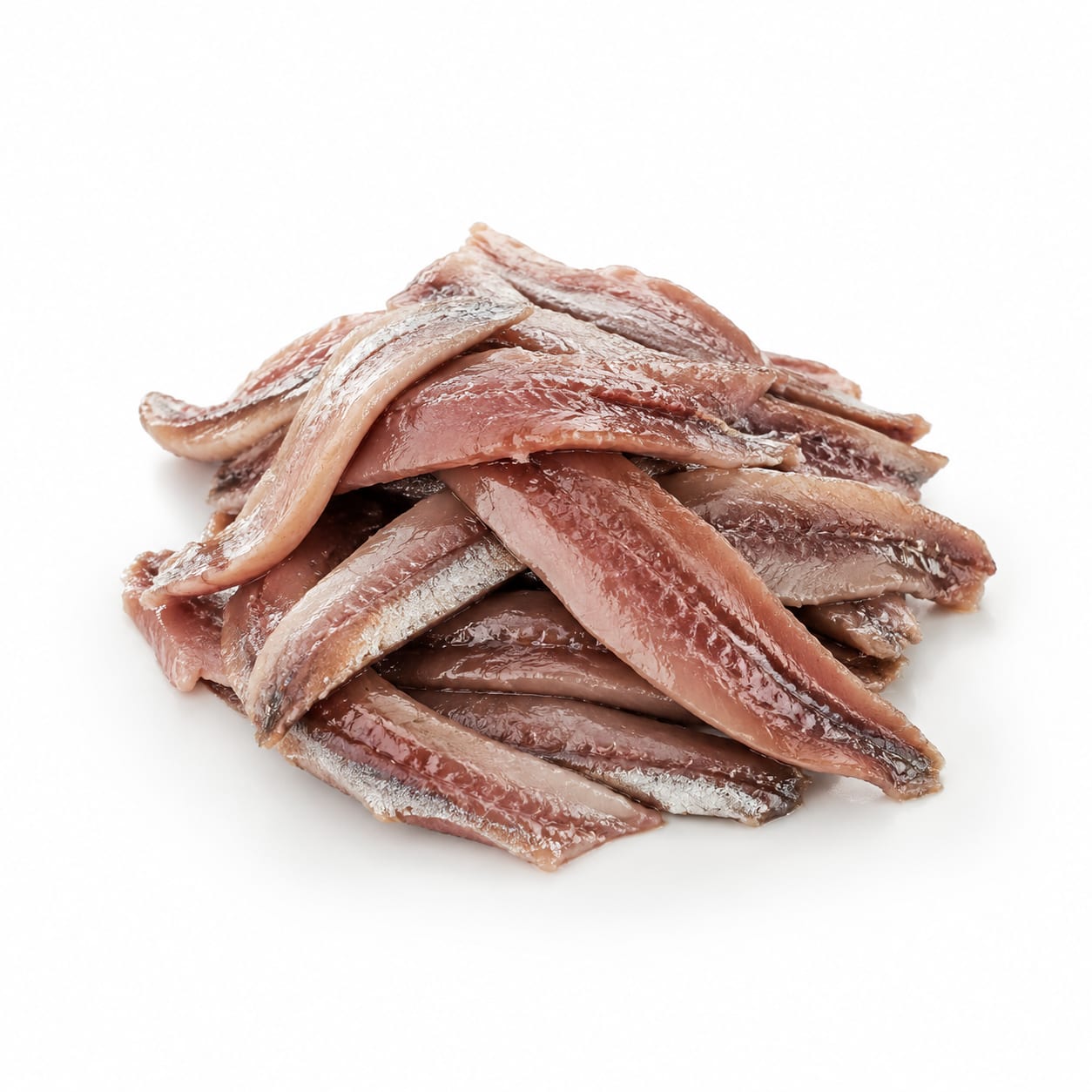
Anchovy
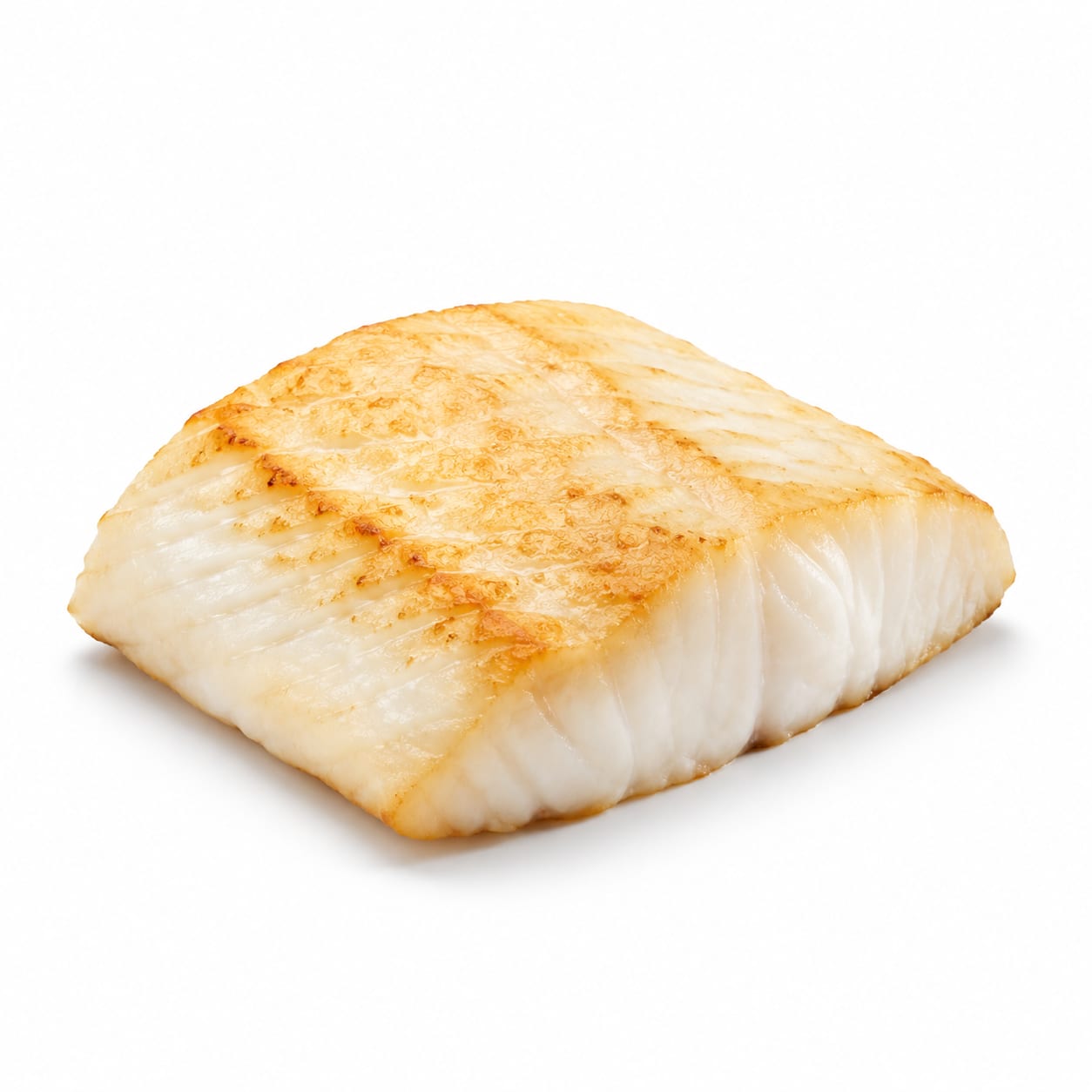
Cod
Anchovies win on omega-3s and micronutrient density; cod wins on versatility, low sodium, and everyday practicality.
Cod scores slightly higher overall due to everyday usability and low sodium, but anchovies earn strong marks for omega-3 density and micronutrients. The close scores reflect that each excels in very different dietary roles.
Anchovies deliver far more heart-healthy fats and minerals but come with heavy sodium and limited culinary roles. Cod is a clean, lean, flexible protein you can eat daily without concern.
At a glance
Executive summary
Overall
It depends
Healthier
It depends
More practical
Cod
Daily use
Cod
Key comparison lenses
omega-3 and heart health comparison
Anchovies are one of the richest omega-3 sources available while cod is notably lean, making this the starkest nutritional contrast between the two
sodium and blood pressure concerns
Most anchovies are salt-cured or canned with very high sodium, whereas fresh cod is naturally low in sodium — a critical daily health tradeoff
everyday eating versatility
Cod is a mild, adaptable protein for regular meals while anchovies are typically a condiment or flavoring, not a main dish
mercury and contaminant safety
Both are lower-mercury fish but anchovies' small size and short lifespan give them an edge on purity, while cod's larger size raises moderate concern
weight management and satiety
Cod's high protein and low calorie density make it a weight-loss staple, while anchovies are calorie-dense per serving due to fat and oil content
Best choice for
Anchovy
- Heart health optimization
- Anti-inflammatory diets
- Bone mineral support
- Mediterranean diet followers
- People needing omega-3 supplementation through food
Cod
- Low-sodium diets
- Weight loss plans
- Families needing a versatile fish
- Daily lean protein intake
- People who dislike strong fish flavors
Least suitable for
Anchovy
- Hypertension or sodium-sensitive individuals
- People who dislike intense fishy flavors
- Large portion main-course meals
- Gout sufferers due to purine content
Cod
- Those relying on fish for omega-3 intake
- People wanting nutrient-dense small servings
- Vitamin D deficient individuals needing rich sources
Deep comparison
Dimension by dimension
Each lens scores both foods and breaks down who each option suits.
- Dimension 1 · Priority 95Anchovy
omega-3 fatty acid content
Anchovy · 95Cod · 20Anchovies are among the top omega-3 sources in the seafood world. Cod is lean with minimal fat.
Tradeoff
You get roughly 5-8 times more EPA and DHA from anchovies per serving, but you also consume more total fat and calories.
Why it matters
Omega-3s reduce inflammation, support brain function, and protect heart health. If fish is your primary omega-3 source, anchovies far outperform cod.
Real-world impact
Eating anchovies a few times a week can meaningfully move your omega-3 intake toward optimal levels. Cod barely moves the needle.
Anchovy
- Cardiovascular risk reduction
- Brain health and cognitive support
- Joint inflammation management
- Triglyceride lowering
Better for
- Very low-fat diet requirements
Worse for
Cod
- Low-fat diet compliance
- Calorie-controlled meal plans
Better for
- Meeting daily omega-3 targets through food alone
Worse for
- Dimension 2 · Priority 90Cod
sodium load
Anchovy · 15Cod · 92Canned or salted anchovies pack 700-1500mg sodium per serving. Fresh cod has roughly 50-70mg.
Tradeoff
The preservation method that makes anchovies shelf-stable and flavorful also makes them a sodium bomb. Cod's mild flavor comes with virtually no sodium penalty.
Why it matters
High sodium intake raises blood pressure and strains cardiovascular health. For anyone watching salt, this is the single biggest factor in this comparison.
Real-world impact
A single anchovy serving can deliver half your daily sodium limit. You could eat a large cod fillet and barely register on sodium intake.
Anchovy
- Post-exercise electrolyte replenishment in small amounts
Better for
- Blood pressure control
- Fluid retention management
- Consistent daily intake
Worse for
Cod
- Hypertension management
- Heart-healthy low-sodium diets
- Kidney disease meal plans
- Daily unrestricted consumption
Better for
- Situations requiring electrolyte replenishment from food
Worse for
- Dimension 3 · Priority 80Cod
protein quality and quantity
Anchovy · 55Cod · 88Cod provides more protein per serving as a main dish. Anchovies offer excellent protein quality but in small, condiment-sized portions.
Tradeoff
Cod works as a primary protein source for a meal. Anchovies contribute protein but you would need unrealistic portions to match cod's output.
Why it matters
For satiety, muscle maintenance, and meal structure, total protein per serving matters more than protein density per gram.
Real-world impact
A 6oz cod fillet delivers about 35g of protein as a satisfying main. The typical anchovy serving gives you 5-8g — a supplement, not a meal.
Anchovy
- Adding protein to dishes that already have a base
- Snacking with nutrient density
Better for
- Serving as a standalone protein source
Worse for
Cod
- Post-workout recovery meals
- Main course protein needs
- Satiety-driven weight management
- Muscle preservation in older adults
Better for
- Flavor-enhanced dishes where protein is secondary
Worse for
- Dimension 4 · Priority 85Anchovy
micronutrient density
Anchovy · 90Cod · 60Anchovies are loaded with calcium, iron, selenium, niacin, and vitamin D. Cod is respectable but less nutrient-packed per calorie.
Tradeoff
Anchovies deliver more vitamins and minerals per bite because you eat them whole with bones. Cod fillets lack bones and the calcium they provide.
Why it matters
Nutrient density matters when you want each calorie to work harder. Anchovies are among the most nutrient-dense fish available.
Real-world impact
A small anchovy serving contributes meaningfully to calcium, iron, and selenium intake. Cod covers basics but does not stand out.
Anchovy
- Bone health support through calcium
- Iron-deficiency dietary support
- Selenium for thyroid and immune function
- Niacin for energy metabolism
Better for
- People avoiding calcium supplements due to kidney stone risk
Worse for
Cod
- Vitamin B12 intake
- Phosphorus contribution
Better for
- Those relying on a single fish for broad micronutrient coverage
Worse for
- Dimension 5 · Priority 80Anchovy
mercury and contaminant safety
Anchovy · 92Cod · 75Anchovies are small and short-lived, accumulating minimal mercury. Cod is moderate — safe for most but not the cleanest choice.
Tradeoff
Anchovies rank among the safest fish for mercury exposure. Cod is acceptable but pregnant women should moderate intake.
Why it matters
Frequent fish eaters need to consider cumulative mercury. Choosing lower-mercury fish allows more servings per week safely.
Real-world impact
You can eat anchovies multiple times per week without mercury concern. Cod is fine 2-3 times weekly but not an unlimited daily choice.
Anchovy
- Pregnant and breastfeeding women
- Children's fish intake
- Frequent fish consumers managing cumulative exposure
Better for
- Sodium content outweighs mercury benefit for hypertensive individuals
Worse for
Cod
- Occasional fish eaters for whom mercury is less relevant
Better for
- Daily consumption during pregnancy without rotation
Worse for
- Dimension 6 · Priority 75Cod
culinary versatility and practicality
Anchovy · 40Cod · 88Cod is a blank canvas — bake, grill, fry, or poach it. Anchovies are a supporting actor that enhances other dishes.
Tradeoff
Cod adapts to any cuisine and cooking method. Anchovies have a narrow but powerful role as a flavor enhancer.
Why it matters
Practicality determines what you actually cook. A versatile fish gets eaten more often and reduces food waste.
Real-world impact
Cod can be your go-to weeknight protein with endless preparations. Anchovies transform a pasta sauce or salad but rarely star on their own.
Anchovy
- Umami depth in sauces and dressings
- Mediterranean and Asian recipe authenticity
- Pantry-stable emergency flavor
Better for
- Picky eaters and fish-averse households
- Main course preparation
Worse for
Cod
- Family-friendly weeknight dinners
- Meal prep and batch cooking
- Adapting to various cuisines
- Fish tacos, chowders, and baked dishes
Better for
- Adding depth and complexity to sauces
Worse for
Timeline
Health impact over time
Short-term
Hours to days
Anchovy
- Noticeable salty taste and thirst after eating
- Quick omega-3 delivery in a small serving
- Potential digestive discomfort if eating large amounts due to oil and salt
Cod
- Light, satisfying meal without heaviness
- Steady energy from lean protein without fat slowdown
- Minimal digestive concerns for most people
Long-term
Months to years
Anchovy
- Significant cardiovascular benefit from consistent omega-3 intake
- Risk of elevated blood pressure if sodium is not managed elsewhere in diet
- Improved bone density from calcium and vitamin D if eaten regularly
- Potential gout flare-ups in susceptible individuals from purines
Cod
- Reliable lean protein supporting muscle maintenance and weight control
- Lower omega-3 intake may require supplementation from other sources
- Low sodium supports healthy blood pressure long-term
- Moderate mercury accumulation possible with very frequent consumption
Risk profile
Safety & processing
Fresh anchovies are minimally processed, but most consumers encounter them salt-cured or oil-packed with preservatives. Fresh or frozen cod is close to its natural state. This gap matters if you prioritize whole, unprocessed foods.
Anchovy
High sodium from curing and canning
highA typical serving of canned anchovies can contain 700-1500mg sodium, which is 30-65% of the daily recommended limit. This is the dominant health risk for regular consumers.
Purine content and gout
mediumAnchovies are high in purines, which can trigger gout attacks in susceptible individuals. People with gout history should limit intake.
Preservatives in canned varieties
lowSome canned anchovies contain added preservatives or salt-based curing agents. Reading labels helps minimize exposure.
Cod
Moderate mercury levels
mediumCod contains more mercury than small fish like anchovies. While still classified as a low-to-moderate mercury fish, pregnant women should limit to 2-3 servings per week.
Parasite risk in raw or undercooked preparations
lowLike all wild fish, cod can carry parasites. Proper cooking or freezing eliminates this risk. Sushi-grade cod requires specific handling.
Overfishing and sustainability concerns
mediumAtlantic cod populations have been historically overfished. Choosing Pacific cod or MSC-certified options reduces environmental and supply chain concerns.
Who wins for whom
Audience fit
Same foods, different winners depending on your goal.
children
CodCod's mild flavor and low mercury make it more kid-friendly. Anchovies' intense taste and high sodium are not ideal for developing palates and kidneys.
daily consumption
CodCod's low sodium, lean profile, and culinary flexibility make it sustainable as a daily protein. Anchovies' sodium load and strong flavor limit them to occasional use.
diabetes
CodCod's lean profile and zero carbohydrates make it blood sugar friendly, while anchovies' high sodium worsens the cardiovascular risks that diabetics already face.
elderly
It dependsAnchovies support bone density and anti-inflammatory needs in aging, but their sodium works against common blood pressure medications. Cod is safer for heart health but misses the omega-3 and calcium benefits.
muscle gain
CodCod delivers more total protein per realistic serving, which matters more for muscle building than the omega-3 content anchovies provide.
weight loss
CodCod provides high protein with very few calories and almost no fat, making it easier to stay in a calorie deficit while feeling full.
Your move
Decision guide
Choose Anchovy
- You want to maximize omega-3 intake from whole foods
- You follow a Mediterranean diet and use them as a traditional flavoring
- You need calcium and vitamin D from a non-dairy source
- You eat fish occasionally and want maximum nutrient impact per serving
- You are comfortable managing sodium in the rest of your diet
Choose Cod
- You need a versatile, family-friendly fish for regular meals
- You are watching your blood pressure or sodium intake
- You want a lean protein source for weight management
- You prefer mild flavors that adapt to any recipe
- You are pregnant and want a safe, moderate-mercury fish option
Either works if
- You are building a varied seafood rotation for broad nutrient coverage
- You want to reduce red meat consumption with fish alternatives
- You have no specific sodium or omega-3 constraints
Avoid both if
- You have a fish allergy
- You are on a strict very-low-protein diet for kidney disease
- You cannot source either fish from reputable, sustainable suppliers
Final recommendation
Use both strategically. Keep cod as your everyday lean protein for main courses, and add anchovies a few times a week as a condiment to boost omega-3s and flavor. This combination gives you the best of both worlds — cod's practicality and anchovies' nutritional punch — without overdosing on sodium or missing out on healthy fats.
Practical
Consumer tips
- 1
Rinse canned anchovies under cold water to remove up to 20-30% of surface sodium
- 2
Look for anchovies packed in olive oil rather than vegetable oil for better fat quality
- 3
Choose Pacific cod or MSC-certified cod to support sustainable fisheries
- 4
Freeze fresh cod for at least 7 days at -4°F to eliminate parasite risk before raw preparations
- 5
Mash anchovies into salad dressings or pasta sauces — they dissolve and add umami without tasting fishy
- 6
If sodium is a concern, try fresh anchovies grilled whole instead of salt-cured varieties
- 7
Cod pairs well with lemon and herbs which add flavor without sodium
- 8
Two anchovy fillets per day is a reasonable upper limit for most adults watching sodium