
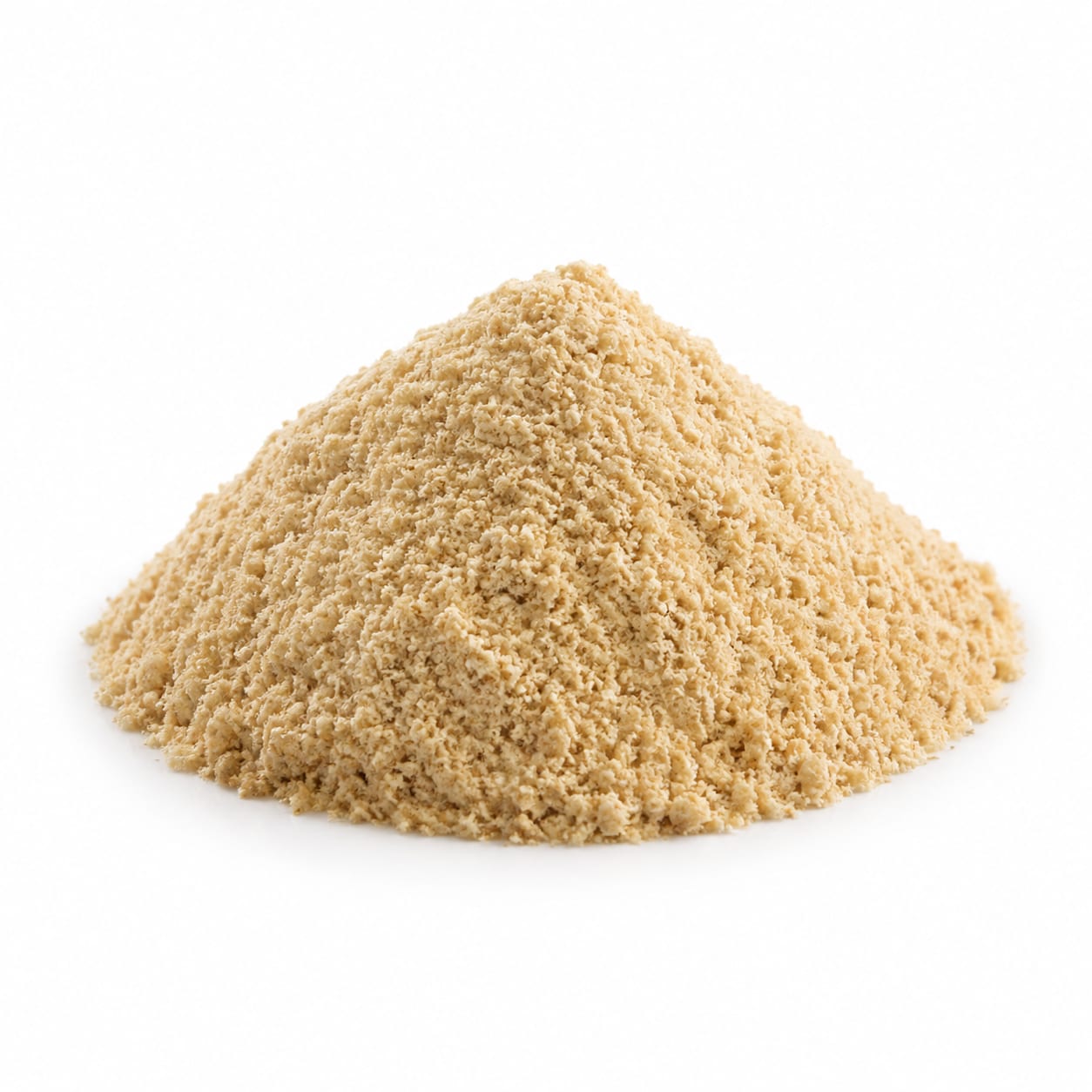
Nut Flour / Gluten-Free Flour
Acorn Flour
A gluten-free, nutrient-dense flour made from ground acorns with a naturally earthy flavor.
A gluten-free flour made from leached and ground acorns, traditionally used in various cultures for baking, thickening, and making jellos.
high-fat gluten-free nut flour
Typical serving · 30g
Common varieties · white oak acorn flour, red oak acorn flour, roasted acorn flour, raw acorn flour
Overall context score across nutrition, safety, and diet fit
At a glance
Quick facts
Simple indicators based on nutrition, processing, and diet fit.
The story
What makes it unique
Acorn flour is produced by grinding leached acorns, a process that reduces tannin content to safe and palatable levels. It has a moderate to high fat content and significant complex carbohydrates with a notable fiber fraction. Digestion is slower due to the fat and fiber matrix, resulting in a low to moderate glycemic response.
Varieties: white oak acorn flour · red oak acorn flour · roasted acorn flour · raw acorn flour
Per 100g
Nutrition breakdown
Macro balance and key metrics at a glance.
Energy
Density 4.80 kcal/g
Protein
Carbs
Fat
Fiber
Sugar
5 g
Sodium
5 mg
Potassium
540 mg
Glycemic index
40
Glycemic load
18
Water content
5%
Standout compounds
Nutrient highlights
Dietary Fiber
highSupports digestive health and slows carbohydrate absorption
Unsaturated Fats
moderateProvides sustained energy and supports heart health
Potassium
moderateHelps regulate blood pressure and fluid balance
Vitamin B6
lowSupports brain health and amino acid metabolism
Wellness map
Health scores & processing
NOVA processing scale
minimally processed · Whole food
Acorn flour is made by leaching whole acorns to remove tannins and grinding them into a meal, involving no artificial additives or chemical processing.
Diet compatibility
- Weight loss
- Muscle gain
- Diabetes
- Gut health
- Low carb
- High protein
- Heart health
Relative standing
Food rankings
Qualitative ranks compared to similar whole foods.
- Satietygood
- Blood sugargood
- Nutrient densitygood
- Fitness fuelmoderate
- Processing qualityexcellent
Eat with confidence
Food safety profile
Acorns must be thoroughly leached to remove bitter and potentially harmful tannins before consumption. Wild-harvested acorns may accumulate heavy metals from urban soils.
Evidence confidence 85%
- Pesticideslow
- Antibioticslow
- Heavy metalsmoderate
- Contaminationlow
Watch for
- tannins (if improperly leached)
- soil-borne heavy metals
Safer choices
Commercially produced acorn flour that guarantees proper tannin leaching and testing.
Prep tips
If processing at home, shell acorns, crush, and soak in multiple changes of cold or hot water until the water runs clear and bitterness is gone before drying and grinding.
Lack of standardized commercial processing guidelines for tannin reduction in artisanal products.
Deep dive
Health analysis
How this food may fit different goals and preparation choices.
Weight loss
High energy density makes portion control important; it is not a low-calorie food but provides good satiety per serving.
Blood sugar
The combination of dietary fat and fiber slows carbohydrate digestion, preventing rapid blood sugar spikes.
Fitness & energy
Provides sustained, slow-releasing energy suitable for endurance activities rather than quick post-workout recovery.
Gut health
Contains fiber that supports healthy digestion, though residual tannins in poorly processed flour can cause constipation or upset stomach.
Processing quality
A whole-food ingredient with minimal processing, retaining the natural fat and micronutrients of the acorn.
Food safety
Safe when properly leached, but consuming raw or poorly processed acorns can cause kidney damage or severe gastrointestinal distress.
Common mistakes
Assuming all acorn flour is the same; red oak acorns require much more extensive leaching than white oak acorns.
Best preparation
Use in combination with other gluten-free flours for baking, or as a thickener for soups and stews to add a nutty, earthy flavor.
Practical guide
Best use cases
When and how this food fits real eating patterns.
Gluten-free baking
Provides a nutty flavor and dense texture to gluten-free breads, muffins, and pancakes.
Traditional Korean cuisine
Used to make dotorimuk (acorn jelly), a savory and earthy side dish.
Sustained energy meals
The fat and fiber combination provides long-lasting energy for hiking or endurance sports.
Balance sheet
Pros & cons
Upsides
- Naturally gluten-free
- Low glycemic index
- Good source of dietary fiber
- Minimally processed whole food
- Rich, earthy flavor profile
Trade-offs
- High in calories and fat
- Requires extensive leaching if homemade
- Can be expensive or hard to find commercially
- Not suitable for low-carb or keto diets
- Prone to rancidity due to high fat content
Fit check
Who is it for?
Great match
- gluten-free baking
- sustained endurance energy
- traditional and foraged diets
Consider alternatives
- strict ketogenic diets
- low-calorie weight loss diets
- high-protein muscle building
Side by side
How it compares
Open the full head-to-head analysis for nutrition, safety, and practical tradeoffs.
This food
Acorn Flour
VS95% alike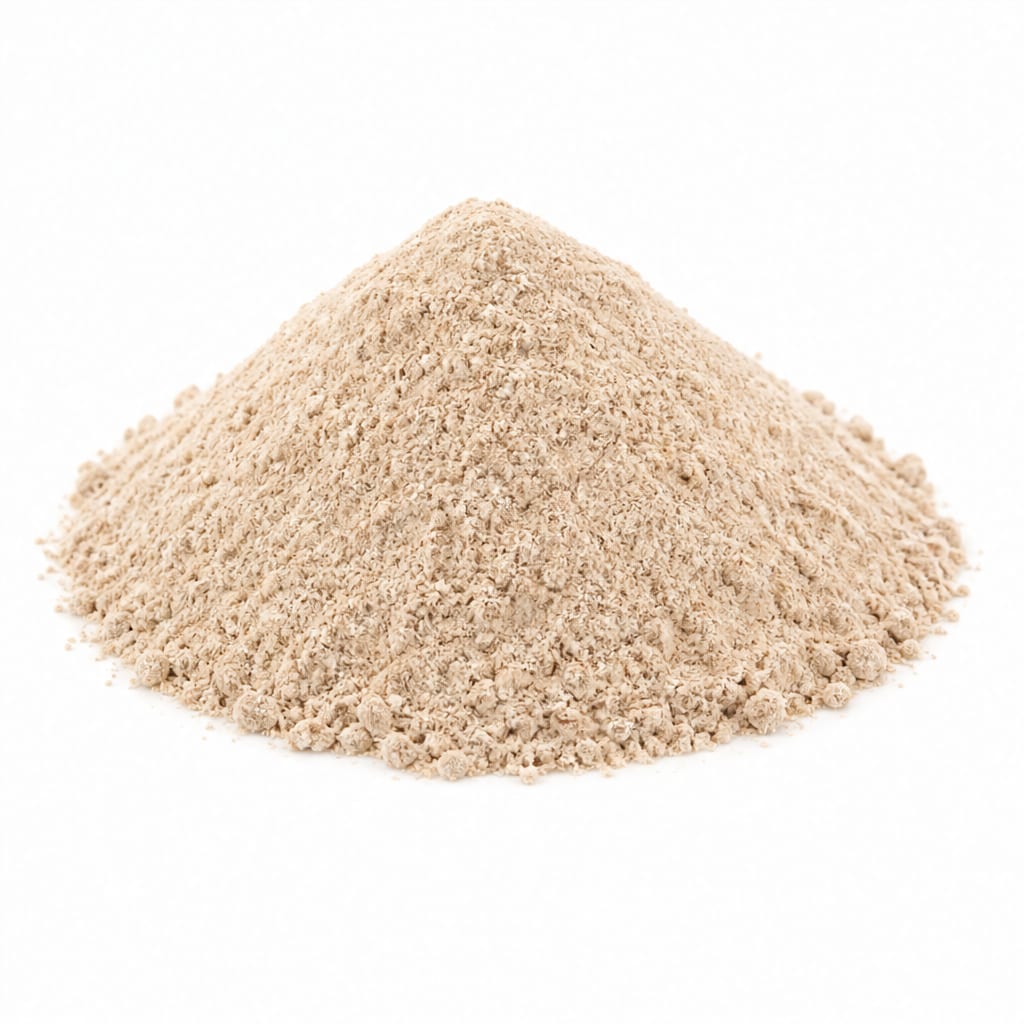
Compare with
Chestnut Flour
Chestnut flour is lighter and lower in fat, while acorn flour provides more satiety and richness.
Chestnut flour is lighter and lower in fat, while acorn flour provides more satiety and richness.
This food
Acorn Flour
VS85% alike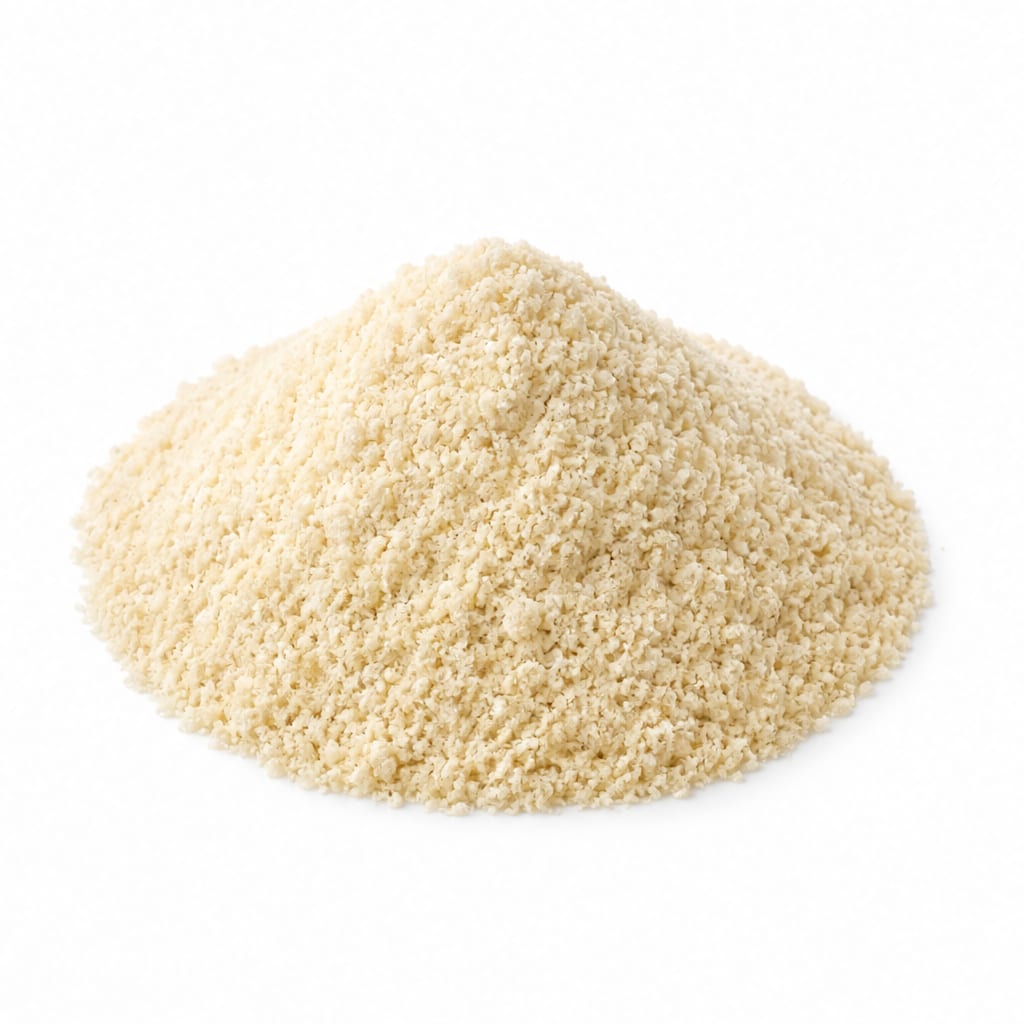
Compare with
Almond Flour
Almond flour is lower in carbs and higher in protein, making it better for blood sugar control, while acorn flour offers a unique earthy taste.
Almond flour is lower in carbs and higher in protein, while acorn flour offers a unique earthy taste and slightly more fiber.
This food
Acorn Flour
VS75% alike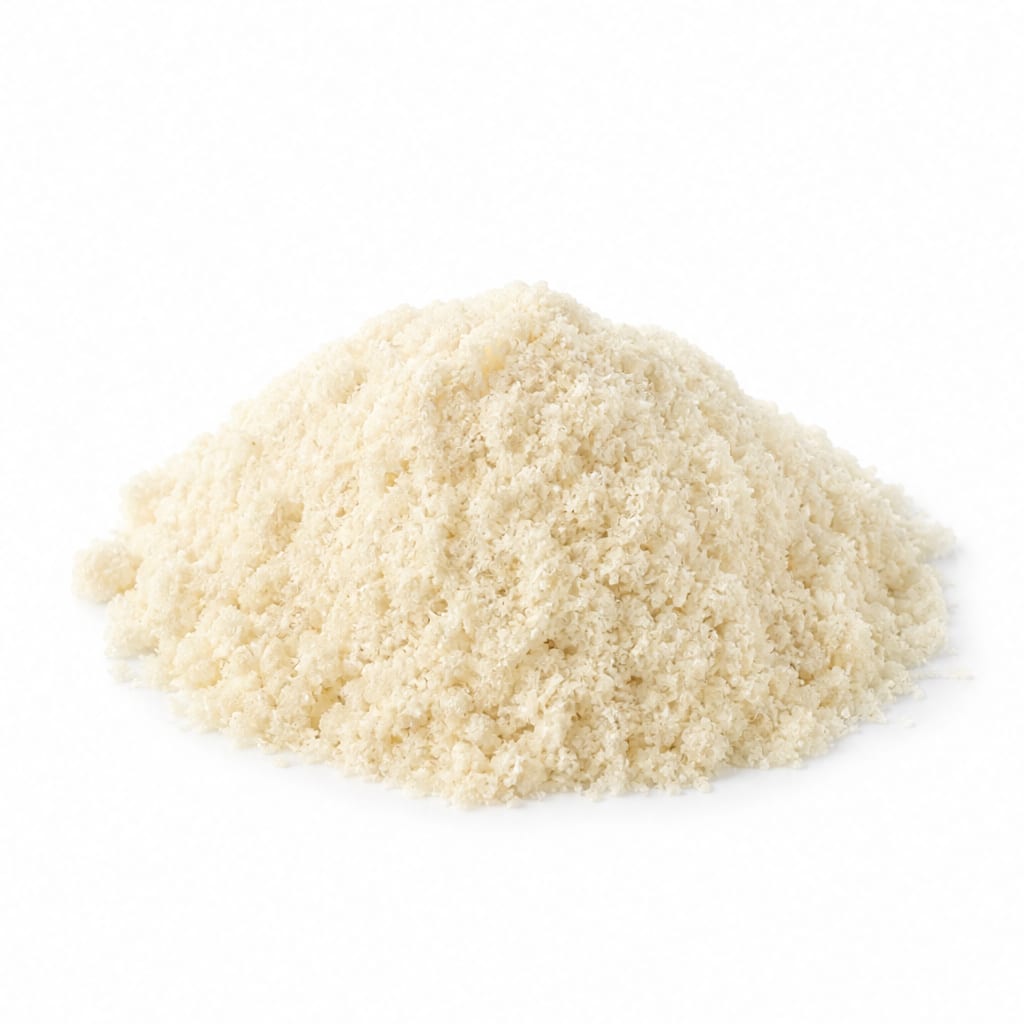
Compare with
Coconut Flour
Coconut flour absorbs much more liquid and is far lower in net carbs, whereas acorn flour behaves more like a standard flour in recipes.
Coconut flour is much lower in net carbs and higher in fiber, while acorn flour is easier to bake with and less drying.
This food
Acorn Flour
VS70% alike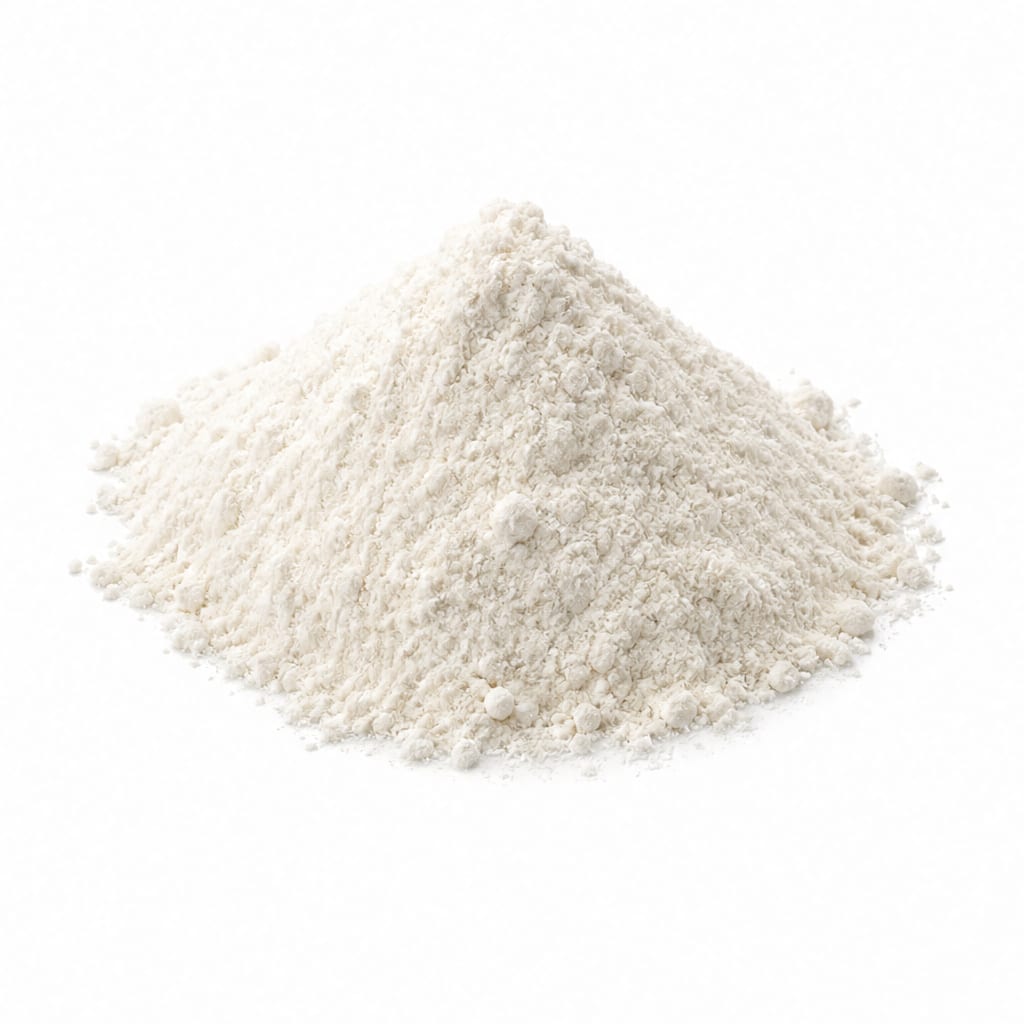
Compare with
Wheat Flour
Wheat flour has more protein and less fat, but acorn flour is gluten-free and has a significantly lower glycemic impact.
Wheat flour is lower in fat and higher in protein, but acorn flour is gluten-free and better for blood sugar control.
This food
Acorn Flour
VS65% alike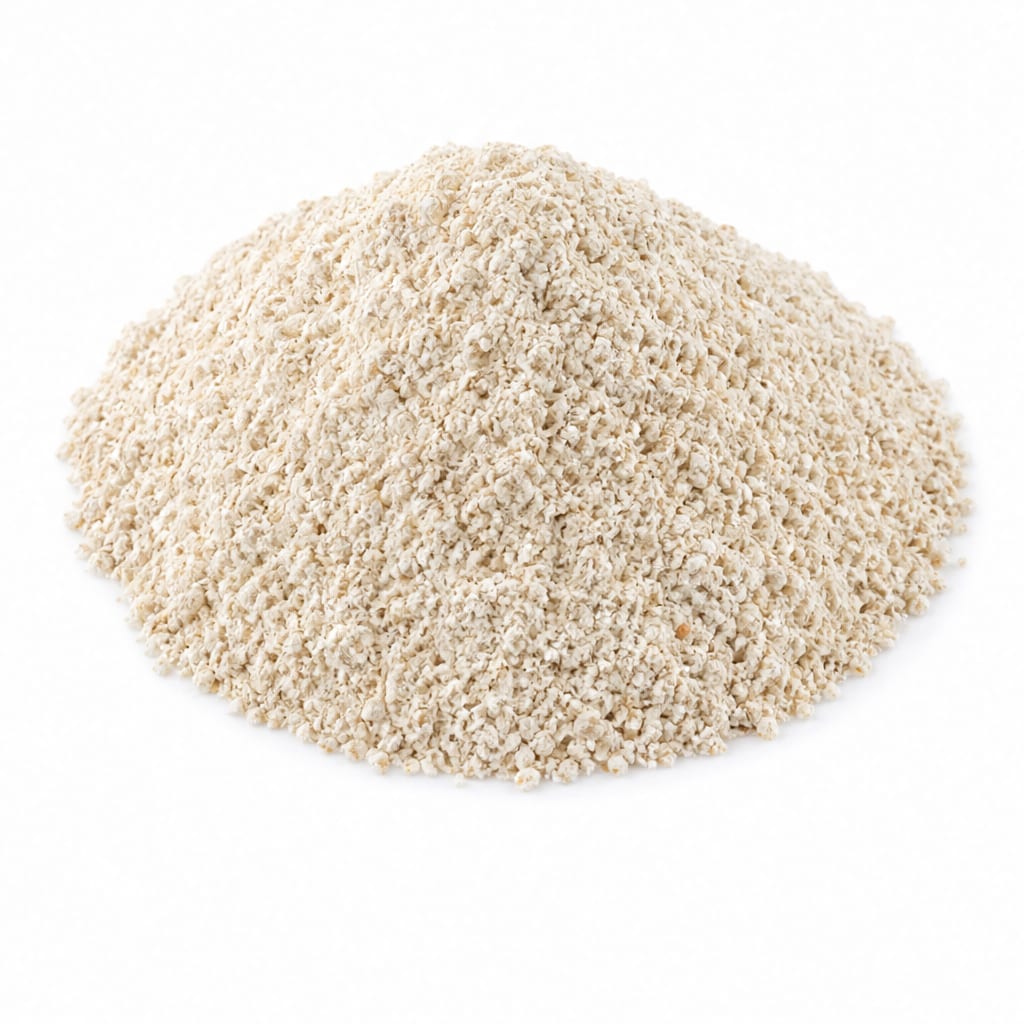
Compare with
Oat Flour
Oat flour provides more protein and is easier to find, but acorn flour offers a lower glycemic index and is naturally gluten-free.
Oat flour provides more protein, while acorn flour is naturally gluten-free and has a lower glycemic index.
This food
Acorn Flour
VS60% alike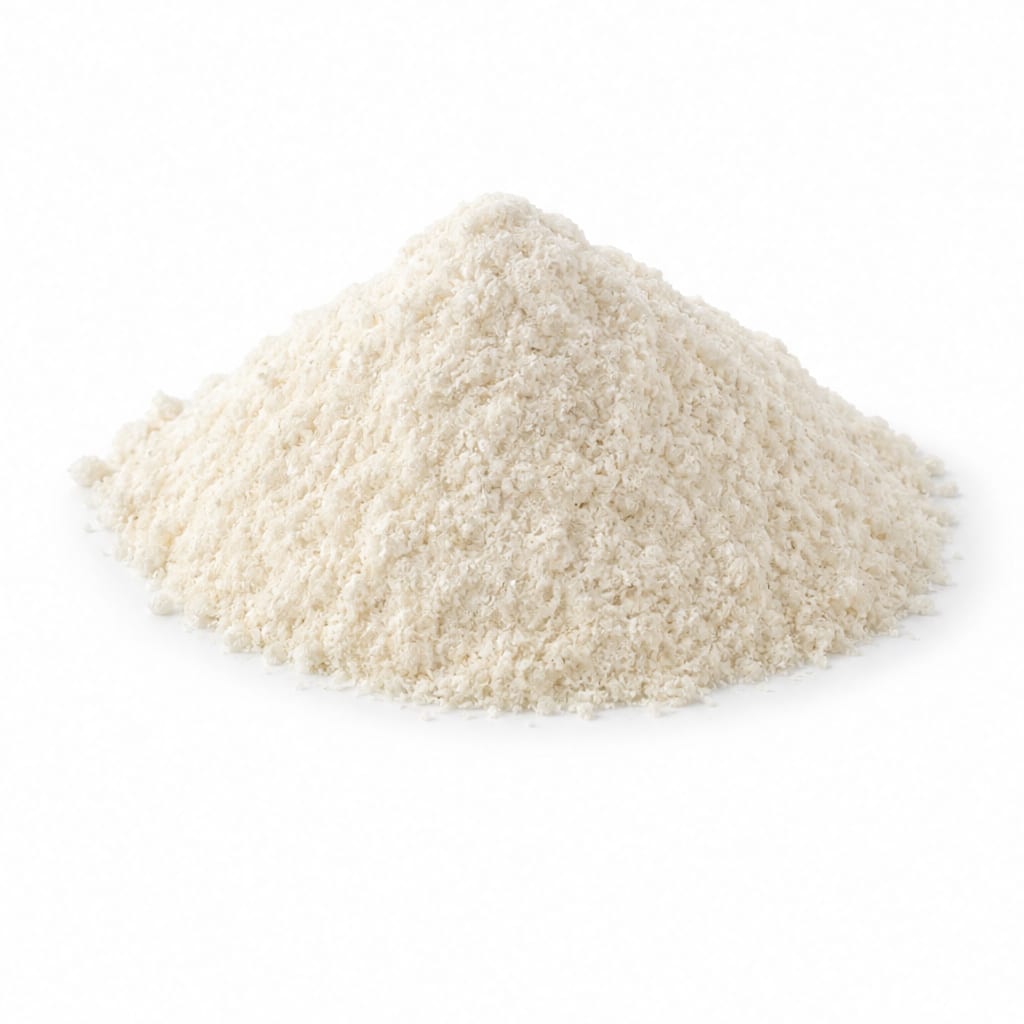
Compare with
Cassava Flour
Cassava flour is high in carbs and acts like wheat flour, while acorn flour is higher in fat and fiber with a lower glycemic load.
Cassava flour is higher in carbs and mimics wheat flour, while acorn flour is higher in fat and fiber for better blood sugar stability.
This food
Acorn Flour
VS55% alike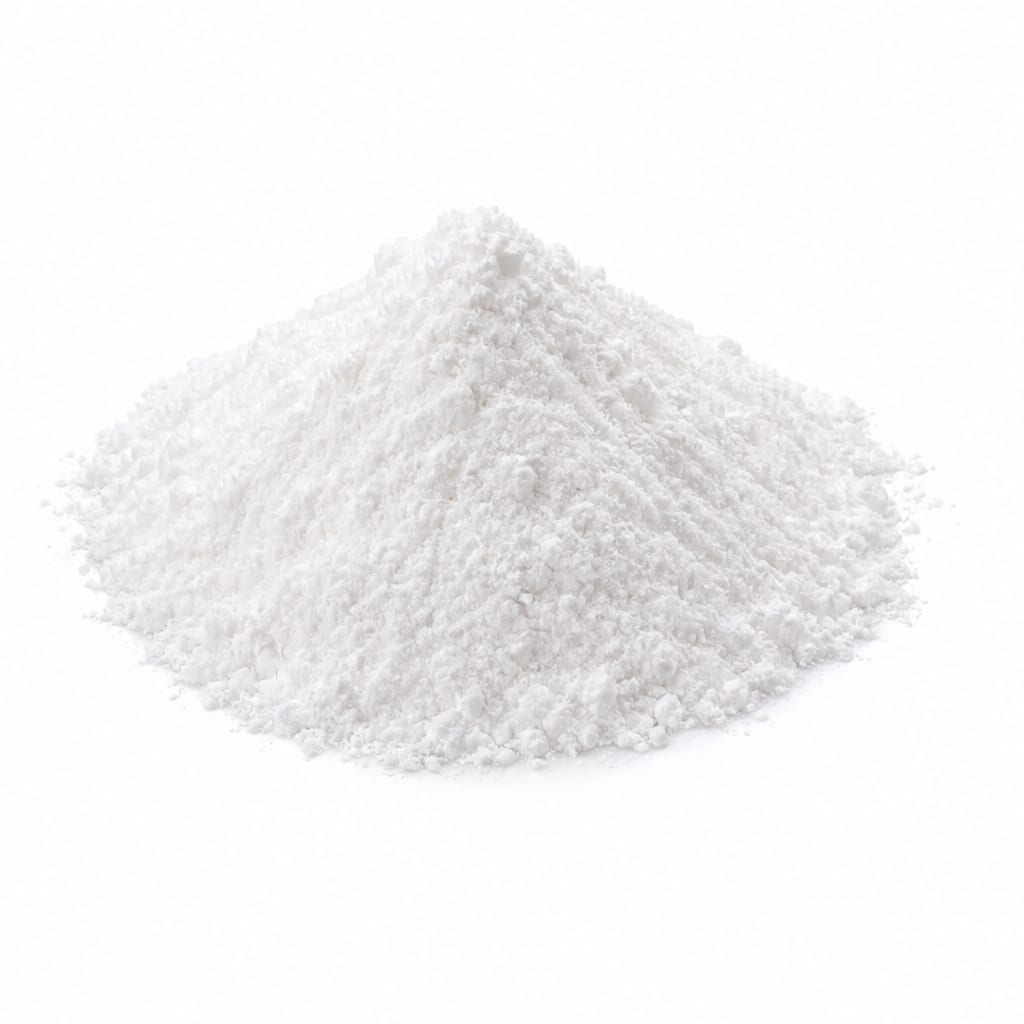
Compare with
Tapioca Flour
Tapioca flour is a pure starch with a high glycemic index, whereas acorn flour contains fat and fiber for better blood sugar control.
Tapioca flour is a pure starch that spikes blood sugar, while acorn flour contains fat and fiber for sustained energy.
This food
Acorn Flour
VS65% alike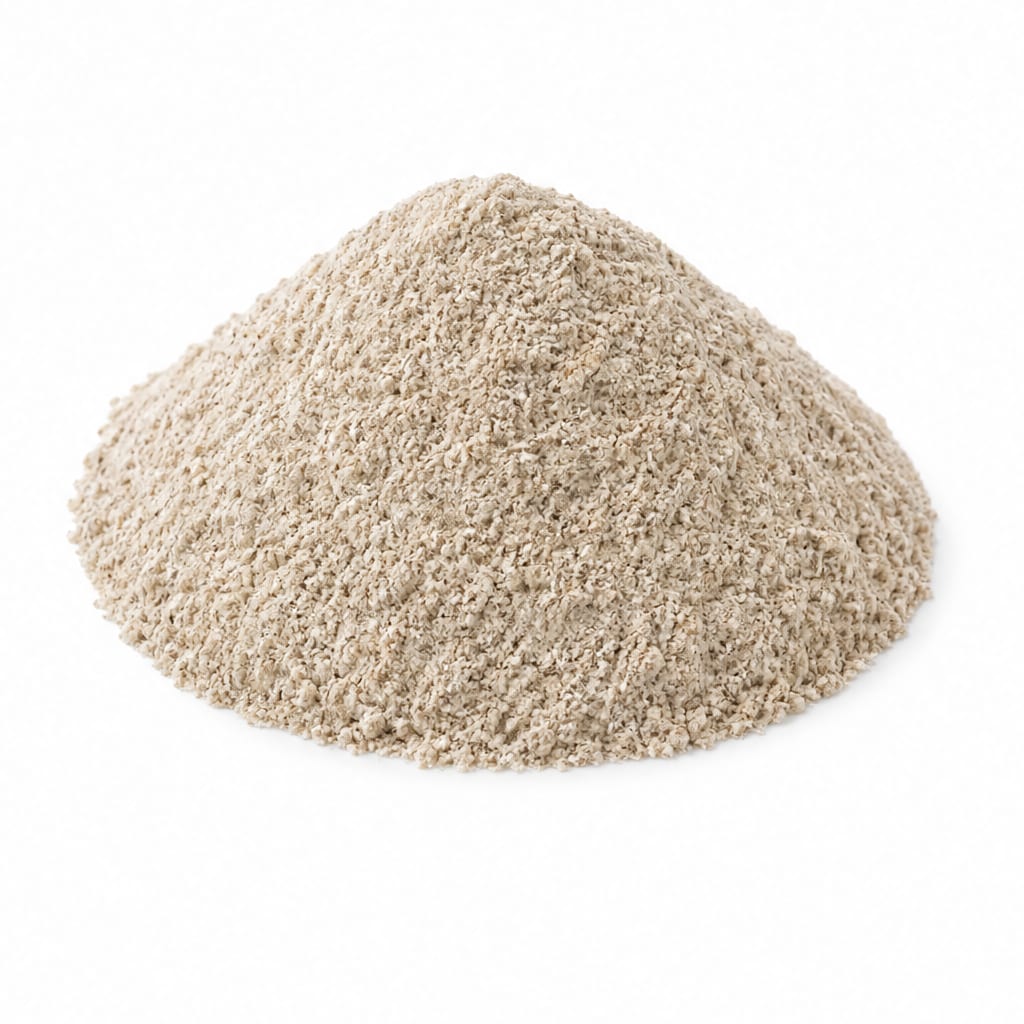
Compare with
Buckwheat Flour
Buckwheat flour is higher in protein and fiber with a similar earthy flavor, while acorn flour is higher in fat.
Buckwheat flour is higher in protein and fiber, while acorn flour provides more dietary fat for satiety.
This food
Acorn Flour
VS60% alike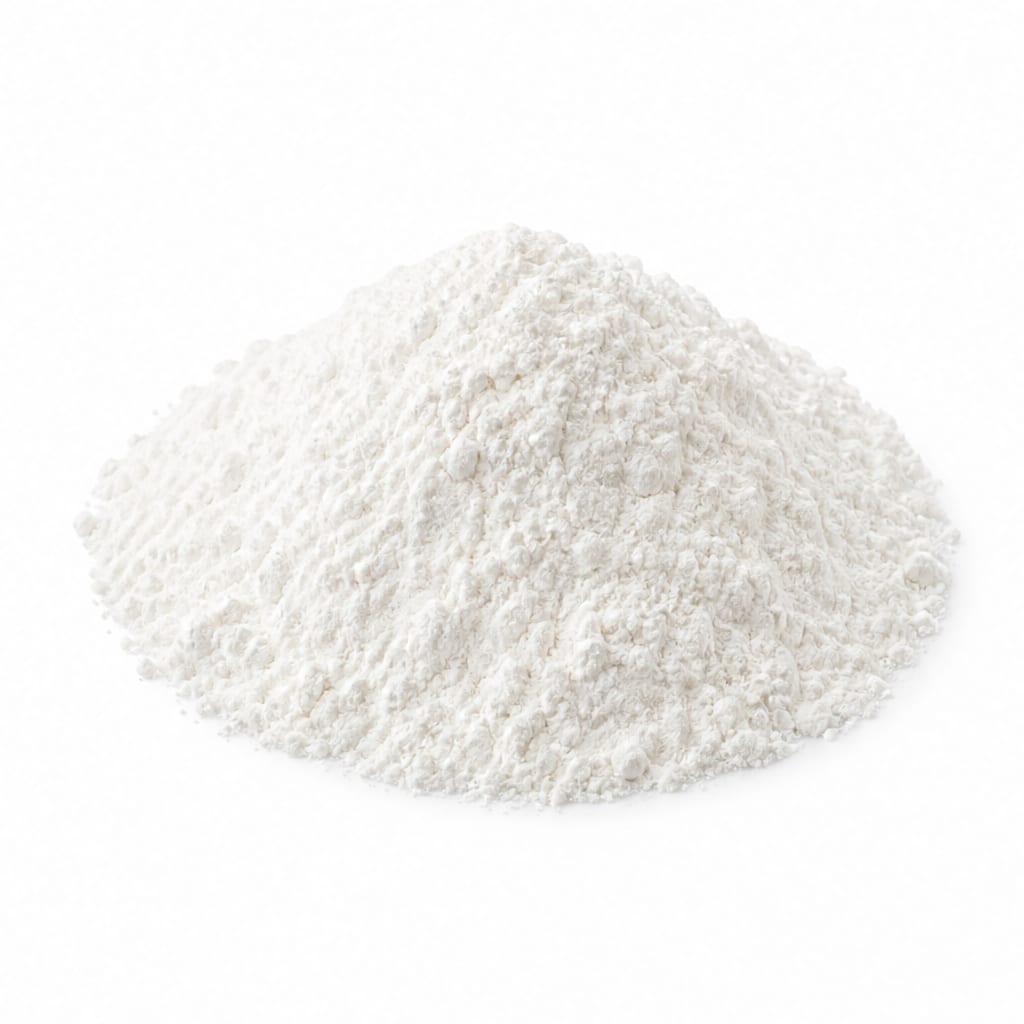
Compare with
Rice Flour
Rice flour is lighter and lower in fat, but acorn flour provides superior satiety and blood sugar stability due to its fat and fiber content.
Rice flour is lower in fat and calories, but acorn flour provides superior satiety and blood sugar stability.
This food
Acorn Flour
VS50% alike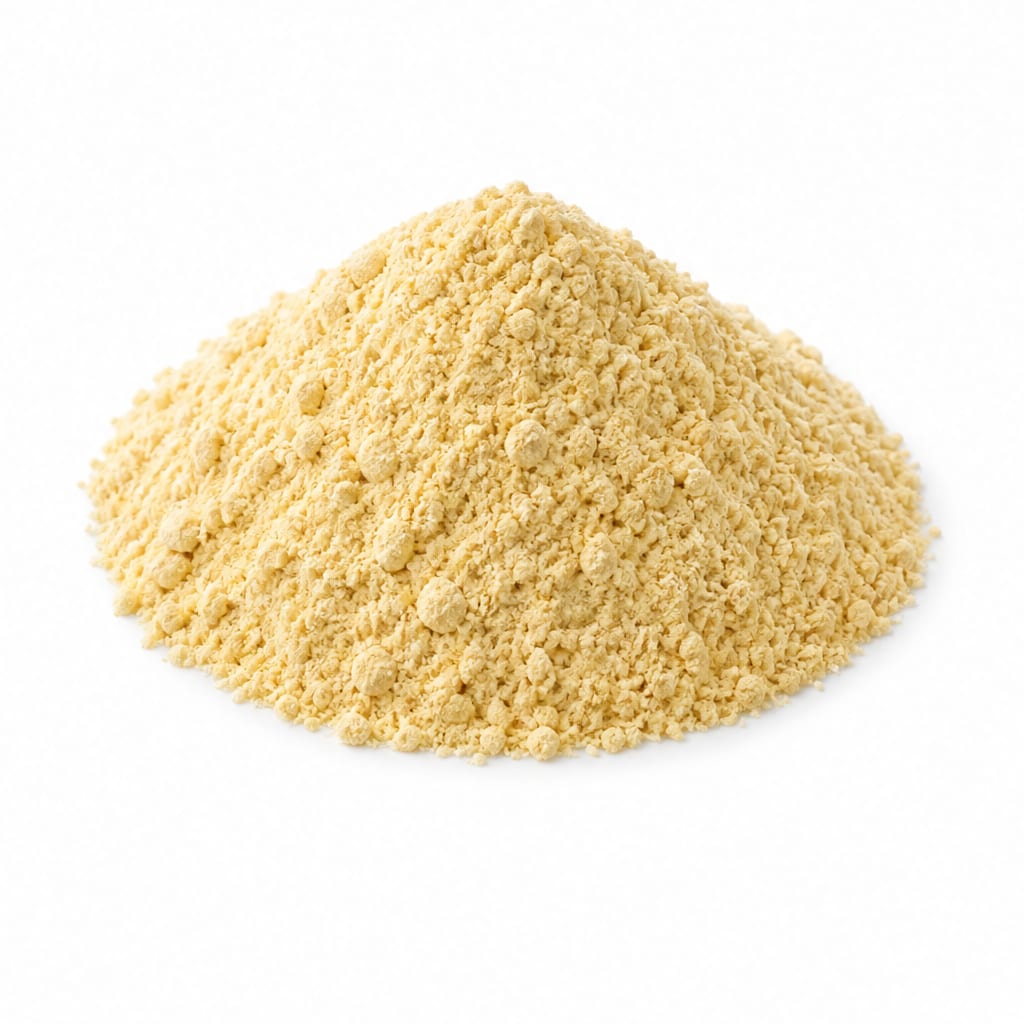
Compare with
Chickpea Flour
Chickpea flour is much higher in protein and lower in fat, making it better for muscle gain, while acorn flour provides more dietary fat for sustained energy.
Chickpea flour is much higher in protein and better for muscle gain, while acorn flour offers more fat for sustained energy.
Common questions
FAQ
Answers aligned with how people search for this food.
Is acorn flour gluten-free?
Yes, acorn flour is naturally gluten-free, making it a suitable alternative for those with celiac disease or gluten sensitivity.
Can you eat raw acorn flour?
Only if it has been properly leached to remove tannins. Unleached raw acorn flour is bitter and can cause kidney distress or severe nausea.
What does acorn flour taste like?
It has a rich, nutty, and earthy flavor with slight sweetness, often compared to chestnut flour.
Is acorn flour good for diabetics?
Yes, its low glycemic index and high fiber content help slow digestion and prevent rapid blood sugar spikes.
How do you make acorn flour at home?
Shell the acorns, grind them coarsely, leach the tannins out by soaking in multiple changes of water, then dry the meal and mill it into a fine flour.
Is acorn flour keto-friendly?
No, acorn flour is relatively high in carbohydrates and is not suitable for a strict ketogenic diet.
Where can I buy acorn flour?
It can be found online, at specialty health food stores, or in markets specializing in Korean or Native American foods.
Does acorn flour go bad?
Because of its high natural fat content, acorn flour can go rancid. It should be stored in an airtight container in the refrigerator or freezer.
Transparency
Data confidence
Estimated confidence for nutrition data, interpretation, safety notes, and comparisons.
Nutrition data
Health analysis
Food safety
Comparisons