
Nutrition comparison
Acorn Flour vs Oat Flour: Nutrition, Baking, and Health Compared
Compare Acorn Flour vs Oat Flour to see which is better for baking, blood sugar, and daily nutrition. Discover the pros and cons of each flour.
Overall winner · Oat Flour
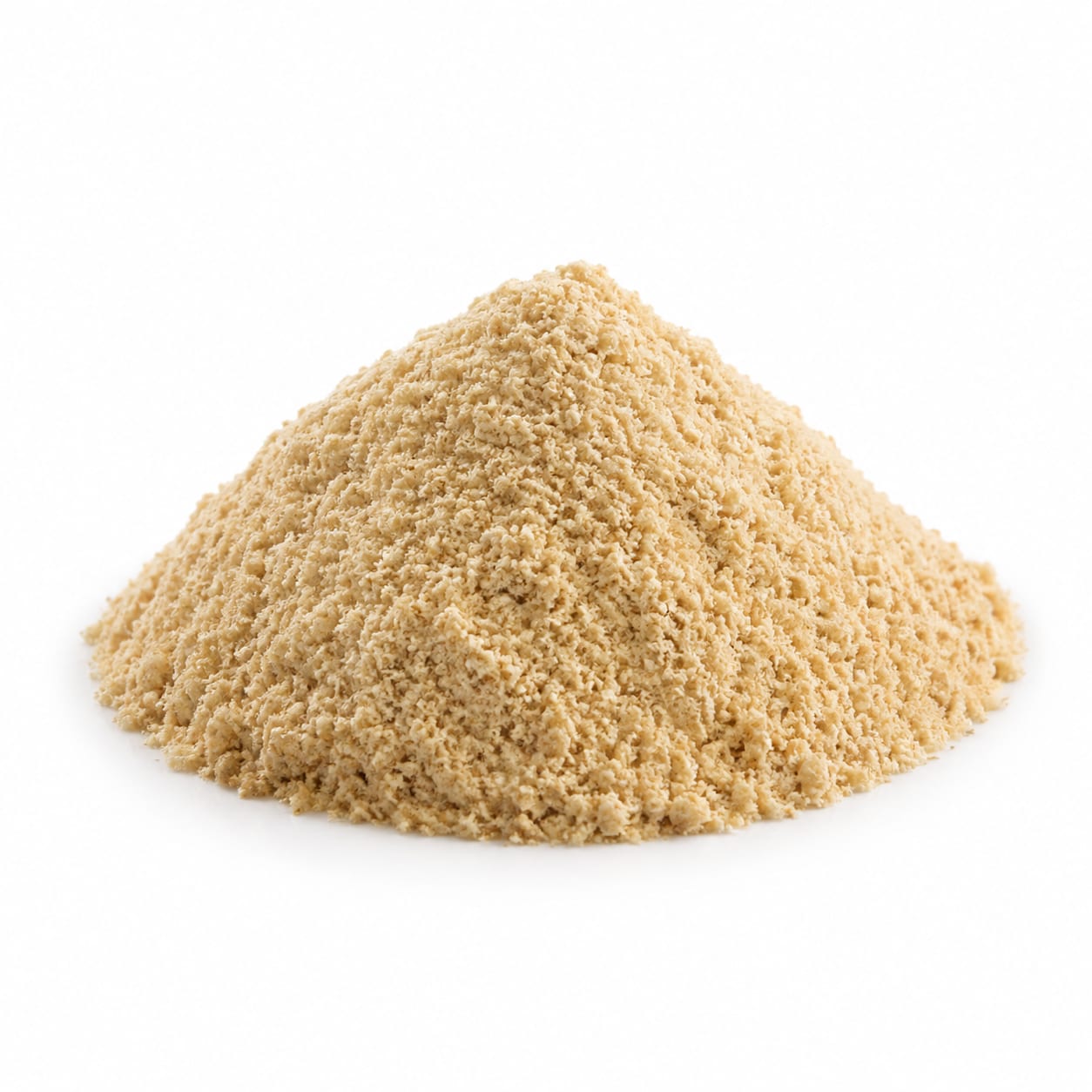
Acorn Flour
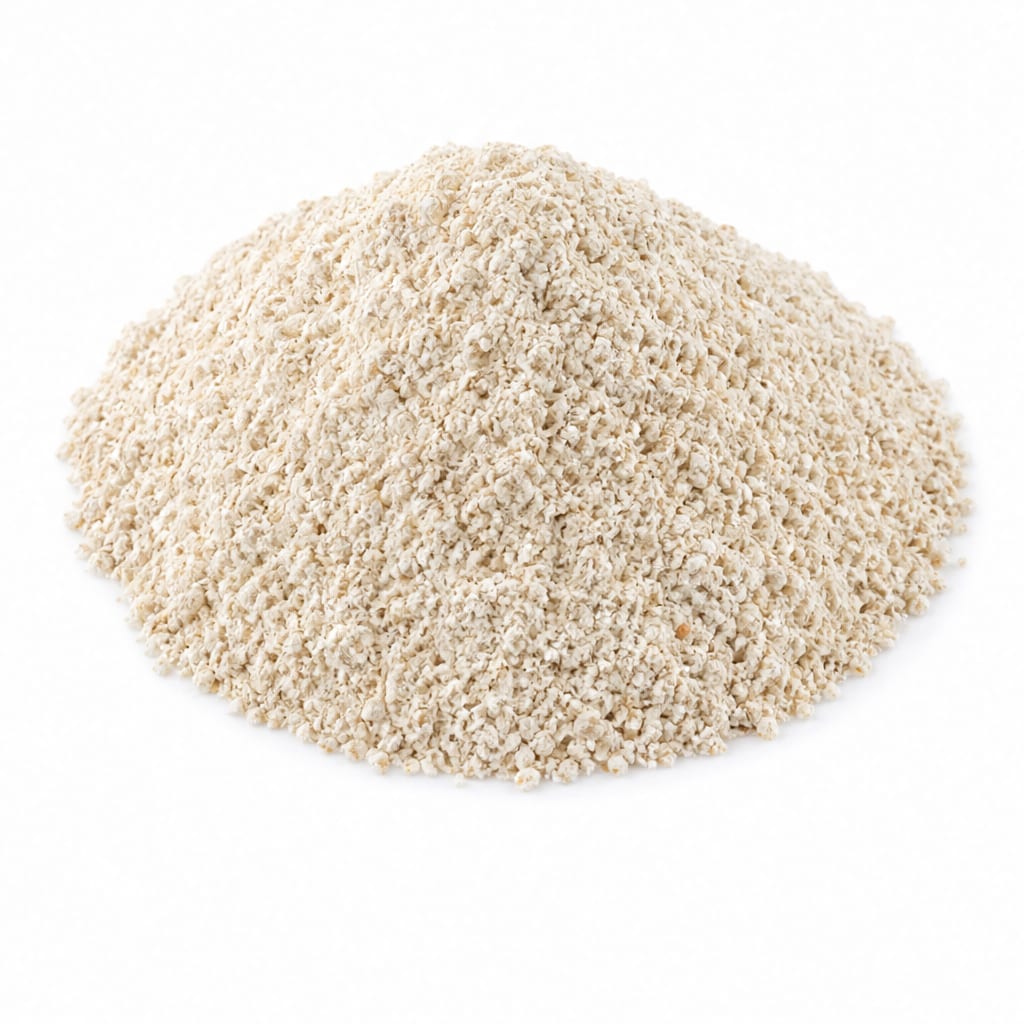
Oat Flour
Oat Flour wins for everyday nutrition and convenience, while Acorn Flour offers a unique, gluten-free, high-fat alternative for specialized baking.
Oat Flour scores higher due to its superior protein content, gentle digestibility, and widespread availability. Acorn Flour remains a strong niche choice for its healthy fats and guaranteed gluten-free status, but its tannin content and baking challenges hold it back slightly.
Oat Flour provides more protein and gut-friendly soluble fiber, whereas Acorn Flour delivers more healthy fats and a naturally gluten-free profile.
At a glance
Executive summary
Overall
Oat Flour
Healthier
It depends
More practical
Oat Flour
Daily use
Oat Flour
Key comparison lenses
Gluten-free suitability and digestive tolerance
Acorn Flour is naturally gluten-free, while Oat Flour is often cross-contaminated unless certified, making this a critical deciding factor for those with celiac or gluten sensitivity.
Blood sugar management and satiety
Both flours offer high fiber, but Acorn Flour's fat content and Oat Flour's beta-glucan impact blood sugar and fullness differently.
Baking practicality and flavor versatility
Oat Flour is mild and easy to bake with, whereas Acorn Flour has a distinct earthy flavor and requires recipe adjustments for density.
Best choice for
Acorn Flour
- Strict gluten-free bakers
- Low-carb or keto-adjacent diets
- People seeking unique, nutty, earthy flavors
Oat Flour
- Everyday bakers needing reliable results
- Cholesterol management
- Higher protein plant-based diets
Least suitable for
Acorn Flour
- People sensitive to tannins
- Those needing a high-protein flour
- Budget-conscious shoppers
Oat Flour
- Strict gluten-free diets unless certified GF
- People with avenin sensitivity
Deep comparison
Dimension by dimension
Each lens scores both foods and breaks down who each option suits.
- Dimension 1 · Priority 90Acorn Flour
Blood Sugar Stability
Acorn Flour · 88Oat Flour · 82Acorn Flour keeps blood sugar steadier due to its higher fat content, which slows digestion, while Oat Flour relies on soluble fiber to prevent spikes.
Tradeoff
Acorn Flour's fat slows glucose absorption effectively, but Oat Flour's beta-glucan is also excellent and comes with less calorie density.
Why it matters
Steadier blood sugar means fewer afternoon energy crashes and reduced cravings.
Real-world impact
Baked goods made with Acorn Flour will likely keep you satisfied longer without a sugar dip, whereas Oat Flour still performs well but may require pairing with a protein source for the same effect.
Acorn Flour
- Diabetics seeking the lowest glycemic impact
- Low-carb dieters
Better for
- People counting calories strictly
- Those who find high-fat foods heavy before exercise
Worse for
Oat Flour
- Active individuals needing quicker energy recovery
- Those watching overall fat intake
Better for
- Those sensitive to carbohydrates
Worse for
- Dimension 2 · Priority 85Oat Flour
Digestive Tolerance
Acorn Flour · 65Oat Flour · 90Oat Flour is gentle and prebiotic, feeding good gut bacteria. Acorn Flour contains tannins that can irritate the stomach if not properly leached.
Tradeoff
Oat Flour is soothing and easy on the stomach, while Acorn Flour requires careful processing to remove bitter compounds that cause digestive upset.
Why it matters
A flour that digests easily prevents bloating and discomfort after meals.
Real-world impact
Oat Flour pancakes feel comforting and light in the stomach. Poorly processed Acorn Flour could leave you feeling bloated or nauseous.
Acorn Flour
- Those avoiding oats due to avenin sensitivity
Better for
- People prone to heartburn or nausea from tannins
- Those with sensitive digestion
Worse for
Oat Flour
- People with sensitive stomachs
- Individuals with IBS looking for soluble fiber
Better for
- People with severe gluten or oat cross-reactivity
Worse for
- Dimension 3 · Priority 80Oat Flour
Nutritional Balance
Acorn Flour · 70Oat Flour · 85Oat Flour offers a better balance of protein and complex carbs, while Acorn Flour is heavily skewed toward fats with less protein.
Tradeoff
Oat Flour supports muscle maintenance and daily energy, whereas Acorn Flour provides dense caloric energy from fat but lacks protein.
Why it matters
A balanced macro profile makes it easier to hit daily nutritional goals without supplementing.
Real-world impact
Using Oat Flour in a smoothie or bake contributes meaningfully to your daily protein target. Acorn Flour requires adding protein powder or eggs to balance the meal.
Acorn Flour
- Those on a high-fat diet
- People needing calorie-dense foods for weight gain
Better for
- Anyone needing a high-protein flour
- People watching their fat intake
Worse for
Oat Flour
- Vegans and vegetarians needing plant protein
- Those managing cholesterol
Better for
- Those strictly limiting carbs
Worse for
- Dimension 4 · Priority 75Oat Flour
Baking Practicality
Acorn Flour · 55Oat Flour · 88Oat Flour is widely available, easy to substitute, and has a mild flavor. Acorn Flour is niche, dense, and tastes distinctly earthy.
Tradeoff
Oat Flour blends seamlessly into most recipes, while Acorn Flour requires creative recipe adjustments and is harder to source.
Why it matters
A flour that is easy to use makes healthy baking sustainable and enjoyable rather than frustrating.
Real-world impact
You can swap Oat Flour into a weekend pancake recipe with minimal thought. Acorn Flour might yield dense, crumbly results unless blended with other flours.
Acorn Flour
- Artisanal bakers seeking unique flavor profiles
- Gluten-free recipe developers
Better for
- Those who want light, fluffy baked goods
- People who bake on a budget
Worse for
Oat Flour
- Beginners in gluten-free baking
- Busy home cooks needing reliable results
Better for
- Those wanting a completely grain-free diet
Worse for
Timeline
Health impact over time
Short-term
Hours to days
Acorn Flour
- Provides sustained, long-lasting energy without a sugar crash
- Can feel heavy in the stomach due to high fat content
Oat Flour
- Offers comforting, steady energy and prebiotic benefits
- Beta-glucan can cause mild bloating if consumed in large amounts suddenly
Long-term
Months to years
Acorn Flour
- Healthy fats support brain health and hormone production
- Tannins act as antioxidants but may inhibit mineral absorption over time
Oat Flour
- Beta-glucan actively lowers LDL cholesterol and supports heart health
- Promotes a diverse and healthy gut microbiome
Risk profile
Safety & processing
Both flours are whole-food options with minimal processing. Acorn Flour requires traditional leaching to remove tannins, while Oat Flour is simply ground whole oats.
Acorn Flour
Improperly leached tannins
mediumIf acorns are not properly soaked and leached, residual tannins can cause nausea, stomach upset, and kidney strain over time.
Cross-contamination in processing
lowCommercially produced Acorn Flour is usually gluten-free, but small artisan batches may share equipment with gluten grains.
Oat Flour
Gluten cross-contamination
highOats are frequently grown and processed alongside wheat, making standard Oat Flour unsafe for those with celiac disease unless certified gluten-free.
Avenin sensitivity
lowA small percentage of people with celiac disease also react to avenin, a protein in oats similar to gluten.
Who wins for whom
Audience fit
Same foods, different winners depending on your goal.
children
Oat FlourOat Flour is milder in flavor, easier to digest, and provides the protein and carbs growing kids need without the risk of tannin upset.
daily consumption
Oat FlourOat Flour offers a more balanced nutritional profile and is far easier to incorporate into daily meals without digestive discomfort.
diabetes
Acorn FlourThe combination of high fat and moderate fiber in Acorn Flour creates a slower, more manageable blood sugar response.
elderly
Oat FlourOat Flour is gentle on the digestive system and its beta-glucan actively helps manage cholesterol, a common concern for older adults.
muscle gain
Oat FlourOat Flour has significantly more protein, which is essential for muscle repair and growth.
weight loss
Acorn FlourAcorn Flour's higher fat content promotes satiety and stabilizes blood sugar, reducing the urge to overeat, though portion control is needed due to calorie density.
Your move
Decision guide
Choose Acorn Flour
- You are strictly gluten-free and cannot find certified GF oats
- You follow a grain-free or lower-carb lifestyle
- You want a dense, nutty, and unique flavor for artisan baking
Choose Oat Flour
- You want an easy, everyday flour for baking and cooking
- You need to boost your protein and fiber intake gently
- You are focused on lowering cholesterol naturally
Either works if
- You are looking for a wheat flour alternative for pancakes or muffins
- You want a flour that keeps you full longer than refined white flour
Avoid both if
- You have severe gluten sensitivity and cannot source certified GF Oat Flour or guaranteed GF Acorn Flour
- You are looking for a low-calorie flour alternative
Final recommendation
Keep Oat Flour in your pantry for everyday baking, digestion, and balanced nutrition. Treat Acorn Flour as a specialty ingredient for when you need a guaranteed gluten-free, high-fat, or grain-free option, and enjoy its unique earthy depth in moderation.
Practical
Consumer tips
- 1
Always verify that Acorn Flour has been properly leached to remove bitter, stomach-upsetting tannins before buying.
- 2
If you have celiac disease, only buy Oat Flour explicitly labeled as certified gluten-free.
- 3
Blend Acorn Flour with lighter flours like tapioca or almond to prevent baked goods from becoming too dense.
- 4
Oat Flour absorbs more liquid than wheat flour, so add extra wet ingredients or let your batter rest to avoid dry results.