
Nutrition comparison
Acorn Flour vs Almond Flour: Nutrition, Keto, and Allergy Comparison
Comparing Acorn Flour and Almond Flour for baking, keto diets, and nut allergies. Find out which gluten-free flour is best for your health goals.
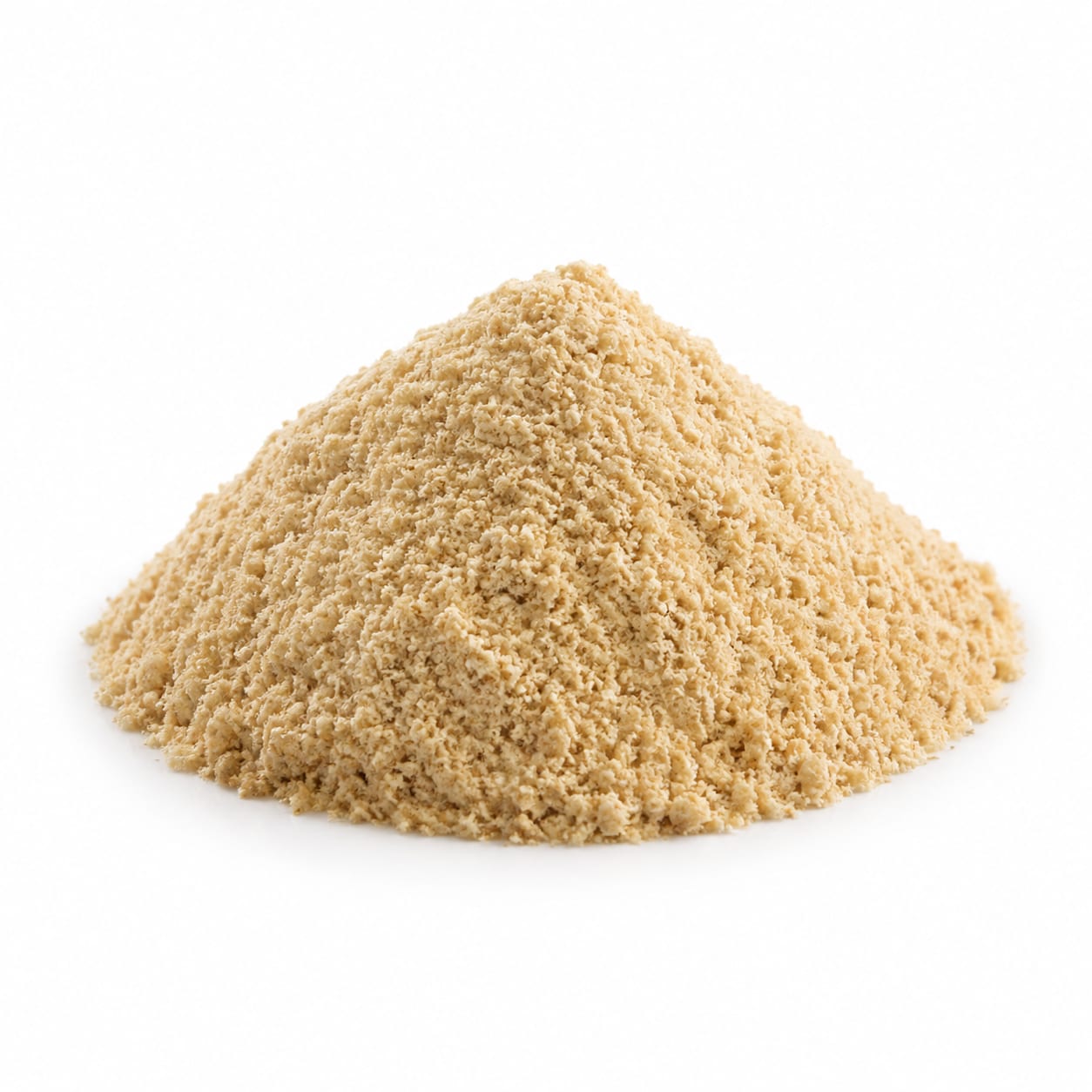
Acorn Flour
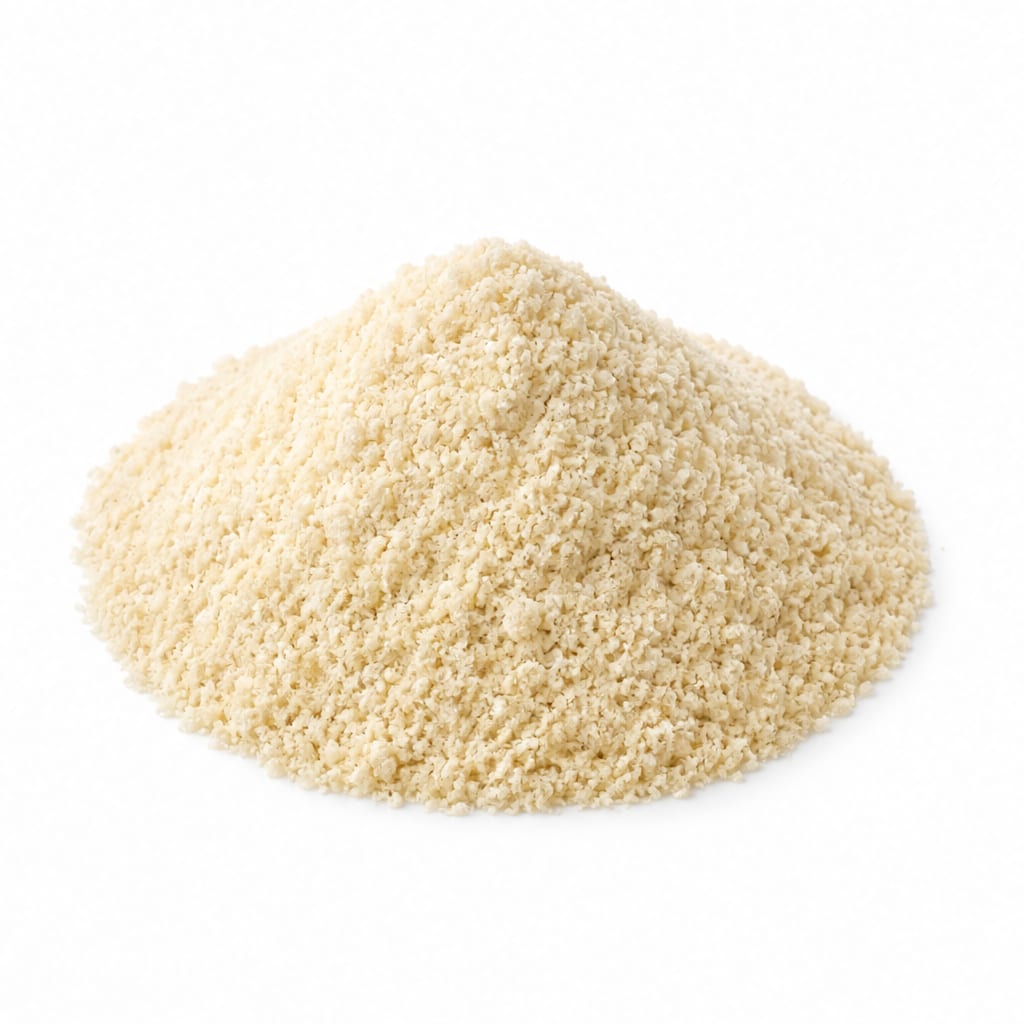
Almond Flour
Almond Flour is the go-to for low-carb and keto baking with a mild, sweet flavor, while Acorn Flour is a unique, nut-free alternative rich in complex carbs and traditional heritage.
Almond Flour scores higher due to its mainstream availability, keto compatibility, and superior baking versatility, but Acorn Flour remains a valuable niche option for allergen-free needs.
High fat and low carbs versus nut-free safety and higher complex carbohydrates.
At a glance
Executive summary
Overall
It depends
Healthier
It depends
More practical
Almond Flour
Daily use
Almond Flour
Key comparison lenses
Gluten-free and grain-free baking alternatives
Both are popular substitutes for wheat flour in gluten-free and paleo baking.
Nut allergy safety
Acorn Flour is completely nut-free, making it a critical alternative for those with tree nut allergies who cannot consume Almond Flour.
Low-carb and keto diet compatibility
Almond Flour is a keto staple, while Acorn Flour is higher in carbohydrates and unsuitable for strict keto.
Traditional vs modern pantry staples
Acorn Flour connects to heritage foraging, whereas Almond Flour is a mainstream modern health food.
Best choice for
Acorn Flour
- People with tree nut allergies
- Those seeking a traditional, sustainable, foraged food
- Bakers wanting a hearty, earthy flavor
Almond Flour
- Keto and low-carb dieters
- Bakers wanting a light, sweet, versatile flour
- Those needing an easy-to-find grocery staple
Least suitable for
Acorn Flour
- Strict keto dieters
- People sensitive to tannins
- Bakers wanting a light, fluffy texture
Almond Flour
- People with tree nut allergies
- Those watching calorie density closely
- Strictly budget-constrained shoppers
Deep comparison
Dimension by dimension
Each lens scores both foods and breaks down who each option suits.
- Dimension 1 · Priority 90Almond Flour
Macronutrient Profile & Keto Suitability
Acorn Flour · 60Almond Flour · 95Almond Flour is high in healthy fats and very low in carbs, making it perfect for keto. Acorn Flour is higher in complex carbs and lower in fat.
Tradeoff
You trade low-carb keto compatibility for a nut-free, higher-carb profile.
Why it matters
If you are managing blood sugar or on a keto diet, Almond Flour keeps carbs minimal. Acorn Flour provides sustained energy from complex carbs but can spike blood sugar if overconsumed.
Real-world impact
Almond Flour baked goods keep you in ketosis; Acorn Flour muffins act more like traditional carb-based comfort food.
Acorn Flour
- Endurance athletes needing complex carbs
- Those on a low-fat diet
Better for
- Strict low-carb dieters
Worse for
Almond Flour
- Keto dieters
- People managing blood sugar spikes
Better for
- People needing high-carb energy replenishment
Worse for
- Dimension 2 · Priority 85Acorn Flour
Allergen Safety & Tolerance
Acorn Flour · 95Almond Flour · 40Acorn Flour is completely nut-free, making it safe for tree nut allergies. Almond Flour is a top allergen.
Tradeoff
You gain absolute nut-free safety with Acorn Flour but lose the mild, familiar almond flavor.
Why it matters
Tree nut allergies can be severe and life-threatening. Finding a nut-free flour alternative is critical for affected households.
Real-world impact
You can safely send Acorn Flour treats to nut-free schools, whereas Almond Flour cannot enter those environments.
Acorn Flour
- School bake sales
- Nut-free households
Better for
- Those who love a classic almond flavor
Worse for
Almond Flour
- Homes without nut allergies
Better for
- Children with tree nut allergies
Worse for
- Dimension 3 · Priority 80Almond Flour
Culinary Versatility & Baking Performance
Acorn Flour · 55Almond Flour · 90Almond Flour yields lighter, sweeter baked goods. Acorn Flour is denser, earthier, and requires recipe adjustments due to tannins.
Tradeoff
Convenience and familiar texture versus a unique, hearty, rustic flavor profile.
Why it matters
Baking with Almond Flour is straightforward and yields crowd-pleasing results. Acorn Flour often needs blending with other flours to balance its density and bitterness.
Real-world impact
Almond Flour makes easy, delicious cookies. Acorn Flour makes dense, flavorful flatbreads that take trial and error to perfect.
Acorn Flour
- Rustic, savory baking
- Traditional recipes
Better for
- Light and fluffy cakes
Worse for
Almond Flour
- Cakes
- Cookies
- Beginner gluten-free bakers
Better for
- Savory, earthy flatbreads
Worse for
- Dimension 4 · Priority 70It depends
Micronutrient Density & Antioxidants
Acorn Flour · 80Almond Flour · 82Almond Flour is rich in vitamin E and magnesium, while Acorn Flour offers unique tannins, potassium, and varied phytonutrients.
Tradeoff
Well-studied skin-protecting vitamin E versus traditional foraged-plant antioxidants.
Why it matters
Both offer more micronutrients than standard white flour, but they shine in different areas.
Real-world impact
Almond Flour supports skin health and muscle recovery; Acorn Flour provides antioxidants that support gut health and inflammation balance.
Acorn Flour
- Those seeking diverse, wild-source antioxidants
Better for
- Those who need a reliable, labeled vitamin E source
Worse for
Almond Flour
- People needing more vitamin E and magnesium
Better for
- Those looking for wild-foraged nutrient diversity
Worse for
Timeline
Health impact over time
Short-term
Hours to days
Acorn Flour
- Provides steady, complex-carb energy
- May cause slight digestive adjustment due to tannins and fiber
Almond Flour
- Highly satiating due to fat and protein content
- Can feel heavy in the stomach if eaten in large quantities
Long-term
Months to years
Acorn Flour
- Supports a diverse gut microbiome with unique fiber
- Tannins may help reduce chronic inflammation when properly prepared
Almond Flour
- Supports heart health with monounsaturated fats
- Vitamin E promotes long-term skin and immune health
Risk profile
Safety & processing
Both are whole-food flours made by grinding nuts or acorns. Acorn Flour requires leaching to remove bitter tannins, a traditional natural process. Almond Flour is simply blanched and ground almonds.
Acorn Flour
Tannin sensitivity
mediumImproperly leached Acorn Flour can contain high tannins, causing nausea or digestive upset.
Foraging misidentification
lowIf making homemade, misidentifying acorns or using improperly processed ones can lead to high tannin consumption. Commercial flours are safe.
Almond Flour
Tree nut allergy
highAlmonds are a top allergen that can cause severe anaphylactic reactions in sensitive individuals.
Oxalate content
lowAlmonds contain oxalates, which can be an issue for people prone to kidney stones.
Who wins for whom
Audience fit
Same foods, different winners depending on your goal.
children
It dependsAlmond Flour is better for taste and texture in kid-friendly baking, but Acorn Flour is essential for kids with nut allergies attending school.
daily consumption
Almond FlourAlmond Flour is easier to incorporate into a modern low-carb lifestyle and is widely available for everyday cooking.
diabetes
Almond FlourAlmond Flour has minimal carbs and will not spike blood sugar, whereas Acorn Flour contains complex carbs that require insulin response.
elderly
Almond FlourAlmond Flour offers easily digestible healthy fats and vitamin E, which support brain and heart health in older adults.
muscle gain
Almond FlourAlmond Flour provides more protein per serving, which is essential for muscle repair and growth.
weight loss
Almond FlourAlmond Flour's high fat and protein content increases satiety and lowers carb intake, making it easier to manage cravings.
Your move
Decision guide
Choose Acorn Flour
- You or a family member has a tree nut allergy
- You want a sustainable, foraged ingredient with heritage roots
- You are baking savory items where an earthy flavor is desired
Choose Almond Flour
- You follow a keto or low-carb diet
- You want a versatile, easy-to-use flour for sweet baking
- You need a reliable source of vitamin E and healthy fats
Either works if
- You need a gluten-free flour alternative
- You want to avoid refined white flour
- You are looking to increase fiber in your baking
Avoid both if
- You are on a strict calorie-restricted diet and cannot afford calorie-dense flours
- You have severe digestive issues with high-fat or high-fiber foods
Final recommendation
Keep Almond Flour as your daily driver for low-carb, versatile baking, but stock Acorn Flour for nut-free baking needs and when you want a rustic, earthy twist. Always choose Acorn Flour if tree nut allergies are a concern in your household.
Practical
Consumer tips
- 1
Store both flours in the fridge or freezer to prevent the natural oils from going rancid.
- 2
When buying Acorn Flour, check if it is pre-leached; if making your own, always leach the acorns thoroughly to remove bitter tannins.
- 3
For best baking results with Acorn Flour, mix it with a lighter flour like tapioca or oat to avoid overly dense results.
- 4
Almond Flour works best in recipes that call for extra moisture, as it absorbs less liquid than coconut flour.