
Nutrition comparison
Acorn Flour vs Rice Flour: Which Gluten-Free Flour is Healthier?
Compare Acorn Flour and Rice Flour for health, baking, and blood sugar impact. Discover which gluten-free flour offers better nutrition and satiety.
Overall winner · Acorn Flour
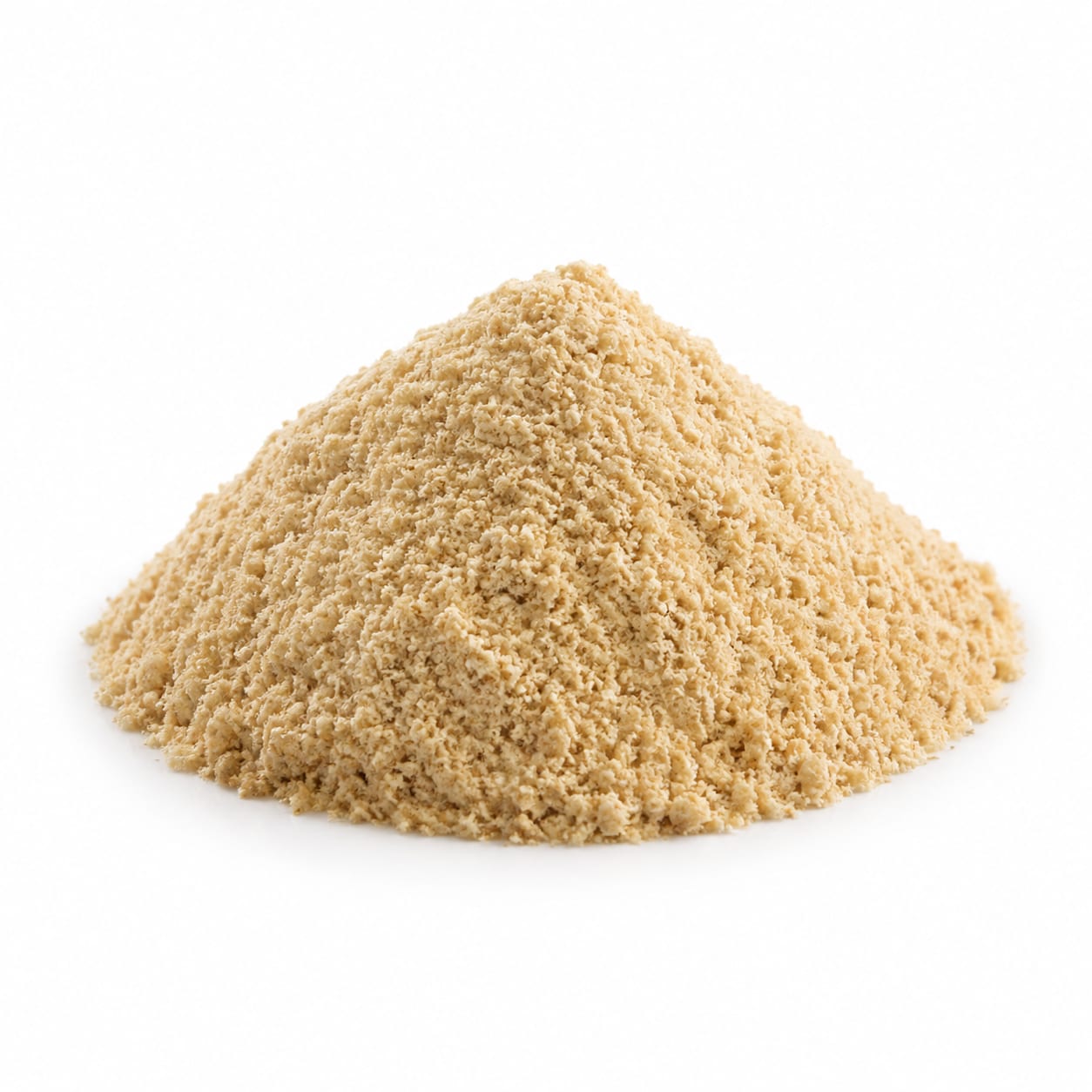
Acorn Flour
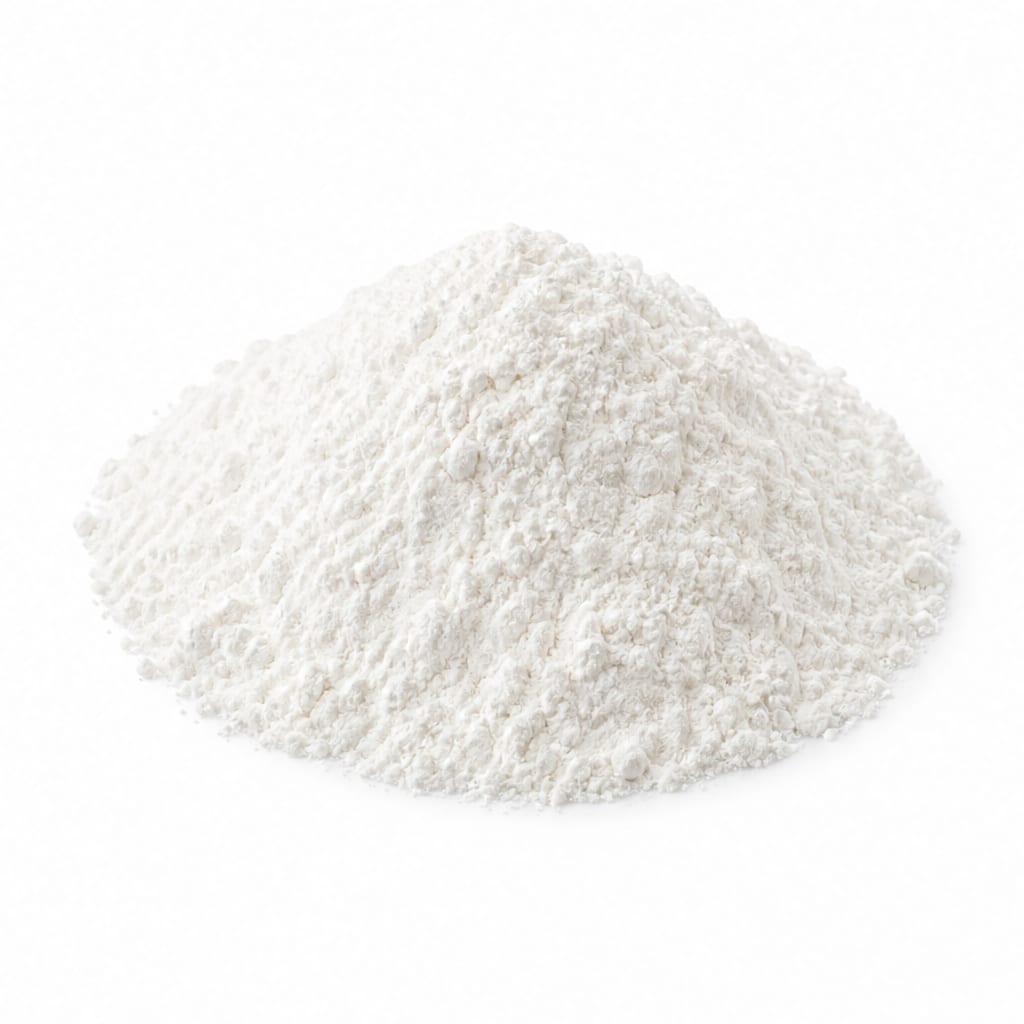
Rice Flour
Acorn Flour offers superior blood sugar stability and satiety, making it the healthier choice, though Rice Flour wins on convenience and mild flavor.
Acorn Flour scores higher due to its strong fiber, fat, and mineral content, which supports metabolic health. Rice Flour scores lower because its high starch content and low nutrient density make it a less favorable daily carb source despite its culinary convenience.
You trade the neutral versatility and easy digestion of Rice Flour for the nutrient density, healthy fats, and fiber of Acorn Flour.
At a glance
Executive summary
Overall
Acorn Flour
Healthier
Acorn Flour
More practical
Rice Flour
Daily use
It depends
Key comparison lenses
Blood sugar management
Rice flour is highly refined and starchy, causing rapid blood sugar spikes, whereas acorn flour is rich in fiber and fat, offering steadier energy.
Gluten-free baking alternatives
Both are popular gluten-free flours, but they behave very differently in recipes and affect the body differently.
Nutrient density vs culinary convenience
Acorn flour brings unique nutrients and a rustic flavor but requires specific preparation, while rice flour is a neutral, easy-to-use blank canvas.
Best choice for
Acorn Flour
- People managing diabetes or insulin resistance
- Those seeking high-fiber, nutrient-dense gluten-free alternatives
- Fans of rustic, nutty flavors in baked goods
Rice Flour
- People with sensitive stomachs needing easily digestible carbs
- Bakers needing a neutral-flavored flour for delicate recipes
- Those on a tight budget seeking accessible gluten-free options
Least suitable for
Acorn Flour
- People unfamiliar with leaching tannins from wild-foraged foods
- Those wanting a light, fluffy texture in baked goods
- Individuals with severe oak/tree nut allergies
Rice Flour
- People trying to stabilize blood sugar or lose weight
- Those avoiding high-glycemic foods
- Anyone looking for nutrient-dense, whole-food carbs
Deep comparison
Dimension by dimension
Each lens scores both foods and breaks down who each option suits.
- Dimension 1 · Priority 95Acorn Flour
Blood Sugar Stability
Acorn Flour · 88Rice Flour · 25Acorn Flour provides slow-burning energy, while Rice Flour can cause sharp blood sugar spikes.
Tradeoff
Choosing Rice Flour means accepting a rapid carb rush and potential crash, whereas Acorn Flour offers steady energy but requires adjusting recipes for its density.
Why it matters
Frequent blood sugar spikes from Rice Flour can increase cravings, fatigue, and long-term metabolic risk.
Real-world impact
Eating Rice Flour-based meals might leave you hungry an hour later, while Acorn Flour keeps you full and energized much longer.
Acorn Flour
- Avoiding the afternoon energy crash
- Managing insulin resistance
Better for
- Situations requiring rapid energy absorption
Worse for
Rice Flour
- Quick carb replenishment after intense endurance exercise
Better for
- Sustained focus during long work sessions
- Preventing sugar cravings
Worse for
- Dimension 2 · Priority 90Acorn Flour
Satiety & Fullness
Acorn Flour · 85Rice Flour · 30Acorn Flour is far more filling due to its fat and fiber content, whereas Rice Flour digests quickly.
Tradeoff
You get longer-lasting fullness with Acorn Flour, but Rice Flour feels lighter in the stomach immediately after eating.
Why it matters
Foods that digest quickly can lead to overeating and snacking between meals.
Real-world impact
A baked good made with Acorn Flour can tide you over until your next meal, while a Rice Flour treat might have you reaching for a snack an hour later.
Acorn Flour
- Reducing overall calorie intake naturally
- Staying full during busy mornings
Better for
- When you want a light, easily digestible snack before bed
Worse for
Rice Flour
- Pre-workout meals that shouldn't sit heavy
Better for
- Controlling late-night snacking habits
Worse for
- Dimension 3 · Priority 80Rice Flour
Culinary Versatility & Taste
Acorn Flour · 45Rice Flour · 85Rice Flour is a neutral, adaptable base for many recipes, while Acorn Flour has a distinct earthy flavor and heavier texture.
Tradeoff
Rice Flour blends seamlessly into most dishes without altering flavor, but Acorn Flour adds a unique, nutty depth that limits what it pairs with.
Why it matters
If a flour is hard to cook with, you might use it less often, negating its health benefits.
Real-world impact
Rice Flour works well in delicate pastries and coatings, while Acorn Flour shines in hearty pancakes, flatbreads, and robust muffins.
Acorn Flour
- Creating rich, rustic, and savory baked goods
- Adding depth to winter recipes
Better for
- Delicate, sweet pastries requiring a light crumb
Worse for
Rice Flour
- Making light, fluffy cakes and tempura batters
- Recipes where the flour should be a background ingredient
Better for
- Dishes where you want the flour to contribute robust flavor
Worse for
- Dimension 4 · Priority 85Acorn Flour
Nutrient Density
Acorn Flour · 82Rice Flour · 35Acorn Flour is packed with healthy fats, fiber, and minerals like potassium, while Rice Flour is mostly empty starch.
Tradeoff
Acorn Flour acts like a functional food, delivering real nutrition, but Rice Flour is essentially just a binding carbohydrate.
Why it matters
Getting nutrients from your base ingredients reduces the need for supplementation and supports overall vitality.
Real-world impact
Using Acorn Flour contributes to your daily fiber and healthy fat goals, whereas Rice Flour just adds carbs to your day.
Acorn Flour
- Maximizing nutrition per calorie eaten
- Boosting mineral intake naturally
Better for
- Strict low-fat diets
Worse for
Rice Flour
- Situations where low-fat and low-fiber are specifically required
Better for
- Preventing nutrient gaps in a gluten-free diet
Worse for
Timeline
Health impact over time
Short-term
Hours to days
Acorn Flour
- Provides sustained energy without a sugar crash
- Promotes a strong feeling of fullness after eating
Rice Flour
- Can cause a rapid spike and subsequent drop in blood sugar
- Leaves the stomach quickly, potentially triggering early hunger
Long-term
Months to years
Acorn Flour
- Supports better metabolic health and blood sugar regulation
- High fiber intake aids digestive regularity
Rice Flour
- Frequent consumption may increase the risk of insulin resistance
- Low nutrient density can contribute to dietary gaps if used as a staple
Risk profile
Safety & processing
Acorn Flour is typically just ground and leached acorns, retaining its whole-food integrity. Rice Flour, especially white Rice Flour, is a refined product stripped of the bran and germ, making it a more processed, less natural option.
Acorn Flour
Tannin toxicity
mediumRaw acorns are high in tannins, which can cause nausea and kidney damage. Properly leached Acorn Flour is safe, but improper preparation is risky.
Heavy metal exposure
lowAcorns foraged from polluted areas may absorb heavy metals from the soil. Sourcing from reputable suppliers is important.
Rice Flour
Arsenic contamination
highRice is a known bioaccumulator of inorganic arsenic. Rice Flour can have high concentrations, posing long-term health risks if consumed frequently.
Who wins for whom
Audience fit
Same foods, different winners depending on your goal.
children
Rice FlourRice Flour is mild, easy to digest, and unlikely to cause stomach upset, making it a safer choice for kids' sensitive systems.
daily consumption
It dependsAcorn Flour is healthier for daily metabolic support, but its strong flavor makes it better for occasional use unless blended, whereas Rice Flour is easy to eat daily but carries arsenic risks if over-consumed.
diabetes
Acorn FlourAcorn Flour's low glycemic impact and high fiber prevent dangerous blood sugar spikes, unlike Rice Flour.
elderly
It dependsRice Flour is easier to digest for fragile systems, but Acorn Flour offers better blood sugar control, which is crucial for older adults.
muscle gain
Rice FlourRice Flour provides easily digestible carbohydrates that can be quickly utilized for energy and glycogen replenishment post-workout.
weight loss
Acorn FlourThe high fiber and fat content in Acorn Flour keeps you full longer, naturally reducing the urge to overeat.
Your move
Decision guide
Choose Acorn Flour
- You want to avoid blood sugar spikes and crashes
- You are looking for a nutrient-dense, high-fiber gluten-free flour
- You enjoy earthy, nutty flavors in your baking
Choose Rice Flour
- You need a neutral flour for a delicate recipe
- You have a sensitive stomach and need easy-to-digest carbs
- You are doing intense endurance training and need quick glycogen
Either works if
- You are mixing gluten-free flours to balance texture and nutrition
Avoid both if
- You have a gluten tolerance and can use whole wheat flour, which offers a better protein and fiber balance than Rice Flour with more culinary flexibility than Acorn Flour
Final recommendation
For everyday health and satiety, Acorn Flour is the superior choice, but use Rice Flour when you need a neutral flavor or easily digestible carb, keeping in mind the arsenic risk with heavy Rice Flour consumption.
Practical
Consumer tips
- 1
Blend Acorn Flour with a lighter flour like tapioca to improve texture while keeping the nutritional benefits.
- 2
If using Rice Flour frequently, soak it or choose brown Rice Flour in moderation to manage arsenic exposure, and vary your grains.
- 3
Always buy commercially prepared Acorn Flour to ensure the bitter, potentially harmful tannins have been properly leached out.
- 4
Use Rice Flour for dusting surfaces or making light batters, and save Acorn Flour for hearty, filling recipes like pancakes.