
Nutrition comparison
Acorn Flour vs Wheat Flour: Nutrition, Gluten-Free, and Baking Comparison
Comparing Acorn Flour and Wheat Flour? Discover which is better for blood sugar, gluten-free baking, and daily nutrition in this expert breakdown.
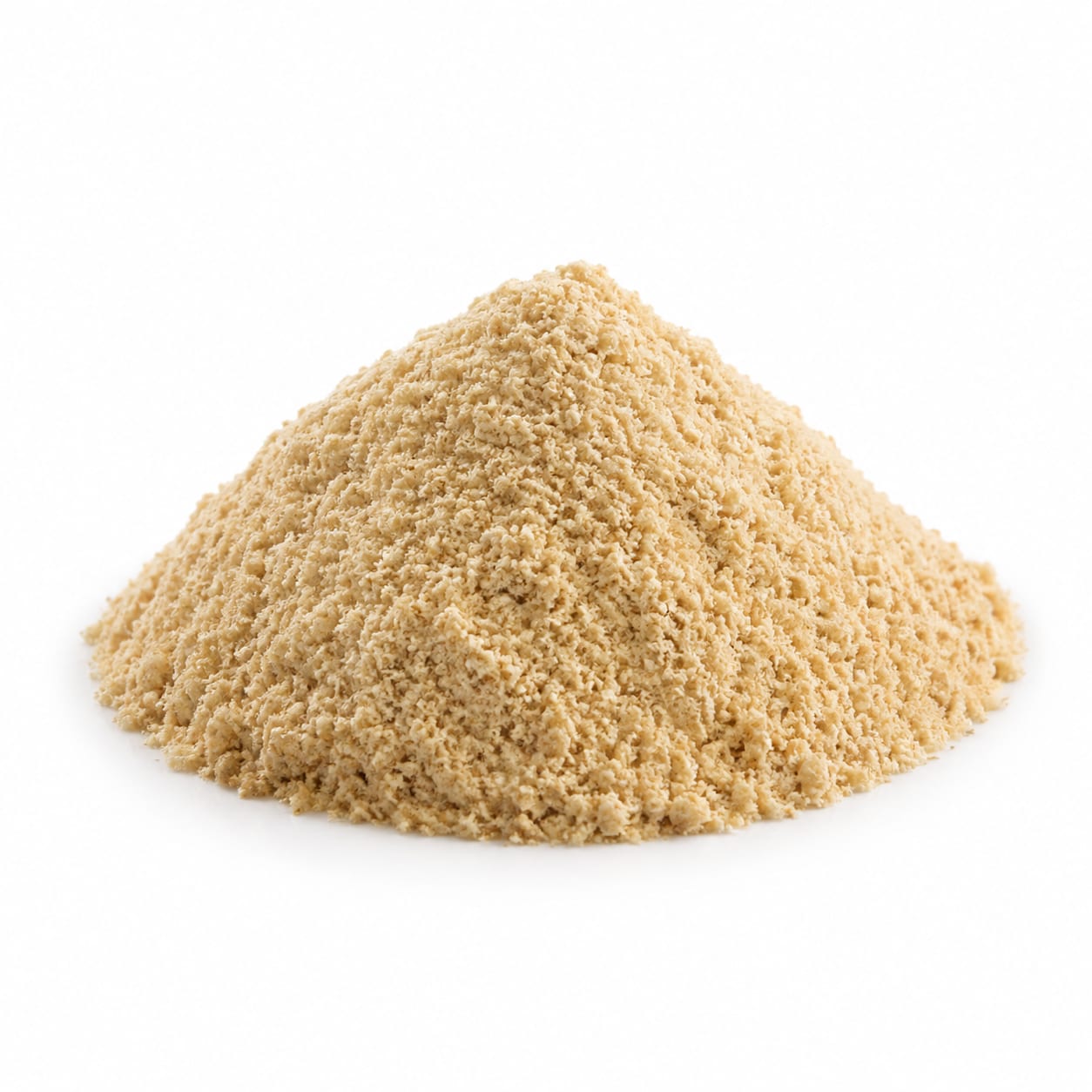
Acorn Flour
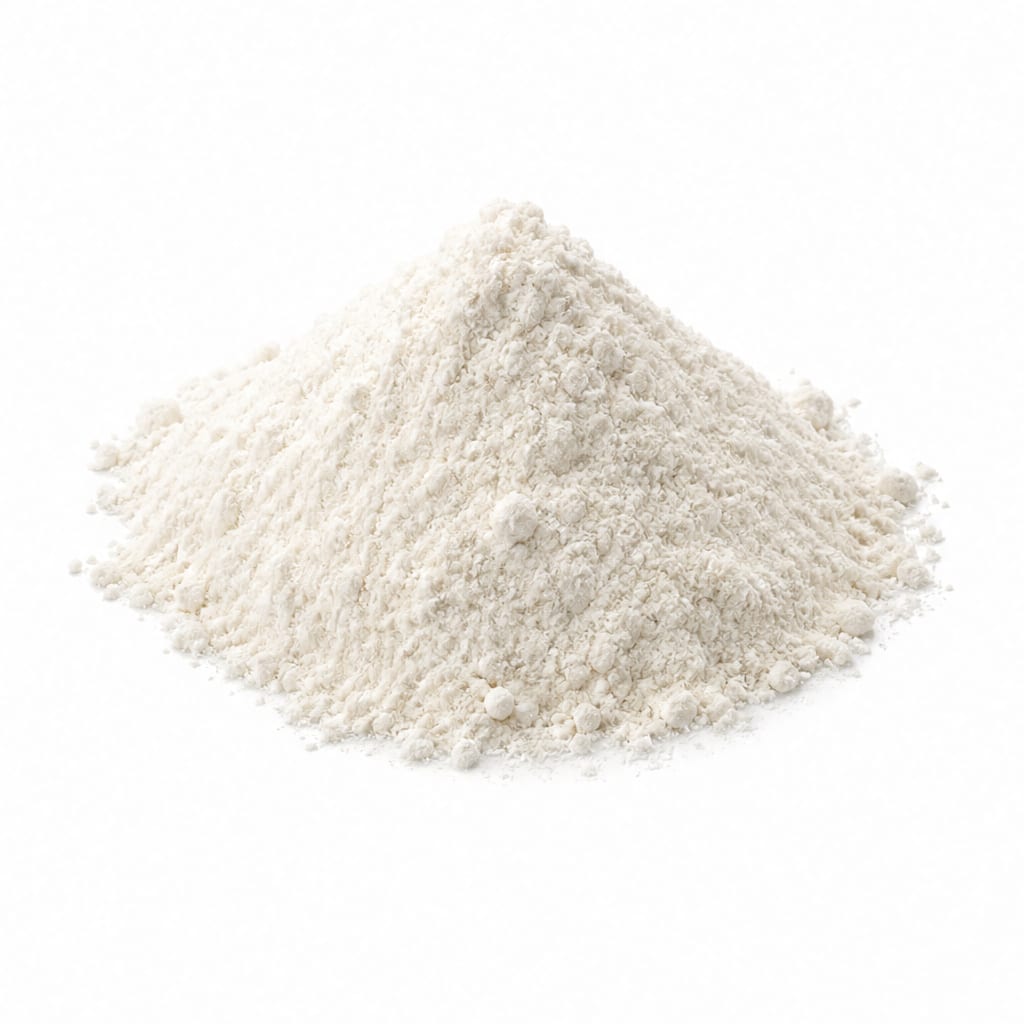
Wheat Flour
Acorn Flour offers unique blood sugar and digestive benefits, but Wheat Flour remains the unmatched champion of convenience and structure.
Wheat Flour scores slightly higher due to its unmatched practicality and protein, but Acorn Flour holds its own with superior blood sugar and digestive health benefits.
You trade baking predictability and protein content for a gluten-free, lower-glycemic, and nutrient-dense alternative.
At a glance
Executive summary
Overall
It depends
Healthier
Acorn Flour
More practical
Wheat Flour
Daily use
Wheat Flour
Key comparison lenses
Gluten-Free Baking Alternatives
Acorn Flour is naturally gluten-free, making it a direct alternative for those avoiding Wheat Flour.
Culinary Versatility and Convenience
Wheat Flour is a pantry staple with superior binding and rising properties, whereas Acorn Flour requires special handling.
Blood Sugar Management
Acorn Flour has a lower glycemic index and higher fat content, leading to steadier blood sugar compared to Wheat Flour.
Best choice for
Acorn Flour
- People with celiac disease or gluten intolerance
- Those managing blood sugar spikes
- Adventurous bakers seeking nutrient-dense, rustic flavors
Wheat Flour
- Traditional bakers needing reliable rise and structure
- Anyone counting on affordable, accessible pantry staples
- People needing higher protein content for muscle maintenance
Least suitable for
Acorn Flour
- Busy home cooks who need quick, predictable baking results
- Those sensitive to tannins or high-fat flours
Wheat Flour
- People with gluten sensitivities or celiac disease
- Those strictly managing metabolic syndrome or insulin resistance
Deep comparison
Dimension by dimension
Each lens scores both foods and breaks down who each option suits.
- Dimension 1 · Priority 90Acorn Flour
Blood Sugar Stability
Acorn Flour · 85Wheat Flour · 45Acorn Flour provides steadier energy with less of a blood sugar rollercoaster.
Tradeoff
You lose the light, fluffy texture of Wheat Flour baked goods that spike blood sugar quickly.
Why it matters
Avoiding blood sugar spikes prevents the afternoon energy crash and reduces cravings later in the day.
Real-world impact
Eating Acorn Flour pancakes keeps you full until lunch, while Wheat Flour pancakes might leave you hungry an hour later.
Acorn Flour
- Steady, sustained energy
- Reduced cravings between meals
Better for
- Not ideal for rapid carb-loading
Worse for
Wheat Flour
- Quick energy after intense exercise
Better for
- High risk of energy crashes
- Can trigger cravings
Worse for
- Dimension 2 · Priority 95Acorn Flour
Digestive Tolerance
Acorn Flour · 90Wheat Flour · 40Acorn Flour is naturally gluten-free and easier on the stomach for sensitive individuals.
Tradeoff
Unless properly leached, Acorn Flour's tannins can cause digestive upset, while Wheat Flour's gluten is a known irritant for many.
Why it matters
Bloating and brain fog after meals often come from gluten or hard-to-digest grains.
Real-world impact
Choosing Acorn Flour means skipping the post-meal bloating that often follows Wheat Flour consumption.
Acorn Flour
- Safe for celiac and gluten-free diets
- Less bloating for sensitive guts
Better for
- Tannins can cause nausea if flour is improperly processed
Worse for
Wheat Flour
- Well-tolerated by those without gluten issues
Better for
- Causes severe reactions in those with celiac disease
- Triggers IBS symptoms in some people
Worse for
- Dimension 3 · Priority 85Wheat Flour
Culinary Versatility & Practicality
Acorn Flour · 30Wheat Flour · 95Wheat Flour is the backbone of modern baking, while Acorn Flour is dense, crumbly, and requires recipe adjustments.
Tradeoff
You sacrifice the perfect chew and rise of Wheat Flour for the dense, nutty profile of Acorn Flour.
Why it matters
Baking should be enjoyable, not frustrating. Hard-to-use flours often end up forgotten in the pantry.
Real-world impact
Wheat Flour yields predictable cookies and breads; Acorn Flour often needs mixing with other flours and binders to hold together.
Acorn Flour
- Adds rich, earthy flavor to rustic recipes
Better for
- Poor binding without added eggs or gums
- Hard to find in regular grocery stores
Worse for
Wheat Flour
- Excellent rise and structure in breads
- Works seamlessly in almost any baked good
Better for
- Can feel boring or overly processed
Worse for
- Dimension 4 · Priority 80It depends
Nutritional Density
Acorn Flour · 75Wheat Flour · 70Acorn Flour brings more healthy fats and antioxidants, while Wheat Flour offers more protein and often added fortifications.
Tradeoff
Choose between the unique fat-soluble nutrients of acorns or the higher muscle-feeding protein of wheat.
Why it matters
Nutrient density determines how much your food actually nourishes you beyond just providing calories.
Real-world impact
Acorn Flour provides slow-burning fuel and unique antioxidants, whereas Wheat Flour supports muscle repair better.
Acorn Flour
- Rich in unsaturated fats for heart health
- Contains unique acorn antioxidants
Better for
- Lower protein content per serving
Worse for
Wheat Flour
- Higher protein for satiety and muscle maintenance
- Often fortified with essential B vitamins and iron
Better for
- Standard refined versions are stripped of natural nutrients
Worse for
Timeline
Health impact over time
Short-term
Hours to days
Acorn Flour
- Steadier energy without a sugar crash
- No gluten-induced bloating
Wheat Flour
- Quick energy availability
- Potential for bloating or fatigue if gluten-sensitive
Long-term
Months to years
Acorn Flour
- Better insulin sensitivity due to lower glycemic load
- Reduced systemic inflammation from avoiding gluten
Wheat Flour
- Consistent protein intake supports muscle mass
- Risk of chronic inflammation if sensitive to gluten
Risk profile
Safety & processing
Acorn Flour is typically just ground and leached acorns, retaining a wild, whole-food profile. Wheat Flour, especially all-purpose, is heavily refined and often bleached, stripping away the bran and germ.
Acorn Flour
Improperly leached tannins
mediumTannins give Acorn Flour a bitter taste and can cause nausea or kidney strain if not properly washed out during processing.
Cross-contamination
mediumOften processed in facilities that handle wheat, so always check labels if avoiding gluten for celiac disease.
Wheat Flour
Gluten intolerance and celiac reaction
highEven trace amounts can trigger severe autoimmune responses in those with celiac disease.
Pesticide residue
mediumConventional wheat is often heavily treated with pesticides like glyphosate, which can leave residues in the flour.
Who wins for whom
Audience fit
Same foods, different winners depending on your goal.
children
Wheat FlourWheat Flour is easier to digest for kids without gluten issues, and its mild flavor is much more accepted by picky eaters.
daily consumption
Wheat FlourWheat Flour is far more practical, affordable, and versatile for everyday cooking and baking needs.
diabetes
Acorn FlourAcorn Flour's lower glycemic index and higher fat content prevent the rapid blood sugar spikes common with Wheat Flour.
elderly
It dependsAcorn Flour is better for blood sugar control and avoiding gluten inflammation, but Wheat Flour offers more protein to prevent muscle wasting.
muscle gain
Wheat FlourWheat Flour contains significantly more protein, which is essential for muscle repair and growth.
weight loss
Acorn FlourThe higher fat and fiber content in Acorn Flour keeps you fuller longer, reducing the urge to overeat.
Your move
Decision guide
Choose Acorn Flour
- You are gluten-free or managing celiac disease
- You want to avoid blood sugar spikes and crashes
- You enjoy rustic, nutty flavors and experimental baking
Choose Wheat Flour
- You need reliable, predictable baking results
- You have no issues with gluten and want an affordable staple
- You are looking for a higher-protein flour for active lifestyles
Either works if
- You are mixing flours to balance flavor and structure
- You simply need a carbohydrate source for a recipe
Avoid both if
- You are on a strict low-carb or ketogenic diet
Final recommendation
Keep Wheat Flour for your everyday baking and breads, but stock Acorn Flour for gluten-free treats or when you want a nutrient-dense, low-glycemic alternative. Blending the two (if gluten is okay) can give you the best of both worlds.
Practical
Consumer tips
- 1
If buying Acorn Flour, ensure it is labeled as properly leached to avoid bitter tannins.
- 2
When substituting Acorn Flour for Wheat Flour, start by replacing only 25-50% of the flour to maintain texture.
- 3
Add a binder like xanthan gum or extra egg when baking with Acorn Flour to prevent crumbly results.
- 4
Opt for whole wheat flour over refined white flour to get closer to the natural fiber content of Acorn Flour.