
Nutrition comparison
Acorn Flour vs Tapioca Flour: Nutrition, Blood Sugar, and Baking Comparison
Compare Acorn Flour and Tapioca Flour. Discover which gluten-free flour offers better nutrition, which spikes blood sugar, and how to use them in baking.
Overall winner · Acorn Flour
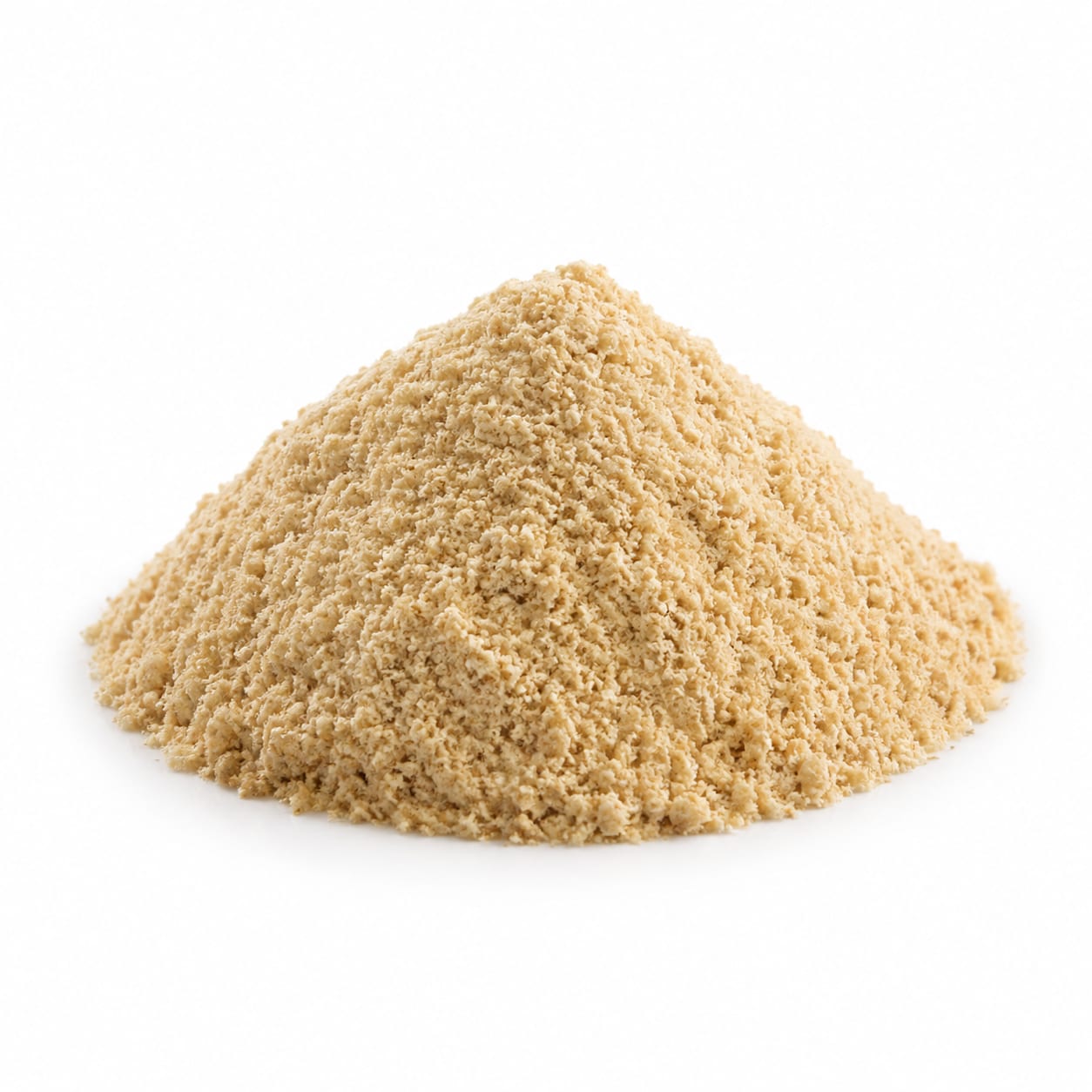
Acorn Flour
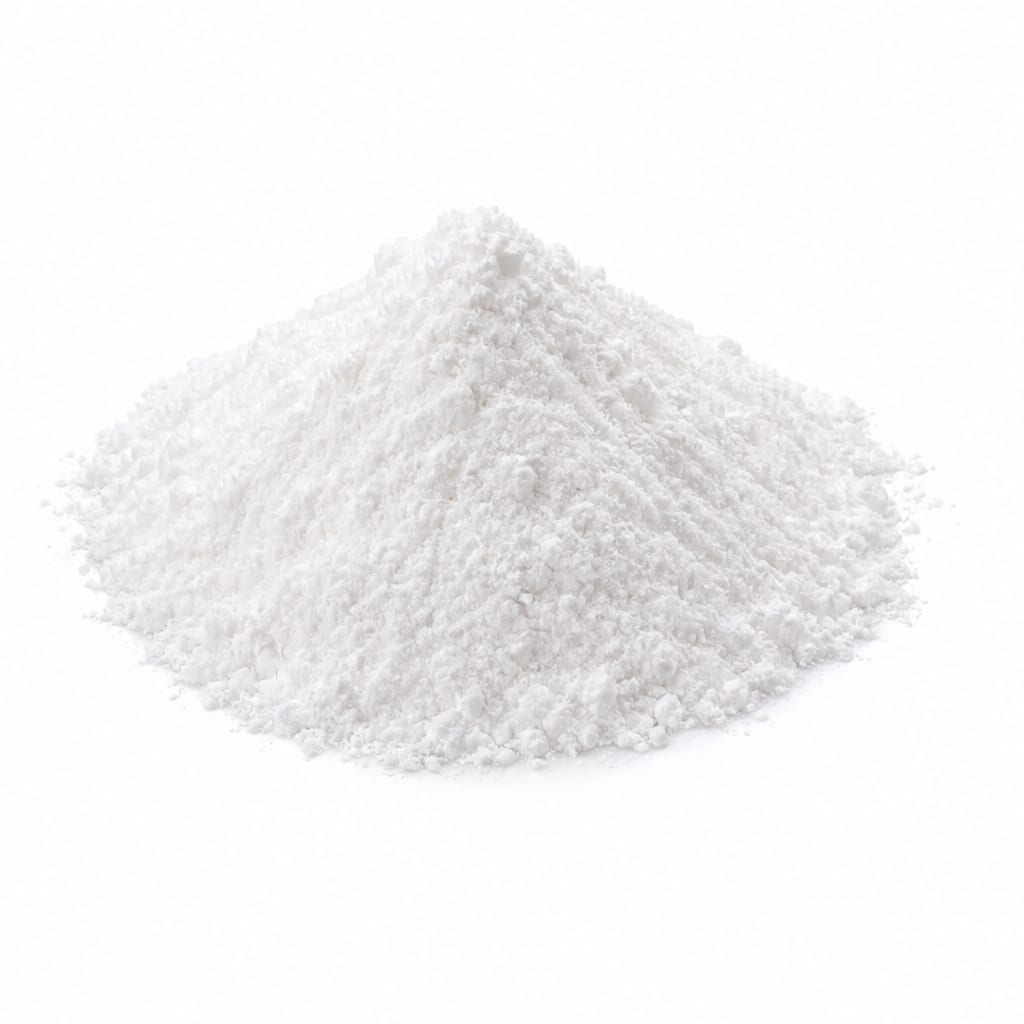
Tapioca Flour
Acorn Flour dominates nutritionally with fiber and healthy fats, while Tapioca Flour is a culinary tool that provides texture but lacks substance.
Acorn Flour scores significantly higher due to its fiber, healthy fats, and mineral content. Tapioca Flour loses points for being nutritionally void and highly glycemic, though it retains some score for its unmatched culinary utility.
You trade genuine nourishment and steady energy for a neutral taste and superior binding texture.
At a glance
Executive summary
Overall
Acorn Flour
Healthier
Acorn Flour
More practical
Tapioca Flour
Daily use
Acorn Flour
Key comparison lenses
Blood sugar impact and glycemic load
Tapioca Flour is almost pure starch and spikes blood sugar rapidly, while Acorn Flour offers fiber and fat that slow absorption
Nutritional density versus culinary utility
Acorn Flour provides actual vitamins and minerals, whereas Tapioca Flour is essentially empty carbs but excels at creating desirable textures in gluten-free baking
Gluten-free baking performance
Both are popular gluten-free alternatives, but they serve completely different structural roles in recipes
Best choice for
Acorn Flour
- Managing diabetes or insulin resistance
- Sustained energy without afternoon crashes
- Increasing daily fiber and healthy fat intake
Tapioca Flour
- Creating chewy, elastic gluten-free baked goods
- Thickening sauces, pies, and soups seamlessly
- Easily digestible carbs for sensitive stomachs
Least suitable for
Acorn Flour
- Recipes needing a light, fluffy texture
- People sensitive to tannins or bitter flavors
- Quick post-workout carbohydrate replenishment
Tapioca Flour
- Low-carb or keto diets
- Blood sugar management
- Anyone seeking nutrient-dense ingredients
Deep comparison
Dimension by dimension
Each lens scores both foods and breaks down who each option suits.
- Dimension 1 · Priority 95Acorn Flour
Blood Sugar Stability
Acorn Flour · 85Tapioca Flour · 15Acorn Flour provides steady energy, while Tapioca Flour acts like pure sugar in your bloodstream.
Tradeoff
You must sacrifice the neutral, easy-to-work-with starch of Tapioca Flour to avoid severe blood sugar spikes.
Why it matters
Frequent blood sugar crashes lead to fatigue, cravings, and long-term metabolic strain.
Real-world impact
Eating Tapioca Flour can leave you hungry an hour later, whereas Acorn Flour keeps you full until your next meal.
Acorn Flour
- Preventing energy crashes
- Managing insulin resistance
Better for
- Rapid glycogen replenishment after depletion
Worse for
Tapioca Flour
- Quick carb-loading before intense exercise
Better for
- Sitting at a desk all day
- Late-night snacking
Worse for
- Dimension 2 · Priority 90Acorn Flour
Nutritional Density
Acorn Flour · 80Tapioca Flour · 10Acorn Flour offers real vitamins, minerals, and fats. Tapioca Flour is essentially empty calories.
Tradeoff
You gain a nutritional powerhouse with Acorn Flour but lose the completely neutral flavor profile of Tapioca Flour.
Why it matters
Eating nutrient-dense foods reduces overall hunger because your body actually gets the fuel it needs.
Real-world impact
Choosing Acorn Flour contributes to your daily vitamin A, potassium, and magnesium needs; Tapioca Flour contributes nothing.
Acorn Flour
- Filling nutritional gaps
- Supporting overall health
Better for
- Counting strict macronutrients where precise carb/fat ratios matter
Worse for
Tapioca Flour
- Providing pure energy without interfering with other flavors
Better for
- Preventing nutrient deficiencies
Worse for
- Dimension 3 · Priority 85Tapioca Flour
Culinary Performance & Texture
Acorn Flour · 35Tapioca Flour · 90Tapioca Flour creates the chewy, elastic textures people love in baking. Acorn Flour is dense and crumbly.
Tradeoff
You sacrifice the perfect, light textures of Tapioca Flour to get the earthy, nutty flavor and nutrition of Acorn Flour.
Why it matters
If your baked goods taste like cardboard, you will not stick to a gluten-free or alternative-flour diet.
Real-world impact
Tapioca Flour makes gluten-free bagels chewy and delicious; Acorn Flour makes them dense and heavy.
Acorn Flour
- Adding a rich, earthy depth to savory recipes
Better for
- Making light, airy cakes
Worse for
Tapioca Flour
- Binding gluten-free doughs
- Thickening fruit pies
- Creating chewy boba and breads
Better for
- Standing alone as the sole flour in a nutrient-dense recipe
Worse for
- Dimension 4 · Priority 70It depends
Digestive Tolerance
Acorn Flour · 60Tapioca Flour · 75Tapioca Flour is incredibly gentle on the gut, while Acorn Flour contains tannins that can irritate sensitive systems.
Tradeoff
You trade the gut-soothing simplicity of Tapioca Flour for the bowel-regulating fiber of Acorn Flour.
Why it matters
A food that causes bloating or discomfort is hard to consume regularly, no matter how nutritious.
Real-world impact
If you have IBS or a sensitive stomach, Tapioca Flour is safer. If you struggle with constipation, Acorn Flour helps.
Acorn Flour
- Relieving constipation
- Feeding gut microbiome
Better for
- IBS or tannin sensitivity
Worse for
Tapioca Flour
- Soothing an inflamed digestive tract
- Eating during a flare-up
Better for
- Needing dietary fiber for regularity
Worse for
Timeline
Health impact over time
Short-term
Hours to days
Acorn Flour
- Promotes a feeling of fullness due to high fiber and fat content
- May cause mild stomach upset if you are unaccustomed to tannins
Tapioca Flour
- Provides a rapid burst of energy followed by a potential crash
- Very easy on an upset stomach or compromised digestion
Long-term
Months to years
Acorn Flour
- Supports heart health with unsaturated fats and potassium
- Helps maintain steady blood sugar levels over time
Tapioca Flour
- Frequent consumption can contribute to insulin resistance if not paired with fiber or protein
- Provides sustained caloric energy without contributing to micronutrient stores
Risk profile
Safety & processing
Acorn Flour is typically just ground and leached acorns, retaining its whole-food integrity. Tapioca Flour is a highly extracted starch stripped of all the cassava root's natural fiber and nutrients.
Acorn Flour
Tannin toxicity
mediumAcorns are naturally high in tannins which can cause nausea or kidney damage in extreme amounts; proper leaching before milling is essential to make them safe and palatable.
Tapioca Flour
Cyanide precursor exposure
lowCassava roots contain naturally occurring cyanogenic glycosides, but commercial Tapioca Flour is heavily processed and strictly regulated to remove these compounds to safe levels.
Who wins for whom
Audience fit
Same foods, different winners depending on your goal.
children
Tapioca FlourTapioca Flour is mild, easy to digest, and lacks the bitter tannins that kids often reject in Acorn Flour.
daily consumption
Acorn FlourAcorn Flour contributes meaningful daily nutrition, whereas Tapioca Flour is best used as an occasional baking aid.
diabetes
Acorn FlourAcorn Flour has a significantly lower glycemic impact and will not cause dangerous blood sugar spikes.
elderly
Acorn FlourThe potassium and magnesium in Acorn Flour support bone and heart health, and its fiber aids common age-related digestion issues.
muscle gain
Tapioca FlourTapioca Flour provides easily digestible, fast-acting carbohydrates ideal for post-workout glycogen replenishment.
weight loss
Acorn FlourThe fiber and fat in Acorn Flour keep you satisfied longer, reducing the urge to overeat.
Your move
Decision guide
Choose Acorn Flour
- You want to feel full and energized for hours
- You are managing blood sugar or trying to increase fiber intake
- You are making hearty, savory recipes like flatbreads or pancakes
Choose Tapioca Flour
- You need a reliable thickener for soups, gravies, or fruit pies
- You are baking gluten-free breads that need a chewy, elastic crumb
- You need easily digestible carbs after an intense workout
Either works if
- You are experimenting with gluten-free baking and need alternative flours for different roles
Avoid both if
- You have a severe tree nut or seed allergy and have not cleared acorns with your doctor
Final recommendation
Use Acorn Flour as your nutritional base for daily baking, but keep Tapioca Flour on hand as a structural tool. Blend a little Tapioca Flour into Acorn Flour recipes to improve texture without completely sacrificing nutritional value.
Practical
Consumer tips
- 1
Always check if your Acorn Flour has been properly leached; if it tastes extremely bitter, it needs more rinsing to remove tannins.
- 2
Tapioca Flour is not a 1:1 substitute for Acorn Flour; use it in small amounts as a binder rather than a base flour.
- 3
Mix Tapioca Flour with nutrient-dense flours like Acorn or almond to get the best of both texture and nutrition.
- 4
Store Acorn Flour in the fridge or freezer to prevent the natural oils from going rancid.