
Nutrition comparison
Acorn Flour vs Buckwheat Flour: Nutrition, Taste, and Which to Choose
Compare acorn flour and buckwheat flour side by side—protein, fat, blood sugar impact, digestion, price, and best uses. Find out which gluten-free flour fits your needs.
Overall winner · Buckwheat Flour
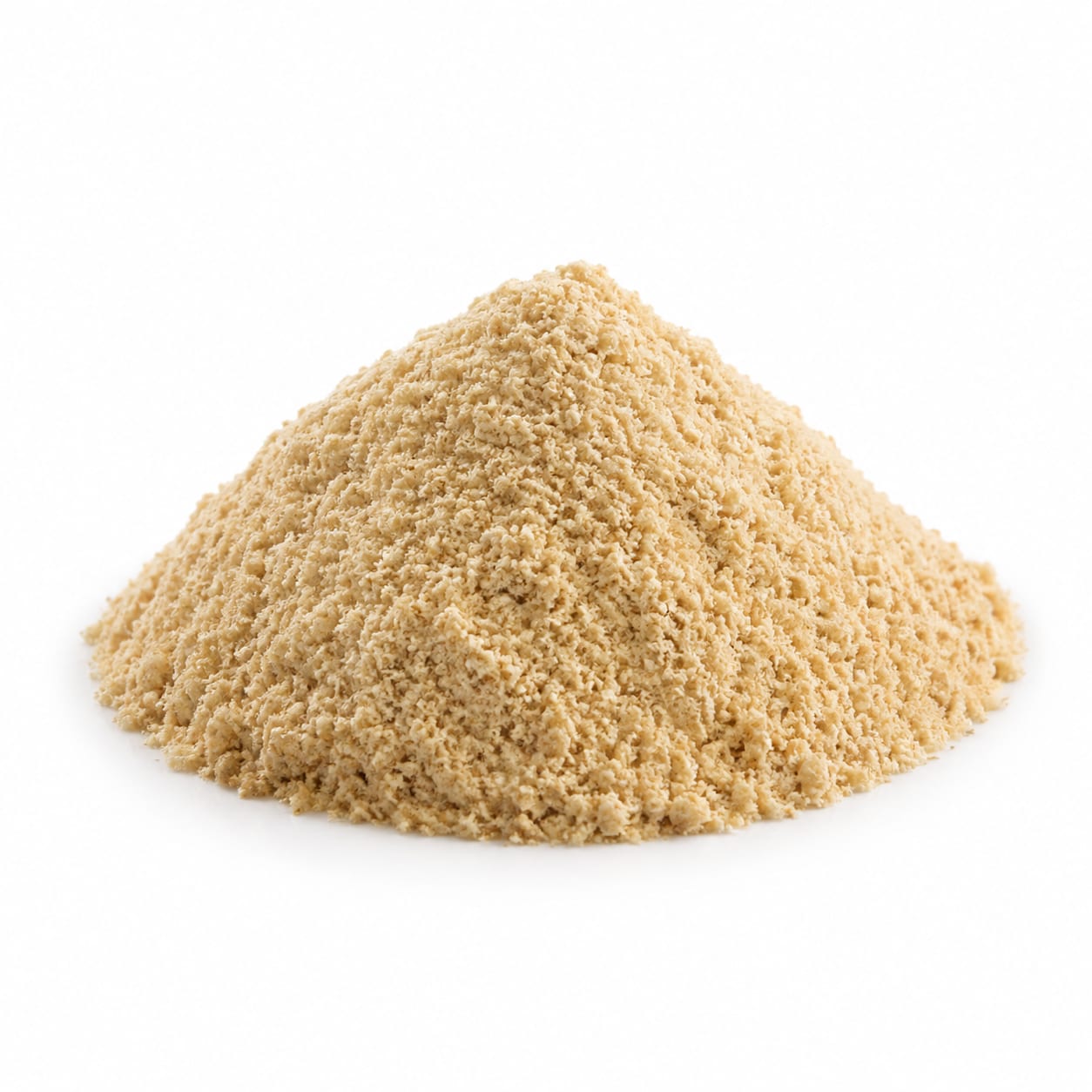
Acorn Flour
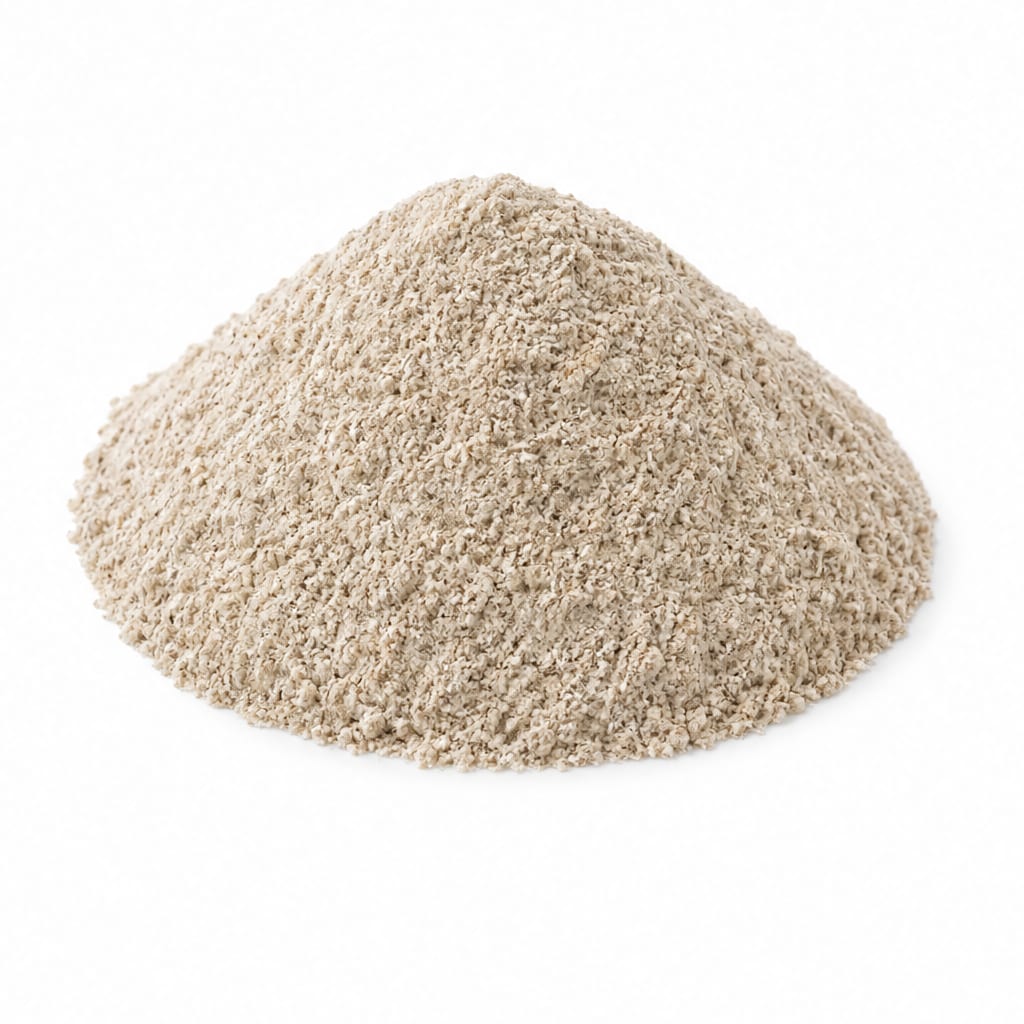
Buckwheat Flour
Buckwheat flour wins on practicality, protein quality, and everyday usability, while acorn flour offers unique healthy fats and a deeply earthy flavor for adventurous cooks.
Buckwheat flour scores notably higher due to superior protein quality, broader availability, easier digestion, and more versatile cooking performance. Acorn flour remains valuable for its healthy fat content and cultural uniqueness but is held back by tannin-related digestive concerns, scarcity, and higher cost.
Acorn flour brings more fat and a rare culinary tradition, but buckwheat flour delivers better protein, easier digestion, and far wider availability.
At a glance
Executive summary
Overall
Buckwheat Flour
Healthier
Buckwheat Flour
More practical
Buckwheat Flour
Daily use
Buckwheat Flour
Key comparison lenses
gluten free baking alternative
Both are naturally gluten-free flours sought by people avoiding wheat, making this the primary decision driver
blood sugar management
Users comparing alternative flours often care about glycemic impact and steady energy
nutritional density
Alternative flour users tend to prioritize nutrient content over empty carbs
practical availability
Acorn flour is niche and hard to find while buckwheat flour is widely available
traditional heritage cooking
Both carry cultural significance—acorn in indigenous cuisines, buckwheat in Eastern European and Asian traditions
Best choice for
Acorn Flour
- Those seeking high healthy fat content in baked goods
- Anyone exploring indigenous or foraged food traditions
- Low-carb bakers wanting a richer, denser flour
- People looking for a uniquely nutty, earthy flavor profile
Buckwheat Flour
- Everyday gluten-free bakers needing reliable results
- Anyone prioritizing complete protein from plant sources
- People managing blood sugar who want steady energy
- Home cooks who value easy availability and affordability
Least suitable for
Acorn Flour
- Busy home cooks who need ingredients from regular grocery stores
- Anyone sensitive to tannins or with digestive irritability
- Bakers wanting light, fluffy textures in their goods
- Those on a tight food budget
Buckwheat Flour
- People with buckwheat allergies (rare but serious)
- Anyone avoiding all seeds and pseudocereals
- Those wanting a high-fat, low-carb flour option
Deep comparison
Dimension by dimension
Each lens scores both foods and breaks down who each option suits.
- Dimension 1 · Priority 90Buckwheat Flour
Protein Quality and Content
Acorn Flour · 45Buckwheat Flour · 82Buckwheat flour provides significantly more protein with a complete amino acid profile, while acorn flour is relatively low in protein.
Tradeoff
You sacrifice protein density for healthy fats when choosing acorn flour over buckwheat flour.
Why it matters
Complete plant protein is rare in gluten-free flours, making buckwheat stand out for vegetarians and vegans.
Real-world impact
Buckwheat-based meals keep you fuller longer and support muscle maintenance without needing protein supplements.
Acorn Flour
- Recipes where fat richness matters more than protein
Better for
- High-protein diet followers
- Anyone relying on flour as a protein source
Worse for
Buckwheat Flour
- Vegans needing plant-based complete protein
- Athletes recovering from training
- Anyone wanting more satiating baked goods
Better for
- Those specifically wanting high-fat, low-protein recipes
Worse for
- Dimension 2 · Priority 88Buckwheat Flour
Blood Sugar Stability
Acorn Flour · 72Buckwheat Flour · 80Both flours are gentler on blood sugar than wheat flour, but buckwheat has a slight edge due to its rutin content and resistant starch.
Tradeoff
Acorn flour's higher fat slows sugar absorption, but buckwheat's resistant starch actively improves insulin sensitivity over time.
Why it matters
Steadier blood sugar means fewer afternoon crashes and less craving-driven snacking.
Real-world impact
Buckwheat pancakes leave you satisfied until lunch; acorn flour baked goods are also steady but slightly less predictable.
Acorn Flour
- Low-carb eaters who benefit from higher fat content
Better for
- Those who need consistent, predictable blood sugar responses
Worse for
Buckwheat Flour
- Diabetics needing reliable glycemic control
- Anyone prone to energy crashes after meals
- People with insulin resistance
Better for
- Extremely low-carb dieters who want minimal starch
Worse for
- Dimension 3 · Priority 78Acorn Flour
Healthy Fat Content
Acorn Flour · 85Buckwheat Flour · 40Acorn flour contains substantially more fat, primarily unsaturated, giving it a richer mouthfeel and better calorie density for certain diets.
Tradeoff
More fat means richer texture and steadier energy, but also higher calorie density per serving.
Why it matters
Healthy fats support hormone production, brain function, and satiety—especially important in gluten-free diets that can feel unsatisfying.
Real-world impact
Acorn flour baked goods feel more indulgent and satisfying without needing added butter or oil.
Acorn Flour
- Keto-adjacent eaters wanting plant-based fat sources
- Anyone finding gluten-free baked goods too dry
- People needing calorie-dense foods for weight gain
Better for
- Anyone strictly counting calories
- People limiting dietary fat for medical reasons
Worse for
Buckwheat Flour
- Calorie-conscious bakers
- Those preferring to control added fats separately
Better for
- Those relying on flour alone for richness and moisture
Worse for
- Dimension 4 · Priority 82Buckwheat Flour
Digestive Tolerance
Acorn Flour · 55Buckwheat Flour · 78Buckwheat flour is generally well-tolerated, while acorn flour contains tannins that can irritate sensitive stomachs if not properly leached.
Tradeoff
Acorn flour requires careful preparation to remove bitter tannins; buckwheat is ready to use with minimal digestive risk.
Why it matters
Tannins in unleached acorn flour cause nausea and constipation in sensitive people, making preparation knowledge essential.
Real-world impact
Buckwheat flour works straight from the bag; acorn flour demands sourcing from producers who properly leach the tannins or doing it yourself.
Acorn Flour
- Those who source commercially leached acorn flour
- People with no tannin sensitivity
Better for
- People with IBS or delicate stomachs
- Anyone unfamiliar with proper acorn leaching techniques
Worse for
Buckwheat Flour
- Anyone with sensitive digestion
- People who want flour that works without special prep
- Those prone to constipation or stomach upset
Better for
- Those with rare buckwheat allergies
Worse for
- Dimension 5 · Priority 75Buckwheat Flour
Availability and Cost
Acorn Flour · 30Buckwheat Flour · 85Buckwheat flour is available in most grocery stores at reasonable prices; acorn flour is a specialty product requiring online ordering or foraging.
Tradeoff
Acorn flour offers a rare, artisanal experience but at significantly higher cost and effort to obtain.
Why it matters
The best flour nutritionally is useless if you cannot find or afford it regularly.
Real-world impact
Buckwheat flour costs roughly $4-8 per pound at most stores; acorn flour often runs $15-30 per pound from specialty suppliers.
Acorn Flour
- Culinary adventurers willing to forage or order online
- Those who value rare ingredients for special occasions
Better for
- Rural shoppers with limited specialty access
- Anyone baking on a budget
Worse for
Buckwheat Flour
- Anyone shopping at regular grocery stores
- Budget-conscious households
- People who bake frequently and need reliable supply
Better for
- Those specifically seeking rare, artisanal ingredients
Worse for
- Dimension 6 · Priority 72It depends
Antioxidant and Micronutrient Profile
Acorn Flour · 75Buckwheat Flour · 78Both flours shine here in different ways—buckwheat offers rutin and magnesium, while acorn flour provides vitamin E, copper, and unique polyphenols.
Tradeoff
Buckwheat's rutin supports blood vessel health; acorn's vitamin E and tannins offer different antioxidant pathways but come with digestive tradeoffs.
Why it matters
Different antioxidants support different body systems, so the better choice depends on your health priorities.
Real-world impact
Regular buckwheat consumption is linked to improved circulation; acorn flour contributes to cellular defense against oxidative stress.
Acorn Flour
- Those prioritizing vitamin E and copper intake
- People wanting diverse polyphenol sources
Better for
- People whose tannin sensitivity limits how much they can consume
Worse for
Buckwheat Flour
- Anyone concerned about cardiovascular health
- People wanting circulation-supporting rutin
- Those needing more magnesium in their diet
Better for
- Those already getting plenty of rutin from other sources
Worse for
- Dimension 7 · Priority 70Buckwheat Flour
Culinary Versatility
Acorn Flour · 50Buckwheat Flour · 80Buckwheat flour works in pancakes, noodles, crepes, muffins, and breads with predictable results; acorn flour is denser and more limited in applications.
Tradeoff
Acorn flour creates uniquely rich, dense baked goods but struggles in recipes needing lightness; buckwheat adapts to far more dishes.
Why it matters
A flour you can use in many recipes gets used more often and wastes less money sitting in your pantry.
Real-world impact
Buckwheat flour can be your everyday gluten-free workhorse; acorn flour is more of a special-occasion ingredient.
Acorn Flour
- Hearty, dense baked goods like rustic breads and cookies
- Recipes where a deep nutty flavor is the star
Better for
- Light cakes and pastries
- Recipes requiring fine, even texture
Worse for
Buckwheat Flour
- Everyday pancakes and waffles
- Soba noodles and crepes
- Recipes needing a lighter crumb
Better for
- Recipes specifically calling for that rich acorn flavor
Worse for
Timeline
Health impact over time
Short-term
Hours to days
Acorn Flour
- Higher fat content provides immediate satiety and sustained energy
- Tannins may cause stomach discomfort or nausea if flour is improperly leached
- Dense texture promotes slower eating, which aids portion control
Buckwheat Flour
- Protein and fiber combination creates lasting fullness without heaviness
- Rutin may cause mild blood pressure lowering in sensitive individuals
- Generally well-tolerated with minimal digestive complaints
Long-term
Months to years
Acorn Flour
- Consistent healthy fat intake supports hormone balance and brain health
- Polyphenols from acorns may reduce chronic inflammation markers
- Risk of tannin-related mineral absorption interference if consumed in large quantities regularly
Buckwheat Flour
- Rutin consumption linked to improved vascular health and reduced cardiovascular risk
- Regular intake associated with better blood sugar regulation over months
- Complete protein supports muscle preservation during aging
Risk profile
Safety & processing
Both flours are whole-food products with minimal processing—just grinding and, in acorn flour's case, tannin leaching. Neither typically contains additives, preservatives, or artificial ingredients when sourced from quality producers.
Acorn Flour
Tannin toxicity from improper leaching
mediumUnleached acorn flour contains high tannin levels that cause nausea, constipation, and kidney strain. Always verify your source properly leaches their acorns.
Mold and aflatoxin contamination
mediumAcorns are foraged from the ground and can harbor mold. Reputable producers test for this, but small-batch or homemade acorn flour carries higher risk.
Heavy metal accumulation in acorns
lowOak trees can absorb heavy metals from soil, especially in urban or industrial areas. Sourcing from clean environments matters.
Buckwheat Flour
Buckwheat allergy
highThough rare, buckwheat allergy can cause severe anaphylactic reactions. It is one of the more serious pseudocereal allergies and requires complete avoidance.
Cross-contamination with gluten grains
mediumMany buckwheat products are processed in facilities that handle wheat. Celiacs must verify certified gluten-free status.
Fagopyrism from buckwheat greens
lowOnly relevant if consuming buckwheat greens, not the flour. The flour itself does not cause this photosensitivity reaction.
Who wins for whom
Audience fit
Same foods, different winners depending on your goal.
children
Buckwheat FlourBuckwheat flour is gentler on developing digestive systems and provides reliable protein. Acorn flour's tannin risk and stronger flavor make it less kid-friendly.
daily consumption
Buckwheat FlourBuckwheat flour is affordable, widely available, easy to digest, and nutritionally well-rounded for everyday use. Acorn flour is better reserved as an occasional ingredient.
diabetes
Buckwheat FlourBuckwheat flour's resistant starch and rutin actively improve insulin sensitivity, while acorn flour's tannins add unpredictable variables for blood sugar management.
elderly
Buckwheat FlourBuckwheat flour supports vascular health and provides easily digestible protein, both critical for aging bodies. Acorn flour's tannins may worsen common elderly digestive issues.
muscle gain
Buckwheat FlourBuckwheat flour provides complete protein with all essential amino acids, supporting muscle repair and growth more effectively than acorn flour.
weight loss
Buckwheat FlourBuckwheat flour's higher protein and fiber create better satiety per calorie, making it easier to maintain a calorie deficit without feeling deprived.
Your move
Decision guide
Choose Acorn Flour
- You want a unique, fat-rich flour for dense, satisfying baked goods
- You are exploring indigenous food traditions and foraged ingredients
- You tolerate tannins well and source from reputable leaching producers
- You prioritize healthy fats and calorie density over protein
Choose Buckwheat Flour
- You need a reliable, everyday gluten-free flour for regular baking
- Protein quality and satiety matter more than fat content
- You want something affordable and easy to find at any grocery store
- You have sensitive digestion and need gentle, predictable ingredients
- You are managing blood sugar and want the rutin advantage
Either works if
- You are simply avoiding wheat and want any gluten-free alternative
- You enjoy rotating different flours for nutritional diversity
- You are baking rustic goods where either flour's texture works
Avoid both if
- You have celiac disease and cannot verify gluten-free certification
- You need a neutral-flavored flour that disappears into recipes
- You are looking for a high-rising, light baking flour
Final recommendation
For most people, buckwheat flour is the smarter everyday choice—it delivers more protein, better blood sugar support, easier digestion, and costs a fraction of acorn flour. Save acorn flour for special recipes where its rich, earthy depth and healthy fats truly shine. If you do choose acorn flour, always confirm it comes from a source that properly leaches tannins.
Practical
Consumer tips
- 1
When buying acorn flour, ask the producer about their leaching process—if they cannot explain it clearly, find another source.
- 2
Mix buckwheat flour with a lighter gluten-free flour like rice flour to balance its strong flavor in milder recipes.
- 3
Store both flours in the refrigerator or freezer to prevent rancidity, especially acorn flour due to its higher fat content.
- 4
If you want to try acorn flour without committing to a large purchase, look for small sample sizes from online specialty vendors first.
- 5
Buckwheat flour darkens as it ages—this is normal oxidation, not spoilage, but fresher flour tastes sweeter and less bitter.
- 6
For the best buckwheat pancakes, let the batter rest 15 minutes before cooking to activate the resistant starch and improve texture.