
Nutrition comparison
Acorn Flour vs Chestnut Flour: Nutrition, Taste, and Baking Comparison
Comparing acorn flour and chestnut flour for gluten-free baking. Learn which is better for blood sugar, digestion, and daily use with practical tradeoff analysis.
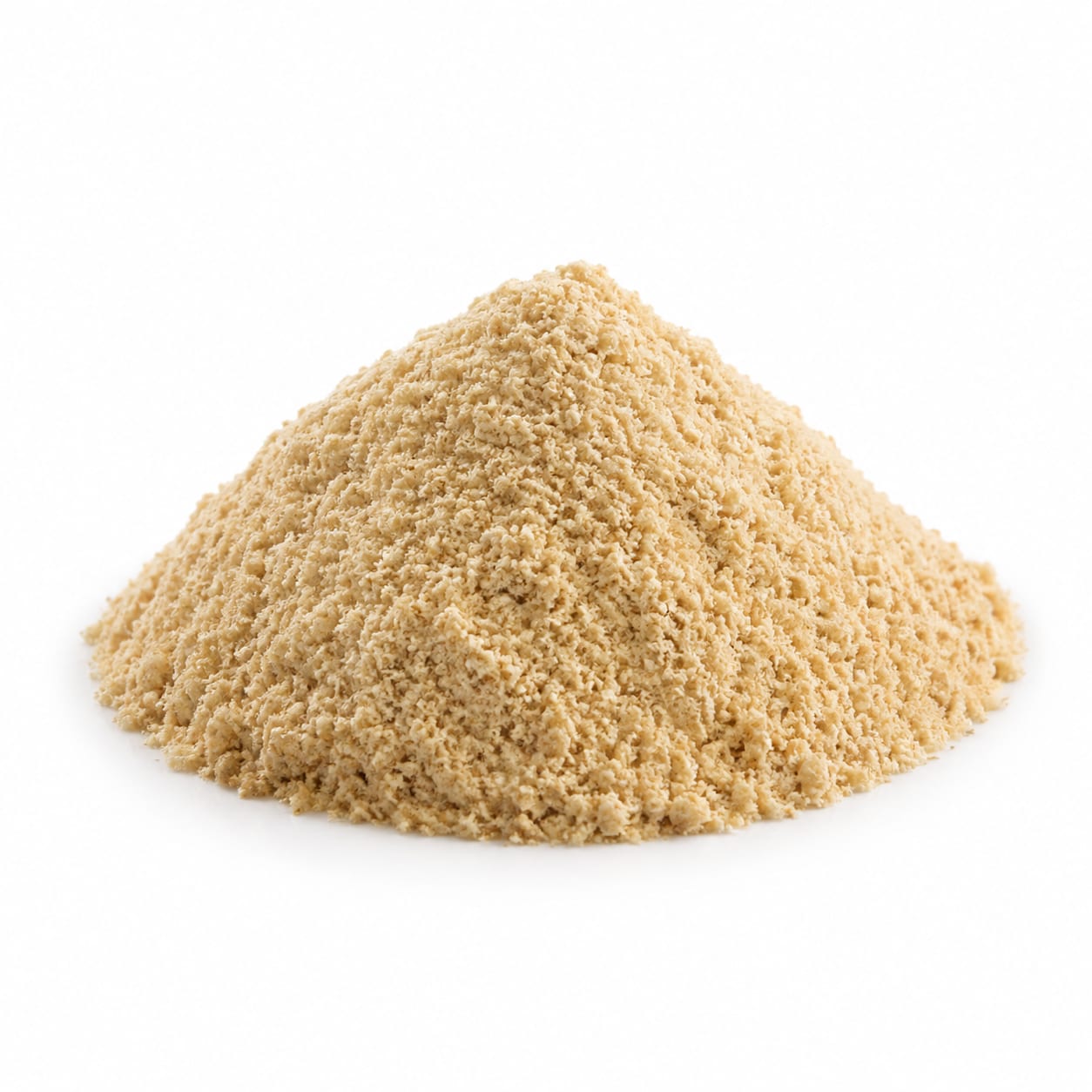
Acorn Flour
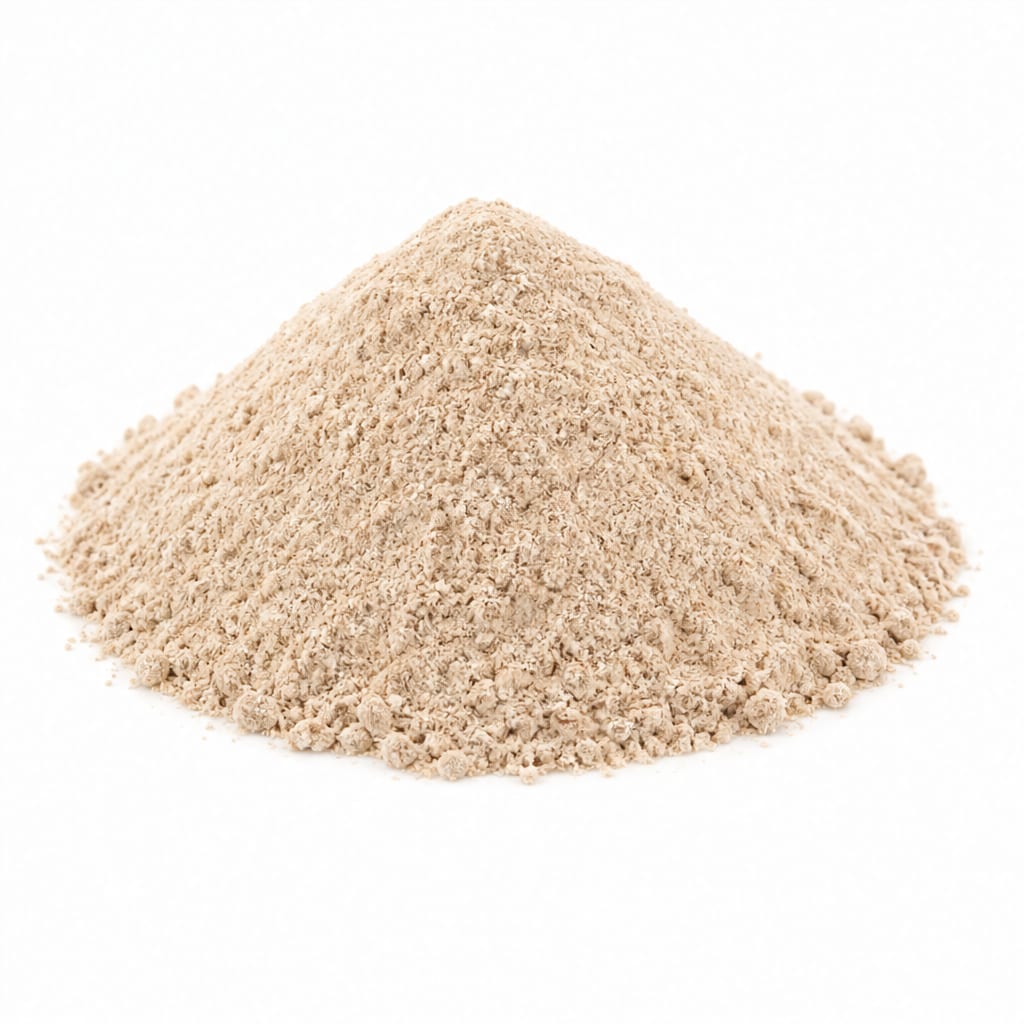
Chestnut Flour
Chestnut flour is sweeter and easier to bake with, while acorn flour delivers more fat, protein, and steadier energy—but requires careful preparation to remove bitter tannins.
Chestnut flour scores slightly higher due to practicality, availability, and ease of use. Acorn flour wins on nutritional density and blood sugar stability but loses ground on tannin-related bitterness, preparation effort, and limited commercial availability.
Chestnut flour trades nutritional density for culinary convenience and mild sweetness; acorn flour trades ease of use for richer nutrition and lower glycemic impact.
At a glance
Executive summary
Overall
It depends
Healthier
Acorn Flour
More practical
Chestnut Flour
Daily use
Chestnut Flour
Key comparison lenses
gluten-free baking alternative selection
Both are naturally gluten-free nut flours sought by people avoiding wheat, making direct substitution decisions common
blood sugar management
Carbohydrate profiles differ significantly, with chestnut flour being starchier and acorn flour offering more fat and fiber for steadier glucose response
traditional and heritage cooking
Both carry deep cultural significance—acorn flour in Indigenous American cuisine, chestnut flour in Italian and Corsican traditions
nutritional density for specialty diets
Users choosing nut flours often seek nutrient-dense alternatives to refined grains
digestive sensitivity and tolerance
Tannin content in acorn flour and starch load in chestnut flour affect different digestive systems differently
Best choice for
Acorn Flour
- People managing blood sugar who want a low-glycemic flour
- Those seeking higher fat and protein content in baked goods
- Anyone following a nutrient-dense ancestral or whole-food approach
- Home millers willing to process their own flour from foraged acorns
Chestnut Flour
- Gluten-free bakers wanting reliable, sweet-tasting results
- Families introducing nut flours to children who prefer milder flavors
- Anyone making traditional Italian or Corsican recipes
- People who want a convenient store-bought flour without extra prep
Least suitable for
Acorn Flour
- Impatient bakers who want ready-to-use flour straight from the bag
- Children or adults sensitive to bitter flavors
- People with oak tree allergies
- Anyone unfamiliar with proper tannin-leaching techniques
Chestnut Flour
- People on strict low-carb or ketogenic diets
- Those managing diabetes who need minimal starch intake
- Anyone with chestnut or tree nut allergies
- People seeking high-protein flour alternatives
Deep comparison
Dimension by dimension
Each lens scores both foods and breaks down who each option suits.
- Dimension 1 · Priority 90Acorn Flour
Blood Sugar Stability
Acorn Flour · 82Chestnut Flour · 55Acorn flour's higher fat and fiber content slows glucose absorption, while chestnut flour's starchiness can cause quicker blood sugar rises.
Tradeoff
You get steadier energy with acorn flour but sacrifice the light, sweet texture chestnut flour provides in baking.
Why it matters
For anyone watching blood sugar—especially prediabetics—this difference affects how you feel an hour after eating.
Real-world impact
A chestnut flour pancake may leave you hungry again by mid-morning, while an acorn flour version keeps you fuller longer.
Acorn Flour
- Prediabetics seeking lower glycemic baked goods
- Endurance athletes wanting sustained fuel
- Anyone prone to afternoon energy crashes
Better for
- Situations requiring quick energy replenishment
- Anyone who finds high-fat baked goods too heavy
Worse for
Chestnut Flour
- Active individuals who need quick carbohydrate energy
- Children who burn through calories rapidly
- Post-workout recovery meals where faster glycogen replenishment helps
Better for
- Sedentary evenings when starch spikes are undesirable
- Breakfast on its own without protein pairing
Worse for
- Dimension 2 · Priority 88Chestnut Flour
Culinary Versatility and Ease
Acorn Flour · 45Chestnut Flour · 85Chestnut flour is naturally sweet, mild, and ready to use. Acorn flour is bitter unless properly leached and harder to find commercially.
Tradeoff
Chestnut flour works beautifully in crepes, cakes, and pasta with minimal recipe adjustment. Acorn flour demands more skill and often needs blending with other flours.
Why it matters
If a flour is frustrating to cook with, you will stop using it—no matter how healthy it is.
Real-world impact
Chestnut flour lets you swap it into recipes with confidence. Acorn flour often requires trial and error before getting something the whole family will eat.
Acorn Flour
- Adventurous cooks who enjoy foraging and traditional preparation
- Recipes where a nutty, earthy flavor is specifically desired
Better for
- Time-sensitive meal prep
- Recipes requiring a neutral or sweet flavor base
Worse for
Chestnut Flour
- Weeknight baking where you need reliable results fast
- Delicate pastries, crepes, and cakes that benefit from natural sweetness
- Cooking for picky eaters or children
Better for
- Savory dishes where sweetness clashes
- Recipes where you specifically want an earthy, robust flavor
Worse for
- Dimension 3 · Priority 82Acorn Flour
Nutritional Density
Acorn Flour · 80Chestnut Flour · 62Acorn flour provides more fat, protein, and certain minerals. Chestnut flour offers vitamin C and folate but is predominantly starch.
Tradeoff
Acorn flour is closer to a complete food nutritionally, while chestnut flour functions more like a flavorful carbohydrate source.
Why it matters
If your flour is contributing meaningful nutrition—not just empty carbs—every meal becomes more nourishing.
Real-world impact
Baking with acorn flour means your bread or pancake is actually feeding your body, not just filling your stomach.
Acorn Flour
- People relying on baked goods as a significant calorie source
- Those recovering from illness who need nutrient-dense foods
- Anyone eating limited portions who needs maximum nutrition per bite
Better for
- People who primarily need quick-digesting carbohydrates
- Low-calorie diets where fat content adds up quickly
Worse for
Chestnut Flour
- Those who already eat a varied, nutrient-rich diet and just need a flour
- Anyone prioritizing vitamin C intake from unusual sources
Better for
- Nutrient-poor overall diets where flour could help fill gaps
- High-protein dietary approaches
Worse for
- Dimension 4 · Priority 75Chestnut Flour
Digestive Tolerance
Acorn Flour · 50Chestnut Flour · 78Chestnut flour is generally gentle on digestion. Acorn flour's tannins can irritate sensitive stomachs if not thoroughly leached.
Tradeoff
Acorn flour's fiber is beneficial long-term, but improperly processed acorn flour causes nausea and digestive discomfort.
Why it matters
A healthy food that makes you feel sick is not healthy for you. Tannin sensitivity varies widely between individuals.
Real-world impact
One batch of poorly leached acorn flour can ruin your whole day. Chestnut flour almost never causes digestive issues.
Acorn Flour
- People with robust digestion who process their own flour carefully
- Those who benefit from higher fiber intake for gut health
Better for
- Anyone with a history of tannin sensitivity
- People prone to nausea or stomach upset
- Beginners unfamiliar with proper leaching
Worse for
Chestnut Flour
- Anyone with sensitive digestion or IBS
- People trying nut flours for the first time
- Elderly individuals with more fragile digestive systems
Better for
- Those who specifically need high-fiber flour for constipation management
Worse for
- Dimension 5 · Priority 72Chestnut Flour
Availability and Cost
Acorn Flour · 30Chestnut Flour · 75Chestnut flour is available online and in specialty stores. Acorn flour is rarely sold commercially and often requires home production.
Tradeoff
You can order chestnut flour today and bake tomorrow. Acorn flour typically means foraging, processing, and milling yourself.
Why it matters
The healthiest flour in the world does nothing for you if you cannot actually get it into your kitchen.
Real-world impact
Most people will try chestnut flour once and keep using it. Most people will intend to make acorn flour and never get around to it.
Acorn Flour
- Rural dwellers with access to oak trees and time for processing
- Preppers and self-sufficiency enthusiasts
Better for
- Apartment dwellers with no foraging access
- People unwilling to invest hours in flour production
Worse for
Chestnut Flour
- Urban dwellers relying on stores and online shopping
- Anyone who values convenience in ingredient sourcing
Better for
- Budget-conscious shoppers who find specialty flour prices steep
Worse for
- Dimension 6 · Priority 65It depends
Allergen and Sensitivity Profile
Acorn Flour · 68Chestnut Flour · 65Both are gluten-free and tree-nut-free in the botanical sense, but individual allergies to acorns or chestnuts do exist and cross-reactivity is possible.
Tradeoff
Neither is a common allergen, but both can cause reactions in sensitive individuals. Chestnut allergies are slightly more documented due to wider consumption.
Why it matters
Rare allergens are easy to overlook until you or your child has a reaction.
Real-world impact
Most people tolerate both well, but always test a small amount first if you have other nut or pollen allergies.
Acorn Flour
- People with known chestnut or beechnut allergies
- Those with birch pollen allergy who may react to chestnuts
Better for
- Individuals with oak pollen allergies who may cross-react
Worse for
Chestnut Flour
- People with known acorn or oak pollen sensitivities
- Anyone who has reacted to tannin-rich foods before
Better for
- People with latex-fruit syndrome who may react to chestnuts
Worse for
Timeline
Health impact over time
Short-term
Hours to days
Acorn Flour
- Steadier energy with less post-meal crash due to higher fat and fiber
- Potential stomach upset if tannins are insufficiently leached
- Greater satiety from protein and fat content
Chestnut Flour
- Quicker energy availability from starch content
- Mild, easy digestion with minimal irritation risk
- Possible blood sugar spike if eaten alone without protein or fat
Long-term
Months to years
Acorn Flour
- Better blood sugar regulation with consistent use
- Improved nutrient intake from higher mineral and fat-soluble vitamin content
- Risk of tannin-related mineral absorption interference if consumed in large quantities
Chestnut Flour
- Consistent vitamin C and folate intake from regular consumption
- Potential for higher carbohydrate load contributing to insulin resistance if overconsumed
- Gentle sustained fiber intake supporting digestive regularity
Risk profile
Safety & processing
Both flours are whole-food products made by drying and grinding nuts. Acorn flour requires an additional leaching step to remove tannins, but this is a traditional water-based process, not a chemical one. Neither typically contains additives when sourced from quality producers.
Acorn Flour
Inadequate tannin removal
mediumBitter tannins can cause nausea, stomach cramps, and constipation if acorns are not properly leached before milling. Commercial producers handle this, but home processors must be thorough.
Mold contamination from improper drying
mediumAcorns are harvested from the ground and can harbor mold if not dried promptly and completely before storage or milling.
Heavy metal uptake from oak trees
lowOak trees can absorb heavy metals from soil, particularly in urban or industrial areas. Foraging location matters.
Chestnut Flour
Mold and aflatoxin contamination
lowChestnuts are prone to mold if stored with high moisture. Reputable producers monitor this carefully, but it is worth checking product quality.
Cross-contamination in processing facilities
lowSome chestnut flour is processed in facilities that handle wheat or other allergens. Certified gluten-free products avoid this.
Who wins for whom
Audience fit
Same foods, different winners depending on your goal.
children
Chestnut FlourChestnut flour's natural sweetness and mild flavor make it far more appealing to kids. Acorn flour's bitterness usually gets rejected by young palates.
daily consumption
Chestnut FlourPracticality wins for daily use. Chestnut flour is easier to source, simpler to cook with, and more consistently pleasant to eat.
diabetes
Acorn FlourLower carbohydrate content and higher fat and fiber make acorn flour gentler on blood sugar. Chestnut flour's starch load requires more careful portioning.
elderly
Chestnut FlourEasier digestion, milder flavor, and no tannin concerns make chestnut flour the safer choice for older adults with sensitive systems.
muscle gain
Acorn FlourAcorn flour provides modestly more protein per serving, though neither is a significant protein source. Pair either with protein-rich foods for real results.
weight loss
Acorn FlourHigher fat and protein content in acorn flour promotes satiety, helping you eat less overall. Chestnut flour's starchiness can trigger hunger sooner.
Your move
Decision guide
Choose Acorn Flour
- You are managing blood sugar and want the lowest-glycemic flour option
- You have access to properly leached acorn flour or are willing to make it yourself
- You value nutrient density over convenience in your baking
- You enjoy earthy, robust flavors and traditional food preparation
Choose Chestnut Flour
- You want a reliable, sweet-tasting gluten-free flour for regular baking
- You are cooking for children or others who prefer mild flavors
- You need something you can buy and use immediately without special prep
- You are making Italian or Corsican traditional recipes
Either works if
- You are simply looking for a gluten-free alternative to wheat flour
- You enjoy experimenting with different nut flours in your kitchen
- You want to rotate between flours to diversify your nutrient intake
Avoid both if
- You have a confirmed allergy to either acorns or chestnuts
- You are on a strict very-low-carb or ketogenic diet, as both are carbohydrate-based
- You need a high-protein flour substitute—consider almond or lupin flour instead
Final recommendation
Start with chestnut flour if you are new to nut flours—it is forgiving, available, and pleasant. Keep acorn flour in mind for when you want deeper nutrition and are willing to work for it. Both deserve a place in a curious kitchen, but chestnut flour earns its spot first.
Practical
Consumer tips
- 1
When buying acorn flour, verify the producer leaches tannins properly—ask directly if it is not stated on the packaging
- 2
Store both flours in the refrigerator or freezer to prevent rancidity, as the natural oils can go stale at room temperature
- 3
Blend either flour with a binder like egg or xanthan gum in recipes, as nut flours lack gluten's structural properties
- 4
If making acorn flour at home, leach acorns in multiple changes of cold water over several days until the water runs clear and the bitterness is gone
- 5
Chestnut flour works beautifully in a 1:1 blend with rice flour for more balanced texture in gluten-free baking
- 6
Try chestnut flour in crepes and pancakes first—it shines in simple recipes where its natural sweetness can be the star
- 7
Forage acorns in early fall from white oak species if possible—they contain fewer tannins than red oak varieties and require less leaching