
Nutrition comparison
Acorn Flour vs Chickpea Flour: Which Gluten-Free Flour Is Better?
Compare Acorn Flour vs Chickpea Flour for protein, fats, digestion, and baking uses. Find out which gluten-free flour fits your health goals and recipes best.
Overall winner · Chickpea Flour
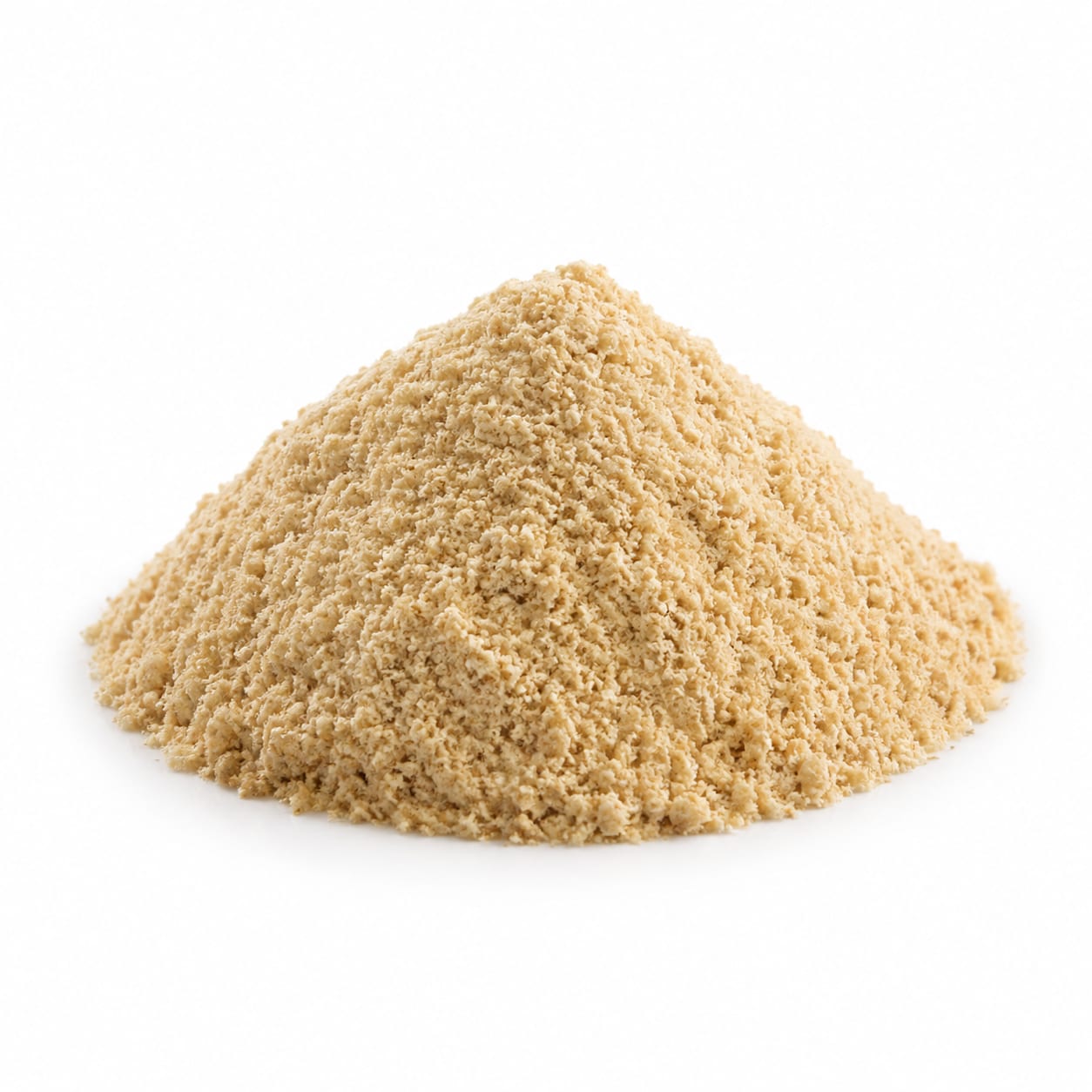
Acorn Flour
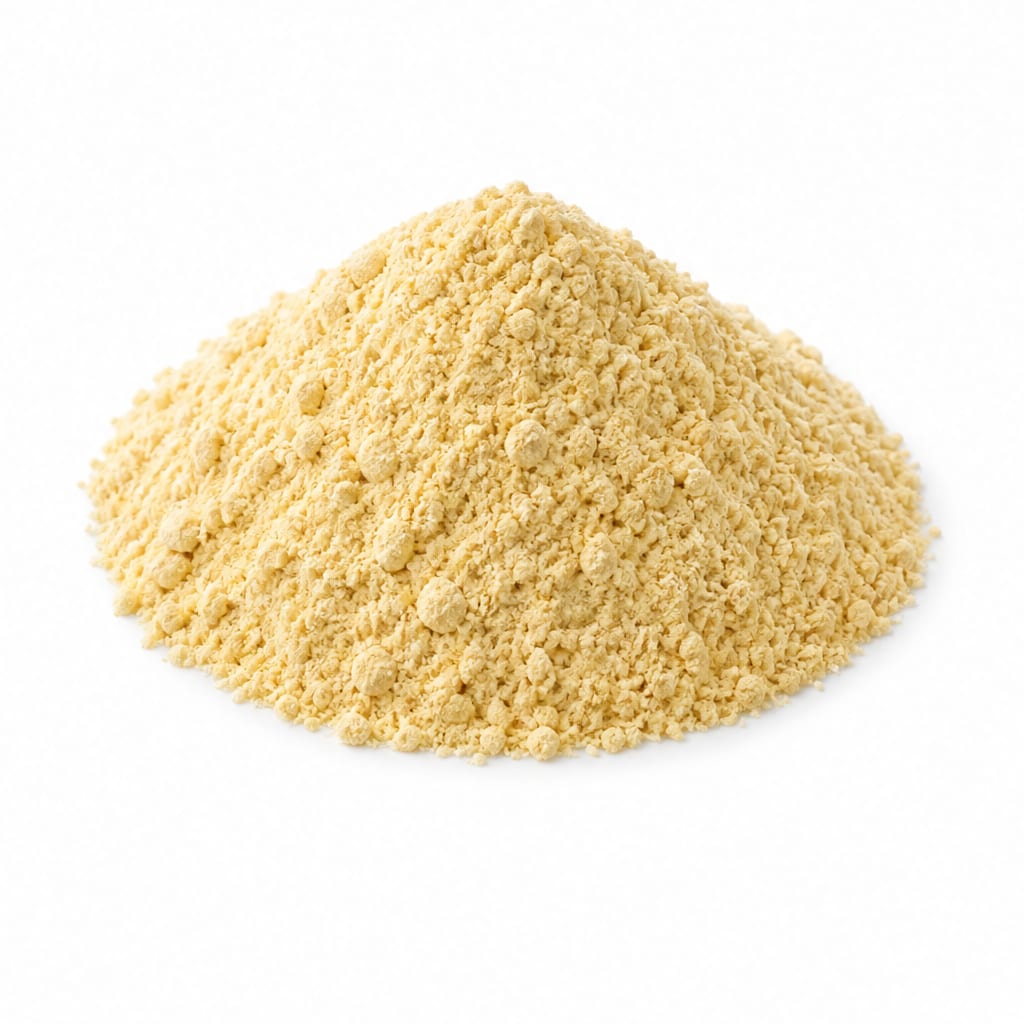
Chickpea Flour
Chickpea Flour wins for everyday nutrition and protein, while Acorn Flour offers unique healthy fats and a distinct nutty flavor for specialty baking.
Chickpea Flour scores higher due to its superior protein content, versatile savory applications, and balanced macros for daily use. Acorn Flour remains a valuable specialty flour with unique healthy fats but falls short on protein and requires more preparation.
You trade the high protein and easy savory use of Chickpea Flour for the rich, nutty fats and paleo-friendly profile of Acorn Flour.
At a glance
Executive summary
Overall
Chickpea Flour
Healthier
Chickpea Flour
More practical
Chickpea Flour
Daily use
Chickpea Flour
Key comparison lenses
Protein and Satiety Comparison
Chickpea Flour is a high-protein legume flour, while Acorn Flour is a nut-like flour with significantly less protein, making satiety a major differentiator.
Culinary Use and Flavor Profile
Acorn Flour is naturally sweet and nutty for baking, whereas Chickpea Flour has an earthy, bean-like flavor suited for savory dishes.
Digestive Tolerance and Preparation
Acorn Flour requires leaching to remove bitter tannins, while Chickpea Flour can cause bloating due to its legume fiber content.
Blood Sugar Management
Both are gluten-free alternatives, but their differing protein and fat profiles impact blood sugar stability differently.
Best choice for
Acorn Flour
- People following a paleo or grain-free diet
- Bakers wanting a naturally sweet, nutty flavor
- Those looking to increase healthy fats in baked goods
Chickpea Flour
- Vegans and vegetarians needing plant-based protein
- Anyone making savory gluten-free dishes like socca or fritters
- People focused on blood sugar control and long-lasting fullness
Least suitable for
Acorn Flour
- High-protein diets
- People sensitive to tannins or who dislike prep work
- Those looking for a neutral-tasting flour
Chickpea Flour
- Strict low-carb or keto diets
- People with severe legume allergies or IBS
- Delicate dessert baking where a bean flavor is unwanted
Deep comparison
Dimension by dimension
Each lens scores both foods and breaks down who each option suits.
- Dimension 1 · Priority 95Chickpea Flour
Protein & Satiety
Acorn Flour · 35Chickpea Flour · 90Chickpea Flour is a protein powerhouse, keeping you full for hours, whereas Acorn Flour relies more on fats for satiety.
Tradeoff
Choosing Acorn Flour means missing out on the muscle-supporting protein that Chickpea Flour easily provides.
Why it matters
Protein is crucial for staying full between meals and maintaining muscle, especially on plant-based diets.
Real-world impact
A Chickpea Flour flatbread will keep you satisfied far longer than an Acorn Flour muffin.
Acorn Flour
- Getting calories from healthy fats
- Lower-carb baking options
Better for
- Muscle building
- High-protein diet goals
Worse for
Chickpea Flour
- Post-workout recovery meals
- Staying full until dinner
Better for
- Low-carb or keto diets
- Those watching protein intake
Worse for
- Dimension 2 · Priority 80Acorn Flour
Healthy Fats & Energy Density
Acorn Flour · 85Chickpea Flour · 40Acorn Flour provides a notable amount of healthy fats, giving it a richer energy profile than the nearly fat-free Chickpea Flour.
Tradeoff
You gain steady, fat-based energy with Acorn Flour but lose the lean macro profile of Chickpea Flour.
Why it matters
Healthy fats support hormone health and provide a slow-burning energy source that prevents crashes.
Real-world impact
Acorn Flour baked goods feel more indulgent and comforting, similar to adding nuts to a recipe.
Acorn Flour
- Sustained energy without spikes
- Hormone-supportive nutrition
Better for
- Calorie-dense snacking
- Strict low-fat diets
Worse for
Chickpea Flour
- Low-calorie meal prep
- Macro-balanced dieting
Better for
- Meals needing satiating fats
- Keto-friendly baking
Worse for
- Dimension 3 · Priority 85It depends
Digestive Tolerance & Prep
Acorn Flour · 55Chickpea Flour · 65Chickpea Flour can cause bloating for some, while raw Acorn Flour contains bitter tannins that require leaching to make it digestible.
Tradeoff
Chickpea Flour is ready-to-use but may cause gas; Acorn Flour requires careful prep but is gentle once processed.
Why it matters
Digestive comfort dictates whether you actually want to keep eating a food, regardless of its nutrition.
Real-world impact
Eating unleached Acorn Flour ruins a recipe with bitterness, while a heavy Chickpea Flour dish might leave you bloated.
Acorn Flour
- Those avoiding legumes due to gas
- Traditional cooking enthusiasts
Better for
- Impatient cooks who skip leaching
- People sensitive to tannins
Worse for
Chickpea Flour
- Quick weeknight cooking
- Those tolerant of high-fiber legumes
Better for
- People with IBS or legume sensitivities
- Those prone to bloating
Worse for
- Dimension 4 · Priority 90It depends
Culinary Versatility & Flavor
Acorn Flour · 70Chickpea Flour · 80Chickpea Flour excels in savory, eggy dishes, while Acorn Flour shines in sweet, nutty baked goods.
Tradeoff
You must match the flour to the dish; Chickpea Flour tastes distinctly beany in desserts, and Acorn Flour is too heavy for savory flatbreads.
Why it matters
Flavor compatibility determines if your meal is enjoyable or a chore to finish.
Real-world impact
Use Chickpea Flour for a quick savory socca, and Acorn Flour for a cozy autumn pancake.
Acorn Flour
- Gluten-free pie crusts
- Sweet muffins and pancakes
Better for
- Light and fluffy savory breads
- Neutral-tasting recipes
Worse for
Chickpea Flour
- Savory fritters and flatbreads
- Vegan egg replacements
Better for
- Delicate dessert baking
- Recipes where bean flavor is unwanted
Worse for
- Dimension 5 · Priority 80Chickpea Flour
Blood Sugar Stability
Acorn Flour · 70Chickpea Flour · 85Both flours are high in fiber, but Chickpea Flour's extra protein gives it a slight edge for keeping blood sugar steady.
Tradeoff
Acorn Flour relies on fat and fiber to slow absorption, while Chickpea Flour uses a powerful protein-fiber combo.
Why it matters
Steady blood sugar means fewer afternoon energy crashes and reduced cravings.
Real-world impact
A Chickpea Flour meal is less likely to cause a mid-morning slump compared to an Acorn Flour treat.
Acorn Flour
- Fat-fueled slow energy release
- Moderate-carb diet plans
Better for
- Those needing high protein for glycemic control
- Low-fiber diets
Worse for
Chickpea Flour
- Diabetes-friendly meal prep
- Preventing sugar spikes and crashes
Better for
- Those pairing carbs with minimal fat
Worse for
Timeline
Health impact over time
Short-term
Hours to days
Acorn Flour
- Provides steady, fat-based energy
- Can cause stomach upset if tannins are not properly leached out
Chickpea Flour
- Highly filling due to protein and fiber
- May cause temporary bloating or gas
Long-term
Months to years
Acorn Flour
- Supports heart health through unsaturated fats
- May require protein supplementation to maintain muscle
Chickpea Flour
- Supports muscle retention and metabolic health
- Promotes healthy digestion and regularity
Risk profile
Safety & processing
Both Acorn Flour and Chickpea Flour are whole-food flours made by simply grinding the raw ingredient, though Acorn Flour requires a water-leaching step to remove bitter tannins.
Acorn Flour
Tannin toxicity
mediumUnleached Acorn Flour contains high tannins that can cause nausea and kidney strain if consumed in large amounts.
Cross-contamination
lowCommercially produced Acorn Flour may be processed in facilities with gluten, posing a risk for celiacs.
Chickpea Flour
Legume allergy
mediumChickpea Flour can trigger severe allergic reactions in people with legume or peanut allergies.
Cross-contamination
lowLike Acorn Flour, Chickpea Flour can be cross-contaminated with gluten if not certified.
Who wins for whom
Audience fit
Same foods, different winners depending on your goal.
children
Chickpea FlourChickpea Flour offers better growth-supporting nutrition and is easier to incorporate into familiar foods like pancakes and nuggets.
daily consumption
Chickpea FlourChickpea Flour is easier to find, simpler to prep, and offers a more balanced macro profile for everyday meals.
diabetes
Chickpea FlourThe combination of high protein and fiber in Chickpea Flour creates a stronger defense against blood sugar spikes.
elderly
Chickpea FlourOlder adults need easily digestible protein to prevent muscle loss, making Chickpea Flour the better choice.
muscle gain
Chickpea FlourChickpea Flour provides significantly more protein, which is essential for muscle repair and growth.
weight loss
Chickpea FlourChickpea Flour's high protein content keeps you full longer, making it easier to eat fewer calories overall.
Your move
Decision guide
Choose Acorn Flour
- You follow a paleo or grain-free diet and need a nutty baking flour
- You want to increase healthy fats in your baked goods
- You enjoy traditional foraging and are willing to properly leach the flour
Choose Chickpea Flour
- You need a high-protein, gluten-free flour for savory cooking
- You want to make recipes like socca, falafel, or vegan omelets
- You are focused on satiety and blood sugar management
Either works if
- You need a gluten-free thickener for soups or sauces
- You are looking to rotate your flour sources to diversify nutrients
Avoid both if
- You are on a strict keto diet, as both contain significant carbohydrates
- You have severe digestive issues that make high-fiber flours uncomfortable
Final recommendation
Keep Chickpea Flour in your pantry for everyday savory cooking and protein-boosted meals. Treat Acorn Flour as a specialty ingredient for when you want a nutrient-dense, nutty sweetness in your baking.
Practical
Consumer tips
- 1
If buying raw acorns to make Acorn Flour, always leach them in multiple changes of cold or hot water to remove bitter tannins.
- 2
Let Chickpea Flour batter rest for 30 minutes before cooking; it softens the starches and improves the texture.
- 3
Mix Acorn Flour with a lighter flour like tapioca or rice flour to prevent your baked goods from becoming too dense.
- 4
Use Chickpea Flour as a 1:1 substitute for eggs in vegan baking by mixing it with water until it reaches an egg-like consistency.