
Nutrition comparison
Acorn Flour vs Coconut Flour: Nutrition, Baking, and Health Comparison
Compare acorn flour and coconut flour side by side. Learn which is better for blood sugar, baking, weight loss, and daily use with practical nutrition insights.
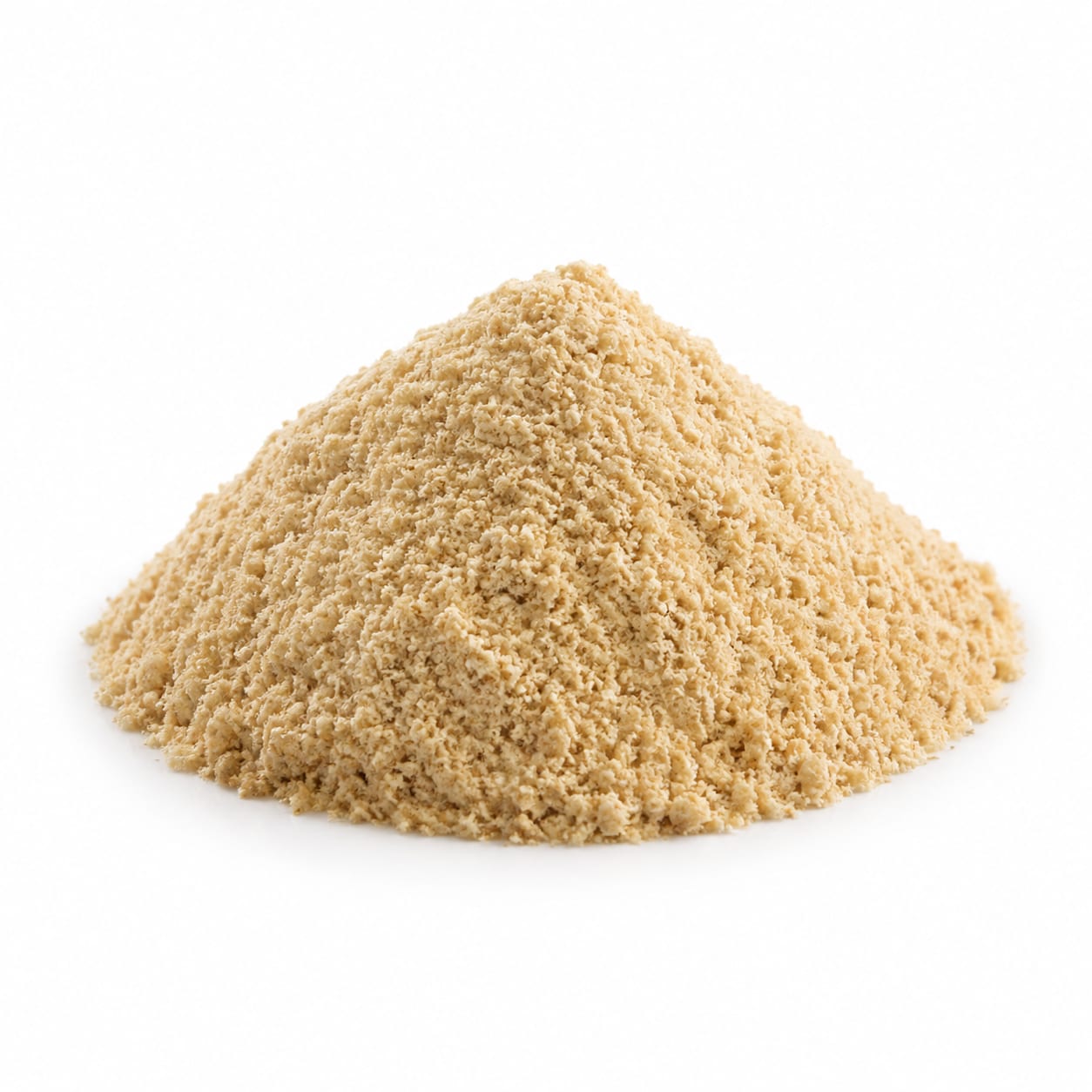
Acorn Flour
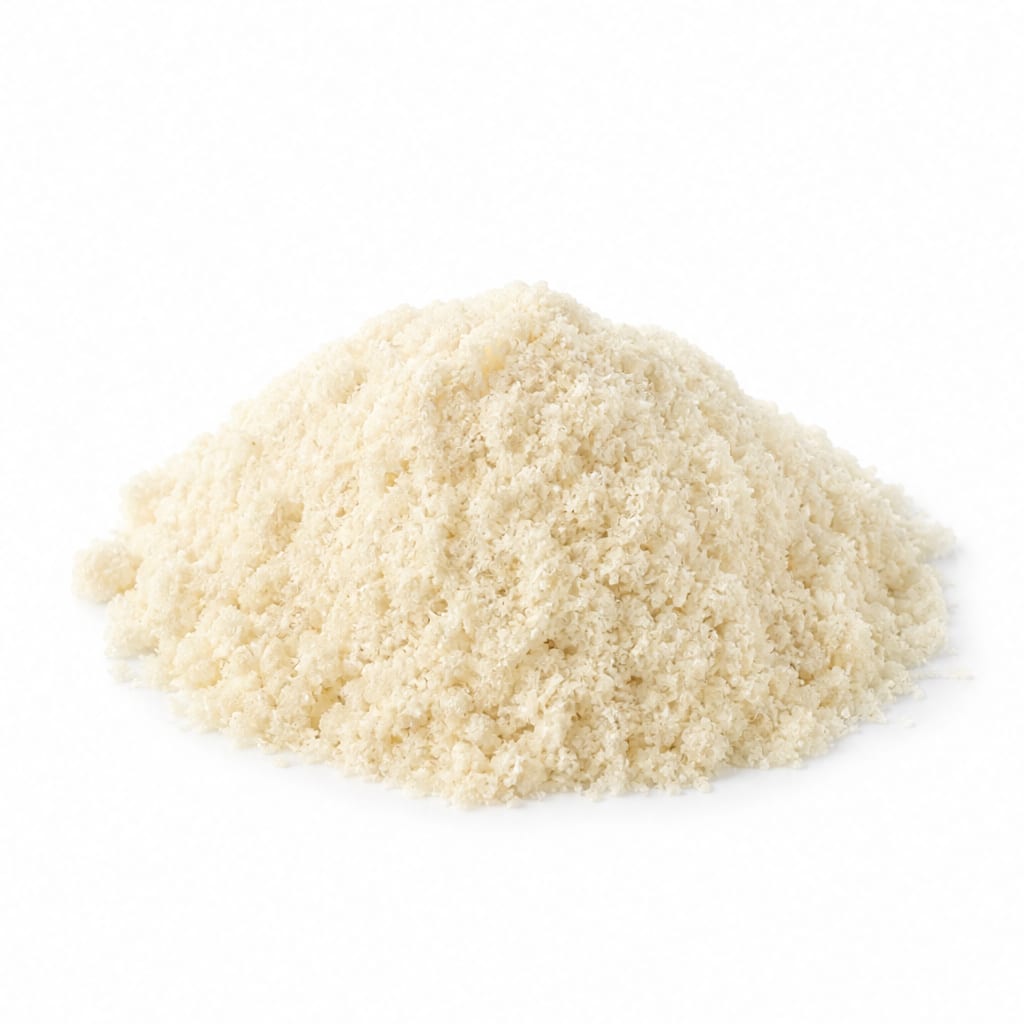
Coconut Flour
Coconut flour wins for low-carb and blood sugar goals, while acorn flour offers a more balanced, traditional whole-food profile with easier baking behavior.
Coconut flour scores higher overall due to its strong advantage in blood sugar control, fiber density, and market availability. Acorn flour remains competitive for those who value traditional foods, balanced macros, and easier baking, but its higher carb count and limited availability narrow its appeal.
Coconut flour delivers far fewer net carbs and more fiber per serving, but acorn flour is more versatile in recipes and carries less saturated fat baggage.
At a glance
Executive summary
Overall
It depends
Healthier
It depends
More practical
Coconut Flour
Daily use
Coconut Flour
Key comparison lenses
gluten-free baking alternative selection
Both are popular gluten-free flours, and users are likely deciding which to stock in their pantry for baking
blood sugar management
Coconut flour is dramatically lower in net carbs, making this a critical differentiator for diabetics and keto dieters
digestive tolerance and gut health
Both flours have unusually high fiber content that can cause digestive adjustment issues
traditional vs modern whole-food eating
Acorn flour connects to ancestral foodways while coconut flour is a modern health-food staple
baking performance and recipe flexibility
Both behave very differently from wheat flour and from each other, heavily influencing kitchen outcomes
Best choice for
Acorn Flour
- Those seeking a traditional, minimally processed whole-food flour
- People avoiding high saturated fat intake
- Bakers wanting more forgiving recipe conversions
- Anyone following a moderate-carb rather than very-low-carb approach
Coconut Flour
- Keto and very-low-carb dieters
- People managing diabetes or insulin resistance
- Those wanting maximum fiber per calorie
- Anyone prioritizing satiety and blood sugar stability
Least suitable for
Acorn Flour
- Keto dieters (too many carbs)
- Those who need widely available pantry staples
- People unwilling to source specialty ingredients
Coconut Flour
- Anyone with coconut allergies
- People sensitive to high saturated fat intake
- Those who find extremely high fiber uncomfortable digestively
- Beginners frustrated by tricky baking adjustments
Deep comparison
Dimension by dimension
Each lens scores both foods and breaks down who each option suits.
- Dimension 1 · Priority 95Coconut Flour
Blood Sugar Stability
Acorn Flour · 55Coconut Flour · 92Coconut flour has roughly one-third the net carbs of acorn flour, making it dramatically gentler on blood sugar.
Tradeoff
You gain metabolic steadiness with coconut flour but sacrifice the broader energy that acorn flour's complex carbs provide for active people.
Why it matters
For anyone with diabetes, prediabetes, or energy crashes, this difference alone can decide the choice.
Real-world impact
A coconut flour pancake breakfast keeps you steady until lunch. An acorn flour pancake may trigger a quicker hunger return.
Acorn Flour
- Endurance athletes needing sustained carbohydrate fuel
- Active individuals who tolerate carbs well
Better for
- Those monitoring every gram of carbohydrate
Worse for
Coconut Flour
- Diabetics and insulin-resistant individuals
- Keto and low-carb adherents
- Anyone prone to afternoon energy crashes
Better for
- Athletes who need readily available carb energy for performance
Worse for
- Dimension 2 · Priority 88Coconut Flour
Fiber Density and Satiety
Acorn Flour · 62Coconut Flour · 94Coconut flour is one of the highest-fiber flours available, with nearly double the fiber of acorn flour by weight.
Tradeoff
More fiber means more fullness but also more potential bloating if your gut is not accustomed to it.
Why it matters
High fiber per calorie is one of the strongest predictors of natural portion control and long-term weight management.
Real-world impact
Two tablespoons of coconut flour in a smoothie can feel as filling as a full snack. Acorn flour provides gentler, less overwhelming fiber.
Acorn Flour
- People with sensitive digestion who find very high fiber uncomfortable
- Those transitioning to higher fiber diets gradually
Better for
- Those relying on flour-based foods as a primary fiber source
Worse for
Coconut Flour
- Anyone using fiber as a natural appetite suppressant
- People aiming to hit 30+ grams of daily fiber easily
Better for
- People with IBS or FODMAP sensitivities
Worse for
- Dimension 3 · Priority 78Acorn Flour
Fat Quality and Profile
Acorn Flour · 74Coconut Flour · 60Acorn flour contains minimal fat with a balanced profile, while coconut flour carries significant saturated fat from residual coconut oil.
Tradeoff
Coconut flour's MCTs may boost metabolism, but the saturated fat load concerns some users. Acorn flour keeps fat intake neutral.
Why it matters
Your position on saturated fat determines how much this matters. For heart-health-conscious eaters, acorn flour feels safer.
Real-world impact
If you are already eating coconut oil and coconut milk daily, adding coconut flour pushes saturated fat even higher. Acorn flour avoids this accumulation.
Acorn Flour
- People managing cardiovascular risk factors
- Those already consuming coconut products regularly
- Anyone watching saturated fat intake
Better for
- Very-low-fat diet adherents who want fat from other sources
Worse for
Coconut Flour
- Keto dieters who embrace MCTs and saturated fat
- Those who find MCTs energizing and appetite-suppressing
Better for
- Anyone following physician advice to limit saturated fat
Worse for
- Dimension 4 · Priority 72Acorn Flour
Baking Practicality and Recipe Flexibility
Acorn Flour · 70Coconut Flour · 45Acorn flour behaves more like traditional flour in recipes, while coconut flour's extreme absorbency demands special techniques.
Tradeoff
Coconut flour goes further per gram (you use less) but requires more eggs and liquid, making recipes less forgiving.
Why it matters
Frustration with alternative flour baking is the number one reason people abandon gluten-free cooking at home.
Real-world impact
Substituting coconut flour 1:1 for wheat flour creates a dry, crumbly disaster. Acorn flour substitutes more predictably, though still not perfectly.
Acorn Flour
- Home bakers wanting easier recipe conversions
- Those who bake casually without specialty recipes
Better for
- Those wanting maximum fiber per baked good
Worse for
Coconut Flour
- Experienced gluten-free bakers comfortable with adjustments
- Anyone wanting to use less flour per recipe (cost efficiency)
Better for
- Baking beginners
- Anyone without eggs or binders on hand
Worse for
- Dimension 5 · Priority 68Coconut Flour
Availability and Cost
Acorn Flour · 30Coconut Flour · 75Coconut flour is stocked in most health food stores and online. Acorn flour is a niche product requiring specialty sourcing.
Tradeoff
Acorn flour's rarity connects you to heritage foodways but makes consistent access unreliable.
Why it matters
The best flour for you is the one you can actually buy regularly without hassle or inflated shipping costs.
Real-world impact
Running out of coconut flour means a quick grocery run. Running out of acorn flour might mean waiting for an online order.
Acorn Flour
- Those connected to foraging communities or heritage food networks
- People who enjoy sourcing unique ingredients
Better for
- Rural dwellers without specialty store access
- Those on tight budgets facing shipping costs
Worse for
Coconut Flour
- Busy households needing reliable pantry staples
- Anyone living far from specialty food shops
Better for
- Those avoiding products with long supply chains
Worse for
- Dimension 6 · Priority 65Acorn Flour
Mineral and Micronutrient Content
Acorn Flour · 76Coconut Flour · 64Acorn flour provides notable manganese, potassium, and iron from its whole-acorn origins. Coconut flour offers iron and manganese but less potassium.
Tradeoff
Acorn flour's tannins can reduce mineral absorption, partially offsetting its richer micronutrient profile.
Why it matters
If flour is a significant calorie source for you, its micronutrient contribution matters more than for occasional use.
Real-world impact
Regular acorn flour use subtly supports bone health and energy metabolism. Coconut flour contributes minerals but less impressively.
Acorn Flour
- Those relying on alternative flours as dietary staples
- People wanting whole-food mineral density
Better for
- People concerned about tannin interference with iron absorption
Worse for
Coconut Flour
- Those getting minerals primarily from other food sources
Better for
- Those wanting their flour to contribute meaningfully to mineral intake
Worse for
- Dimension 7 · Priority 60Acorn Flour
Allergen and Sensitivity Risk
Acorn Flour · 78Coconut Flour · 55Acorn flour is a tree nut alternative with low allergen exposure. Coconut is classified as a tree nut allergen by the FDA, though true coconut allergy is rare.
Tradeoff
Coconut allergy is uncommon but real. Acorn flour avoids this category entirely but carries tannin sensitivity risk.
Why it matters
For households with nut allergies, coconut products require caution despite the low cross-reactivity rate.
Real-world impact
School-safe baking is easier with acorn flour in nut-free environments. Coconut flour may require verification.
Acorn Flour
- Nut-allergic individuals (after physician clearance)
- School and daycare baking where nut-free policies apply
Better for
- People sensitive to tannins (bitter compounds)
Worse for
Coconut Flour
- Those with confirmed tolerance to coconut products
Better for
- Anyone with documented coconut or tree nut allergy
Worse for
Timeline
Health impact over time
Short-term
Hours to days
Acorn Flour
- Provides steady, moderate energy from complex carbohydrates
- Tannins may cause mild stomach discomfort if flour is not properly leached
- More familiar satiety signals compared to extremely high-fiber alternatives
Coconut Flour
- Very filling even in small amounts due to exceptional fiber content
- Can cause bloating, gas, or digestive discomfort if introduced too quickly
- MCTs may provide a quick sense of energy or mild appetite suppression
Long-term
Months to years
Acorn Flour
- Regular use supports mineral intake from a whole-food source
- Balanced macronutrient profile fits well into varied diets without extreme restriction
- Connection to traditional diets may support more mindful, heritage-informed eating patterns
Coconut Flour
- Consistent high fiber intake supports gut microbiome diversity and regularity
- Very low net carb profile helps maintain insulin sensitivity over time
- Accumulating saturated fat intake warrants monitoring if coconut products are used heavily across meals
Risk profile
Safety & processing
Acorn flour is typically produced by grinding dried, leached acorns with no additives. Coconut flour is a byproduct of coconut milk production, involving drying and defatting, which is more processed but still free of artificial additives. Both are single-ingredient products, but acorn flour retains a more traditional, whole-food character.
Acorn Flour
Tannin toxicity from insufficient leaching
mediumRaw acorns contain high tannins that are bitter and can cause nausea or kidney strain. Properly leached acorn flour removes most tannins, but poorly processed batches pose a real risk.
Contamination from foraging environments
lowWild-harvested acorns may absorb environmental pollutants. Commercially produced acorn flour from tested sources minimizes this concern.
Coconut Flour
Allergic reaction in coconut-sensitive individuals
mediumThough rare, coconut allergy exists and can cause reactions ranging from hives to anaphylaxis. The FDA classifies coconut as a tree nut allergen.
Sulfite residues from processing
lowSome coconut products are treated with sulfites during drying. Checking labels for unsulfited options eliminates this concern.
Who wins for whom
Audience fit
Same foods, different winners depending on your goal.
children
Acorn FlourAcorn flour's milder fiber load is gentler on developing digestive systems, and its more familiar baking behavior makes kid-friendly recipes easier.
daily consumption
Coconut FlourCoconut flour's availability, fiber benefits, and blood sugar neutrality make it more sustainable for everyday use, provided saturated fat intake is monitored.
diabetes
Coconut FlourWith roughly one-third the net carbs and significantly more fiber per serving, coconut flour causes far less blood sugar elevation.
elderly
It dependsCoconut flour helps with blood sugar and constipation common in older adults, but acorn flour's easier digestion and mineral content may suit those with fragile digestive systems.
muscle gain
Acorn FlourAcorn flour provides more usable carbohydrates to fuel training and recovery, while coconut flour's low carb count offers less energy support for muscle building.
weight loss
Coconut FlourCoconut flour's extreme fiber content creates strong satiety with very few net carbs, making it easier to maintain a calorie deficit without feeling deprived.
Your move
Decision guide
Choose Acorn Flour
- You value traditional, heritage foods and whole-food minimal processing
- You want a flour that behaves more predictably in baking
- You are avoiding high saturated fat intake
- You need a nut-allergy-friendly option for school or shared environments
- You are an active person who tolerates and benefits from moderate carbohydrates
Choose Coconut Flour
- You are managing diabetes, insulin resistance, or following a keto diet
- You want maximum fiber and satiety per calorie
- You like having a readily available pantry staple from any health store
- You are comfortable adjusting recipes with extra eggs and liquid
- You already limit coconut product saturated fat elsewhere in your diet
Either works if
- You are simply seeking a gluten-free flour and have no strong metabolic constraints
- You enjoy rotating between different alternative flours for variety
- Your primary concern is avoiding wheat and both options satisfy that equally
Avoid both if
- You have severe digestive conditions like SIBO that make high-fiber flours problematic
- You need a true 1:1 wheat flour substitute without recipe modifications
- You are looking for a high-protein flour alternative for muscle-building recipes
Final recommendation
For most people managing blood sugar or watching carbs, coconut flour is the stronger daily choice. But if you eat a balanced moderate-carb diet, value food tradition, or find coconut flour's baking demands frustrating, acorn flour is a worthy and underappreciated alternative. The best approach for adventurous home cooks may be keeping both on hand: coconut flour for low-carb recipes and acorn flour for heartier, more traditional baking.
Practical
Consumer tips
- 1
When buying acorn flour, verify the source uses proper leaching to remove tannins. Bitter flour indicates insufficient processing.
- 2
Start with small amounts of coconut flour and increase gradually over two weeks to let your digestive system adapt to the fiber load.
- 3
Coconut flour absorbs massive amounts of liquid. A general rule: use one-quarter the amount of wheat flour called for, then add extra eggs and liquid.
- 4
Acorn flour works well in a 50/50 blend with other gluten-free flours for more balanced texture and flavor in baked goods.
- 5
Store both flours in airtight containers in a cool, dark place. Coconut flour's residual oils can go rancid faster than acorn flour.
- 6
If you forage your own acorns, always leach them in multiple changes of water until the water runs clear and the bitterness disappears.
- 7
Coconut flour pairs well with eggs and dairy in recipes. For vegan baking, you will need robust plant-based binders like flax eggs plus extra liquid.