
Nutrition comparison
Acorn Flour vs Cassava Flour: Nutrition, Safety, and Baking Comparison
Compare acorn flour and cassava flour side by side — nutrition, blood sugar impact, baking performance, safety concerns, and which is better for your diet.
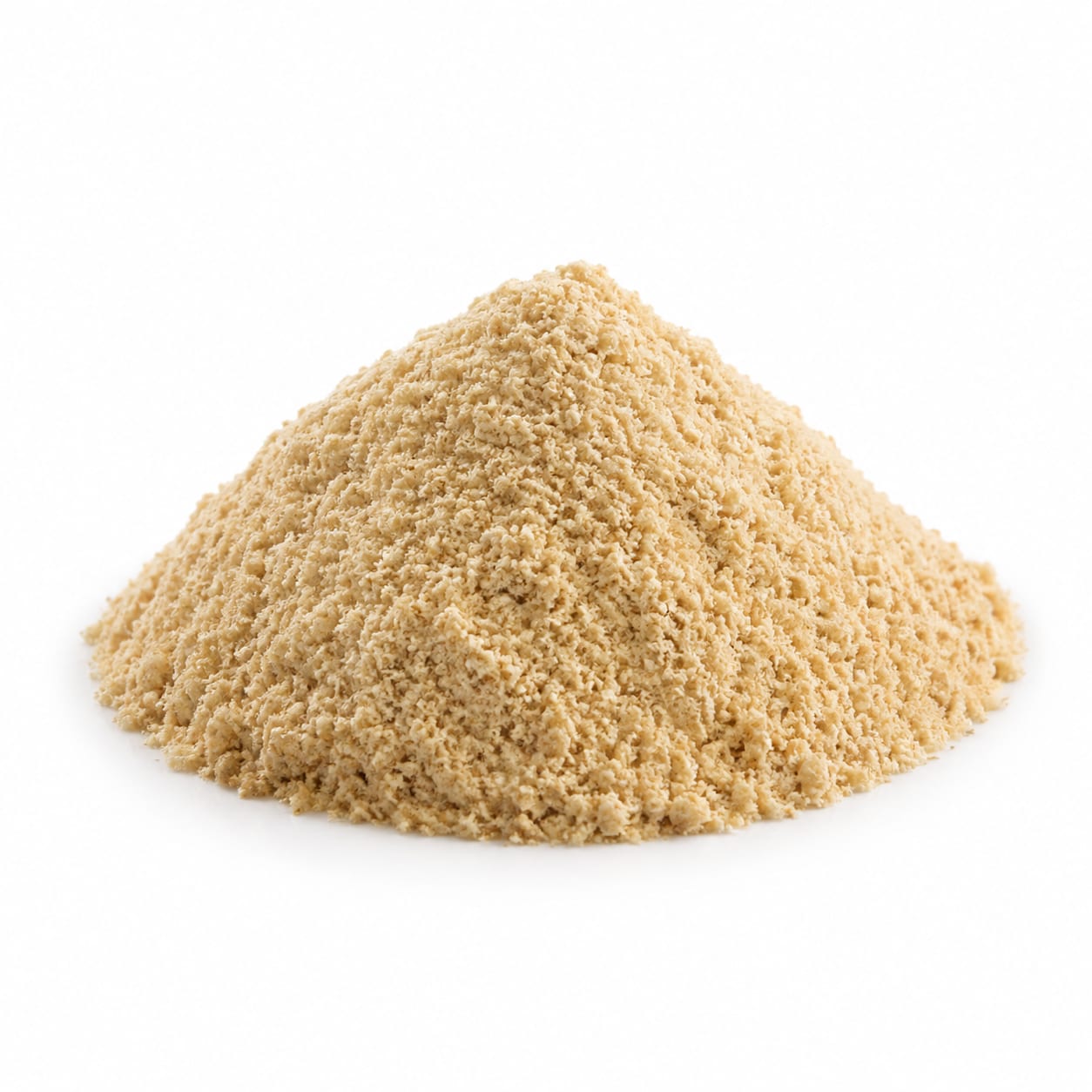
Acorn Flour
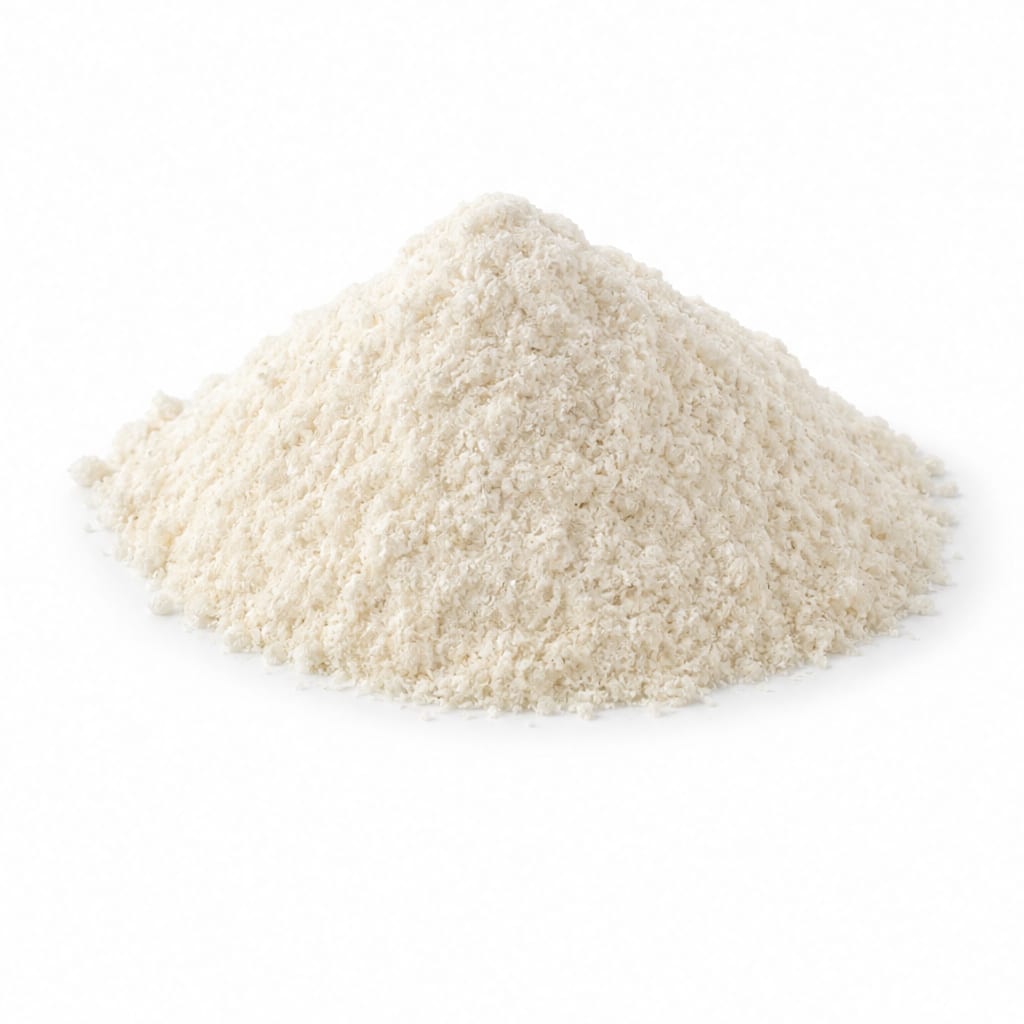
Cassava Flour
Acorn flour offers more fat, fiber, and antioxidants with fewer carbs, while cassava flour delivers superior baking versatility and a neutral taste that mimics wheat flour.
Acorn flour edges ahead nutritionally with more fat, fiber, and micronutrients, but cassava flour's superior baking performance and accessibility keep it competitive. The close scores reflect that each excels in very different contexts.
Nutritional richness and lower glycemic impact versus baking performance and everyday practicality.
At a glance
Executive summary
Overall
It depends
Healthier
Acorn Flour
More practical
Cassava Flour
Daily use
Cassava Flour
Key comparison lenses
gluten-free baking alternative
Both flours are primarily used as gluten-free substitutes, so baking performance and versatility matter enormously
blood sugar management
Cassava flour is very carb-dense while acorn flour is lower in carbs and higher in fat, creating a stark glycemic contrast
safety and proper preparation
Both flours carry unique toxicity risks if improperly processed — tannins in acorn, cyanogenic compounds in cassava
nutritional density for specialty diets
Users choosing alternative flours often seek nutrient advantages beyond just avoiding gluten
digestive tolerance and gut comfort
Fiber profiles and resistant starch content differ significantly, affecting how each flour feels after eating
Best choice for
Acorn Flour
- Low-carb and keto-adjacent bakers
- People managing blood sugar concerns
- Those seeking nutrient-dense, traditional ingredients
- Foragers and sustainability-focused eaters
- Anyone wanting healthy fats and antioxidants in baked goods
Cassava Flour
- Gluten-free bakers wanting wheat-like results
- Families needing affordable, widely available flour
- People with nut allergies or sensitivities
- Endurance athletes needing carb-rich fuel
- Anyone new to gluten-free baking who wants reliability
Least suitable for
Acorn Flour
- People unfamiliar with proper tannin leaching techniques
- Those wanting a neutral-tasting flour for delicate recipes
- Bakers needing consistent, predictable results
- Anyone on a tight grocery budget
Cassava Flour
- People strictly limiting carbohydrates
- Those managing diabetes or insulin resistance
- Anyone seeking nutrient-dense, low-calorie alternatives
- Dieters watching calorie density closely
Deep comparison
Dimension by dimension
Each lens scores both foods and breaks down who each option suits.
- Dimension 1 · Priority 90Acorn Flour
Blood Sugar Stability
Acorn Flour · 78Cassava Flour · 38Acorn flour's lower carbohydrate content and higher fat and fiber create a much gentler blood sugar response than cassava flour.
Tradeoff
You gain steadier energy with acorn flour but sacrifice the light, fluffy texture that cassava's starches provide in baking.
Why it matters
Cassava flour behaves almost like refined carbs in your body — it digests quickly and can spike blood sugar. Acorn flour feels more like eating nuts than grains.
Real-world impact
A cassava flour muffin might leave you hungry again in 90 minutes, while an acorn flour version keeps you satisfied for hours.
Acorn Flour
- Diabetics and pre-diabetics
- Low-carb eaters
- Anyone avoiding afternoon energy crashes
Better for
- Situations requiring rapid energy replenishment
Worse for
Cassava Flour
- Endurance athletes who need quick carbs
- Active children burning energy fast
- Post-workout recovery meals
Better for
- Sedentary days when carb spikes lead to crashes
- Late-night snacking
- Anyone monitoring fasting glucose
Worse for
- Dimension 2 · Priority 88Cassava Flour
Baking Versatility
Acorn Flour · 42Cassava Flour · 86Cassava flour is one of the closest 1:1 substitutes for wheat flour in gluten-free baking, while acorn flour behaves very differently and requires recipe adjustments.
Tradeoff
Cassava gives you reliable, familiar results but lacks the nutritional depth. Acorn flour adds richness and flavor but demands experimentation.
Why it matters
If your baked goods fail, you waste money and time. Cassava flour's predictability removes frustration from gluten-free cooking.
Real-world impact
Cassava flour lets you swap it into most recipes with minimal changes. Acorn flour usually requires blending with other flours and adjusting liquids.
Acorn Flour
- Rustic, dense baked goods like flatbreads
- Recipes where nutty flavor is desirable
- Traditional indigenous dishes
Better for
- Light, fluffy cakes
- Delicate pastries requiring neutral flavor
- Time-sensitive baking projects
Worse for
Cassava Flour
- Cakes, cookies, and pastries needing light texture
- Beginner gluten-free bakers
- One-to-one wheat flour replacement needs
Better for
- Recipes where you want added nutritional value
- Low-carb baking
Worse for
- Dimension 3 · Priority 82Acorn Flour
Nutritional Density
Acorn Flour · 81Cassava Flour · 35Acorn flour delivers healthy fats, meaningful fiber, and notable antioxidants. Cassava flour is primarily starch with minimal fat or protein.
Tradeoff
Acorn flour nourishes more per calorie but is harder to find and use. Cassava flour is convenient but nutritionally thin.
Why it matters
If you're replacing wheat flour for health reasons, choosing a flour that actually adds nutrients — not just removes gluten — matters for long-term wellbeing.
Real-world impact
Regularly baking with acorn flour subtly improves your fat-soluble vitamin intake and antioxidant consumption. Cassava flour mostly just fills you up.
Acorn Flour
- Nutrient-conscious eaters
- Those replacing refined grains wholeheartedly
- Anyone wanting healthy fats from whole food sources
Better for
- Low-calorie diet contexts where fat content adds up
Worse for
Cassava Flour
- Calorie-dense needs during illness recovery
- Simple energy requirements
Better for
- Any diet prioritizing micronutrient intake
- Long-term daily use without supplementation
Worse for
- Dimension 4 · Priority 85It depends
Safety and Proper Processing
Acorn Flour · 62Cassava Flour · 58Both flours carry real risks if improperly prepared — acorn flour contains bitter tannins, and cassava contains cyanogenic glycosides that can release cyanide.
Tradeoff
Acorn's tannins cause digestive discomfort but are rarely dangerous. Cassava's cyanide risk is more severe but is well-managed by commercial processing.
Why it matters
Home-prepared versions of either flour carry more risk than store-bought. Understanding processing matters for both, but the consequences differ.
Real-world impact
Poorly leached acorn flour tastes awful and upsets your stomach. Improperly processed cassava can cause acute cyanide poisoning — a far more serious outcome.
Acorn Flour
- Home foragers willing to learn proper leaching
- Those who prefer risks that are unpleasant rather than dangerous
Better for
- Impatient processors who skip leaching steps
Worse for
Cassava Flour
- Anyone buying commercially processed flour
- People who want safety handled by established supply chains
Better for
- Anyone making flour from raw cassava at home without expertise
- Regions with lax food safety oversight
Worse for
- Dimension 5 · Priority 70Cassava Flour
Digestive Tolerance
Acorn Flour · 52Cassava Flour · 72Cassava flour's resistant starch supports gut bacteria and is generally easy to digest. Acorn flour's tannins and fat can bother sensitive stomachs if not fully leached.
Tradeoff
Cassava is gentler on most digestive systems, but acorn flour's fiber feeds gut bacteria differently and may benefit long-term microbiome health when tolerated.
Why it matters
If switching flours causes bloating or discomfort, you won't stick with it regardless of nutritional merits.
Real-world impact
Cassava flour typically feels light and easy after eating. Acorn flour can feel heavy or slightly irritating if tannins remain.
Acorn Flour
- Those with well-adapted digestive systems
- People who benefit from higher fat intake for satiety
Better for
- Sensitive stomachs
- Anyone with tannin sensitivity
Worse for
Cassava Flour
- People with sensitive digestion
- Anyone transitioning to gluten-free who needs gentleness
- Those with IBS or gut sensitivity concerns
Better for
- Those who find high-starch foods cause bloating
Worse for
- Dimension 6 · Priority 68Cassava Flour
Allergen and Sensitivity Profile
Acorn Flour · 48Cassava Flour · 80Cassava flour is free from all major allergens including nuts, dairy, soy, and gluten. Acorn flour is technically a tree nut product, which raises concerns for nut-allergic individuals.
Tradeoff
Cassava is safer for allergic individuals but is a nightshade-adjacent root that some avoidance diets restrict. Acorn is a nut product with genuine allergen risk.
Why it matters
For households with nut allergies, acorn flour is a non-starter regardless of its nutritional advantages.
Real-world impact
If you're baking for a school event or shared space, cassava flour is the safer inclusive choice. Acorn flour requires checking with everyone about nut allergies.
Acorn Flour
- Those without nut allergies seeking diverse nutrient sources
Better for
- Anyone with tree nut allergies
- Schools and communal food settings
Worse for
Cassava Flour
- Nut-allergic individuals
- Shared kitchens and group settings
- AIP and elimination diet protocols
Better for
- Those following strict nightshade-free protocols
Worse for
Timeline
Health impact over time
Short-term
Hours to days
Acorn Flour
- More sustained energy after eating due to fat and fiber content
- Possible digestive discomfort if tannins remain from incomplete leaching
- Greater satiety — less urge to snack between meals
Cassava Flour
- Quick energy from easily digested starches
- Possible blood sugar spike followed by a crash within a couple of hours
- Generally easy on the stomach with minimal digestive complaints
Long-term
Months to years
Acorn Flour
- Antioxidant intake from regular consumption may support cellular health
- Healthy fat intake supports hormone function and nutrient absorption
- Lower glycemic diet pattern may reduce metabolic disease risk
Cassava Flour
- Resistant starch content may support beneficial gut bacteria over time
- High carbohydrate intake without balancing nutrients may contribute to insulin resistance if overconsumed
- Reliance on a single starch flour could limit dietary micronutrient diversity
Risk profile
Safety & processing
Acorn flour typically requires only harvesting, leaching, drying, and grinding — a traditional whole-food process. Cassava flour involves peeling, grating, pressing, fermenting or drying, and milling, which is more involved but still additive-free in quality products. Both are relatively clean compared to most commercial flour alternatives.
Acorn Flour
Tannin toxicity from incomplete leaching
mediumRaw acorns contain high levels of tannins that cause nausea, stomach pain, and digestive distress. Proper leaching removes most tannins, but homemade flour carries higher risk if shortcuts are taken.
Tree nut allergen exposure
mediumAcorns are tree nuts. Individuals with tree nut allergies should avoid acorn flour entirely, as cross-reactivity is possible.
Cassava Flour
Cyanogenic glycoside exposure
highRaw cassava contains compounds that release hydrogen cyanide when digested. Commercial cassava flour is processed to remove these, but homemade or improperly processed flour can cause acute cyanide poisoning, which is potentially fatal.
Mycotoxin contamination from poor storage
lowCassava roots are prone to fungal growth if stored improperly, which can introduce mycotoxins into the flour.
Who wins for whom
Audience fit
Same foods, different winners depending on your goal.
children
Cassava FlourCassava flour's mild taste and familiar texture make it more acceptable to kids, and it avoids tree nut allergen concerns in group settings.
daily consumption
Cassava FlourCassava flour's versatility, availability, and ease of use make it more sustainable for everyday cooking, even though acorn flour is nutritionally richer.
diabetes
Acorn FlourSignificantly lower carbohydrate content and higher fat and fiber create a much gentler glycemic response, reducing insulin demand.
elderly
Cassava FlourEasier digestion and softer baked textures suit aging digestive systems better, and the lower allergen risk simplifies dietary management.
muscle gain
Cassava FlourCassava flour provides readily available carbohydrates that fuel intense training and support glycogen replenishment after workouts.
weight loss
Acorn FlourHigher fat and fiber content promotes fullness with fewer carb-driven cravings, making it easier to maintain a calorie deficit without feeling deprived.
Your move
Decision guide
Choose Acorn Flour
- You prioritize blood sugar stability and low-carb eating
- You want more nutrients per serving from your flour
- You enjoy traditional, foraged, or wild foods
- You have no tree nut allergies and want a unique flavor profile
- You bake rustic, dense items where nutty flavor enhances the dish
Choose Cassava Flour
- You need a reliable 1:1 wheat flour substitute for gluten-free baking
- You have tree nut allergies or bake for others who might
- You want neutral-tasting flour that works in any recipe
- You need affordable, widely available flour
- You are an endurance athlete or very active person needing carb fuel
Either works if
- You are simply avoiding gluten and both are accessible
- You enjoy experimenting with different flour properties
- You rotate flours to diversify your nutrient intake
Avoid both if
- You have celiac disease and cannot verify cross-contamination in processing
- You are looking for a high-protein flour alternative
- You need a flour that works in yeast breads without complex blending
Final recommendation
For most everyday bakers, cassava flour is the more practical choice — it behaves like wheat flour, tastes neutral, and works reliably. But if your priority is nutritional quality over convenience, and you have no nut allergies, acorn flour rewards you with more healthy fats, fiber, and antioxidants per bite. The smartest approach may be keeping both on hand: cassava for everyday baking, acorn for when you want denser, more nourishing results.
Practical
Consumer tips
- 1
Always buy commercially processed cassava flour to ensure cyanogenic compounds have been properly removed — homemade cassava processing is risky without expertise.
- 2
If making acorn flour at home, leach acorns thoroughly by boiling and changing water multiple times until the water runs clear and the bitterness is gone.
- 3
Blend acorn flour with cassava flour at a 1:3 ratio to get some nutritional benefits while maintaining better baking texture.
- 4
Store both flours in airtight containers in a cool, dark place — acorn flour's fat content makes it more prone to rancidity over time.
- 5
Cassava flour absorbs more liquid than wheat flour — start with slightly less flour or more liquid when adapting recipes.
- 6
Acorn flour works best in recipes that already call for nut flours like almond flour — think cookies, crusts, and flatbreads rather than fluffy cakes.
- 7
If you have tree nut allergies, treat acorn flour with the same caution as any other nut product and consult your allergist.