
Shellfish
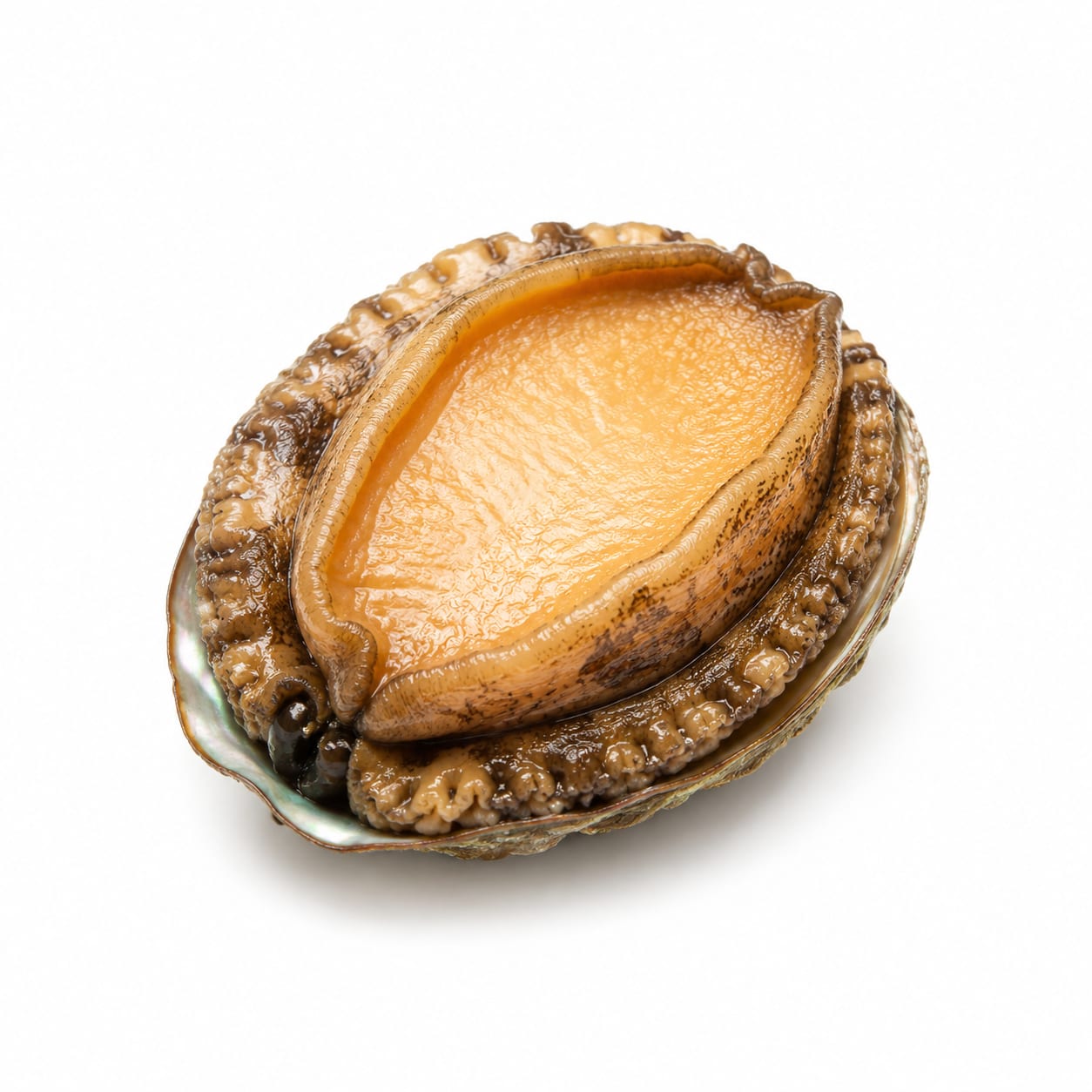
Abalone
A nutrient-dense, low-fat marine shellfish prized for its high protein content and tender meat.
Abalone is a large marine gastropod mollusk known for its rich, buttery flavor and tender texture. It is highly valued in various cuisines and provides a lean source of protein and essential minerals.
protein-dense lean shellfish
Typical serving · 85g
Common varieties · red abalone, green abalone, black abalone, paua, donkey ear abalone
Overall context score across nutrition, safety, and diet fit
At a glance
Quick facts
Simple indicators based on nutrition, processing, and diet fit.
The story
What makes it unique
Abalone is a fast-digesting, high-protein, low-fat marine food. It provides high satiety due to its protein density and minimal carbohydrate content. As a minimally processed whole food, it retains its native micronutrient profile, including B vitamins and minerals like selenium and iron.
Varieties: red abalone · green abalone · black abalone · paua · donkey ear abalone
Per 100g
Nutrition breakdown
Macro balance and key metrics at a glance.
Energy
Density 1.05 kcal/g
Protein
Carbs
Fat
Fiber
Sugar
0 g
Sodium
301 mg
Potassium
250 mg
Glycemic index
0
Glycemic load
0
Water content
75%
Standout compounds
Nutrient highlights
Protein
highSupports muscle growth and repair
Selenium
moderateActs as an antioxidant and supports thyroid function
Vitamin B12
moderateEssential for nerve function and red blood cell formation
Iron
moderateCrucial for oxygen transport in the blood
Wellness map
Health scores & processing
NOVA processing scale
minimally processed · Whole food
Fresh or frozen abalone is a whole, unrefined animal food requiring no industrial processing.
Diet compatibility
- Weight loss
- Muscle gain
- Diabetes
- Gut health
- Low carb
- High protein
- Heart health
Relative standing
Food rankings
Qualitative ranks compared to similar whole foods.
- Satietyexcellent
- Blood sugarexcellent
- Nutrient densitygood
- Fitness fuelexcellent
- Processing qualityexcellent
Eat with confidence
Food safety profile
Wild and farmed abalone are generally safe, but as bottom-dwellers they can accumulate heavy metals and biotoxins. Sourcing from regulated waters is essential to avoid paralytic shellfish poisoning.
Evidence confidence 85%
- Pesticideslow
- Antibioticslow
- Heavy metalsmoderate
- Contaminationmoderate
Watch for
- paralytic shellfish toxins
- heavy metals
- vibrio bacteria
Safer choices
Farm-raised abalone often has lower heavy metal exposure and more controlled biotoxin risks compared to some wild populations.
Prep tips
Ensure abalone is sourced from commercially approved waters. Clean thoroughly, removing the viscera, which can concentrate toxins and heavy metals.
Biotoxin monitoring is strictly enforced in commercial harvesting due to red tide risks.
Deep dive
Health analysis
How this food may fit different goals and preparation choices.
Weight loss
High protein and low fat create a strong thermic effect and prolonged satiety, making it highly effective for calorie-controlled diets.
Blood sugar
Virtually zero impact on blood sugar due to low carbohydrate density and absence of simple sugars, making it safe for glucose management.
Fitness & energy
Provides lean, fast-digesting protein ideal for post-workout muscle repair without adding excess dietary fat.
Gut health
Lacks dietary fiber, so it does not directly feed the gut microbiome, but its high digestibility makes it gentle on the gastrointestinal tract.
Processing quality
Whole, unprocessed animal protein with no additives, preservatives, or artificial ingredients.
Food safety
Primary risks stem from marine biotoxins and heavy metal accumulation; purchasing from reputable, regulated sources mitigates these concerns.
Common mistakes
Overcooking abalone makes it extremely tough and rubbery; quick searing or gentle poaching is necessary to maintain tenderness.
Best preparation
Quick searing, gentle poaching, or slicing very thin for raw preparations to preserve texture and nutrient integrity.
Practical guide
Best use cases
When and how this food fits real eating patterns.
post-workout recovery
Fast-digesting lean protein supports muscle repair without excess fat.
low-carb gourmet meals
Provides a premium, flavorful protein source that fits strict macronutrient limits.
weight management
High satiety and low energy density help control hunger during calorie deficits.
Balance sheet
Pros & cons
Upsides
- Very high protein-to-calorie ratio
- Naturally low in fat and saturated fat
- Zero glycemic impact suitable for diabetics
- Rich in essential minerals like selenium and iron
- Unprocessed whole food
Trade-offs
- Expensive and not easily accessible for daily consumption
- Contains moderate cholesterol
- Risk of heavy metal and biotoxin accumulation from marine environments
- Very easy to overcook, resulting in a tough, rubbery texture
- Lacks dietary fiber
Fit check
Who is it for?
Great match
- low-carb diets
- high-protein weight loss
- post-workout nutrition
- diabetics seeking lean protein
Consider alternatives
- budget-friendly meal prep
- those with shellfish allergies
- high-fiber diet requirements
Side by side
How it compares
Open the full head-to-head analysis for nutrition, safety, and practical tradeoffs.
This food
Abalone
VS90% alike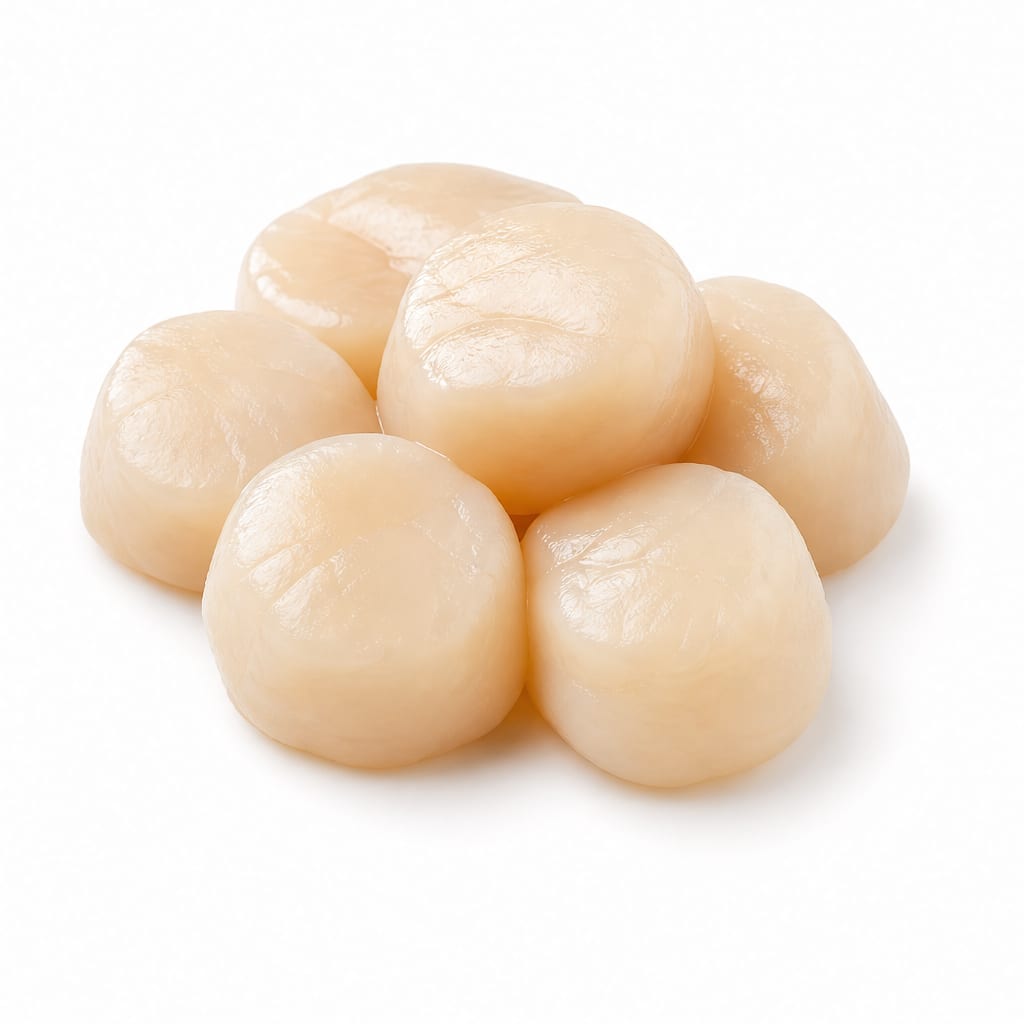
Compare with
Scallops
Abalone and scallops are both lean, high-protein shellfish, but scallops are lower in carbohydrates, making them slightly better for strict blood sugar control.
Scallops are lower in carbs than abalone, making them slightly better for blood sugar, while both offer excellent lean protein.
This food
Abalone
VS85% alike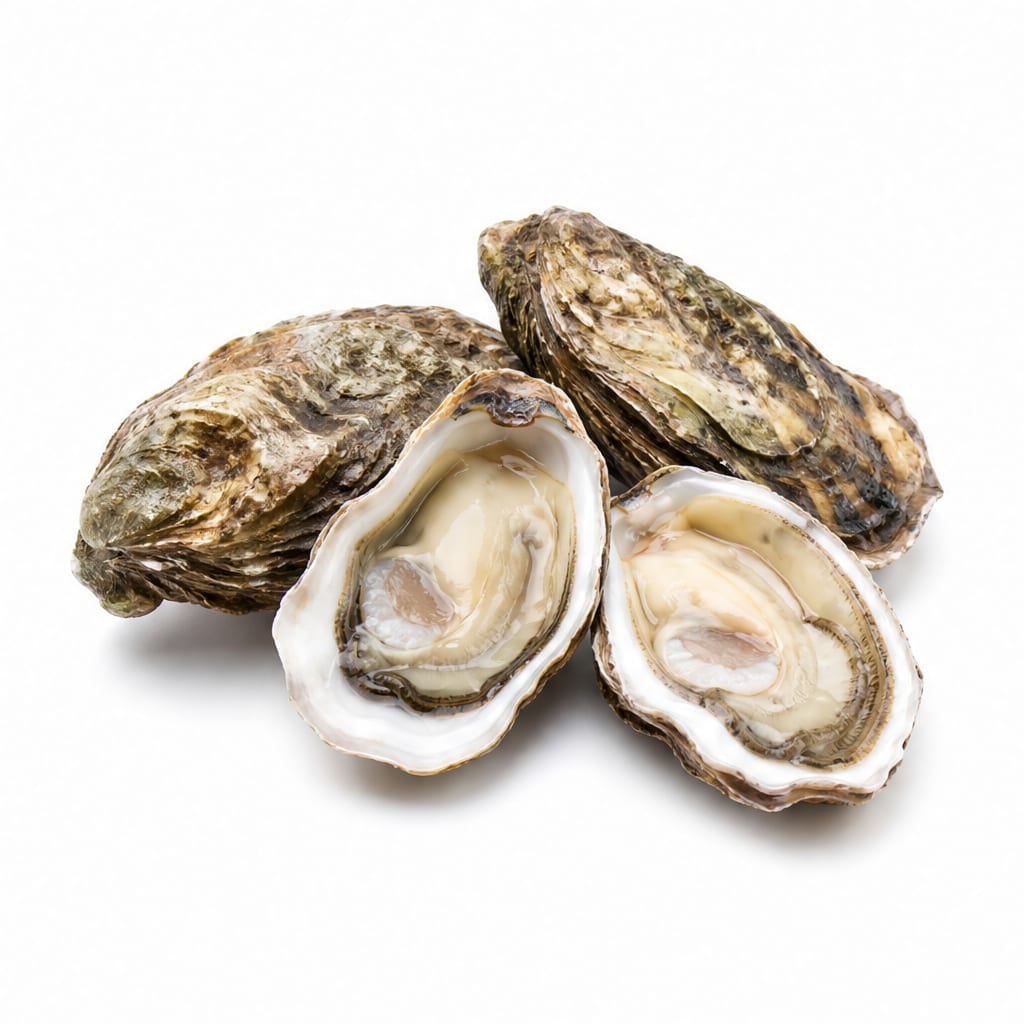
Compare with
Oysters
Abalone is higher in protein and lower in calories than oysters, making it better for satiety and weight loss, while oysters offer more zinc and vitamin B12.
Abalone provides more protein and fewer calories than oysters, making it better for weight loss and muscle gain.
This food
Abalone
VS80% alike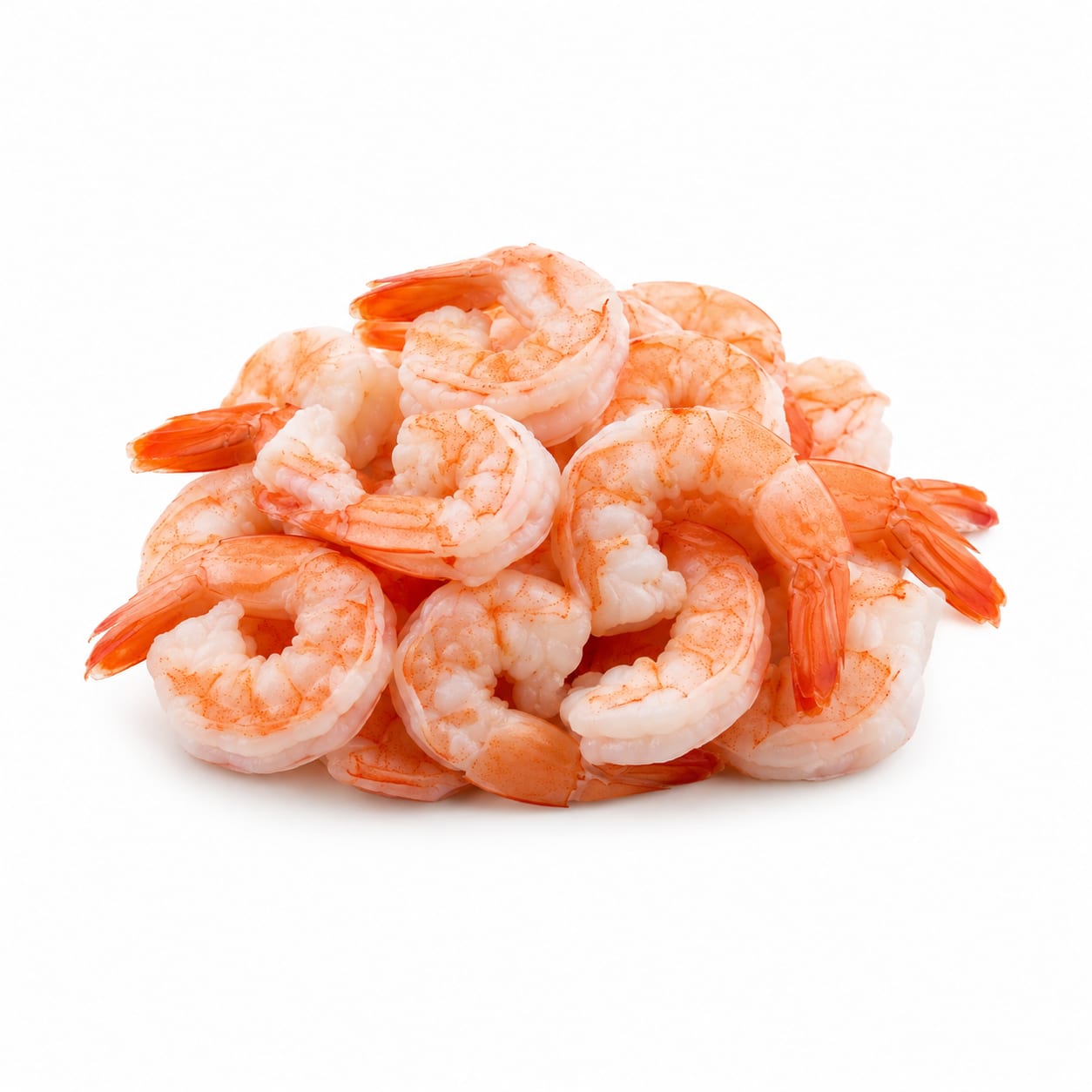
Compare with
Shrimp
Shrimp is lower in carbohydrates and slightly higher in protein than abalone, but both are excellent low-calorie, high-protein seafood choices.
Shrimp is lower in carbs than abalone, but both are top-tier lean proteins for weight loss and fitness.
This food
Abalone
VS75% alike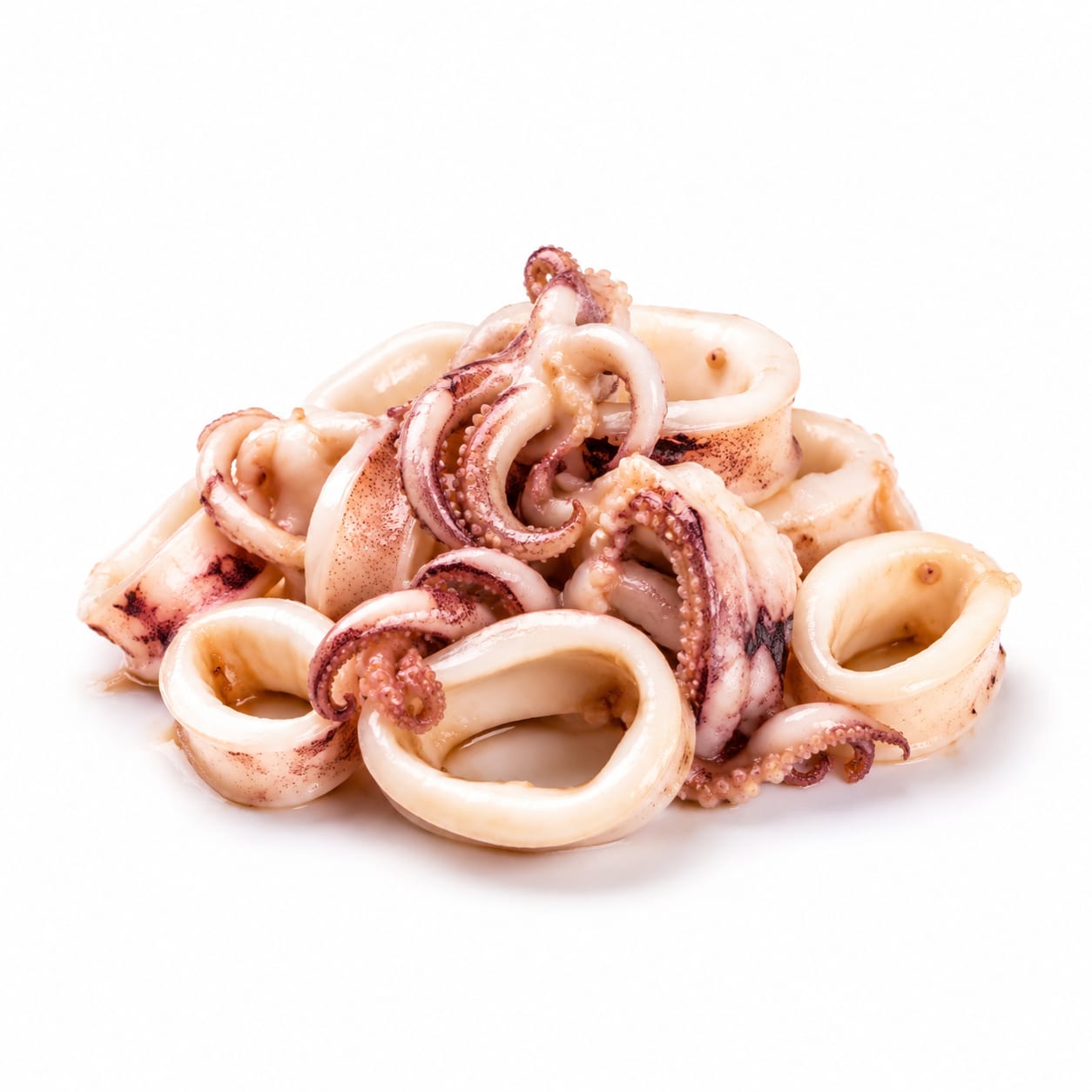
Compare with
Squid
Squid has fewer carbs than abalone, but abalone offers a denser protein profile and higher satiety per serving.
Squid is lower in carbs, while abalone provides slightly more protein and satiety per calorie.
This food
Abalone
VS75% alike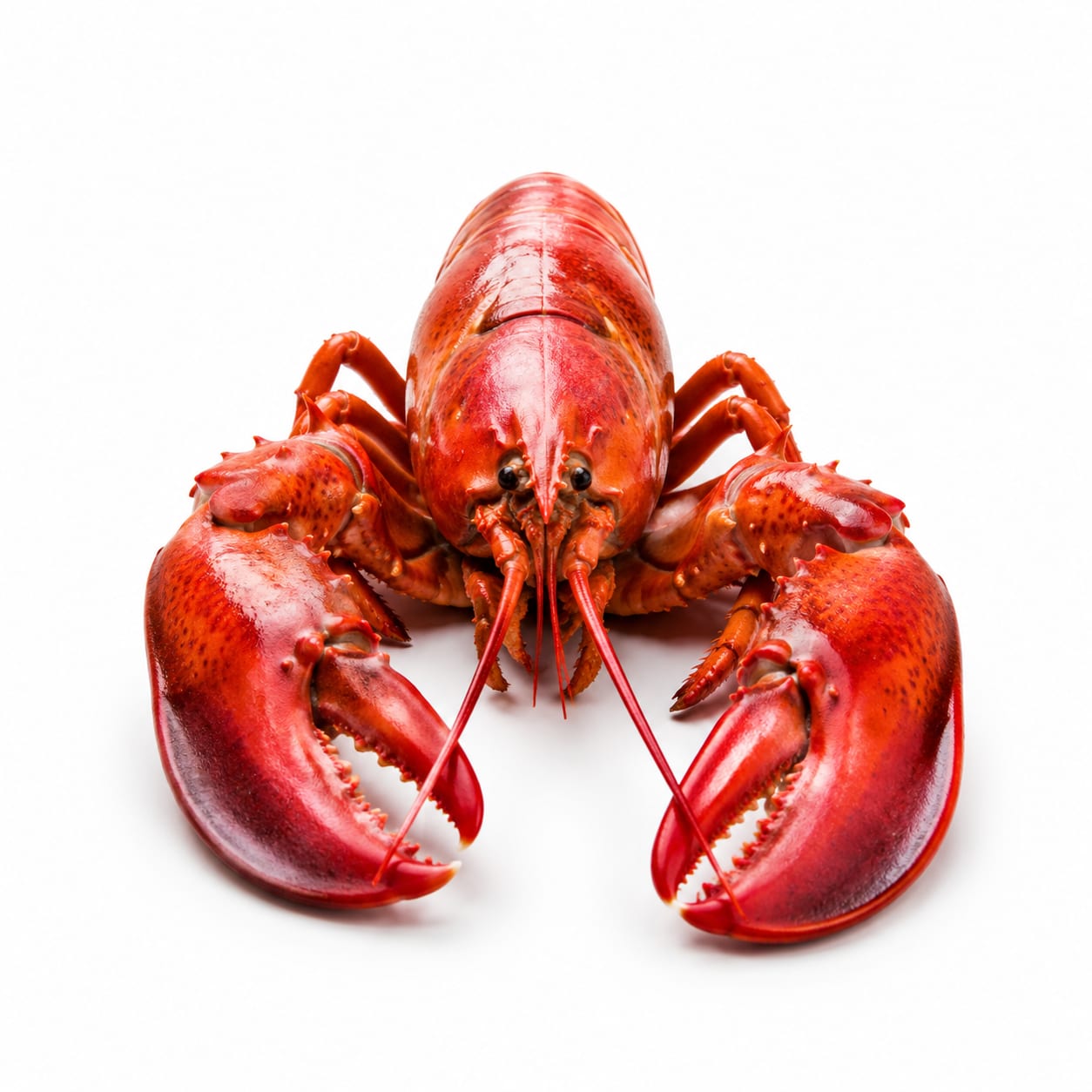
Compare with
Lobster
Abalone provides more protein and fewer calories than lobster, making it a more efficient choice for muscle gain and weight management.
Abalone is lower in calories and higher in protein than lobster, making it the better choice for weight loss and fitness.
This food
Abalone
VS70% alike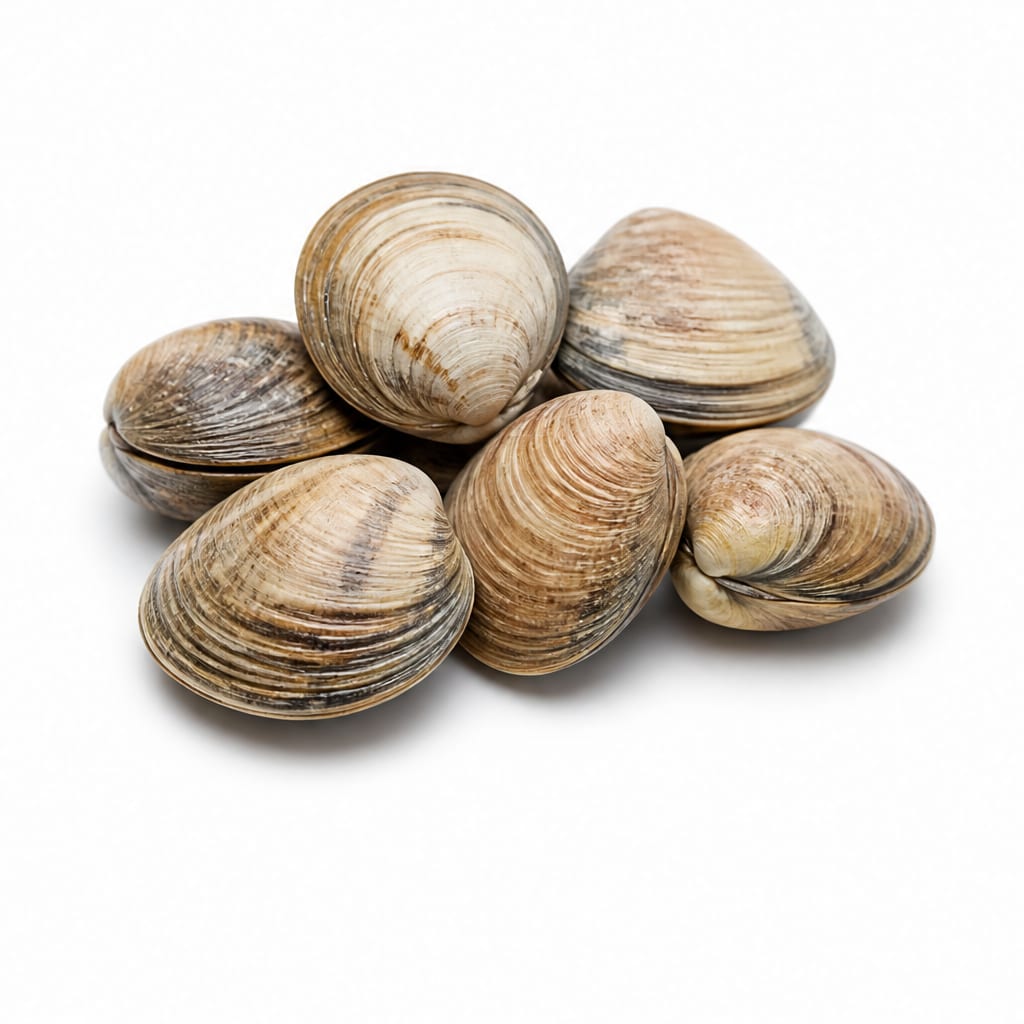
Compare with
Clams
Clams are higher in iron and vitamin B12, but abalone is significantly lower in calories and higher in protein, favoring weight loss and fitness goals.
Abalone beats clams for weight loss and protein content, though clams offer more iron and B12.
This food
Abalone
VS70% alike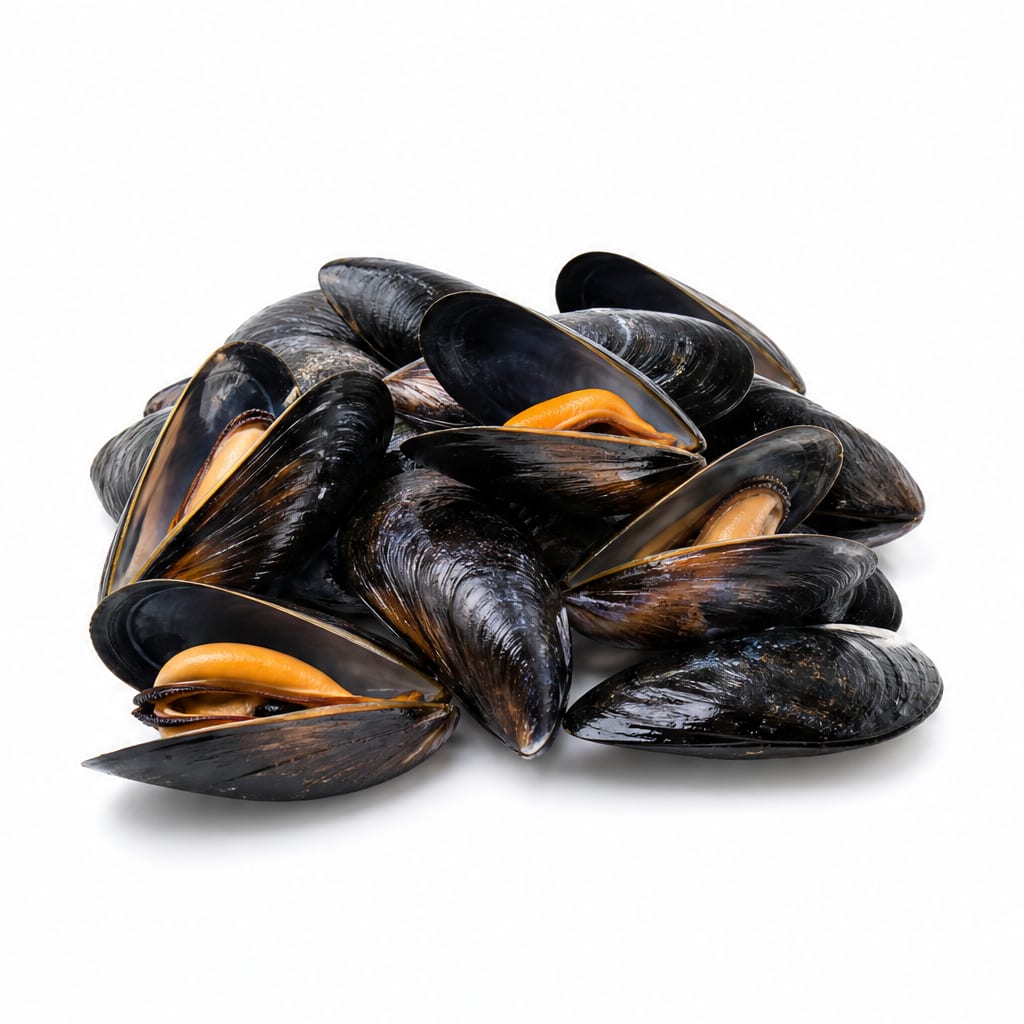
Compare with
Mussels
Mussels are richer in omega-3s, yet abalone is much lower in calories and higher in protein, making it superior for lean muscle diets.
Abalone is lower in calories and higher in protein than mussels, making it better for weight loss, while mussels provide more omega-3s.
This food
Abalone
VS65% alike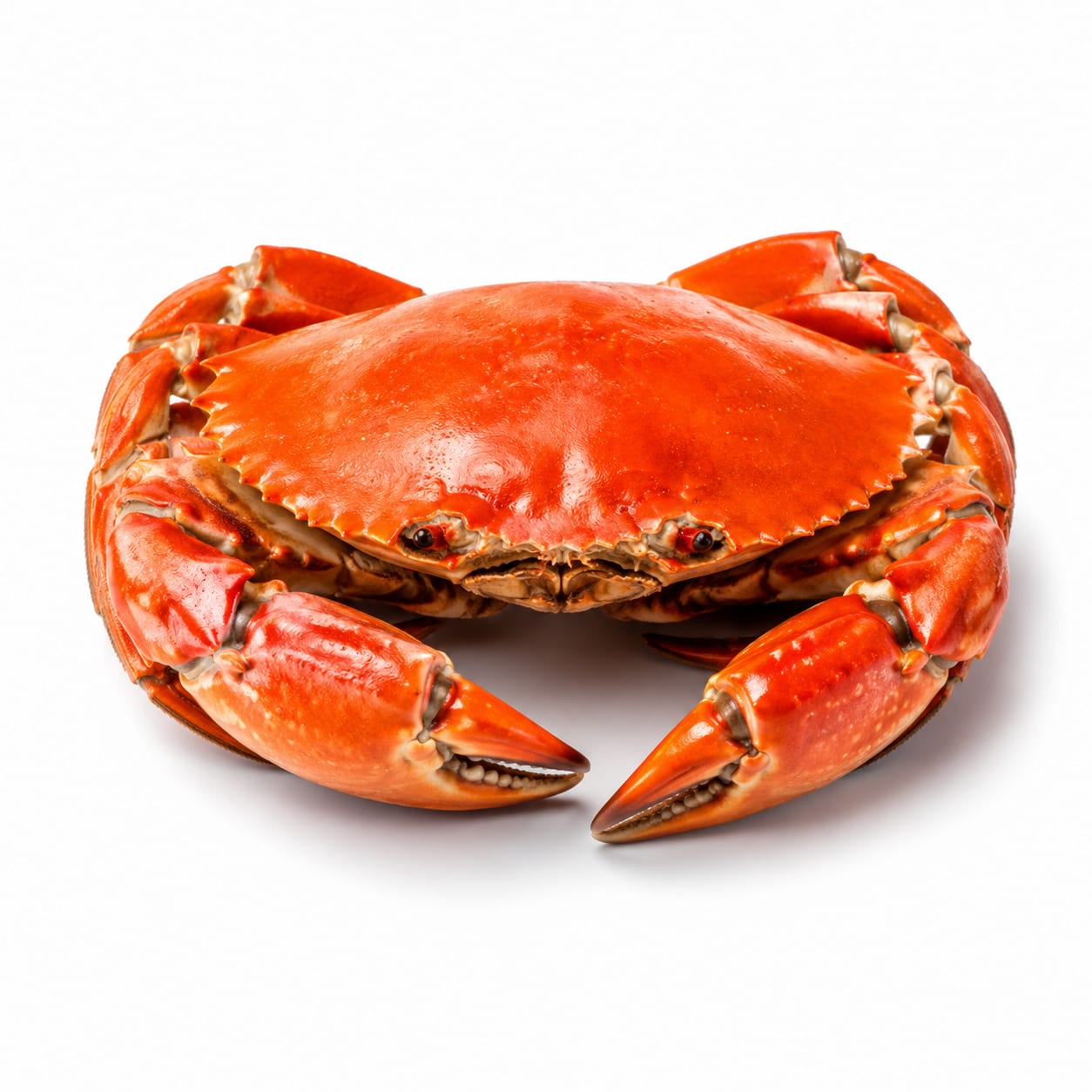
Compare with
Crab
Crab meat is very low in carbs and high in protein, similar to abalone, but abalone provides a slightly denser protein yield per calorie.
Crab is virtually carb-free compared to abalone's slight carb content, but both are excellent lean seafood choices.
This food
Abalone
VS65% alike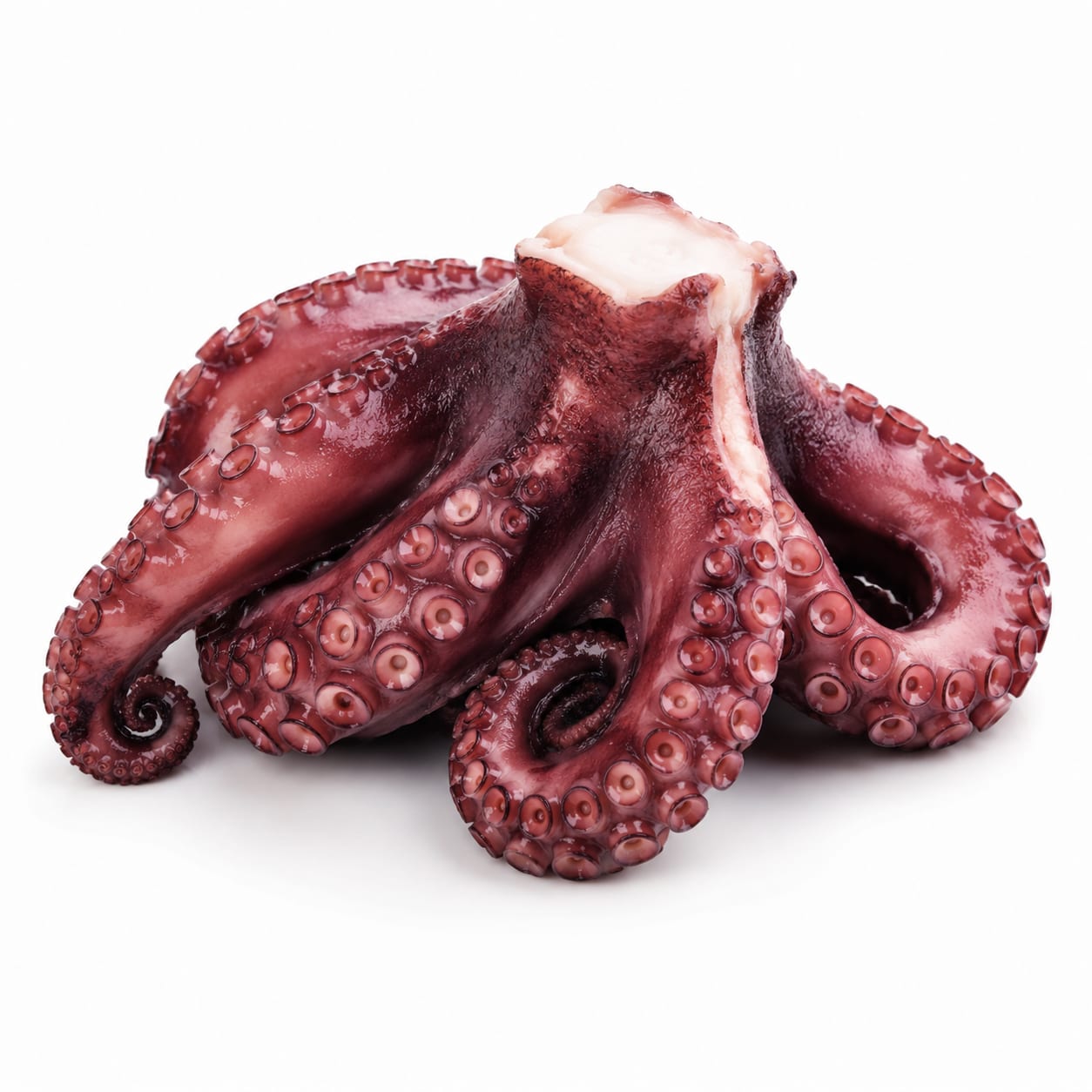
Compare with
Octopus
Octopus is lower in calories and carbs and higher in protein than abalone, making it the winner for strict weight loss and blood sugar control.
Octopus outperforms abalone in protein content and lower carbs, making it slightly better for weight loss and blood sugar control.
This food
Abalone
VS60% alike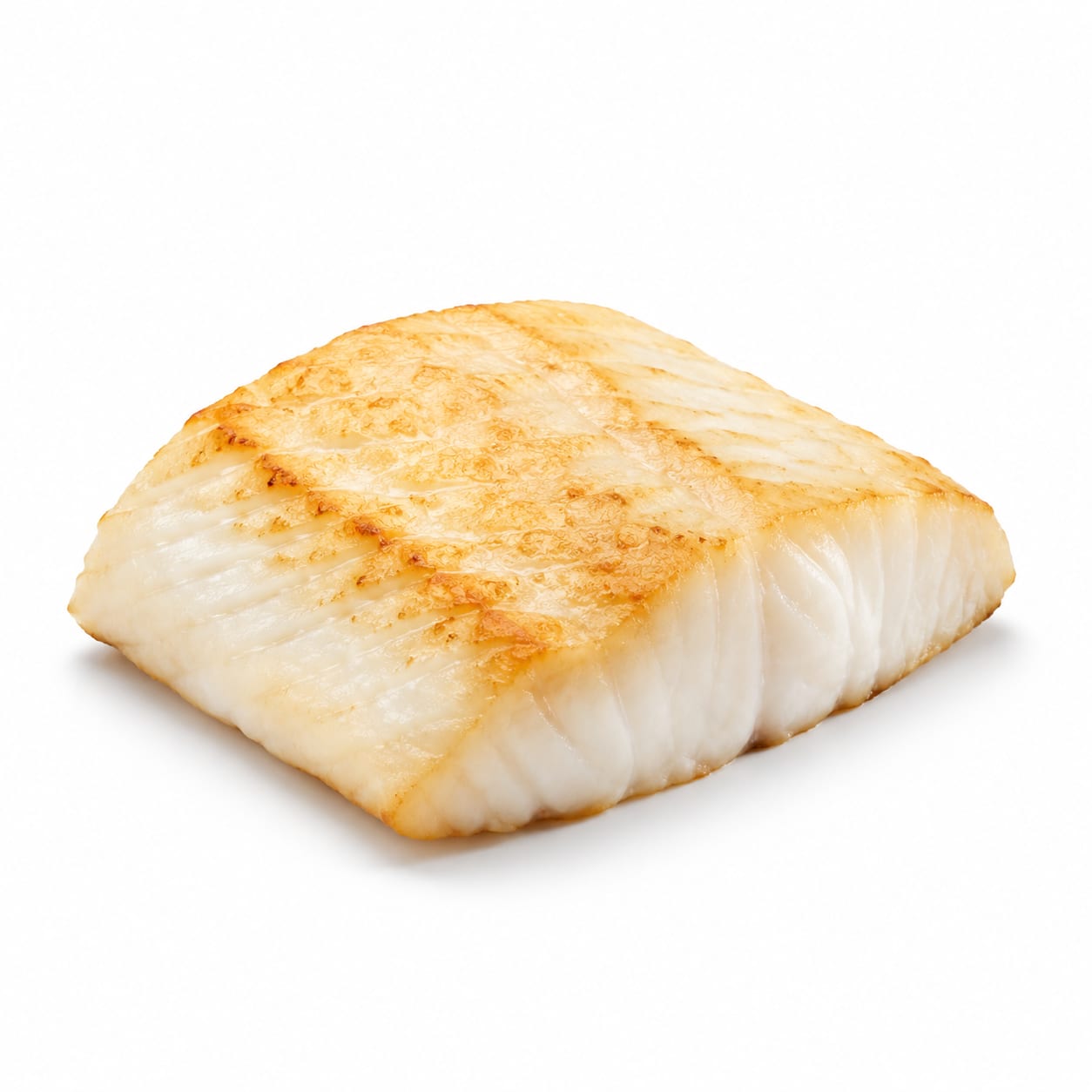
Compare with
Cod
Cod is a lower-calorie, zero-carb white fish, better for blood sugar control, while abalone offers a chewier texture and slightly higher mineral density.
Cod is lower in calories and carbs than abalone, but abalone provides a more substantial, protein-dense bite for satiety.
Common questions
FAQ
Answers aligned with how people search for this food.
Is abalone good for weight loss?
Yes, abalone is excellent for weight loss due to its high protein and low calorie content, which promotes fullness without excess energy intake.
Can diabetics eat abalone?
Yes, abalone has a glycemic index of nearly zero and will not spike blood sugar, making it very safe for diabetics.
Is abalone high in cholesterol?
Abalone contains moderate cholesterol, but its low saturated fat content means it does not negatively impact heart health for most people.
Does abalone have carbohydrates?
Yes, unlike most shellfish, abalone contains glycogen, providing about 6g of carbohydrates per 100g serving.
Is abalone a good source of protein?
Yes, abalone provides about 17g of protein per 100g, making it a high-quality, complete protein source.
What are the health risks of eating abalone?
The main risks are marine biotoxins and heavy metal accumulation, which are managed by sourcing from regulated commercial farms or fisheries.
How does abalone compare to scallops?
Abalone is slightly higher in carbohydrates and protein than scallops but similarly low in fat and calories.
Is farmed abalone safe to eat?
Farmed abalone is generally very safe and often carries a lower risk of heavy metal contamination and biotoxins compared to wild-caught abalone.
Transparency
Data confidence
Estimated confidence for nutrition data, interpretation, safety notes, and comparisons.
Nutrition data
Health analysis
Food safety
Comparisons