
Nutrition comparison
Abalone vs Lobster: Nutrition, Taste, and Health Comparison
Comparing Abalone and Lobster? Discover the nutritional differences, health benefits, and culinary tradeoffs between these luxury seafoods to decide which is right for you.
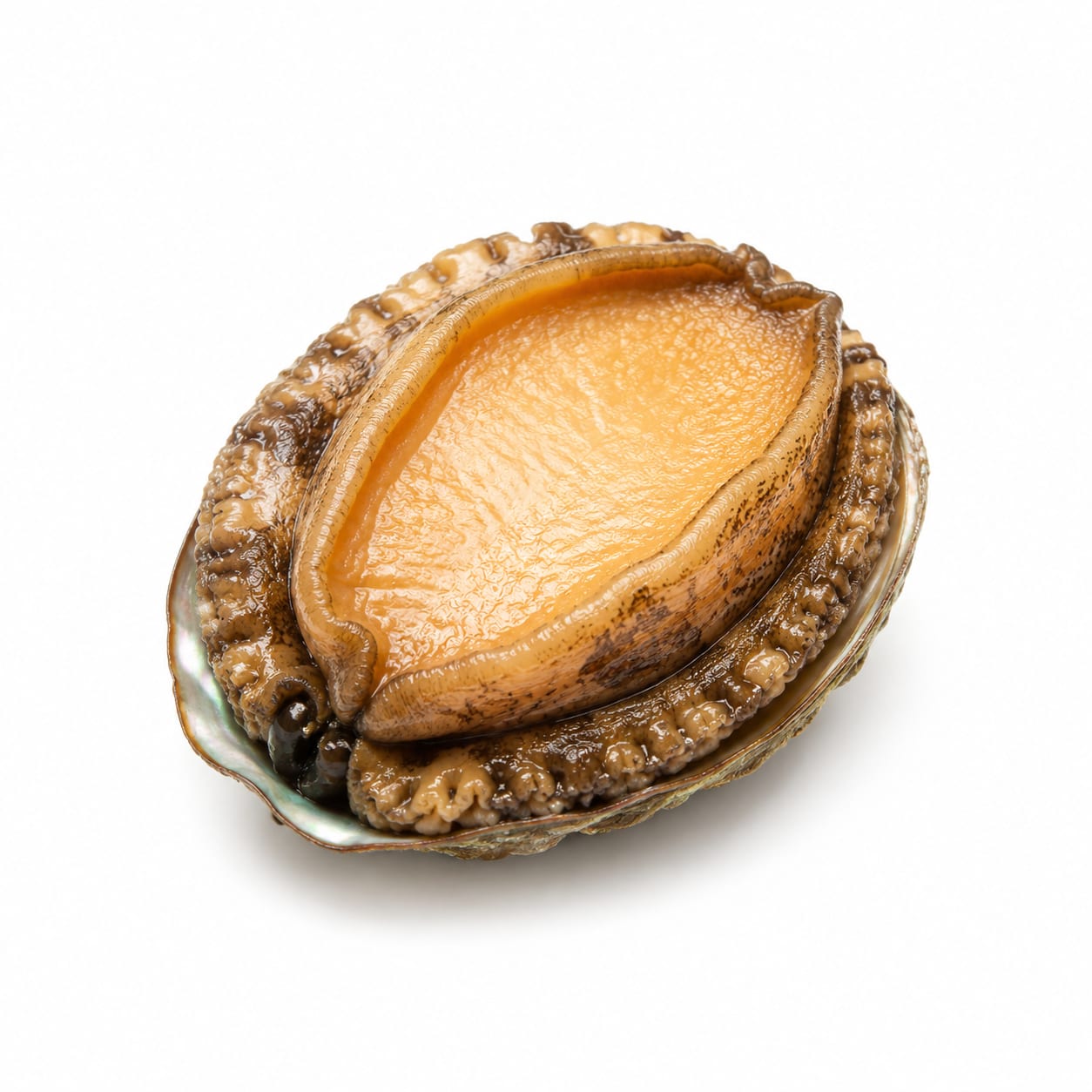
Abalone
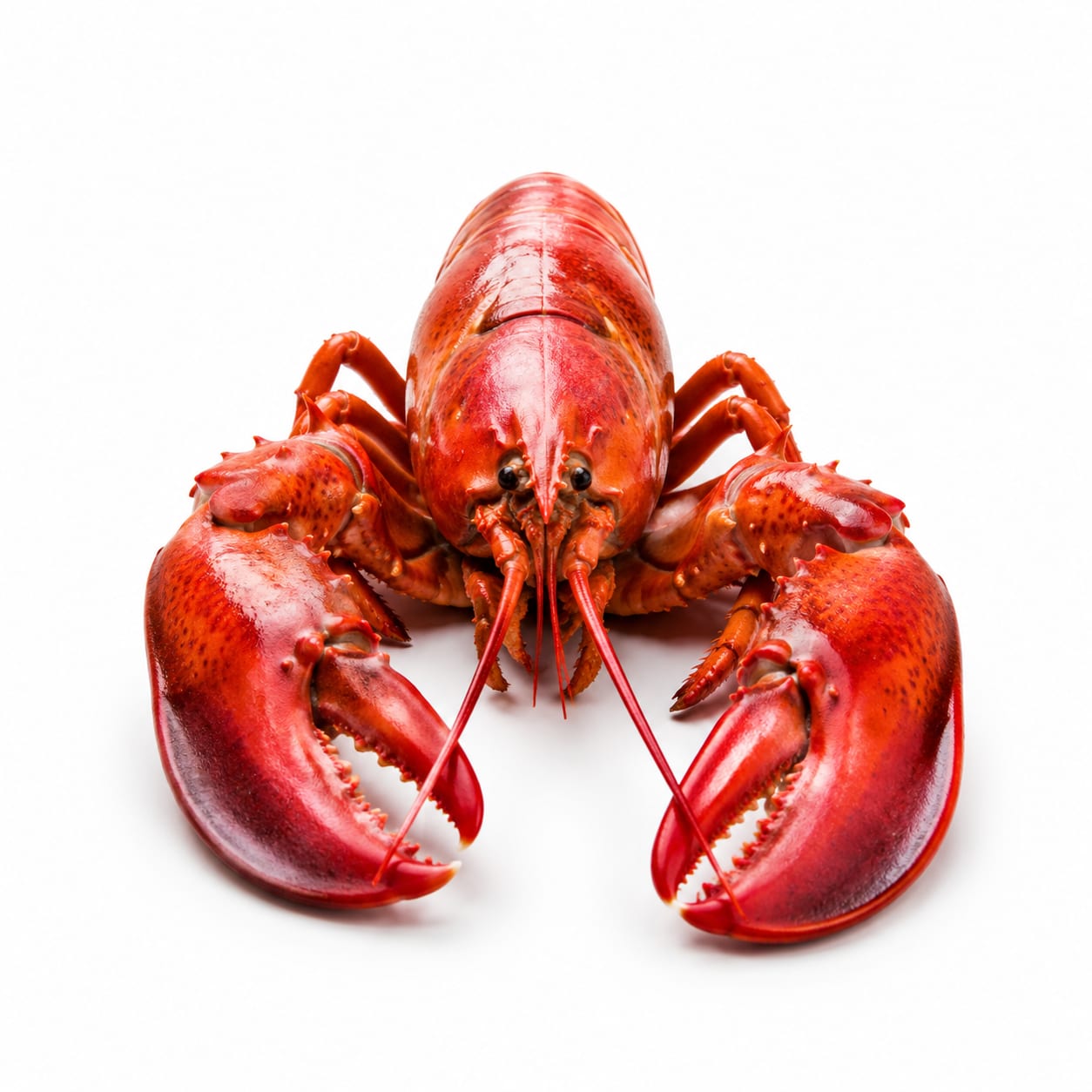
Lobster
Abalone wins on micronutrients and lower cholesterol, while Lobster dominates in protein content and everyday practicality.
Abalone scores slightly higher due to its exceptional micronutrient profile and low cholesterol, but Lobster remains close because of its high protein and better accessibility.
You trade the higher iron, magnesium, and heart-friendly profile of Abalone for the superior protein, availability, and easier preparation of Lobster.
At a glance
Executive summary
Overall
It depends
Healthier
Abalone
More practical
Lobster
Daily use
Lobster
Key comparison lenses
Micronutrient density and heart health
Abalone provides significantly more iron and magnesium with far less cholesterol than Lobster, making it a strong choice for cardiovascular and blood health.
Protein quantity and satiety
Lobster delivers a much higher protein punch per serving, which matters for muscle maintenance and staying full longer.
Culinary accessibility and cost
Lobster is far easier to source, prepare, and afford than Abalone, which requires specialized tenderizing and carries a luxury price tag.
Sustainability and sourcing
Wild Abalone faces overfishing concerns, while Lobster fisheries are generally well-managed, though farmed Abalone offers a sustainable alternative.
Best choice for
Abalone
- Boosting iron levels and preventing anemia
- Keeping cholesterol intake low
- Adding magnesium for muscle and nerve function
Lobster
- Maximizing protein for muscle repair and growth
- Enjoying a filling, low-fat meal
- Special occasion dining with easier prep
Least suitable for
Abalone
- Tight grocery budgets
- Quick weeknight dinners
- Those who lack confidence in tenderizing seafood
Lobster
- Strict low-cholesterol diets
- Those monitoring sodium closely
- People avoiding high-purine foods
Deep comparison
Dimension by dimension
Each lens scores both foods and breaks down who each option suits.
- Dimension 1 · Priority 90Abalone
Micronutrient Density
Abalone · 92Lobster · 65Abalone is a nutritional powerhouse, offering vastly more iron, magnesium, and vitamin B5 per serving compared to Lobster.
Tradeoff
You get far more blood-building iron and relaxing magnesium with Abalone, but you miss out on the sheer protein volume Lobster offers.
Why it matters
Iron is crucial for energy and preventing fatigue, while magnesium supports muscle recovery and sleep quality.
Real-world impact
Choosing Abalone can help fight afternoon energy slumps and support better sleep, whereas Lobster primarily helps you feel physically full and rebuilt after exertion.
Abalone
- Combating iron-deficiency fatigue
- Supporting nerve and muscle relaxation
- Boosting daily energy without stimulants
Better for
- Those who primarily want a massive protein hit
Worse for
Lobster
- Basic selenium and B12 intake
Better for
- Anyone needing a significant dietary iron boost
Worse for
- Dimension 2 · Priority 85Lobster
Protein & Satiety
Abalone · 60Lobster · 95Lobster provides nearly double the protein of Abalone, making it far more effective for staying full and supporting muscle.
Tradeoff
Lobster fills you up and repairs muscle much better, but Abalone keeps your cholesterol intake significantly lower.
Why it matters
Higher protein means steadier blood sugar, fewer cravings later, and better preservation of lean muscle mass.
Real-world impact
A Lobster dinner will keep you satisfied well into the next morning, while an Abalone appetizer might leave you looking for a snack sooner.
Abalone
- Lighter appetizers where you don't want to feel stuffed
Better for
- Athletes needing high protein intake
Worse for
Lobster
- Post-workout recovery meals
- Staying full for hours on fewer calories
- Maintaining muscle during weight loss
Better for
- Those who eat very large portions and end up uncomfortably full
Worse for
- Dimension 3 · Priority 80Abalone
Cholesterol & Heart Health
Abalone · 90Lobster · 55Abalone is remarkably low in cholesterol, whereas Lobster is quite high, which can be a concern for heart health.
Tradeoff
Abalone is much gentler on your lipid profile, but Lobster's higher cholesterol comes paired with its impressive protein content.
Why it matters
Managing dietary cholesterol is important for those with hypercholesterolemia or a family history of heart disease.
Real-world impact
If you are watching your heart health, Abalone lets you enjoy luxury seafood without the cholesterol guilt, while Lobster requires more mindful portioning.
Abalone
- Heart-healthy luxury dining
- Those with genetically high cholesterol
Better for
- No significant downside here
Worse for
Lobster
- Active individuals who process cholesterol efficiently
Better for
- People on strict heart-healthy diets
- Those who eat seafood frequently and need to watch cholesterol
Worse for
- Dimension 4 · Priority 75Lobster
Culinary Practicality & Cost
Abalone · 40Lobster · 70Lobster is widely available and relatively straightforward to cook, while Abalone is rare, expensive, and requires careful tenderizing.
Tradeoff
Lobster is easier to find and cook for a special dinner, but Abalone offers a unique, delicate flavor if you are willing to master the prep.
Why it matters
Even the healthiest food is useless if it is too difficult or expensive to bring to your table.
Real-world impact
You can easily pick up Lobster at most seafood counters, but sourcing and prepping Abalone often requires a specialty fishmonger and a meat mallet.
Abalone
- Impressing foodies with a rare delicacy
Better for
- Spontaneous weeknight cooking
- Budget-conscious households
Worse for
Lobster
- Celebratory dinners without the culinary stress
- Easier sourcing at regular grocery stores
Better for
- Those seeking a completely unique, buttery ocean flavor
Worse for
Timeline
Health impact over time
Short-term
Hours to days
Abalone
- Provides a light, energizing meal without feeling heavy
- Delivers quick iron and B-vitamins for mental clarity
Lobster
- Highly satisfying and filling due to dense protein
- Can cause slight sluggishness if eaten in large quantities due to rich flesh
Long-term
Months to years
Abalone
- Supports healthy blood iron levels and prevents anemia
- Low cholesterol intake supports cardiovascular health over time
Lobster
- Excellent for preserving lean muscle mass as you age
- Frequent consumption may impact cholesterol levels if not balanced with other foods
Risk profile
Safety & processing
Both Abalone and Lobster are whole, natural seafoods typically sold fresh, frozen, or live, with virtually no artificial additives when purchased in their whole form.
Abalone
Biotoxins from red tide
mediumAs filter feeders, wild Abalone can accumulate paralytic shellfish toxins during harmful algal blooms, making sourcing from safe waters critical.
Overharvesting and habitat damage
highWild Abalone populations are severely depleted in many regions, raising sustainability and legality concerns if not carefully verified.
Lobster
Toxins in the tomalley
mediumThe green liver and pancreas of Lobster (tomalley) can concentrate heavy metals and environmental toxins, and is best avoided.
High sodium and purines
lowNaturally high in sodium and purines, which can be an issue for those with hypertension or gout if consumed excessively.
Who wins for whom
Audience fit
Same foods, different winners depending on your goal.
children
LobsterLobster is sweeter, easier to chew, and provides the high protein growing bodies need, making it more kid-friendly.
daily consumption
LobsterNeither is a typical daily food, but Lobster is more accessible, affordable, and easier to incorporate into regular meal prep if desired.
diabetes
AbaloneAbalone has zero carbs and a lower cholesterol load, making it a slightly cleaner choice for cardiovascular management often needed alongside diabetes.
elderly
AbaloneAbalone is lower in cholesterol and rich in iron and B12, which are critical for preventing anemia and maintaining heart health in older adults.
muscle gain
LobsterWith nearly double the protein per serving, Lobster is far superior for muscle repair and growth.
weight loss
LobsterLobster's high protein content keeps you full longer on very few calories, making it easier to stick to a calorie deficit.
Your move
Decision guide
Choose Abalone
- You want a low-cholesterol, iron-rich delicacy
- You are an adventurous cook willing to tenderize and prep properly
- You are focused on boosting blood health and magnesium intake
Choose Lobster
- You want maximum protein for muscle or satiety
- You need a show-stopping dinner that is relatively easy to prepare
- You are watching your budget but still want a luxury seafood experience
Either works if
- You want a zero-carb, high-quality whole food protein source
- You are celebrating a special occasion with seafood
- You are looking for natural B12 and selenium
Avoid both if
- You have a severe shellfish allergy
- You are on a strict low-sodium diet
- You have gout and are sensitive to purines
Final recommendation
Choose Abalone when your priority is nutrient density and heart health, and you are willing to invest in a rare culinary experience. Opt for Lobster when you need satisfying protein, easier preparation, and a more accessible luxury meal.
Practical
Consumer tips
- 1
Always pound Abalone thinly before cooking to ensure it is tender rather than rubbery.
- 2
Skip the green tomalley in Lobster to avoid concentrated environmental toxins.
- 3
Look for sustainably farmed Abalone to avoid the ecological damage associated with wild harvesting.
- 4
Buy Lobster live or freshly frozen for the best texture and flavor, avoiding pre-cooked options that can turn mushy.