
Nutrition comparison
Abalone vs Clams: Nutrition, Taste, and Value Compared
Comparing abalone and clams? Discover the nutritional differences, sustainability impacts, and which shellfish offers better value and health benefits.
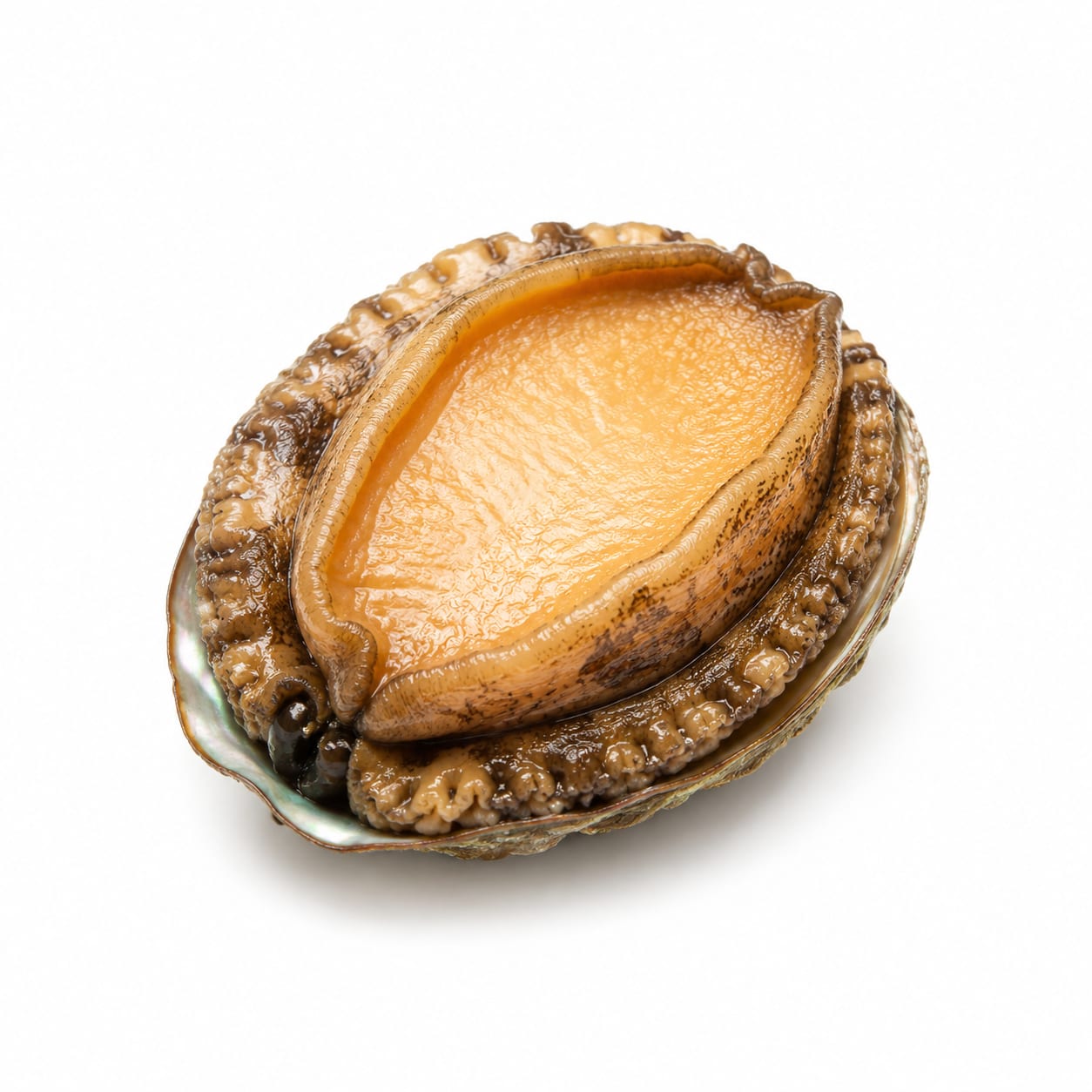
Abalone
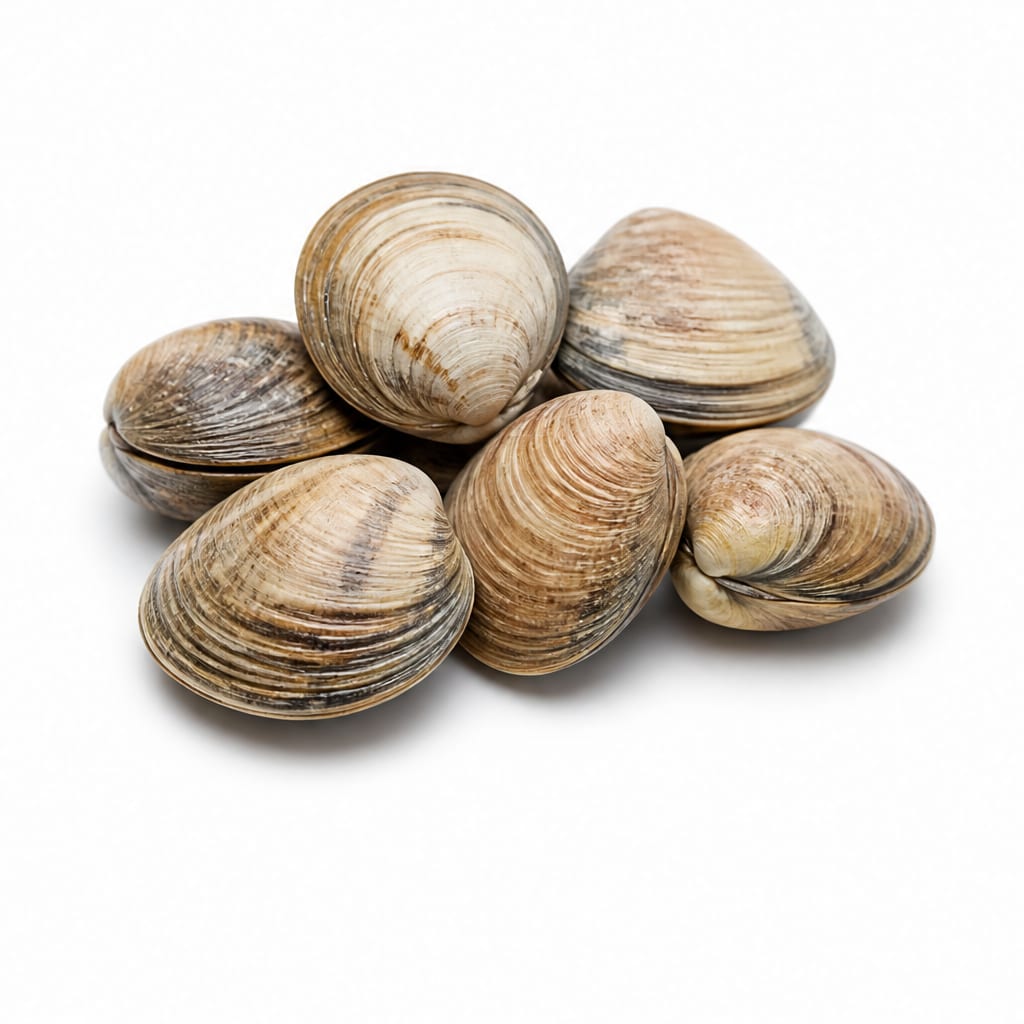
Clams
Clams win for everyday nutrition, affordability, and sustainability, while abalone is a luxury choice for special occasions.
Clams score higher due to superior micronutrient density, affordability, and sustainability. Abalone remains a respected but niche luxury food.
You trade the exceptional iron and B12 content and low cost of clams for the unique, meaty texture and prestige of abalone.
At a glance
Executive summary
Overall
It depends
Healthier
Clams
More practical
Clams
Daily use
Clams
Key comparison lenses
Nutrient density comparison, specifically iron and B12
Clams are famously rich in iron and B12, while abalone offers different nutritional benefits, making micronutrient density a key differentiator.
Cost and everyday practicality
Abalone is a luxury item with a steep price tag, whereas clams are an affordable everyday protein, heavily influencing real-world choices.
Sustainability and environmental impact
Wild abalone populations have faced severe overfishing, while clams are often farmed sustainably, making eco-impact a major concern.
Culinary use and texture expectations
Abalone has a unique steak-like texture requiring careful preparation, while clams are quick-cooking and versatile.
Best choice for
Abalone
- Special occasion dining
- High-end culinary experiences
- Those wanting a steak-like seafood texture
Clams
- Budget-friendly meal prep
- Boosting iron and B12 levels
- Quick weeknight dinners
Least suitable for
Abalone
- Budget-conscious shoppers
- Frequent everyday cooking
Clams
- High-end dinner parties requiring luxury ingredients
- Those who dislike strong oceanic flavors
Deep comparison
Dimension by dimension
Each lens scores both foods and breaks down who each option suits.
- Dimension 1 · Priority 95Clams
Micronutrient Density (Iron & B12)
Abalone · 65Clams · 98Clams are an absolute powerhouse of Vitamin B12 and iron, far surpassing abalone.
Tradeoff
Abalone provides good selenium and iodine, but cannot compete with the blood-building iron and nerve-supporting B12 found in clams.
Why it matters
A single serving of clams can provide days worth of B12 and iron, making it incredibly efficient for preventing anemia and fatigue.
Real-world impact
Eating clams can noticeably boost your energy levels if you are running low on iron, whereas abalone acts more like a lean, standard protein.
Abalone
- Maintaining selenium intake
Better for
- Correcting an iron deficit
Worse for
Clams
- Preventing iron-deficiency anemia
- Supporting nerve health with B12
Better for
- Dimension 2 · Priority 90Clams
Sustainability & Environmental Impact
Abalone · 45Clams · 90Clams are among the most sustainable seafoods available, while abalone has a history of overfishing and habitat destruction.
Tradeoff
Farmed abalone is improving in sustainability, but it still requires more resources than farmed clams, which actually filter and clean the water they grow in.
Why it matters
Choosing sustainable seafood ensures future availability and protects ocean ecosystems.
Real-world impact
You can eat clams guilt-free multiple times a week, knowing their farming often benefits the local water quality.
Abalone
- Protecting wild ocean habitats
Worse for
Clams
- Eco-conscious consumers
- Frequent seafood eaters
Better for
- Dimension 3 · Priority 85Clams
Affordability & Accessibility
Abalone · 15Clams · 90Clams are cheap and widely available at any grocery store, while abalone is a costly luxury item often reserved for specialty markets.
Tradeoff
You pay a premium for the rarity and prestige of abalone, but get far more nutritional bang for your buck with clams.
Why it matters
A healthy diet needs to be financially sustainable long-term.
Real-world impact
Clams can be a weekly staple without breaking the bank; abalone is typically a rare splurge.
Abalone
- Creating a memorable, high-end dining experience
Better for
- Frequent home cooking
Worse for
Clams
- Sticking to a grocery budget
- Easy access for weeknight meals
Better for
- Dimension 4 · Priority 75It depends
Protein Quality & Satiety
Abalone · 85Clams · 82Both offer excellent lean protein, though abalone is slightly denser in protein per calorie.
Tradeoff
Abalone provides a meatier, more chewing-resistant bite that feels more filling physically, while clams offer a lighter, tender chew.
Why it matters
Protein density and the physical act of chewing both contribute to feeling satisfied after a meal.
Real-world impact
Abalone feels closer to a steak in your stomach, while clams feel lighter, making clams better for pasta dishes and soups.
Abalone
- Those wanting a heavy, steak-like satisfaction
Better for
Clams
- Lighter meals that don't leave you sluggish
Better for
Timeline
Health impact over time
Short-term
Hours to days
Abalone
- Provides high-quality protein for muscle repair
- Offers a dense, satisfying chew that curbs hunger
Clams
- Delivers a rapid dose of energy-fighting iron and B12
- Light on the stomach and easy to digest when cooked properly
Long-term
Months to years
Abalone
- Supports thyroid function through iodine content
- Maintains lean muscle mass with regular consumption
Clams
- Significantly reduces the risk of anemia and fatigue
- Supports long-term cognitive health through high B12 intake
Risk profile
Safety & processing
Both abalone and clams are whole, natural foods typically sold fresh, frozen, or canned without artificial additives.
Abalone
Heavy metal accumulation
mediumAs bottom-dwellers with long lifespans, wild abalone can accumulate heavy metals like cadmium depending on water quality.
Mislabeling and fraud
mediumDue to high value, cheaper seafood is sometimes sold as abalone, particularly in canned or processed forms.
Clams
Red tide biotoxins
highClams filter large volumes of water and can accumulate dangerous paralytic shellfish toxins during algae blooms if harvested illegally.
Sand and bacteria
lowClams can harbor sand and naturally occurring bacteria, requiring thorough purging and proper cooking to avoid gastrointestinal issues.
Who wins for whom
Audience fit
Same foods, different winners depending on your goal.
children
ClamsClams are easier to chew and provide crucial iron and B12 for growing bodies, whereas abalone is too tough and expensive for kids.
daily consumption
ClamsClams are affordable, sustainable, and nutrient-dense enough to be eaten regularly, while abalone is too costly and environmentally taxing for daily use.
diabetes
ClamsClams have virtually zero carbs and are rich in minerals that support metabolic health, making them slightly more advantageous.
elderly
ClamsThe high B12 in clams supports nerve health and cognitive function in aging adults, and they are much easier to chew than abalone.
muscle gain
It dependsBoth are excellent lean proteins, but abalone offers slightly more protein per gram, while clams are easier to eat in large quantities.
weight loss
ClamsClams are extremely low in calories and high in protein, making them a highly efficient food for fat loss diets.
Your move
Decision guide
Choose Abalone
- You are celebrating a special occasion and want a luxury ingredient
- You crave a dense, steak-like seafood texture
- You are eating at a high-end restaurant and want to treat yourself
Choose Clams
- You want maximum nutritional value for your money
- You need a quick-cooking protein for pasta or stew
- You are focused on sustainable seafood choices
- You want to boost your iron and B12 levels
Either works if
- You simply want a low-calorie, high-protein seafood meal
- You are making a seafood chowder and want a premium mix
Avoid both if
- You have a shellfish allergy
- You are following a strict low-sodium diet, as both can be high in sodium depending on preparation
Final recommendation
Make clams your everyday shellfish for their unbeatable nutrition, low cost, and eco-friendly profile. Save abalone for rare, special occasions where luxury and unique texture are the priority.
Practical
Consumer tips
- 1
Soak clams in cold salted water for 20 minutes before cooking to encourage them to purge sand.
- 2
Pound abalone gently with a meat mallet before cooking to break down the tough muscle fibers and prevent it from turning rubbery.
- 3
Always buy clams from reputable sources and check for closed shells before cooking to ensure safety from biotoxins.
- 4
If buying canned abalone, check the origin and ingredients to ensure you are getting a quality product without excessive sodium.