
Nutrition comparison
Abalone vs Scallops: Nutrition, Taste, and Health Comparison
Compare Abalone vs Scallops to see which shellfish is healthier. Learn the differences in protein, iron, sodium, and cooking practicality.
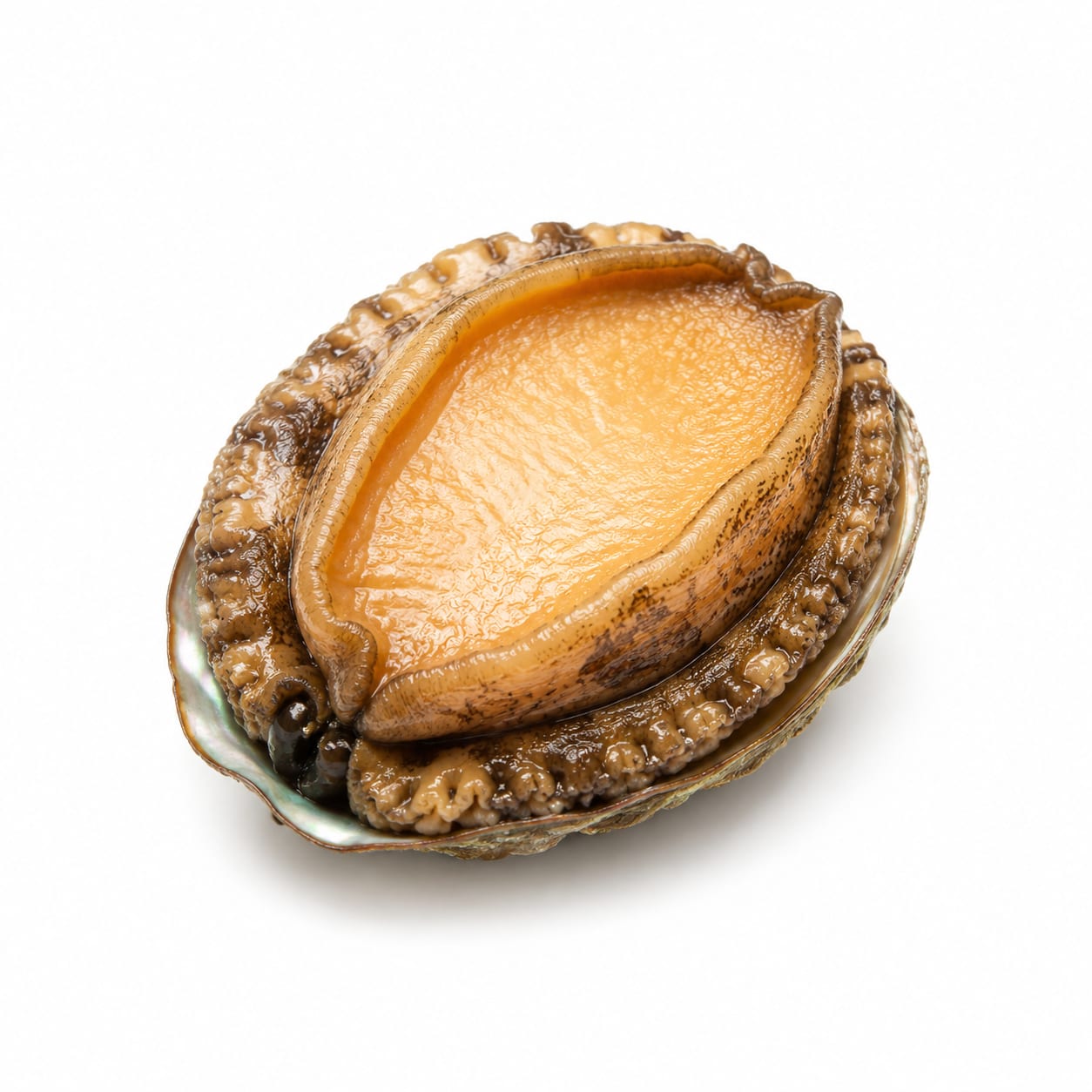
Abalone
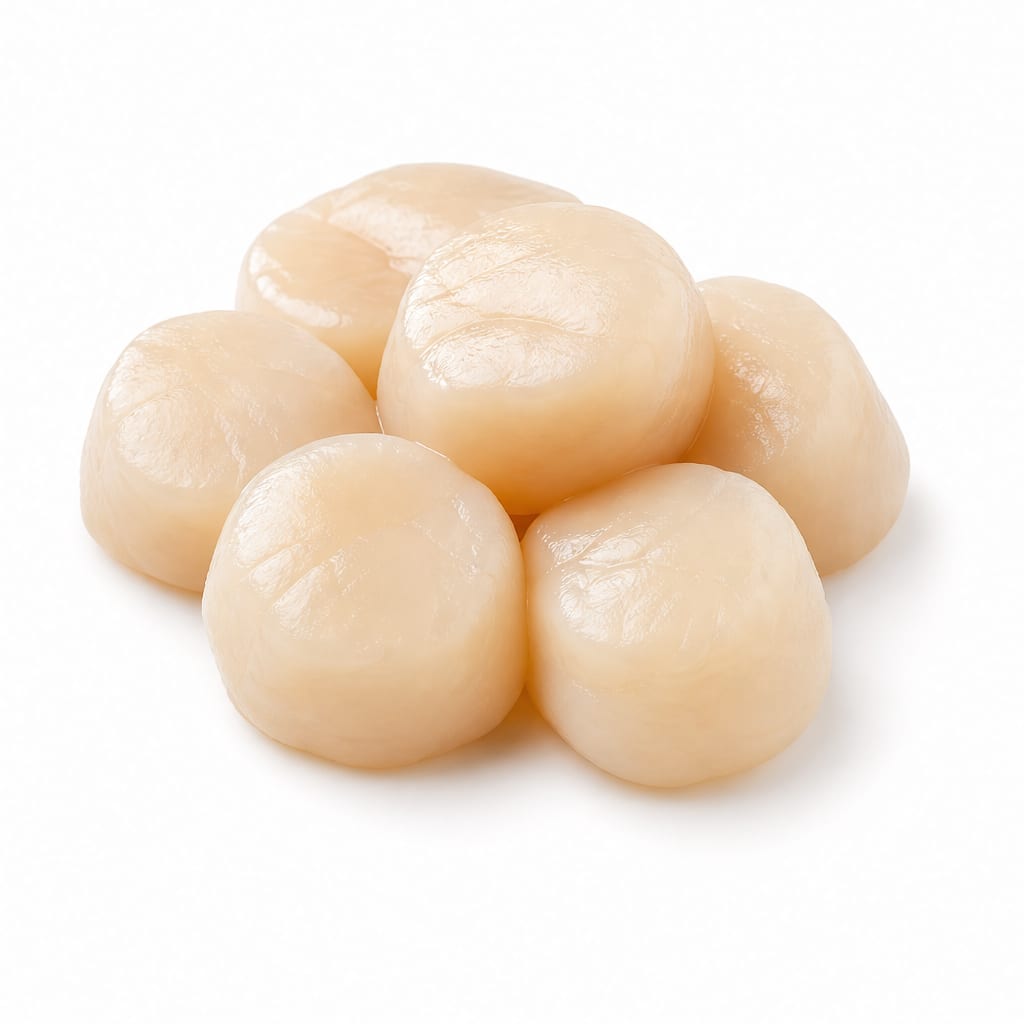
Scallops
Scallops are the practical, protein-packed everyday choice, while Abalone offers a unique iron and magnesium boost at a luxury price.
Scallops score higher due to practicality, availability, and a superior protein-to-calorie ratio, though Abalone is nutritionally dense and culturally valued.
Accessibility, ease of cooking, and protein value versus rare micronutrient density and culinary prestige.
At a glance
Executive summary
Overall
It depends
Healthier
It depends
More practical
Scallops
Daily use
Scallops
Key comparison lenses
Everyday protein vs luxury dining
Scallops are an accessible premium protein, while Abalone is a rare luxury item with cultural prestige.
Micronutrient density for anemia and fatigue
Abalone offers significantly more iron and magnesium, making it a functional food for specific deficiencies.
Culinary practicality and cooking ease
Scallops cook in minutes, whereas Abalone requires tenderizing and careful preparation to avoid a rubbery texture.
Sodium and additive exposure in preserved forms
Both have hidden risks: canned Abalone is sodium-loaded, and wet Scallops are treated with chemical preservatives.
Best choice for
Abalone
- People needing an iron and magnesium boost
- Special occasion luxury dining
- Traditional Asian restorative recipes
Scallops
- Quick weeknight high-protein dinners
- Low-calorie macro tracking
- Easy pan-searing and meal prep
Least suitable for
Abalone
- Budget-conscious shoppers
- Low-sodium diets if buying canned
- Rushed weeknight meals
Scallops
- Those avoiding STPP additives unless buying dry scallops
- Diners seeking a chewy, substantial texture
Deep comparison
Dimension by dimension
Each lens scores both foods and breaks down who each option suits.
- Dimension 1 · Priority 90Scallops
Protein & Calorie Efficiency
Abalone · 75Scallops · 92Scallops deliver more protein per calorie, making them a leaner muscle-building option.
Tradeoff
Abalone provides slightly more carbohydrates, offering a steadier energy burn but less pure protein density.
Why it matters
For anyone tracking macros or trying to stay full on fewer calories, Scallops are easier to fit into a tight budget.
Real-world impact
You feel satisfied on fewer calories after a Scallops dinner, making weight management easier.
Abalone
- Those wanting a slightly more balanced macro profile with a few more carbs
Better for
- Strict high-protein, low-carb dieters
Worse for
Scallops
- Bodybuilders and athletes needing pure lean protein
- People counting calories for weight loss
Better for
- Those who find extremely lean protein unsatisfying
Worse for
- Dimension 2 · Priority 85Abalone
Micronutrient Density
Abalone · 90Scallops · 80Abalone packs significantly more iron and magnesium, along with strong selenium content.
Tradeoff
Scallops have more Vitamin B12 and phosphorus, but Abalone is superior for trace minerals crucial for energy and blood health.
Why it matters
If you struggle with low iron or fatigue, Abalone acts as a targeted functional food.
Real-world impact
Eating Abalone can help combat the afternoon energy crashes linked to low iron much better than Scallops.
Abalone
- Women prone to iron-deficiency anemia
- People with magnesium deficiency or muscle cramps
Better for
- Individuals with hemochromatosis who must limit iron
Worse for
Scallops
- Older adults needing B12 for nerve health
- Those seeking bone-supporting phosphorus
Better for
- Those relying on seafood as their primary iron source
Worse for
- Dimension 3 · Priority 80Scallops
Culinary Practicality & Cooking Ease
Abalone · 40Scallops · 90Scallops cook in minutes and are widely available fresh or frozen; Abalone requires tenderizing and is hard to find fresh.
Tradeoff
Abalone offers a unique chewy texture and premium dining experience, but demands skill and time to prepare right.
Why it matters
A healthy food you can easily cook well is a food you will actually eat consistently.
Real-world impact
Scallops make a 15-minute weeknight dinner possible; Abalone is a weekend project or a restaurant order.
Abalone
- Home cooks wanting to master a challenging luxury ingredient
- Slow-cooked stew preparations
Better for
- Anyone needing a meal in under 30 minutes
Worse for
Scallops
- Busy professionals needing fast meals
- Inexperienced cooks looking for foolproof searing
Better for
- Long braises or stews where the meat might toughen
Worse for
- Dimension 4 · Priority 75Scallops
Value & Accessibility
Abalone · 20Scallops · 80Scallops are a premium but accessible protein; Abalone is one of the most expensive seafoods in the world.
Tradeoff
You pay a massive premium for Abalone's rarity and cultural prestige, not necessarily better overall nutrition.
Why it matters
Consistency in a healthy diet depends on foods you can actually afford to buy regularly.
Real-world impact
You can eat Scallops weekly without breaking the bank; Abalone is a rare celebratory splurge.
Abalone
- Celebratory dinners where cost is no object
- Gifting in cultures where Abalone is a status symbol
Better for
- Students or families on tight food budgets
Worse for
Scallops
- Weekly grocery runs
- Sustainable daily healthy eating habits
Better for
- Those looking to impress with a rare luxury item
Worse for
- Dimension 5 · Priority 70It depends
Sodium & Additive Exposure
Abalone · 55Scallops · 65Fresh versions of both are low in sodium, but their most common market forms carry hidden risks.
Tradeoff
Canned or dried Abalone is loaded with sodium; wet Scallops are treated with chemical preservatives (STPP) to hold water.
Why it matters
Hidden sodium and chemicals can completely undermine the heart-health benefits of lean seafood.
Real-world impact
Eating canned Abalone thinking it is purely healthy can secretly spike your blood pressure.
Abalone
- Those who can source fresh or frozen Abalone without added salt
Better for
- Anyone eating canned or dried Abalone regularly
Worse for
Scallops
- People who buy dry-pack Scallops to avoid chemical additives
Better for
- Those unknowingly buying wet Scallops soaked in STPP
Worse for
Timeline
Health impact over time
Short-term
Hours to days
Abalone
- Provides a dense hit of iron and magnesium for quick energy support
- Can feel heavy or overly filling if eaten in large quantities due to its dense texture
Scallops
- Provides quick-digesting lean protein without feeling weighed down
- Very light on the stomach, ideal before or after exercise
Long-term
Months to years
Abalone
- Supports red blood cell production and oxygen transport due to high iron
- Risk of sodium overload and cardiovascular strain if consuming canned versions regularly
Scallops
- Supports lean muscle maintenance and cardiovascular health with consistent low-fat protein
- Consistent B12 intake supports long-term nerve function and cognitive health
Risk profile
Safety & processing
Fresh Scallops are typically less processed than the average Abalone product, which often undergoes canning or drying with added salt and preservatives. However, wet Scallops are treated with STPP, leveling the additive concern.
Abalone
Shellfish Allergy
highAbalone is a mollusk and can trigger severe allergic reactions in sensitive individuals.
Heavy Metal Accumulation
mediumAs bottom-dwellers, Abalone can accumulate lead and cadmium depending on the water quality of their harvest.
High Sodium in Preserved Forms
mediumCanned and dried Abalone is extremely high in sodium, posing risks for blood pressure management.
Scallops
Shellfish Allergy
highScallops are bivalve mollusks and a common allergen that can cause severe reactions.
STPP Additives
mediumWet Scallops are soaked in sodium tripolyphosphate, which adds artificial sodium and alters the natural texture.
Histamine Toxicity
lowIf not kept consistently cold, Scallops can develop histamine, causing scombroid-like poisoning symptoms.
Who wins for whom
Audience fit
Same foods, different winners depending on your goal.
children
ScallopsScallops have a softer texture and milder flavor that kids tolerate better than the chewy texture of Abalone.
daily consumption
ScallopsScallops are affordable, easy to cook, and widely available for regular, sustainable meals.
diabetes
ScallopsScallops have virtually zero carbs and a lower calorie density, making blood sugar management easier.
elderly
AbaloneAbalone's exceptional iron and magnesium content supports aging blood and bone health, provided it is tenderized well for easier chewing.
muscle gain
ScallopsScallops offer a higher protein content per serving, ideal for post-workout muscle repair.
weight loss
ScallopsScallops are lower in calories and higher in pure protein, making them more satiating per gram.
Your move
Decision guide
Choose Abalone
- You want a special occasion luxury meal with cultural significance
- You need a targeted iron and magnesium boost for fatigue or anemia
- You are cooking traditional Asian restorative recipes
Choose Scallops
- You want a quick, high-protein weeknight dinner
- You are tracking calories and macros closely
- You want a lean, easily digestible protein that cooks in minutes
Either works if
- You need high-quality seafood protein for a low-carb diet
- You are not allergic to shellfish and want a nutrient-dense meal
- You want a break from standard chicken or beef
Avoid both if
- You have a known shellfish or mollusk allergy
- You are on a strict low-sodium diet and only have access to canned Abalone or wet Scallops
Final recommendation
Make Scallops your go-to for everyday lean protein and quick meals. Save Abalone for when you want a luxurious, iron-rich treat or a cultural delicacy, but always check the sodium label if buying it canned.
Practical
Consumer tips
- 1
Always ask for 'dry' Scallops at the fish counter to avoid STPP chemicals and excess water weight.
- 2
If buying canned Abalone, check the sodium label carefully—some brands pack over 1000mg per serving.
- 3
Tenderize fresh Abalone with a mallet or slice it thinly before cooking to avoid a rubbery texture.
- 4
Sear Scallops in a very hot pan with a little oil for a perfect golden crust in just 2 minutes per side.
- 5
Pair either shellfish with a squeeze of lemon or citrus to help your body absorb the iron more effectively.