
Nutrition comparison
Abalone vs Mussels: Nutrition, Price, and Sustainability Compared
Mussels deliver more omega-3s, B12, and nutrition per dollar than abalone. Compare these shellfish on health value, sustainability, and real-world practicality.
Overall winner · Mussels
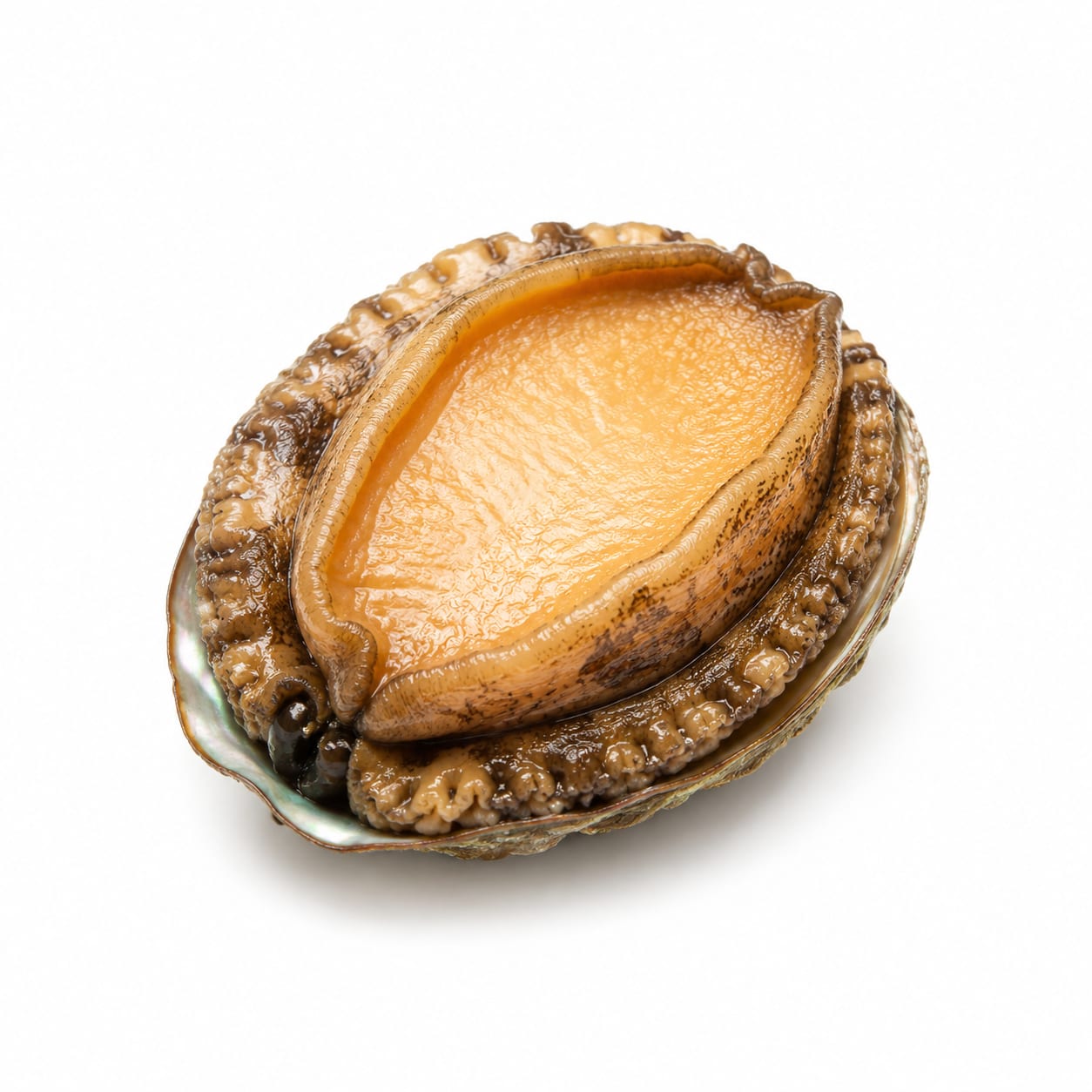
Abalone
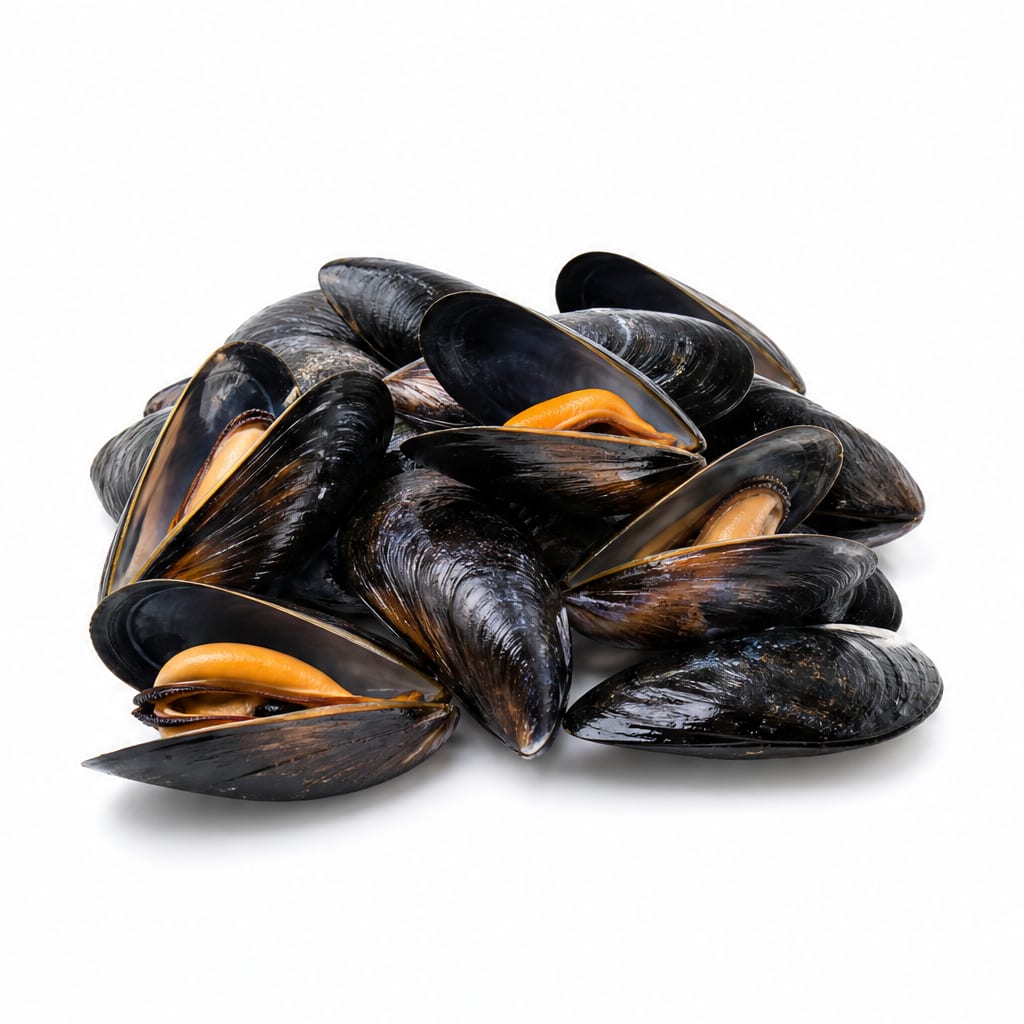
Mussels
Mussels deliver far more nutritional value per dollar and are sustainable enough for regular eating, while abalone is a luxury treat with modest nutritional advantages.
Mussels score significantly higher due to superior nutrient density, omega-3 content, affordability, and sustainability. Abalone loses ground mainly on accessibility, price, and environmental concerns rather than inherent health risks.
Abalone offers leaner protein and lower cholesterol, but mussels crush it on omega-3s, B12, affordability, and environmental sustainability.
At a glance
Executive summary
Overall
Mussels
Healthier
Mussels
More practical
Mussels
Daily use
Mussels
Key comparison lenses
nutritional value comparison
Both are shellfish but with dramatically different nutrient density profiles, especially omega-3 and B12 content
affordability and accessibility
Abalone is a luxury delicacy while mussels are one of the most affordable seafood options available
sustainability and environmental impact
Abalone faces serious overfishing concerns while mussels are often sustainably farmed with low environmental impact
safety and contamination risk
Both carry shellfish-specific risks but with different contamination profiles worth understanding
everyday practicality
The price and availability gap makes daily consumption realistic for mussels but not for abalone
Best choice for
Abalone
- Special occasion dining and luxury experiences
- Those wanting ultra-lean protein with minimal fat
- People avoiding dietary cholesterol
- Cultural or traditional cuisine requirements
Mussels
- Budget-conscious seafood lovers
- Heart health focused diets needing omega-3s
- B12-deficient individuals
- Sustainable seafood choices
- Regular weekly meal planning
Least suitable for
Abalone
- Budget-limited households
- Those seeking sustainable everyday protein
- People who need consistent affordable nutrition
Mussels
- Shellfish allergy sufferers
- Those avoiding high cholesterol foods
- People in areas with biotoxin advisories
Deep comparison
Dimension by dimension
Each lens scores both foods and breaks down who each option suits.
- Dimension 1 · Priority 95Mussels
omega-3_fatty_acids
Abalone · 25Mussels · 88Mussels contain roughly 4-5 times more omega-3s than abalone, making them a genuinely heart-protective food.
Tradeoff
Abalone is leaner overall but misses the anti-inflammatory benefits that omega-3s provide.
Why it matters
Omega-3s reduce heart disease risk, lower inflammation, and support brain health. This is the single biggest nutritional gap between the two.
Real-world impact
Eating mussels twice a week meaningfully moves your omega-3 intake toward recommended levels. Abalone barely moves the needle.
Abalone
- Low-fat diet requirements
Better for
- Meeting omega-3 targets efficiently
Worse for
Mussels
- Heart health protection
- Anti-inflammatory diets
- Brain health and cognitive support
- Joint health maintenance
Better for
- Very low-fat dietary protocols
Worse for
- Dimension 2 · Priority 90Mussels
vitamin_and_mineral_density
Abalone · 52Mussels · 91Mussels are a nutritional powerhouse with exceptional B12, selenium, manganese, and zinc levels that abalone cannot match.
Tradeoff
Abalone provides decent iron and selenium but lacks the broad micronutrient coverage mussels offer.
Why it matters
B12 deficiency is common, especially in older adults. Mussels deliver over 300% of daily B12 in a single serving.
Real-world impact
A serving of mussels essentially guarantees you hit your B12 and selenium targets for the day. Abalone helps but does not solve this.
Abalone
- Iron supplementation alternatives
Better for
- Comprehensive micronutrient coverage
Worse for
Mussels
- B12 deficiency prevention
- Thyroid health via selenium
- Immune support through zinc
- Bone health via manganese
Better for
- Manganese overconsumption if eaten excessively
Worse for
- Dimension 3 · Priority 82Abalone
protein_quality_and_leanness
Abalone · 86Mussels · 74Abalone provides slightly more protein per calorie with significantly less fat and cholesterol, making it the leaner protein source.
Tradeoff
The leanness comes at the cost of missing omega-3s and fat-soluble nutrient absorption benefits.
Why it matters
For strict macro tracking or low-fat diets, abalone's lean profile is genuinely useful.
Real-world impact
Abalone fits cleanly into cutting phases or low-fat meal plans. Mussels require more macro budgeting for their fat content.
Abalone
- Low-fat diet adherence
- Lean muscle building phases
- Cholesterol-conscious eaters
Better for
- Satiety from healthy fats
Worse for
Mussels
- Balanced macronutrient profiles
- Keto and low-carb diets
Better for
- Strict low-fat protocols
Worse for
- Dimension 4 · Priority 88Mussels
affordability_and_value
Abalone · 12Mussels · 92Mussels are among the cheapest seafood available while abalone is one of the most expensive proteins on earth.
Tradeoff
Abalone's luxury status makes it inaccessible for regular consumption; mussels cost a fraction and deliver more nutrition per dollar.
Why it matters
Nutrition only matters if you can actually afford to eat it consistently. Mussels make seafood nutrition realistic for most budgets.
Real-world impact
A pound of mussels costs roughly $4-6. A pound of abalone can cost $100-200+. This is not a close comparison.
Abalone
- Luxury dining experiences
- Special occasion meals
Better for
- Any regular consumption pattern
Worse for
Mussels
- Weekly meal prep budgets
- Family feeding on a budget
- Consistent seafood consumption
- Getting maximum nutrition per dollar
Better for
- Impressing dinner guests seeking luxury
Worse for
- Dimension 5 · Priority 85Mussels
sustainability_and_environmental_impact
Abalone · 35Mussels · 89Farmed mussels are among the most sustainable proteins on the planet. Many abalone species are overfished or threatened.
Tradeoff
Farmed abalone exists but is less common and still resource-intensive compared to rope-grown mussels.
Why it matters
Choosing sustainable seafood protects future supply. Mussels actually improve water quality as they grow.
Real-world impact
Mussels filter and clean ocean water while farming. Abalone farming requires more resources and wild stocks remain pressured.
Abalone
- Farmed abalone when certified sustainable
Better for
- Wild abalone contributing to stock depletion
Worse for
Mussels
- Low environmental impact diets
- Climate-conscious eating
- Ocean-friendly seafood choices
- Supporting sustainable aquaculture
Better for
- Local water quality concerns in some farming areas
Worse for
- Dimension 6 · Priority 72Mussels
culinary_versatility_and_ease
Abalone · 45Mussels · 80Mussels adapt to countless recipes from steaming to pasta to curries. Abalone requires careful cooking to avoid toughness.
Tradeoff
Abalone's delicate flavor is prized but unforgiving to overcook. Mussels are more forgiving and faster to prepare.
Why it matters
Food that is easy to cook well gets eaten more often. Mussels go from fridge to plate in under 15 minutes.
Real-world impact
Steamed mussels with garlic and wine is a 10-minute meal. Abalone needs tenderizing, careful slicing, and precise cooking.
Abalone
- Raw or lightly seared fine dining preparations
- Showcasing delicate ocean flavor
Better for
- Quick casual meals
- Forgiving cooking methods
Worse for
Mussels
- Quick weeknight dinners
- Pasta and stew bases
- Meal prep versatility
- Beginner seafood cooking
Better for
- Raw preparations
Worse for
Timeline
Health impact over time
Short-term
Hours to days
Abalone
- High-quality lean protein supports satiety without heaviness
- Low fat content makes it light on the stomach
- Minimal omega-3 intake means less immediate anti-inflammatory benefit
Mussels
- Rich omega-3 content may reduce post-meal inflammation
- High B12 provides noticeable energy support for deficient individuals
- Higher fat content creates more satisfying, filling meals
Long-term
Months to years
Abalone
- Lean protein supports healthy body composition when consumed regularly
- Low omega-3 intake means missing cardiovascular protection over decades
- Sustainability concerns limit long-term availability
Mussels
- Consistent omega-3 intake reduces heart disease and stroke risk meaningfully
- Excellent B12 and selenium status supports brain health and immunity with age
- Sustainable sourcing allows guilt-free long-term consumption
Risk profile
Safety & processing
Both abalone and mussels are whole, minimally processed foods when purchased fresh. Canned or frozen versions may contain added sodium but generally remain clean options.
Abalone
Heavy metal accumulation
mediumAbalone can accumulate cadmium and lead from coastal sediments, particularly in polluted waters. Source matters significantly.
Overfishing and illegal harvest
highBlack market abalone is common and may come from contaminated or restricted waters. Always verify legal, regulated sources.
Allergic reactions
mediumShellfish allergy risk applies to abalone as with all mollusks. Reactions can be severe in sensitized individuals.
Mussels
Biotoxin contamination
highMussels filter large volumes of water and can concentrate paralytic shellfish toxins during algal blooms. Always check local advisories.
Bacterial contamination
mediumVibrio and norovirus risks exist in raw or undercooked mussels. Thorough cooking eliminates most danger.
Microplastic accumulation
mediumAs filter feeders, mussels can retain microplastics from polluted water. Farmed mussels from clean waters reduce this concern.
Who wins for whom
Audience fit
Same foods, different winners depending on your goal.
children
MusselsMussels deliver B12, zinc, and omega-3s essential for growing brains and immune systems at a fraction of the cost.
daily consumption
MusselsAffordability, sustainability, and superior nutrient density make mussels realistic and beneficial as a regular weekly food.
diabetes
MusselsMussels' omega-3 content improves insulin sensitivity and reduces systemic inflammation, both critical for diabetes management.
elderly
MusselsB12 absorption declines with age, and mussels provide abundant B12 alongside omega-3s for cognitive and cardiovascular protection.
muscle gain
MusselsMussels provide more total protein with added omega-3s that support recovery and reduce exercise-induced inflammation.
weight loss
AbaloneAbalone's ultra-lean profile with high protein and minimal fat makes it easier to fit into calorie-restricted plans.
Your move
Decision guide
Choose Abalone
- You are celebrating a special occasion and want a luxury dining experience
- You need ultra-lean protein for a cutting phase or low-fat protocol
- You have confirmed sustainable farmed sources and budget is not a constraint
- You are monitoring dietary cholesterol closely
Choose Mussels
- You want maximum nutritional value per dollar spent
- Heart health and omega-3 intake are priorities
- You need affordable, sustainable weekly seafood
- You are B12-deficient or want to prevent deficiency
- You enjoy cooking seafood at home regularly
Either works if
- You want high-quality complete protein from the sea
- You tolerate shellfish without allergic reactions
- You value whole, minimally processed food sources
Avoid both if
- You have a diagnosed shellfish or mollusk allergy
- You are in an area with active shellfish safety advisories
- You follow a strict vegan or vegetarian diet
Final recommendation
Make mussels your everyday shellfish. They deliver outstanding nutrition, cost little, protect your heart, and support sustainable oceans. Save abalone for rare celebrations where the luxury experience justifies the price, not the nutrition.
Practical
Consumer tips
- 1
Check local shellfish safety advisories before harvesting or buying fresh mussels from unfamiliar sources
- 2
Farmed mussels on ropes are generally safer and more sustainable than wild-harvested ones
- 3
If buying abalone, look for certified farmed sources to avoid contributing to overfishing
- 4
Steam mussels until just opened to preserve nutrients and avoid rubbery texture
- 5
Abalone should be sliced thin and cooked briefly to prevent toughness
- 6
Freezing fresh mussels is fine and preserves most nutritional value for later use
- 7
Avoid mussels with broken shells or that stay open after tapping before cooking