
Nutrition comparison
Abalone vs Squid: Nutrition, Taste, and Which Seafood to Choose
Compare abalone and squid side by side — protein, cholesterol, iron, sustainability, and price. Find out which shellfish fits your health goals and budget.
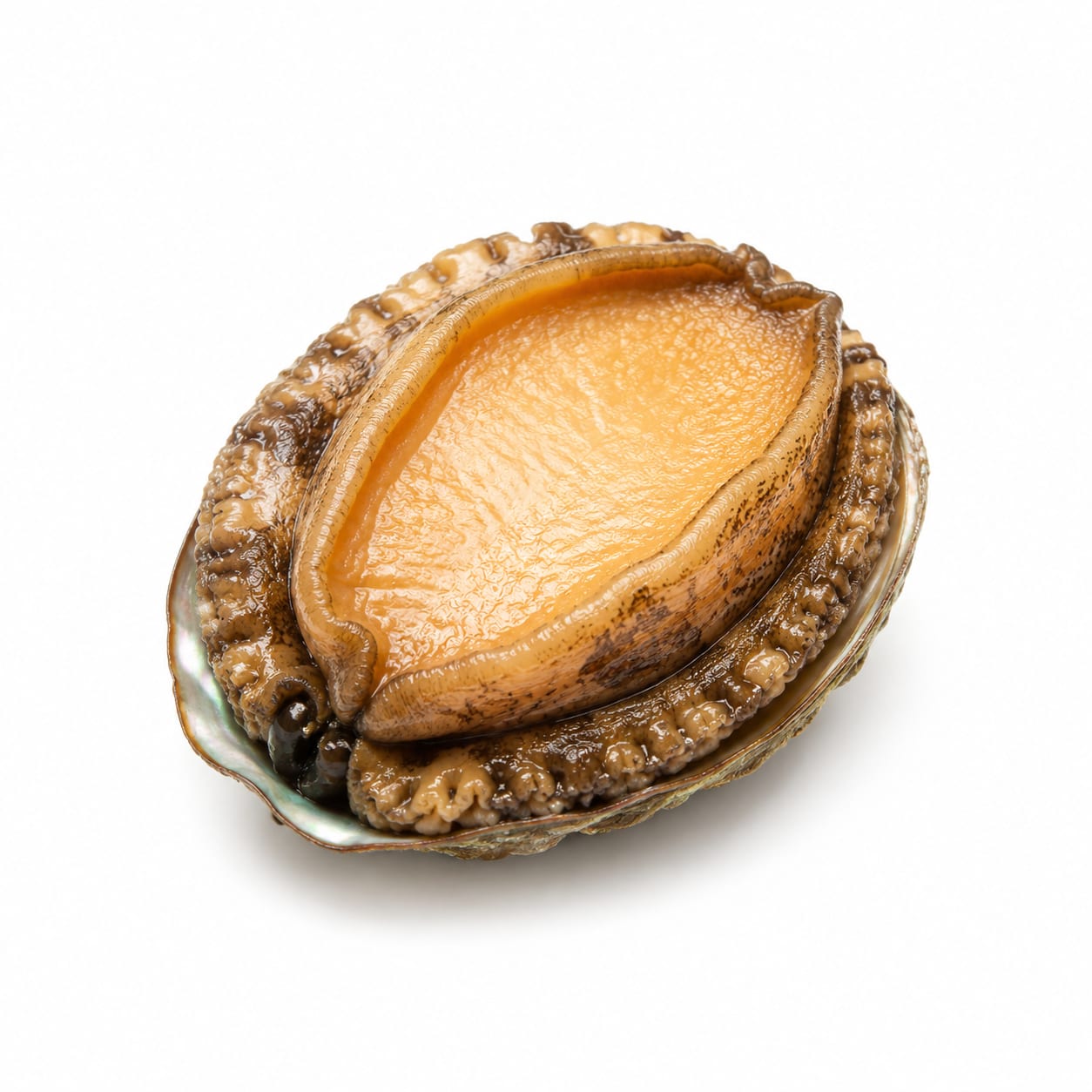
Abalone
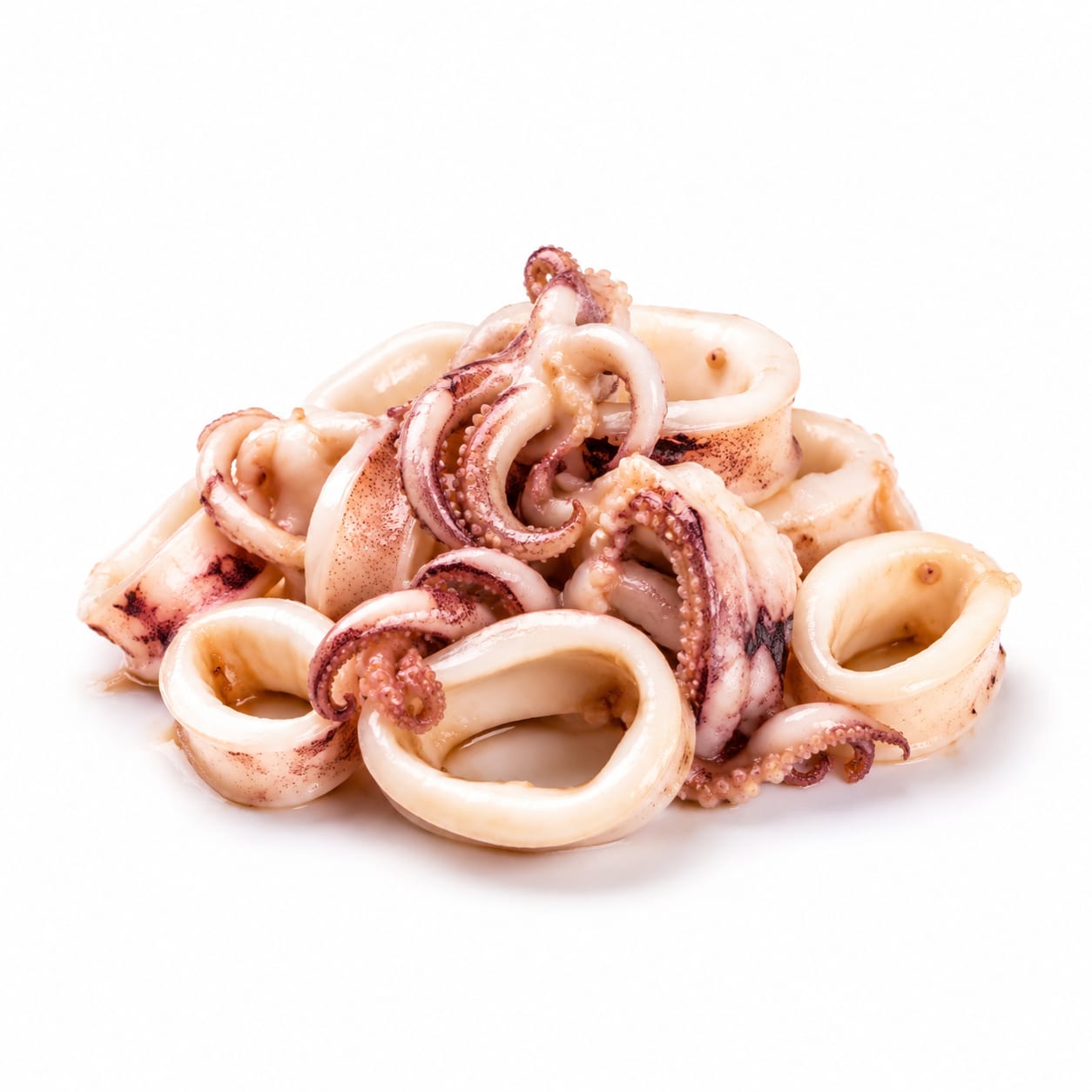
Squid
Abalone delivers superior mineral density and feels like a special occasion, while squid wins on affordability, accessibility, and everyday practicality.
Abalone edges ahead on micronutrient density and lower cholesterol, but squid stays competitive through affordability, accessibility, and solid protein value. The close scores reflect that neither is clearly superior — they serve different life contexts.
Premium nutrition and exclusivity versus budget-friendly protein you can actually eat weekly.
At a glance
Executive summary
Overall
It depends
Healthier
Abalone
More practical
Squid
Daily use
Squid
Key comparison lenses
protein quality and leanness for clean eating
Both are high-protein, low-fat seafood options popular among health-conscious consumers comparing premium vs everyday protein sources
mineral density and micronutrient value
Abalone and squid offer distinctly different mineral profiles, with abalone excelling in iron and squid in copper and selenium
sustainability and environmental impact
Abalone is often overharvested or farm-raised with varying sustainability, while squid populations are generally more resilient
affordability and accessibility for regular consumption
Abalone is a luxury item with limited availability, whereas squid is affordable and widely accessible
cholesterol and heart health considerations
Squid is notably high in dietary cholesterol, which concerns some consumers despite mixed evidence on dietary cholesterol impact
Best choice for
Abalone
- Those wanting maximum iron and B12 from seafood
- Special occasion meals where nutrition still matters
- People avoiding high-cholesterol foods
- Anyone seeking a low-calorie luxury protein
Squid
- Budget-conscious eaters wanting lean protein
- Regular meal prep and weeknight cooking
- Copper and selenium optimization
- Athletes needing affordable, frequent protein intake
Least suitable for
Abalone
- Anyone on a tight grocery budget
- People who need quick, easy weeknight meals
- Those concerned about overfishing and sustainability
- Households wanting everyday seafood options
Squid
- People strictly limiting dietary cholesterol
- Those with shellfish or mollusk allergies
- Anyone sensitive to chewy or rubbery textures when overcooked
Deep comparison
Dimension by dimension
Each lens scores both foods and breaks down who each option suits.
- Dimension 1 · Priority 90Squid
Protein Quality and Content
Abalone · 75Squid · 82Squid provides slightly more protein per calorie and is easier to consume in larger portions due to cost and availability.
Tradeoff
Abalone has excellent protein but you get less total protein per dollar, making it harder to rely on as a primary protein source.
Why it matters
For anyone tracking protein intake — athletes, older adults, or anyone building muscle — total affordable protein matters more than marginal quality differences.
Real-world impact
A squid dinner easily delivers 25-30g of protein for a few dollars. Abalone gives you similar quality but at luxury pricing that discourages regular consumption.
Abalone
- Smaller, nutrient-dense protein portions
- Meals where protein quality per bite matters more than quantity
Better for
- Building a high-protein diet on a budget
- Meal prep scenarios requiring bulk protein
Worse for
Squid
- Hitting daily protein targets affordably
- Post-workout meals where total protein intake is the priority
- Family dinners needing protein for multiple people
Better for
- Portion-controlled fine dining experiences
Worse for
- Dimension 2 · Priority 88Abalone
Mineral Density and Micronutrients
Abalone · 89Squid · 76Abalone is significantly richer in iron and vitamin B12, while squid offers more copper and selenium. Abalone has the broader mineral profile overall.
Tradeoff
Abalone provides more minerals per serving but at a cost that limits how often you actually get those minerals. Squid delivers fewer minerals but you can eat it far more frequently.
Why it matters
Iron and B12 deficiencies are common, especially among women and older adults. Abalone is genuinely useful for addressing these gaps when available.
Real-world impact
One serving of abalone covers a substantial portion of your daily iron and B12 needs. Squid helps more with copper and selenium but you would need to eat it regularly to match abalone's iron contribution.
Abalone
- Combating iron deficiency naturally
- Boosting B12 without supplements
- Nutrient-dense eating where every bite counts
Better for
- Getting consistent mineral intake when you cannot afford it regularly
Worse for
Squid
- Supporting copper intake for connective tissue health
- Maintaining selenium for thyroid and antioxidant function
Better for
- Addressing iron deficiency efficiently
Worse for
- Dimension 3 · Priority 78Abalone
Cholesterol and Heart Health
Abalone · 82Squid · 58Squid is notably high in dietary cholesterol, while abalone contains moderate levels. For cholesterol-sensitive individuals, abalone is the safer choice.
Tradeoff
Current research suggests dietary cholesterol has modest impact on blood cholesterol for most people, but squid's levels are high enough to concern those with existing lipid issues.
Why it matters
If you have high cholesterol or a family history of heart disease, squid's cholesterol load — often over 200mg per serving — is worth paying attention to.
Real-world impact
A single squid serving can approach or exceed the old daily cholesterol limit of 300mg. Abalone stays well under that threshold, making it easier on your dietary budget for cholesterol.
Abalone
- People monitoring dietary cholesterol
- Those with family history of heart disease
- Mediterranean-style heart-healthy eating patterns
Better for
- No significant downside here — abalone is the heart-friendlier option
Worse for
Squid
- Healthy individuals with normal cholesterol who process dietary cholesterol efficiently
Better for
- Cholesterol-restricted diets
- Anyone already struggling with high LDL levels
Worse for
- Dimension 4 · Priority 85Squid
Sustainability and Environmental Impact
Abalone · 52Squid · 78Wild abalone populations have been severely depleted, and even farmed abalone carries environmental costs. Squid populations are generally more robust and harvest impacts are lower.
Tradeoff
Choosing abalone often means choosing a less sustainable option, though farmed varieties are improving. Squid is the more ecologically responsible everyday choice.
Why it matters
If you eat seafood regularly, the cumulative environmental impact of your choices matters. Abalone's scarcity is not just about price — it reflects genuine ecological pressure.
Real-world impact
Ordering squid instead of abalone at a restaurant is a small but real vote for ocean sustainability. Farmed abalone is better than wild-caught but still resource-intensive.
Abalone
- Supporting responsible abalone aquaculture when you choose farmed varieties
Better for
- Wild-caught abalone contributes to overfishing concerns
- Carbon footprint of farming operations can be significant
Worse for
Squid
- Reducing pressure on vulnerable marine species
- Making sustainable seafood choices for regular consumption
- Aligning with ocean conservation recommendations
Better for
- Some squid fisheries have bycatch issues, though generally less severe than abalone harvesting
Worse for
- Dimension 5 · Priority 82Squid
Affordability and Everyday Practicality
Abalone · 30Squid · 88Squid is one of the most affordable seafood proteins available. Abalone is a luxury ingredient that most people reserve for special occasions.
Tradeoff
You pay a massive premium for abalone's nutrition and exclusivity. Squid delivers most of the health benefits at a fraction of the cost.
Why it matters
Nutrition only works if you can access it consistently. A superfood you cannot afford to eat regularly provides less real-world benefit than a good food you eat weekly.
Real-world impact
Squid can be a twice-weekly protein for most households. Abalone might be a twice-a-year indulgence. Over a year, squid contributes far more total nutrition to your diet simply through frequency.
Abalone
- Creating memorable dining experiences
- Special occasions where luxury enhances enjoyment
Better for
- Any scenario requiring regular, affordable protein
- Students, young professionals, or families watching grocery costs
Worse for
Squid
- Weeknight dinners under 30 minutes
- Feeding a family on a budget
- Meal prep and batch cooking
- Consistent weekly seafood intake
Better for
- Impressive dinner parties where presentation matters
Worse for
- Dimension 6 · Priority 75It depends
Calorie Density and Weight Management
Abalone · 80Squid · 83Both are remarkably low in calories and fat. Squid is slightly leaner per ounce, but preparation method matters enormously — fried calamari changes the equation completely.
Tradeoff
In their natural state, both are excellent for weight management. The real difference is how they are typically cooked. Abalone is usually prepared simply, while squid often gets breaded and fried.
Why it matters
A low-calorie food becomes high-calorie quickly when deep-fried. Squid's association with frying undermines its natural leanness in real-world eating.
Real-world impact
Steamed or grilled squid is a weight-loss ally. Fried calamari is basically junk food. Abalone is almost always served lean, so its calorie advantage is more reliable in practice.
Abalone
- Consistent low-calorie preparation regardless of restaurant or home cooking
- Weight-conscious fine dining
Better for
- No significant downside for weight management when eaten as whole abalone
Worse for
Squid
- Maximum leanness when prepared simply — grilled, steamed, or raw
- Volume eating with large portions for minimal calories
Better for
- Fried preparations that triple the calorie count
- Restaurant calamari that hides calories in breading and oil
Worse for
Timeline
Health impact over time
Short-term
Hours to days
Abalone
- High satiety from protein and mineral density without heaviness
- Steady energy with no sugar crash risk
- Light feeling after eating — ideal before active periods
Squid
- Quick protein satisfaction with minimal digestive load when prepared simply
- Potential digestive discomfort if overcooked and rubbery
- Fried versions cause sluggishness and energy dips
Long-term
Months to years
Abalone
- Iron and B12 support may improve energy and reduce anemia risk over time
- Low cholesterol intake supports cardiovascular health with regular consumption
- Infrequent consumption limits cumulative health benefits compared to affordable alternatives
Squid
- Consistent lean protein intake supports muscle maintenance and metabolic health
- High dietary cholesterol may affect lipid profiles in sensitive individuals over years
- Regular selenium intake supports thyroid function and antioxidant defenses
Risk profile
Safety & processing
Both abalone and squid are whole, minimally processed seafood in their natural form. The processing concern with squid arises mainly from frozen or pre-packaged calamari products that may contain preservatives, sodium tripolyphosphate, or breading. Fresh or frozen whole squid and fresh abalone are equally clean choices.
Abalone
Heavy metal accumulation
mediumAbalone can accumulate cadmium and lead from coastal waters, particularly wild-caught specimens from polluted areas. Farmed abalone generally tests lower but monitoring varies by country.
Biotoxin exposure
lowLike all filter-feeding mollusks, abalone can carry paralytic shellfish toxins from algal blooms, though this is less common than with bivalves.
Allergenic potential
mediumShellfish allergy applies to abalone. Reactions can be severe in sensitized individuals, and cross-reactivity with other mollusks is common.
Squid
High dietary cholesterol
mediumSquid contains some of the highest cholesterol levels among seafood, often exceeding 200mg per 3oz serving. This is a clinical concern for hyperresponders — people whose blood cholesterol rises significantly from dietary intake.
Allergenic potential
mediumMollusk and shellfish allergies apply to squid. Cross-reactivity exists with other cephalopods and shellfish.
Preparation-related contamination
lowSquid is frequently fried in reused oil at restaurants, creating oxidized lipid exposure. Frozen pre-cut calamari may contain sodium tripolyphosphate as a moisture retainer.
Who wins for whom
Audience fit
Same foods, different winners depending on your goal.
children
SquidSquid is more accessible, affordable, and can be prepared in kid-friendly ways. The chewy texture of both foods requires proper cooking, but squid's familiarity gives it an edge.
daily consumption
SquidSquid's price point and availability make realistic daily or near-daily consumption possible. Abalone is a treat, not a staple.
diabetes
AbaloneBoth are essentially zero-carb, but abalone's lower cholesterol and more reliable lean preparation make it slightly safer for diabetic patients who often have concurrent cardiovascular concerns.
elderly
AbaloneAbalone's superior iron and B12 content addresses common elderly deficiencies, and its tenderness when properly prepared is easier on aging digestive systems.
muscle gain
SquidConsistent, affordable protein intake drives muscle growth better than occasional premium protein. Squid lets you hit protein targets daily without breaking the bank.
weight loss
SquidSquid's affordability means you can eat it regularly as a lean protein staple, which matters more for weight loss than occasional luxury meals. Just avoid fried preparations.
Your move
Decision guide
Choose Abalone
- You want maximum iron and B12 from a single seafood serving
- Budget is not a constraint and you value premium nutrition
- You are managing cholesterol and want the leaner shellfish option
- It is a special occasion and you want luxury without nutritional guilt
- You have access to sustainably farmed abalone and want to support aquaculture
Choose Squid
- You need affordable lean protein for regular meals
- You are meal prepping or cooking for a family
- You want sustainable seafood you can eat weekly
- Copper and selenium intake are your priority minerals
- You enjoy cooking seafood at home and want versatility
Either works if
- You simply want a low-calorie, high-protein seafood option
- You are following a low-carb or keto eating pattern
- You have no shellfish allergies and tolerate both well
- You are eating at a restaurant and both are available fresh
Avoid both if
- You have a diagnosed shellfish or mollusk allergy
- You are following a strict vegan or plant-based diet
- You are pregnant and unsure about seafood sourcing and mercury levels
- You have gout and are sensitive to purine-rich foods
Final recommendation
Let abalone be your nutritional powerhouse for special occasions — its iron and B12 density is genuinely impressive. Let squid be your workhorse — affordable, sustainable, and protein-rich enough to eat every week. The smartest approach is not choosing one over the other, but matching each to its proper role in your life.
Practical
Consumer tips
- 1
If buying squid, choose whole over pre-cut — it is usually fresher and avoids sodium tripolyphosphate used in frozen calamari
- 2
Grill or steam squid instead of frying to preserve its natural leanness — a simple garlic and olive oil preparation takes 2 minutes
- 3
Farmed abalone is the more sustainable choice — ask your fishmonger about sourcing before buying wild-caught
- 4
Both foods cook very quickly — overcooking makes squid rubbery and abalone tough. Less time on heat is almost always better
- 5
If cholesterol is a concern, pair squid with soluble fiber-rich foods like oats or beans to help mitigate absorption
- 6
Freezing fresh squid at home works well and preserves quality for up to 3 months — making bulk buying practical
- 7
For iron absorption from abalone, pair with vitamin C-rich foods like lemon juice or bell peppers