
Nutrition comparison
Abalone vs Cod: Nutrition, Cost, and Health Comparison
Compare abalone and cod side by side—protein, iron, omega-3, sustainability, and real-world value. Find out which seafood fits your health goals and budget.
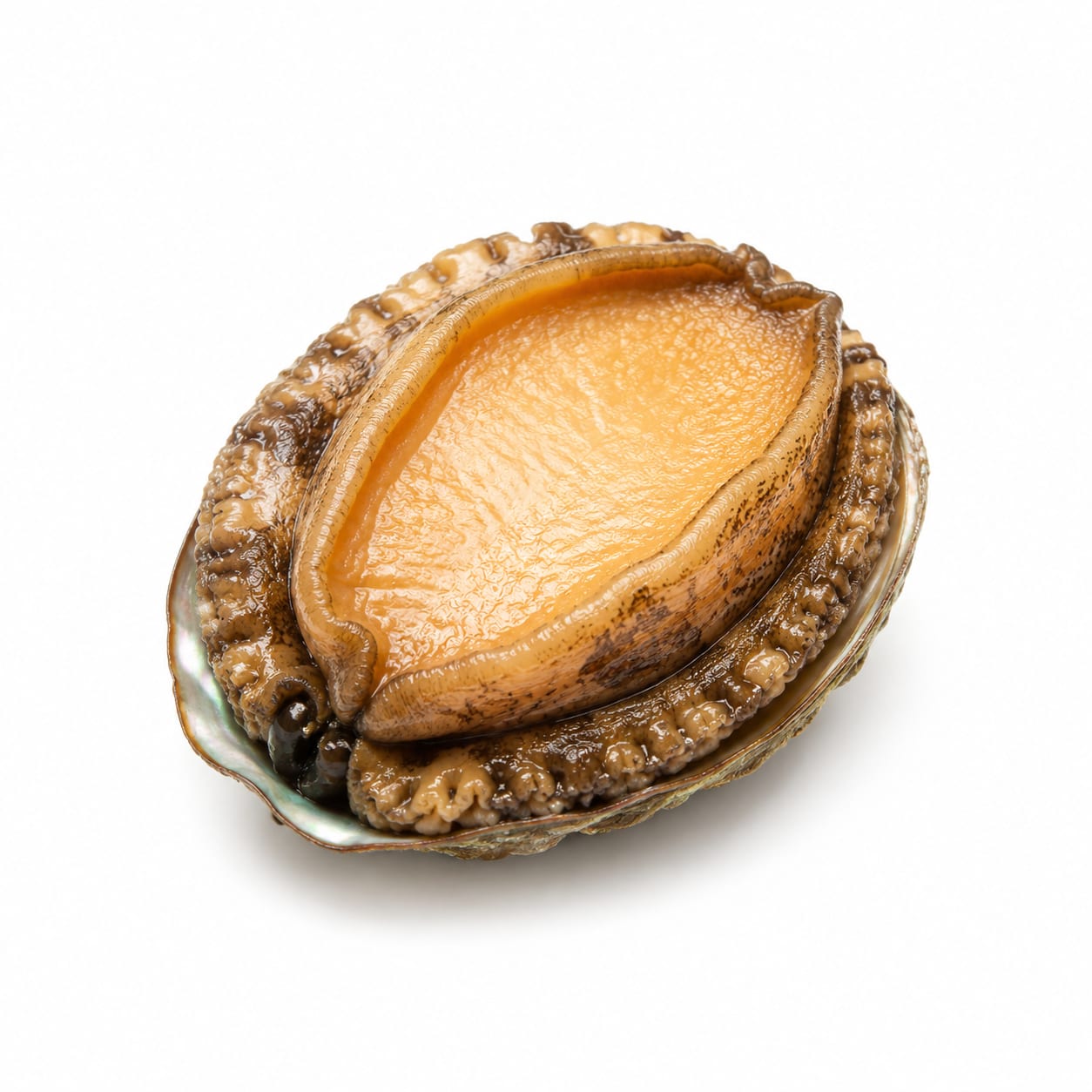
Abalone
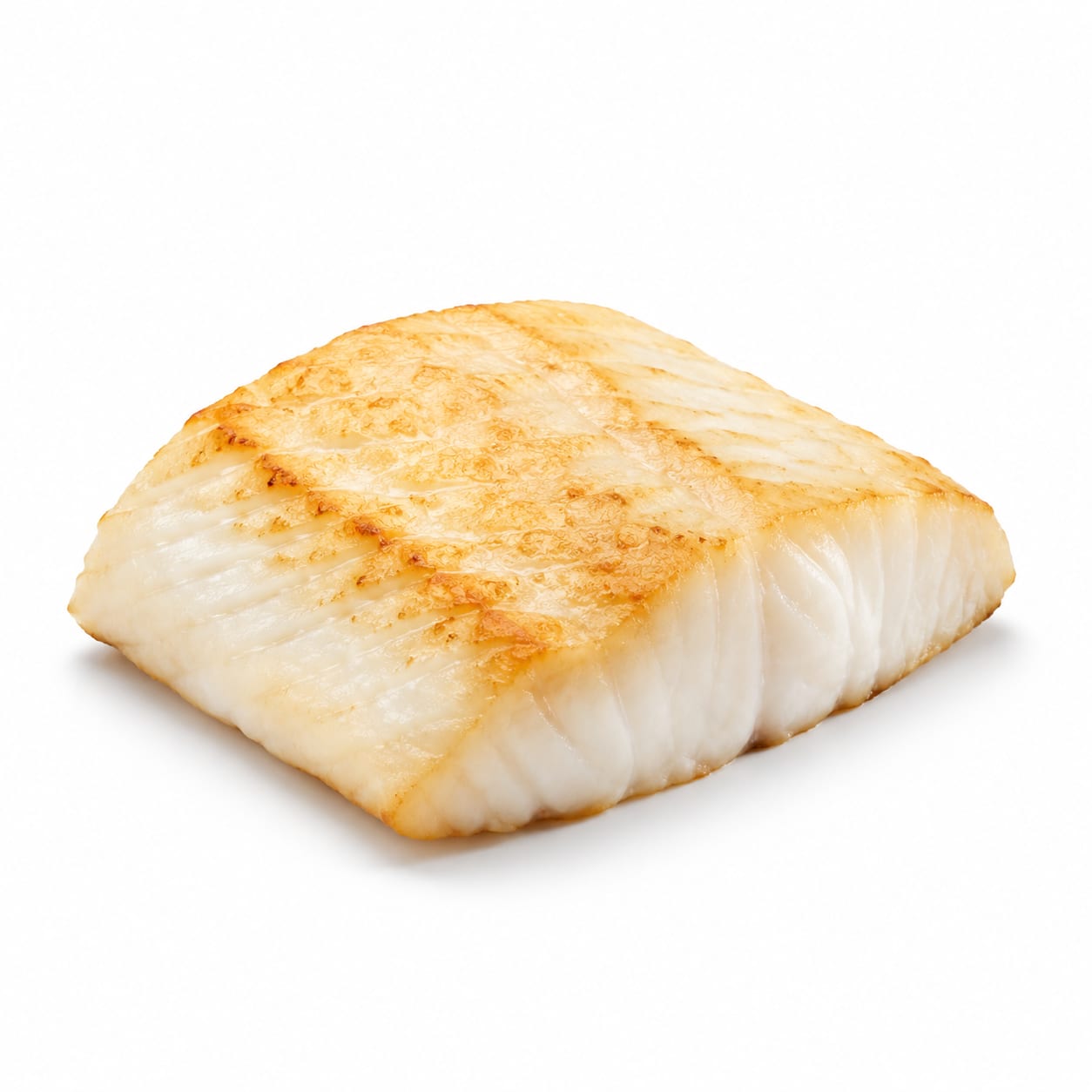
Cod
Cod wins on practicality and daily usability; abalone delivers superior micronutrients but at a steep price and with sustainability tradeoffs.
Cod scores higher overall due to affordability, accessibility, and everyday practicality. Abalone earns a nutrient density edge but loses ground on cost, sustainability, and ease of use.
Abalone offers richer iron and selenium per bite, but cod provides similar lean protein at a fraction of the cost with far greater cooking flexibility.
At a glance
Executive summary
Overall
It depends
Healthier
Abalone
More practical
Cod
Daily use
Cod
Key comparison lenses
luxury vs everyday protein
Abalone is a premium shellfish while cod is an accessible staple—price and practicality dominate the decision
micronutrient density comparison
Both are lean proteins but differ significantly in iron, selenium, and B-vitamin profiles
sustainability and sourcing ethics
Abalone faces serious overharvesting concerns while cod fisheries vary widely in sustainability practices
mercury and contaminant safety
Both are relatively low-mercury seafood options but consumers often worry about ocean-sourced protein safety
culinary versatility
Cod is far more adaptable in everyday cooking while abalone requires specific preparation skills
Best choice for
Abalone
- People with iron deficiency seeking food-based sources
- Special occasion meals where nutrient density matters
- Those wanting maximum selenium and B12 per calorie
- Pescatarians prioritizing micronutrient variety
Cod
- Families needing affordable lean protein weekly
- Meal preppers wanting versatile, mild-flavored fish
- Budget-conscious heart-healthy eaters
- Anyone cooking fish regularly without special prep skills
Least suitable for
Abalone
- Budget-conscious households
- Those concerned about overfished species
- People wanting quick weeknight meals
- Anyone unfamiliar with shellfish preparation
Cod
- Those seeking iron-rich foods to correct deficiency
- People wanting premium dining experiences
- Anyone avoiding white fish due to personal preference
Deep comparison
Dimension by dimension
Each lens scores both foods and breaks down who each option suits.
- Dimension 1 · Priority 90It depends
protein_quality_and_content
Abalone · 82Cod · 80Both deliver excellent lean protein with complete amino acid profiles. Abalone edges slightly ahead with a denser protein-to-calorie ratio.
Tradeoff
Abalone packs more protein per ounce, but cod provides nearly equivalent quality at vastly lower cost per gram of protein.
Why it matters
For muscle maintenance and satiety, both work well—choosing based on budget makes more sense than splitting hairs on protein content.
Real-world impact
A cod fillet gives you a satisfying, filling meal for under $3 of protein. Abalone costs 10-20x more for marginally more protein per bite.
Abalone
- Maximizing protein density in small portions
- Appetite control with less volume
Better for
- Protein per dollar spent is very poor
Worse for
Cod
- Getting daily protein needs met affordably
- Post-workout meals without breaking the bank
Better for
- Slightly less protein-dense per ounce than shellfish
Worse for
- Dimension 2 · Priority 88Abalone
micronutrient_density
Abalone · 89Cod · 68Abalone is a micronutrient powerhouse—especially iron, selenium, and vitamin B12—far outpacing cod in mineral content.
Tradeoff
You get significantly more iron and selenium from abalone, but cod still provides respectable B12 and phosphorus at a much lower price.
Why it matters
Iron deficiency is common, especially in women. Abalone delivers heme iron in a highly absorbable form that cod simply cannot match.
Real-world impact
Eating abalone occasionally can meaningfully boost iron stores. Cod supports B12 needs reliably but will not move the needle on iron the same way.
Abalone
- Correcting or preventing iron deficiency
- Boosting selenium intake for thyroid and immune support
- Getting B12 in a highly concentrated serving
Better for
- Iron overload risk if consumed frequently in large amounts
Worse for
Cod
- Steady B12 intake through regular consumption
- Adequate phosphorus for bone health over time
Better for
- Not a meaningful iron source—poor choice for correcting deficiency
Worse for
- Dimension 3 · Priority 95Cod
affordability_and_accessibility
Abalone · 25Cod · 88Cod is widely available and budget-friendly. Abalone is a luxury ingredient with limited availability and premium pricing.
Tradeoff
You can eat cod twice a week for months for the price of one abalone serving. The nutrient gap does not justify the cost gap for most people.
Why it matters
Nutrition only works if you can sustain it. An affordable fish you eat regularly beats a superfood you can rarely afford.
Real-world impact
Cod fillets are in every grocery store for $8-12 per pound. Abalone often requires specialty markets and costs $50-100+ per pound.
Abalone
- Special occasions where cost is not the priority
Better for
- Completely impractical as a regular protein source
- Hard to find outside coastal or specialty markets
Worse for
Cod
- Weekly meal planning on a budget
- Families needing multiple servings
- Consistent protein sourcing without financial strain
Better for
- May feel too ordinary for celebratory meals
Worse for
- Dimension 4 · Priority 85It depends
sustainability_and_ethics
Abalone · 55Cod · 62Both have sustainability concerns but of different types. Wild abalone has been severely overfished; cod stocks collapsed in the 1990s and recovery varies by region.
Tradeoff
Farmed abalone is more sustainable but less nutrient-dense. Pacific cod is better managed than Atlantic cod, which still faces pressure.
Why it matters
Your seafood choices affect ocean ecosystems. Neither is a clear winner here, but informed sourcing can reduce impact.
Real-world impact
Choosing farmed abalone or Pacific cod with MSC certification makes a real difference. Ignoring sourcing means potentially supporting depleted fisheries.
Abalone
- Farmed abalone operations are improving sustainability
Better for
- Wild abalone populations are critically depleted in many regions
- Black market harvesting is a serious problem
Worse for
Cod
- MSC-certified Pacific cod is a responsible choice
- Well-managed fisheries exist and are trackable
Better for
- Atlantic cod remains a sustainability concern
- Some cod fisheries have poor bycatch records
Worse for
- Dimension 5 · Priority 75Cod
culinary_versatility_and_ease
Abalone · 42Cod · 85Cod is one of the most versatile white fish—bake, fry, poach, or grill it easily. Abalone requires skill to prepare correctly and easily becomes rubbery.
Tradeoff
Cod forgives cooking mistakes and adapts to any cuisine. Abalone rewards expertise but punishes inexperience with tough, chewy results.
Why it matters
Food you can cook confidently gets eaten. Food that intimidates you sits in the freezer or gets skipped entirely.
Real-world impact
Cod works in tacos, chowder, fish and chips, curries, and sheet pan meals. Abalone demands tenderizing, precise timing, and often a specific recipe.
Abalone
- Showcase dishes when you want to impress
- Asian-inspired preparations where abalone is traditional
Better for
- Easy to overcook and ruin
- Limited recipe flexibility
Worse for
Cod
- Weeknight dinners with minimal planning
- Meal prep and batch cooking
- Adapting to whatever flavors you have on hand
Better for
- Can seem bland without proper seasoning
Worse for
- Dimension 6 · Priority 72Cod
omega3_and_anti_inflammatory_value
Abalone · 58Cod · 70Cod provides more omega-3 fatty acids per serving than abalone, though neither is a top-tier omega-3 source like salmon or sardines.
Tradeoff
If anti-inflammatory omega-3s are your priority, cod is the better choice between these two—but both are outclassed by fattier fish.
Why it matters
Omega-3 intake matters for heart and brain health. Choosing lean seafood means you may need to supplement or eat fatty fish elsewhere.
Real-world impact
Eating cod twice a week gives a modest omega-3 boost. Abalone contributes less. Neither replaces salmon or sardines for omega-3 goals.
Abalone
- Still contains some EPA and DHA
- Selenium provides indirect anti-inflammatory support
Better for
- Lower total omega-3 content than most fish
Worse for
Cod
- More omega-3 per serving than abalone
- Consistent intake adds up over weekly consumption
Better for
- Still a lean fish—omega-3 levels are modest compared to fatty fish
Worse for
Timeline
Health impact over time
Short-term
Hours to days
Abalone
- High satiety from dense protein content
- Quick iron boost after a single serving
- Potential digestive heaviness if overconsumed due to density
Cod
- Light, easy-to-digest lean protein
- Comforting and gentle on the stomach
- May leave you hungry sooner than denser protein sources
Long-term
Months to years
Abalone
- Iron stores improve with even occasional consumption
- Selenium intake supports thyroid and immune function long-term
- Cost limits frequency, reducing practical long-term impact
Cod
- Consistent lean protein supports muscle maintenance and weight management
- Regular B12 intake protects nerve health and energy
- Modest omega-3 contribution to cardiovascular health over years
Risk profile
Safety & processing
Both abalone and cod are whole, minimally processed seafood when purchased fresh or frozen. Watch out for breaded cod products or canned abalone with added sodium and preservatives.
Abalone
Heavy metal accumulation
lowAbalone generally shows low mercury levels due to its herbivorous diet, but coastal contamination can vary by harvest location.
Sourcing fraud
mediumIllegal harvesting and mislabeling occur in the abalone market. Buy from reputable sources with traceability.
Allergic reactions
mediumShellfish allergies can be severe. Abalone is a mollusk and triggers shellfish allergy responses in sensitive individuals.
Cod
Mercury exposure
lowCod is a low-mercury fish suitable for regular consumption, though slightly higher than abalone on average.
Parasites
mediumRaw or undercooked cod can carry parasites. Freezing before raw preparation or cooking thoroughly eliminates this risk.
Sodium in preserved forms
mediumSalt cod (bacalao) is extremely high in sodium. Fresh or plain frozen cod is the healthier choice.
Who wins for whom
Audience fit
Same foods, different winners depending on your goal.
children
CodCod's mild flavor and soft texture appeal to kids, and its low mercury profile makes it safe for regular children's meals.
daily consumption
CodCod is affordable, versatile, and safe to eat multiple times per week. Abalone is best enjoyed occasionally due to cost and sustainability.
diabetes
CodBoth are low-carb and blood-sugar friendly, but cod's accessibility makes it easier to include in a consistent diabetic meal plan.
elderly
It dependsAbalone's iron and B12 support aging concerns like anemia and cognitive health, but cod's soft texture and affordability make it more practical for daily elderly nutrition.
muscle gain
CodAffordable protein you can eat daily beats slightly denser protein you can rarely afford. Cod supports consistent muscle-building nutrition.
weight loss
CodCod is lower in calories per serving and easier to eat regularly, making it more sustainable for calorie-controlled diets.
Your move
Decision guide
Choose Abalone
- You want a nutrient-dense indulgence for a special meal
- Iron deficiency is a personal health concern
- You have access to sustainably farmed abalone
- You enjoy cooking shellfish and have the skill to prepare it properly
Choose Cod
- You need affordable lean protein for weekly meals
- You want a versatile fish that works in any recipe
- You are feeding a family on a budget
- You are building a sustainable long-term eating pattern
Either works if
- You want low-mercury seafood options
- You are avoiding red meat and need quality protein
- You enjoy seafood and want variety in your protein sources
Avoid both if
- You have a seafood allergy
- You need high omega-3 intake and do not eat fatty fish or supplements
- You live in an area where neither is available fresh or reliably sourced
Final recommendation
Make cod your everyday fish and treat abalone as an occasional nutrient boost. Cod gives you consistent, affordable, versatile protein. Abalone delivers an iron and selenium punch worth enjoying when the occasion and budget allow. Neither replaces fatty fish for omega-3s, so consider adding salmon or sardines to your rotation regardless.
Practical
Consumer tips
- 1
Look for MSC-certified Pacific cod to ensure sustainable sourcing
- 2
If buying abalone, farmed varieties from reputable operations are more sustainable than wild-caught
- 3
Avoid salt cod if watching sodium—fresh or plain frozen cod is dramatically lower in salt
- 4
Tenderize abalone by pounding thinly before cooking to avoid chewy results
- 5
Cod freezes exceptionally well—stock up when on sale without quality loss
- 6
If iron is your main reason for choosing abalone, consider that clams and mussels deliver similar iron at much lower cost