
Nutrition comparison
Abalone vs Oysters: Nutrition, Safety, and Which Shellfish to Choose
Compare abalone and oysters on zinc, protein, safety, sustainability, and cost. Find out which shellfish is better for your health goals and budget.
Overall winner · Oysters
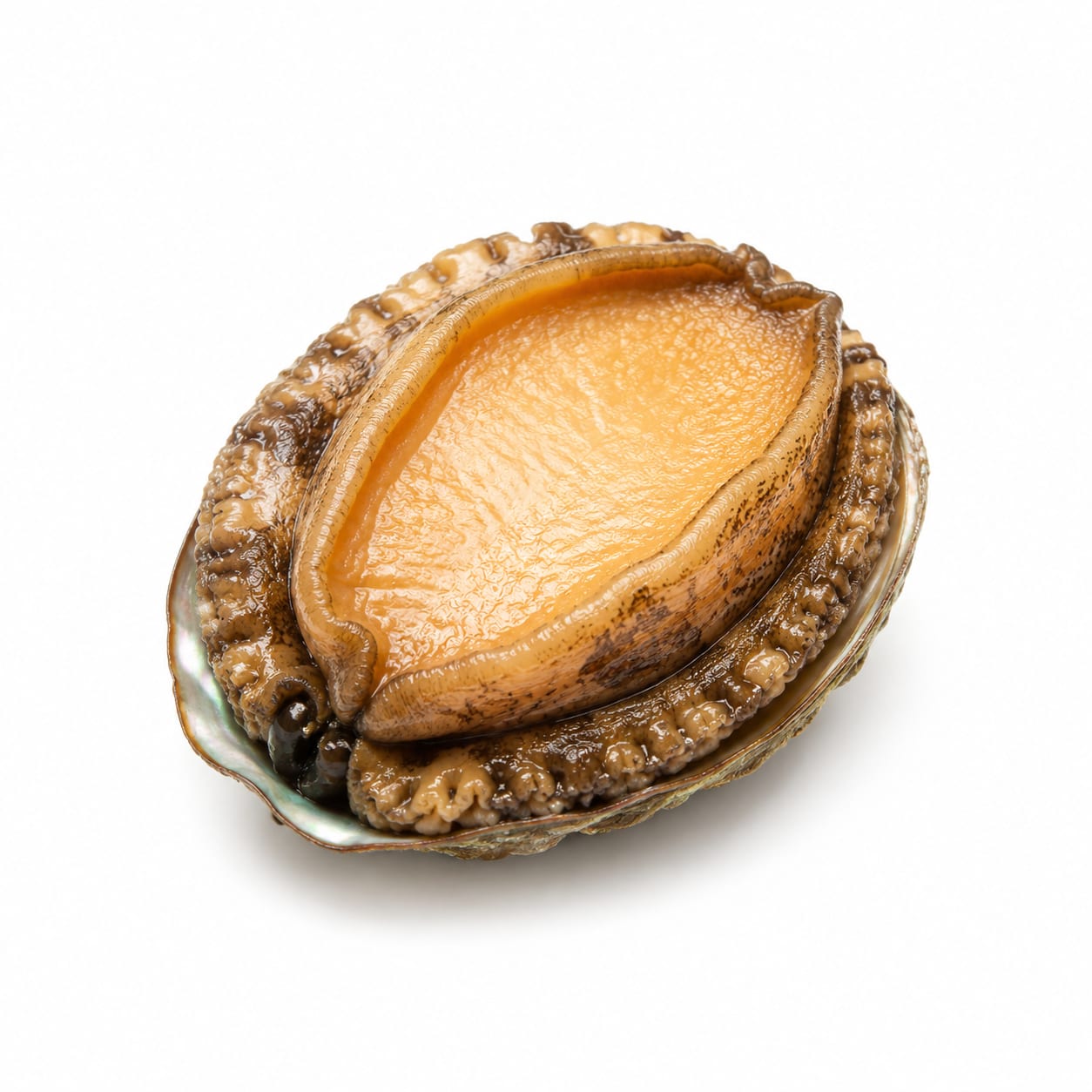
Abalone
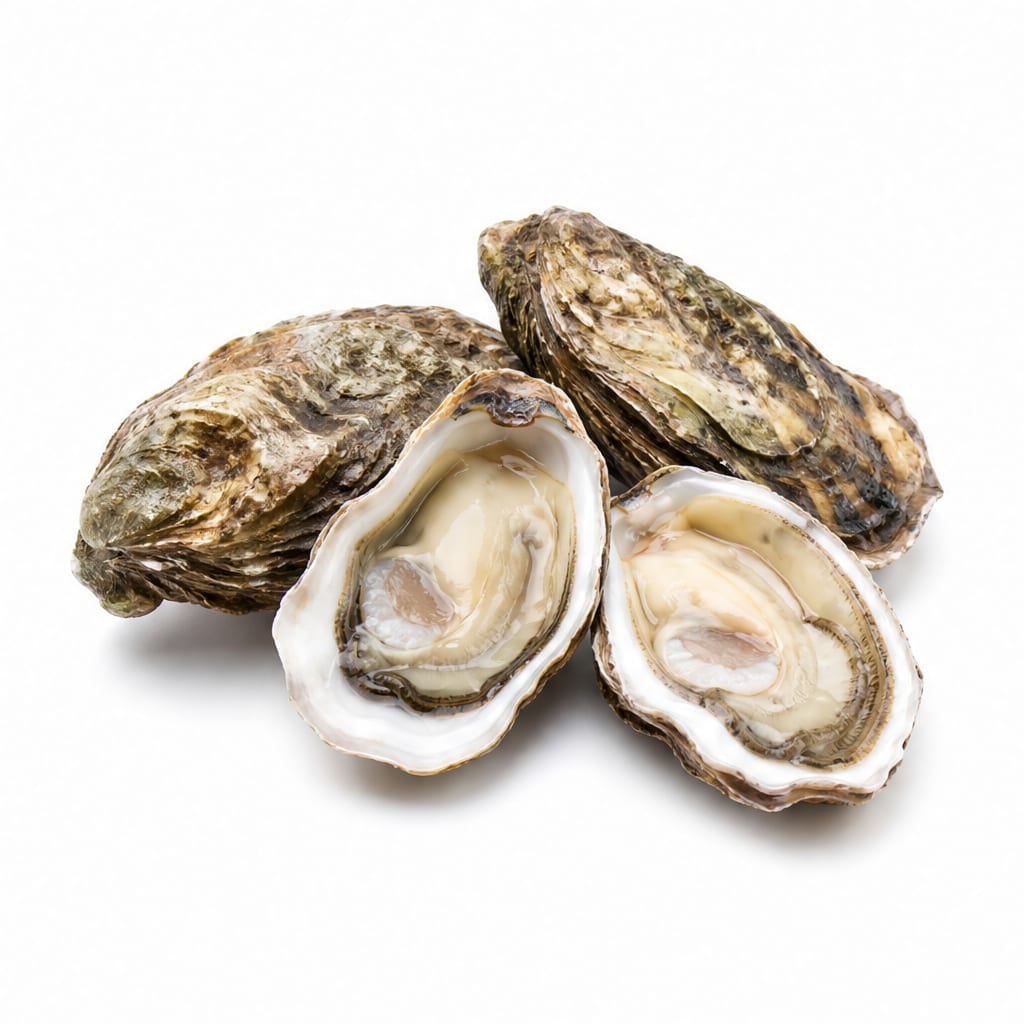
Oysters
Oysters win for everyday nutrition thanks to unmatched zinc and B12, affordability, and sustainability. Abalone is the premium protein pick for special occasions.
Oysters score higher due to exceptional zinc and B12 content, lower cost, and better sustainability profile. Abalone remains valuable for lean protein but loses ground on accessibility and mineral uniqueness.
Oysters give you extraordinary mineral density at a fair price but carry raw consumption risks. Abalone offers cleaner protein with less contamination worry but at luxury cost and limited availability.
At a glance
Executive summary
Overall
Oysters
Healthier
Oysters
More practical
Oysters
Daily use
Oysters
Key comparison lenses
mineral density comparison
Both are shellfish powerhouses but oysters dominate in zinc and B12 while abalone offers different mineral strengths
safety and contamination risk
Raw oyster consumption carries Vibrio risk; abalone is typically cooked and less prone to foodborne illness
sustainability and cost practicality
Abalone is luxury-priced and often overfished; farmed oysters are affordable and environmentally restorative
protein quality and satiety
Abalone delivers more protein per serving with a firmer, more filling texture
everyday accessibility
Oysters are widely available year-round; abalone is specialty and often hard to find fresh
Best choice for
Abalone
- High-protein low-fat meal planning
- Those avoiding raw seafood risks
- Special occasion dining with premium nutrition
- People wanting lean protein without heavy mineral loading
Oysters
- Zinc deficiency or immune support needs
- B12 supplementation through whole foods
- Budget-conscious mineral optimization
- Sustainable seafood choices
Least suitable for
Abalone
- Weekly meal prep on a budget
- Those needing high zinc intake
- People who want quick easy preparation
Oysters
- Immunocompromised individuals eating raw
- Those with shellfish allergies
- People sensitive to high sodium
Deep comparison
Dimension by dimension
Each lens scores both foods and breaks down who each option suits.
- Dimension 1 · Priority 95Oysters
mineral_density
Abalone · 68Oysters · 94Oysters are one of the most mineral-dense foods on the planet, especially for zinc and B12. Abalone has good minerals but cannot compete with oyster-level concentration.
Tradeoff
A single serving of oysters covers over 500% of daily zinc needs versus roughly 20% from abalone. That is a massive functional difference for immune health and testosterone production.
Why it matters
Zinc deficiency is surprisingly common and affects immunity, wound healing, and hormone balance. Oysters are arguably the most efficient whole-food zinc source available.
Real-world impact
Eating six oysters a couple times per week can meaningfully move the needle on zinc status. You would need enormous amounts of abalone to achieve the same effect.
Abalone
- Moderate iron intake without overloading on zinc
- Balanced mineral intake without extreme single-nutrient spikes
Better for
- Anyone relying on shellfish for zinc specifically
Worse for
Oysters
- Correcting zinc deficiency efficiently
- Boosting B12 on a pescatarian diet
- Supporting immune function during cold season
- Natural testosterone support for men
Better for
- Those who need to limit zinc intake due to copper imbalance
Worse for
- Dimension 2 · Priority 78Abalone
protein_and_satiety
Abalone · 82Oysters · 65Abalone delivers significantly more protein per serving with a dense, meaty texture that satisfies hunger longer. Oysters are lighter and less filling.
Tradeoff
Abalone provides roughly 17g protein per 100g versus oysters at 9g. If protein intake is your priority, abalone is clearly more efficient.
Why it matters
Higher protein meals support muscle maintenance, keep you full longer, and reduce between-meal snacking.
Real-world impact
An abalone steak feels like a real meal. A half-dozen oysters feel more like an appetizer that leaves you looking for the next course.
Abalone
- Post-workout protein recovery
- Making a lean high-protein dinner feel substantial
- Reducing hunger between meals
Better for
- Those wanting a light starter before a heavy meal
Worse for
Oysters
- Light appetizers before a main course
- Low-calorie mineral loading without feeling heavy
Better for
- Anyone counting on shellfish as a primary protein source
Worse for
- Dimension 3 · Priority 88Abalone
safety_and_contamination
Abalone · 80Oysters · 62Abalone is almost always cooked, eliminating most pathogen risk. Raw oysters carry real Vibrio and norovirus danger, especially in warm months.
Tradeoff
Oysters can be cooked too, but their cultural appeal is raw consumption, which introduces meaningful foodborne illness risk for vulnerable populations.
Why it matters
Vibrio vulnificus infections from raw oysters have a mortality rate around 30% in immunocompromised individuals. This is not a theoretical risk.
Real-world impact
A healthy adult might eat raw oysters without issue. Someone with liver disease, diabetes, or weakened immunity should treat raw oysters as a serious hazard.
Abalone
- Immunocompromised diners who want safe shellfish
- Pregnant women avoiding raw seafood risks
- People in regions with warm coastal waters where Vibrio thrives
Better for
- No significant safety downside beyond general shellfish allergy risk
Worse for
Oysters
- Healthy adults who prefer cooked oysters and avoid raw
Better for
- Anyone with liver disease, hemochromatosis, or compromised immunity
- Summer raw bar enthusiasts in Gulf Coast regions
Worse for
- Dimension 4 · Priority 85Oysters
sustainability_and_environment
Abalone · 45Oysters · 90Farmed oysters are one of the most sustainable seafood choices possible. Wild abalone has been severely overfished, and even farmed abalone is resource-intensive.
Tradeoff
Choosing oysters actively supports water filtration and reef restoration. Choosing abalone often supports a strained supply chain with higher environmental cost.
Why it matters
Oyster farms improve water quality by filtering algae and particles. Abalone farming requires significant energy and feed inputs.
Real-world impact
Ordering farmed oysters is one of the most environmentally positive seafood decisions you can make. Abalone is closer to a luxury indulgence with ecological baggage.
Abalone
- Farmed abalone from well-managed operations is acceptable occasionally
Better for
- Frequent consumers concerned about ocean sustainability
Worse for
Oysters
- Environmentally conscious seafood consumers
- Supporting local oyster aquaculture
- Reducing carbon footprint of protein choices
Better for
- No significant environmental downside for farmed oysters
Worse for
- Dimension 5 · Priority 75Oysters
cost_and_accessibility
Abalone · 30Oysters · 78Oysters are widely available and reasonably priced. Abalone is a luxury ingredient that can cost 5-10 times more per serving.
Tradeoff
Nutritional value per dollar overwhelmingly favors oysters. Abalone delivers premium experience but terrible cost-to-nutrition ratio.
Why it matters
A food you can afford twice a week beats a food you can afford twice a year for actual health outcomes.
Real-world impact
A dozen oysters at a raw bar might cost $24-36. A single abalone steak can run $50-100+. For regular mineral intake, oysters are the obvious choice.
Abalone
- Special occasions where cost is secondary to experience
Better for
- Anyone building shellfish into a regular diet affordably
Worse for
Oysters
- Weekly meal planning on a reasonable budget
- Consistent mineral intake without financial strain
- Home cooks wanting accessible shellfish
Better for
- Those seeking a premium dining experience
Worse for
- Dimension 6 · Priority 72Oysters
omega3_and_heart_health
Abalone · 65Oysters · 76Both provide omega-3 fatty acids, but oysters deliver slightly more EPA and DHA per serving along with heart-friendly selenium.
Tradeoff
The difference is modest. Both are heart-healthier than red meat, but oysters edge ahead on the specific fats most linked to cardiovascular benefit.
Why it matters
EPA and DHA omega-3s reduce inflammation and support heart rhythm stability. Getting them from whole food avoids fish oil supplement quality concerns.
Real-world impact
Regular oyster consumption can contribute meaningfully to omega-3 intake without supplements. Abalone helps too, just slightly less per calorie.
Abalone
- Lean protein for heart-healthy diets that limit total fat
Better for
- Those specifically targeting high EPA/DHA intake
Worse for
Oysters
- Maximizing omega-3 intake from shellfish
- Anti-inflammatory eating patterns
Better for
- No significant heart health downside
Worse for
Timeline
Health impact over time
Short-term
Hours to days
Abalone
- Sustained energy from high-quality protein without a heavy feeling
- Moderate mineral boost without overwhelming any single nutrient
Oysters
- Rapid zinc and B12 replenishment, especially noticeable if deficient
- Light satiety that may leave you hungry sooner than expected
Long-term
Months to years
Abalone
- Consistent lean protein supporting muscle maintenance over time
- Lower heavy metal accumulation risk compared to filter-feeding shellfish
Oysters
- Strong immune resilience from sustained zinc intake
- Improved B12 status supporting nerve health and energy metabolism
- Potential heavy metal accumulation if sourced from polluted waters frequently
Risk profile
Safety & processing
Both abalone and oysters are whole, minimally processed foods. Fresh or frozen preparations are clean. Watch for canned or smoked versions that add sodium and preservatives.
Abalone
Heavy metal exposure
lowAbalone is not a filter feeder and tends to accumulate fewer heavy metals than bivalves. Risk is low with reputable sources.
Allergic reaction
mediumShellfish allergy is one of the most common food allergies. Abalone triggers the same risks as other mollusks.
Oysters
Vibrio infection from raw consumption
highRaw oysters can harbor Vibrio vulnificus and Vibrio parahaemolyticus. Risk peaks in warm months and warm coastal waters. Fatal in immunocompromised individuals.
Norovirus contamination
mediumOysters filter large volumes of water and can concentrate norovirus from contaminated harvest areas.
Heavy metal accumulation
mediumAs filter feeders, oysters can concentrate cadmium, lead, and other metals from polluted waters. Source matters significantly.
Allergic reaction
mediumShellfish allergy risk applies equally to oysters as to other mollusks.
Who wins for whom
Audience fit
Same foods, different winners depending on your goal.
children
AbaloneCooked abalone avoids the raw seafood risk that makes oysters unsuitable for kids. The firm texture is also easier for children to handle safely.
daily consumption
OystersCost, availability, and sustainability make oysters realistic for regular intake. Abalone is too expensive and scarce for daily use.
diabetes
OystersBoth have zero carbohydrates and minimal glycemic impact. Oysters add superior zinc, which plays a role in insulin sensitivity.
elderly
OystersOysters provide exceptional B12 and zinc, both critical for immune function and cognitive health in aging. Cooked preparations eliminate raw safety concerns.
muscle gain
AbaloneAbalone provides nearly double the protein per serving, making it more useful for muscle recovery and growth when protein intake matters most.
weight loss
OystersOysters are extremely low in calories while being nutrient-dense, making them ideal for calorie-restricted diets. Abalone is also lean but more calorie-dense per serving due to portion sizes.
Your move
Decision guide
Choose Abalone
- You want a protein-forward shellfish meal that actually fills you up
- You are immunocompromised and need cooked seafood without pathogen risk
- Budget is not a constraint and you want a premium dining experience
- You are concerned about heavy metal accumulation from filter-feeding shellfish
Choose Oysters
- You want the most zinc-dense food available for immune or hormonal support
- Sustainability and environmental impact matter in your seafood choices
- You need affordable, regular mineral intake from whole foods
- You enjoy raw bar culture and are a healthy adult
Either works if
- You want lean protein instead of red meat for heart health
- You are looking for B12-rich alternatives to meat
- You enjoy cooking seafood and want variety in your rotation
Avoid both if
- You have a diagnosed shellfish or mollusk allergy
- You have gout and are sensitive to purine-rich foods
- Your doctor has advised a low-iodine diet before thyroid treatment
Final recommendation
Make oysters your regular shellfish for their unmatched zinc, B12, affordability, and sustainability. Save abalone for when you want a protein-heavy special meal with lower contamination risk. Both are excellent alternatives to red meat, but oysters deliver more measurable health value per dollar and per serving for most people.
Practical
Consumer tips
- 1
Cook oysters if you have any immune vulnerability. Steaming until shells open eliminates most Vibrio risk.
- 2
Source oysters from reputable farms with clean water certifications. Harvest location matters more than most people realize.
- 3
Farmed abalone from operations with sustainability certifications is the better ethical choice when you do indulge.
- 4
Frozen abalone is often better quality than poorly handled fresh abalone. Do not assume fresh is always superior.
- 5
Avoid canned or smoked versions of either if watching sodium. Fresh or frozen preparations give you full nutrition without salt loading.
- 6
Six medium oysters twice a week is enough to maintain excellent zinc and B12 status for most adults.
- 7
If eating raw oysters, stick to months with an R in their name and avoid Gulf Coast harvests in summer.