
Nutrition comparison
Abalone vs Crab: Nutrition, Safety, and Which Shellfish Is Better for You
Compare abalone and crab side by side on protein, minerals, sodium, contaminants, and value. Find out which shellfish fits your health goals and budget.
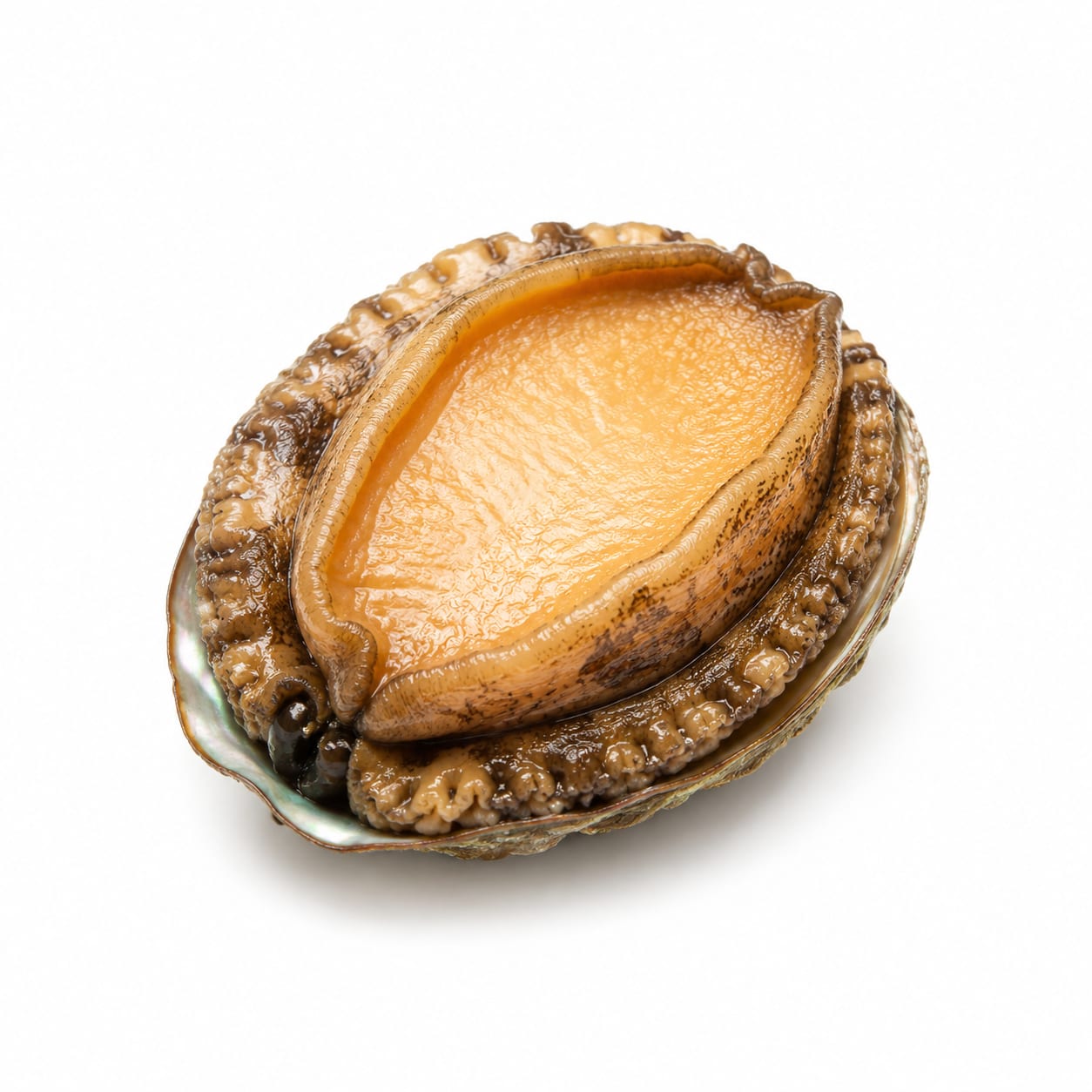
Abalone
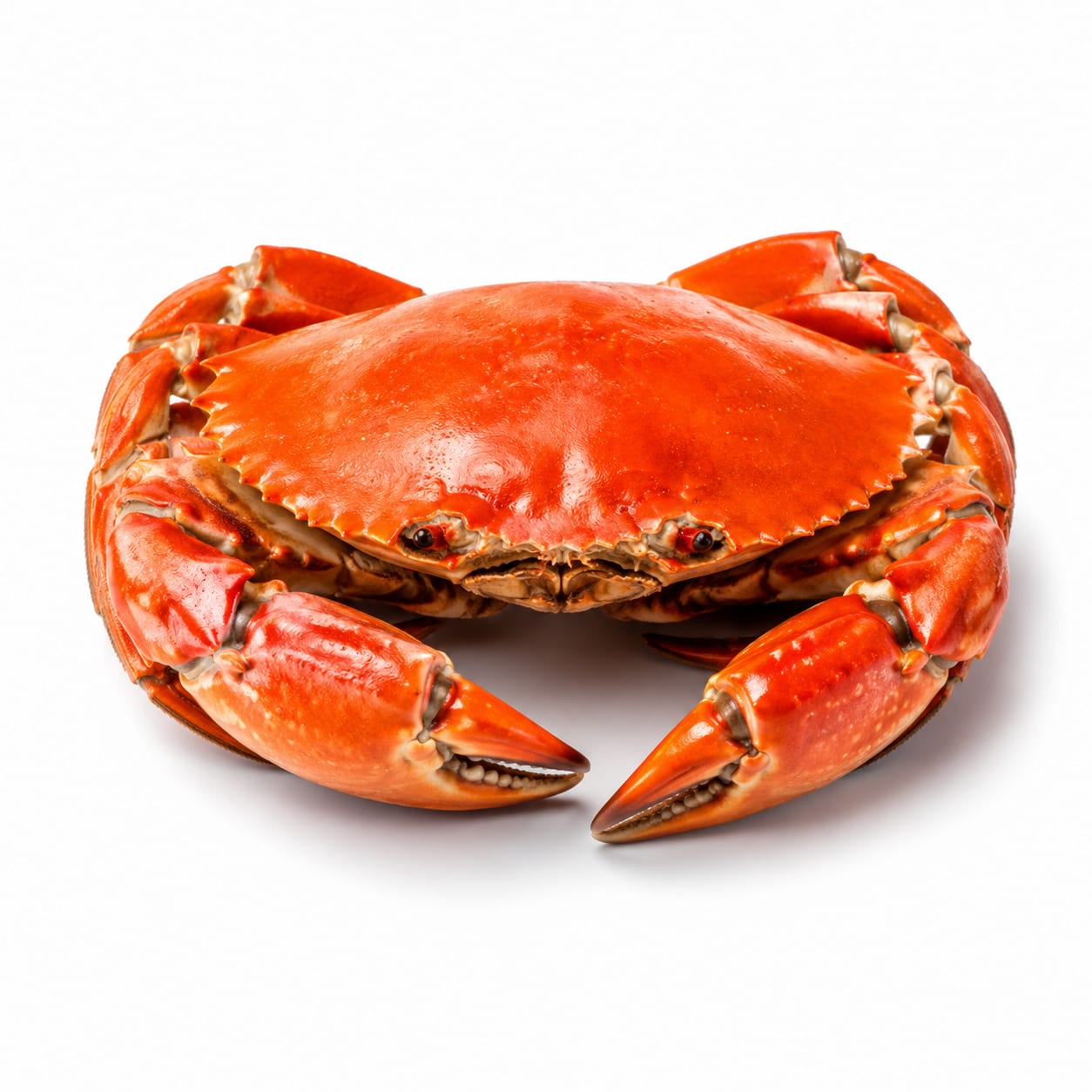
Crab
Crab wins on practicality and everyday value; abalone delivers a denser micronutrient punch per calorie but at luxury pricing and limited availability.
Abalone edges ahead on pure nutritional density and lower sodium, but crab's accessibility, affordability, and versatility keep it close. The small gap reflects that most people will eat crab far more often, making it the more impactful daily choice despite slightly lower per-serving nutrition.
Abalone offers more protein and minerals per serving with virtually zero fat, while crab is far more accessible, affordable, and versatile for regular meals.
At a glance
Executive summary
Overall
It depends
Healthier
Abalone
More practical
Crab
Daily use
Crab
Key comparison lenses
protein quality and lean seafood choice
Both are high-protein shellfish, so users likely want to know which delivers better nutrition per calorie
contaminant and heavy metal exposure
Shellfish accumulate toxins differently; safety is a top concern for regular seafood consumers
value and accessibility for regular meals
Abalone is a luxury item while crab is more accessible, making practicality a key decision factor
allergen and digestive tolerance
Shellfish allergies and digestive sensitivity differ between mollusks and crustaceans
mineral density and micronutrient value
Both offer unique mineral profiles that matter for long-term health
Best choice for
Abalone
- Maximizing protein intake with minimal calories
- Boosting iron and B12 on a lean diet
- Special occasion meals where nutrient density matters
- Those avoiding dietary fat entirely
Crab
- Affordable weekly seafood protein
- Zinc and selenium support for immunity
- Meal prep and recipe versatility
- Budget-conscious lean protein seekers
Least suitable for
Abalone
- Budget-conscious households
- People needing quick everyday meal solutions
- Those with mollusk allergies
- Sustainability-minded consumers worried about overharvesting
Crab
- People watching sodium intake closely
- Those with crustacean allergies
- Individuals prone to gout flares
Deep comparison
Dimension by dimension
Each lens scores both foods and breaks down who each option suits.
- Dimension 1 · Priority 93Abalone
Protein Density and Quality
Abalone · 88Crab · 79Abalone delivers more protein per calorie with a highly bioavailable amino acid profile, while crab provides solid but slightly less concentrated protein.
Tradeoff
Abalone gives you more protein per bite, but crab is easier to eat in larger quantities due to availability and cost.
Why it matters
Higher protein density helps with satiety and muscle maintenance without excess calories.
Real-world impact
A serving of abalone keeps you fuller longer with fewer calories than an equivalent portion of crab.
Abalone
- Lean bulking phases where every calorie counts
- Older adults needing efficient protein intake
Better for
- Anyone who cannot afford consistent servings
Worse for
Crab
- Post-workout meals where total protein volume matters more than density
- Athletes who eat larger portions regularly
Better for
- Strict calorie counters wanting maximum protein per calorie
Worse for
- Dimension 2 · Priority 86It depends
Mineral and Micronutrient Value
Abalone · 85Crab · 82Abalone is richer in iron and vitamin B12, while crab excels in zinc, selenium, and copper. Both are micronutrient powerhouses with different strengths.
Tradeoff
Abalone better supports blood health and energy metabolism; crab better supports immune function and antioxidant defense.
Why it matters
Mineral gaps are common and each food fills different nutritional holes.
Real-world impact
If you feel sluggish and may be low on iron, abalone helps more. If you catch every cold going around, crab's zinc and selenium are more useful.
Abalone
- Women with low iron levels
- Vegans transitioning who need B12 repletion
Better for
- Those who need immune-focused mineral support
Worse for
Crab
- People with frequent infections needing immune support
- Men seeking zinc for testosterone support
Better for
- Anyone with iron deficiency concerns
Worse for
- Dimension 3 · Priority 84Abalone
Sodium and Heart Health
Abalone · 82Crab · 58Fresh abalone is naturally low in sodium, while crab—especially canned or prepared—can be surprisingly high in salt.
Tradeoff
Abalone is gentler on blood pressure; crab often comes with hidden sodium that adds up quickly.
Why it matters
Sodium sneaks into shellfish meals through preparation, and crab is more commonly processed or brined.
Real-world impact
A crab leg dinner at a restaurant can deliver a full day's sodium before you add any seasoning. Abalone prepared at home stays naturally low-salt.
Abalone
- People with hypertension
- Anyone tracking sodium for kidney health
Better for
- None significant for sodium concerns
Worse for
Crab
- Athletes who lose sodium through heavy sweating
Better for
- Salt-sensitive individuals
- People with heart failure or kidney disease
Worse for
- Dimension 4 · Priority 90Crab
Affordability and Accessibility
Abalone · 25Crab · 78Crab is widely available at varying price points; abalone is a luxury ingredient with limited supply and high cost.
Tradeoff
You can eat crab weekly without financial strain, while abalone is a rare indulgence for most people.
Why it matters
Nutrition only works if you can actually eat the food consistently.
Real-world impact
Crab can be a regular part of your meal rotation. Abalone is more like a birthday dinner choice.
Abalone
- Special occasions where luxury is the point
Better for
- Students and young professionals on tight budgets
- Anyone needing consistent weekly seafood intake
Worse for
Crab
- Families feeding multiple people
- Anyone meal prepping on a budget
- People who live far from specialty seafood markets
Better for
- Diners seeking a premium experience
Worse for
- Dimension 5 · Priority 82It depends
Contaminant and Heavy Metal Risk
Abalone · 72Crab · 68Both carry some heavy metal risk, but abalone's near-shore habitat can mean higher cadmium exposure, while crab may accumulate more mercury depending on species.
Tradeoff
Abalone tends to have lower mercury but potential cadmium concerns; crab's mercury varies widely by type, with king crab being cleaner than blue crab.
Why it matters
Regular seafood eaters need to think about cumulative toxin exposure, not just nutrition.
Real-world impact
If you eat shellfish several times a week, rotating between types is smarter than loading up on just one.
Abalone
- Pregnant women avoiding mercury (with cadmium awareness)
- Those who eat seafood occasionally and want lower mercury
Better for
- Frequent consumers worried about cadmium accumulation
Worse for
Crab
- People choosing king or snow crab over coastal varieties
Better for
- Those eating blue crab from polluted waters regularly
Worse for
- Dimension 6 · Priority 76It depends
Allergen Profile and Digestive Tolerance
Abalone · 70Crab · 65Mollusk and crustacean allergies are distinct—being allergic to one does not mean allergic to the other. Both can cause reactions but affect different people.
Tradeoff
Abalone is a mollusk allergen, crab is a crustacean allergen. Cross-reactivity exists but is not guaranteed.
Why it matters
Shellfish allergies can be severe, and knowing which type you react to determines your safe option.
Real-world impact
If crab makes your throat itch, abalone might still be fine—and vice versa. Always confirm with an allergist.
Abalone
- People with crustacean allergies who tolerate mollusks
Better for
- Anyone with confirmed mollusk allergy
Worse for
Crab
- People with mollusk allergies who tolerate crustaceans
Better for
- Anyone with confirmed crustacean allergy
Worse for
- Dimension 7 · Priority 72Crab
Culinary Versatility
Abalone · 55Crab · 82Crab works in everything from salads to soups to pasta to cakes; abalone is more delicate and best prepared simply to avoid wasting its texture and flavor.
Tradeoff
Crab adapts to countless recipes and cuisines; abalone demands careful cooking and shines in fewer preparations.
Why it matters
A protein you enjoy cooking with regularly beats one that sits in your freezer because you're intimidated by it.
Real-world impact
Leftover crab becomes crab cakes, soup, or a salad topping. Overcooked abalone becomes rubber and disappointment.
Abalone
- Experienced home cooks who appreciate delicate preparation
- Raw or lightly seared presentations
Better for
- Beginner cooks worried about ruining expensive ingredients
Worse for
Crab
- Busy home cooks needing flexible ingredients
- Meal prep with leftovers that transform easily
Better for
- Dishes where a premium presentation matters
Worse for
Timeline
Health impact over time
Short-term
Hours to days
Abalone
- Quick protein satisfaction with minimal post-meal heaviness
- Low sodium means no bloating from salt
- Risk of digestive discomfort if undercooked or overcooked
Crab
- Satisfying protein with a slightly heavier feel depending on preparation
- Higher sodium may cause temporary water retention
- Immediate allergic reaction possible for crustacean-sensitive individuals
Long-term
Months to years
Abalone
- Consistent B12 and iron intake supports energy and blood health
- Low sodium profile benefits cardiovascular markers over time
- Potential cadmium accumulation if consumed very frequently
Crab
- Regular zinc and selenium intake strengthens immune resilience
- Sodium load from frequent crab consumption may raise blood pressure over years
- Omega-3 contribution supports anti-inflammatory pathways with regular intake
Risk profile
Safety & processing
Both are whole natural seafood when fresh. However, crab is more commonly sold canned, pasteurized, or brined, which introduces sodium and occasional preservatives. Fresh abalone is almost always sold whole and unprocessed, though canned abalone exists and carries similar sodium concerns.
Abalone
Cadmium accumulation
mediumAbalone filter-feed near coastal areas and can accumulate cadmium in their tissue. Occasional consumption is fine, but frequent intake from polluted waters is a concern.
Overharvesting and mislabeling
mediumWild abalone populations are depleted in many regions. Some markets sell farmed or poached abalone with questionable traceability.
Vibrio bacterial contamination
lowRaw or undercooked abalone can harbor Vibrio species, though less commonly than oysters. Proper cooking eliminates this risk.
Crab
Mercury exposure
mediumMercury levels vary by crab species and water source. Blue crab from industrialized coastal areas tends to be higher in mercury than king or snow crab from cleaner waters.
High sodium from preparation
highCanned, brined, or restaurant-prepared crab often contains very high sodium levels that can exceed daily limits in a single serving.
Shellfish toxin exposure
lowCrab can accumulate domoic acid and other marine toxins during algal blooms. Regulatory monitoring usually catches this before it reaches consumers.
Who wins for whom
Audience fit
Same foods, different winners depending on your goal.
children
CrabCrab is easier to find, more affordable for growing families, and comes in kid-friendly forms like crab cakes. Monitor sodium in prepared versions.
daily consumption
CrabCrab's availability and price make realistic daily or weekly consumption possible. Abalone is simply too expensive and scarce for most people to eat regularly.
diabetes
AbaloneBoth are essentially zero-carb, but abalone's lower sodium reduces cardiovascular risk that diabetics already face at higher rates.
elderly
AbaloneAbalone's superior B12 and iron content per calorie supports the nutrient absorption challenges that increase with age, and its soft texture when properly cooked is easy to chew.
muscle gain
CrabCrab is more affordable and available, allowing the larger and more frequent portions needed for muscle building.
weight loss
AbaloneAbalone provides more protein per calorie with almost no fat, making it easier to stay in a calorie deficit while feeling satisfied.
Your move
Decision guide
Choose Abalone
- You want the most nutrient-dense lean protein and cost is not a barrier
- You are managing iron deficiency or B12 depletion
- You are watching sodium closely for blood pressure or kidney reasons
- You tolerate mollusks but have crustacean allergies
- You are planning a special meal and want something premium
Choose Crab
- You need an affordable lean protein you can eat weekly
- You want immune-supporting zinc and selenium in your regular diet
- You enjoy cooking versatile recipes with seafood
- You are an athlete needing larger protein portions consistently
- You want omega-3 intake from a realistic everyday source
Either works if
- You simply want a high-protein, low-carb seafood option tonight
- You have no shellfish allergies of any kind
- You are rotating seafood types to minimize cumulative toxin exposure
Avoid both if
- You have a confirmed shellfish allergy (confirm which type with an allergist)
- You are on a strict low-purine diet for gout management
- You are pregnant and unsure about seafood sourcing safety
- You live in an area where seafood freshness cannot be verified
Final recommendation
For most people, crab is the smarter regular choice because you will actually eat it. Abalone is nutritionally superior per calorie, but its price and scarcity make it a special-occasion food rather than a dietary staple. If budget allows, enjoy abalone occasionally for its micronutrient density and use crab as your dependable weekly shellfish protein.
Practical
Consumer tips
- 1
Buy crab frozen or fresh rather than canned to control sodium levels yourself
- 2
If trying abalone, learn to tenderize and cook it briefly—overcooking makes it rubbery and wastes the investment
- 3
Rotate between mollusks and crustaceans to spread out any heavy metal exposure
- 4
Check seafood watch lists for sustainable abalone sources—farmed abalone is often the better environmental choice
- 5
Ask your fishmonger about water source for crab—cleaner waters mean lower mercury
- 6
If you have a shellfish allergy to one type, you may still tolerate the other, but confirm with an allergist before experimenting
- 7
Season crab yourself instead of buying pre-seasoned versions to cut sodium by half or more