
Nutrition comparison
Abalone vs Octopus: Nutrition, Taste, Sustainability and Value Compared
Abalone or octopus? Compare protein, B12, selenium, sustainability, price, and cooking ease. Discover which seafood delivers better health value for your budget.
Overall winner · Octopus
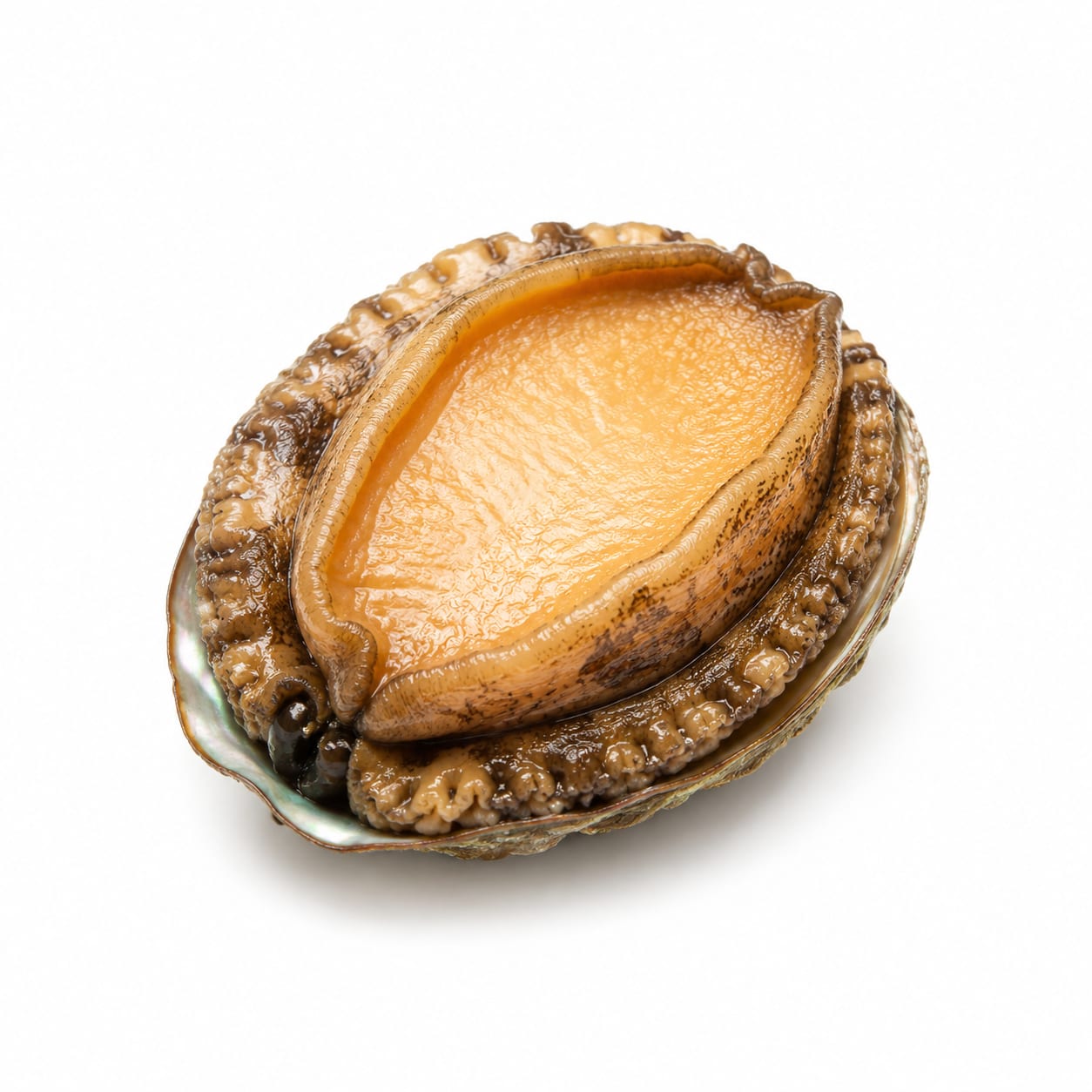
Abalone
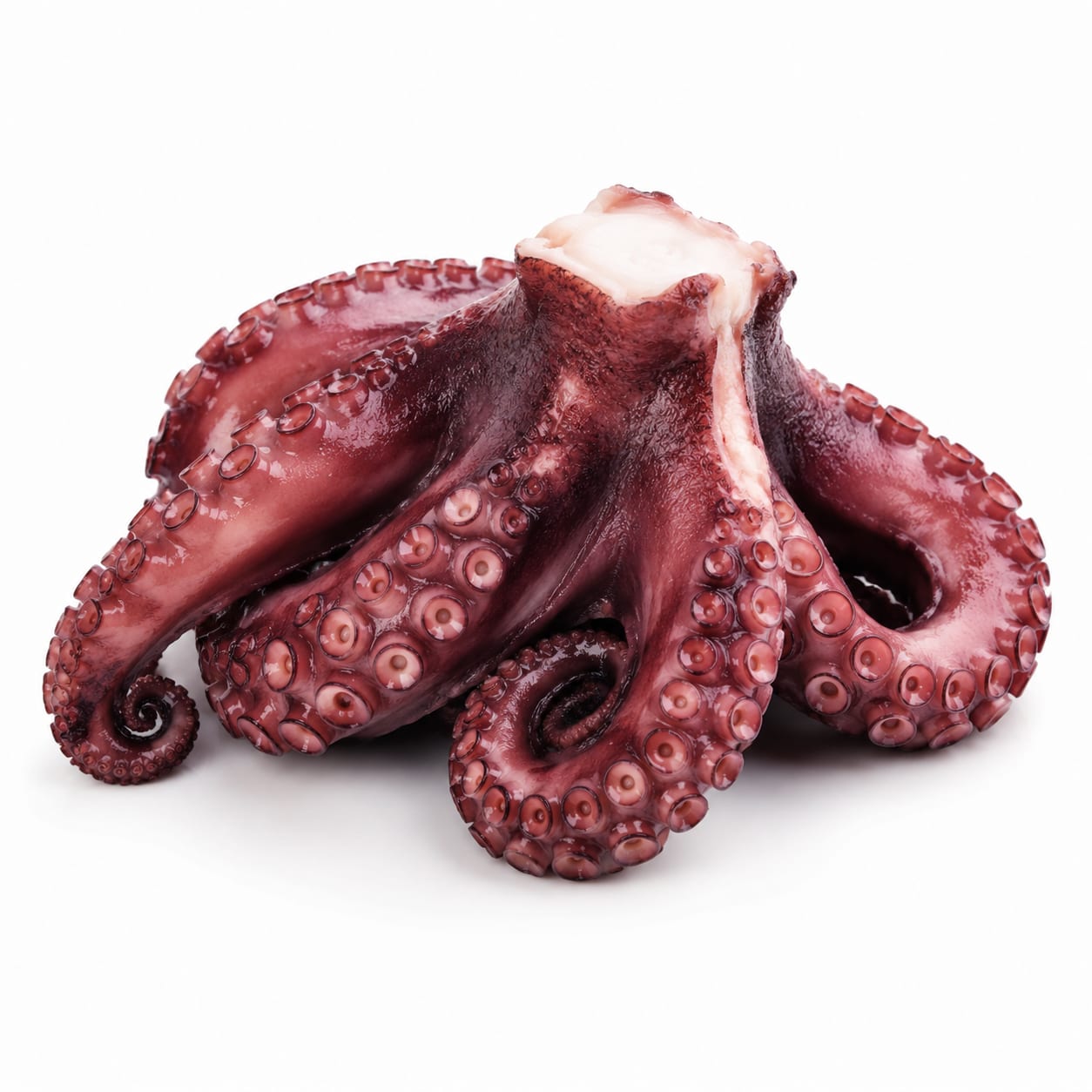
Octopus
Octopus delivers similar or better nutrition at a fraction of the cost, with far less environmental guilt. Abalone wins on luxury dining experience and certain minerals like selenium, but the nutritional gap does not justify the price gap.
Octopus scores higher primarily due to superior protein content, much higher B12, better sustainability, and far greater affordability. Abalone remains nutritionally valuable but cannot justify its premium price on health grounds alone.
Abalone offers a unique tender delicacy experience with high selenium, while octopus provides more protein, more B12, better sustainability, and dramatically lower cost.
At a glance
Executive summary
Overall
Octopus
Healthier
Octopus
More practical
Octopus
Daily use
Octopus
Key comparison lenses
protein quality and lean muscle support
Both are high-protein seafood with minimal fat, making protein density and amino acid profile a primary decision factor
mineral and micronutrient density
Shellfish and cephalopods differ significantly in B12, iron, selenium, and copper content
sustainability and environmental ethics
Abalone is frequently overharvested and endangered in many regions while octopus is more abundant
affordability and everyday accessibility
Abalone is a luxury ingredient costing significantly more than octopus
heavy metal and contaminant exposure
Both are marine animals but occupy different ecological niches affecting toxin accumulation
Best choice for
Abalone
- Special occasion luxury dining
- Selenium optimization
- Those seeking very tender seafood texture without long cooking
- Traditional Chinese medicine contexts valuing abalone for vitality
Octopus
- Budget-conscious high-protein diets
- B12 deficiency correction
- Sustainable seafood choices
- Mediterranean and Japanese home cooking
- Athletes needing lean protein regularly
Least suitable for
Abalone
- Weekly meal prep on a budget
- Environmentally conscious consumers worried about overfishing
- Those needing high B12 intake from food alone
Octopus
- People who struggle with chewy textures
- Diners wanting an impressive luxury centerpiece
- Anyone uncomfortable cooking cephalopods properly
Deep comparison
Dimension by dimension
Each lens scores both foods and breaks down who each option suits.
- Dimension 1 · Priority 92Octopus
Protein Density and Quality
Abalone · 72Octopus · 88Octopus provides significantly more protein per serving, making it more efficient for muscle maintenance and satiety.
Tradeoff
Abalone is still a solid protein source but offers noticeably less per calorie compared to octopus.
Why it matters
Higher protein density means you feel fuller longer and support muscle repair more effectively from each meal.
Real-world impact
A single octopus serving covers a larger share of your daily protein needs, reducing the need for supplementary protein sources.
Abalone
- Lighter meals where moderate protein suffices
Better for
- Athletes needing efficient protein intake
Worse for
Octopus
- Post-workout recovery meals
- High-protein diet plans
- Older adults combating muscle loss
Better for
- Those wanting a lighter, less protein-dense meal
Worse for
- Dimension 2 · Priority 88It depends
Micronutrient Profile
Abalone · 80Octopus · 82Abalone excels in selenium and copper, while octopus dominates in B12 and iron. Both are micronutrient powerhouses with different strengths.
Tradeoff
You choose between selenium dominance with abalone or B12 dominance with octopus. Most people benefit more from extra B12.
Why it matters
B12 deficiency is widespread, especially among older adults and vegetarians transitioning back to seafood. Iron is also a common gap.
Real-world impact
Regular octopus consumption can meaningfully close B12 and iron gaps. Abalone is better if selenium intake is your priority.
Abalone
- Thyroid health optimization via selenium
- Antioxidant defense support
- Copper intake for connective tissue health
Better for
- Those relying on food alone for B12
Worse for
Octopus
- Correcting B12 deficiency
- Boosting iron intake for energy
- Supporting red blood cell production
Better for
- People specifically targeting selenium optimization
Worse for
- Dimension 3 · Priority 85Octopus
Sustainability and Environmental Impact
Abalone · 38Octopus · 72Many abalone species are endangered or overfished. Octopus populations are generally more stable, though some regions have concerns.
Tradeoff
Choosing abalone often means supporting a fishery with serious sustainability challenges. Farmed abalone exists but is less common and still expensive.
Why it matters
Repeated consumption of unsustainable seafood contributes to ecological decline, even if individual health impact is neutral.
Real-world impact
If you eat seafood weekly, choosing octopus over abalone reduces your environmental footprint meaningfully over a year.
Abalone
- Farmed abalone from certified sustainable operations
Better for
- Environmentally conscious eaters
- Anyone avoiding endangered species consumption
Worse for
Octopus
- Regular seafood consumers wanting lower ecological guilt
- Those who care about ocean biodiversity
Better for
- Regions where octopus populations are declining
Worse for
- Dimension 4 · Priority 82Octopus
Affordability and Accessibility
Abalone · 25Octopus · 75Abalone is one of the most expensive seafoods globally. Octopus is moderately priced and widely available in many cuisines.
Tradeoff
Abalone's cost limits it to rare occasions for most people. Octopus can be a regular protein staple.
Why it matters
Nutrition only matters if you can afford to eat the food consistently. The best food for you is one you can actually buy regularly.
Real-world impact
You could eat octopus several times a month for the cost of a single abalone serving, making consistent nutritional benefits far more achievable.
Abalone
- Luxury dining experiences and celebrations
- Gifting in cultures where abalone is prestigious
Better for
- Anyone meal prepping on a budget
- Students and young professionals
Worse for
Octopus
- Weekly meal planning on a normal grocery budget
- Families wanting affordable lean protein
- Home cooks exploring Mediterranean or Japanese recipes
Better for
- Occasions demanding visual impressiveness and prestige
Worse for
- Dimension 5 · Priority 70It depends
Culinary Versatility and Ease of Preparation
Abalone · 65Octopus · 68Abalone is easier to cook acceptably but has fewer traditional preparations. Octopus requires technique to avoid rubberiness but appears in more diverse global dishes.
Tradeoff
Abalone is simpler but limited. Octopus is more versatile but punishes poor cooking technique.
Why it matters
A food you cannot cook well becomes wasted money and nutrition, regardless of its theoretical benefits.
Real-world impact
Overcooked octopus is genuinely unpleasant to chew. Abalone is more forgiving but offers less culinary adventure.
Abalone
- Confident cooks wanting a simple luxury preparation
- Quick pan-searing with minimal technique required
Better for
- Cooks wanting diverse recipe options
Worse for
Octopus
- Adventurous home cooks learning new techniques
- Grilling, braising, and slow-cooking enthusiasts
- Those who enjoy Mediterranean stews or Japanese takoyaki
Better for
- Impatient cooks who skip proper tenderizing steps
Worse for
- Dimension 6 · Priority 78Octopus
Contaminant and Heavy Metal Risk
Abalone · 62Octopus · 74Both are relatively low in mercury compared to large predatory fish. However, abalone's bottom-dwelling habits increase exposure to cadmium and other sediment contaminants.
Tradeoff
Octopus may contain slightly more mercury than abalone but less cadmium. Overall contaminant profiles favor octopus slightly.
Why it matters
Long-term accumulation of heavy metals affects kidney function, bone health, and neurological wellness.
Real-world impact
For occasional consumption, both are safe choices. For regular intake, octopus presents marginally lower cumulative contaminant risk.
Abalone
- Mercury-conscious consumers who prefer bottom-dwellers
Better for
- People concerned about cadmium from shellfish
Worse for
Octopus
- Regular seafood eaters minimizing cumulative cadmium exposure
- Those eating seafood multiple times weekly
Better for
- Those strictly monitoring mercury from all sources
Worse for
Timeline
Health impact over time
Short-term
Hours to days
Abalone
- Quick satiety from dense protein with minimal fat
- Light energy without post-meal sluggishness
- Potential digestive comfort due to tender texture when properly prepared
Octopus
- Strong satiety from higher protein content per serving
- Sustained energy from lean protein with almost no fat
- Risk of jaw fatigue if undercooked or poorly prepared
Long-term
Months to years
Abalone
- Selenium support for thyroid and immune function with regular consumption
- Low cumulative mercury exposure supports neurological health
- Cadmium accumulation risk if consumed very frequently from polluted waters
Octopus
- B12 and iron support for healthy blood and energy metabolism over time
- Taurine content may support cardiovascular health
- Low fat intake supports heart health when replacing higher-fat proteins
Risk profile
Safety & processing
Both abalone and octopus are typically sold whole or as minimally processed fresh or frozen seafood. Canned or dried versions exist for both but introduce sodium or preservatives. Fresh or frozen whole forms are the cleanest options for either choice.
Abalone
Cadmium accumulation from sediment exposure
mediumAbalone live on rocky substrates and feed on algae near the seafloor, increasing cadmium uptake. Occasional consumption is safe but frequent intake from contaminated areas raises kidney risk over years.
Allergic reactions to shellfish
mediumAbalone is a mollusk and can trigger shellfish allergies. Cross-reactivity with other gastropods and bivalves is possible.
Paralytic shellfish poisoning from harmful algal blooms
lowFilter-feeding behavior during toxic blooms can concentrate biotoxins. Commercial harvesting is monitored, but risk exists in recreational foraging.
Octopus
Mercury exposure
lowOctopus contains moderate mercury levels, lower than tuna or swordfish but higher than small fish. Regular consumption is generally safe but should be varied with other protein sources.
Allergic reactions to cephalopods
mediumOctopus can trigger cephalopod-specific allergies. Cross-reactivity with squid and cuttlefish is common.
Parasitic infection from raw or undercooked preparation
lowRaw octopus dishes like san-nakji carry slight parasite risk. Proper freezing or cooking eliminates this concern.
Who wins for whom
Audience fit
Same foods, different winners depending on your goal.
children
It dependsAbalone's tender texture is easier for young children to chew. Octopus can be too rubbery for kids unless very thoroughly cooked. Both provide valuable minerals for growth.
daily consumption
OctopusOctopus is affordable enough for regular inclusion in meals and offers B12 and iron benefits that compound with consistent intake.
diabetes
OctopusBoth have essentially zero carbohydrates, but octopus offers more protein to stabilize blood sugar alongside meals without fat overhead.
elderly
AbaloneAbalone's softer texture when properly prepared is gentler on aging teeth and jaws. Its selenium content also supports immune function in older adults.
muscle gain
OctopusHigher protein content per serving makes octopus more efficient for supporting muscle repair and growth, especially when eaten regularly.
weight loss
OctopusOctopus provides more protein per calorie, enhancing satiety and muscle preservation during caloric deficits, at a price that allows consistent consumption.
Your move
Decision guide
Choose Abalone
- You are celebrating a special occasion and want a luxurious dining experience
- Selenium and thyroid support are your top nutritional priorities
- You prefer tender, delicate seafood textures
- You have access to sustainably farmed abalone and want to avoid wild harvesting concerns
Choose Octopus
- You want the most nutritional value per dollar spent on seafood
- B12 or iron deficiency is a concern for you
- You care about sustainable seafood choices
- You enjoy cooking and are willing to learn proper cephalopod techniques
- You need a lean protein source you can eat regularly without breaking your budget
Either works if
- You want a low-fat, zero-carb protein source
- You are looking for alternatives to standard fish like salmon or tuna
- You need seafood that pairs well with simple Mediterranean or Asian preparations
Avoid both if
- You have a diagnosed shellfish or cephalopod allergy
- You are strictly limiting all seafood due to heavy metal concerns
- You cannot access reliably sourced seafood and worry about contamination
Final recommendation
For most people, octopus is the smarter regular choice. It delivers more protein, more B12, better iron, and meaningful sustainability advantages at a fraction of the cost. Save abalone for rare celebrations where its luxury status and tender texture genuinely enhance the experience. If you are eating seafood for health rather than prestige, octopus wins clearly.
Practical
Consumer tips
- 1
If cooking octopus at home, simmer it for 45-60 minutes before grilling or searing to guarantee tenderness
- 2
Freezing octopus before cooking actually helps break down tough muscle fibers for better texture
- 3
When buying abalone, look for farmed varieties from certified sustainable operations to reduce environmental impact
- 4
Canned abalone often contains high sodium and preservatives. Choose fresh or frozen when possible
- 5
Both foods pair well with garlic, olive oil, and lemon. Keep preparations simple to let the natural flavors shine
- 6
If you are new to cooking octopus, start with braised recipes which are more forgiving than grilling
- 7
Check seafood watch lists for your region before purchasing either option, as sustainability ratings vary by source