
Nutrition comparison
Abalone vs Shrimp: Nutrition, Cholesterol, and Which Shellfish to Choose
Compare abalone and shrimp on protein, cholesterol, iron, sustainability, and price. Find out which shellfish is healthier and which is more practical for everyday meals.
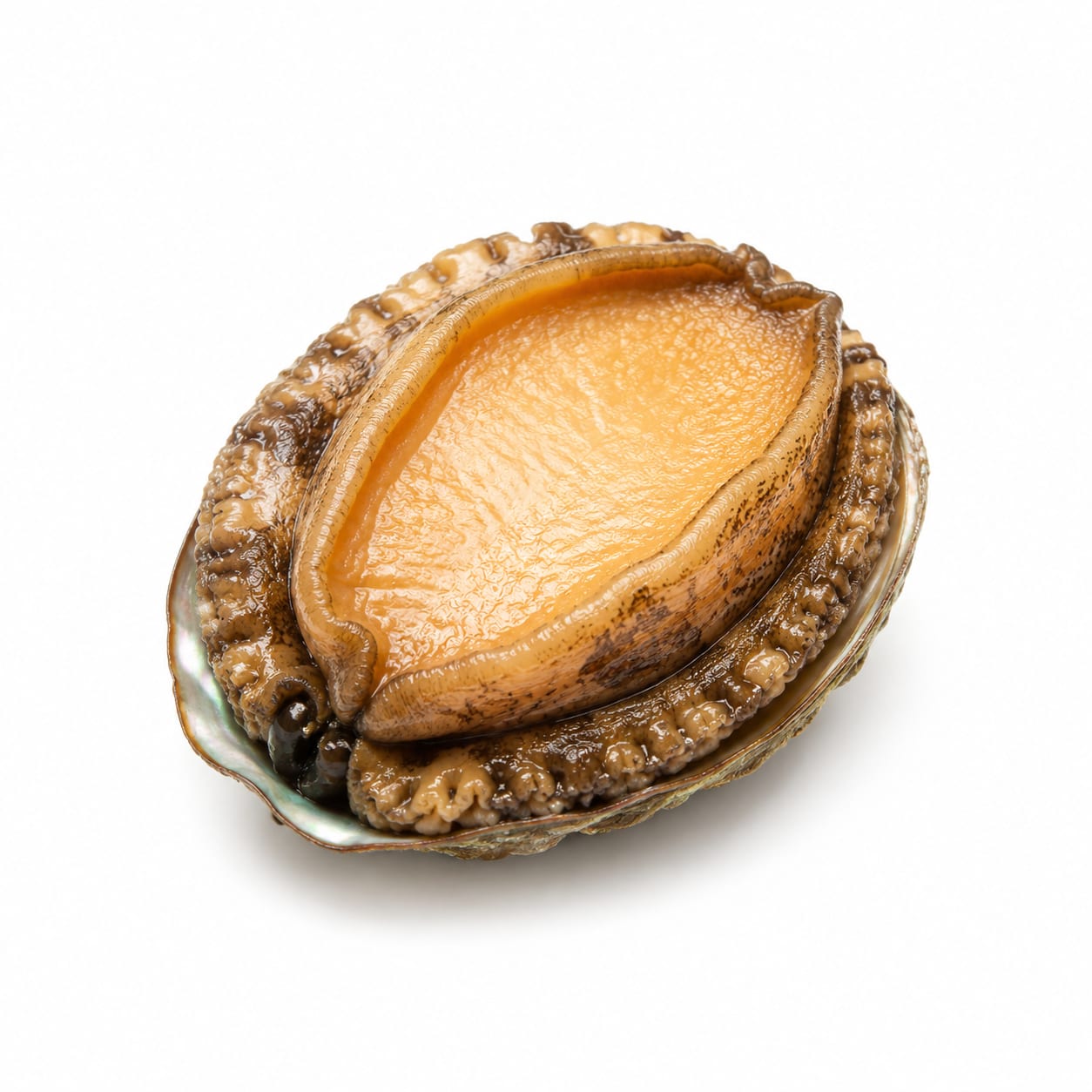
Abalone
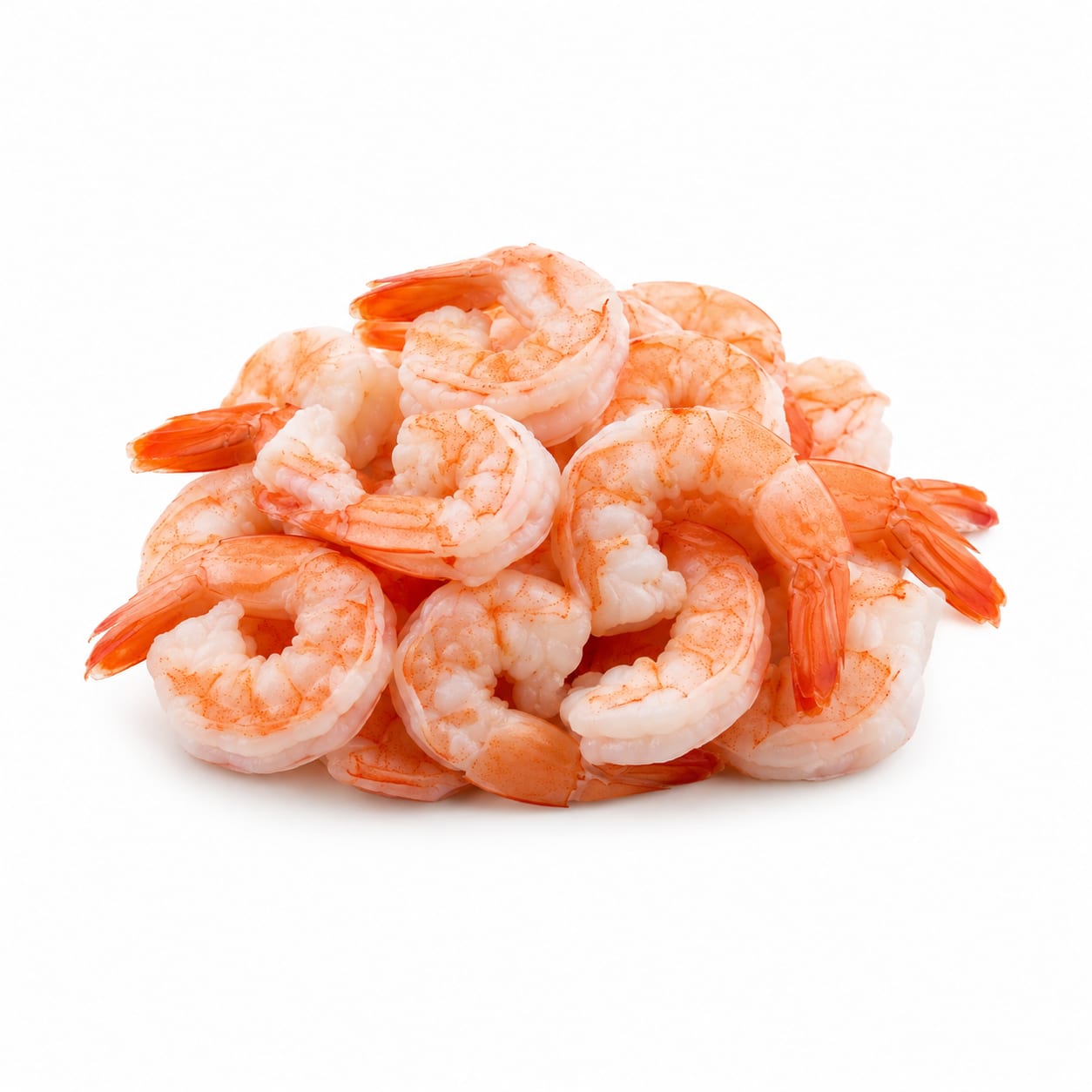
Shrimp
Abalone wins on nutrition density and lower cholesterol, but shrimp wins on affordability, availability, and everyday practicality.
Abalone edges ahead on pure nutritional quality and lower cholesterol, but shrimp's accessibility, affordability, and versatility keep it close. The 3-point gap reflects that most people cannot realistically eat abalone regularly, making shrimp the de facto winner for daily life even if abalone is technically superior per serving.
Premium nutrition and lean profile versus accessible price and culinary convenience.
At a glance
Executive summary
Overall
It depends
Healthier
Abalone
More practical
Shrimp
Daily use
Shrimp
Key comparison lenses
protein quality and lean seafood choice
Both are high-protein shellfish, so users likely want to know which delivers better nutrition per calorie
cholesterol and heart health concerns
Shrimp is notorious for cholesterol content; abalone offers a leaner alternative worth exploring
sustainability and environmental ethics
Abalone overharvesting is a major conservation issue; shrimp farming has its own ecological footprint
contaminant and heavy metal exposure
Both are marine species with potential heavy metal and microplastic concerns that affect regular consumption safety
accessibility and everyday practicality
Abalone is a luxury ingredient; shrimp is everyday affordable, making practicality a key decision factor
Best choice for
Abalone
- People managing cholesterol who still want lean protein
- Those seeking iron-rich seafood without the cholesterol hit
- Special occasion meals where nutrition still matters
- Anyone wanting maximum micronutrient density per calorie
Shrimp
- Budget-conscious households needing reliable lean protein
- Weekly meal prep and everyday cooking
- People who need widely available seafood options
- Those wanting culinary versatility across many cuisines
Least suitable for
Abalone
- Budget-conscious weekly meal planning
- People with shellfish allergies
- Those prioritizing sustainable everyday seafood choices
Shrimp
- People strictly limiting dietary cholesterol
- Those avoiding farmed seafood with antibiotic concerns
- Individuals sensitive to sodium in processed shrimp products
Deep comparison
Dimension by dimension
Each lens scores both foods and breaks down who each option suits.
- Dimension 1 · Priority 92Abalone
protein quality and content
Abalone · 85Shrimp · 80Both deliver excellent lean protein, but abalone offers slightly more protein per calorie with a favorable amino acid profile.
Tradeoff
Shrimp is still a strong protein source and far easier to eat in larger quantities due to availability and cost.
Why it matters
For muscle maintenance and satiety, both work well. The difference only matters at the margins for strict macro tracking.
Real-world impact
A 3oz serving of abalone gives you roughly 17g protein with minimal fat. Shrimp gives about 20g in the same serving but with slightly more cholesterol baggage.
Abalone
- Lean protein with minimal cholesterol tradeoff
- Higher iron content alongside protein
Better for
- Cost makes hitting daily protein targets from abalone alone unrealistic
Worse for
Shrimp
- Easier to consume larger portions affordably
- More recipes and preparation methods to keep protein intake interesting
Better for
- Cholesterol content makes high-volume consumption a concern for some
Worse for
- Dimension 2 · Priority 88Abalone
cholesterol and heart health
Abalone · 88Shrimp · 55Abalone is notably lower in cholesterol than shrimp, making it the clearer choice for heart-conscious eaters.
Tradeoff
Shrimp's cholesterol impact is debated and may not affect blood cholesterol as much as once feared, but abalone avoids the concern entirely.
Why it matters
For anyone with a family history of heart disease or existing lipid concerns, this difference is meaningful.
Real-world impact
A 3oz serving of shrimp contains roughly 166mg cholesterol. Abalone sits around 85mg for the same portion. If you eat shrimp frequently, those milligrams add up fast.
Abalone
- Nearly half the cholesterol per serving compared to shrimp
- Better fit for heart-healthy Mediterranean-style eating patterns
Better for
- Limited availability means most people cannot rely on abalone as their primary heart-healthy protein anyway
Worse for
Shrimp
- Research suggests dietary cholesterol from shrimp may not significantly raise blood LDL for most people
Better for
- Still one of the highest-cholesterol seafood options available
- Doctors often flag shrimp for patients managing hyperlipidemia
Worse for
- Dimension 3 · Priority 86Abalone
mineral and micronutrient density
Abalone · 90Shrimp · 78Abalone is a standout source of iron, selenium, and iodine, outpacing shrimp on several key minerals.
Tradeoff
Shrimp still provides solid selenium and B12 but cannot match abalone's iron content, which is rare in seafood.
Why it matters
Iron deficiency is common, especially among women. Finding a lean seafood source rich in iron is unusual and valuable.
Real-world impact
A single serving of abalone can provide a meaningful portion of your daily iron needs. Shrimp requires you to get iron from other sources entirely.
Abalone
- Exceptional iron content for a seafood option
- Strong selenium and iodine profile for thyroid support
- Good vitamin E content for antioxidant defense
Better for
- Irregular access means you cannot depend on it for consistent mineral intake
Worse for
Shrimp
- Reliable B12 source that is easier to eat regularly
- Consistent selenium content across wild and farmed varieties
Better for
- Negligible iron content compared to abalone
- Farmed shrimp may have lower mineral density than wild-caught
Worse for
- Dimension 4 · Priority 85It depends
sustainability and environmental impact
Abalone · 45Shrimp · 55Neither is a sustainability champion. Wild abalone has been severely overharvested, while shrimp farming destroys mangroves and wild shrimp trawling has high bycatch.
Tradeoff
Farmed abalone is improving but limited. Sustainably certified shrimp exists but requires careful label reading.
Why it matters
If environmental ethics influence your food choices, both require research. There is no easy answer here.
Real-world impact
Choosing farmed abalone from reputable operations or shrimp with MSC/ASC certification are your best bets. Uncertified options from either category carry significant ecological baggage.
Abalone
- Farmed abalone operations are improving and can be relatively low-impact
- Abalone farming does not typically destroy mangrove ecosystems
Better for
- Historic overfishing decimated wild populations
- Black market abalone trade undermines conservation efforts
Worse for
Shrimp
- Certified sustainable shrimp options are more widely available
- US farmed shrimp has better environmental standards than many imports
Better for
- Tropical shrimp farming is a leading cause of mangrove destruction
- Trawling for wild shrimp has among the highest bycatch rates of any fishery
Worse for
- Dimension 5 · Priority 80Abalone
contaminant and heavy metal exposure
Abalone · 75Shrimp · 65Abalone generally carries lower contaminant risk than shrimp, which faces more consistent issues with antibiotics, pesticide residues, and heavy metals in farmed varieties.
Tradeoff
Neither is risk-free. Abalone from polluted coastal waters can still accumulate toxins, but the supply chain tends to be shorter and more scrutinized.
Why it matters
If you eat seafood multiple times per week, cumulative contaminant exposure matters more than occasional consumption.
Real-world impact
Imported farmed shrimp has been repeatedly flagged for antibiotic residues banned in many countries. Abalone's luxury status means it often receives more quality control attention.
Abalone
- Lower risk of antibiotic residues compared to mass-produced shrimp
- Shorter and more transparent supply chains for most abalone products
Better for
- Can still accumulate heavy metals from coastal waters
- Less regulatory oversight in some regions where it is harvested
Worse for
Shrimp
- US and Canadian wild shrimp have strong safety testing
- Easy to find third-party tested options at regular grocery stores
Better for
- Imported farmed shrimp frequently flagged for banned antibiotics
- Higher microplastic exposure risk in some shrimp supply chains
Worse for
- Dimension 6 · Priority 75Shrimp
affordability and everyday practicality
Abalone · 20Shrimp · 85Shrimp is widely available and affordable. Abalone is a luxury ingredient that most people cannot access or justify for regular meals.
Tradeoff
You pay a massive premium for abalone's nutritional edge. For most households, that premium is not worth it for marginal gains.
Why it matters
The best nutrition plan is one you can actually follow. Shrimp fits into weekly budgets; abalone does not.
Real-world impact
Abalone can cost $50-150+ per pound depending on source and quality. Shrimp typically runs $8-15 per pound. That 5-10x price difference makes abalone a special-occasion choice by default.
Abalone
- Nutritional value per calorie is genuinely impressive if cost is no object
Better for
- Prohibitively expensive for regular consumption
- Hard to find outside specialty seafood markets or high-end restaurants
Worse for
Shrimp
- Available at virtually every grocery store
- Frozen shrimp retains quality well for meal prep
- Multiple price points make it accessible across budgets
Better for
- Pre-cooked frozen shrimp can be high in sodium from processing
Worse for
- Dimension 7 · Priority 70It depends
allergen risk and digestive tolerance
Abalone · 60Shrimp · 55Both are shellfish and trigger the same major allergen category. Shrimp allergy is more common simply because more people eat shrimp.
Tradeoff
If you tolerate shellfish, both are generally easy to digest. If you have any shellfish sensitivity, neither is safe.
Why it matters
Shellfish allergy is one of the most common and potentially severe food allergies. This is a binary concern, not a gradient.
Real-world impact
If you react to shrimp, you should avoid abalone too. Both are mollusks/crustaceans that fall under the shellfish allergen umbrella.
Abalone
- Less commonly reported as an allergen, possibly due to lower consumption rates
Better for
- Still a shellfish allergen — no safe option for shellfish-allergic individuals
Worse for
Shrimp
- Well-documented allergen profile means doctors can easily test and advise
Better for
- One of the top eight food allergens globally
- Cross-contamination risk is high in restaurants and processing facilities
Worse for
Timeline
Health impact over time
Short-term
Hours to days
Abalone
- High-quality protein provides lasting satiety without heaviness
- Iron content can help energy levels, especially for those with mild deficiency
- Low fat content makes it feel light after eating
Shrimp
- Quick-digesting protein ideal for post-workout recovery
- Higher cholesterol per serving may concern some at mealtime
- Selenium provides immediate antioxidant support
Long-term
Months to years
Abalone
- Consistent iron intake supports thyroid function and energy metabolism
- Low cholesterol profile benefits cardiovascular health over decades
- Selenium and vitamin E contribute to cellular defense against oxidative stress
Shrimp
- Regular consumption supports thyroid health through reliable iodine and selenium
- Frequent high-cholesterol intake may affect lipid panels in susceptible individuals
- If choosing poorly sourced shrimp, cumulative antibiotic and contaminant exposure becomes a real concern
Risk profile
Safety & processing
Both are whole foods in their natural state. However, shrimp has a bigger processed-product ecosystem — breaded shrimp, pre-cooked frozen shrimp with sodium tripolyphosphate, and shrimp-based snacks add additive exposure that abalone rarely faces due to its luxury positioning.
Abalone
Heavy metal accumulation
mediumAbalone from polluted coastal waters can accumulate cadmium and lead. Source matters significantly.
Biotoxin exposure
lowRed tide and algal blooms can contaminate abalone, though commercial harvesting is typically monitored.
Foodborne illness from raw preparation
mediumRaw or lightly cooked abalone in sushi or ceviche carries standard raw seafood risks if not handled properly.
Shrimp
Antibiotic residues in farmed shrimp
highImported farmed shrimp from certain regions has been repeatedly flagged for banned antibiotics including chloramphenicol and nitrofurans.
Sodium tripolyphosphate in processed shrimp
mediumCommonly used to retain moisture in frozen shrimp, STPP adds sodium and may cause digestive discomfort in sensitive individuals.
Vibrio and other bacterial contamination
mediumRaw or undercooked shrimp carries Vibrio vulnificus risk, especially in warm-water harvests during summer months.
Who wins for whom
Audience fit
Same foods, different winners depending on your goal.
children
ShrimpShrimp is more kid-friendly in texture and flavor, easier to find in child-appropriate portions, and widely used in family meals. Abalone's chewy texture and cost make it impractical for most children.
daily consumption
ShrimpShrimp's price point and availability make it a realistic daily or weekly protein. Abalone is simply not accessible enough for routine consumption.
diabetes
AbaloneBoth are essentially zero-carb, but abalone's lower cholesterol and higher mineral content give it a marginal advantage for metabolic health overall.
elderly
AbaloneAbalone's superior iron and mineral density matters more for older adults at risk of deficiency, and its lower cholesterol is beneficial for this age group.
muscle gain
ShrimpShrimp's affordability and availability make it realistic to eat in the larger quantities needed for muscle building, even though abalone has a slight per-serving edge.
weight loss
AbaloneAbalone's higher iron and slightly better protein-to-calorie ratio supports metabolic health during caloric restriction, though both are excellent low-calorie options.
Your move
Decision guide
Choose Abalone
- You want the most nutrient-dense lean shellfish and cost is not a barrier
- You are managing cholesterol and want a seafood protein without the cholesterol load
- You are preparing a special meal and want something nutritionally impressive
- Iron deficiency is a concern and you want a seafood-based solution
Choose Shrimp
- You need affordable, accessible lean protein for weekly meals
- You want versatile seafood that works in everything from stir-fries to pasta to tacos
- You are meal-prepping and need something that stores and reheats well
- Budget matters more than marginal nutritional differences
Either works if
- You tolerate shellfish and just want a high-quality lean protein
- You are following a low-carb or keto eating pattern
- You want seafood that pairs well with simple preparations like garlic and lemon
Avoid both if
- You have a diagnosed shellfish allergy
- You are following a strict vegan or plant-based diet
- You are pregnant and unsure about seafood sourcing and mercury levels
- You have gout and are sensitive to purine-rich foods
Final recommendation
For most people, shrimp is the practical everyday choice that delivers excellent nutrition at an accessible price. Abalone is the superior food on paper — lower cholesterol, more iron, better mineral density — but its cost and scarcity make it a special-occasion luxury, not a dietary staple. If you can afford abalone occasionally, enjoy it as a nutrient-dense treat. For the other 50 weeks of the year, well-sourced shrimp does the job beautifully.
Practical
Consumer tips
- 1
Look for shrimp with MSC, ASC, or Best Aquaculture Practices certification to avoid antibiotic and environmental concerns
- 2
Avoid shrimp treated with sodium tripolyphosphate by checking ingredient lists — it should just say 'shrimp'
- 3
If buying abalone, prefer farmed from reputable operations like those in the US, Australia, or South Korea to support sustainable supply
- 4
Frozen shrimp is often fresher than 'fresh' counter shrimp, which may have been thawed days earlier
- 5
For abalone, tenderizing before cooking is essential — pound it thin or slice it paper-thin to avoid a rubbery texture
- 6
If cholesterol is a concern but you love shrimp, pair it with soluble fiber-rich foods like oats or beans to help mitigate absorption