
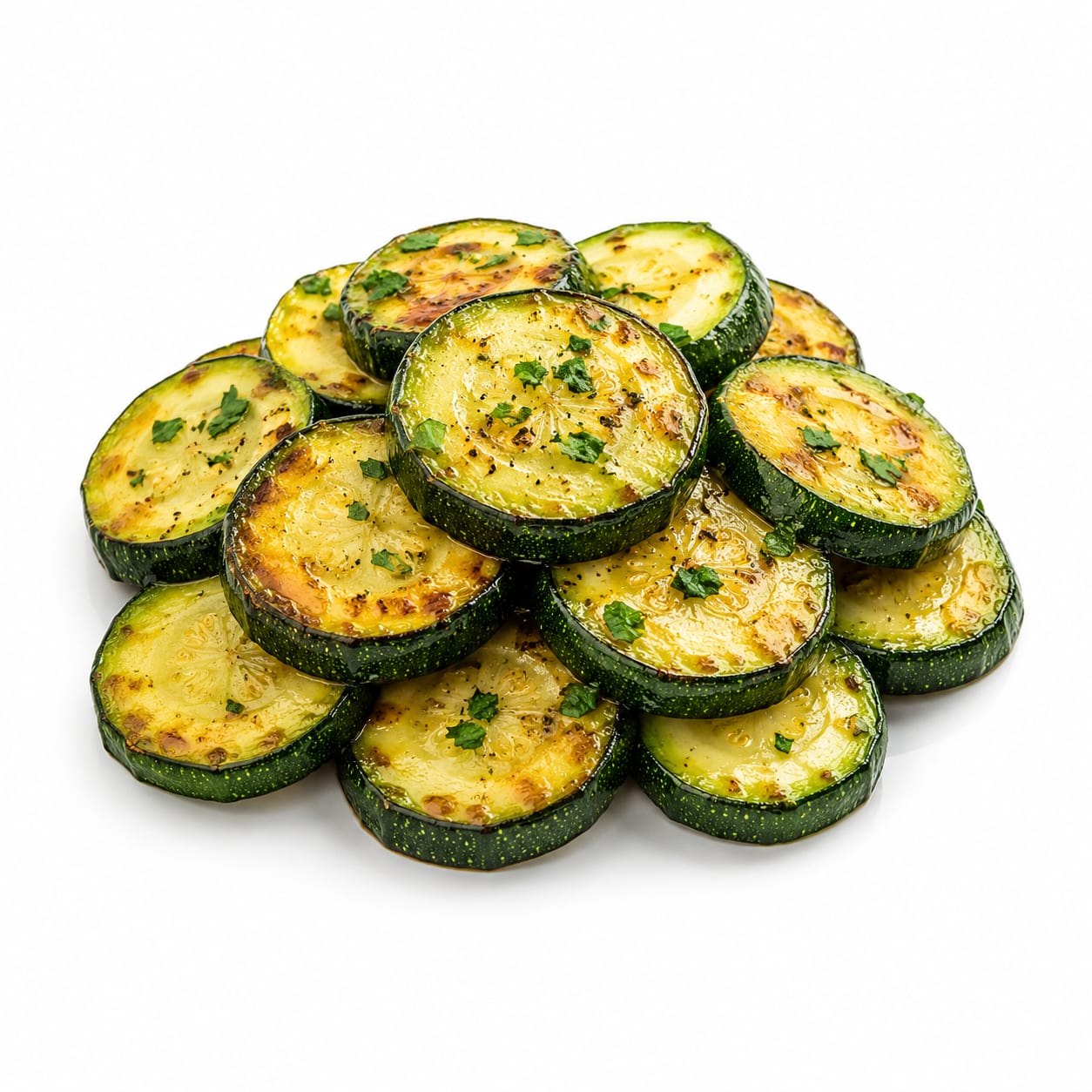
Vegetable
Zucchini
A low-calorie, high-water summer squash commonly used as a low-carb pasta alternative.
A mild-flavored summer squash that is highly versatile in cooking, often used as a low-carb substitute for pasta or grains due to its high water and low calorie content.
high-volume low-calorie vegetable
Typical serving · 130g
Common varieties · green zucchini, yellow zucchini, round zucchini, zucchini noodles (zoodles), baby zucchini
Overall context score across nutrition, safety, and diet fit
At a glance
Quick facts
Simple indicators based on nutrition, processing, and diet fit.
The story
What makes it unique
Zucchini is a fast-digesting, high-volume food composed of over 94% water. Its macronutrient profile is very low in calories and carbohydrates, with modest amounts of fiber. It provides a moderate source of vitamin C and potassium. As a minimally processed whole food, it requires minimal digestive effort and offers high satiety per calorie, though its low protein and fat content mean it does not provide sustained energy alone.
Varieties: green zucchini · yellow zucchini · round zucchini · zucchini noodles (zoodles) · baby zucchini
Per 100g
Nutrition breakdown
Macro balance and key metrics at a glance.
Energy
Density 0.17 kcal/g
Protein
Carbs
Fat
Fiber
Sugar
2.5 g
Sodium
8 mg
Potassium
261 mg
Glycemic index
15
Glycemic load
1
Water content
94%
Standout compounds
Nutrient highlights
Vitamin C
moderateSupports immune function and acts as an antioxidant to protect cells from damage.
Potassium
moderateHelps regulate blood pressure and fluid balance in the body.
Water
highPromotes hydration and contributes to the extremely low energy density of the vegetable.
Manganese
lowPlays a role in metabolism, bone formation, and antioxidant defense.
Wellness map
Health scores & processing
NOVA processing scale
unprocessed · Whole food
Whole zucchini is a raw agricultural commodity. Minimal processing like cutting or spiralizing does not alter its nutritional structure.
Diet compatibility
- Weight loss
- Muscle gain
- Diabetes
- Gut health
- Low carb
- High protein
- Heart health
Relative standing
Food rankings
Qualitative ranks compared to similar whole foods.
- Satietygood
- Blood sugarexcellent
- Nutrient densitymoderate
- Fitness fuelpoor
- Processing qualityexcellent
Eat with confidence
Food safety profile
Zucchini is generally very safe to eat raw or cooked. The primary concern is pesticide residues on the skin of conventionally grown varieties. Washing thoroughly reduces this risk significantly.
Evidence confidence 85%
- Pesticidesmoderate
- Antibioticslow
- Heavy metalslow
- Contaminationlow
Watch for
- organophosphate pesticide residues
- soil-borne bacteria
Safer choices
Organic zucchini to avoid pesticide residues and GMO varieties.
Prep tips
Rinse under cold running water and scrub the skin gently with a vegetable brush to remove dirt and potential pesticide residue.
Conventional zucchini often appears on produce lists with moderate pesticide residue concerns. Some genetically modified varieties (virus-resistant) exist but are heavily regulated.
Deep dive
Health analysis
How this food may fit different goals and preparation choices.
Weight loss
Extremely effective for weight loss due to high volume and low calorie count, allowing dieters to eat large portions without exceeding caloric limits.
Blood sugar
Virtually no impact on blood sugar due to extremely low carbohydrate content and glycemic load, making it safe for diabetic diets.
Fitness & energy
Not a significant source of fuel for high-intensity exercise, but useful for meal volume and hydration for athletes cutting weight.
Gut health
Provides mild fiber to support digestion and regularity, though not a high-fiber powerhouse. Very easy to digest for sensitive stomachs.
Processing quality
A whole, unprocessed food that retains all natural vitamins, minerals, and water content from harvest to plate.
Food safety
Generally safe with low contamination risk. Peeling or buying organic reduces exposure to topical pesticide residues.
Common mistakes
Overcooking zucchini until mushy, which ruins its texture and leaches water-soluble nutrients like vitamin C into the pan.
Best preparation
Lightly sautéed, grilled, roasted, or spiralized raw into salads to maintain texture and nutrient integrity.
Practical guide
Best use cases
When and how this food fits real eating patterns.
Low-carb pasta replacement
Spiralized into zoodles as a base for pasta sauces, drastically reducing meal carbohydrate content.
High-volume dieting
Bulk up soups, stews, and stir-fries with minimal caloric addition to increase meal size.
Baking moisture enhancer
Grated and added to muffins or breads to increase moisture and nutrient density without added fat.
Balance sheet
Pros & cons
Upsides
- Very low in calories and carbohydrates
- High water content promotes hydration and fullness
- Versatile for cooking and low-carb substitutions
- Good source of vitamin C and potassium
- Easy to digest and gentle on the gut
Trade-offs
- Very low protein and fat require pairing for balanced meals
- Can become mushy and release excess water if overcooked
- Not a significant source of sustained energy
- Conventional varieties may carry pesticide residues on the skin
Fit check
Who is it for?
Great match
- weight loss diets
- low-carb and keto diets
- diabetic meal plans
- high-volume eating
- increasing vegetable intake
Consider alternatives
- high-protein diets
- calorie-dense bulking phases
- strict fasting periods requiring zero intake
Side by side
How it compares
Open the full head-to-head analysis for nutrition, safety, and practical tradeoffs.
This food
Zucchini
VS95% alike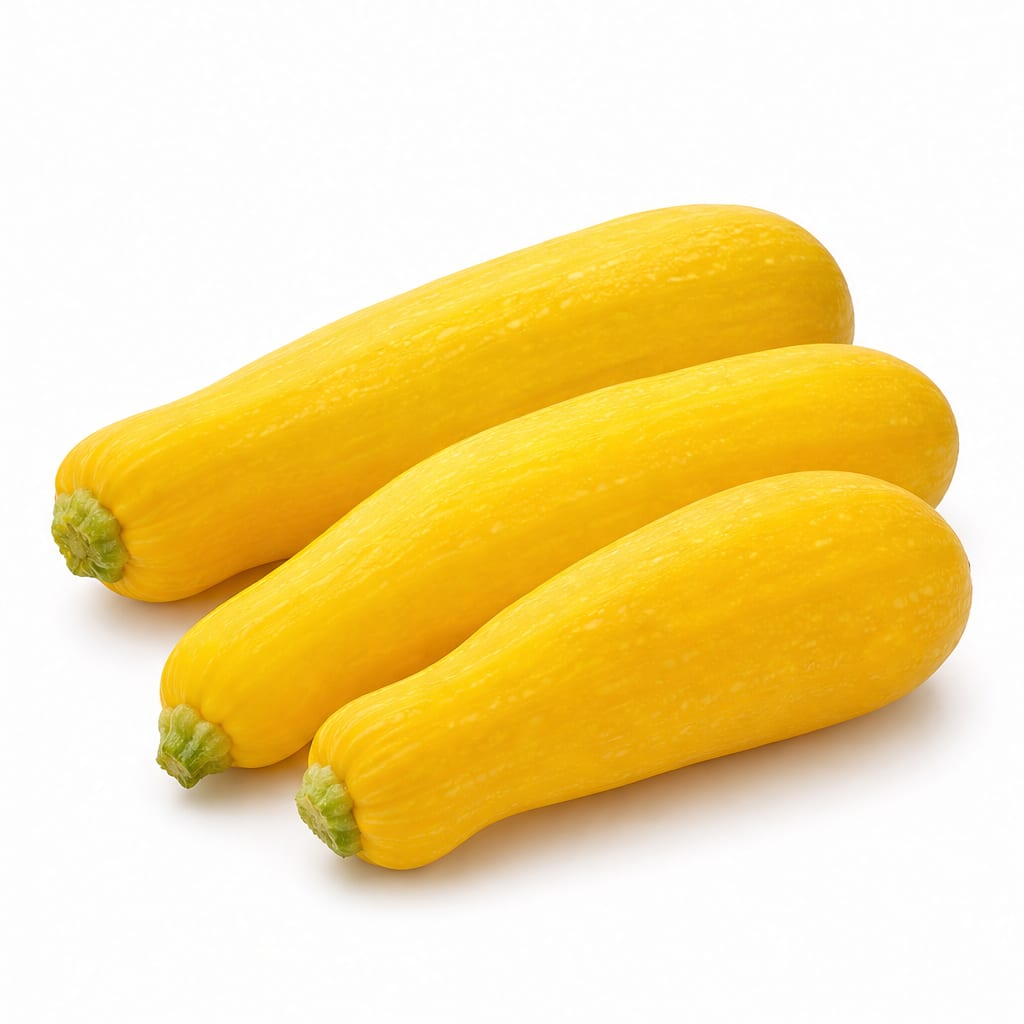
Compare with
Yellow Squash
Zucchini and yellow squash are nutritionally almost identical, though zucchini is slightly firmer and milder in flavor.
Zucchini and yellow squash are nutritionally identical, but zucchini is slightly firmer, making it better for zoodles.
This food
Zucchini
VS90% alike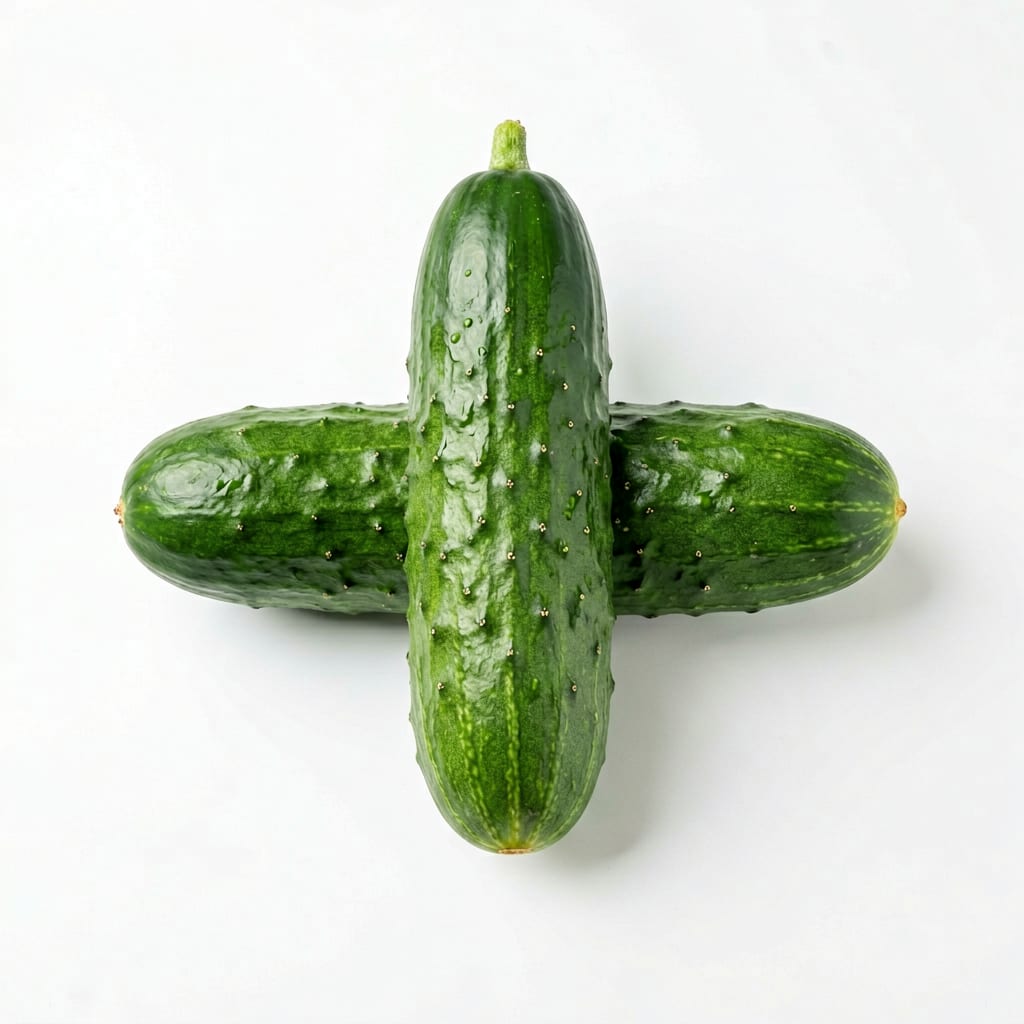
Compare with
Cucumber
Cucumber is slightly lower in calories and carbs, but zucchini offers more vitamin C and potassium.
Cucumbers are slightly lower in calories, but zucchini provides more vitamins and is more versatile for cooking.
This food
Zucchini
VS80% alike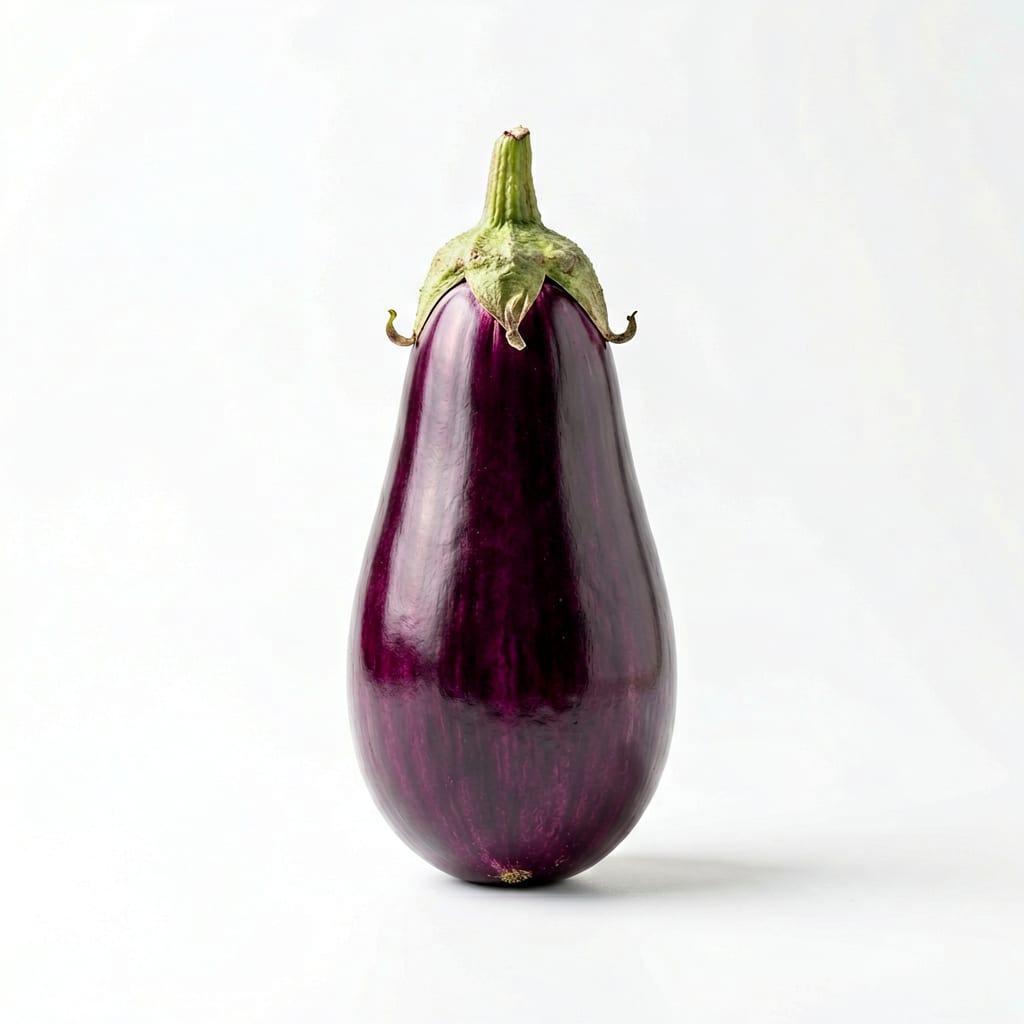
Compare with
Eggplant
Zucchini is much lower in calories and does not absorb oil like eggplant does during cooking.
Zucchini is far lower in calories than eggplant because eggplant acts like a sponge for cooking oils.
This food
Zucchini
VS75% alike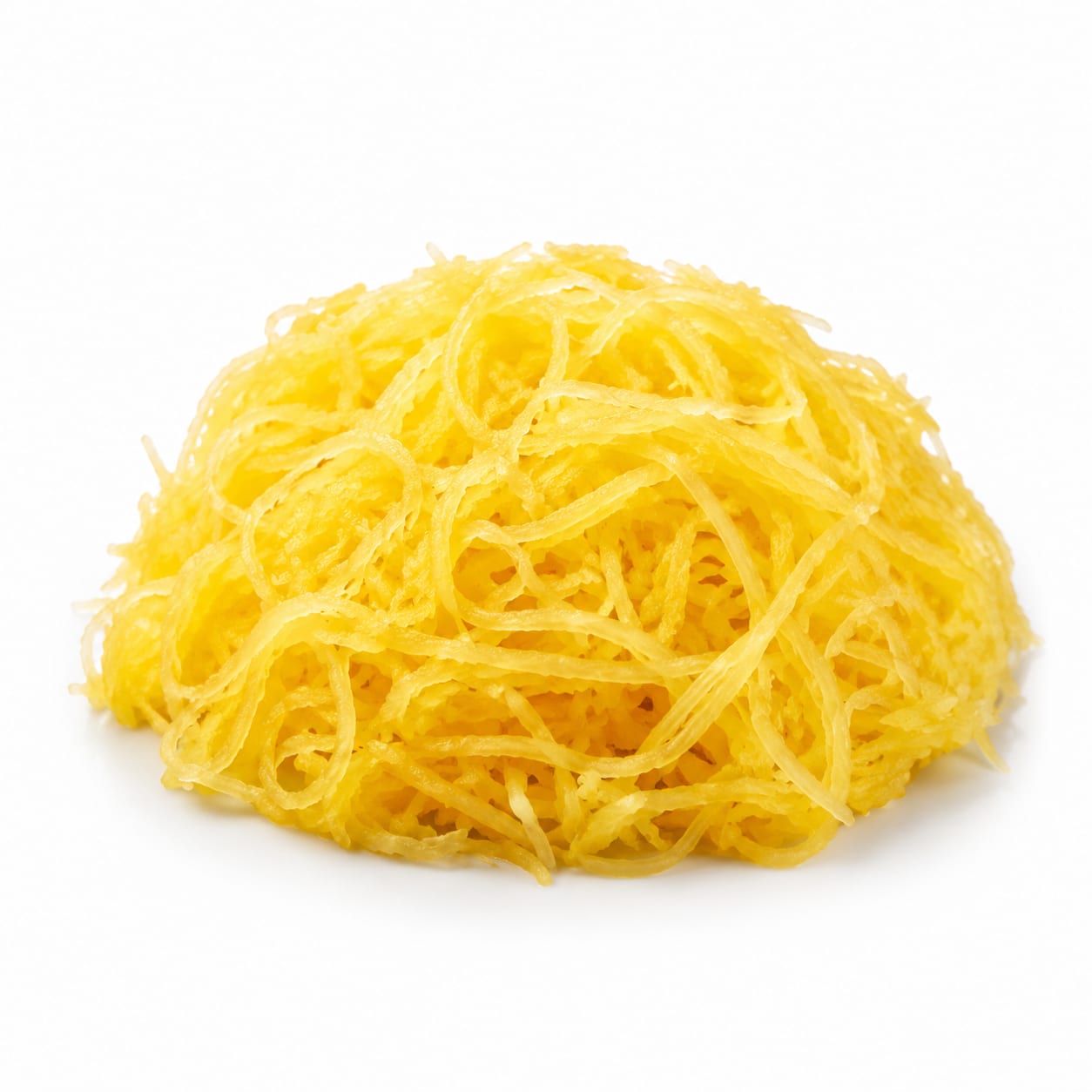
Compare with
Spaghetti Squash
Zucchini is lower in calories and carbs, while spaghetti squash has a texture that more closely mimics spaghetti strands.
Zucchini is lower in carbs and calories, but spaghetti squash provides a better pasta-like texture and slightly more fiber.
This food
Zucchini
VS70% alike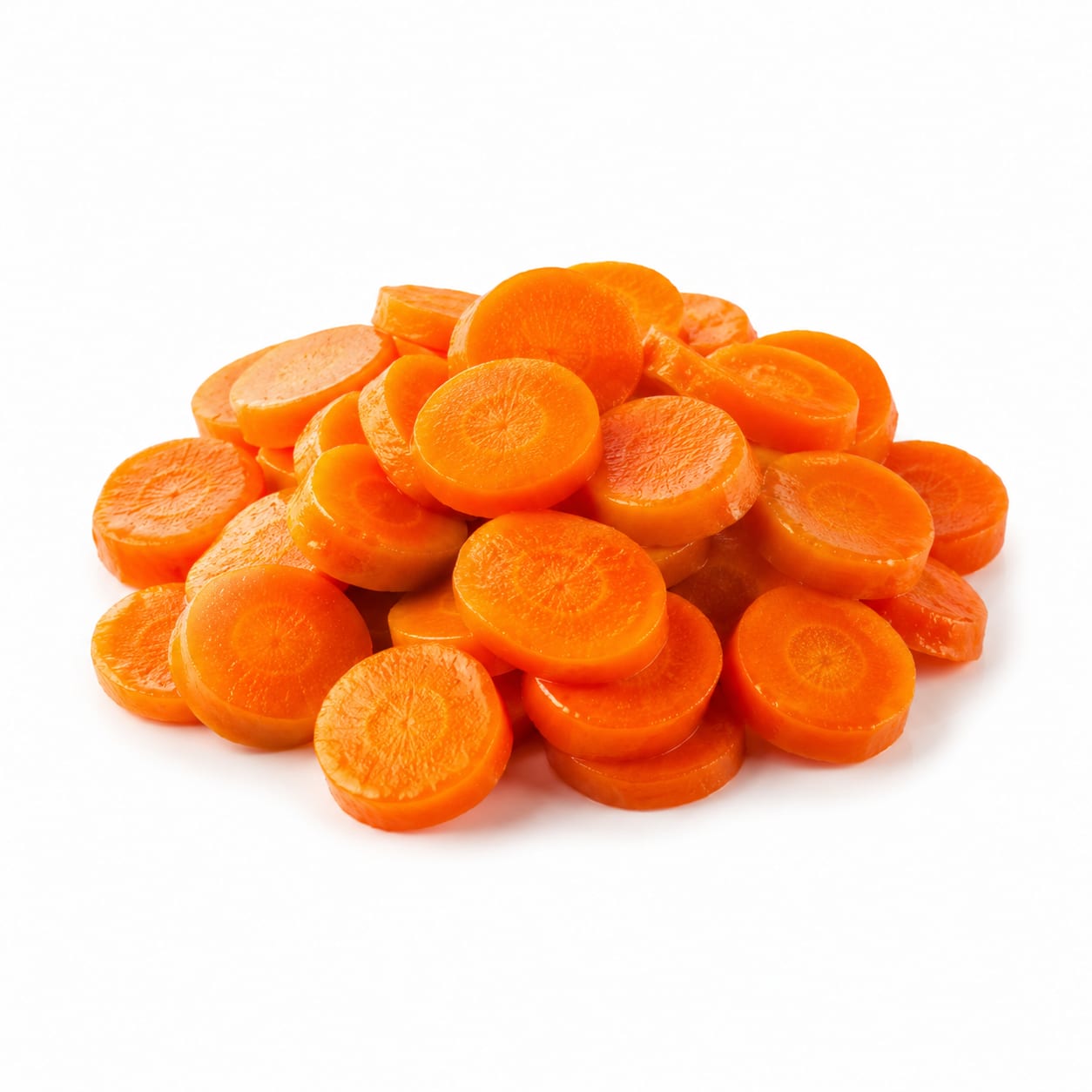
Compare with
Carrots
Zucchini is lower in sugar and carbs, while carrots are significantly higher in beta-carotene and vitamin A.
Zucchini is lower in sugar and better for strict low-carb diets, while carrots offer much more vitamin A.
This food
Zucchini
VS65% alike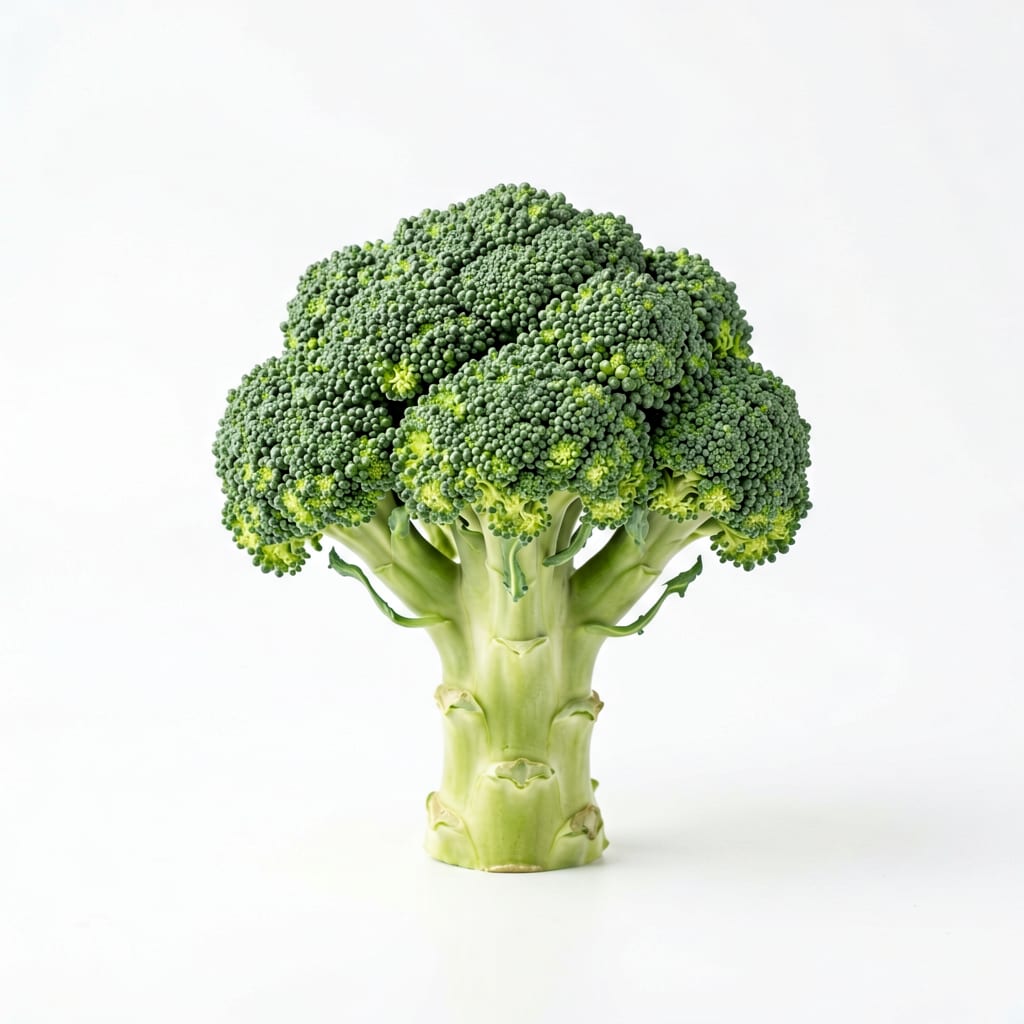
Compare with
Broccoli
Broccoli is much more nutrient-dense, offering far more fiber, protein, and vitamins per calorie than zucchini.
Broccoli is far more nutrient-dense and higher in fiber, while zucchini is strictly lower in calories.
This food
Zucchini
VS65% alike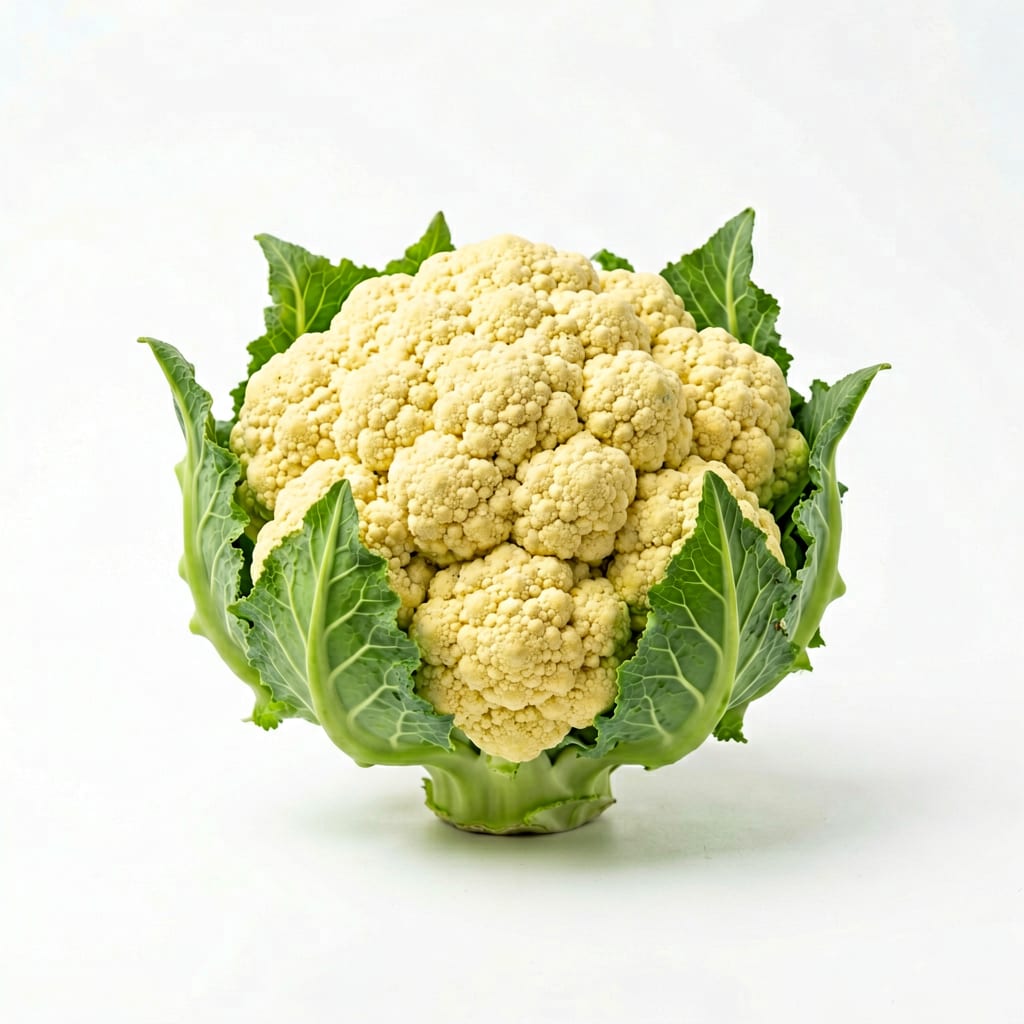
Compare with
Cauliflower
Cauliflower is higher in fiber and vitamin C, while zucchini is lower in calories and more hydrating.
Cauliflower provides more fiber and vitamin C, but zucchini is lower in calories and works better as a pasta sub.
This food
Zucchini
VS60% alike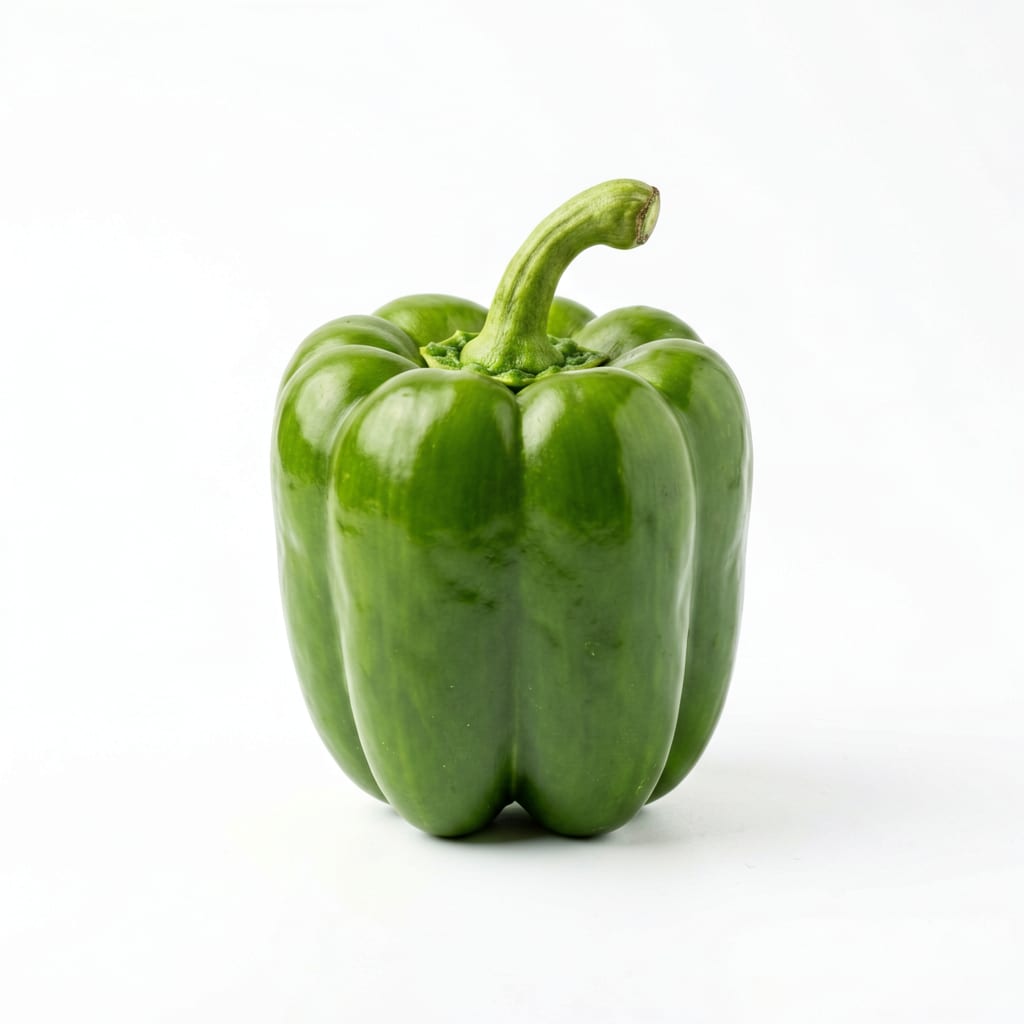
Compare with
Bell Pepper
Bell peppers are much higher in vitamin C and sugar, while zucchini is lower in carbs and more neutral in flavor.
Bell peppers are much higher in vitamin C and natural sugars, while zucchini is lower in carbs and more neutral.
This food
Zucchini
VS55% alike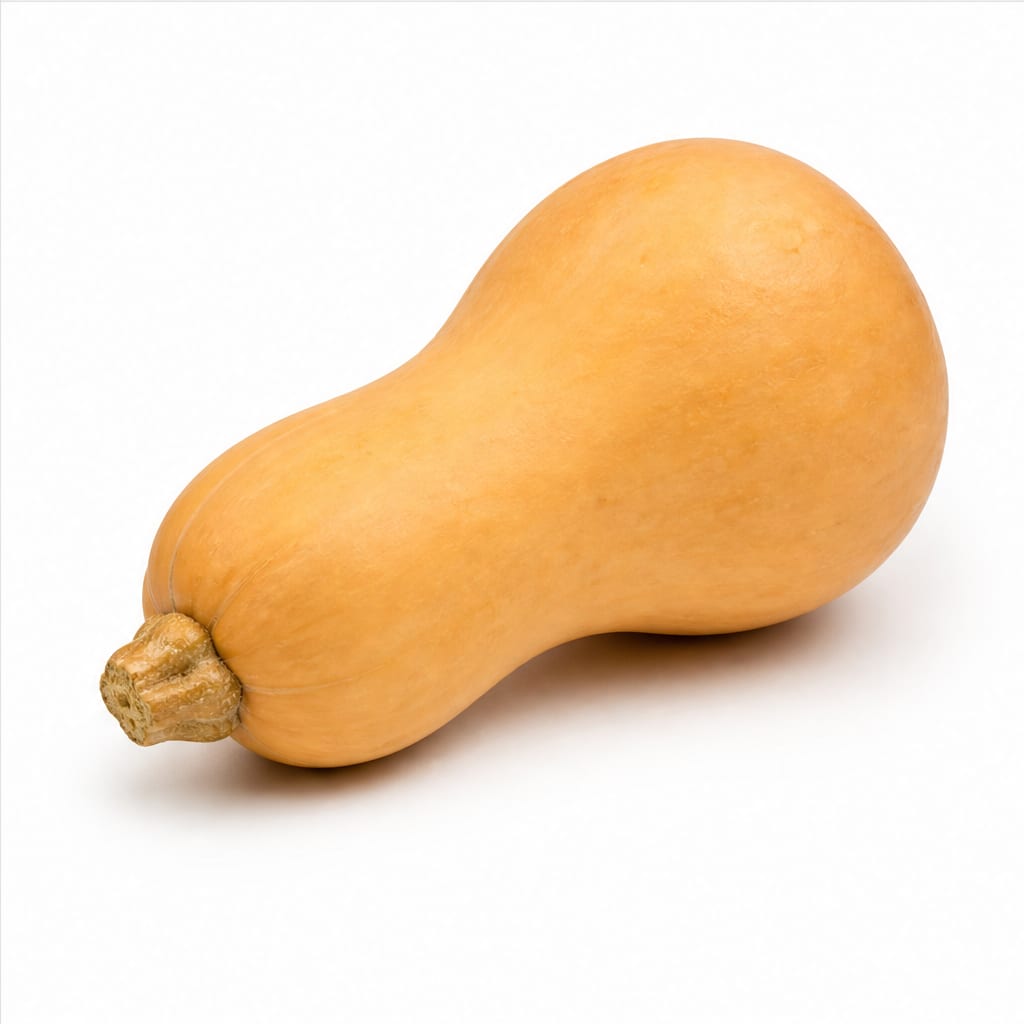
Compare with
Butternut Squash
Butternut squash is much higher in calories, carbs, and vitamin A, while zucchini is a low-calorie, low-carb choice.
Zucchini is far lower in calories and carbs, whereas butternut squash provides more substantial energy and vitamin A.
This food
Zucchini
VS40% alike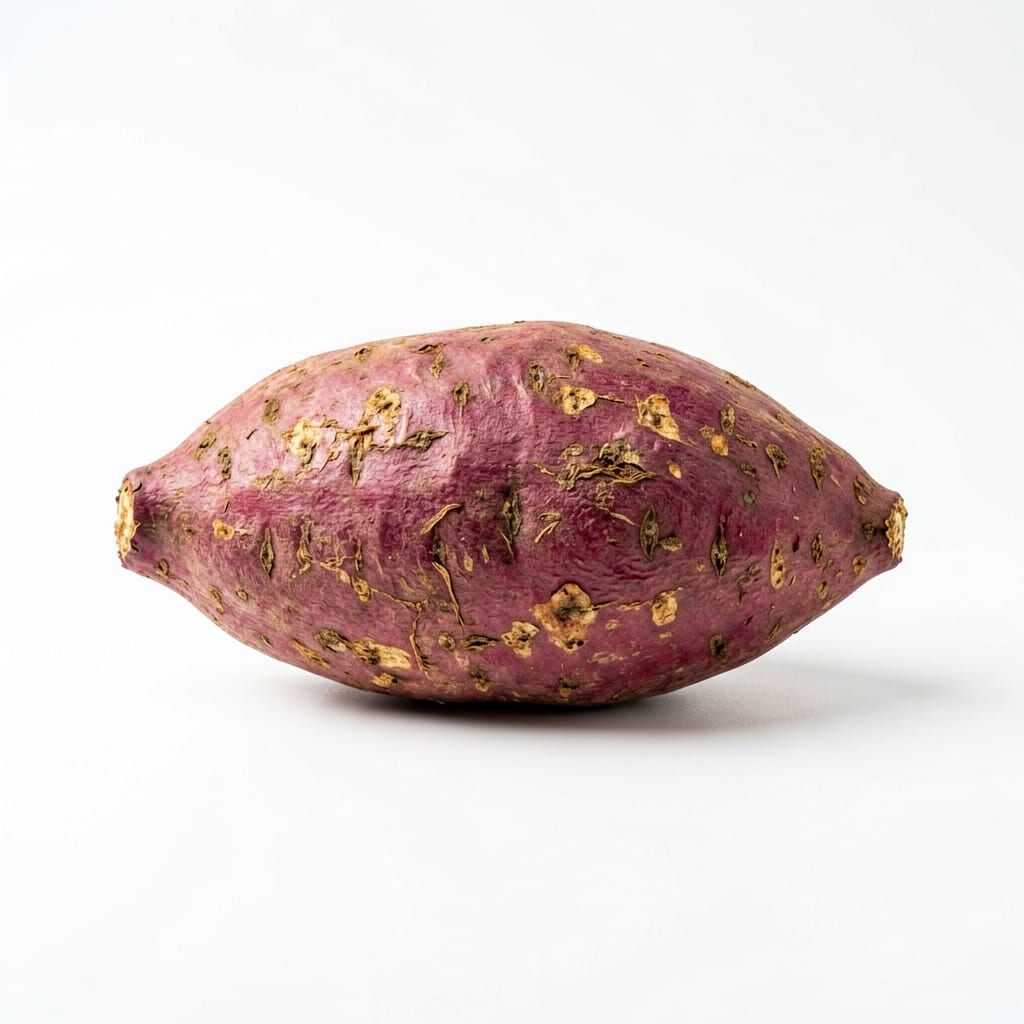
Compare with
Sweet Potato
Sweet potato is a high-energy carb source rich in vitamin A, while zucchini is a low-energy volume food.
Zucchini is best for cutting calories and carbs, while sweet potatoes are far superior for pre-workout energy and vitamin A.
Common questions
FAQ
Answers aligned with how people search for this food.
Is zucchini good for weight loss?
Yes, zucchini is excellent for weight loss. It is extremely low in calories and high in water, allowing you to eat large volumes of food without consuming excess calories.
How many carbs are in zucchini?
There are only about 3 grams of carbohydrates per 100 grams of raw zucchini, with 1 gram being fiber, resulting in just 2 grams of net carbs.
Is zucchini keto friendly?
Yes, zucchini is highly keto-friendly due to its very low net carb count. It is widely used as a pasta substitute (zoodles) on ketogenic diets.
Does zucchini spike blood sugar?
No, zucchini has a glycemic index of around 15 and a glycemic load of 1, meaning it has an almost negligible effect on blood sugar levels.
Is zucchini better cooked or raw?
Both are healthy. Raw zucchini retains more vitamin C, while lightly cooking zucchini can make certain antioxidants more bioavailable and the vegetable easier to digest for some people.
How do you keep zucchini from getting watery when cooking?
Salt the sliced or grated zucchini and let it sit for 15 minutes to draw out excess water, then pat it dry with a paper towel before cooking.
Do you need to peel zucchini?
No, the skin is completely edible and contains a large portion of the fiber and antioxidants. It also helps the vegetable hold its shape during cooking.
What is the difference between zucchini and yellow squash?
While nutritionally very similar, zucchini is a dark green cylinder with a slightly firmer texture and milder flavor, whereas yellow squash often has a wider bottom and slightly more seeds.
Transparency
Data confidence
Estimated confidence for nutrition data, interpretation, safety notes, and comparisons.
Nutrition data
Health analysis
Food safety
Comparisons