
Nutrition comparison
Zucchini vs Carrots: Nutrition, Calories, and Health Benefits Compared
Zucchini vs carrots: which is healthier? Compare calories, carbs, Vitamin A, and weight loss benefits to find out which vegetable fits your diet best.
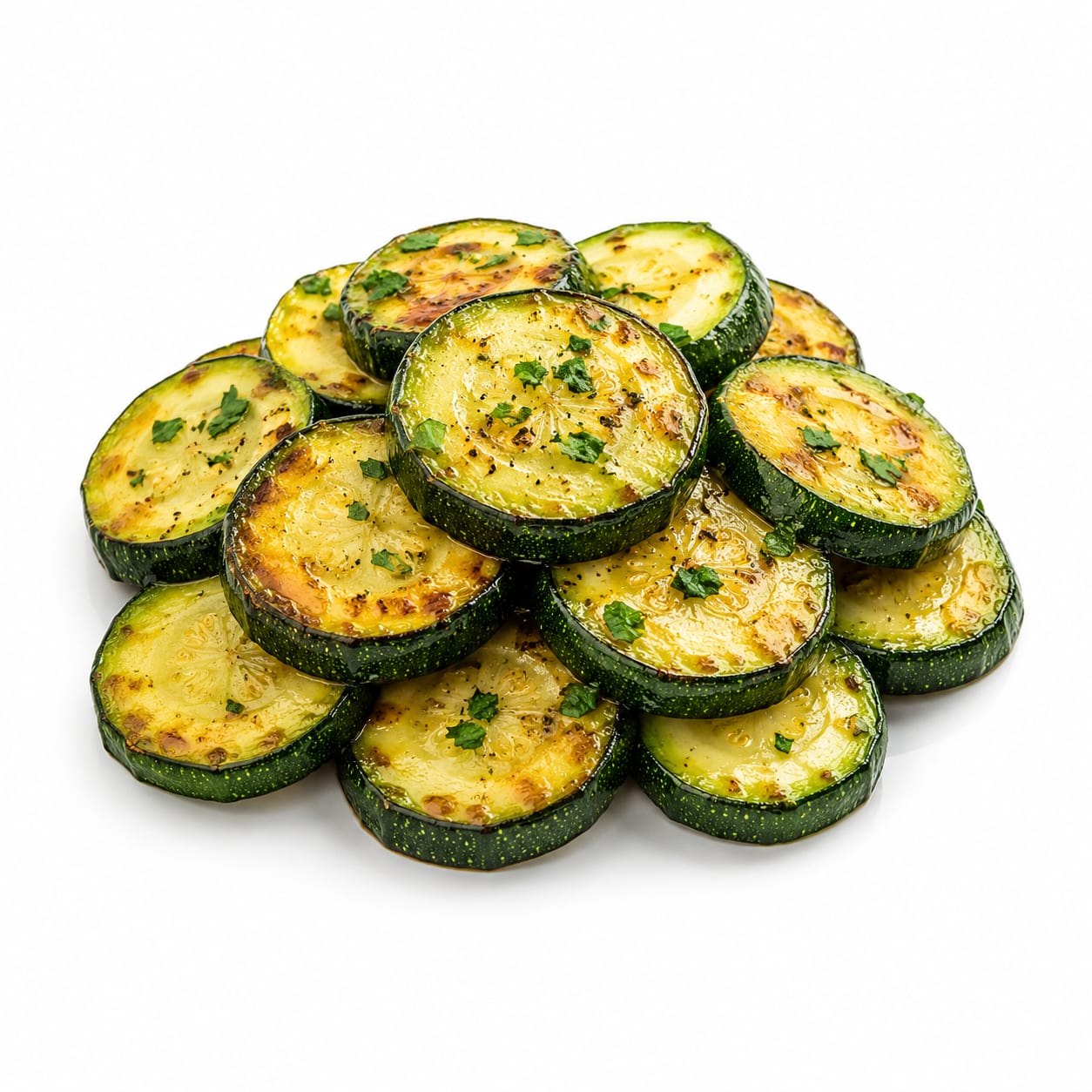
Zucchini
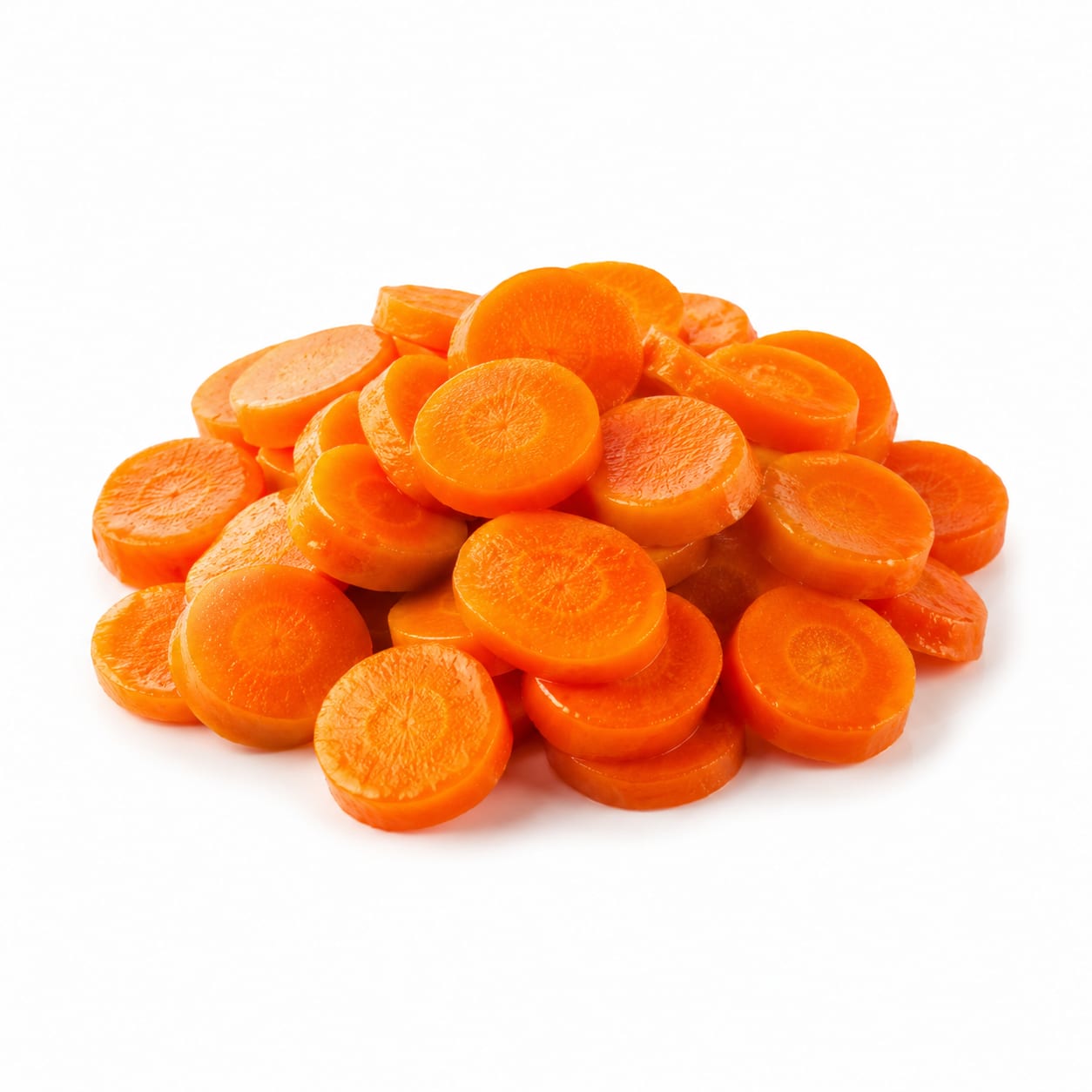
Carrots
Zucchini is your low-calorie volume champion, while carrots are your nutrient-dense beta-carotene powerhouse.
Carrots score slightly higher due to their exceptional Vitamin A content and convenience as a raw snack, but zucchini remains a top-tier low-calorie alternative. Both are excellent choices with different primary benefits.
You trade massive Vitamin A intake and natural sweetness for fewer calories and carbs when choosing zucchini over carrots.
At a glance
Executive summary
Overall
It depends
Healthier
It depends
More practical
Carrots
Daily use
It depends
Key comparison lenses
Weight management and calorie density
Zucchini is famously low in calories and high in volume, making it a staple for low-calorie diets, whereas carrots have more natural sugars and calories per serving.
Vitamin A and eye health
Carrots are one of the best sources of beta-carotene, completely overshadowing zucchini in this specific but crucial nutrient.
Blood sugar and carbohydrate control
Zucchini is significantly lower in carbs and sugars, making it a safer bet for strict low-carb or keto diets.
Best choice for
Zucchini
- Strict low-carb or keto dieters
- Volume eaters looking to maximize plate size with minimal calories
- People managing blood sugar spikes
Carrots
- People needing more Vitamin A for eye health
- Parents looking for sweet, kid-friendly raw snacks
- Athletes needing slightly more natural carbs for energy
Least suitable for
Zucchini
- Those looking to gain weight or increase caloric intake easily
- People seeking a sweet, satisfying raw snack
Carrots
- Strict keto dieters tracking every gram of carb
- People who struggle with portion control for sweeter vegetables
Deep comparison
Dimension by dimension
Each lens scores both foods and breaks down who each option suits.
- Dimension 1 · Priority 90Carrots
Vitamin A & Antioxidant Profile
Zucchini · 15Carrots · 98Carrots deliver an overwhelming amount of beta-carotene compared to zucchini.
Tradeoff
Choosing zucchini means missing out on a major source of Vitamin A, which is vital for vision and immune function.
Why it matters
A single carrot can provide well over 100% of your daily Vitamin A needs, while zucchini offers only trace amounts.
Real-world impact
Eating carrots regularly can noticeably support eye health and skin glow, whereas zucchini won't move the needle on Vitamin A.
Zucchini
- Avoiding excess Vitamin A (though rare and usually harmless from plant sources)
Better for
- Preventing Vitamin A deficiency
Worse for
Carrots
- Boosting eye health
- Supporting immune function during cold season
- Improving skin complexion
Better for
- Those who consume liver or excessive supplements already high in preformed Vitamin A
Worse for
- Dimension 2 · Priority 85Zucchini
Calorie Efficiency & Volume Eating
Zucchini · 95Carrots · 70Zucchini allows you to eat a much larger volume of food for far fewer calories.
Tradeoff
You get more physical fullness from zucchini, but less caloric energy, which matters if you are active and trying to fuel your body.
Why it matters
At roughly 17 calories per cup chopped, zucchini is a dieter's dream. Carrots have about 50 calories per cup, which is still low, but adds up faster.
Real-world impact
Replacing pasta with zucchini noodles leaves plenty of room for a rich sauce without blowing your calorie budget.
Zucchini
- Filling up a large plate on a cut
- Creating low-calorie pasta substitutes
- Bulking up stews and soups cheaply
Better for
- Feeling physically full but calorically unsatisfied
Worse for
Carrots
- Providing a bit more sustained energy on a hike
- Getting more calories without eating junk food
Better for
- Accidentally overeating calories if mindlessly snacking on large amounts
Worse for
- Dimension 3 · Priority 80Zucchini
Blood Sugar & Carbohydrate Impact
Zucchini · 90Carrots · 65Zucchini has significantly fewer carbs and sugars, making it much safer for blood sugar management.
Tradeoff
Carrots offer quick natural energy from sugars, but can cause a slight blood sugar rise that zucchini will not.
Why it matters
Zucchini has only 3g of carbs per cup. Carrots have about 12g, including natural sugars. For diabetics, this difference is meaningful.
Real-world impact
Zucchini won't trigger afternoon energy crashes, while a large portion of carrots might give a slight, short-lived spike.
Zucchini
- Strict keto diets
- Managing insulin resistance
- Pairing with high-fat meals without carb overload
Better for
- Replenishing glycogen after heavy exercise
Worse for
Carrots
- Pre-workout natural energy
- Endurance athletes needing easily digestible carbs
Better for
- Those counting net carbs strictly
Worse for
- Dimension 4 · Priority 75Carrots
Convenience & Raw Snackability
Zucchini · 50Carrots · 90Carrots are a ready-to-eat, satisfying raw snack, while raw zucchini is watery and less appealing.
Tradeoff
Carrots are crunchy and sweet right out of the bag, whereas zucchini usually requires cooking to be enjoyable.
Why it matters
When you need a quick, no-prep snack, baby carrots are effortless. Raw zucchini is spongy and bland without dressing or cooking.
Real-world impact
Reaching for carrots is an easy habit for afternoon snacking; zucchini requires meal prep to shine.
Zucchini
- Sneaking veggies into baked goods like muffins
Better for
- Eating straight from the fridge with no time to cook
Worse for
Carrots
- Quick on-the-go snacking
- Dipping into hummus without prep
- Adding crunch to salads
Better for
- Making low-carb pasta alternatives
Worse for
Timeline
Health impact over time
Short-term
Hours to days
Zucchini
- High water content helps with immediate hydration
- Very low risk of any blood sugar spike
- May feel physically full but calorically unsatisfied if eaten alone
Carrots
- Provides a quick burst of natural energy from sugars
- Beta-carotene can give a healthy glow to skin with regular consumption
- Crunchy texture satisfies the urge to chew, reducing stress eating
Long-term
Months to years
Zucchini
- Consistent low-calorie intake supports weight maintenance
- High fiber aids in long-term digestive regularity
- Lack of Vitamin A requires getting that nutrient from other sources
Carrots
- Sustained intake dramatically lowers risk of Vitamin A deficiency
- Antioxidants support long-term eye health and reduce oxidative stress
- Natural sugars are generally fine, but excessive daily intake could contribute to unwanted carb load
Risk profile
Safety & processing
Both zucchini and carrots are whole, natural vegetables with minimal processing. Baby carrots are slightly more processed due to shaping and polishing, but still retain their natural nutritional profile without additives.
Zucchini
Cucurbitacin toxicity
lowRarely, zucchini can develop a bitter taste due to cucurbitacins, which can cause stomach cramps. If it tastes unusually bitter, spit it out.
Pesticide residue
mediumZucchini is often sprayed with pesticides. Washing thoroughly or buying organic reduces this risk.
Carrots
Pesticide residue
mediumCarrots grow underground and can retain pesticide residue in the skin. Peeling or buying organic mitigates this.
Carotenemia
lowEating extremely large amounts of carrots can cause beta-carotene buildup, turning skin orange. It is harmless and reversible by reducing intake.
Who wins for whom
Audience fit
Same foods, different winners depending on your goal.
children
CarrotsCarrots are naturally sweet, fun to crunch, and packed with Vitamin A for growing bodies. Zucchini is often a harder sell to kids.
daily consumption
It dependsBoth are excellent daily staples. Choose zucchini for daily low-carb volume, and carrots for daily Vitamin A and convenient snacking.
diabetes
ZucchiniZucchini has significantly fewer carbs and sugars, ensuring a stable blood sugar response without the natural sugar spike carrots can cause.
elderly
CarrotsThe Vitamin A in carrots is crucial for preserving vision as we age, and cooked carrots are very easy to chew and digest.
muscle gain
CarrotsCarrots offer slightly more carbohydrates to help fuel workouts and replenish glycogen, which is beneficial when building muscle.
weight loss
ZucchiniZucchini provides massive volume for almost zero calories, making it the ultimate food for staying full while in a deficit.
Your move
Decision guide
Choose Zucchini
- You are on a strict low-carb or keto diet
- You want to maximize your meal size without adding calories
- You need a neutral base to soak up flavorful sauces or replace pasta
Choose Carrots
- You want a convenient, sweet, raw snack
- You need to boost your Vitamin A and antioxidant intake
- You are looking for natural pre-workout energy
Either works if
- You simply want to increase your daily vegetable intake
- You are making a roasted vegetable medley
- You need more fiber in your diet
Avoid both if
- You have a specific allergy to either vegetable (rare but possible)
- You are strictly limiting oxalates (though both are relatively low, they do contain some)
Final recommendation
Keep both in your kitchen. Use carrots for quick snacking and Vitamin A, and use zucchini for low-calorie bulk in cooked meals. They complement each other perfectly in a balanced diet.
Practical
Consumer tips
- 1
If buying conventional carrots, peel them to remove surface pesticide residue.
- 2
Spiralize zucchini for a low-carb pasta alternative, but salt and drain it first to avoid a watery sauce.
- 3
If your zucchini tastes unusually bitter, do not eat it; this indicates toxic cucurbitacins.
- 4
Cook carrots with a little healthy fat like olive oil to significantly improve your body's absorption of beta-carotene.
- 5
Store carrots away from apples and pears, which emit gases that make carrots bitter.