
Nutrition comparison
Zucchini vs Sweet Potato: Nutrition, Carbs, and Health Comparison
Compare Zucchini and Sweet Potato to see which is better for weight loss, diabetes, and daily energy. Learn the nutritional tradeoffs.
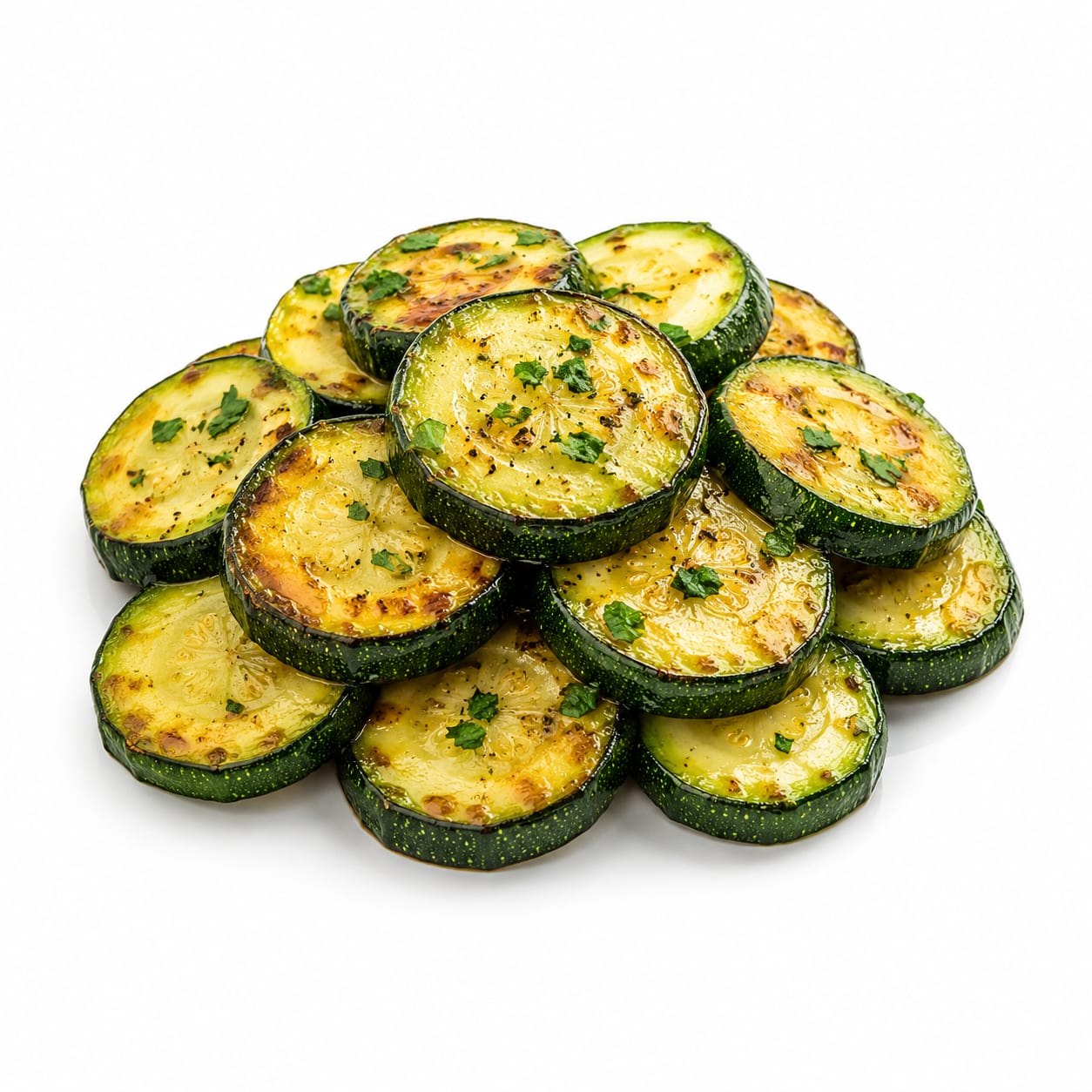
Zucchini
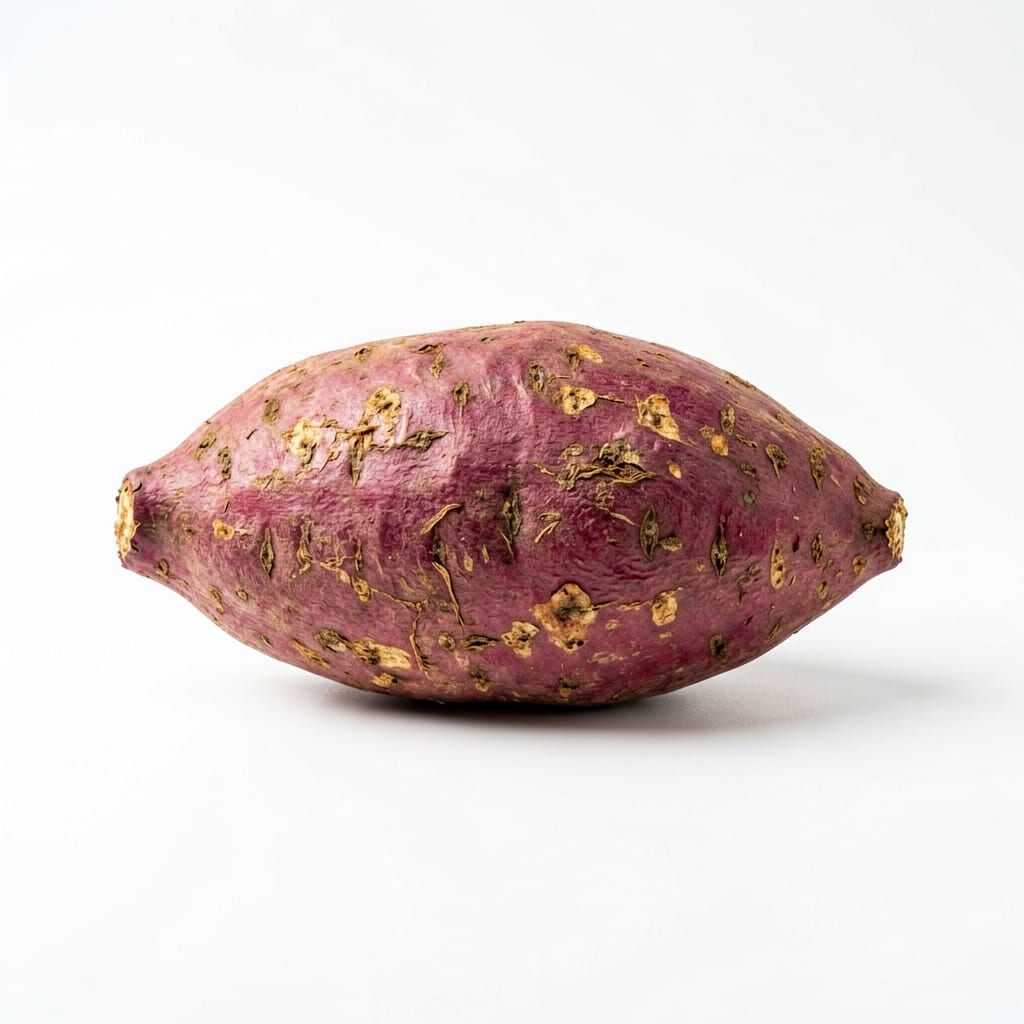
Sweet Potato
Zucchini is your low-calorie volume eater, while Sweet Potato is your energizing nutrient powerhouse.
Sweet Potato scores slightly higher overall due to superior micronutrient density and sustained energy, though Zucchini wins for low-calorie diets.
You trade the low-calorie lightness of Zucchini for the sustained energy and Vitamin A density of Sweet Potato.
At a glance
Executive summary
Overall
It depends
Healthier
It depends
More practical
It depends
Daily use
It depends
Key comparison lenses
Low-carb vs high-carb diets
Zucchini is extremely low carb while Sweet Potato is a starchy carb staple, making carb intake the primary decision factor.
Weight loss and calorie density
Zucchini offers massive volume for minimal calories, whereas Sweet Potato provides dense, filling energy.
Blood sugar management
Zucchini has almost no impact on blood sugar, while Sweet Potato provides slow-burning carbs that still require insulin response.
Nutrient density and Vitamin A intake
Sweet Potato is a powerhouse of beta-carotene and potassium, vastly outperforming Zucchini in micronutrient density.
Best choice for
Zucchini
- Strict low-carb or keto dieters
- Volume eaters cutting calories
- People managing blood sugar spikes
Sweet Potato
- Athletes needing carb fuel
- Those needing immune and eye health support
- Active individuals needing sustained energy
Least suitable for
Zucchini
- People needing calorie density
- Endurance athletes requiring carb loading
- Those looking for comforting, filling carbs
Sweet Potato
- Strict keto followers
- Those on aggressive calorie restriction
- People sensitive to starchy carbohydrates
Deep comparison
Dimension by dimension
Each lens scores both foods and breaks down who each option suits.
- Dimension 1 · Priority 90Zucchini
Calorie Density & Weight Loss
Zucchini · 95Sweet Potato · 55Zucchini offers massive volume for almost no calories, while Sweet Potato provides substantial caloric energy.
Tradeoff
Choosing Zucchini means eating more physical food for fewer calories, but you miss out on the filling energy Sweet Potato provides.
Why it matters
If you are cutting calories, Zucchini is a cheat code; if you need fuel, Sweet Potato is essential.
Real-world impact
A massive bowl of Zucchini noodles fills your stomach for under 50 calories, whereas a Sweet Potato gives you the 100+ calories needed to power through an afternoon.
Zucchini
- Calorie restriction
- Volume eating
Better for
- Gaining healthy weight
- Endurance sports
Worse for
Sweet Potato
- Healthy weight gain
- Caloric fueling
Better for
- Aggressive calorie cutting
- Keto diets
Worse for
- Dimension 2 · Priority 85Zucchini
Blood Sugar & Carb Management
Zucchini · 90Sweet Potato · 60Zucchini has virtually zero carbs and no blood sugar impact, while Sweet Potato provides slow-digesting complex carbs.
Tradeoff
Sweet Potato offers steady energy but still triggers an insulin response, whereas Zucchini keeps glucose completely flat.
Why it matters
For diabetics or carb-cyclers, Zucchini is the safe bet; for pre-workout energy, Sweet Potato is the better tool.
Real-world impact
Eating Zucchini won't cause an afternoon energy crash, but a Sweet Potato might if you sit at a desk all day.
Zucchini
- Diabetes management
- Ketosis maintenance
Better for
- Carb-loading phases
- Recovering from intense exercise
Worse for
Sweet Potato
- Pre-workout fueling
- Post-workout glycogen refill
Better for
- Strict glucose control
- Sedentary evenings
Worse for
- Dimension 3 · Priority 80Sweet Potato
Micronutrient Density
Zucchini · 50Sweet Potato · 95Sweet Potato is loaded with Vitamin A and potassium, vastly outperforming Zucchini in overall nutrient density.
Tradeoff
You get more vitamins per bite with Sweet Potato, but you also get the carbs that come with them.
Why it matters
If you need immune support or better vision, Sweet Potato delivers heavily where Zucchini falls short.
Real-world impact
One Sweet Potato gives you multiple times your daily Vitamin A needs, supporting eye health and skin in a way Zucchini cannot match.
Zucchini
- Low-calorie hydration
- Light vitamin C doses
Better for
- Fighting Vitamin A deficiency
- Electrolyte replenishment
Worse for
Sweet Potato
- Vitamin A intake
- Potassium replenishment
Better for
- Zero-carb micronutrient sourcing
Worse for
- Dimension 4 · Priority 75Sweet Potato
Energy & Sustenance
Zucchini · 35Sweet Potato · 90Sweet Potato provides real, lasting energy, while Zucchini is mostly water and will not keep you full for long.
Tradeoff
Zucchini is light and refreshing but leaves you hungry quickly; Sweet Potato sticks to your ribs for hours.
Why it matters
Eating Zucchini alone is not a meal; Sweet Potato can actually serve as a satisfying caloric base.
Real-world impact
A Zucchini side dish vanishes from your stomach in an hour, but a baked Sweet Potato can keep you full from lunch until dinner.
Zucchini
- Light late-night snacking
- Digestive resting
Better for
- Fasting through busy days
- Physical labor
Worse for
Sweet Potato
- Sustained physical energy
- Appetite control
Better for
- Feeling light and nimble
- Staying under calorie limits
Worse for
Timeline
Health impact over time
Short-term
Hours to days
Zucchini
- Light stomach feel
- Minimal blood sugar impact
- Quick digestion
Sweet Potato
- Noticeable fullness
- Steady energy rise
- Satiety lasting hours
Long-term
Months to years
Zucchini
- Easier weight maintenance
- Lower carb diet support
Sweet Potato
- Improved immune function from Vitamin A
- Better eye health
- Stable long-term energy habits
Risk profile
Safety & processing
Both Zucchini and Sweet Potato are whole, minimally processed foods that you buy exactly as they grow.
Zucchini
Cucurbitacin toxicity
lowOccasionally, Zucchini can contain bitter compounds called cucurbitacins which can cause digestive distress; discard if it tastes unusually bitter.
Pesticide residue
mediumConventional Zucchini often carries pesticide residue; washing thoroughly or choosing organic is advisable.
Sweet Potato
Mold contamination
mediumSweet Potatoes are prone to developing harmful mold if stored in damp or cold conditions; never eat moldy spots.
Oxalate content
lowSweet Potatoes contain moderate oxalates, which might be a concern for people prone to kidney stones.
Who wins for whom
Audience fit
Same foods, different winners depending on your goal.
children
Sweet PotatoSweet Potato is naturally sweet, nutrient-dense, and soft, making it highly appealing and beneficial for growing kids.
daily consumption
It dependsIt depends on your goals: Zucchini for low-carb days, Sweet Potato for active days.
diabetes
ZucchiniZucchini has virtually no impact on blood sugar, making it much safer for glucose management.
elderly
Sweet PotatoSweet Potato is easy to chew when mashed and provides crucial Vitamin A and potassium for aging bodies.
muscle gain
Sweet PotatoSweet Potato provides the complex carbohydrates needed to fuel intense workouts and replenish glycogen.
weight loss
ZucchiniZucchini provides massive portion sizes for almost zero calories, making it the ultimate weight loss hack.
Your move
Decision guide
Choose Zucchini
- You are on a low-carb or keto diet
- You want to eat large portions while cutting calories
- You need a light dinner that won't sit heavy
Choose Sweet Potato
- You need pre-workout energy
- You want a filling, comforting carb source
- You need more Vitamin A in your diet
Either works if
- You need a healthy whole-food side dish
- You are meal-prepping roasted vegetables
Avoid both if
- You have specific digestive intolerances to either
Final recommendation
Use Zucchini when you want volume and lightness, and Sweet Potato when you need real fuel and nutrients. They complement each other perfectly in a balanced diet.
Practical
Consumer tips
- 1
Spiralize Zucchini to replace pasta if you want a low-calorie base for heavy sauces.
- 2
Bake Sweet Potatoes instead of boiling them to keep their glycemic index lower.
- 3
If a Zucchini tastes unusually bitter, spit it out immediately to avoid cucurbitacin toxicity.
- 4
Store Sweet Potatoes in a cool, dark, dry place—never the fridge—to prevent mold and hard cores.