
Nutrition comparison
Zucchini vs Broccoli: Which Vegetable Is Better for Your Health Goals?
Compare Zucchini and Broccoli nutrition, digestion, weight loss benefits, and daily usability. Find out which vegetable fits your diet better with practical tradeoffs.
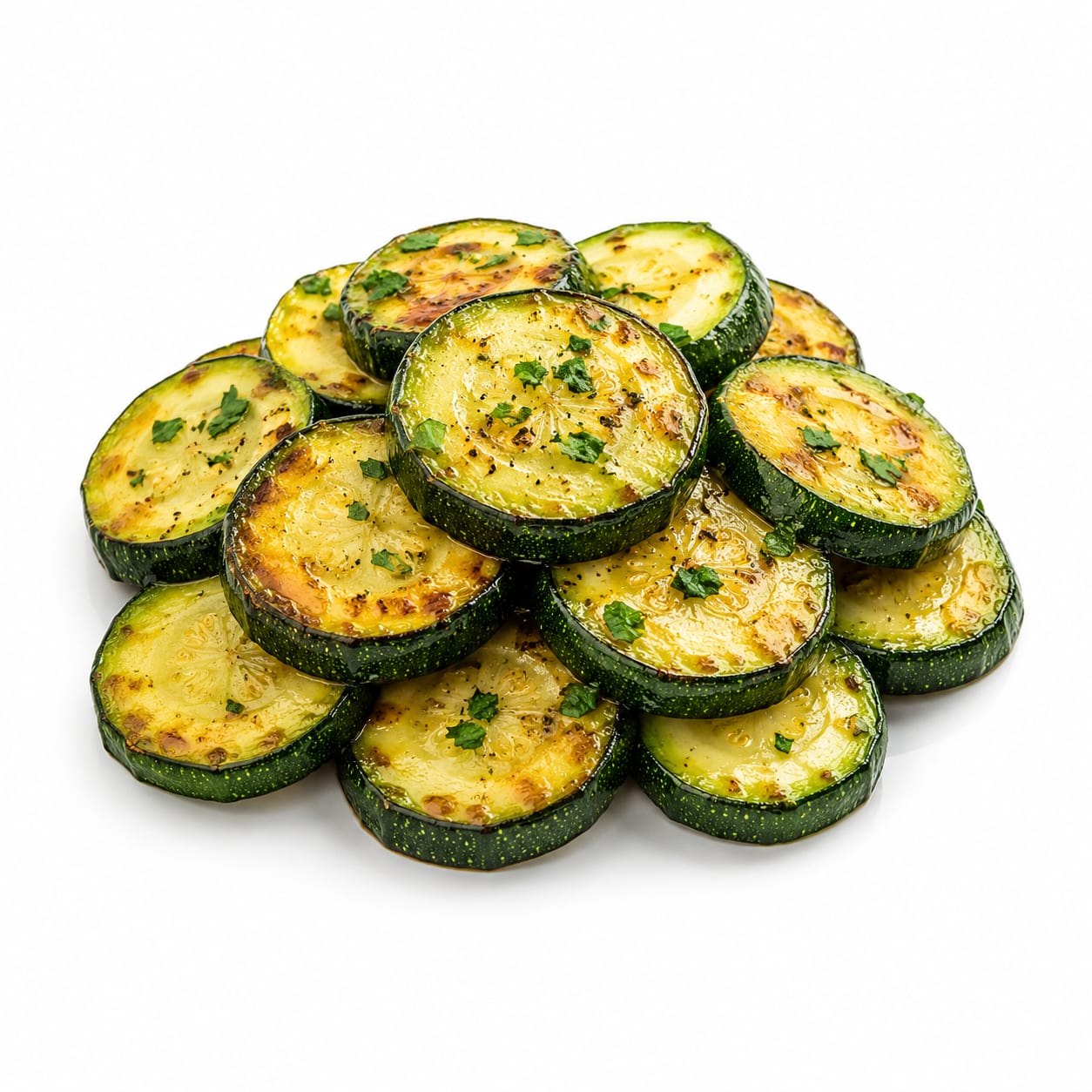
Zucchini
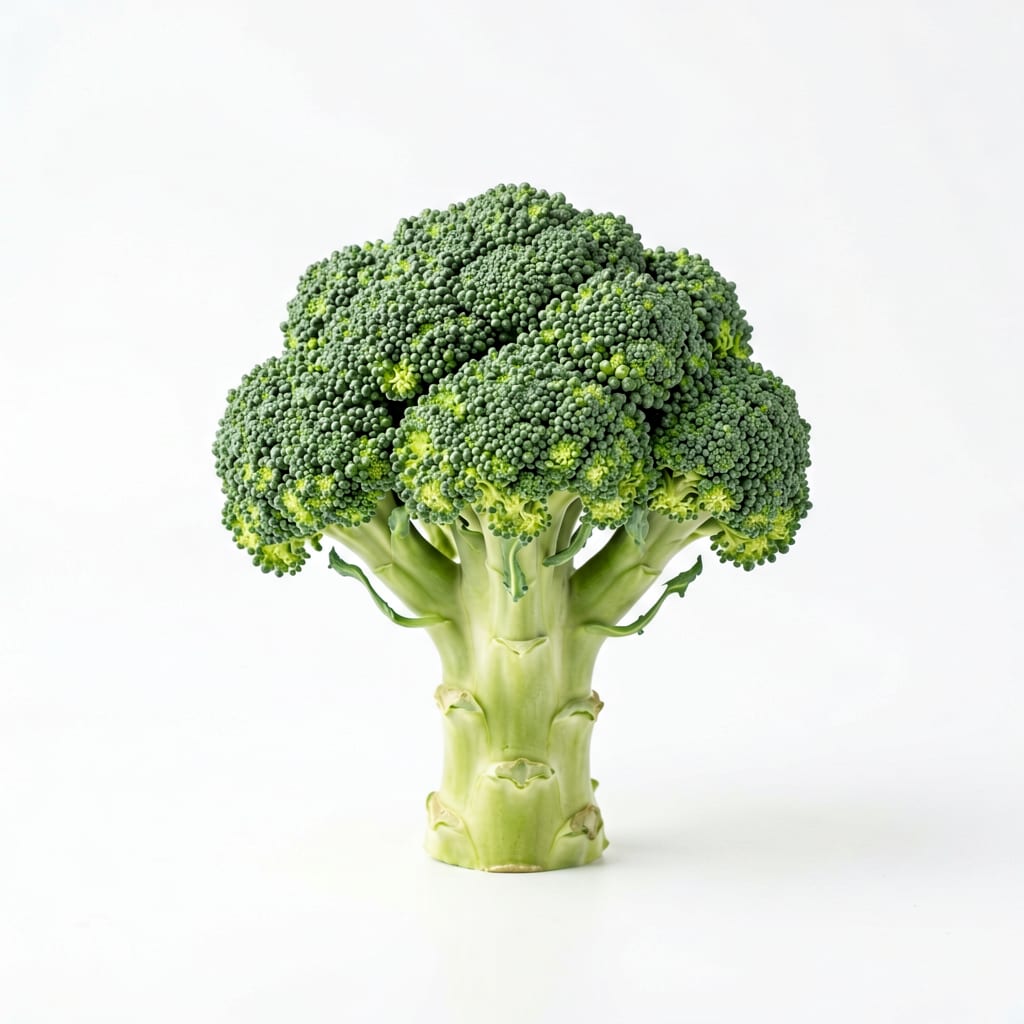
Broccoli
Broccoli is the nutritional powerhouse, but Zucchini is the easier daily companion — choose based on whether you prioritize nutrient density or digestive comfort.
Broccoli scores higher due to superior nutrient density, fiber content, and disease-fighting compounds. Zucchini remains valuable for digestive comfort and culinary versatility, narrowing the gap for daily practical use.
Broccoli delivers far more vitamins, fiber, and disease-fighting compounds per bite, but Zucchini is gentler on digestion and more versatile in the kitchen.
At a glance
Executive summary
Overall
It depends
Healthier
Broccoli
More practical
Zucchini
Daily use
It depends
Key comparison lenses
nutrient density per calorie
Both are low-calorie vegetables but Broccoli packs significantly more vitamins and minerals per serving, making this the core tradeoff
digestive comfort and tolerance
Broccoli causes gas and bloating for many people while Zucchini is gentle on the stomach, a major daily-use concern
meal versatility and preparation
Zucchini can be spiralized, baked into goods, or eaten raw while Broccoli has fewer creative applications
disease prevention phytonutrients
Broccoli contains sulforaphane and other compounds linked to cancer prevention that Zucchini lacks
weight management satiety
Users choosing between these are often managing weight and need to understand which keeps them fuller longer
Best choice for
Zucchini
- People with IBS or sensitive digestion who need low-FODMAP options
- Anyone wanting a low-calorie pasta or noodle substitute
- Meal preppers who want a neutral vegetable that absorbs flavors easily
- Those who get bloated from cruciferous vegetables
Broccoli
- People prioritizing maximum nutrient density per calorie
- Anyone focused on cancer-prevention and anti-inflammatory eating
- Those who need more fiber to stay regular and full
- Vitamin K and folate needs during pregnancy
Least suitable for
Zucchini
- People relying on vegetables as their primary protein or iron source
- Anyone needing high-fiber intake for blood sugar management
- Those seeking strong satiety from vegetables alone
Broccoli
- People with severe IBS or FODMAP sensitivities
- Those prone to gas and bloating from cruciferous vegetables
- Anyone taking blood thinners who must limit vitamin K intake
Deep comparison
Dimension by dimension
Each lens scores both foods and breaks down who each option suits.
- Dimension 1 · Priority 95Broccoli
nutrient_density
Zucchini · 48Broccoli · 91Broccoli delivers roughly double the vitamin C, five times the vitamin K, and significantly more folate and iron per serving compared to Zucchini.
Tradeoff
Zucchini's mild nutrition profile makes it less likely to cause vitamin K interactions with medications, but you miss out on substantial health-protective compounds.
Why it matters
If vegetables are your main vitamin source, Broccoli does far more heavy lifting per calorie eaten.
Real-world impact
A single cup of Broccoli covers over 100% of your daily vitamin C and K needs, while Zucchini covers only about a third of vitamin C and minimal vitamin K.
Zucchini
- Those on blood thinners who must limit vitamin K
- People who get their nutrients from diverse sources and need a neutral base vegetable
Better for
- Reliance on Zucchini alone as a primary vegetable leaves significant nutrient gaps
Worse for
Broccoli
- Anyone eating limited calories who needs maximum nutrition per bite
- Pregnant women needing folate
- People with low iron or vitamin K levels
Better for
- The high vitamin K content requires careful management for those on warfarin or similar medications
Worse for
- Dimension 2 · Priority 88Zucchini
digestive_comfort
Zucchini · 92Broccoli · 55Zucchini is one of the easiest vegetables to digest, while Broccoli is a common trigger for gas, bloating, and stomach discomfort.
Tradeoff
Choosing Broccoli for its nutrients may mean accepting digestive discomfort, especially if eaten raw or in large portions.
Why it matters
If you avoid a vegetable because it makes you feel bad, its nutritional superiority becomes irrelevant — consistency beats intensity.
Real-world impact
Many people abandon Broccoli after repeated bloating episodes, while Zucchini rarely causes any digestive complaints even in sensitive individuals.
Zucchini
- People with IBS, SIBO, or FODMAP sensitivities
- Anyone recovering from stomach illness who needs gentle foods
- Those who experience evening bloating from cruciferous vegetables
Better for
- Very low fiber means less digestive scrubbing action and slower transit time
Worse for
Broccoli
- People with healthy digestion who tolerate cruciferous vegetables well
- Those who need extra fiber to combat constipation
Better for
- Raffinose and sulfur compounds cause significant gas in roughly 40% of adults
- Raw Broccoli is nearly impossible for sensitive stomachs to handle comfortably
Worse for
- Dimension 3 · Priority 82Broccoli
satiety_and_fullness
Zucchini · 52Broccoli · 78Broccoli's higher fiber and protein content keeps you fuller for longer, while Zucchini's high water content passes through quickly.
Tradeoff
Zucchini feels lighter and less filling, which is great for light meals but poor for appetite control between meals.
Why it matters
If you are managing weight through vegetable volume, Broccoli does a better job preventing the next hunger episode.
Real-world impact
A cup of steamed Broccoli with lunch can delay afternoon hunger by an hour or more compared to the same volume of Zucchini.
Zucchini
- Those who prefer light, non-heavy meals
- Anyone eating frequent small meals throughout the day
Better for
- You may feel hungry sooner after a Zucchini-heavy meal
- Easy to overeat other foods because Zucchini does not provide lasting fullness
Worse for
Broccoli
- Weight loss dieters who need vegetables to actively suppress hunger
- Anyone trying to extend time between meals without snacking
Better for
- The heavy feeling after a large Broccoli portion can be uncomfortable before physical activity
Worse for
- Dimension 4 · Priority 80Broccoli
disease_prevention_potential
Zucchini · 38Broccoli · 90Broccoli contains sulforaphane, glucosinolates, and other compounds with strong evidence for cancer prevention and anti-inflammatory effects that Zucchini simply lacks.
Tradeoff
Zucchini offers mild antioxidant benefits but cannot compete with the concentrated phytochemical arsenal in Broccoli.
Why it matters
Long-term health is built on repeated exposure to protective plant compounds, and Broccoli is one of the richest sources available.
Real-world impact
Regular Broccoli consumption is linked to reduced risks of colon, breast, and prostate cancers in multiple large-scale studies. Zucchini has no comparable evidence base.
Zucchini
- Those who cannot tolerate cruciferous vegetables and need any vegetable they will actually eat consistently
Better for
- Zucchini provides minimal disease-prevention phytonutrients compared to cruciferous vegetables
Worse for
Broccoli
- Anyone with family history of cancer seeking preventive dietary strategies
- People managing chronic inflammation
- Those following anti-cancer dietary protocols
Better for
- Overcooking Broccoli destroys much of the sulforaphane, reducing its disease-fighting value if prepared poorly
Worse for
- Dimension 5 · Priority 75Zucchini
culinary_versatility
Zucchini · 88Broccoli · 65Zucchini can be spiralized into noodles, grated into baked goods, grilled, sautéed, or eaten raw — it adapts to almost any dish. Broccoli is more limited in how it can be used.
Tradeoff
Broccoli's stronger flavor makes it less adaptable, but it holds its texture better in soups and stir-fries.
Why it matters
A vegetable you can use in ten different ways is more likely to stay in your regular rotation than one with two or three applications.
Real-world impact
Zucchini noodles, muffins, fritters, and grilled rounds give you week-long variety. Broccoli mostly rotates between steamed, roasted, and raw with dip.
Zucchini
- Creative home cooks who want one vegetable for many recipes
- Low-carb dieters replacing pasta or grains
- Parents hiding vegetables in baked goods
Better for
- Zucchini releases a lot of water when cooked, which can ruin texture in casseroles and pizzas if not salted and drained first
Worse for
Broccoli
- Those who prefer simple preparation — steamed or roasted as a side
- Soup and stir-fry enthusiasts who value texture retention
Better for
- Limited to savory applications — cannot be used in baking or as a grain substitute
Worse for
- Dimension 6 · Priority 72Broccoli
blood_sugar_stability
Zucchini · 60Broccoli · 82Broccoli's higher fiber slows glucose absorption and contains chromium which supports insulin sensitivity. Zucchini has minimal impact either way due to its low carbohydrate content.
Tradeoff
Zucchini will not spike blood sugar, but it also does not actively help regulate it the way Broccoli's fiber and chromium do.
Why it matters
For diabetics and pre-diabetics, the difference between a neutral food and an actively helpful one matters over months and years.
Real-world impact
Eating Broccoli with a carb-containing meal can blunt the blood sugar rise better than Zucchini, which simply adds volume without the fiber buffer.
Zucchini
- Those eating very low-carb who need foods that simply stay out of the way metabolically
Better for
- Does not provide the fiber needed to slow sugar absorption from other foods in the same meal
Worse for
Broccoli
- Diabetics seeking vegetables that actively improve glucose response
- Anyone pairing vegetables with starches to reduce glycemic impact
Better for
- Benefits are negated if covered in sweet sauces or heavy dressings
Worse for
Timeline
Health impact over time
Short-term
Hours to days
Zucchini
- Very light feeling after eating, no bloating or heaviness
- Quick hydration from high water content
- Minimal digestive discomfort even in sensitive individuals
- Unlikely to cause any adverse reactions
Broccoli
- Noticeable fullness and satiety after eating
- Possible gas and bloating within 1-3 hours, especially if raw
- Improved bowel movement regularity from fiber within a day
- Mild energy stabilization from fiber slowing digestion
Long-term
Months to years
Zucchini
- Consistent gentle hydration and easy digestion
- Lower overall nutrient intake if used as primary vegetable
- Possible nutrient gaps in vitamin K, folate, and iron if not supplemented by other foods
- Good long-term compliance due to lack of digestive side effects
Broccoli
- Substantially reduced chronic disease risk from sulforaphane and glucosinolates
- Improved gut microbiome diversity from prebiotic fiber
- Better long-term blood sugar regulation from consistent fiber intake
- Risk of persistent bloating may reduce compliance for sensitive individuals
Risk profile
Safety & processing
Both Zucchini and Broccoli are whole, minimally processed vegetables typically sold fresh or frozen without additives. Neither raises processing concerns when purchased in their natural state.
Zucchini
pesticide_residue
mediumZucchini frequently appears on pesticide watch lists, especially imported varieties. Peeling reduces exposure but also removes nutrients. Choose organic when possible.
Broccoli
pesticide_residue
mediumBroccoli is typically a moderate pesticide crop but its tight florets trap residues that are hard to wash away. Soaking in vinegar water helps.
goitrogenic_compounds
lowRaw Broccoli contains goitrogens that can interfere with thyroid function in large amounts. Cooking significantly reduces this risk. Only concerning for those with existing thyroid conditions eating very large raw quantities.
Who wins for whom
Audience fit
Same foods, different winners depending on your goal.
children
ZucchiniZucchini's mild flavor and soft texture when cooked make it far more acceptable to children. It can be hidden in pasta sauce, muffins, or fritters without detection.
daily consumption
It dependsZucchini is easier to eat every day without digestive issues, but Broccoli provides more cumulative health benefits if tolerated. Alternate both for the best outcome.
diabetes
BroccoliBroccoli's fiber actively slows glucose absorption and its chromium content supports insulin sensitivity. Zucchini is neutral but does not provide the same regulatory benefit.
elderly
ZucchiniOlder adults often have reduced digestive capacity and Zucchini is much gentler on the stomach while still providing hydration and mild nutrition.
muscle gain
BroccoliNeither is a protein source, but Broccoli has slightly more protein per serving and contains vitamin C which supports collagen synthesis for joint health during training.
weight loss
BroccoliBroccoli's fiber and protein create lasting fullness that prevents overeating, while Zucchini's low calorie density is offset by poor satiety that may lead to snacking later.
Your move
Decision guide
Choose Zucchini
- You experience bloating, gas, or IBS symptoms from cruciferous vegetables
- You want a low-calorie pasta or noodle replacement for low-carb meals
- You need a neutral vegetable that works in both sweet and savory recipes
- You are feeding picky children who reject strong-flavored vegetables
- You are on blood thinners and must limit vitamin K intake
Choose Broccoli
- You want maximum nutrition per calorie and have no digestive issues
- Cancer prevention and anti-inflammatory eating are top priorities
- You need more fiber to stay regular and control appetite
- You are pregnant or trying to conceive and need folate
- You are diabetic and want vegetables that actively help regulate blood sugar
Either works if
- You are simply trying to eat more vegetables and will eat whichever you enjoy more
- You are building a varied vegetable rotation and can include both across the week
- You are meal prepping and want different textures and flavors across dishes
Avoid both if
- You have a rare allergy to Cucurbitaceae family (Zucchini) or Brassicaceae family (Broccoli)
- You are on a strict low-fiber diet for acute digestive conditions like diverticulitis flare-ups
Final recommendation
Eat both. Use Broccoli as your nutrient-dense anchor vegetable 3-4 times per week for disease prevention and satiety, and Zucchini as your light, versatile daily vegetable that keeps meals interesting and digestion comfortable. If you must pick one, choose Broccoli for health impact — but only if your digestion tolerates it. If Broccoli causes persistent discomfort, Zucchini is the better choice because a vegetable you actually eat always beats one you avoid.
Practical
Consumer tips
- 1
Let raw Broccoli sit chopped for 40 minutes before cooking — this activates sulforaphane production and significantly boosts cancer-fighting benefits
- 2
Salt and drain Zucchini before cooking to prevent watery dishes, especially for fritters and casseroles
- 3
Steam or lightly stir-fry Broccoli instead of boiling to preserve up to 90% more vitamin C and sulforaphane
- 4
Spiralize Zucchini as a pasta base but eat it fresh — pre-spiralized Zucchini noodles get soggy within hours
- 5
If Broccoli causes gas, try roasting it — dry heat cooking reduces raffinose content more than steaming
- 6
Buy organic Zucchini when possible — conventional Zucchini ranks high for pesticide residues among vegetables
- 7
Freeze Broccoli florets within 2 days of purchase if not using — they retain nutrients well and reduce food waste
- 8
Grate Zucchini into oatmeal, muffins, or pancake batter for invisible vegetable boosts that even picky eaters will not notice