
Nutrition comparison
Zucchini vs Butternut Squash: Which Is Healthier for Your Goals?
Compare Zucchini and Butternut Squash on calories, carbs, vitamins, and satiety. Find out which squash fits your diet — keto, weight loss, or family meals.
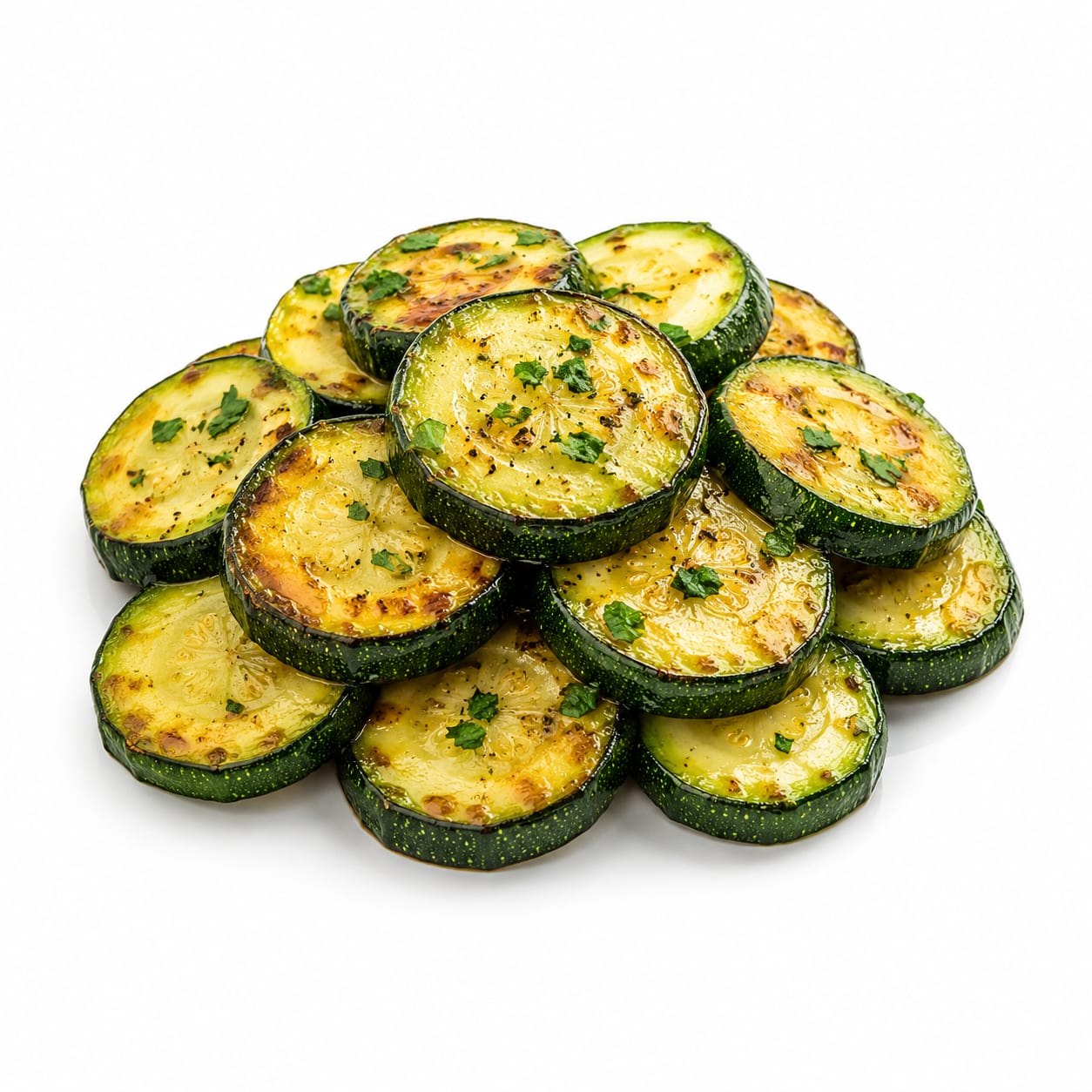
Zucchini
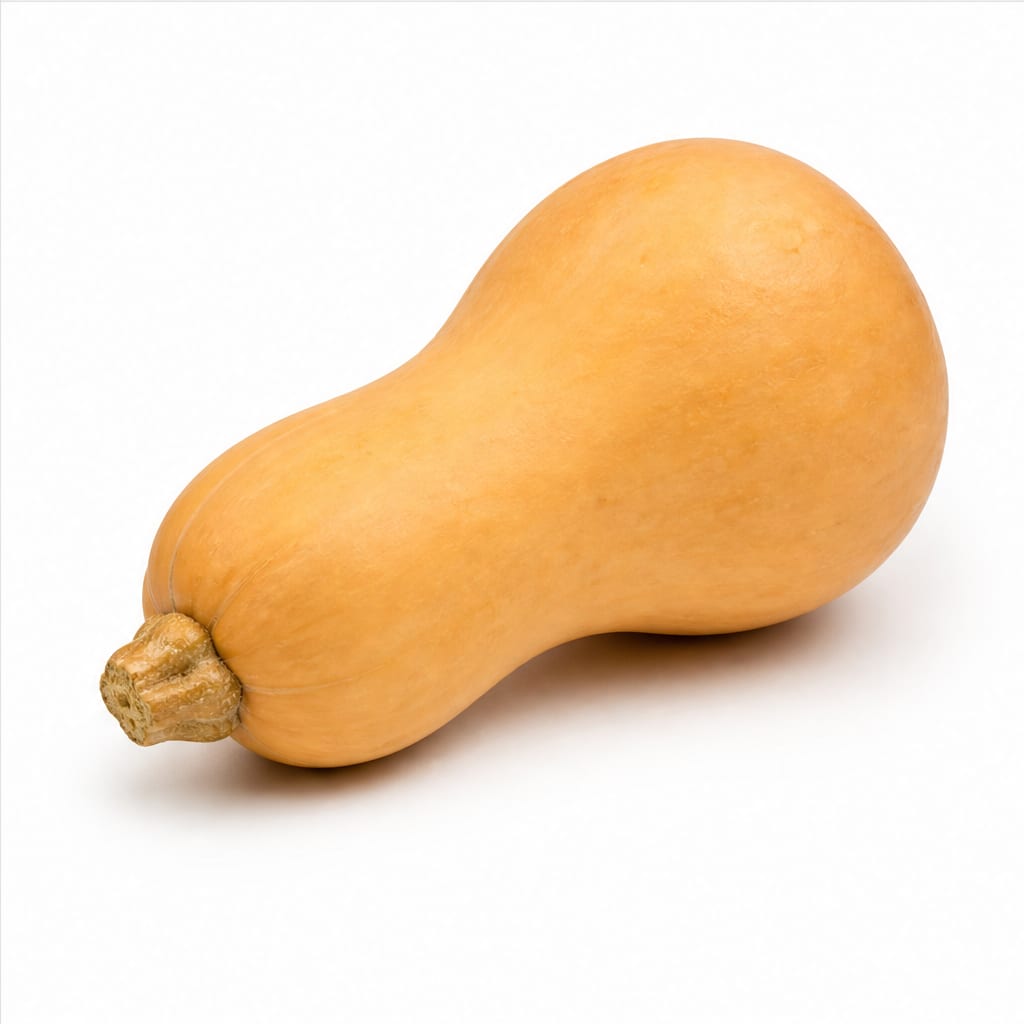
Butternut Squash
Zucchini wins for low-calorie volume eating and blood sugar control; Butternut Squash wins for nutrient density, satiety, and comforting satisfaction.
Butternut Squash edges ahead on nutrient density and satiety, but Zucchini's extreme versatility and near-zero calorie cost keep it very close. The right choice depends entirely on your goals.
Calorie and carb lightness versus nutritional richness and fullness — you trade emptiness for nourishment or vice versa.
At a glance
Executive summary
Overall
It depends
Healthier
It depends
More practical
Zucchini
Daily use
Zucchini
Key comparison lenses
low calorie volume eating
Zucchini is famously low-calorie and high-volume, making it a go-to for weight management, while Butternut Squash is denser and more filling per serving
nutrient density comparison
Butternut Squash is dramatically richer in vitamin A and potassium, while Zucchini offers lighter micronutrient coverage
blood sugar and carb management
Zucchini has minimal carbs and nearly zero sugar, whereas Butternut Squash carries meaningful carbohydrates that affect blood sugar
meal versatility and convenience
Zucchini can be eaten raw, spiralized, or quickly sautéed; Butternut Squash requires peeling and longer cooking
satiety and satisfaction
Butternut Squash provides more lasting fullness due to its carb and fiber content, while Zucchini is lighter and less satisfying alone
Best choice for
Zucchini
- Strict low-carb or keto dieters
- People counting calories aggressively
- Those managing blood sugar spikes
- Anyone wanting quick-prep weeknight vegetables
- Raw snackers and salad builders
Butternut Squash
- People needing more vitamin A in their diet
- Those wanting a filling, comforting side dish
- Athletes or active people needing carb fuel
- Anyone seeking immune support during cold season
- Families wanting naturally sweet vegetables kids enjoy
Least suitable for
Zucchini
- People who need calorie-dense nourishment
- Those looking for a satisfying standalone meal component
- Anyone deficient in vitamin A
Butternut Squash
- Strict keto followers
- People monitoring carb intake closely for diabetes
- Those wanting a quick-cooking weeknight option
Deep comparison
Dimension by dimension
Each lens scores both foods and breaks down who each option suits.
- Dimension 1 · Priority 92Zucchini
Calorie Efficiency
Zucchini · 96Butternut Squash · 62Zucchini delivers massive volume for almost no calories, making it the ultimate diet-friendly vegetable.
Tradeoff
You get more plate coverage with Zucchini but far less caloric nourishment — it fills your stomach, not your energy reserves.
Why it matters
If you are cutting calories, Zucchini lets you eat a large portion without budget stress. Butternut Squash requires portion awareness.
Real-world impact
A heaping plate of Zucchini noodles costs you roughly 30 calories. The same visual portion of Butternut Squash runs closer to 150.
Zucchini
- Aggressive calorie cutters
- Volume eaters who need large portions
- Intermittent fasters breaking fast lightly
Better for
- People recovering from illness who need energy density
Worse for
Butternut Squash
- Active people who need calorie fuel
- Underweight individuals seeking nourishment
Better for
- Anyone tracking a tight calorie budget
Worse for
- Dimension 2 · Priority 88Butternut Squash
Nutrient Density
Zucchini · 52Butternut Squash · 91Butternut Squash is a vitamin A powerhouse with strong potassium and vitamin C. Zucchini offers lighter coverage across the board.
Tradeoff
Butternut Squash concentrates far more nutrition per bite, but you pay for it with more carbs and calories.
Why it matters
One cup of Butternut Squash delivers over 400% of your daily vitamin A needs. Zucchini provides only a fraction of that.
Real-world impact
Eating Butternut Squash a few times a week meaningfully supports eye health, skin, and immune function. Zucchini supports hydration and mild antioxidant intake.
Zucchini
- Those already meeting vitamin A needs through other foods
Better for
- People at risk of vitamin A deficiency
Worse for
Butternut Squash
- People with low vitamin A intake
- Anyone wanting immune support in winter
- Those who eat limited animal-sourced vitamin A
Better for
- Those who already eat lots of orange vegetables and risk excessive beta-carotene intake
Worse for
- Dimension 3 · Priority 85Zucchini
Blood Sugar Impact
Zucchini · 95Butternut Squash · 64Zucchini has almost no sugar and minimal carbs. Butternut Squash has moderate carbs that raise blood sugar more noticeably.
Tradeoff
Zucchini is essentially free for blood sugar. Butternut Squash is still a healthy whole food but requires carb accounting.
Why it matters
For diabetics or insulin-resistant individuals, Zucchini is a stress-free choice. Butternut Squash needs portion control.
Real-world impact
You can eat unlimited Zucchini without glucose worry. A large serving of Butternut Squash can add 15-20g of carbs to your meal.
Zucchini
- Type 2 diabetics
- Insulin-resistant individuals
- Keto and strict low-carb dieters
Better for
- Endurance athletes needing carb fuel
Worse for
Butternut Squash
- Athletes who need post-workout carb replenishment
- Healthy individuals with normal insulin sensitivity
Better for
- People on tight glycemic control protocols
Worse for
- Dimension 4 · Priority 75Butternut Squash
Satiety and Satisfaction
Zucchini · 48Butternut Squash · 82Butternut Squash is more filling and emotionally satisfying due to its natural sweetness, density, and fiber. Zucchini is light and watery by comparison.
Tradeoff
Zucchini disappears from your stomach quickly. Butternut Squash lingers and keeps you full longer.
Why it matters
If you struggle with hunger between meals, Butternut Squash is the better side dish. Zucchini alone rarely satisfies.
Real-world impact
A bowl of roasted Butternut Squash feels like a real part of a meal. Zucchini often needs protein or fat added to feel complete.
Zucchini
- Those who prefer light, refreshing meals
- People eating frequent small meals
Better for
- People who feel hungry soon after vegetable-heavy meals
Worse for
Butternut Squash
- People prone to between-meal hunger
- Those seeking comfort food satisfaction from whole foods
- Anyone trying to reduce snacking by eating more filling meals
Better for
- Those who feel sluggish after heavier meals
Worse for
- Dimension 5 · Priority 78Zucchini
Convenience and Preparation
Zucchini · 88Butternut Squash · 55Zucchini requires no peeling, cooks in minutes, and can even be eaten raw. Butternut Squash demands peeling, seeding, and longer roasting.
Tradeoff
Zucchini is weeknight-easy. Butternut Squash rewards patience with richer flavor and texture.
Why it matters
On a busy Tuesday, Zucchini wins. On a Sunday meal prep, Butternut Squash is worth the effort.
Real-world impact
You can slice and sauté Zucchini in under 5 minutes. Butternut Squash typically needs 25-40 minutes of roasting.
Zucchini
- Busy professionals with limited cooking time
- Meal preppers who want quick vegetable sides
- Raw food enthusiasts
Better for
- Those who find quick-cooked vegetables boring
Worse for
Butternut Squash
- Weekend cooks who enjoy slower preparation
- Batch cookers making large portions ahead
Better for
- Anyone short on time after work
Worse for
- Dimension 6 · Priority 70Butternut Squash
Fiber Content
Zucchini · 55Butternut Squash · 80Butternut Squash provides roughly double the fiber per serving, supporting digestion and gut health more effectively.
Tradeoff
More fiber means better digestion support but also more bulk and potential bloating for sensitive stomachs.
Why it matters
Most people under-consume fiber. Butternut Squash helps close that gap. Zucchini contributes but more modestly.
Real-world impact
A cup of Butternut Squash delivers about 3g of fiber versus roughly 1g for the same volume of Zucchini.
Zucchini
- People with sensitive digestion who need lower fiber
- Those recovering from gastrointestinal procedures
Better for
- Those relying on vegetables as their primary fiber source
Worse for
Butternut Squash
- Anyone trying to increase daily fiber intake
- People prone to constipation
Better for
- People with IBS who are sensitive to higher fiber loads
Worse for
Timeline
Health impact over time
Short-term
Hours to days
Zucchini
- Very light on the stomach, easy to digest
- Minimal blood sugar impact after eating
- High water content supports hydration
- May leave you hungry if eaten without protein or fat
Butternut Squash
- Provides noticeable sustained energy from complex carbs
- Natural sweetness can satisfy sugar cravings without junk food
- More filling, reducing urge to snack shortly after
- Can cause mild bloating in fiber-sensitive individuals
Long-term
Months to years
Zucchini
- Supports weight maintenance through effortless calorie control
- Mild antioxidant benefits from vitamin C and lutein
- Consistent low glycemic load supports insulin sensitivity
- Insufficient as a sole vegetable for meeting vitamin A needs
Butternut Squash
- Strong vitamin A intake supports eye health and immune resilience over time
- Potassium content helps maintain healthy blood pressure
- Fiber supports gut microbiome diversity and regularity
- Carb content requires mindful portioning for metabolic health long-term
Risk profile
Safety & processing
Both Zucchini and Butternut Squash are whole, unprocessed vegetables. Neither carries additive concerns when purchased fresh. Frozen versions remain minimally processed. The only watchpoint is pre-cut Butternut Squash, which may contain preservatives to maintain color.
Zucchini
Pesticide residue
mediumZucchini is not on the Dirty Dozen but conventional crops may carry pesticide residue. Washing thoroughly or choosing organic reduces exposure.
Bitter compound toxicity
lowOccasionally, Zucchini can produce cucurbitacins causing extreme bitterness. If it tastes unusually bitter, discard it immediately — this is rare but can cause digestive distress.
Butternut Squash
Pesticide residue
lowButternut Squash has a thick protective skin that shields the flesh from pesticide exposure. Peeling effectively removes most surface residue.
Cross-contamination in pre-cut packaging
lowPre-cut Butternut Squash carries slightly higher foodborne illness risk due to processing. Whole squash is safer.
Who wins for whom
Audience fit
Same foods, different winners depending on your goal.
children
Butternut SquashButternut Squash's natural sweetness and smooth texture when roasted or puréed make it far more appealing to kids than Zucchini.
daily consumption
ZucchiniZucchini's low calorie and carb profile makes it easy to eat every day without concern. Butternut Squash's carb load benefits from rotation.
diabetes
ZucchiniZucchini has negligible carbs and sugar, making it stress-free for blood sugar management. Butternut Squash requires portion monitoring.
elderly
Butternut SquashButternut Squash is softer when cooked, richer in vision-supporting vitamin A, and provides more nourishment per bite for smaller appetites.
muscle gain
Butternut SquashButternut Squash provides useful complex carbs for training fuel and recovery, while Zucchini offers minimal caloric support for muscle building.
weight loss
ZucchiniZucchini's near-zero calorie cost lets you eat large portions without budget stress, making it the easiest vegetable for sustained calorie deficits.
Your move
Decision guide
Choose Zucchini
- You are cutting calories or following a low-carb diet
- You need quick-cooking vegetables for busy weeknights
- You want maximum food volume with minimal caloric cost
- You are managing blood sugar and need stress-free vegetable options
- You enjoy light, refreshing meals over dense, comforting ones
Choose Butternut Squash
- You want more vitamin A and potassium in your diet
- You need a filling side dish that reduces between-meal hunger
- You are cooking for kids who prefer sweeter vegetables
- You are meal prepping on a weekend and have time to roast
- You are an active person who benefits from quality carb fuel
Either works if
- You simply want more vegetables in your diet and enjoy both
- You are rotating seasonal produce through your meals
- You are meeting nutrient needs from other foods already
Avoid both if
- You have a specific cucurbit allergy or sensitivity
- You are on a very strict elimination diet that excludes all squash family vegetables
Final recommendation
Keep both in rotation. Use Zucchini on busy days when you need something light and fast. Use Butternut Squash when you want deeper nourishment, comfort, and satisfaction. They complement each other perfectly across a week of eating.
Practical
Consumer tips
- 1
If buying conventional Zucchini, wash thoroughly or peel to reduce pesticide exposure — organic is preferable since you often eat the skin
- 2
Choose whole Butternut Squash over pre-cut to save money and avoid potential preservatives
- 3
Spiralize Zucchini as a pasta substitute but salt and drain it first to avoid watery dishes
- 4
Roast Butternut Squash with olive oil and cinnamon — the healthy fats boost vitamin A absorption
- 5
Freeze cubed Butternut Squash in batches during fall when it is cheapest and sweetest
- 6
If a Zucchini tastes unusually bitter, spit it out and discard — this is a safety signal, not a flavor quirk
- 7
Pair Zucchini with a protein source to make it a satisfying meal rather than just a filler