
Nutrition comparison
Eggplant vs Zucchini: Nutrition, Calories, and Health Benefits Compared
Comparing eggplant and zucchini? Discover which low-calorie vegetable is better for weight loss, cooking, and your specific health goals.
Overall winner · Zucchini
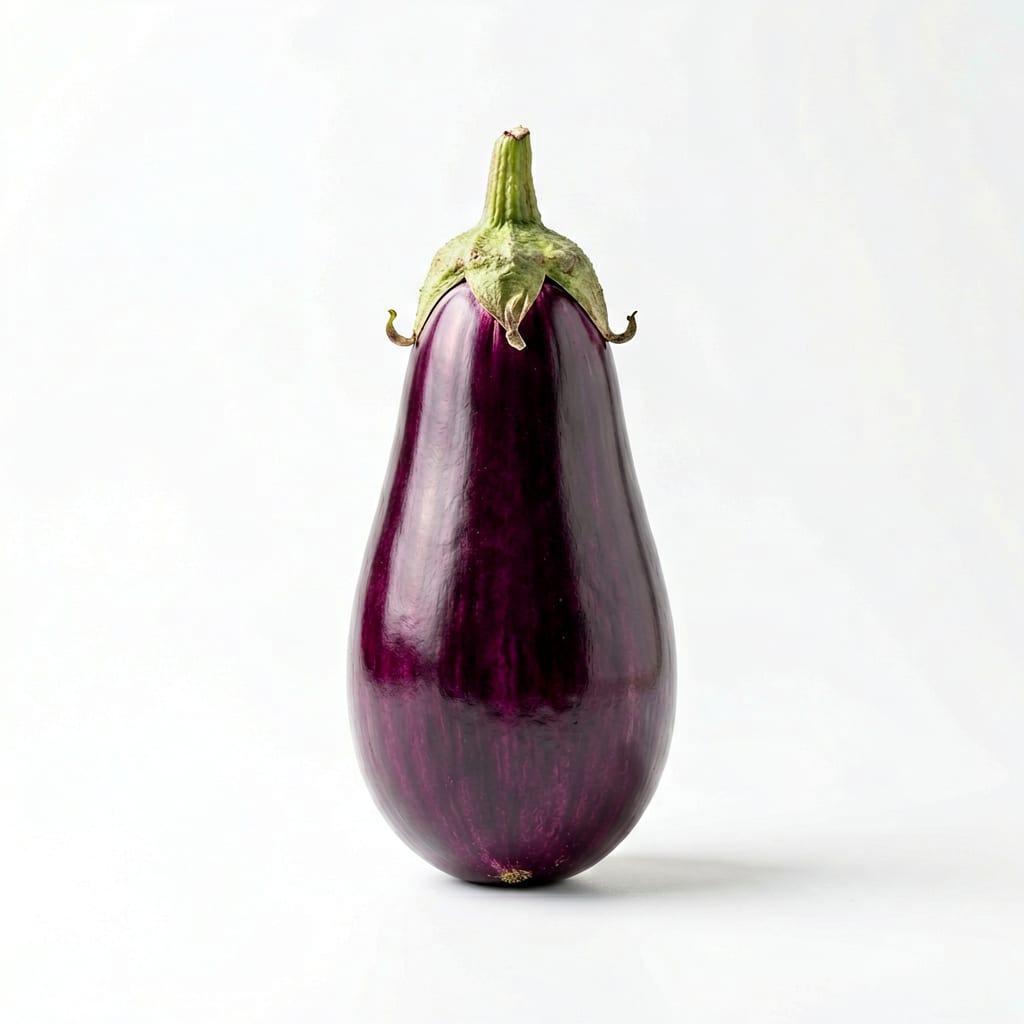
Eggplant
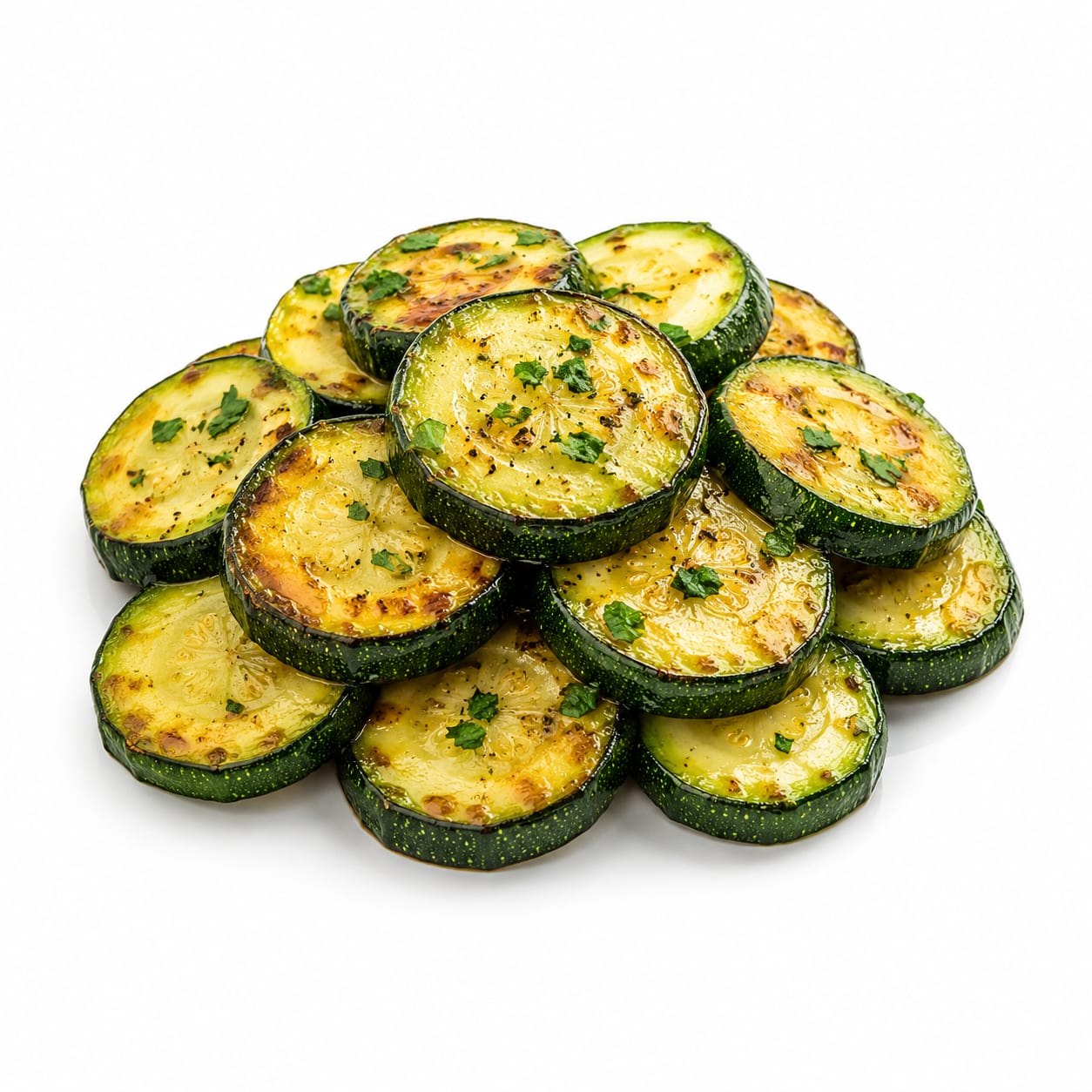
Zucchini
Zucchini wins for everyday ease, low-calorie cooking, and raw snacking, while eggplant brings a meatier bite and unique antioxidants but acts like a calorie sponge if you aren't careful.
Zucchini scores higher due to its lower calorie density, minimal oil absorption, and broader culinary flexibility, though eggplant's unique antioxidants keep it competitive.
Eggplant delivers a hearty, savory chew and brain-protecting antioxidants but absorbs cooking oil aggressively; zucchini is lighter, hydrating, and far more forgiving for weight loss.
At a glance
Executive summary
Overall
Zucchini
Healthier
Zucchini
More practical
Zucchini
Daily use
Zucchini
Key comparison lenses
Low-calorie volume eating and weight loss
Both are popular low-calorie vegetables, but their cooking behavior drastically affects final calorie counts.
Cooking versatility and oil absorption
Eggplant acts like a sponge for oil, while zucchini releases water, making their culinary roles very different.
Digestive tolerance and nightshade sensitivity
Eggplant is a nightshade which triggers inflammation for some, whereas zucchini is generally well-tolerated.
Antioxidant diversity
Eggplant skin offers unique brain-protecting antioxidants, while zucchini provides eye-health support.
Best choice for
Eggplant
- Hearty vegetarian mains
- Mediterranean diet recipes
- Grilling and roasting
Zucchini
- Low-carb pasta alternatives
- Quick weeknight sides
- Raw snacking with dip
Least suitable for
Eggplant
- People strictly managing oil intake
- Those with nightshade sensitivities
Zucchini
- Recipes needing a dense, meaty texture
- People seeking robust, savory flavor
Deep comparison
Dimension by dimension
Each lens scores both foods and breaks down who each option suits.
- Dimension 1 · Priority 90Zucchini
Calorie Density and Weight Loss
Eggplant · 60Zucchini · 92Raw eggplant and zucchini have similar calorie counts, but eggplant's sponge-like texture absorbs massive amounts of cooking oil, drastically increasing its calorie density.
Tradeoff
You get a richer, more satisfying mouthfeel with eggplant, but at the cost of hidden calories if pan-fried or sautéed.
Why it matters
For sustainable weight loss, vegetables that stay low-calorie during cooking are far easier to rely on daily.
Real-world impact
A cup of sautéed eggplant can easily pack three times the calories of a cup of sautéed zucchini due to oil uptake.
Eggplant
- Keto diets seeking higher fat absorption
Better for
- Strict portion control
- Oil-free cooking
Worse for
Zucchini
- Consistent calorie deficits
- Volume eating
Better for
- High-calorie meal prep
Worse for
- Dimension 2 · Priority 85Zucchini
Culinary Versatility and Convenience
Eggplant · 70Zucchini · 88Zucchini can be eaten raw, spiralized into noodles, or quick-sautéed, while eggplant requires cooking and often salting to remove bitterness.
Tradeoff
Eggplant demands more prep but rewards you with a dense, savory bite that feels like a main dish; zucchini is faster but often plays a supporting role.
Why it matters
Convenience dictates how often you actually cook a vegetable versus letting it rot in the crisper drawer.
Real-world impact
Zucchini noodles take 2 minutes to make; eggplant parmesan is a weekend project.
Eggplant
- Baba ganoush and dips
- Grilled vegetable platters
Better for
- Quick meal prep
- No-cook recipes
Worse for
Zucchini
- Raw veggie trays
- 5-minute weeknight dinners
Better for
- Hearty vegetarian entrees
Worse for
- Dimension 3 · Priority 70It depends
Antioxidant Profile
Eggplant · 85Zucchini · 78Eggplant skin is rich in nasunin, a potent antioxidant that protects brain cell membranes, while zucchini provides lutein and zeaxanthin for eye health.
Tradeoff
You choose between brain-protecting compounds in eggplant and vision-supporting carotenoids in zucchini.
Why it matters
Targeting specific long-term health outcomes often requires choosing vegetables with specialized phytonutrients.
Real-world impact
Eating eggplant with the skin on supports cognitive aging; zucchini helps protect against blue light and age-related vision decline.
Eggplant
- Cognitive longevity
- Anti-inflammatory diets
Better for
- General carotenoid intake
Worse for
Zucchini
- Eye health maintenance
- Screen-heavy lifestyles
Better for
- Specific brain-protecting antioxidants
Worse for
- Dimension 4 · Priority 75Zucchini
Digestive Tolerance
Eggplant · 60Zucchini · 92Zucchini is incredibly gentle on the gut, while eggplant belongs to the nightshade family, which can trigger joint pain and digestive upset in sensitive individuals.
Tradeoff
Eggplant offers richer flavor complexity but carries a higher risk of inflammatory reactions for a subset of people.
Why it matters
Hidden food sensitivities can cause bloating or joint stiffness that completely undermines the benefits of eating vegetables.
Real-world impact
If you feel achy or bloated after a ratatouille, eggplant's solanine might be the culprit; zucchini is almost never an irritant.
Eggplant
- Those without nightshade issues
Better for
- Arthritis flare-ups
- Gut irritation
Worse for
Zucchini
- Autoimmune protocol diets
- Sensitive stomachs
Better for
- None significant
Worse for
Timeline
Health impact over time
Short-term
Hours to days
Eggplant
- Very filling when cooked with fats, but heavy oil absorption can cause sluggishness if fried
- May cause mild bloating in those unaccustomed to high fiber
Zucchini
- Light and hydrating, easy on the stomach
- Quick energy without the heavy feeling
Long-term
Months to years
Eggplant
- Nasunin supports brain health and protects cell membranes
- Nightshade compounds may aggravate joint pain in susceptible individuals
Zucchini
- Lutein and zeaxanthin support long-term vision health
- Excellent for sustainable weight management due to low calorie retention
Risk profile
Safety & processing
Both are whole, natural vegetables with minimal processing concerns. Always opt for organic eggplant if eating the skin to avoid pesticide exposure.
Eggplant
Nightshade sensitivity
mediumContains solanine, which can trigger inflammation, joint pain, or digestive issues in sensitive people.
Pesticide residue
mediumEggplant skins can retain pesticide residues; peeling or buying organic mitigates this but removes key antioxidants.
Zucchini
Cucurbitacin toxicity
lowRarely, zucchini can produce bitter cucurbitacins if cross-pollinated with wild squash, causing digestive distress.
Pesticide residue
lowGenerally low pesticide load, making the conventional option relatively safe.
Who wins for whom
Audience fit
Same foods, different winners depending on your goal.
children
ZucchiniMilder flavor and fun shapes like zoodles make zucchini far more kid-friendly than bitter, spongy eggplant.
daily consumption
ZucchiniZucchini's neutral flavor and quick prep make it an effortless daily staple; eggplant is better as an occasional treat.
diabetes
ZucchiniZucchini has a slightly lower carb load and zero oil-trapping behavior, making blood sugar management easier.
elderly
ZucchiniZucchini is softer, easier to chew, and gentler on aging digestive systems without nightshade risks.
muscle gain
It dependsNeither is a significant protein source; both serve as low-calorie sides to accompany protein mains.
weight loss
ZucchiniZucchini's low calorie density remains intact during cooking, whereas eggplant easily absorbs excess oil.
Your move
Decision guide
Choose Eggplant
- You want a dense, meaty texture for vegetarian mains
- You are cooking Mediterranean dishes like baba ganoush or caponata
- You have no nightshade sensitivities and want brain-protecting antioxidants
Choose Zucchini
- You need a low-calorie, oil-friendly vegetable for daily weight management
- You want a quick-cooking or raw option for busy weeknights
- You experience joint pain or digestive issues from nightshades
Either works if
- You are making a roasted vegetable medley
- You simply need to increase your daily vegetable intake
Avoid both if
- You are looking for a high-protein food to anchor your meal
Final recommendation
Keep zucchini as your daily workhorse for light, low-calorie meals and raw snacks. Enjoy eggplant once a week for its unique savory depth and brain-protecting antioxidants, but roast or air-fry it to avoid the oil trap.
Practical
Consumer tips
- 1
Salt eggplant slices and let them sit for 20 minutes to draw out water; this prevents it from absorbing excess oil during cooking.
- 2
Always leave the skin on eggplant to get the maximum dose of nasunin antioxidants.
- 3
Spiralize zucchini for a low-carb pasta alternative, but salt it lightly and pat dry to avoid a watery sauce.
- 4
Don't peel zucchini—the dark green skin is where most of the lutein and fiber live.
- 5
Air-fry eggplant at high heat for a crispy, meaty texture without the deep-fried calorie bomb.