
Nutrition comparison
Zucchini vs Yellow Squash: Nutrition, Taste, and Best Uses
Compare Zucchini and Yellow Squash to find out which is healthier. Learn the nutritional differences, best cooking uses, and which squash fits your diet.
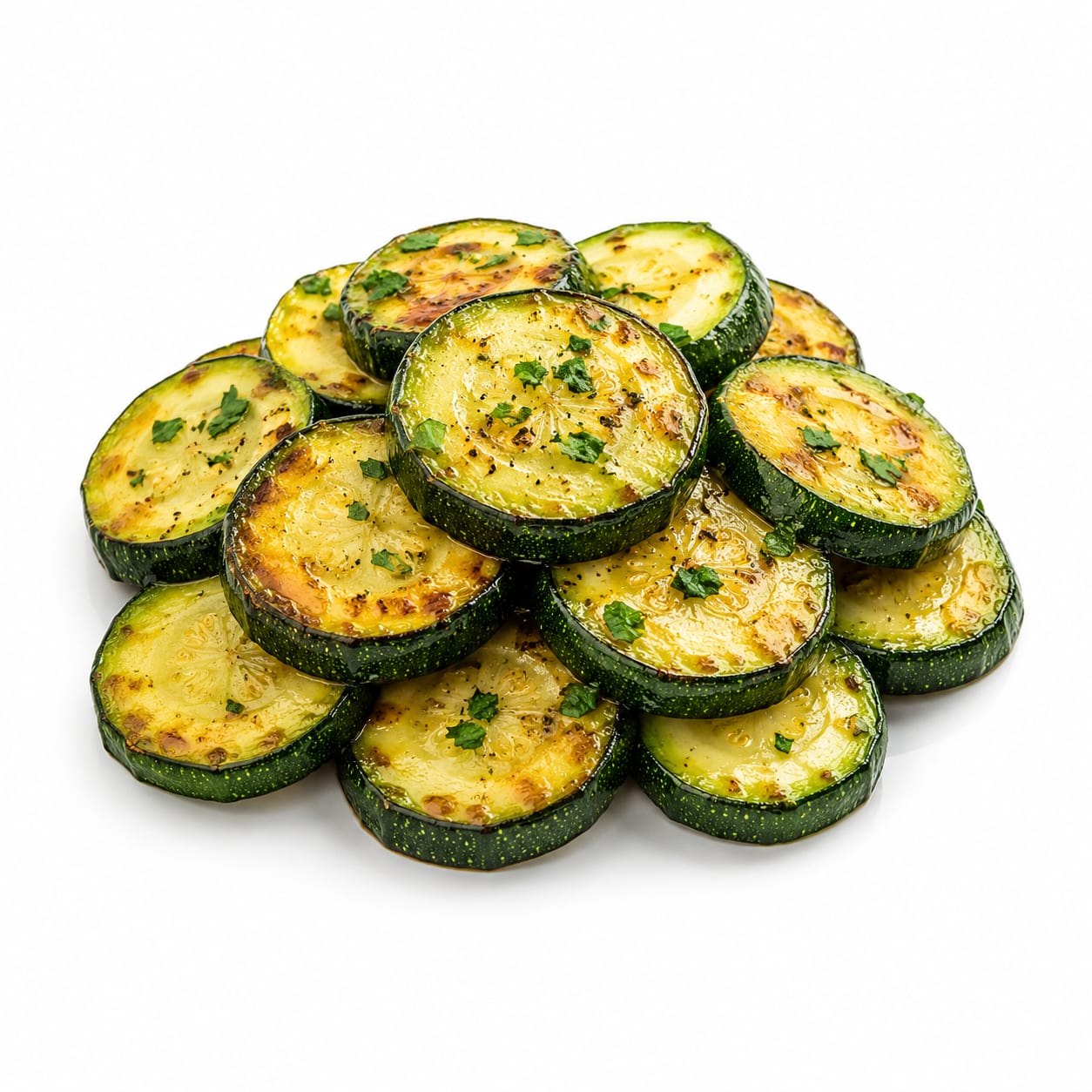
Zucchini
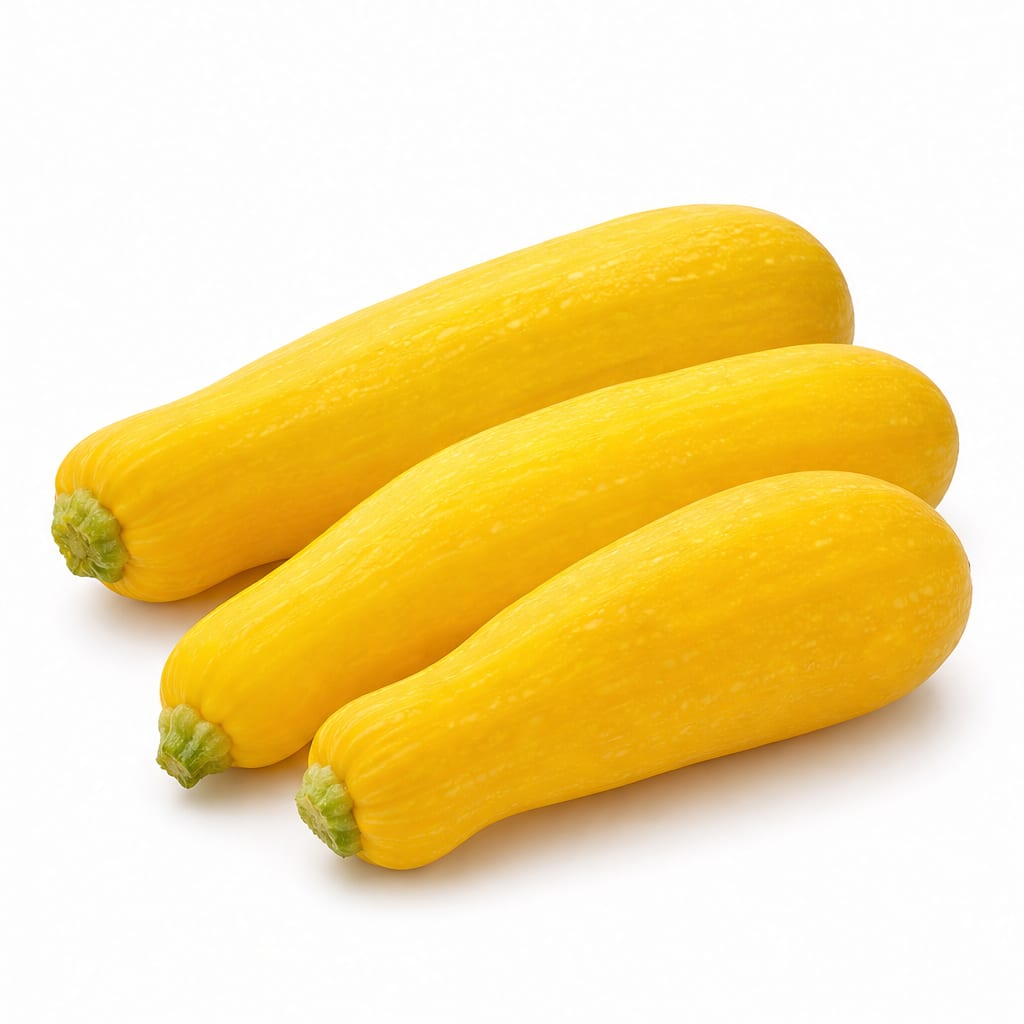
Yellow Squash
Zucchini and Yellow Squash are nutritionally nearly identical, but Zucchini edges ahead in culinary versatility while Yellow Squash offers slightly more Vitamin A.
Zucchini scores slightly higher due to its firmer texture and broader culinary adaptability, though both are excellent, nutrient-dense choices.
Zucchini holds its shape better for baking and grilling, whereas Yellow Squash brings a brighter color and a bit more beta-carotene to the plate.
At a glance
Executive summary
Overall
It depends
Healthier
It depends
More practical
Zucchini
Daily use
Zucchini
Key comparison lenses
Nutritional differences between similar summer squashes
Users often wonder if color variation impacts vitamin content between these nearly identical vegetables.
Culinary versatility and texture
Texture differences affect how well each squash holds up in cooking, baking, and meal prep.
Weight loss suitability
Both are popular low-calorie diet foods, but subtle differences in fiber and water content might matter to some.
Best choice for
Zucchini
- Baking into breads or muffins
- Grilling without turning mushy
- Making zoodles that hold their shape
Yellow Squash
- Boosting Vitamin A intake
- Adding vibrant color to a dish
- Making creamy soups
Least suitable for
Zucchini
- Those specifically looking to increase beta-carotene
Yellow Squash
- Recipes requiring a firm texture like sturdy veggie noodles
Deep comparison
Dimension by dimension
Each lens scores both foods and breaks down who each option suits.
- Dimension 1 · Priority 85Yellow Squash
Antioxidant & Vitamin Profile
Zucchini · 78Yellow Squash · 85Yellow Squash wins on Vitamin A due to its yellow skin, while Zucchini provides more lutein and zeaxanthin for eye health.
Tradeoff
You trade beta-carotene for lutein when choosing Zucchini over Yellow Squash.
Why it matters
Different antioxidants protect different parts of the body; beta-carotene supports skin and immunity, while lutein protects vision.
Real-world impact
Eating Yellow Squash gives a small boost to immune-boosting Vitamin A, while Zucchini is slightly better for screen-strained eyes.
Zucchini
- Eye health and screen fatigue
Better for
- High beta-carotene needs
Worse for
Yellow Squash
- Immune support and skin health
Better for
- Targeted lutein intake
Worse for
- Dimension 2 · Priority 90Zucchini
Culinary Versatility & Texture
Zucchini · 90Yellow Squash · 75Zucchini has a firmer texture and less water content, making it far more forgiving in baking and high-heat cooking.
Tradeoff
Yellow Squash can become watery and soft when cooked, while Zucchini maintains a pleasant bite.
Why it matters
Mushy vegetables can ruin a dish's texture, making Zucchini more reliable for meal prep and diverse recipes.
Real-world impact
Zucchini noodles stay crisp-ish, and zucchini bread holds together; Yellow Squash is better sautéed quick or blended into soups.
Zucchini
- Spiralizing into noodles
- Baking into sweet breads
- Grilling in sturdy slices
Better for
- Adding bright yellow color to a plate
Worse for
Yellow Squash
- Blending into creamy soups
- Quick sautés where softness is desired
Better for
- Making firm veggie noodles or baked goods
Worse for
- Dimension 3 · Priority 80It depends
Weight Loss & Satiety
Zucchini · 82Yellow Squash · 82Both are incredibly low in calories and high in water, making them equally excellent for volume eating.
Tradeoff
There is virtually no caloric or fiber tradeoff here; both fill you up without filling you out.
Why it matters
When cutting calories, volume is key to feeling satisfied, and both deliver massive portions for minimal calories.
Real-world impact
You can eat generous portions of either vegetable to feel full during a calorie deficit without worrying about overdoing it.
Zucchini
- Large portion sizes for minimal calories
Better for
- Providing substantial protein or fat
Worse for
Yellow Squash
- Large portion sizes for minimal calories
Better for
- Providing substantial protein or fat
Worse for
Timeline
Health impact over time
Short-term
Hours to days
Zucchini
- Very light on the stomach, easy to digest
- High water content helps with hydration
Yellow Squash
- Gentle on digestion, though slightly more likely to cause bloating if undercooked due to water retention
- Contributes to daily hydration
Long-term
Months to years
Zucchini
- Lutein content supports long-term eye health
- Consistent low-calorie intake aids weight maintenance
Yellow Squash
- Beta-carotene supports long-term immune function
- High water and fiber intake supports healthy digestion
Risk profile
Safety & processing
Both Zucchini and Yellow Squash are whole, natural vegetables typically eaten in their unprocessed state.
Zucchini
Pesticide residue
mediumZucchini is often sprayed and can carry residue; washing thoroughly or buying organic is advisable.
Yellow Squash
Pesticide residue
mediumLike Zucchini, Yellow Squash is susceptible to pests and is often treated with pesticides; peeling or buying organic reduces exposure.
Who wins for whom
Audience fit
Same foods, different winners depending on your goal.
children
Yellow SquashYellow Squash has a milder, slightly sweeter flavor and a fun color that can be more appealing to picky eaters.
daily consumption
ZucchiniZucchini's firmer texture holds up better in a wider variety of daily recipes, from salads to baking.
diabetes
It dependsBoth have minimal impact on blood sugar and are excellent carb-light choices for diabetic diets.
elderly
Yellow SquashYellow Squash's softer texture when cooked is easier to chew and digest for those with dental concerns.
muscle gain
It dependsNeither is a significant protein source; both serve as low-calorie sides for muscle-building meals.
weight loss
It dependsBoth Zucchini and Yellow Squash are extremely low in calories and equally effective for volume eating.
Your move
Decision guide
Choose Zucchini
- You want to make zoodles or veggie noodles that hold their shape
- You are baking healthy breads or muffins
- You prefer a firmer bite when grilling or roasting
Choose Yellow Squash
- You want to boost your Vitamin A and beta-carotene intake
- You are making a blended soup or puree
- You want to add bright color to a summer vegetable medley
Either works if
- You just need a low-calorie vegetable to bulk up a stir-fry
- You are meal-prepping a large batch of roasted vegetables
- You want a light, hydrating side dish
Avoid both if
- You are looking for a high-protein or calorie-dense food to fuel intense activity
Final recommendation
Use Zucchini when texture matters and Yellow Squash when color or Vitamin A is the goal, but mixing both gives you the best of both worlds.
Practical
Consumer tips
- 1
Buy organic for both Zucchini and Yellow Squash if possible, as they are commonly sprayed with pesticides.
- 2
Salt sliced Zucchini or Yellow Squash and let it sit for 10 minutes before cooking to draw out excess water and prevent mushy dishes.
- 3
Don't peel either vegetable—the skin is where most of the fiber and antioxidants live.
- 4
Mix green and yellow varieties together in a dish for a visually appealing and nutritionally diverse meal.