
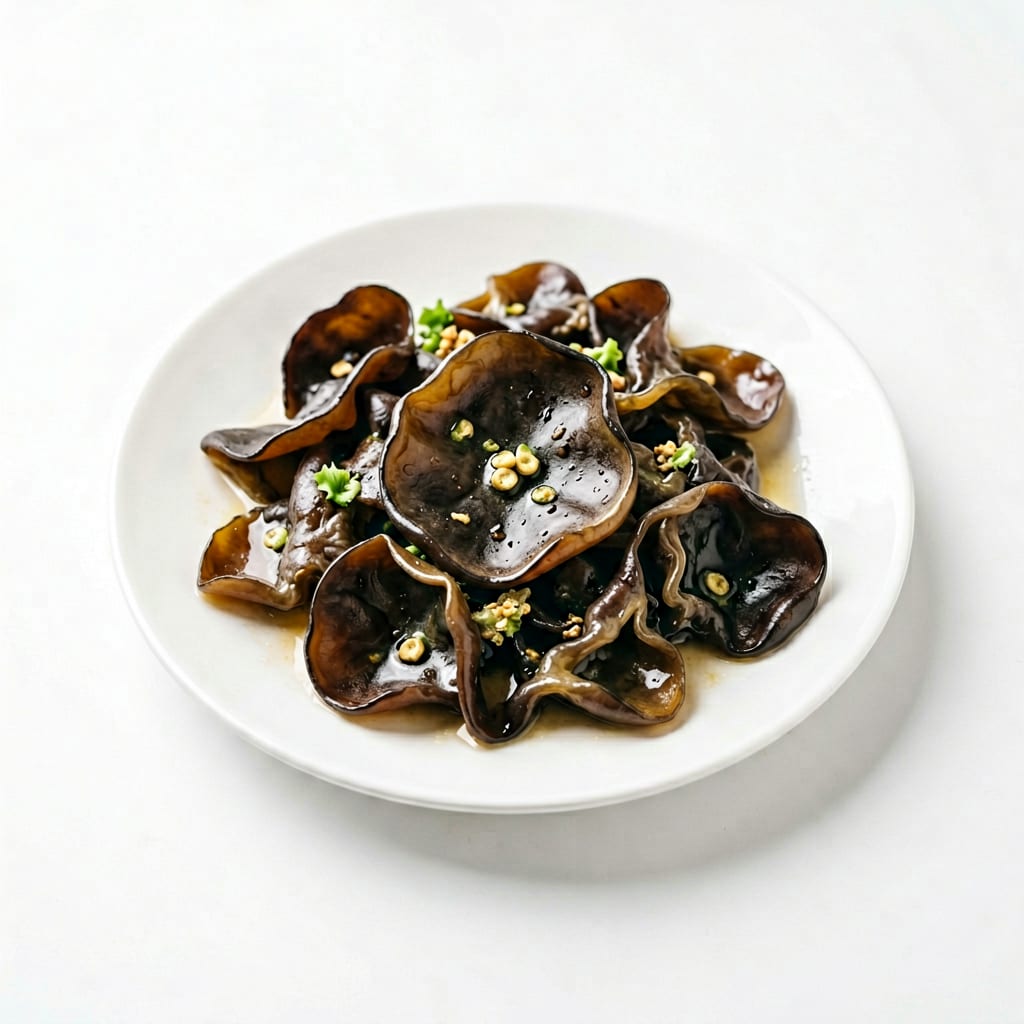
Fungi
Wood Ear Mushroom
Wood ear mushroom is a low-calorie, high-fiber edible fungus known for its gelatinous texture and cardiovascular benefits.
Wood ear mushroom, also known as black fungus, is an edible jelly fungus commonly used in Asian cuisine. It is recognized for its distinct gelatinous, crunchy texture and ear-like shape, often added to stir-fries, soups, and salads for its ability to absorb flavors.
high-fiber low-calorie functional fungus
Typical serving · 100g
Common varieties · black fungus, cloud ear, auricularia polytricha, auricularia auricula-judae, muk nge
Overall context score across nutrition, safety, and diet fit
At a glance
Quick facts
Simple indicators based on nutrition, processing, and diet fit.
The story
What makes it unique
Wood ear mushroom is composed of roughly 90% water and is exceptionally low in calories and carbohydrates. Its cell walls contain high amounts of soluble fiber, specifically beta-glucans and polysaccharides, which slow digestion, provide high satiety relative to calorie content, and moderate glycemic response. It is a minimally processed whole food, typically sold dried and rehydrated before consumption.
Varieties: black fungus · cloud ear · auricularia polytricha · auricularia auricula-judae · muk nge
Per 100g
Nutrition breakdown
Macro balance and key metrics at a glance.
Energy
Density 0.25 kcal/g
Protein
Carbs
Fat
Fiber
Sugar
0.2 g
Sodium
5 mg
Potassium
250 mg
Glycemic index
15
Glycemic load
1
Water content
91%
Standout compounds
Nutrient highlights
Soluble Fiber
highPromotes satiety, feeds gut bacteria, and slows sugar absorption
Polysaccharides
highInhibits platelet aggregation and supports cardiovascular health
Potassium
moderateSupports healthy blood pressure and fluid balance
Iron
moderateEssential for oxygen transport in the blood
Wellness map
Health scores & processing
NOVA processing scale
minimally processed · Whole food
Typically harvested, cleaned, and sun-dried for preservation. Rehydration restores the raw state without altering nutritional integrity or adding artificial substances.
Diet compatibility
- Weight loss
- Muscle gain
- Diabetes
- Gut health
- Low carb
- High protein
- Heart health
Relative standing
Food rankings
Qualitative ranks compared to similar whole foods.
- Satietygood
- Blood sugarexcellent
- Nutrient densitygood
- Fitness fuelpoor
- Processing qualityexcellent
Eat with confidence
Food safety profile
Wood ear mushrooms are generally safe when commercially cultivated and properly cooked. They can bioaccumulate heavy metals from contaminated substrates, making sourcing important. Raw consumption can cause indigestion or allergic reactions due to natural compounds destroyed by heat.
Evidence confidence 85%
- Pesticideslow
- Antibioticslow
- Heavy metalsmoderate
- Contaminationmoderate
Watch for
- soil-borne bacteria
- heavy metals from contaminated wood
- spores from improper drying
Safer choices
Choose commercially cultivated, packaged dried mushrooms over wild-harvested varieties from unknown sources.
Prep tips
Soak dried mushrooms in cold water for 20-30 minutes until fully expanded. Wash thoroughly to remove residual substrate. Always boil or cook thoroughly to neutralize potential irritants and improve digestibility.
Wild-harvested varieties may accumulate heavy metals from polluted environments; commercial cultivation on controlled substrates mitigates this risk.
Deep dive
Health analysis
How this food may fit different goals and preparation choices.
Weight loss
Extremely low energy density and high soluble fiber create physical fullness with minimal caloric intake, making it an excellent high-volume food for weight loss.
Blood sugar
Very low glycemic index and load. The high soluble fiber content slows carbohydrate absorption, preventing blood sugar spikes and improving insulin sensitivity.
Fitness & energy
Not a viable source of protein or fast-digesting carbs for muscle recovery, but useful for adding volume and micronutrients to pre-workout meals without causing heaviness.
Gut health
Rich in prebiotic soluble fiber that feeds beneficial gut bacteria. The gelatinous texture corresponds to mucilaginous compounds that support healthy bowel movements and gut lining integrity.
Processing quality
Typically dried naturally without additives, preserving its whole-food status and nutrient profile without introducing harmful chemicals.
Food safety
Must be cooked thoroughly to destroy mild natural toxins and prevent bacterial contamination. Heavy metal accumulation is a moderate risk dependent on growing conditions.
Common mistakes
Eating them undercooked or raw, which can cause digestive upset. Also, failing to soak and rinse dried mushrooms properly can leave grit or substrate residue.
Best preparation
Rehydrate in cold water, then blanch or boil before adding to stir-fries, soups, or cold salads to ensure safety and optimal texture.
Practical guide
Best use cases
When and how this food fits real eating patterns.
High-volume low-calorie eating
Adds significant bulk and a satisfying crunch to meals without adding noticeable calories, ideal for creating calorie deficits.
Blood sugar management
The high soluble fiber slows carbohydrate digestion, making it an excellent addition to meals for stabilizing postprandial glucose.
Plant-based gut health support
Provides prebiotic fiber that nourishes the gut microbiome and supports healthy digestion in vegan and vegetarian diets.
Asian stir-fries and soups
Absorbs savory broths and sauces beautifully while maintaining its signature crunchy, gelatinous texture.
Balance sheet
Pros & cons
Upsides
- Extremely low in calories and carbohydrates
- Very high in satiety-promoting soluble fiber
- Contains unique compounds that support heart health and circulation
- Highly versatile texture that absorbs flavors well
- Long shelf-life when dried
- Supports stable blood sugar levels
Trade-offs
- Very low in protein and essential amino acids
- Must be cooked thoroughly to avoid digestive upset
- Gelatinous texture is unappealing to some palates
- Can bioaccumulate heavy metals if wild-foraged from polluted areas
- Mild blood-thinning effects may interact with anticoagulant medications
Fit check
Who is it for?
Great match
- high-volume eating
- blood sugar control
- plant-based gut health
- calorie deficit diets
- heart-healthy diets
Consider alternatives
- muscle building
- high-protein diets
- individuals on blood thinners
- those seeking fast-digesting energy
Side by side
How it compares
Open the full head-to-head analysis for nutrition, safety, and practical tradeoffs.
This food
Wood Ear Mushroom
VS90% alike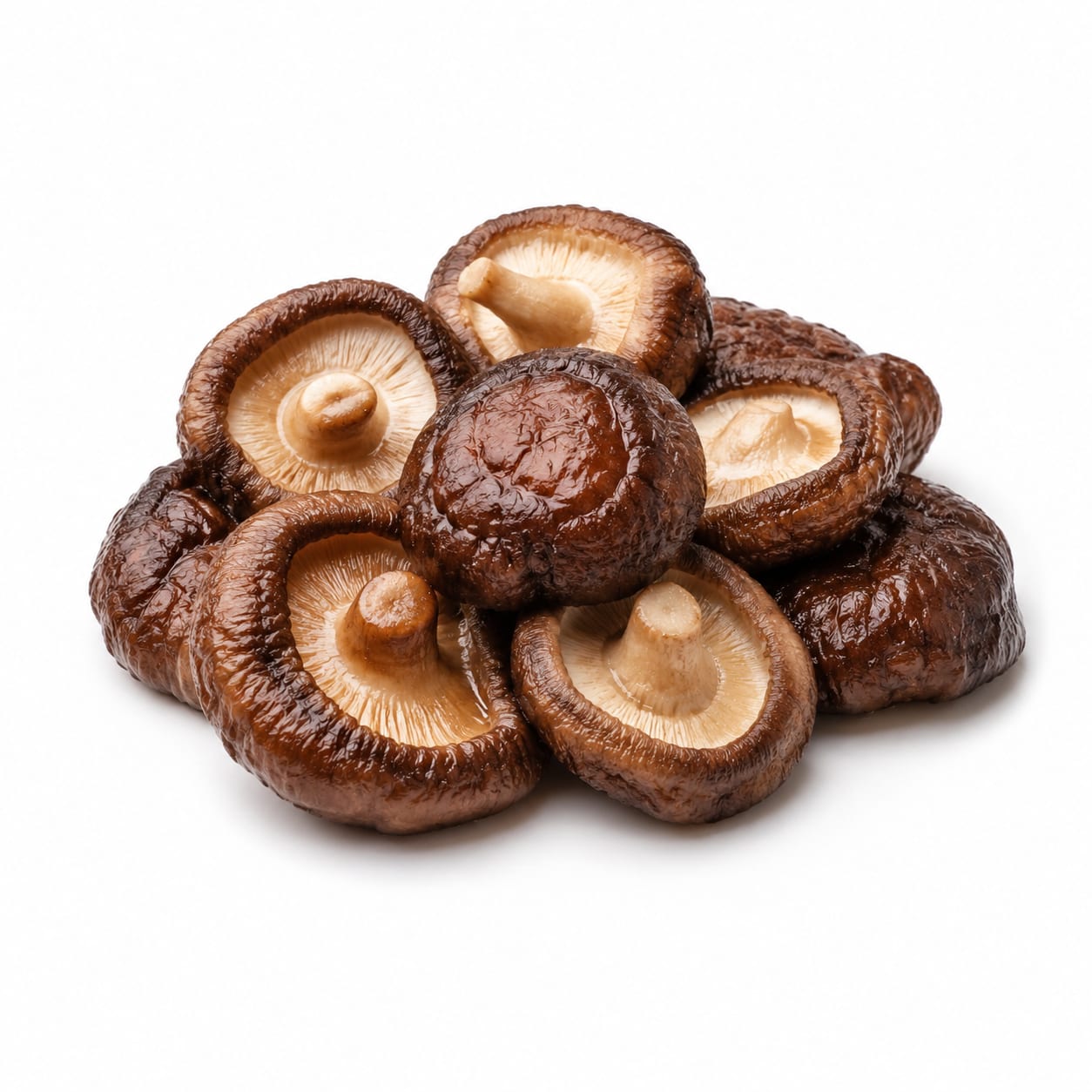
Compare with
Shiitake Mushroom
Shiitake provides more protein and B vitamins, while wood ear offers significantly more fiber and fewer calories.
Wood ear mushroom is lower in calories and higher in fiber than shiitake, making it better for weight loss, while shiitake provides more protein and flavor for fitness meals.
This food
Wood Ear Mushroom
VS85% alike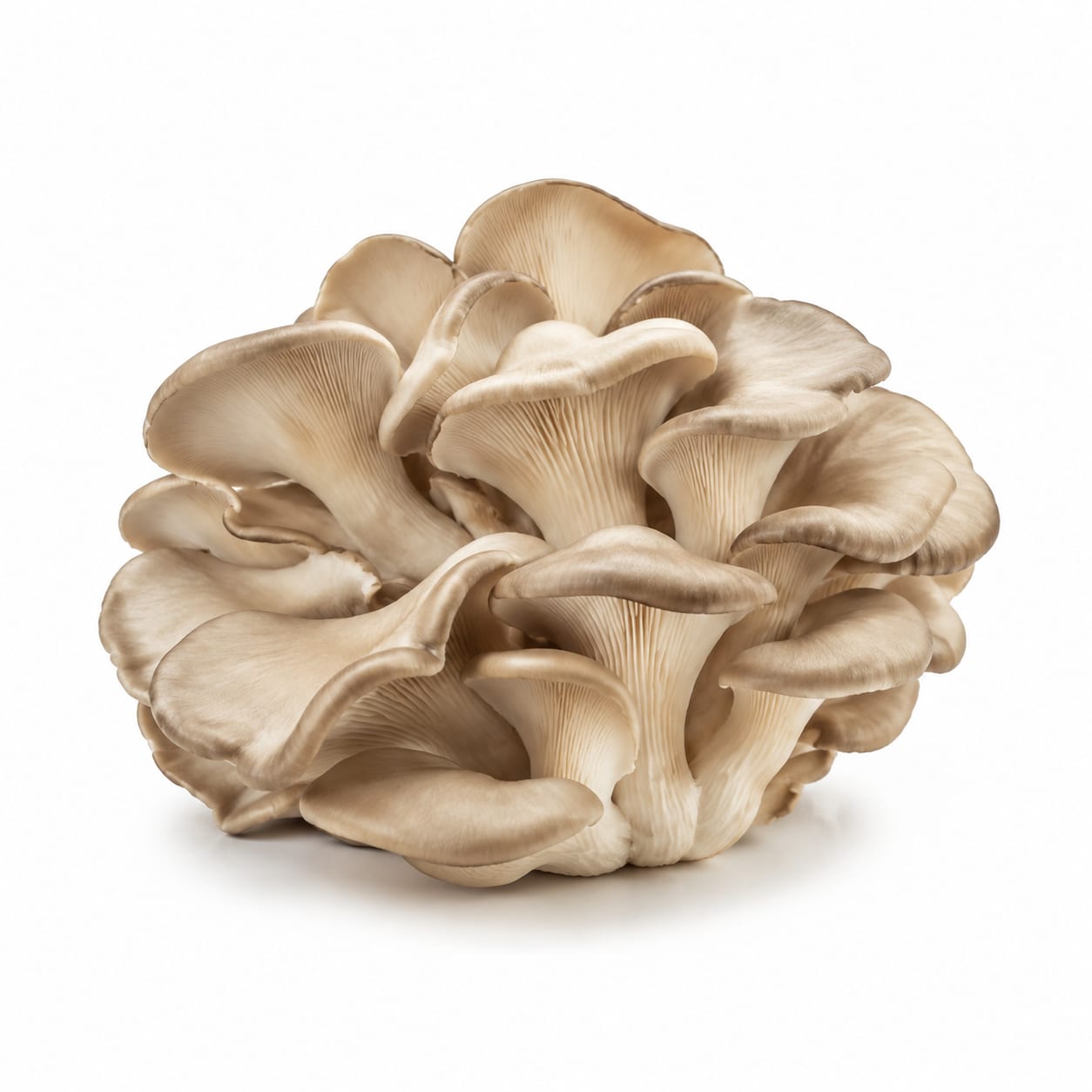
Compare with
Oyster Mushroom
Oyster mushrooms are better for protein intake, whereas wood ear is superior for pure fiber and low-calorie volume.
Wood ear mushroom beats oyster mushroom for fiber and low calories, but oyster mushrooms are a better source of protein for muscle maintenance.
This food
Wood Ear Mushroom
VS80% alike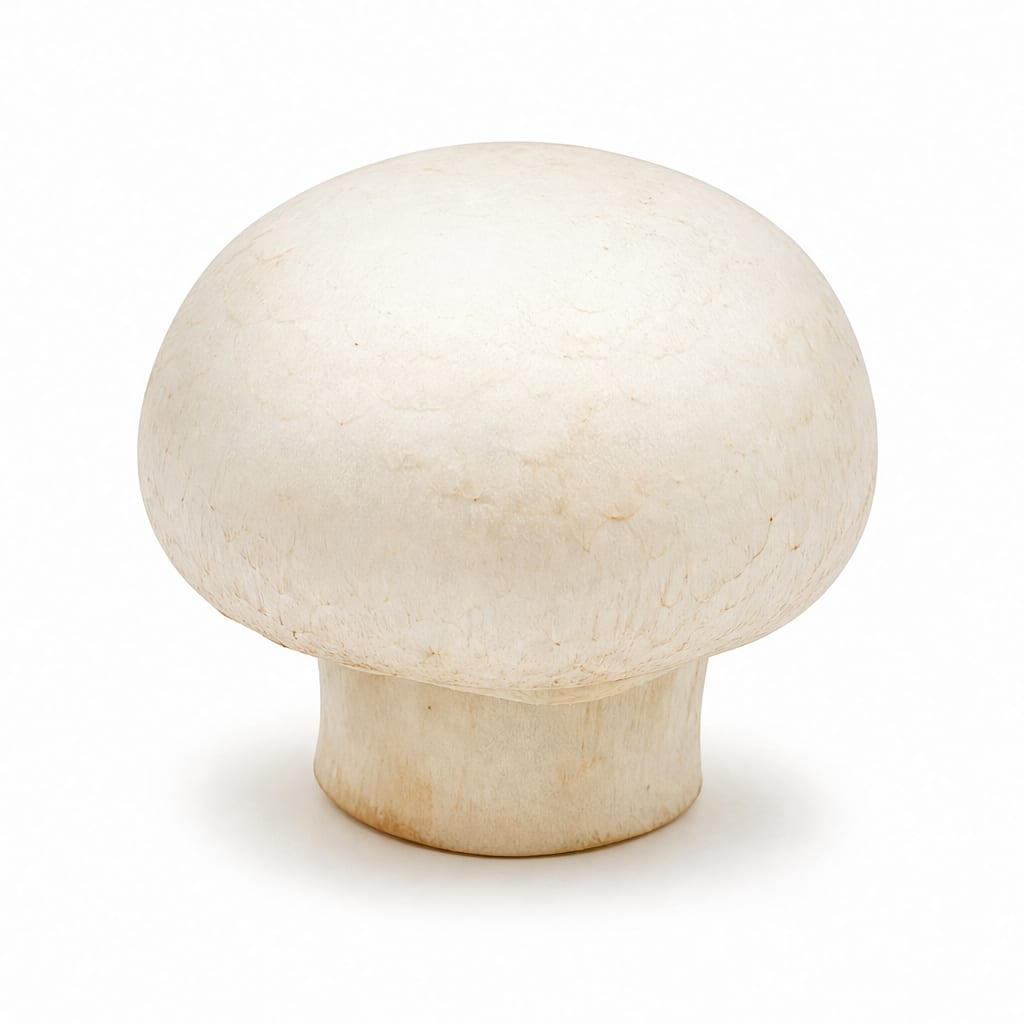
Compare with
White Button Mushroom
White buttons are more common and higher in certain B vitamins, but wood ear provides drastically more fiber per calorie.
Wood ear mushroom offers more fiber and fewer calories than white button mushrooms, making it better for satiety, while white buttons offer slightly more protein.
This food
Wood Ear Mushroom
VS85% alike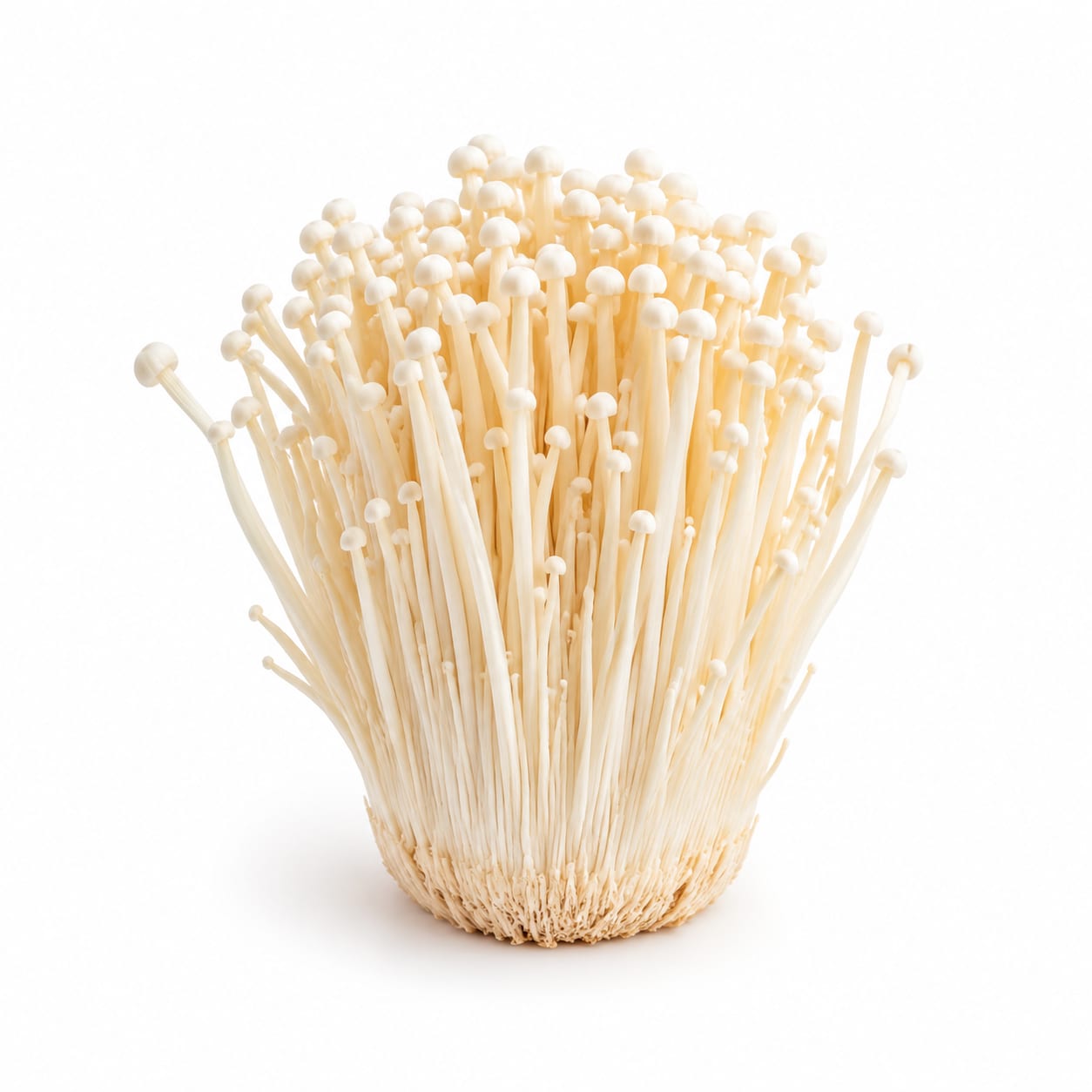
Compare with
Enoki Mushroom
Enoki is lower in calories but wood ear provides significantly more fiber and a crunchier texture.
Enoki mushrooms are slightly lower in calories, but wood ear mushrooms provide much more fiber, making them better for blood sugar control and gut health.
This food
Wood Ear Mushroom
VS75% alike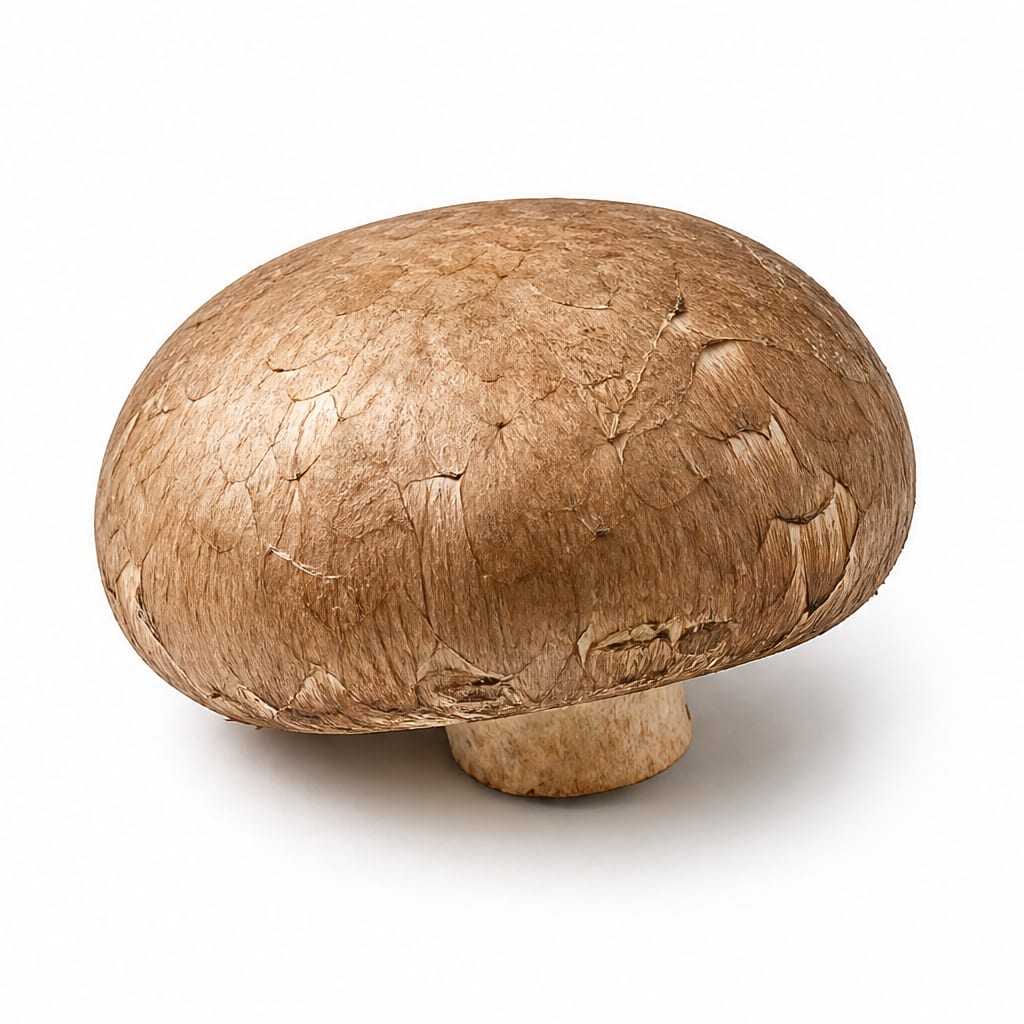
Compare with
Portobello Mushroom
Portobello is a protein and potassium powerhouse with a meaty bite, while wood ear is a low-calorie fiber additive.
Portobello mushrooms provide more protein and satiety for fitness, while wood ear mushrooms are lower in calories and higher in fiber for weight loss.
This food
Wood Ear Mushroom
VS50% alike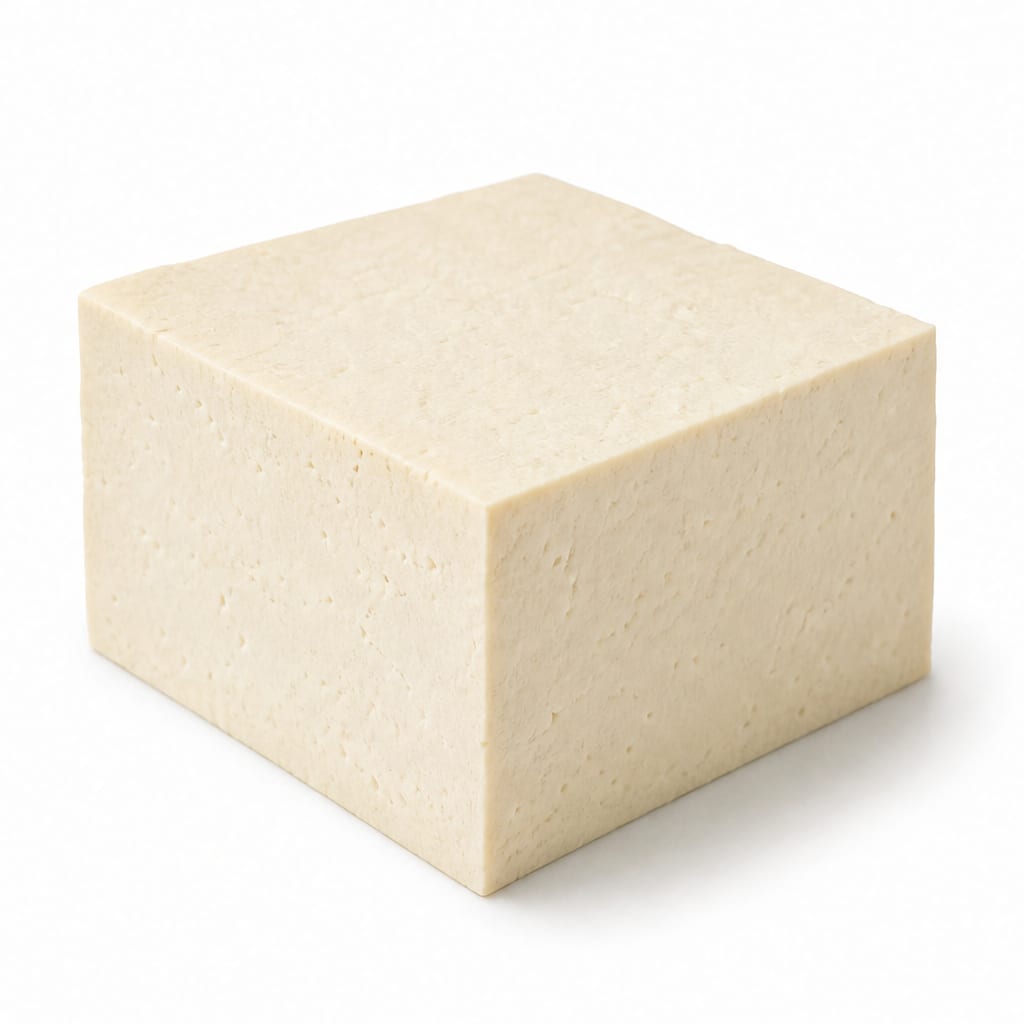
Compare with
Tofu
Tofu is a macronutrient powerhouse with high protein and fat, while wood ear is a micronutrient and fiber powerhouse with almost no calories.
Tofu provides essential protein and healthy fats for fitness, whereas wood ear mushroom is a near-zero calorie source of fiber for weight loss.
This food
Wood Ear Mushroom
VS60% alike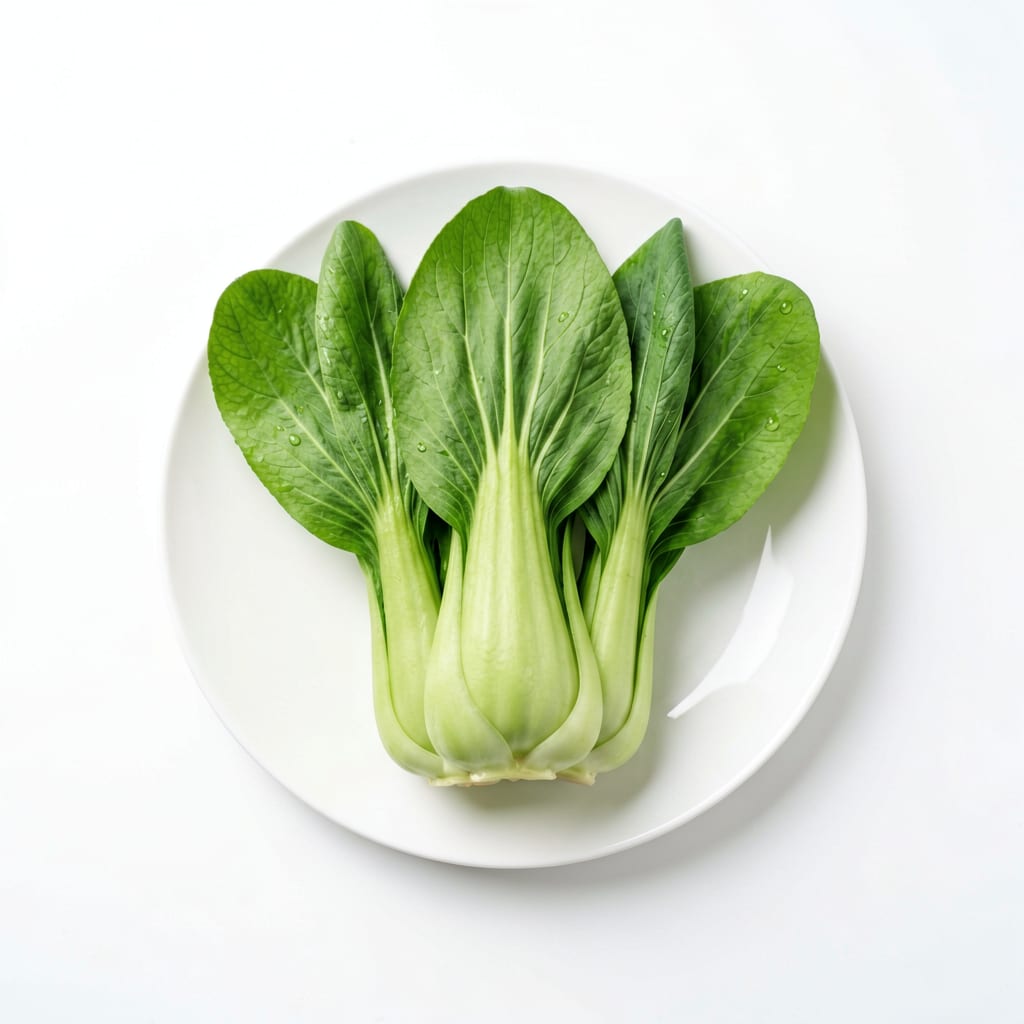
Compare with
Bok Choy
Bok choy offers more vitamins A and C, while wood ear provides significantly more dietary fiber.
Bok choy is richer in vitamins, but wood ear mushroom provides more fiber for gut health and blood sugar control, with both being excellent low-calorie choices.
This food
Wood Ear Mushroom
VS70% alike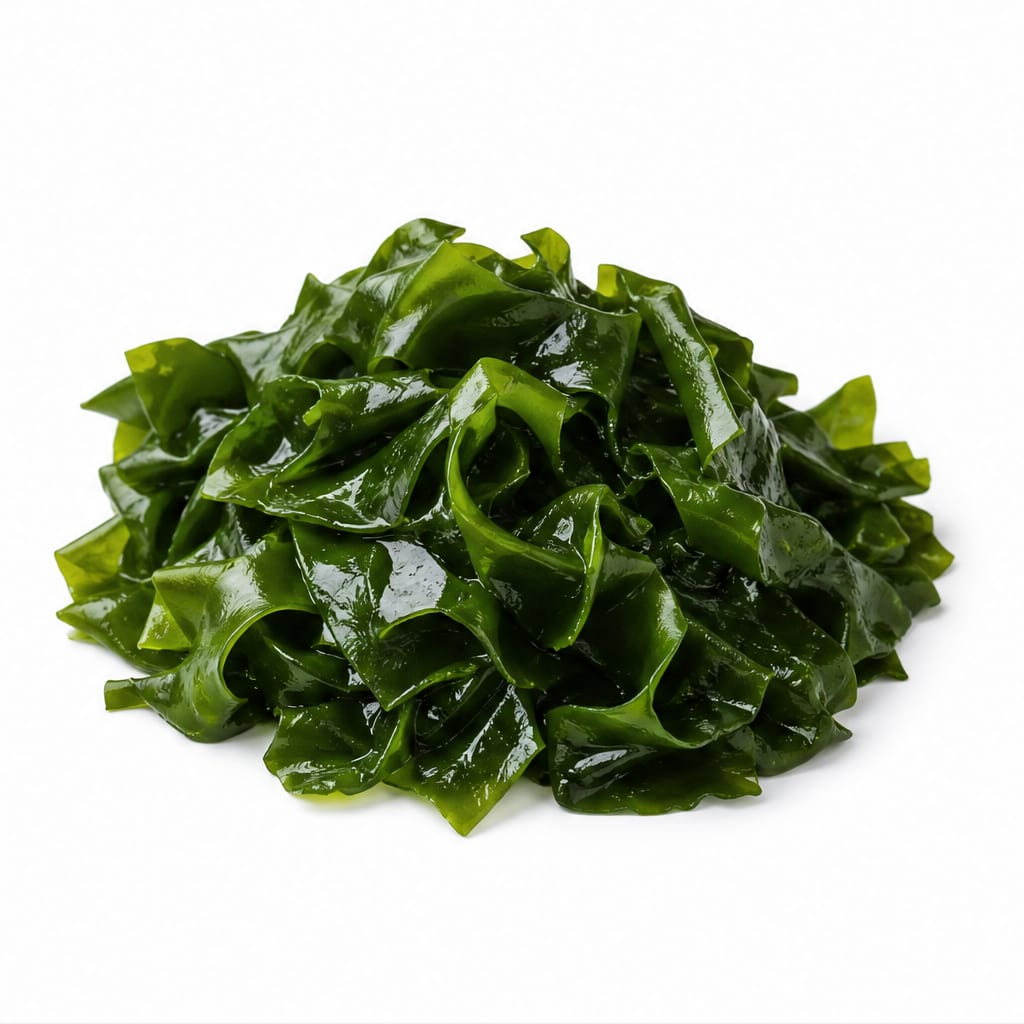
Compare with
Wakame Seaweed
Wakame is rich in iodine and minerals, while wood ear provides superior soluble fiber and a crunchier texture.
Both are extremely low in calories, but wood ear mushroom offers more fiber for satiety, while wakame provides iodine for thyroid health.
This food
Wood Ear Mushroom
VS40% alike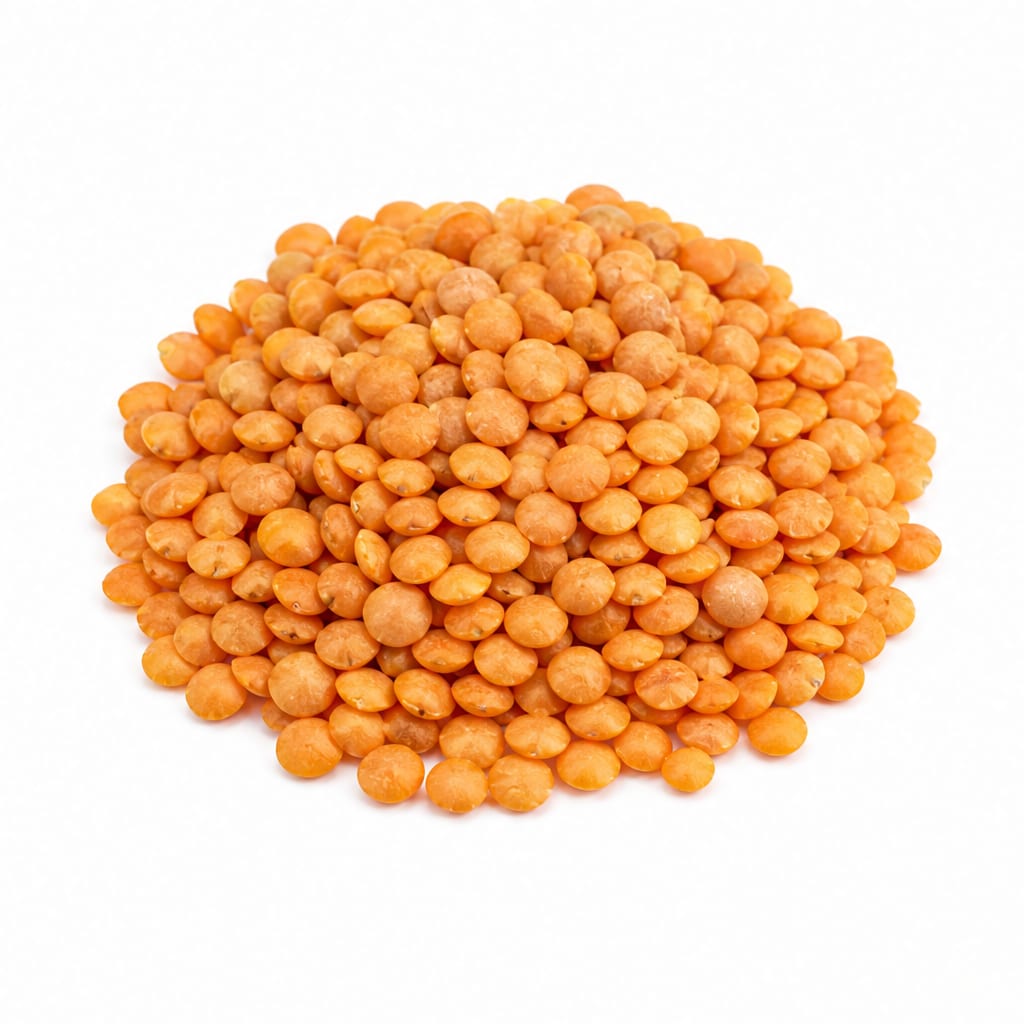
Compare with
Lentils
Lentils are high in protein and complex carbs, making them a meal base, while wood ear is a low-calorie meal enhancer.
Lentils are much higher in protein and overall calories, making them better for fitness, while wood ear mushrooms are a virtually zero-calorie way to add fiber to meals.
This food
Wood Ear Mushroom
VS55% alike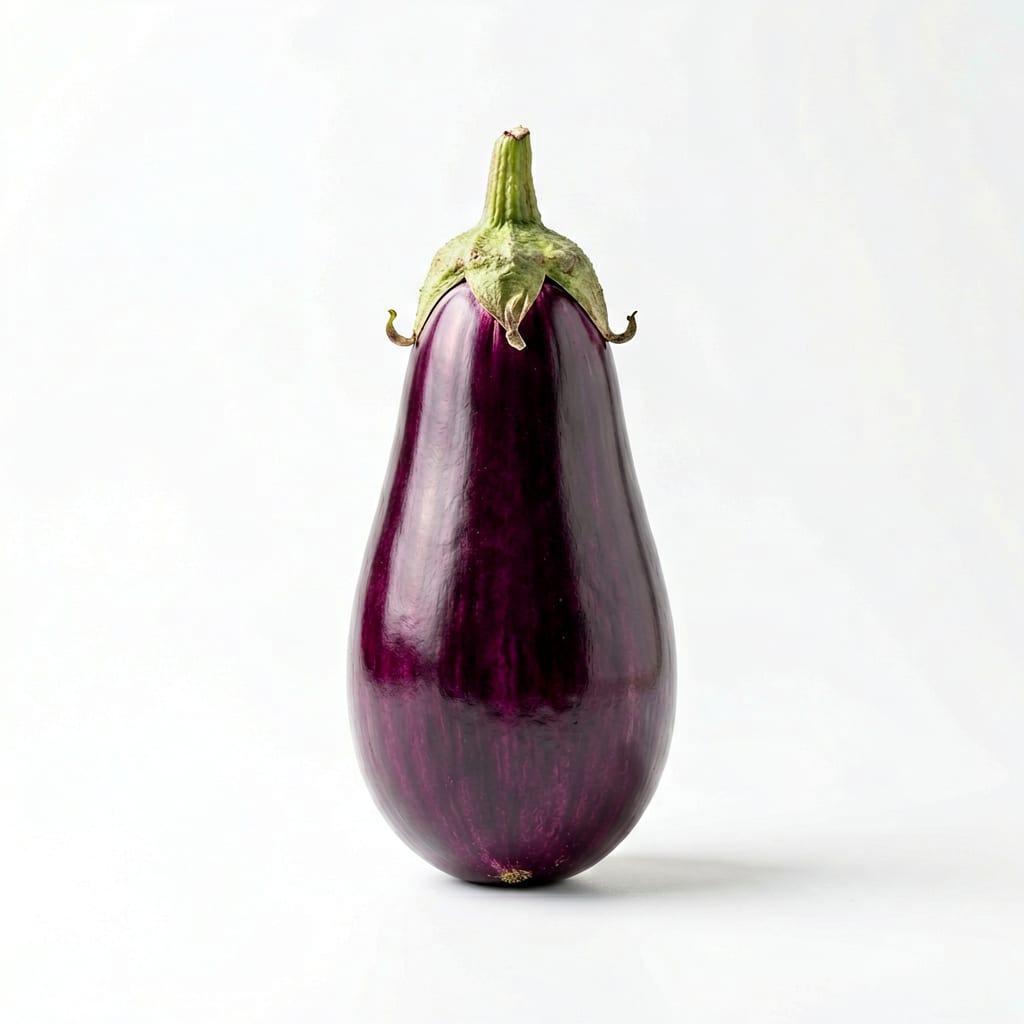
Compare with
Eggplant
Eggplant offers more substance and calories, while wood ear provides a concentrated fiber punch with minimal energy.
Wood ear mushroom is lower in calories and higher in fiber than eggplant, offering better blood sugar control, while eggplant provides more volume and mild macronutrients.
Common questions
FAQ
Answers aligned with how people search for this food.
Is wood ear mushroom good for weight loss?
Yes, wood ear mushrooms are excellent for weight loss. They are extremely low in calories but high in soluble fiber, which expands in the stomach and promotes a strong feeling of fullness without adding significant energy.
Can diabetics eat wood ear mushrooms?
Yes, diabetics can safely eat wood ear mushrooms. They have a very low glycemic index and load, and their high fiber content helps slow down sugar absorption, preventing blood glucose spikes.
Do you have to cook wood ear mushrooms?
Yes, wood ear mushrooms must always be cooked thoroughly. Eating them raw or undercooked can cause digestive upset, allergic reactions, or foodborne illness due to naturally occurring bacteria and mild toxins neutralized by heat.
Is black fungus the same as wood ear mushroom?
Yes, black fungus is a common name often used interchangeably with wood ear mushroom. Both refer to the Auricularia genus of edible jelly fungi used widely in Asian cooking.
Does wood ear mushroom have nutritional value?
While low in calories and protein, wood ear mushrooms are nutritionally valuable for their high soluble fiber content, which supports gut health and blood sugar control, and unique polysaccharides that may support cardiovascular health.
Can I eat wood ear mushroom raw?
No, you should never eat wood ear mushrooms raw. They must be rehydrated (if dried) and cooked thoroughly to prevent potential digestive issues and to neutralize naturally occurring compounds that can interfere with nutrient absorption.
Is wood ear mushroom good for gut health?
Yes, it is highly beneficial for gut health. The high soluble fiber acts as a prebiotic, feeding beneficial gut bacteria, while its mucilaginous compounds help promote smooth digestion and regular bowel movements.
Why does wood ear mushroom thin the blood?
Wood ear mushrooms contain specific polysaccharides, such as adenosine, that inhibit blood platelet aggregation. This prevents blood clots from forming easily, effectively acting as a natural blood thinner.
Transparency
Data confidence
Estimated confidence for nutrition data, interpretation, safety notes, and comparisons.
Nutrition data
Health analysis
Food safety
Comparisons