
Nutrition comparison
Wood Ear Mushroom vs Enoki Mushroom: Nutrition, Safety, and Health Comparison
Compare Wood Ear Mushroom and Enoki Mushroom side by side. Discover which is better for heart health, digestion, iron intake, and food safety. Make an informed choice for your meals.
Overall winner · Wood Ear Mushroom
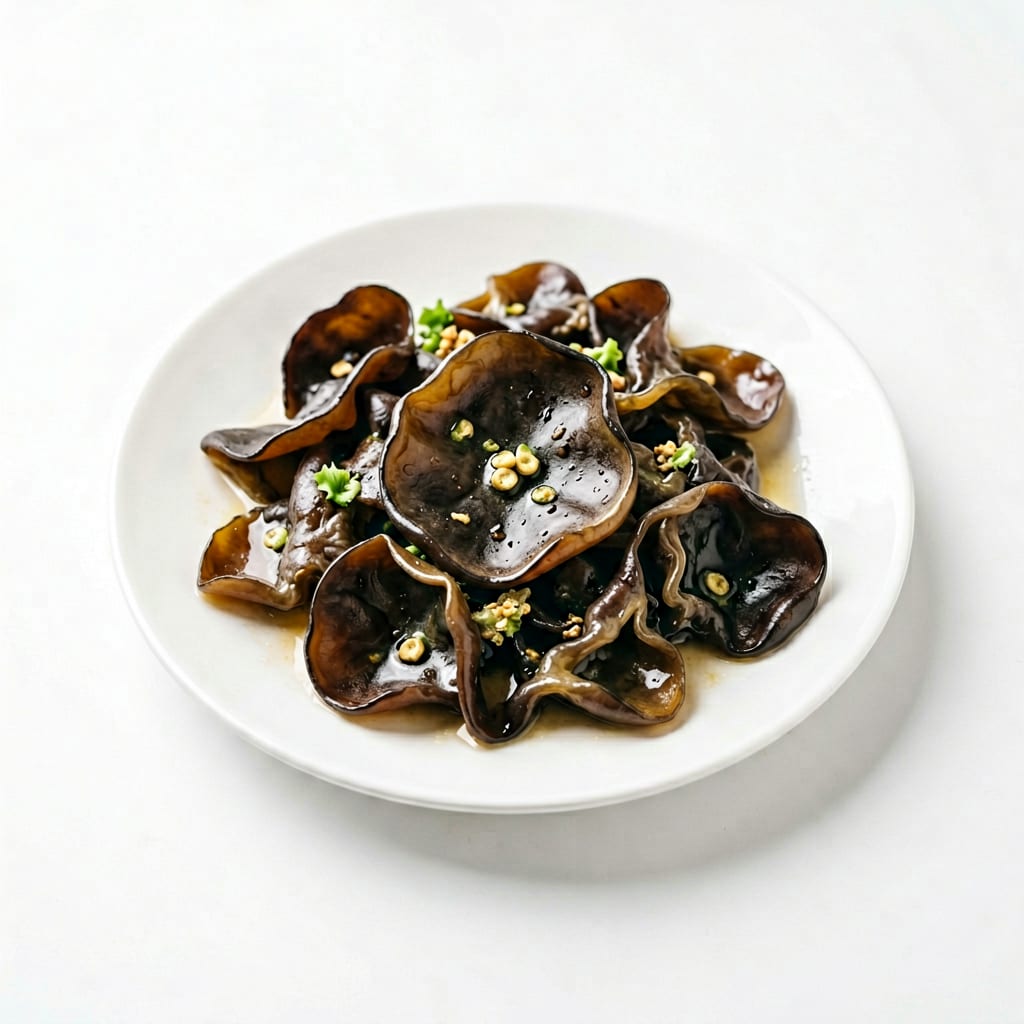
Wood Ear Mushroom
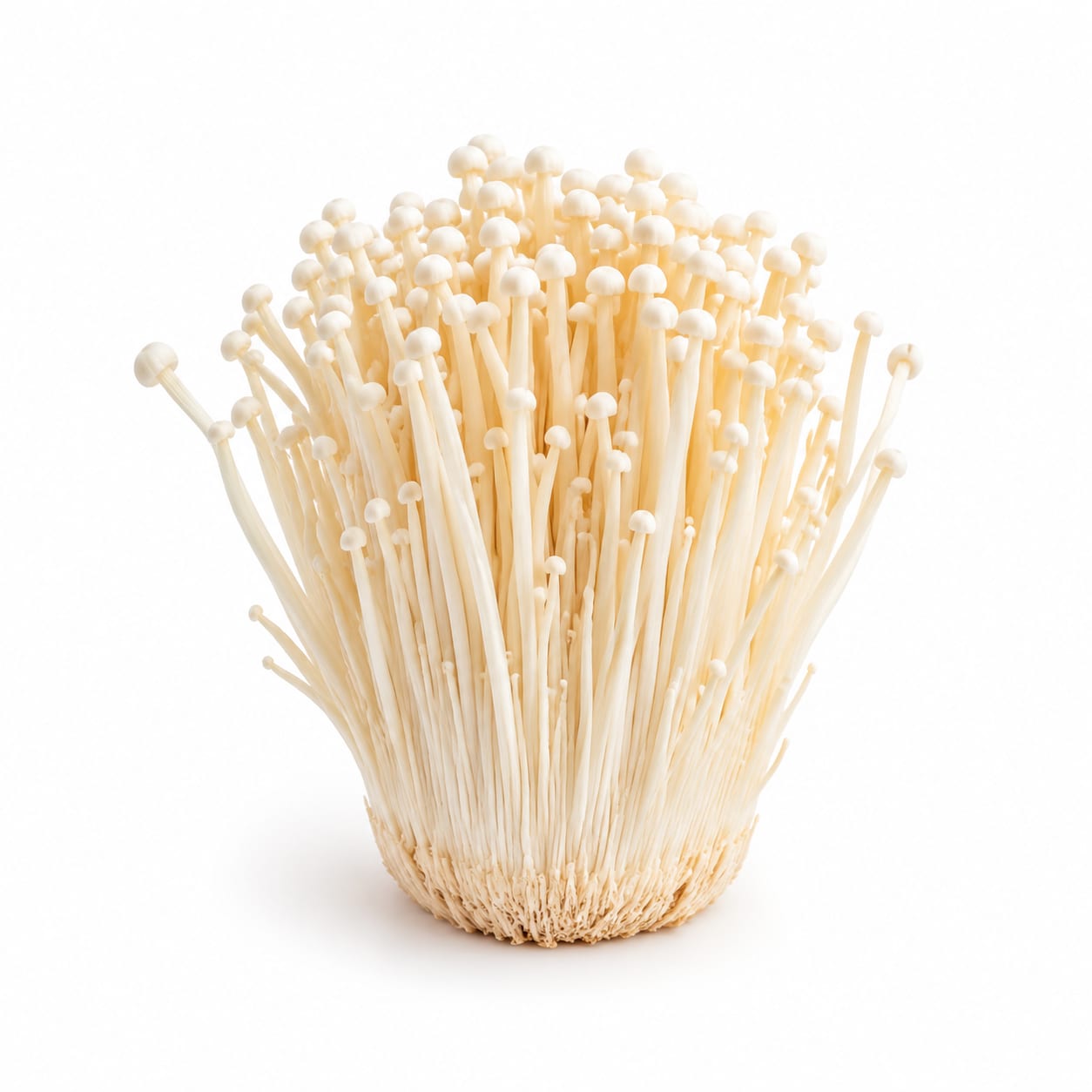
Enoki Mushroom
Wood Ear Mushroom edges ahead thanks to superior fiber, iron, and cardiovascular benefits, but Enoki Mushroom offers more protein and a more familiar texture for everyday cooking.
Wood Ear Mushroom scores higher due to its stronger nutritional profile in fiber, iron, and heart-protective compounds. Enoki Mushroom remains a solid choice but offers fewer standout health benefits and carries a higher food safety concern.
Heart and gut health versus protein content and cooking convenience — Wood Ear Mushroom nourishes your cardiovascular system while Enoki Mushroom fits more naturally into quick weeknight meals.
At a glance
Executive summary
Overall
Wood Ear Mushroom
Healthier
Wood Ear Mushroom
More practical
Enoki Mushroom
Daily use
Wood Ear Mushroom
Key comparison lenses
cardiovascular and blood health support
Wood Ear Mushroom is renowned for blood-thinning and cholesterol-lowering polysaccharides, making heart health the dominant differentiator
food safety and contamination risk
Enoki Mushrooms have been linked to serious Listeria outbreaks, a critical real-world concern for consumers
fiber and digestive benefits
Wood Ear Mushroom delivers substantially more soluble fiber, making gut health a key comparison point
everyday culinary versatility
These mushrooms have very different textures and cooking roles, affecting how easily people incorporate them into meals
iron and micronutrient density
Wood Ear Mushroom is surprisingly rich in iron compared to Enoki, relevant for vegetarians and those with anemia concerns
Best choice for
Wood Ear Mushroom
- People managing high cholesterol or cardiovascular risk
- Anyone needing more iron in their diet, especially vegetarians
- Those seeking better digestion and regularity through fiber
- People on blood-thinning medication who want complementary foods (with doctor approval)
- Home cooks making soups, stir-fries, or hot pot where texture variety matters
Enoki Mushroom
- People wanting a mild, easy-to-eat mushroom for picky eaters or children
- Anyone seeking slightly more protein from plant sources
- Those who prefer a crisp, snap-able texture in salads and quick-cook dishes
- People new to Asian mushrooms who want an approachable starting point
Least suitable for
Wood Ear Mushroom
- People on anticoagulant medication without doctor supervision due to blood-thinning effects
- Those who dislike gelatinous or slippery textures
- Anyone preparing a quick meal — Wood Ear requires longer soaking and cooking
Enoki Mushroom
- Immunocompromised individuals concerned about Listeria risk unless cooking thoroughly
- People wanting significant fiber or iron from their mushroom serving
- Those seeking cardiovascular-specific functional benefits
Deep comparison
Dimension by dimension
Each lens scores both foods and breaks down who each option suits.
- Dimension 1 · Priority 92Wood Ear Mushroom
Cardiovascular Support
Wood Ear Mushroom · 88Enoki Mushroom · 52Wood Ear Mushroom contains unique polysaccharides that thin blood and help lower cholesterol, giving it a clear cardiovascular edge.
Tradeoff
You gain heart-protective compounds with Wood Ear Mushroom but must be cautious if already on blood-thinning medications.
Why it matters
Heart disease remains the leading cause of death globally. Foods that actively support vascular health are worth prioritizing.
Real-world impact
Regularly eating Wood Ear Mushroom in soups may contribute to healthier blood flow and lower cholesterol over months, similar to adding a gentle daily heart supplement.
Wood Ear Mushroom
- People with elevated cholesterol
- Those wanting natural blood-thinning support
- Anyone with family history of cardiovascular disease
Better for
- People already taking blood thinners without medical guidance
Worse for
Enoki Mushroom
- People on warfarin or similar anticoagulants who need to avoid additional blood-thinning effects
Better for
- Anyone specifically seeking cardiovascular functional benefits from mushrooms
Worse for
- Dimension 2 · Priority 80Wood Ear Mushroom
Fiber and Digestive Health
Wood Ear Mushroom · 85Enoki Mushroom · 48Wood Ear Mushroom delivers significantly more soluble fiber, promoting better digestion and gut health compared to Enoki Mushroom.
Tradeoff
The high fiber in Wood Ear Mushroom means better satiety and digestion, but the slippery texture can be off-putting compared to Enoki's crisp bite.
Why it matters
Most people fall short on daily fiber intake. Choosing higher-fiber foods at every meal makes a meaningful cumulative difference.
Real-world impact
Adding Wood Ear Mushroom to a stir-fry a few times a week can help you feel fuller and more regular, while Enoki Mushroom contributes less toward that daily fiber goal.
Wood Ear Mushroom
- People struggling with constipation or irregularity
- Anyone trying to increase satiety without adding calories
- Those following a high-fiber eating pattern
Better for
- Those unaccustomed to high fiber who may experience bloating if they eat large portions suddenly
Worse for
Enoki Mushroom
- People with sensitive digestion who find high-fiber foods uncomfortable
Better for
- Anyone counting on mushrooms as a meaningful fiber source
Worse for
- Dimension 3 · Priority 65Enoki Mushroom
Protein Content
Wood Ear Mushroom · 35Enoki Mushroom · 58Enoki Mushroom provides modestly more protein per serving, though neither mushroom is a significant protein source.
Tradeoff
Enoki Mushroom wins on protein but the difference is small — neither mushroom moves the needle much for daily protein needs.
Why it matters
Protein supports satiety and muscle maintenance, but mushrooms overall are not primary protein sources.
Real-world impact
If you are building a plant-based bowl and want every ingredient to contribute a little protein, Enoki Mushroom helps slightly more, but you will still need tofu, beans, or eggs to hit your targets.
Wood Ear Mushroom
- Those specifically looking for protein from mushroom sources
Worse for
Enoki Mushroom
- Plant-based eaters optimizing protein from every ingredient
- Anyone building balanced bowls who wants marginal protein contribution
Better for
- Dimension 4 · Priority 88Wood Ear Mushroom
Food Safety
Wood Ear Mushroom · 78Enoki Mushroom · 55Enoki Mushroom has been linked to multiple Listeria outbreaks, making it a higher-risk choice, especially raw or undercooked. Wood Ear Mushroom carries less contamination risk but has its own safety considerations.
Tradeoff
Enoki Mushroom's Listeria risk demands thorough cooking, while Wood Ear Mushroom's blood-thinning effect requires caution for specific medications.
Why it matters
Listeria can cause serious illness or death in vulnerable populations. Understanding contamination risk changes how you prepare and serve these mushrooms.
Real-world impact
If you serve Enoki Mushroom in a hot pot where it gets fully cooked, risk drops significantly. But adding it raw to salads is not advisable, especially for pregnant women or elderly diners.
Wood Ear Mushroom
- Immunocompromised individuals who want lower contamination risk
- Pregnant women seeking safer mushroom options
- Anyone who occasionally prefers lightly cooked preparations
Better for
- People on anticoagulants who must monitor blood-thinning food intake
Worse for
Enoki Mushroom
- Pregnant women if not cooked thoroughly
- Elderly or immunocompromised individuals with Listeria concerns
- Anyone who eats mushrooms raw or lightly sautéed
Worse for
- Dimension 5 · Priority 70Wood Ear Mushroom
Iron and Micronutrient Density
Wood Ear Mushroom · 82Enoki Mushroom · 45Wood Ear Mushroom is a surprisingly good plant source of iron, while Enoki Mushroom offers less mineral density overall.
Tradeoff
Wood Ear Mushroom's iron advantage matters most for vegetarians and women of reproductive age, but its iron is non-heme and less absorbable without vitamin C pairing.
Why it matters
Iron deficiency is the most common nutrient deficiency worldwide. Finding plant-based iron sources that taste good is genuinely valuable.
Real-world impact
A serving of Wood Ear Mushroom in a stir-fry with bell peppers gives you iron plus vitamin C for better absorption — a practical combination that Enoki Mushroom cannot replicate as effectively.
Wood Ear Mushroom
- Vegetarians and vegans needing plant-based iron
- Women with heavy menstrual cycles who need more iron
- Anyone with mild anemia looking for food-based support
Better for
Enoki Mushroom
- Those specifically seeking iron-rich plant foods
Worse for
- Dimension 6 · Priority 75Enoki Mushroom
Culinary Convenience and Versatility
Wood Ear Mushroom · 55Enoki Mushroom · 78Enoki Mushroom cooks quickly and has a universally appealing crisp texture, while Wood Ear Mushroom requires rehydration and has a more polarizing slippery mouthfeel.
Tradeoff
Enoki Mushroom is easier to toss into a meal on a busy night, but Wood Ear Mushroom brings a unique texture that elevates soups and stir-fries when you have time to prepare it.
Why it matters
The best healthy food is the one you actually eat. Convenience often determines whether an ingredient becomes a staple or sits forgotten in the pantry.
Real-world impact
On a Tuesday night, Enoki Mushroom goes straight into a soup or pan — no soaking required. Wood Ear Mushroom needs planning ahead, which means it may get skipped when life gets busy.
Wood Ear Mushroom
- Home cooks who plan meals ahead and soak ingredients in advance
- Anyone making traditional Asian soups or stir-fries where texture contrast is desired
Better for
- Spontaneous cooks who do not plan meals ahead
- Those who dislike gelatinous or slippery food textures
Worse for
Enoki Mushroom
- Busy weeknight cooks wanting minimal prep time
- People new to cooking with Asian mushrooms
- Families with children who prefer familiar textures
Better for
- Cooks specifically wanting the textural contrast Wood Ear provides in complex dishes
Worse for
Timeline
Health impact over time
Short-term
Hours to days
Wood Ear Mushroom
- May support smoother digestion within hours due to high soluble fiber content
- Can contribute to a feeling of fullness without heaviness
- Slight blood-thinning effect begins with a single serving
Enoki Mushroom
- Light and easy to digest with minimal gastrointestinal discomfort
- Provides a quick-cooking, low-calorie addition to meals without feeling heavy
- Minimal immediate physiological impact beyond basic nutrition
Long-term
Months to years
Wood Ear Mushroom
- Regular consumption may help maintain healthy cholesterol levels and blood flow
- Consistent iron intake supports energy and reduces fatigue risk in vulnerable populations
- Ongoing fiber intake promotes a healthier gut microbiome over months and years
- Blood-thinning effect requires monitoring if combined with anticoagulant medications long-term
Enoki Mushroom
- Moderate immune support from polysaccharides with regular consumption
- Low calorie and fat content makes it sustainable for weight management over time
- Less pronounced long-term health benefits compared to Wood Ear Mushroom
- Safe long-term consumption depends on consistent thorough cooking to avoid Listeria risk
Risk profile
Safety & processing
Both Wood Ear Mushroom and Enoki Mushroom are typically sold as whole, minimally processed fresh or dried mushrooms with no artificial additives. Dried Wood Ear Mushroom contains nothing but the dehydrated mushroom itself. Both are about as natural as food gets.
Wood Ear Mushroom
Anticoagulant interaction
mediumWood Ear Mushroom contains compounds that thin blood. People taking warfarin, aspirin, or other anticoagulants should consult their doctor before eating it regularly, as it may amplify bleeding risk.
Improper rehydration contamination
lowDried Wood Ear Mushroom must be soaked properly. Leaving it at room temperature too long during rehydration can allow bacterial growth. Soak in the refrigerator for longer periods.
Enoki Mushroom
Listeria monocytogenes contamination
highEnoki Mushroom has been linked to multiple deadly Listeria outbreaks, particularly from certain growing environments. Always cook Enoki Mushroom thoroughly. Never eat it raw, especially if pregnant, elderly, or immunocompromised.
Spoilage from moisture retention
mediumEnoki Mushroom spoils quickly in the refrigerator due to high moisture content. Use within a few days of purchase and discard if slimy or discolored.
Who wins for whom
Audience fit
Same foods, different winners depending on your goal.
children
Enoki MushroomEnoki Mushroom has a milder flavor and crisp texture that children tend to accept more easily than Wood Ear Mushroom's slippery mouthfeel.
daily consumption
Wood Ear MushroomWood Ear Mushroom offers more cumulative health benefits with regular intake, including fiber, iron, and heart-protective compounds.
diabetes
Wood Ear MushroomWood Ear Mushroom's soluble fiber helps slow glucose absorption and steadies blood sugar more effectively than Enoki Mushroom.
elderly
Wood Ear MushroomWood Ear Mushroom's cardiovascular benefits and iron content are especially valuable for older adults, provided they are not on blood thinners.
muscle gain
Enoki MushroomEnoki Mushroom has slightly more protein per serving, though neither is a meaningful muscle-building food on its own.
weight loss
Wood Ear MushroomWood Ear Mushroom's higher fiber content provides more satiety per calorie, helping you feel fuller on fewer calories compared to Enoki Mushroom.
Your move
Decision guide
Choose Wood Ear Mushroom
- You want to support heart health and healthy cholesterol levels naturally
- You need more iron in your diet, especially as a vegetarian or vegan
- Digestive regularity and fiber intake are priorities for you
- You enjoy or are open to gelatinous textures in soups and stir-fries
- You are willing to plan ahead for soaking dried mushrooms
Choose Enoki Mushroom
- You want a quick-cooking mushroom for busy weeknight meals
- You prefer a crisp, mild mushroom that works in salads after cooking
- You are cooking for children or picky eaters who dislike unusual textures
- You want a mushroom that requires zero prep beyond trimming the base
Either works if
- You are making hot pot or soup and want mushroom variety
- You are looking for low-calorie flavor enhancers for any dish
- You want to rotate different mushrooms for diverse micronutrient intake
Avoid both if
- You have a known mushroom allergy
- You are on anticoagulant medication and have not consulted your doctor about mushroom consumption
- You cannot guarantee thorough cooking, especially for Enoki Mushroom
Final recommendation
Keep both in your rotation if possible — Wood Ear Mushroom for its heart and gut benefits, Enoki Mushroom for convenience and approachability. If you must choose one, Wood Ear Mushroom delivers more meaningful long-term health advantages, especially for cardiovascular and digestive health. Just remember to always cook Enoki Mushroom thoroughly, and check with your doctor about Wood Ear Mushroom if you take blood thinners.
Practical
Consumer tips
- 1
Soak dried Wood Ear Mushroom in the refrigerator rather than at room temperature to prevent bacterial growth during rehydration
- 2
Always cook Enoki Mushroom thoroughly — at least 3-5 minutes of boiling or stir-frying — to eliminate Listeria risk
- 3
Pair Wood Ear Mushroom with vitamin C-rich vegetables like bell peppers to boost iron absorption
- 4
Use Enoki Mushroom within 2-3 days of purchase and discard any that look slimy or smell off
- 5
Trim the tough base of Enoki Mushroom before cooking — the rest is entirely edible and quick to prepare
- 6
If you are new to Wood Ear Mushroom, start with small amounts in soups where the texture blends with other ingredients
- 7
Store fresh Enoki Mushroom in a paper bag in the refrigerator to manage moisture and extend shelf life