
Nutrition comparison
Wood Ear Mushroom vs Oyster Mushroom: Nutrition, Health Benefits & Which to Choose
Compare wood ear mushroom and oyster mushroom side by side. Discover which is better for iron, protein, heart health, and everyday cooking. Expert nutritional tradeoffs explained.
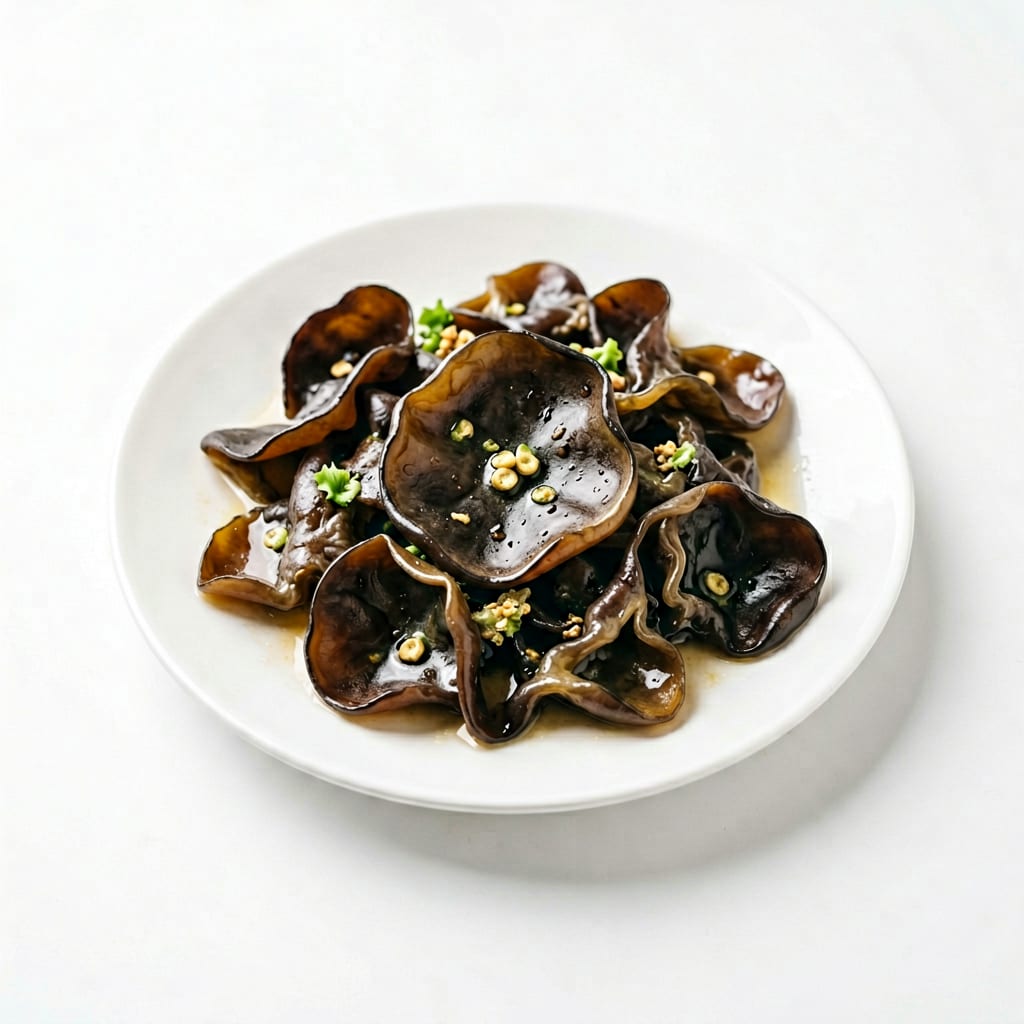
Wood Ear Mushroom
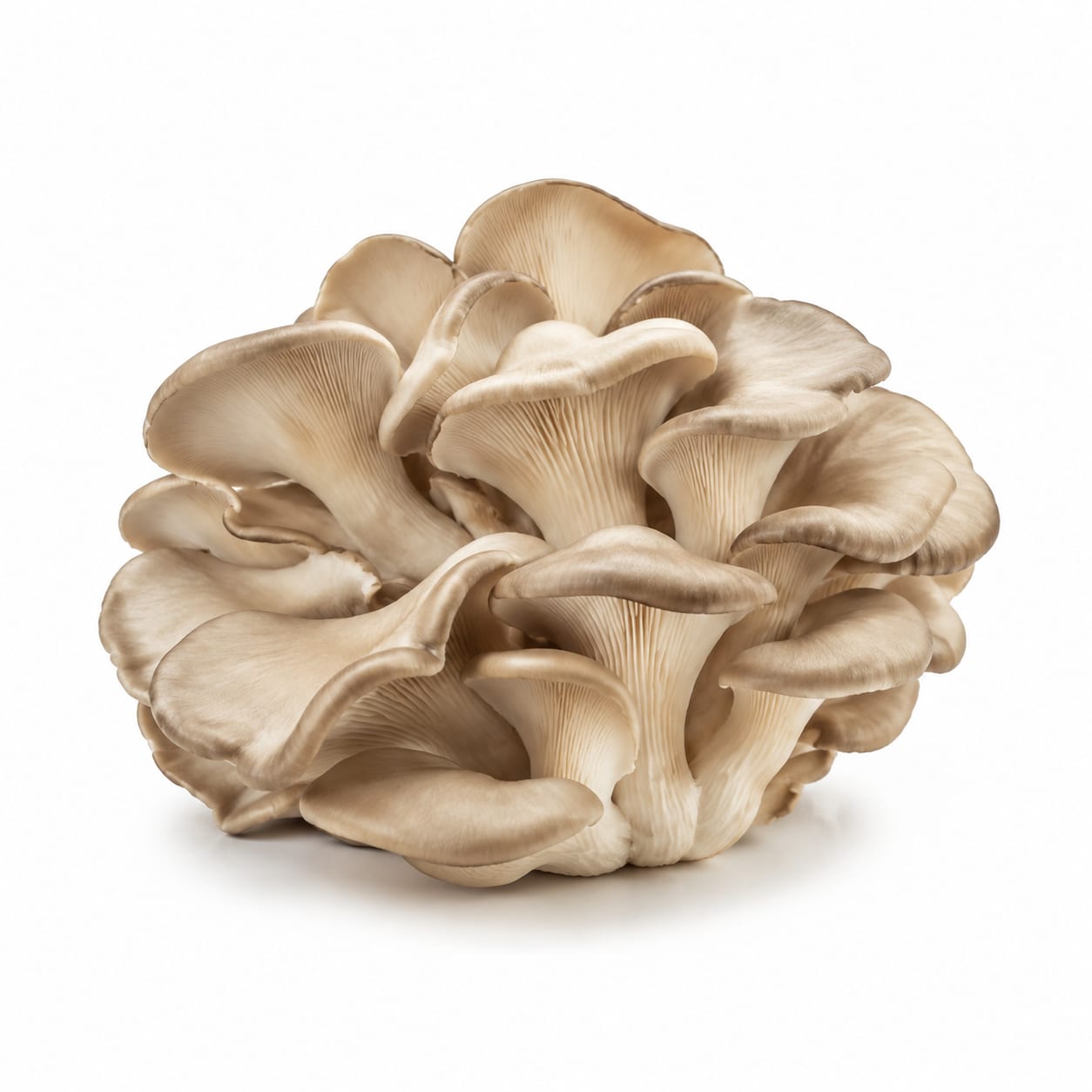
Oyster Mushroom
Oyster mushrooms win on protein, versatility, and everyday nutrition. Wood ear mushrooms win on iron content and blood-circulation benefits. Your choice depends on what your diet needs more.
Oyster mushrooms score higher due to superior protein, broader vitamin content, culinary flexibility, and fewer safety concerns. Wood ear mushrooms earn strong marks for iron and unique circulatory benefits but are more niche and less practical for daily use.
Substantial protein and B vitamins versus exceptional iron and unique anticoagulant properties
At a glance
Executive summary
Overall
It depends
Healthier
It depends
More practical
Oyster Mushroom
Daily use
Oyster Mushroom
Key comparison lenses
iron and blood health support
Wood ear mushroom is unusually rich in iron and contains anticoagulant polysaccharides, making blood health the standout differentiator
nutritional density and protein quality
Oyster mushrooms offer substantially more protein and B vitamins, while wood ear is mostly fiber and minerals
culinary versatility and everyday practicality
Oyster mushrooms are easier to find fresh, simpler to cook, and work as a main dish ingredient; wood ear is typically a supporting textural element
heart health and cholesterol management
Both support cardiovascular health through different mechanisms — lovastatin in oyster mushrooms versus blood-thinning polysaccharides in wood ear
food safety and contamination risk
Dried wood ear has documented contamination and foodborne illness risks if improperly handled, while fresh oyster mushrooms have fewer safety concerns
Best choice for
Wood Ear Mushroom
- People with iron deficiency or low hemoglobin
- Those seeking natural blood-thinning support
- Anyone wanting to boost soluble fiber intake
- Traditional Asian cuisine enthusiasts
- Post-meal blood circulation support
Oyster Mushroom
- Vegetarians and vegans needing more protein
- Anyone managing cholesterol naturally
- Home cooks wanting a versatile everyday mushroom
- People seeking B vitamin support
- Those wanting a more filling, satisfying ingredient
Least suitable for
Wood Ear Mushroom
- People on blood-thinning medications like warfarin
- Those wanting a protein-rich ingredient
- Anyone unfamiliar with rehydrating dried ingredients
- People seeking a main-dish mushroom
- Those with bleeding disorders
Oyster Mushroom
- People specifically targeting iron deficiency
- Those wanting the unique gelatinous crunch texture
- Anyone seeking anticoagulant food therapy
- Traditional Chinese medicine protocols requiring wood ear
Deep comparison
Dimension by dimension
Each lens scores both foods and breaks down who each option suits.
- Dimension 1 · Priority 92Wood Ear Mushroom
iron and blood health
Wood Ear Mushroom · 91Oyster Mushroom · 42Wood ear mushroom delivers significantly more iron per serving and contains polysaccharides that support healthy blood circulation and mild anticoagulation.
Tradeoff
The blood-thinning effect that benefits circulation can be dangerous for people on anticoagulant medications or with bleeding disorders.
Why it matters
Iron deficiency is the most common nutrient deficiency worldwide, and wood ear offers a rare plant-based iron source with synergistic circulation benefits.
Real-world impact
Regular wood ear consumption may help with cold hands and feet, mild anemia symptoms, and overall blood flow — but requires caution if you take blood thinners.
Wood Ear Mushroom
- Iron-deficient individuals
- People with poor peripheral circulation
- Those seeking natural blood-thinning food support
Better for
- Anyone with bleeding disorders
- Pre-surgery patients
Worse for
Oyster Mushroom
- People on warfarin or similar medications
- Those who need to avoid blood-thinning foods
Better for
- Those specifically treating iron deficiency through diet
Worse for
- Dimension 2 · Priority 88Oyster Mushroom
protein and B vitamins
Wood Ear Mushroom · 32Oyster Mushroom · 78Oyster mushrooms provide several times more protein and significantly more B vitamins, especially niacin and riboflavin, than wood ear mushrooms.
Tradeoff
Wood ear is so low in protein that it cannot meaningfully contribute to daily protein needs, while oyster mushrooms still fall short of high-protein foods like legumes.
Why it matters
Plant-based eaters especially benefit from every protein source they can get, making oyster mushrooms the clearly better contributor.
Real-world impact
A serving of oyster mushrooms adds noticeable protein to a stir-fry or grain bowl. Wood ear adds almost none, functioning more as a textural and mineral supplement.
Wood Ear Mushroom
- Athletes or active people needing protein support
- Growing children who need protein density
Worse for
Oyster Mushroom
- Vegetarians and veggs
- Anyone building a balanced plant-based plate
- Older adults needing protein preservation
Better for
- Dimension 3 · Priority 80It depends
heart health and cholesterol
Wood Ear Mushroom · 76Oyster Mushroom · 80Both mushrooms support heart health through different pathways. Oyster mushrooms contain natural lovastatin which directly lowers cholesterol. Wood ear improves circulation and reduces blood viscosity.
Tradeoff
Oyster mushrooms address the lipid side of heart health while wood ear addresses the circulation side. They complement each other rather than compete.
Why it matters
Cardiovascular risk involves both cholesterol and blood flow, so the best choice depends on which factor matters more for your situation.
Real-world impact
If your doctor flagged high LDL cholesterol, oyster mushrooms are the more targeted choice. If your concern is sluggish circulation or clotting risk, wood ear is more relevant.
Wood Ear Mushroom
- People with poor circulation
- Those concerned about blood viscosity
- Anyone with mild clotting risk (under medical guidance)
Better for
- People already on blood thinners
Worse for
Oyster Mushroom
- People with elevated LDL cholesterol
- Those wanting statin-like food support
- Anyone with familial hypercholesterolemia concerns
Better for
- Dimension 4 · Priority 74Wood Ear Mushroom
fiber and digestive health
Wood Ear Mushroom · 82Oyster Mushroom · 65Wood ear mushroom is predominantly soluble fiber, which feeds gut bacteria and supports digestive regularity. Oyster mushrooms offer a more moderate fiber profile with less soluble fiber concentration.
Tradeoff
Wood ear's extreme fiber content means it contributes almost no usable calories, which is great for weight management but makes it less satisfying as a standalone food.
Why it matters
Soluble fiber specifically supports gut microbiome diversity and helps regulate blood sugar, giving wood ear a functional edge for digestive health.
Real-world impact
Adding wood ear to soups regularly can improve bowel regularity and gut health. Oyster mushrooms contribute fiber too, but you would need larger portions for the same effect.
Wood Ear Mushroom
- People with sluggish digestion
- Those wanting to increase soluble fiber easily
- Anyone managing blood sugar through fiber intake
Better for
- Those who find high-fiber foods cause bloating
Worse for
Oyster Mushroom
- People who want fiber alongside protein in one ingredient
Better for
- Dimension 5 · Priority 85Oyster Mushroom
culinary versatility and convenience
Wood Ear Mushroom · 45Oyster Mushroom · 88Oyster mushrooms are easy to find fresh, quick to cook, and work as a main ingredient in countless dishes. Wood ear is usually sold dried, requires rehydration, and serves as a textural add-in rather than a centerpiece.
Tradeoff
Wood ear's unique crunchy-gelatinous texture is irreplaceable in certain dishes, but it will never be the star of a meal.
Why it matters
The mushroom you actually enjoy cooking and eating regularly will always outperform the one that sits in your pantry unused.
Real-world impact
Oyster mushrooms can be sautéed, roasted, grilled, or added to soups as a main vegetable. Wood ear requires planning ahead for rehydration and works best in Asian soups and stir-fries.
Wood Ear Mushroom
- Cooks preparing traditional hot and sour soup
- Anyone wanting authentic Chinese stir-fry texture
- Meal preppers who keep dried ingredients stocked
Better for
- Beginner cooks unfamiliar with dried mushroom prep
- Anyone wanting a 15-minute meal component
Worse for
Oyster Mushroom
- Weeknight cooks needing quick meal solutions
- Anyone new to cooking mushrooms
- People who want a mushroom that stands alone as a dish
Better for
- Dimension 6 · Priority 70Oyster Mushroom
satiety and meal satisfaction
Wood Ear Mushroom · 38Oyster Mushroom · 72Oyster mushrooms have more protein, more substance, and a meatier texture that makes meals feel more complete. Wood ear is essentially fiber and water, contributing almost no fullness.
Tradeoff
Wood ear's near-zero calorie content is ideal for calorie restriction but terrible for feeling fed after a meal.
Why it matters
Meals that leave you satisfied reduce snacking and overeating later, making oyster mushrooms the better tool for sustainable eating patterns.
Real-world impact
A bowl of soup with oyster mushrooms feels like a light meal. The same soup with wood ear feels like an appetizer at best.
Wood Ear Mushroom
- Strict calorie counters who want volume without energy
- Those adding texture to already-filling meals
Better for
- Anyone prone to hunger after low-protein meals
Worse for
Oyster Mushroom
- Anyone using mushrooms as a meat substitute
- People who need meals to actually fill them up
- Light lunch builders wanting satisfaction without heaviness
Better for
Timeline
Health impact over time
Short-term
Hours to days
Wood Ear Mushroom
- May improve post-meal blood flow due to anticoagulant polysaccharides
- Can cause digestive adjustment if you are not used to high soluble fiber intake
- Almost no caloric energy provided — not a food to rely on for immediate fuel
Oyster Mushroom
- Provides moderate sustained energy from protein and complex carbohydrates
- Mild cholesterol-lowering effect from lovastatin even after single meals
- Gentle on the stomach and easy to digest for most people
Long-term
Months to years
Wood Ear Mushroom
- Consistent iron intake may help prevent or manage mild anemia
- Ongoing blood-thinning effect could compound with medications — requires monitoring
- High soluble fiber supports gut microbiome diversity over time
- Potential risk of excessive bleeding if combined with anticoagulant drugs long-term
Oyster Mushroom
- Regular consumption supports lower LDL cholesterol through natural lovastatin
- Protein contribution helps preserve muscle mass in aging populations
- Beta-glucan intake supports immune function with consistent consumption
- One of the most sustainable daily mushroom choices with minimal downside risk
Risk profile
Safety & processing
Both mushrooms are whole, minimally processed foods when purchased in their natural state. Wood ear is most commonly sold dried, which is a traditional preservation method with no additives. Fresh oyster mushrooms are as natural as any produce item. The main concern is that some commercially dried wood ear products have been flagged for sulfur dioxide used as a preservative — check labels if this concerns you.
Wood Ear Mushroom
Blood-thinning interaction with medications
highWood ear contains compounds that inhibit platelet aggregation. Combined with warfarin, aspirin, or other anticoagulants, this can increase bleeding risk significantly. Always inform your doctor if you consume wood ear regularly.
Sulfur dioxide in dried products
mediumSome commercially dried wood ear mushrooms are treated with sulfur dioxide as a preservative. This can trigger reactions in sensitive individuals, particularly those with asthma. Look for untreated or organic options.
Bacterial contamination from improper rehydration
mediumThere have been documented outbreaks of foodborne illness linked to improperly stored or rehydrated wood ear mushrooms, particularly Pseudomonas aeruginosa. Always rehydrate with clean water, cook thoroughly, and never soak at room temperature for extended periods.
Oyster Mushroom
Allergic reactions in sensitive individuals
lowSome people develop oral allergy syndrome or skin reactions when handling or eating oyster mushrooms. This is relatively uncommon but worth noting for those with mold allergies.
Spore inhalation for cultivators
lowHome growers should be aware that oyster mushroom spores can cause respiratory irritation in enclosed spaces. This is not a concern for consumers of purchased mushrooms.
Who wins for whom
Audience fit
Same foods, different winners depending on your goal.
children
Oyster MushroomOyster mushrooms have a milder flavor, softer texture, and more protein for growing bodies. Wood ear's gelatinous crunch can be off-putting to children and offers minimal nutritional value for their needs.
daily consumption
Oyster MushroomOyster mushrooms are easier to source, simpler to prepare, more nutritionally balanced, and have fewer safety concerns for regular daily use. Wood ear is better as a targeted addition a few times per week.
diabetes
It dependsWood ear's high soluble fiber helps blunt blood sugar spikes effectively. Oyster mushrooms offer more balanced nutrition overall. Both are excellent choices — wood ear for targeted glucose management, oyster mushrooms for broader metabolic support.
elderly
It dependsOyster mushrooms support muscle preservation and provide easy-to-digest nutrition. Wood ear supports circulation and iron status, which are common elderly concerns. The blood-thinning risk of wood ear requires careful consideration with typical elderly medication regimens.
muscle gain
Oyster MushroomOyster mushrooms provide meaningful protein while wood ear offers virtually none. Neither is a primary protein source, but oyster mushrooms at least contribute.
weight loss
Wood Ear MushroomWood ear's extremely low calorie density and high fiber content make it ideal for adding volume to meals without adding energy. However, oyster mushrooms are more satisfying, which may prevent overeating elsewhere.
Your move
Decision guide
Choose Wood Ear Mushroom
- You have been diagnosed with iron deficiency or low hemoglobin
- You want natural circulatory support and are not on blood thinners
- You cook Asian soups and stir-fries regularly and want authentic texture
- You are looking for a very low-calorie fiber boost to existing meals
- A healthcare provider has suggested natural blood-thinning foods
Choose Oyster Mushroom
- You want a versatile everyday mushroom with broad nutritional benefits
- You are vegetarian or vegan and need more protein from plant sources
- You are managing cholesterol and want food-based support
- You prefer fresh ingredients that are quick to prepare
- You want a mushroom that can serve as a main dish component
Either works if
- You simply enjoy mushrooms and want variety in your diet
- You are building heart-healthy eating patterns
- You want to rotate different functional foods for gut health
- Both are available and you have no specific medical contraindications
Avoid both if
- You have a known mushroom allergy
- You are severely immunocompromised and advised against raw or lightly cooked fungi
Final recommendation
For most people seeking an everyday nutritious mushroom, oyster mushrooms are the more practical and well-rounded choice. They deliver protein, B vitamins, cholesterol support, and culinary flexibility in one ingredient. Wood ear mushrooms are a powerful targeted tool — specifically for iron deficiency and circulatory health — but their blood-thinning properties, safety considerations, and limited culinary role make them better as a periodic addition rather than a daily staple. If you have no specific iron or circulation concerns, oyster mushrooms are the easier win. If your bloodwork shows low iron or your doctor has flagged circulation issues, wood ear deserves a regular spot in your cooking rotation — with medical guidance.
Practical
Consumer tips
- 1
Check dried wood ear labels for sulfur dioxide or other preservatives, especially if you have asthma or sulfite sensitivity
- 2
Never soak wood ear mushrooms at room temperature for more than 2 hours — refrigerate during extended soaking to prevent bacterial growth
- 3
Always cook wood ear thoroughly before eating; it should never be consumed raw or lightly warmed
- 4
Oyster mushrooms are best purchased fresh and used within 5 days — look for firm, dry caps without slimy spots
- 5
Both mushrooms absorb flavors well — pair wood ear with ginger and vinegar in soups, and oyster mushrooms with garlic and soy sauce for sautéing
- 6
If you take blood-thinning medication, talk to your doctor before making wood ear a regular part of your diet
- 7
For maximum iron absorption from wood ear, pair it with vitamin C-rich ingredients like bell peppers or tomatoes in the same meal
- 8
Growing oyster mushrooms at home is surprisingly easy and cost-effective if you eat them frequently