
Nutrition comparison
Wood Ear Mushroom vs White Button Mushroom: Nutrition, Health Benefits, and Which to Choose
Compare Wood Ear Mushroom and White Button Mushroom side by side. Learn which is better for iron, fiber, heart health, and everyday nutrition, plus safety tips and cooking advice.
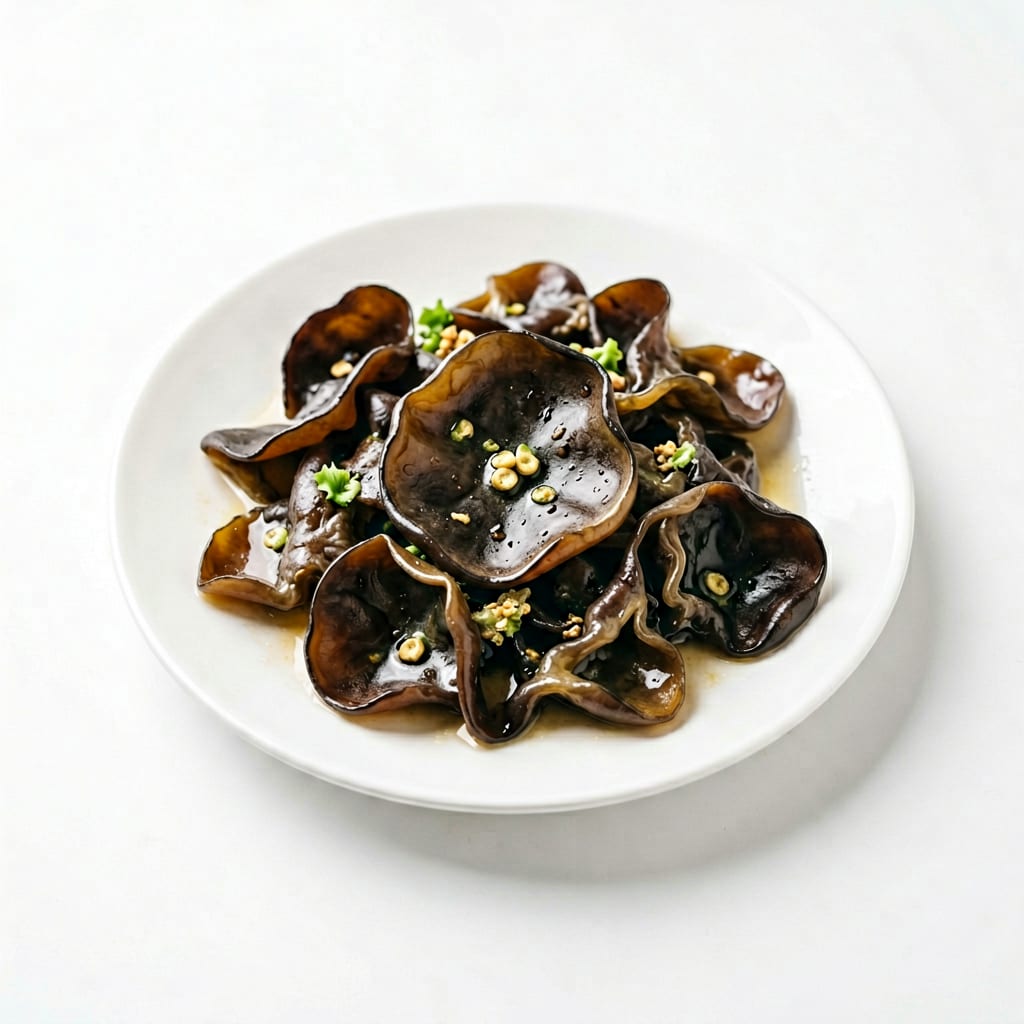
Wood Ear Mushroom
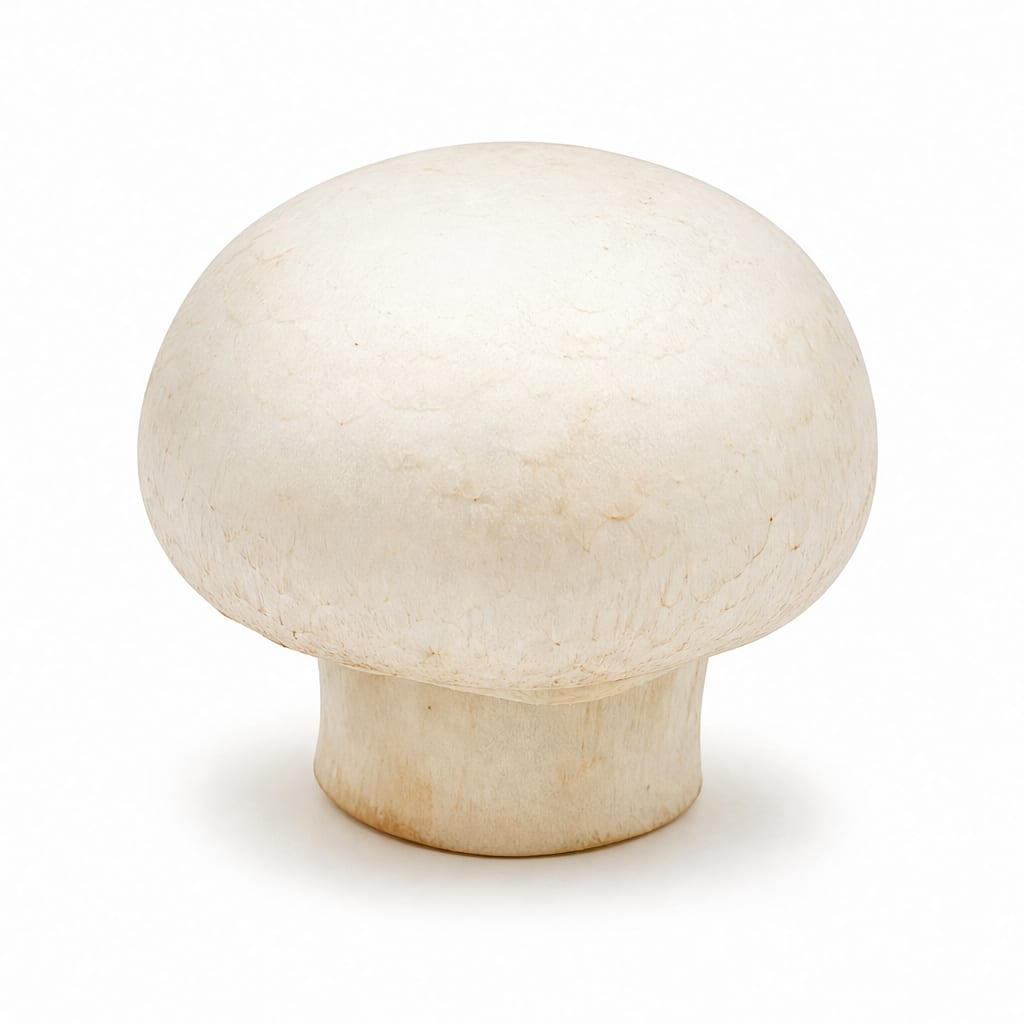
White Button Mushroom
White Button Mushroom wins for everyday nutrition and convenience, while Wood Ear Mushroom excels for circulation, iron, and fiber
White Button Mushroom scores higher for daily practicality and broad micronutrient coverage, but Wood Ear Mushroom's unique circulation and iron advantages keep it competitive for targeted health goals
Everyday accessibility and B-vitamins versus targeted cardiovascular and iron benefits
At a glance
Executive summary
Overall
It depends
Healthier
It depends
More practical
White Button Mushroom
Daily use
White Button Mushroom
Key comparison lenses
cardiovascular and circulation benefits
Wood Ear Mushroom is uniquely valued for blood-thinning polysaccharides that support circulation, making this the standout differentiator
everyday nutritional value and accessibility
White Button Mushroom is a daily staple with strong B-vitamin and mineral content, while Wood Ear is more of a specialty ingredient
fiber and digestive health
Wood Ear Mushroom delivers notably more soluble fiber, which matters for gut health and cholesterol management
iron and anemia support
Wood Ear Mushroom contains significantly more iron, relevant for vegetarians and those at risk of deficiency
food safety and contamination risk
Dried Wood Ear has specific rehydration and storage risks that fresh White Button Mushroom avoids
Best choice for
Wood Ear Mushroom
- People seeking cardiovascular and circulation support
- Vegetarians needing more iron in their diet
- Those managing high cholesterol through diet
- Anyone wanting to boost soluble fiber intake
- People who regularly cook Asian-style dishes
White Button Mushroom
- People wanting an easy everyday mushroom with broad nutrition
- Those seeking B-vitamins, selenium, and copper
- Families needing a kid-friendly, mild-flavored mushroom
- Anyone who values fresh produce availability
- People new to cooking with mushrooms
Least suitable for
Wood Ear Mushroom
- People on blood-thinning medication without doctor approval
- Those who want quick prep with no rehydration step
- Anyone unfamiliar with gelatinous food textures
- People who rarely cook Asian cuisine
White Button Mushroom
- Those specifically seeking iron supplementation from food
- People wanting significant soluble fiber per serving
- Anyone looking for circulation-specific benefits
Deep comparison
Dimension by dimension
Each lens scores both foods and breaks down who each option suits.
- Dimension 1 · Priority 92Wood Ear Mushroom
cardiovascular and circulation support
Wood Ear Mushroom · 88White Button Mushroom · 55Wood Ear Mushroom contains unique polysaccharides that may help reduce blood viscosity and support healthier circulation
Tradeoff
You gain circulation benefits with Wood Ear but lose the broader B-vitamin profile that also supports heart health indirectly
Why it matters
Poor circulation affects energy, cold extremities, and long-term cardiovascular risk, making this a meaningful differentiator
Real-world impact
Regular Wood Ear consumption may help with cold hands and feet, and support overall blood flow alongside other heart-healthy habits
Wood Ear Mushroom
- People with mild circulation concerns
- Those wanting dietary support for blood flow
- Anyone at risk for blood clots seeking food-based support
Better for
- People taking anticoagulant medications without medical supervision
Worse for
White Button Mushroom
- People who need B-vitamins that indirectly support heart health
- Those already on blood thinners who should avoid additional blood-thinning effects
Better for
- Anyone specifically seeking circulation-enhancing foods
Worse for
- Dimension 2 · Priority 88White Button Mushroom
everyday micronutrient density
Wood Ear Mushroom · 60White Button Mushroom · 82White Button Mushroom delivers more B-vitamins, selenium, and copper per serving, making it a stronger daily nutritional contributor
Tradeoff
You get broader vitamin and mineral coverage with White Button but miss the iron and fiber concentration of Wood Ear
Why it matters
Consistent daily micronutrient intake matters more for long-term health than occasional targeted nutrients
Real-world impact
Adding White Button Mushroom to regular meals helps close gaps in B-vitamins and selenium, especially for plant-based eaters
Wood Ear Mushroom
- Vegetarians and vegans needing plant-based iron
- Those with diagnosed iron deficiency seeking food sources
Better for
- People expecting a well-rounded vitamin profile from a single mushroom
Worse for
White Button Mushroom
- Anyone wanting broad-spectrum daily nutrition
- People low in B-vitamins or selenium
- Those who eat mushrooms multiple times per week
Better for
- Those specifically needing iron from food sources
Worse for
- Dimension 3 · Priority 80Wood Ear Mushroom
fiber and digestive health
Wood Ear Mushroom · 85White Button Mushroom · 58Wood Ear Mushroom provides significantly more soluble fiber, which supports gut health and cholesterol management
Tradeoff
Superior fiber content comes with a gelatinous texture that some people find off-putting
Why it matters
Soluble fiber feeds beneficial gut bacteria and helps lower cholesterol, benefits many people do not get enough of
Real-world impact
Regular Wood Ear intake can contribute meaningfully toward daily fiber goals, especially in Asian-style soups and stir-fries
Wood Ear Mushroom
- People struggling to hit daily fiber targets
- Those managing cholesterol through diet
- Anyone wanting to support gut microbiome diversity
Better for
- Anyone sensitive to gelatinous or slippery food textures
Worse for
White Button Mushroom
- Those who prefer a firmer, more familiar mushroom texture
- People getting enough fiber from other sources already
Better for
- People relying on mushrooms as a meaningful fiber source
Worse for
- Dimension 4 · Priority 82White Button Mushroom
convenience and accessibility
Wood Ear Mushroom · 40White Button Mushroom · 90White Button Mushroom is available fresh in nearly every grocery store and requires no rehydration, while Wood Ear is typically sold dried and needs soaking
Tradeoff
Convenience and freshness versus shelf stability and unique health properties
Why it matters
The easier a food is to prepare, the more likely you are to actually eat it regularly
Real-world impact
White Button Mushroom can be sautéed in minutes for a weeknight dinner, while Wood Ear requires planning ahead for rehydration
Wood Ear Mushroom
- People who meal prep and can plan for rehydration
- Those who value long shelf life in pantry staples
- Anyone who regularly cooks Asian soups and stir-fries
Better for
- Spontaneous cooks who decide dinner at the last minute
- People without 20-30 minutes for rehydration
Worse for
White Button Mushroom
- Busy home cooks needing quick prep
- Those who prefer fresh over dried ingredients
- Anyone shopping at standard Western grocery stores
Better for
- Those who prefer pantry-stable ingredients with long shelf lives
Worse for
- Dimension 5 · Priority 75Wood Ear Mushroom
iron content and anemia support
Wood Ear Mushroom · 82White Button Mushroom · 35Wood Ear Mushroom contains notably more iron than White Button Mushroom, making it a valuable plant-based iron source
Tradeoff
Higher iron comes in a less versatile culinary format that most Western cooks use infrequently
Why it matters
Iron deficiency is common, especially among women and plant-based eaters, and food-based iron is gentler than supplements
Real-world impact
Including Wood Ear Mushroom a few times per week can contribute meaningfully to iron intake for vegetarians who struggle to meet needs
Wood Ear Mushroom
- Vegetarian and vegan women of reproductive age
- Anyone with borderline low iron levels
- Plant-based eaters seeking iron-rich whole foods
Better for
- People with hemochromatosis or iron overload disorders
Worse for
White Button Mushroom
- Those who get sufficient iron from other dietary sources
- People concerned about iron overload conditions
Better for
- Anyone relying on mushrooms as a significant iron source
Worse for
- Dimension 6 · Priority 68It depends
antioxidant profile
Wood Ear Mushroom · 72White Button Mushroom · 74Both mushrooms offer distinct antioxidants: Wood Ear provides melanin-related compounds, while White Button delivers ergothioneine, a unique cellular protectant
Tradeoff
Different antioxidant families serve different purposes, and neither clearly dominates the other
Why it matters
Diverse antioxidant intake from multiple sources provides broader cellular protection than relying on any single food
Real-world impact
Eating both mushroom types gives you complementary antioxidant coverage rather than choosing one over the other
Wood Ear Mushroom
- Those wanting melanin-related antioxidant compounds
- People who already eat White Button Mushroom regularly and want variety
Better for
- People looking for the most researched antioxidant compounds
Worse for
White Button Mushroom
- Anyone seeking ergothioneine, which is linked to healthy aging
- Those wanting well-studied antioxidant protection
Better for
- Those wanting antioxidant diversity beyond ergothioneine
Worse for
Timeline
Health impact over time
Short-term
Hours to days
Wood Ear Mushroom
- May support post-meal circulation due to blood-thinning polysaccharides
- Contributes soluble fiber that helps stabilize blood sugar after eating
- Gelatinous texture can feel filling and satisfying in soups
White Button Mushroom
- Provides quick B-vitamin support for energy metabolism
- Light and easy to digest, gentle on the stomach
- Mild umami flavor enhances meals without digestive discomfort
Long-term
Months to years
Wood Ear Mushroom
- Regular consumption may support cardiovascular health through improved circulation
- Sustained iron intake helps prevent deficiency-related fatigue
- Consistent soluble fiber intake supports cholesterol management over time
White Button Mushroom
- Long-term selenium intake supports thyroid and immune function
- Regular ergothioneine consumption may protect against age-related cellular damage
- Consistent B-vitamin intake supports nervous system health and energy
Risk profile
Safety & processing
Both mushrooms are whole foods with minimal processing. Wood Ear is typically sun-dried, a traditional preservation method with no additives. White Button Mushroom is sold fresh and unprocessed. Both are clean choices by any standard.
Wood Ear Mushroom
improper rehydration and bacterial contamination
mediumDried Wood Ear must be soaked properly and consumed promptly after rehydration. Leaving soaked Wood Ear at room temperature for extended periods has been linked to bacterial toxin exposure, including rare but serious incidents of bongkrekic acid poisoning
blood-thinning interaction
mediumThe anticoagulant polysaccharides in Wood Ear can amplify the effect of blood-thinning medications, increasing bleeding risk. Anyone on anticoagulants should consult their doctor before regular consumption
wild foraging misidentification
lowWild-harvested Wood Ear can occasionally be confused with other ear-shaped fungi. Commercially sold dried Wood Ear from reputable sources avoids this risk entirely
White Button Mushroom
agratine content when raw
lowWhite Button Mushroom contains agaritine, a naturally occurring compound that raises theoretical concerns in extremely high raw consumption. Cooking reduces agaritine significantly, and moderate intake is considered safe by health authorities
spoilage if stored improperly
lowFresh White Button Mushroom has a short shelf life and can become slimy or moldy within days. Proper refrigeration and prompt use minimize this risk
Who wins for whom
Audience fit
Same foods, different winners depending on your goal.
children
White Button MushroomWhite Button Mushroom has a familiar, mild flavor and firm texture that kids accept more easily than the gelatinous, unfamiliar texture of Wood Ear
daily consumption
White Button MushroomWhite Button Mushroom's availability, ease of preparation, and broad nutrient profile make it more sustainable as a daily habit
diabetes
Wood Ear MushroomWood Ear's higher soluble fiber content helps slow glucose absorption more effectively, and its blood-thinning properties may support circulation that diabetes can compromise
elderly
It dependsWood Ear supports circulation and iron status which matter for older adults, but White Button Mushroom provides B-vitamins and selenium that support immune and cognitive health. Choose based on individual health priorities
muscle gain
White Button MushroomNeither mushroom is a significant protein source, but White Button Mushroom's B-vitamins support energy metabolism during training slightly better
weight loss
White Button MushroomBoth are extremely low in calories, but White Button Mushroom is easier to eat daily in larger volumes as a filling, low-calorie ingredient
Your move
Decision guide
Choose Wood Ear Mushroom
- You want targeted cardiovascular and circulation support from food
- You are vegetarian or vegan and need more iron in your diet
- You are managing cholesterol and want more soluble fiber
- You regularly cook Asian cuisine and can incorporate it naturally
- You are comfortable with dried ingredients and rehydration steps
Choose White Button Mushroom
- You want an everyday mushroom that is easy to find and prepare
- You are seeking B-vitamins, selenium, and copper from whole foods
- You prefer fresh ingredients with no rehydration required
- You cook for a family and need a mild, kid-friendly mushroom
- You want a versatile mushroom that works in Western and global recipes
Either works if
- You want antioxidant diversity and can rotate both in your diet
- You are generally healthy and just want to eat more mushrooms overall
- You enjoy cooking and can use different mushrooms for different dishes
Avoid both if
- You have a diagnosed mushroom allergy
- You are on immunosuppressive therapy and must avoid raw or undercooked fungi without medical guidance
Final recommendation
For most people, White Button Mushroom is the better daily staple thanks to its accessibility, broad nutrition, and ease of use. However, adding Wood Ear Mushroom a few times per week gives you circulation and iron benefits that White Button cannot match. The ideal approach is rotating both: White Button for everyday meals, Wood Ear for soups, stir-fries, and targeted health support. If you take blood thinners, talk to your doctor before making Wood Ear a regular habit.
Practical
Consumer tips
- 1
Soak dried Wood Ear Mushroom in warm water for 20-30 minutes and use it the same day. Never store soaked Wood Ear at room temperature for extended periods
- 2
Choose White Button Mushroom that is firm, dry, and unblemished. Avoid any with slimy spots or dark discoloration
- 3
Cook White Button Mushroom to reduce agaritine content and improve nutrient absorption. Raw is fine in small amounts, but cooked is safer and more nutritious
- 4
Pair Wood Ear Mushroom with vitamin C-rich vegetables like bell peppers to enhance iron absorption from the mushroom
- 5
Store fresh White Button Mushroom in a paper bag in the refrigerator. Plastic traps moisture and speeds spoilage
- 6
If you are new to Wood Ear, start with small amounts in hot and sour soup or stir-fries where the texture blends naturally with other ingredients