
Nutrition comparison
Wood Ear Mushroom vs Wakame Seaweed: Nutrition, Safety & Which to Choose
Compare Wood Ear Mushroom and Wakame Seaweed side by side — iodine vs iron, sodium vs fiber-free, thyroid support vs heart health. Find which sea or land vegetable fits your diet best.
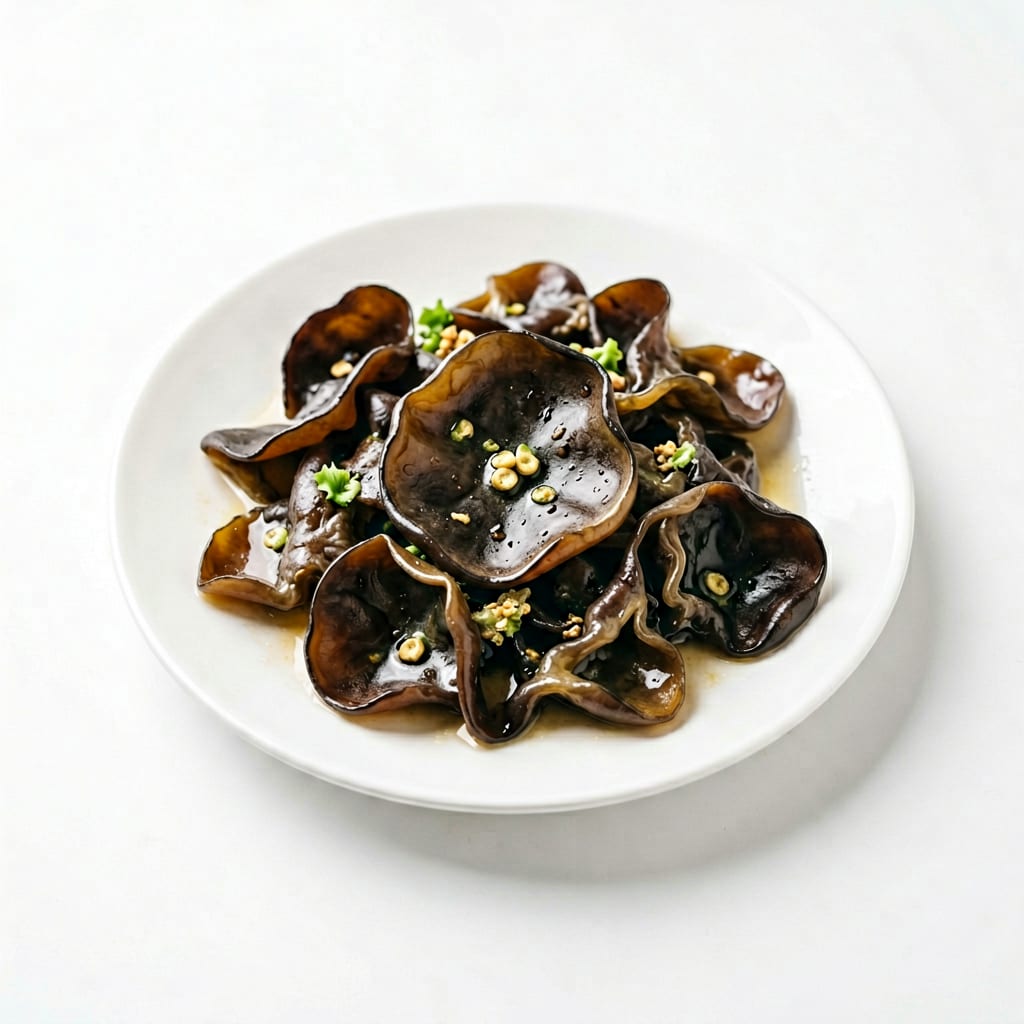
Wood Ear Mushroom
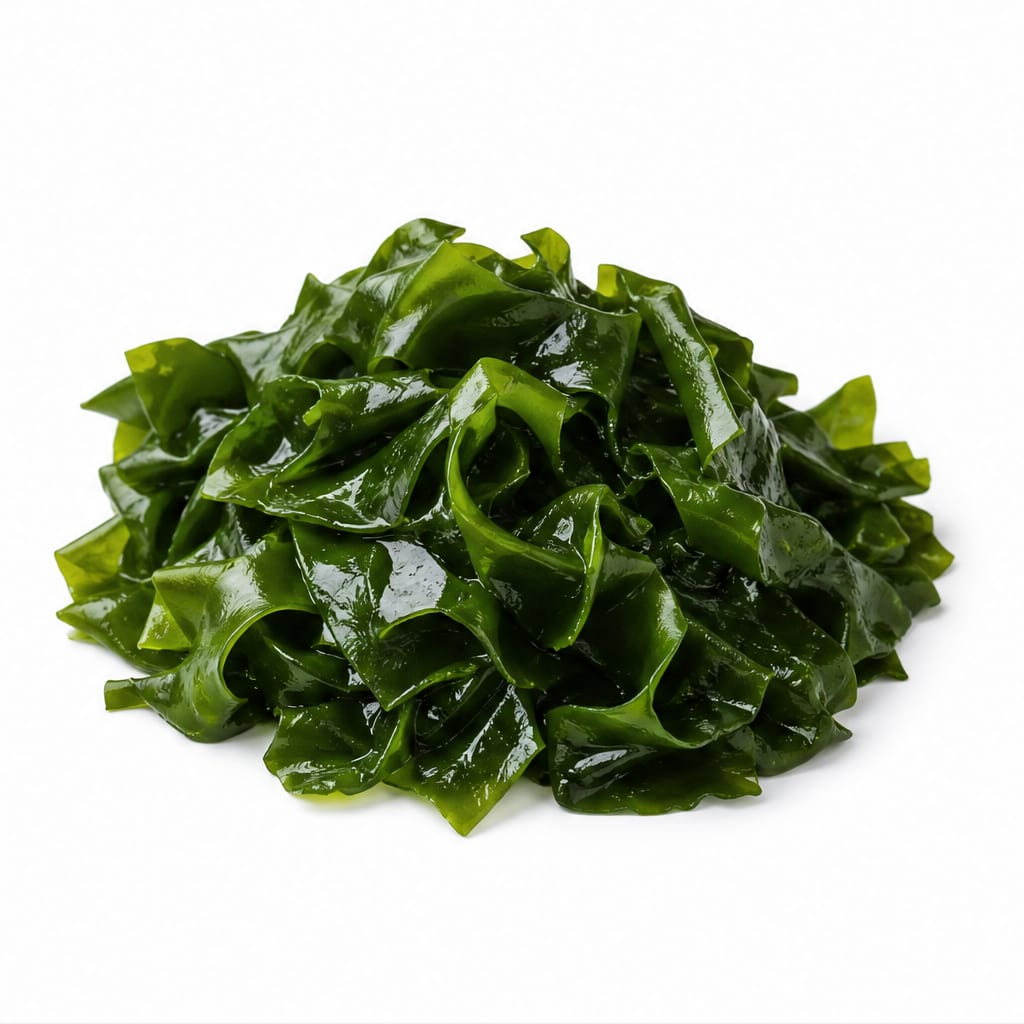
Wakame Seaweed
Wakame Seaweed offers broader mineral nutrition including rare iodine, while Wood Ear Mushroom delivers superior fiber and blood-friendly compounds with almost no sodium — the better pick depends entirely on what your diet lacks most.
Wakame Seaweed scores slightly higher due to its broader micronutrient profile including iodine, calcium, and omega-3 fatty acids that are hard to find elsewhere. Wood Ear Mushroom remains valuable for fiber and iron but has a narrower nutritional contribution. The close scores reflect that both are specialty ingredients rather than dietary staples.
Iodine, calcium, and omega-3s from Wakame Seaweed versus iron, soluble fiber, and anticoagulant benefits from Wood Ear Mushroom, with sodium being the deciding factor for many people.
At a glance
Executive summary
Overall
It depends
Healthier
It depends
More practical
Wakame Seaweed
Daily use
Wood Ear Mushroom
Key comparison lenses
mineral diversity and unique micronutrient profiles
These foods offer radically different minerals — iodine and calcium from Wakame Seaweed versus iron and vitamin K from Wood Ear Mushroom — making the choice highly goal-dependent
heavy metal and contamination safety
Both are sea or water-grown organisms that bioaccumulate contaminants, but seaweed carries higher iodine and arsenic risk
sodium and blood pressure implications
Wakame Seaweed carries meaningful sodium while Wood Ear Mushroom is virtually sodium-free, a critical factor for hypertensive users
cardiovascular and blood health tradeoffs
Wood Ear Mushroom has documented anticoagulant properties while Wakame Seaweed supports vascular health through different pathways
thyroid function impact
Wakame Seaweed is a potent iodine source which can help or harm depending on thyroid status, while Wood Ear Mushroom has no meaningful iodine
Best choice for
Wood Ear Mushroom
- People watching sodium intake or managing hypertension
- Those seeking digestive regularity and gut fiber
- Anyone on blood-thinning medication who wants complementary food support
- People already getting enough iodine from other sources
- Budget-conscious cooks wanting a shelf-stable pantry ingredient
Wakame Seaweed
- People with iodine deficiency or low seafood intake
- Those needing calcium support without dairy
- Anyone seeking thyroid-supportive nutrition
- People wanting broader trace mineral coverage
- Fans of Japanese cooking who want authentic miso soup ingredients
Least suitable for
Wood Ear Mushroom
- People with iron overload conditions like hemochromatosis
- Anyone about to undergo surgery due to blood-thinning effects
- Those seeking significant protein or omega-3 intake from their sides
Wakame Seaweed
- People with hyperthyroidism or iodine sensitivity
- Anyone on a strict low-sodium diet
- Those concerned about heavy metal exposure from sea vegetables
- People taking thyroid medication without doctor guidance
Deep comparison
Dimension by dimension
Each lens scores both foods and breaks down who each option suits.
- Dimension 1 · Priority 92Wakame Seaweed
Mineral Diversity & Micronutrient Breadth
Wood Ear Mushroom · 45Wakame Seaweed · 82Wakame Seaweed delivers iodine, calcium, magnesium, and trace omega-3s — a spread of nutrients difficult to find in most land vegetables. Wood Ear Mushroom provides iron and vitamin K but little else mineral-wise.
Tradeoff
Choosing Wood Ear Mushroom means missing out on iodine and calcium that most diets are borderline low in, while choosing Wakame Seaweed gives broader coverage but adds sodium.
Why it matters
Iodine deficiency affects roughly 2 billion people globally, and calcium gaps are widespread. Wakame Seaweed addresses both in small servings.
Real-world impact
A few grams of Wakame Seaweed in soup a few times per week can meaningfully support thyroid function and bone density. Wood Ear Mushroom cannot fill those gaps.
Wood Ear Mushroom
- Iron supplementation through whole food
- Vitamin K intake for blood clotting balance
Better for
- No meaningful iodine content
- Minimal calcium contribution
Worse for
Wakame Seaweed
- Iodine for thyroid hormone production
- Calcium for bone density without dairy
- Magnesium for muscle and nerve function
- Omega-3 EPA for anti-inflammatory support
Better for
- Sodium comes along with the mineral package
Worse for
- Dimension 2 · Priority 78Wood Ear Mushroom
Fiber & Digestive Health
Wood Ear Mushroom · 80Wakame Seaweed · 55Wood Ear Mushroom is richer in soluble fiber and beta-glucans that feed gut bacteria and support cholesterol management. Wakame Seaweed provides some alginate fiber but less total fiber per serving.
Tradeoff
Wood Ear Mushroom gives you more gut-nourishing fiber and a proven cholesterol-lowering effect, while Wakame Seaweed offers less fiber but includes alginate which can help slow sugar absorption.
Why it matters
Soluble fiber from mushrooms feeds beneficial gut bacteria and binds bile acids, directly supporting cholesterol reduction in a way seaweed fiber cannot fully replicate.
Real-world impact
Regular Wood Ear Mushroom consumption can improve bowel regularity and modestly reduce LDL cholesterol over weeks. Wakame Seaweed helps but is not a fiber powerhouse.
Wood Ear Mushroom
- Prebiotic soluble fiber for gut microbiome health
- Cholesterol-lowering beta-glucan content
- Bowel regularity support
Better for
- Not a significant source of alginate-specific benefits
Worse for
Wakame Seaweed
- Alginate fiber that slows glucose absorption
Better for
- Lower total fiber per serving compared to Wood Ear Mushroom
Worse for
- Dimension 3 · Priority 85Wood Ear Mushroom
Sodium & Blood Pressure Impact
Wood Ear Mushroom · 92Wakame Seaweed · 40Wood Ear Mushroom is virtually sodium-free, making it blood-pressure friendly. Wakame Seaweed naturally contains meaningful sodium that adds up quickly in typical Japanese-style servings.
Tradeoff
Wakame Seaweed brings valuable minerals but delivers them with a sodium payload that can push daily intake over recommended limits if you are not careful. Wood Ear Mushroom keeps sodium near zero.
Why it matters
For the roughly 1 in 3 adults with hypertension, sodium is the single most modifiable dietary risk factor. Even small amounts from condiment-style seaweed matter.
Real-world impact
A single bowl of miso soup with Wakame Seaweed can contain 500-800mg sodium before you add anything else. Wood Ear Mushroom in a stir-fry adds essentially zero.
Wood Ear Mushroom
- Virtually zero sodium per serving
- Safe for strict low-sodium diets
- No blood pressure concerns from the ingredient itself
Better for
- None significant for this dimension
Worse for
Wakame Seaweed
- Sodium comes paired with potassium and magnesium which partially offset pressure effects
Better for
- Meaningful sodium content that accumulates with portion size
- Often paired with soy sauce or miso which compounds sodium further
Worse for
- Dimension 4 · Priority 80Wood Ear Mushroom
Cardiovascular & Blood Health
Wood Ear Mushroom · 78Wakame Seaweed · 65Wood Ear Mushroom contains unique anticoagulant compounds that reduce blood clotting risk and polysaccharides that lower cholesterol. Wakame Seaweed supports heart health through omega-3s and blood pressure–friendly minerals but carries sodium that partially counteracts this.
Tradeoff
Wood Ear Mushroom actively thins blood and lowers cholesterol, which is excellent for cardiovascular prevention but dangerous before surgery. Wakame Seaweed offers omega-3 anti-inflammatory benefits but the sodium works against heart health goals.
Why it matters
Blood clots are a leading cause of heart attack and stroke. Dietary anticoagulants from Wood Ear Mushroom offer a gentle, food-based approach to reducing that risk.
Real-world impact
Eating Wood Ear Mushroom regularly may reduce clotting risk similarly to a mild aspirin regimen. Wakame Seaweed's omega-3s help but the sodium load tempers overall cardiovascular benefit.
Wood Ear Mushroom
- Natural anticoagulant effect reduces clot risk
- Beta-glucans actively lower LDL cholesterol
- Iron supports healthy red blood cell production
Better for
- Blood-thinning effect is dangerous before surgery or with anticoagulant medications
Worse for
Wakame Seaweed
- EPA omega-3 reduces vascular inflammation
- Potassium and magnesium support healthy blood pressure
Better for
- Sodium content partially undermines cardiovascular benefits
Worse for
- Dimension 5 · Priority 78Wakame Seaweed
Thyroid & Hormone Support
Wood Ear Mushroom · 10Wakame Seaweed · 88Wakame Seaweed is one of the few reliable plant iodine sources, making it valuable for thyroid hormone production. Wood Ear Mushroom provides essentially no iodine and has no direct thyroid benefit.
Tradeoff
Wakame Seaweed's iodine is a double-edged sword — essential for hypothyroid individuals but potentially harmful for those with hyperthyroidism or autoimmune thyroid conditions. Wood Ear Mushroom is thyroid-neutral.
Why it matters
Thyroid dysfunction affects roughly 12% of the population, and iodine deficiency is the most preventable cause. A single gram of Wakame Seaweed can provide significant daily iodine.
Real-world impact
For people who rarely eat seafood or iodized salt, adding Wakame Seaweed twice weekly can meaningfully improve thyroid function. Wood Ear Mushroom offers nothing in this category.
Wood Ear Mushroom
- Thyroid-neutral — safe regardless of thyroid condition
Better for
- Zero iodine contribution
Worse for
Wakame Seaweed
- High iodine supports thyroid hormone production
- May help resolve subclinical hypothyroidism in iodine-deficient individuals
- Supports metabolic rate through thyroid pathway
Better for
- Excess iodine can trigger or worsen hyperthyroidism
- Risky for Hashimoto's patients without medical supervision
- Iodine content varies wildly between harvests making dosing unpredictable
Worse for
- Dimension 6 · Priority 88Wood Ear Mushroom
Safety & Contamination Risk
Wood Ear Mushroom · 72Wakame Seaweed · 52Both foods bioaccumulate environmental contaminants, but Wakame Seaweed carries higher risk of iodine excess, arsenic, and heavy metals from ocean water. Wood Ear Mushroom's main safety concern is its blood-thinning effect and potential for contamination depending on growing conditions.
Tradeoff
Wakame Seaweed's ocean origin means consistent heavy metal and microplastic exposure risk, while Wood Ear Mushroom grown on wood logs is generally cleaner but still requires sourcing awareness.
Why it matters
Sea vegetables can concentrate arsenic and cadmium at levels 10-100x higher than land vegetables. Regular consumers should source carefully and rotate types.
Real-world impact
Eating Wakame Seaweed daily from unknown sources could gradually increase heavy metal body burden. Wood Ear Mushroom from reputable suppliers carries lower contamination risk but requires awareness of blood-thinning interactions.
Wood Ear Mushroom
- Lower heavy metal accumulation risk when wood-grown
- No iodine toxicity risk
- No microplastic concern from ocean water
Better for
- Blood-thinning effect creates drug interaction risk
- Wild-harvested varieties may accumulate wood soil contaminants
Worse for
Wakame Seaweed
- Well-regulated Japanese sources test for heavy metals consistently
Better for
- Ocean bioaccumulation of arsenic, cadmium, and lead
- Microplastic contamination increasingly detected in seaweed
- Iodine content varies 10-fold between samples making overdose possible
- Radioactive contamination risk from Pacific harvest areas
Worse for
Timeline
Health impact over time
Short-term
Hours to days
Wood Ear Mushroom
- Improved bowel regularity within 1-2 days due to high soluble fiber
- Mild blood-thinning effect noticeable after several servings
- Increased satiety from fiber bulk helping with portion control
Wakame Seaweed
- Quick iodine boost supporting same-day thyroid hormone production
- Moderate sodium intake may cause temporary water retention
- Alginate fiber can slow post-meal blood sugar rise
Long-term
Months to years
Wood Ear Mushroom
- Sustained LDL cholesterol reduction with regular consumption over months
- Lower blood clot risk making it a gentle daily cardiovascular protectant
- Improved gut microbiome diversity from consistent prebiotic fiber intake
- Potential iron accumulation concern for those with hemochromatosis
Wakame Seaweed
- Improved thyroid function in previously iodine-deficient individuals
- Better bone density from consistent calcium and vitamin K2 intake
- Possible heavy metal accumulation with daily consumption from untested sources
- Anti-inflammatory benefits from regular fucoxanthin and EPA omega-3 intake
Risk profile
Safety & processing
Both are typically sold dried with no additives, reconstituted in water before cooking. Wood Ear Mushroom is sometimes bleached for appearance in lower-quality products, so look for naturally dark specimens. Wakame Seaweed is occasionally treated with color-preserving agents in pre-cut salad forms.
Wood Ear Mushroom
Blood-thinning interaction
highWood Ear Mushroom contains compounds that inhibit platelet aggregation. Combined with warfarin, aspirin, or other anticoagulants, this increases bleeding risk. Stop consuming 2 weeks before any surgery.
Bleaching agents in low-quality products
mediumSome commercially processed Wood Ear Mushroom is treated with sulfur dioxide or hydrogen peroxide to lighten color. Source from reputable suppliers and avoid unnaturally pale specimens.
Contamination from growing substrate
lowMushrooms grown on contaminated wood can accumulate heavy metals. Reputable cultivated sources on controlled substrates minimize this risk significantly.
Wakame Seaweed
Iodine excess and thyroid disruption
highA single serving can contain 100-1000% of daily iodine needs depending on harvest. Excess iodine triggers hyperthyroidism in susceptible individuals and worsens autoimmune thyroid conditions.
Heavy metal accumulation
mediumSeaweed bioconcentrates arsenic, cadmium, and lead from seawater. Regular consumers should choose tested sources and limit intake to 2-3 servings per week.
Microplastic contamination
mediumGrowing research detects microplastics in commercially available seaweed products. The health implications are still being studied but the exposure is real.
Sodium load in typical preparations
mediumWakame Seaweed naturally contains 500-900mg sodium per 100g rehydrated. Combined with miso or soy sauce in typical recipes, a single bowl can exceed 1000mg sodium.
Who wins for whom
Audience fit
Same foods, different winners depending on your goal.
children
Wood Ear MushroomWood Ear Mushroom is safer for children due to zero iodine overload risk and no sodium concern. Children's thyroid glands are more sensitive to iodine excess, making Wakame Seaweed a more cautious choice requiring portion control.
daily consumption
Wood Ear MushroomWood Ear Mushroom's lower contamination risk, zero sodium, and gentle fiber make it more suitable for daily use. Wakame Seaweed's iodine and sodium content warrant moderation at 2-3 times per week maximum.
diabetes
Wakame SeaweedWakame Seaweed's alginate fiber slows glucose absorption and its fucoxanthin may improve insulin sensitivity. The iodine also supports metabolic rate. Wood Ear Mushroom helps with fiber but has less direct glycemic benefit.
elderly
It dependsWood Ear Mushroom benefits cardiovascular health and digestion in older adults but its blood-thinning effect requires caution with common elderly medications. Wakame Seaweed supports bone density through calcium but its sodium works against the hypertension common in aging.
muscle gain
It dependsNeither food provides meaningful protein or calories for muscle building. Both are condiment-level additions to a muscle-building diet. Choose based on what minerals your overall diet lacks.
weight loss
Wood Ear MushroomWood Ear Mushroom provides more filling fiber with virtually zero calories and zero sodium, making it easier to stay in a deficit without water retention. Wakame Seaweed is also low-calorie but the sodium can mask fat loss on the scale.
Your move
Decision guide
Choose Wood Ear Mushroom
- You are managing hypertension or on a low-sodium diet
- You want gentle, daily cardiovascular protection through food
- You struggle with constipation or want more gut-friendly fiber
- You eat seafood regularly and already get plenty of iodine
- You are preparing for any surgical procedure within 2 weeks
- You want a versatile stir-fry and soup ingredient with no sodium baggage
Choose Wakame Seaweed
- You rarely eat seafood and may be low on iodine
- You want to support bone density without dairy products
- You are cooking Japanese dishes where that umami ocean flavor matters
- You have confirmed low thyroid function from iodine deficiency
- You want broader trace mineral coverage from a single ingredient
- You are not sodium-sensitive and enjoy miso soup regularly
Either works if
- You simply want to add more umami and texture to vegetable dishes
- You are rotating sea and land vegetables for diverse micronutrients
- You have no specific thyroid, sodium, or blood-thinning concerns
Avoid both if
- You are on strict anticoagulant therapy and your doctor has advised against vitamin K-rich or blood-thinning foods
- You have severe iodine sensitivity and also need zero sodium
- You have known allergies to mushrooms or seaweed
Final recommendation
Keep both in your pantry but use them differently. Reach for Wood Ear Mushroom as your everyday fiber and iron booster in stir-fries and soups — it is safer for daily use. Save Wakame Seaweed for 2-3 meals per week when you want iodine, calcium, and that distinctive ocean flavor. If you can only choose one, Wood Ear Mushroom wins for daily safety and versatility, while Wakame Seaweed wins for filling nutritional gaps that most land-food diets miss.
Practical
Consumer tips
- 1
Buy Wood Ear Mushroom that is dark brown to black — pale specimens may be bleached with chemical agents
- 2
Soak dried Wood Ear Mushroom for 20-30 minutes in warm water and discard the soaking liquid to reduce any surface contaminants
- 3
Choose Wakame Seaweed sourced from Japan or Korea with third-party heavy metal testing labels when possible
- 4
Limit Wakame Seaweed to 2-3 servings per week to avoid iodine excess and heavy metal accumulation
- 5
If you take thyroid medication, consult your doctor before adding Wakame Seaweed regularly — the iodine can interfere with dosing
- 6
Stop eating Wood Ear Mushroom at least 2 weeks before any scheduled surgery or dental procedure due to blood-thinning effects
- 7
Store both foods in airtight containers in a cool, dark pantry — moisture is the enemy of dried mushrooms and seaweed
- 8
Rinse rehydrated Wakame Seaweed briefly before eating to remove surface sodium, though this only reduces it slightly