
Nutrition comparison
Wood Ear Mushroom vs Portobello Mushroom: Which Is Healthier?
Compare wood ear mushroom and portobello mushroom on heart health, protein, fiber, safety, and everyday practicality. Find out which mushroom fits your diet best.
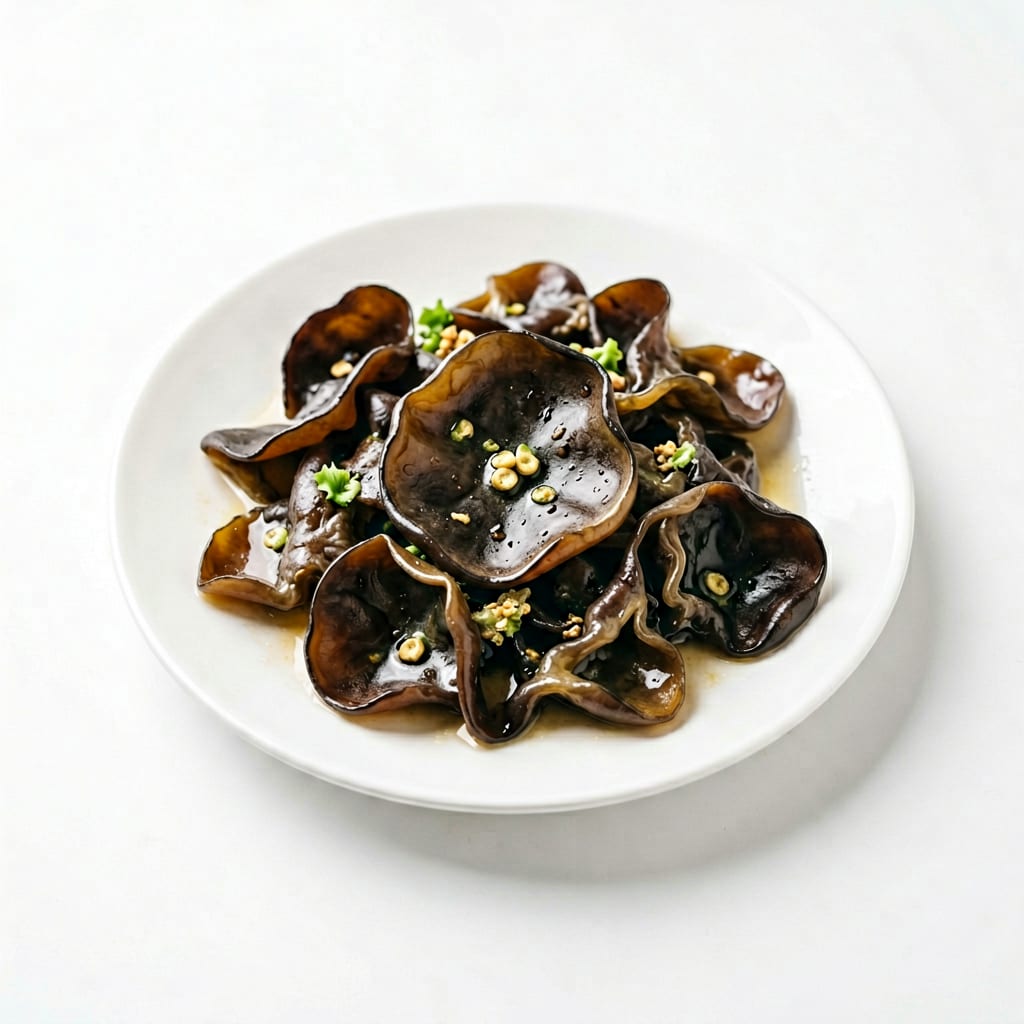
Wood Ear Mushroom
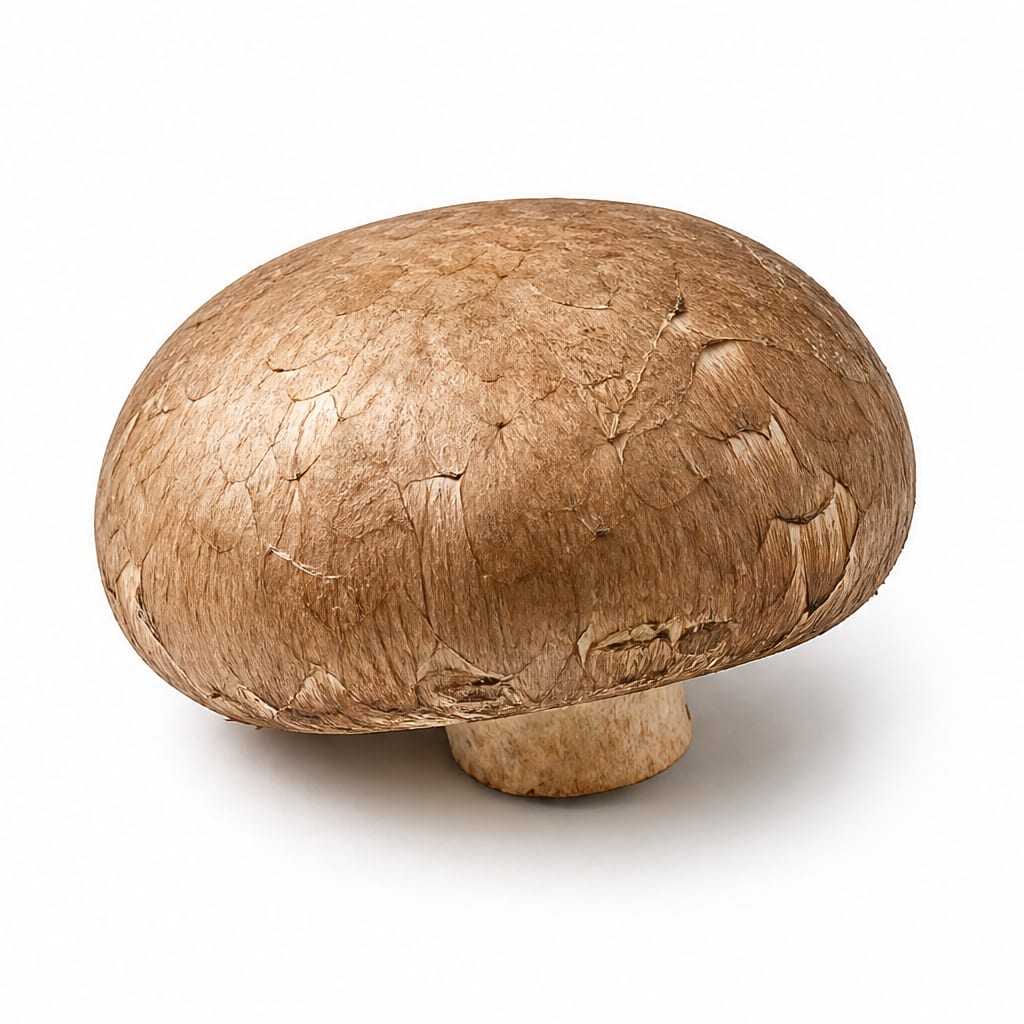
Portobello Mushroom
Portobello wins on everyday practicality and protein, while wood ear excels for heart and circulation benefits.
Portobello scores higher due to broader everyday utility, better protein, and easier access. Wood ear is powerful for specific cardiovascular use cases but too niche to win overall.
Portobello is the easier, more filling daily mushroom; wood ear is the targeted cardiovascular supplement disguised as food.
At a glance
Executive summary
Overall
It depends
Healthier
It depends
More practical
Portobello Mushroom
Daily use
Portobello Mushroom
Key comparison lenses
cardiovascular and blood health benefits
Wood ear mushroom is renowned for blood-thinning and circulation benefits, making this a key differentiator
everyday culinary versatility and availability
Portobello is a staple in Western cooking while wood ear is niche and often requires rehydration
protein and satiety for meat substitution
Portobello is widely used as a meat substitute; wood ear is not satisfying enough to replace a protein source
safety and contamination concerns
Wood ear has blood-thinning drug interactions and rare contamination risks; portobello has agaritine concerns when raw
antioxidant and micronutrient density
Both offer distinct micronutrient profiles worth comparing for long-term health planning
Best choice for
Wood Ear Mushroom
- People seeking cardiovascular and circulation support
- Those on plant-heavy diets needing iron
- Anyone managing cholesterol naturally
- Asian soup and stir-fry enthusiasts
Portobello Mushroom
- People wanting a satisfying meat substitute
- Those prioritizing selenium and B vitamins
- Home cooks wanting easy fresh mushroom options
- Anyone meal-prepping grilled or stuffed mushrooms
Least suitable for
Wood Ear Mushroom
- People on blood-thinning medications like warfarin
- Those wanting a filling main dish component
- Anyone unfamiliar with rehydrating dried mushrooms
- People who dislike gelatinous textures
Portobello Mushroom
- Those sensitive to agaritine who eat mushrooms raw frequently
- People strictly limiting purines
- Anyone with confirmed Agaricus allergy
Deep comparison
Dimension by dimension
Each lens scores both foods and breaks down who each option suits.
- Dimension 1 · Priority 92Wood Ear Mushroom
cardiovascular and blood health
Wood Ear Mushroom · 91Portobello Mushroom · 55Wood ear mushroom contains polysaccharides that inhibit platelet aggregation and improve circulation, a benefit portobello cannot match.
Tradeoff
Wood ear's blood-thinning effect is a benefit for most people but dangerous for those on anticoagulant medications.
Why it matters
Better circulation means reduced clot risk and potentially lower blood pressure over time.
Real-world impact
Regular wood ear consumption may meaningfully support heart health, especially for older adults or those with sedentary lifestyles.
Wood Ear Mushroom
- People with mild hypertension
- Older adults concerned about blood clots
- Those with poor circulation in extremities
Better for
- Anyone taking warfarin, aspirin therapy, or other anticoagulants
Worse for
Portobello Mushroom
- People already on blood thinners who need safe mushroom options
Better for
- Those specifically seeking circulation support from food
Worse for
- Dimension 2 · Priority 80Portobello Mushroom
protein and satiety
Wood Ear Mushroom · 30Portobello Mushroom · 72Portobello provides roughly 2-3 times more protein per serving and has a dense, meaty texture that actually fills you up.
Tradeoff
Neither mushroom is a protein powerhouse, but portobello can credibly anchor a meal while wood ear cannot.
Why it matters
Satiety determines whether you stay full or reach for snacks an hour later.
Real-world impact
A grilled portobello cap can replace a burger patty; wood ear is always a side ingredient, never the main event.
Wood Ear Mushroom
- Those adding bulk to soups without adding calories
Better for
- People relying on mushrooms as a primary protein source
Worse for
Portobello Mushroom
- Vegetarians wanting a satisfying meat substitute
- Anyone building a filling mushroom-centric meal
- Post-workout eaters wanting some protein alongside other sources
Better for
- Those wanting near-zero calorie bulk additions to dishes
Worse for
- Dimension 3 · Priority 70It depends
micronutrient density
Wood Ear Mushroom · 73Portobello Mushroom · 76Wood ear delivers more iron and unique polysaccharides; portobello offers more selenium, B vitamins, and copper.
Tradeoff
Wood ear is better for iron needs; portobello covers more B-vitamin ground, which matters for energy metabolism.
Why it matters
Micronutrient gaps accumulate over months and affect energy, immunity, and mood.
Real-world impact
If you are borderline anemic, wood ear helps more. If you need selenium for thyroid and immune function, portobello is the better pick.
Wood Ear Mushroom
- Women with low iron levels
- Vegans needing plant-based iron sources
Better for
- Those relying on mushrooms for B-vitamin intake
Worse for
Portobello Mushroom
- Those wanting selenium for thyroid support
- People needing B-vitamin coverage for energy
Better for
- People specifically targeting iron deficiency through food
Worse for
- Dimension 4 · Priority 88Portobello Mushroom
culinary convenience and availability
Wood Ear Mushroom · 40Portobello Mushroom · 88Portobello is available fresh in nearly every grocery store and cooks in minutes. Wood ear is usually dried, requires soaking, and is harder to find.
Tradeoff
Convenience often determines what you actually eat regularly, not what is theoretically optimal.
Why it matters
The healthiest food only works if you actually prepare and eat it.
Real-world impact
You can grab portobello on any weekday and grill it in 10 minutes. Wood ear requires planning ahead for rehydration and is carried by fewer stores.
Wood Ear Mushroom
- Home cooks who already stock Asian pantry staples
- Anyone comfortable with dried ingredient prep
Better for
- Impulse cooks who decide dinner at 5pm
- Rural shoppers with limited Asian grocery access
Worse for
Portobello Mushroom
- Busy weeknight cooks
- Anyone shopping at standard grocery stores
- People new to cooking with mushrooms
Better for
- Those specifically cooking Asian soups or hot pot where wood ear is traditional
Worse for
- Dimension 5 · Priority 65Wood Ear Mushroom
fiber and digestive health
Wood Ear Mushroom · 82Portobello Mushroom · 64Wood ear is notably high in soluble fiber, which feeds gut bacteria and supports digestive regularity better than portobello.
Tradeoff
High soluble fiber is great for most people but can cause bloating if introduced too quickly.
Why it matters
Gut health affects everything from immunity to mood, and fiber is the primary lever.
Real-world impact
Adding wood ear to soups a few times a week can meaningfully boost fiber intake without adding calories.
Wood Ear Mushroom
- People needing more soluble fiber
- Those managing cholesterol through diet
- Anyone building gut microbiome diversity
Better for
- People with IBS who are sensitive to sudden fiber increases
Worse for
Portobello Mushroom
- Those who prefer getting fiber from more filling foods
Better for
- Those specifically targeting high soluble fiber intake
Worse for
- Dimension 6 · Priority 60It depends
antioxidant profile
Wood Ear Mushroom · 72Portobello Mushroom · 70Wood ear provides unique melanin-related antioxidants; portobello delivers ergothioneine, a cell-protective compound rare in other foods.
Tradeoff
Both offer antioxidants you simply cannot get from common vegetables, just different types.
Why it matters
Diverse antioxidant intake protects different tissues and complements a varied diet.
Real-world impact
Eating both mushrooms gives you broader antioxidant coverage than loading up on just one.
Wood Ear Mushroom
- Those wanting circulation-specific antioxidant protection
Better for
- Those wanting the specific anti-aging benefits of ergothioneine
Worse for
Portobello Mushroom
- People seeking ergothioneine for cellular aging defense
Better for
- Those focused on melanin-related antioxidant pathways
Worse for
Timeline
Health impact over time
Short-term
Hours to days
Wood Ear Mushroom
- May slightly thin blood within hours of consumption
- Adds low-calorie bulk to meals, helping with portion control
- Gelatinous texture can feel unfamiliar and reduce eating enjoyment initially
Portobello Mushroom
- Provides noticeable fullness due to density and protein content
- Can cause mild digestive discomfort if eaten in large quantities raw
- Umami richness satisfies savory cravings quickly
Long-term
Months to years
Wood Ear Mushroom
- Consistent intake may support healthier cholesterol levels and improved circulation
- Iron contribution helps prevent deficiency anemia over months
- Blood-thinning effect requires monitoring if medications are added later
Portobello Mushroom
- Regular selenium intake supports thyroid and immune function long-term
- Ergothioneine may protect against age-related cellular damage
- Agaritine exposure is minimal when cooked but worth noting for heavy daily consumers
Risk profile
Safety & processing
Both mushrooms are whole, minimally processed foods. Wood ear is typically sold dried without additives, while fresh portobello is unprocessed but check for packaging that avoids unnecessary moisture-retaining treatments.
Wood Ear Mushroom
Blood-thinning drug interaction
highWood ear contains compounds that inhibit platelet aggregation. Combined with warfarin, aspirin, or clopidogrel, this can increase bleeding risk significantly.
Contamination from improper drying or storage
mediumDried wood ear can develop harmful bacteria like Pseudomonas aeruginosa if rehydrated and left at room temperature too long. Always cook promptly after soaking.
Heavy metal accumulation
lowLike all mushrooms, wood ear can absorb heavy metals from growing substrate. Source from reputable suppliers to minimize risk.
Portobello Mushroom
Agaritine content
lowRaw portobello contains agaritine, a hydrazine derivative that showed carcinogenic potential in animal studies. Cooking reduces it by up to 90%. Eating them cooked is safe for normal consumption levels.
Spoilage and bacterial growth
mediumFresh portobello has high moisture content and spoils within days. Slimy or darkened caps indicate bacterial growth and should be discarded.
Purine content
lowModerate purine levels may be a concern for those with severe gout, though less impactful than organ meats or certain seafood.
Who wins for whom
Audience fit
Same foods, different winners depending on your goal.
children
Portobello MushroomPortobello has a friendlier texture and milder flavor that kids accept more easily than the gelatinous, slippery wood ear.
daily consumption
Portobello MushroomPortobello is easier to source, prepare, and incorporate into varied meals without special planning or safety considerations.
diabetes
Wood Ear MushroomWood ear's soluble fiber slows glucose absorption and its near-zero calorie count avoids blood sugar spikes entirely.
elderly
It dependsWood ear supports circulation and heart health which matters for older adults, but its blood-thinning effect conflicts with common elderly medications. Portobello is safer for those on anticoagulants.
muscle gain
Portobello MushroomPortobello provides more protein per serving and works as a satisfying component of a higher-calorie muscle-building meal.
weight loss
Wood Ear MushroomWood ear is extremely low in calories while adding volume and fiber to meals, making it easier to eat less without feeling deprived.
Your move
Decision guide
Choose Wood Ear Mushroom
- You want targeted cardiovascular and circulation support
- You are not on blood-thinning medications
- You regularly cook Asian dishes like hot pot, stir-fries, or soups
- You need very low-calorie fiber bulk in your meals
Choose Portobello Mushroom
- You want a versatile, satisfying mushroom for everyday meals
- You need a credible meat substitute for grilling or stuffing
- You are on anticoagulant medications and need a safer mushroom choice
- You want easy access at any standard grocery store
Either works if
- You want diverse antioxidant coverage from different mushroom types
- You are building a varied plant-forward diet
- You enjoy cooking and want both textures in your repertoire
Avoid both if
- You have a confirmed mushroom allergy
- You are severely immunocompromised and cannot risk any fungal contamination
Final recommendation
Keep both in rotation if possible. Use portobello as your everyday mushroom for meals and satisfaction, and add wood ear to soups and stir-fries a few times weekly for the circulation and fiber benefits. If you must pick one, portobello is the more practical daily choice, while wood ear is the targeted health supplement in food form.
Practical
Consumer tips
- 1
Always cook portobello before eating to reduce agaritine content significantly
- 2
Soak dried wood ear in cold water for 20-30 minutes and cook immediately after rehydration
- 3
If on blood thinners, talk to your doctor before regularly eating wood ear mushroom
- 4
Store fresh portobello in a paper bag in the fridge and use within 3-5 days
- 5
Buy wood ear from reputable Asian grocery brands with clear sourcing information
- 6
Grill portobello with the gills scraped out for a cleaner, less muddy flavor
- 7
Add wood ear to bone broth soups for a double hit of circulatory and joint support