
Nutrition comparison
Wood Ear Mushroom vs Bok Choy: Nutrition, Safety, and Which to Eat Daily
Compare Wood Ear Mushroom and Bok Choy side by side. Learn which is better for heart health, daily nutrition, weight loss, and safe preparation. Practical tradeoffs explained.
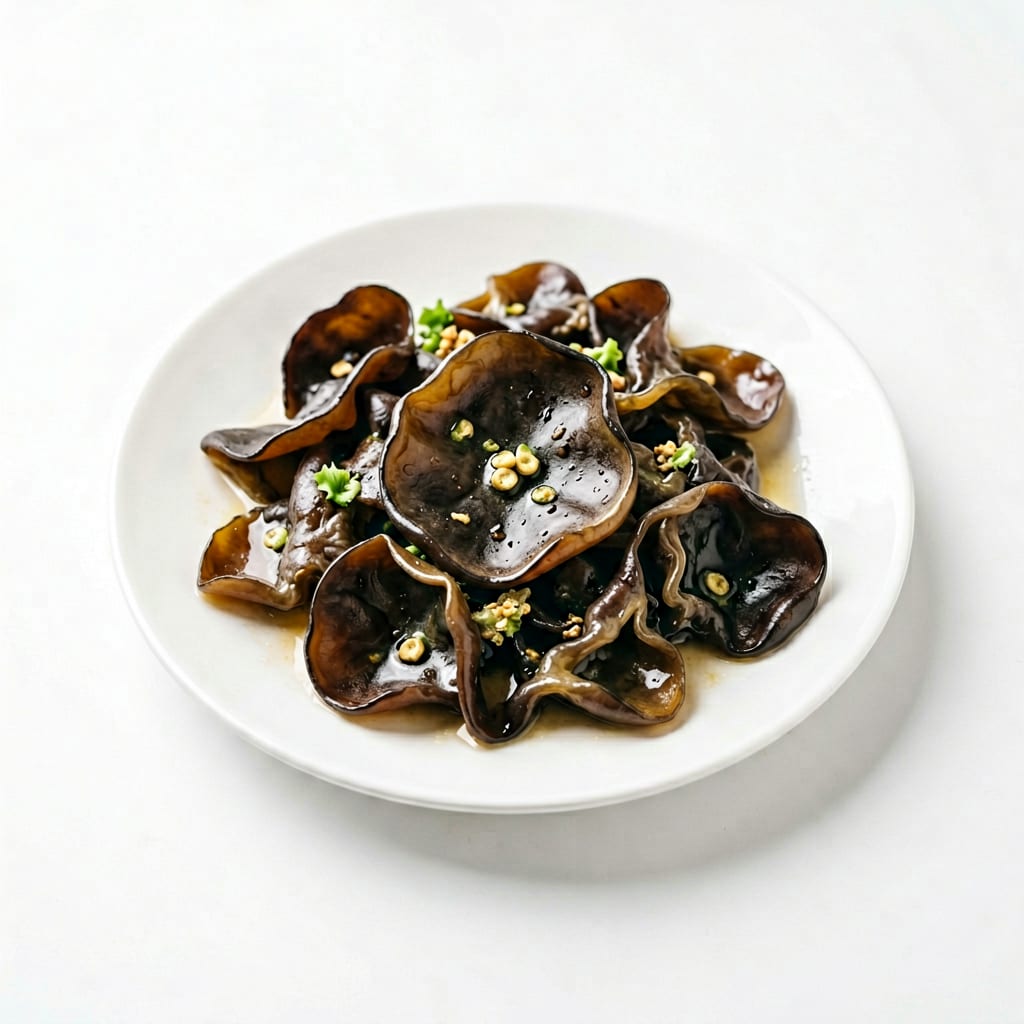
Wood Ear Mushroom
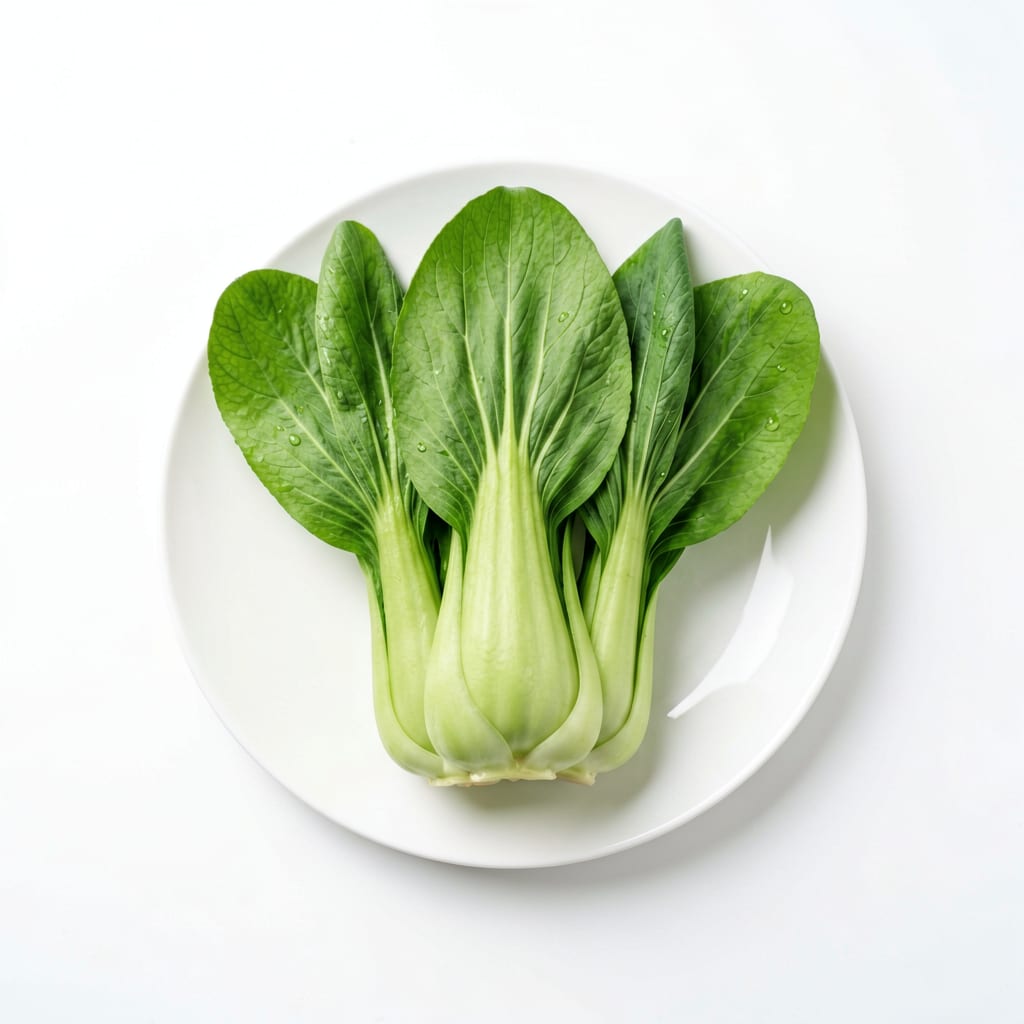
Bok Choy
Bok Choy wins on everyday nutrition and convenience, but Wood Ear Mushroom offers unique cardiovascular and gut benefits you cannot easily get elsewhere.
Bok Choy scores higher due to superior vitamin content, easier daily use, and fewer safety concerns. Wood Ear Mushroom remains valuable for its unique circulatory and soluble fiber benefits but loses points on convenience and contamination risk.
Widespread vitamin richness and ease of use versus specialized circulatory and soluble fiber advantages with extra prep and safety considerations.
At a glance
Executive summary
Overall
It depends
Healthier
Bok Choy
More practical
Bok Choy
Daily use
Bok Choy
Key comparison lenses
nutrient density for low calorie vegetables
Both foods are extremely low calorie, so the real question is which delivers more usable nutrition per bite
cardiovascular and blood health
Wood Ear Mushroom is renowned for blood-thinning and circulation benefits, making heart health a key differentiator
everyday practicality and accessibility
Bok Choy is a fridge staple available fresh everywhere, while Wood Ear usually requires rehydration from dried form
food safety and contamination risk
Wood Ear has notable safety concerns around improper soaking and bacterial growth that users should understand
digestive and gut benefits
Both offer fiber but of very different types, affecting gut health differently
Best choice for
Wood Ear Mushroom
- People seeking cardiovascular and circulation support
- Anyone wanting to boost soluble fiber intake for gut health
- Those following traditional Chinese dietary practices for blood health
- Home cooks making stir-fries or soups who want unique texture
Bok Choy
- Families needing an easy, nutrient-dense side dish
- Anyone prioritizing vitamin A, C, and K intake
- People who want minimal-prep vegetables for daily meals
- Those managing blood sugar who need very low calorie volume
Least suitable for
Wood Ear Mushroom
- People on blood-thinning medications like warfarin
- Anyone unfamiliar with safe dried mushroom preparation
- Those wanting quick no-prep vegetables
- People with compromised immune systems concerned about bacterial risk from improper soaking
Bok Choy
- People with severe iodine deficiency who eat large amounts raw
- Those who dislike cruciferous vegetable flavors
- Anyone seeking significant protein or calorie intake from vegetables
Deep comparison
Dimension by dimension
Each lens scores both foods and breaks down who each option suits.
- Dimension 1 · Priority 90Bok Choy
vitamin_and_mineral_density
Wood Ear Mushroom · 45Bok Choy · 88Bok Choy delivers substantially more vitamins A, C, K, and folate per serving. Wood Ear Mushroom is surprisingly modest in micronutrients despite its health reputation.
Tradeoff
Wood Ear offers iron and some B vitamins, but Bok Choy covers far more nutritional ground overall.
Why it matters
If you are relying on vegetables as a primary micronutrient source, Bok Choy does significantly more heavy lifting.
Real-world impact
A single cup of cooked Bok Choy covers most of your daily vitamin A and nearly half your vitamin C needs. Wood Ear Mushroom cannot match that.
Wood Ear Mushroom
- Iron supplementation from a plant source
Better for
- Meeting daily vitamin requirements from food alone
Worse for
Bok Choy
- Vitamin A support for eye and skin health
- Vitamin K for bone strength
- Folate needs during pregnancy
- Immune support through vitamin C
Better for
- Getting significant iron from a single vegetable serving
Worse for
- Dimension 2 · Priority 88Wood Ear Mushroom
cardiovascular_and_circulatory_benefits
Wood Ear Mushroom · 90Bok Choy · 55Wood Ear Mushroom contains unique polysaccharides that may reduce blood viscosity and improve circulation. Bok Choy supports heart health indirectly through potassium and antioxidants.
Tradeoff
Wood Ear has a targeted circulatory effect that Bok Choy cannot replicate, but it comes with blood-thinning risks for people on certain medications.
Why it matters
For anyone specifically focused on cardiovascular protection, Wood Ear offers a functional food advantage rooted in both tradition and emerging research.
Real-world impact
Regular Wood Ear consumption may support healthier blood flow and reduce clotting risk, but it should be treated like a mild supplement rather than just a vegetable.
Wood Ear Mushroom
- Supporting healthy blood circulation
- Reducing blood viscosity naturally
- Adding functional cardiovascular food to your diet
Better for
- Anyone already on anticoagulant therapy
- Pre-surgical patients who must avoid blood thinners
Worse for
Bok Choy
- General heart health through potassium intake
- Lowering blood pressure with minimal risk
Better for
- Targeted circulatory improvement
Worse for
- Dimension 3 · Priority 75Wood Ear Mushroom
fiber_quality_and_gut_health
Wood Ear Mushroom · 82Bok Choy · 65Wood Ear Mushroom is rich in soluble fiber and beta-glucans that feed beneficial gut bacteria and support digestive regularity. Bok Choy provides mainly insoluble fiber from its crunchy stems.
Tradeoff
Soluble fiber from Wood Ear has prebiotic and cholesterol-lowering effects, while Bok Choy's insoluble fiber is better for simple digestive bulk and regularity.
Why it matters
Different fiber types serve different gut functions. Soluble fiber feeds your microbiome; insoluble fiber keeps things moving. Both matter, but soluble fiber is harder to find in common vegetables.
Real-world impact
Adding Wood Ear to soups a few times a week can meaningfully shift your soluble fiber intake, which most people severely lack.
Wood Ear Mushroom
- Feeding beneficial gut bacteria
- Supporting cholesterol management through soluble fiber
- Adding prebiotic diversity to meals
Better for
- Those with sensitive digestion who find gelatinous textures unappealing
Worse for
Bok Choy
- Simple digestive regularity
- Adding roughage to meals without texture changes
Better for
- Meaningfully increasing soluble fiber intake
Worse for
- Dimension 4 · Priority 80Bok Choy
convenience_and_everyday_usability
Wood Ear Mushroom · 40Bok Choy · 90Bok Choy is available fresh in nearly every grocery store and cooks in minutes. Wood Ear Mushroom typically comes dried, requiring soaking and careful handling before use.
Tradeoff
Wood Ear's dried form gives it excellent shelf stability, but the rehydration step and safety considerations make it less convenient for spontaneous cooking.
Why it matters
The vegetable you actually eat always beats the one that sits in your pantry. Convenience directly impacts dietary consistency.
Real-world impact
You can rinse and stir-fry Bok Choy in under five minutes on a Tuesday night. Wood Ear requires planning ahead by at least 20-30 minutes for soaking.
Wood Ear Mushroom
- Long-term pantry storage without spoilage
- Meal prep planning where you soak ingredients in advance
Better for
- Last-minute cooking
- People who dislike multi-step ingredient prep
Worse for
Bok Choy
- Quick weeknight dinners
- Minimal cleanup and preparation
- Spontaneous meal decisions
- Families needing fast vegetable sides
Better for
- Extended storage without refrigeration
Worse for
- Dimension 5 · Priority 75Bok Choy
safety_and_contamination_risk
Wood Ear Mushroom · 50Bok Choy · 82Wood Ear Mushroom has documented risks of bacterial contamination when soaked at room temperature too long. Bok Choy's main risk is pesticide residue, which washing largely addresses.
Tradeoff
Wood Ear's safety depends heavily on proper preparation technique, while Bok Choy is forgiving and low-risk with basic washing.
Why it matters
A healthy food that makes you sick defeats its own purpose. Understanding preparation safety is essential for Wood Ear.
Real-world impact
Soaking Wood Ear overnight at room temperature has caused serious food poisoning incidents. Soaking must be done in refrigerated conditions and limited to a few hours.
Wood Ear Mushroom
- Shelf-stable storage when kept dry
Better for
- Risk of Pseudomonas and other bacterial growth from improper soaking
- People unaware of safe rehydration practices
Worse for
Bok Choy
- Worry-free preparation for beginners
- Safe handling without special knowledge
- Low foodborne illness risk with basic hygiene
Better for
- Pesticide exposure if conventionally grown and unwashed
Worse for
- Dimension 6 · Priority 65Bok Choy
calorie_efficiency_and_satiety
Wood Ear Mushroom · 55Bok Choy · 72Both are extremely low calorie, but Bok Choy provides more physical volume and crunch per calorie, making it more satisfying as a side dish. Wood Ear's gelatinous texture is less filling despite similar calorie counts.
Tradeoff
Wood Ear adds interesting texture but minimal satiety. Bok Choy's crunch and bulk help you feel like you actually ate something.
Why it matters
When eating very low calorie foods, the psychological satisfaction of volume and texture matters for sticking with healthy choices.
Real-world impact
A bowl of Bok Choy feels like a proper vegetable serving. Wood Ear feels more like a condiment or texture additive than a standalone dish.
Wood Ear Mushroom
- Adding texture variety without adding calories
Better for
- Eating as a standalone satisfying vegetable dish
Worse for
Bok Choy
- Feeling full on fewer calories
- Building a satisfying plate with visual and physical volume
- Replacing higher calorie sides
Better for
- Contributing unique texture to dishes
Worse for
Timeline
Health impact over time
Short-term
Hours to days
Wood Ear Mushroom
- Improved digestive regularity from soluble fiber intake
- Mild blood-thinning effect noticeable within hours of consumption
- Potential stomach discomfort if large amounts are eaten without adequate hydration
Bok Choy
- Quick hydration and nutrient replenishment from high water and vitamin content
- Gentle digestive support from insoluble fiber
- Mild goitrogenic effect only if consumed raw in very large quantities
Long-term
Months to years
Wood Ear Mushroom
- Potential cardiovascular benefit from regular polysaccharide intake
- Improved gut microbiome diversity from prebiotic soluble fiber
- Risk of excessive blood thinning if consumed daily alongside anticoagulant medications
- Possible heavy metal accumulation depending on sourcing quality
Bok Choy
- Stronger bones from consistent vitamin K and calcium intake
- Reduced cancer risk from glucosinolate compounds in cruciferous vegetables
- Better immune function from sustained vitamin A and C levels
- Potential thyroid interference only with extreme raw consumption habits
Risk profile
Safety & processing
Both foods are whole, minimally processed options. Dried Wood Ear Mushroom contains no additives but may have sulfur dioxide used as a preservative in some commercial brands. Fresh Bok Choy is about as natural as vegetables get, though pesticide residue on conventional produce is worth washing off.
Wood Ear Mushroom
Bacterial contamination from improper soaking
highSoaking dried Wood Ear at room temperature for extended periods, especially overnight, has been linked to serious Pseudomonas aeruginosa infections and food poisoning deaths. Always soak in the refrigerator and limit soaking time.
Blood-thinning interaction with medications
mediumWood Ear contains compounds that reduce blood clotting. Combined with warfarin, aspirin, or other anticoagulants, this can increase bleeding risk significantly.
Heavy metal contamination from sourcing
lowMushrooms can absorb heavy metals from their growing environment. Cheaper, uncertified sources may carry higher contamination risk.
Bok Choy
Pesticide residue on conventional produce
mediumBok Choy frequently appears on the Environmental Working Group's Dirty Dozen list. Washing thoroughly or choosing organic significantly reduces exposure.
Goitrogenic compounds when consumed raw in excess
lowCruciferous vegetables contain goitrogens that can interfere with thyroid function, but this is only a concern with very large raw intake in iodine-deficient individuals. Cooking neutralizes most goitrogens.
Who wins for whom
Audience fit
Same foods, different winners depending on your goal.
children
Bok ChoyBok Choy's mild flavor and familiar crunch make it far more kid-friendly. Wood Ear's gelatinous texture is often rejected by children, and the safety considerations around preparation add unnecessary risk.
daily consumption
Bok ChoyBok Choy is safer, easier, and more nutritionally complete for everyday use. Wood Ear is better treated as a beneficial addition a few times per week rather than a daily staple.
diabetes
Bok ChoyBok Choy's broader micronutrient profile and slightly better satiety make it a more practical daily choice, though both have essentially zero impact on blood sugar.
elderly
Bok ChoyOlder adults on blood-thinning medications should be cautious with Wood Ear. Bok Choy's calcium and vitamin K support bone health, which is especially important for this group.
muscle gain
It dependsNeither food contributes meaningful protein. Both serve as low-calorie accompaniments to protein-rich main dishes rather than muscle-building foods themselves.
weight loss
Bok ChoyBok Choy provides more volume and satiety per calorie, making it easier to fill your plate and feel satisfied while maintaining a calorie deficit.
Your move
Decision guide
Choose Wood Ear Mushroom
- You want targeted cardiovascular and circulatory support from food
- You are looking to increase soluble fiber and prebiotic intake
- You enjoy traditional Asian soups and stir-fries and want authentic texture
- You have no blood-thinning medication concerns and understand safe soaking practices
Choose Bok Choy
- You need a reliable, nutrient-dense vegetable for daily meals
- You want maximum vitamins with minimal effort and preparation
- You are cooking for children or elderly family members
- You are on blood-thinning medications and need to avoid additional anticoagulant effects
- You want a vegetable that stands on its own as a satisfying side dish
Either works if
- You are building a balanced Asian-style meal and want both texture and nutrition
- Your calorie budget is extremely tight and both fit easily
- You rotate vegetables for microbiome diversity and want both in your weekly lineup
Avoid both if
- You need significant protein or calorie intake from your vegetable choices
- You have severe allergies to mushrooms or cruciferous vegetables specifically
Final recommendation
Make Bok Choy your everyday green and treat Wood Ear Mushroom as a strategic supplement. Eat Bok Choy several times a week for broad vitamin coverage and easy meal prep. Add Wood Ear to soups or stir-fries two to three times weekly for its unique circulatory and soluble fiber benefits, always soaking it safely in the refrigerator. Together they complement each other beautifully; separately, Bok Choy is the more practical daily choice.
Practical
Consumer tips
- 1
Soak Wood Ear Mushroom in the refrigerator, never at room temperature, and limit soaking to 2-4 hours to prevent bacterial growth
- 2
Check dried Wood Ear packaging for sulfur dioxide or other preservatives if you have sulfite sensitivity
- 3
Wash Bok Choy thoroughly under running water, separating the leaves to remove hidden pesticide residue and dirt
- 4
Choose organic Bok Choy when possible since it frequently carries higher pesticide residues
- 5
If you take blood-thinning medication, talk to your doctor before regularly eating Wood Ear Mushroom
- 6
Add Wood Ear to hot and sour soup or stir-fries where its texture shines, rather than trying to eat it as a standalone side
- 7
Store Bok Choy wrapped in damp paper towels in a bag in the crisper drawer to extend freshness to 5-7 days
- 8
Keep dried Wood Ear in an airtight container in a cool dark place and it will last for months without spoilage