
Nutrition comparison
Wood Ear Mushroom vs Shiitake Mushroom: Nutrition, Safety & Health Benefits
Compare Wood Ear Mushroom vs Shiitake Mushroom. Discover which is better for immunity, heart health, and weight loss, plus critical safety warnings about blood thinners.
Overall winner · Shiitake Mushroom
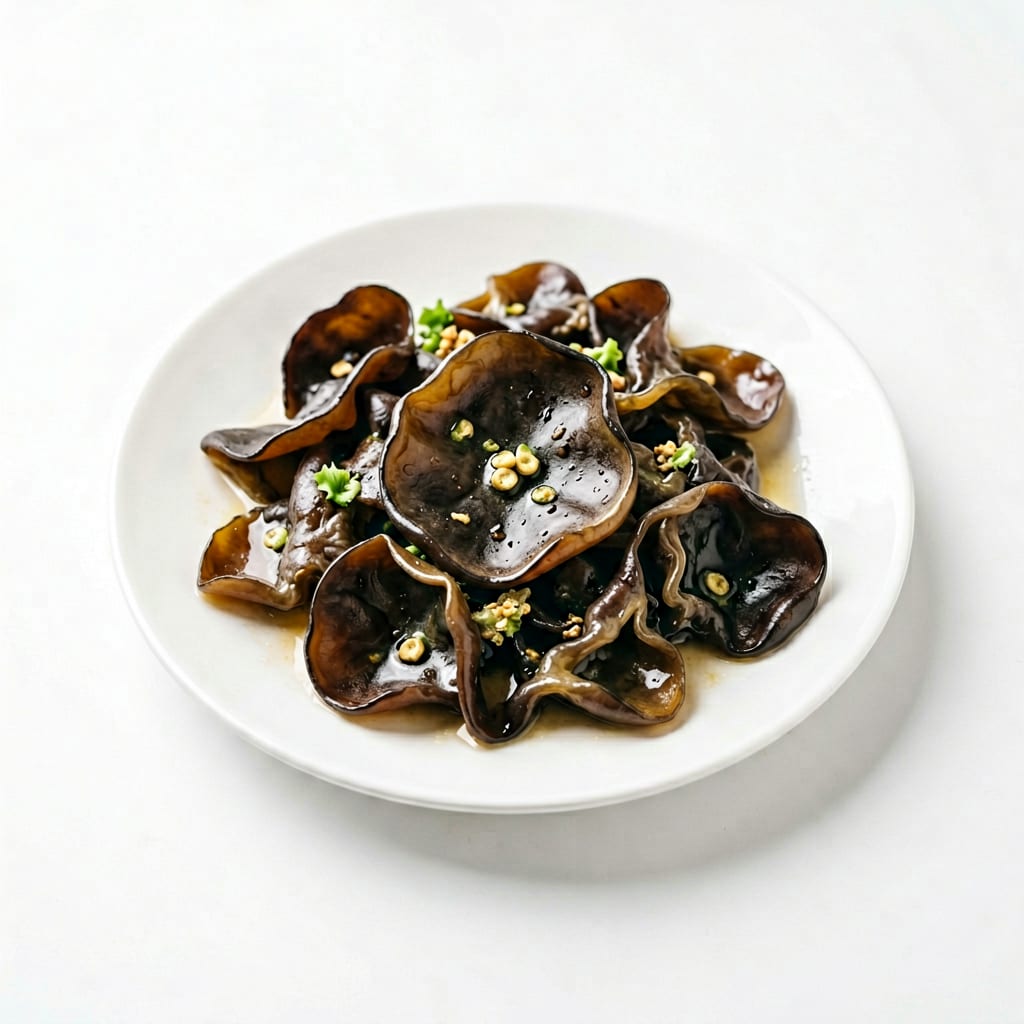
Wood Ear Mushroom
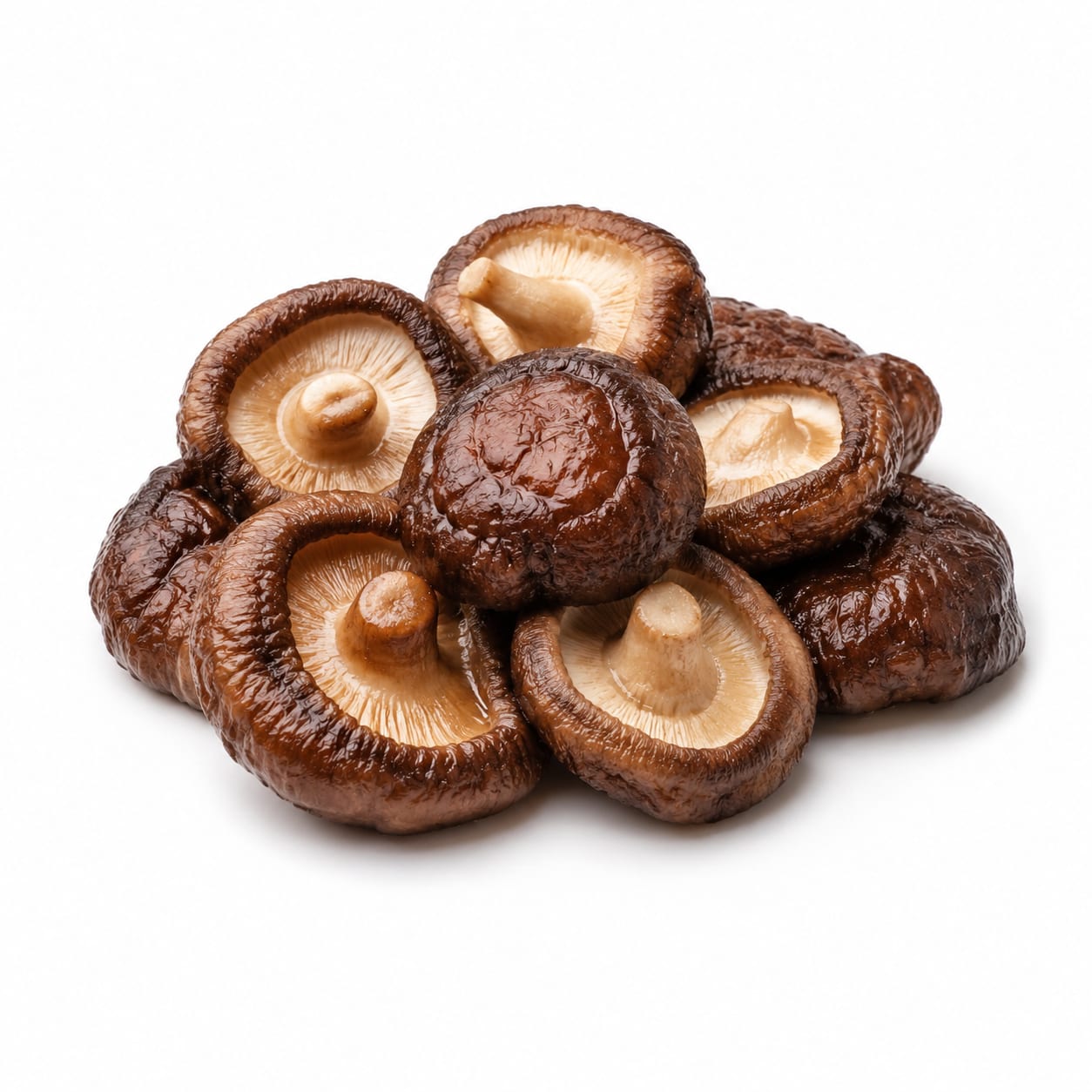
Shiitake Mushroom
Shiitake Mushroom is the more well-rounded daily choice, offering superior vitamins, immune benefits, and culinary versatility, while Wood Ear Mushroom serves as a targeted circulatory and digestive aid.
Shiitake Mushroom scores higher due to its broader vitamin profile, better protein content, and culinary flexibility. Wood Ear Mushroom remains highly valuable but is more of a niche functional food rather than a dietary staple.
You trade broad nutritional density and flavor (Shiitake) for unmatched fiber content and blood-flow benefits (Wood Ear).
At a glance
Executive summary
Overall
Shiitake Mushroom
Healthier
Shiitake Mushroom
More practical
Shiitake Mushroom
Daily use
Shiitake Mushroom
Key comparison lenses
immune system support
Both mushrooms are renowned for unique polysaccharides that stimulate immune function, but through different pathways
cardiovascular health
Wood Ear is famous for blood-thinning properties, while Shiitake helps lower cholesterol, making heart health a key decision point
nutrient density
Users often compare mushrooms for their vitamin and mineral contributions, where Shiitake significantly outperforms Wood Ear
culinary versatility
Shiitake offers deep umami flavor and meaty texture, whereas Wood Ear is primarily used for crunch and visual appeal
digestive health
Wood Ear provides an exceptional amount of soluble fiber, making it a powerful gut-health tool
Best choice for
Wood Ear Mushroom
- People looking to improve blood circulation and reduce blood clotting risk
- Those needing a massive boost in dietary fiber for gut regularity
- Anyone seeking a low-calorie crunch additive for stir-fries without adding significant macronutrients
- Individuals with mild iron deficiency looking for plant-based iron sources
Shiitake Mushroom
- People wanting comprehensive daily immune support
- Those looking to lower cholesterol naturally
- Anyone needing B-vitamin support, especially vegetarians avoiding meat
- Home cooks wanting a flavorful, meaty texture and umami taste to replace meat
Least suitable for
Wood Ear Mushroom
- People on blood-thinning medications like Warfarin due to severe interaction risks
- Those who dislike gelatinous or crunchy textures without strong flavor
- Anyone looking for a protein-rich meat substitute
Shiitake Mushroom
- People with severe gout or uric acid issues due to purine content
- Those with a history of shiitake dermatitis
- Individuals who are strictly avoiding foods that can trigger skin reactions when consumed raw
Deep comparison
Dimension by dimension
Each lens scores both foods and breaks down who each option suits.
- Dimension 1 · Priority 85Shiitake Mushroom
Nutrient Density
Wood Ear Mushroom · 55Shiitake Mushroom · 88Shiitake Mushroom is a nutritional powerhouse packed with B vitamins, copper, and selenium, while Wood Ear offers mostly fiber and iron.
Tradeoff
Choosing Wood Ear means missing out on the rich B-vitamin profile and broad mineral spectrum that Shiitake easily provides.
Why it matters
B vitamins are crucial for steady energy and nervous system function, making Shiitake a better daily energy supporter.
Real-world impact
Eating Shiitake regularly helps keep energy levels stable and supports your immune system with selenium, whereas Wood Ear mainly helps you stay full and regular.
Wood Ear Mushroom
- Iron intake for blood production
Better for
- Overall vitamin variety
- Mineral diversity
Worse for
Shiitake Mushroom
- B-vitamin intake for energy metabolism
- Selenium for thyroid and immune function
- Copper for connective tissue health
Better for
- Iron content per calorie
Worse for
- Dimension 2 · Priority 88Wood Ear Mushroom
Cardiovascular & Circulatory Health
Wood Ear Mushroom · 92Shiitake Mushroom · 80Wood Ear Mushroom acts like a natural blood thinner and artery cleanser, while Shiitake focuses more on lowering cholesterol.
Tradeoff
Wood Ear is far more effective for blood flow and preventing clots, but that same benefit becomes a dangerous liability if you are on anticoagulant medications.
Why it matters
Blood viscosity directly impacts risk of strokes and heart attacks, giving Wood Ear a unique medicinal edge for older adults with sluggish circulation.
Real-world impact
Adding Wood Ear to your diet can improve cold hands and feet by boosting microcirculation, but you must stop eating it well before any scheduled surgery.
Wood Ear Mushroom
- Reducing blood clotting risk
- Improving microcirculation to extremities
- Providing easily absorbable iron for blood building
Better for
- Safety for those already on blood thinners
Worse for
Shiitake Mushroom
- Lowering LDL cholesterol via eritadenine
- Supporting blood vessel health through B vitamins
Better for
- Direct impact on blood viscosity
Worse for
- Dimension 3 · Priority 90Shiitake Mushroom
Immune Support
Wood Ear Mushroom · 72Shiitake Mushroom · 90Shiitake contains lentinan, a heavily researched beta-glucan that strongly activates the immune system, outperforming Wood Ear's immune polysaccharides.
Tradeoff
Shiitake offers more proven, robust immune stimulation, while Wood Ear provides a milder, more general supportive effect.
Why it matters
A strong immune response helps you fight off seasonal bugs and recover faster from fatigue.
Real-world impact
Eating Shiitake a few times a week can translate to fewer sick days during cold season, acting as a daily immune shield.
Wood Ear Mushroom
- General gut-immune support via high fiber
Better for
- Lacks the potency of lentinan
Worse for
Shiitake Mushroom
- Targeted antiviral and antibacterial immune stimulation
- Stronger macrophage activation for quicker illness response
Better for
- Can overstimulate immune response in rare autoimmune conditions
Worse for
- Dimension 4 · Priority 75Wood Ear Mushroom
Digestive Health & Satiety
Wood Ear Mushroom · 95Shiitake Mushroom · 70Wood Ear is essentially a sponge of soluble fiber, making it incredibly filling and excellent for digestion, easily beating Shiitake's fiber content.
Tradeoff
Wood Ear provides vastly more gut-filling fiber, but it contributes almost no protein or fat, meaning it won't sustain you as long without added foods.
Why it matters
High fiber intake keeps your gut microbiome happy and prevents blood sugar spikes by slowing digestion.
Real-world impact
A bowl of soup with Wood Ear will physically fill your stomach for very few calories, making it a secret weapon for portion control.
Wood Ear Mushroom
- Extreme low-calorie volume eating
- Promoting highly regular bowel movements
- Feeding beneficial gut bacteria
Better for
- Lack of protein means hunger returns sooner if eaten alone
Worse for
Shiitake Mushroom
- Providing a more balanced mix of protein and fiber for lasting satiety
Better for
- Lower overall fiber density per serving
Worse for
- Dimension 5 · Priority 70Shiitake Mushroom
Culinary Versatility & Flavor
Wood Ear Mushroom · 50Shiitake Mushroom · 92Shiitake brings deep, savory umami and a satisfying meaty bite, while Wood Ear offers only a crunchy texture and absorbs surrounding flavors without contributing its own.
Tradeoff
Shiitake can stand alone as a main dish or flavor base, whereas Wood Ear is strictly a supporting texture player.
Why it matters
Food has to taste good to be sustainable. Shiitake makes healthy eating delicious; Wood Ear makes it crunchy.
Real-world impact
You can easily replace meat with Shiitake in pasta or stir-fries for a satisfying meal, but Wood Ear will never satisfy a savory craving on its own.
Wood Ear Mushroom
- Adding satisfying crunch to soft dishes like soups
- Absorbing bold sauces without altering the flavor profile
Better for
- Completely lacks umami flavor
- Requires other ingredients to carry the taste of the dish
Worse for
Shiitake Mushroom
- Creating rich, savory broths and sauces
- Replacing meat in vegetarian meals
- Eating as a standalone snack or side dish
Better for
- Loses its desirable crunch when overcooked
Worse for
Timeline
Health impact over time
Short-term
Hours to days
Wood Ear Mushroom
- Quick feeling of fullness due to high fiber expanding in the stomach
- Improved digestion and easier bowel movements within hours
Shiitake Mushroom
- A noticeable boost in energy from B vitamins
- Rapid umami satisfaction that reduces cravings for heavy junk food
Long-term
Months to years
Wood Ear Mushroom
- Thinner blood and reduced risk of dangerous blood clots
- Better gut microbiome diversity from consistent soluble fiber intake
- Potential iron deficiency anemia prevention
Shiitake Mushroom
- Lower LDL cholesterol levels over months of regular consumption
- Stronger immune surveillance reducing frequency of viral infections
- Better skin and nerve health from consistent B-vitamin intake
Risk profile
Safety & processing
Both mushrooms are typically sold fresh or simply sun-dried, making them exceptionally clean, whole-food choices with no artificial additives.
Wood Ear Mushroom
Dangerous interaction with blood thinners
highWood Ear contains compounds that strongly inhibit blood clotting. If you take Warfarin or similar anticoagulants, eating Wood Ear can severely amplify the drug's effect, leading to dangerous internal bleeding.
Bongkrekic acid poisoning from improper soaking
highLeaving dried Wood Ear to soak at room temperature for extended periods can produce a deadly toxin called bongkrekic acid. Always soak in the refrigerator and cook promptly.
Shiitake Mushroom
Shiitake dermatitis
mediumConsuming raw or undercooked Shiitake can trigger a severe, whip-like skin rash in susceptible individuals due to the lentinan polysaccharide. Always cook Shiitake thoroughly.
Gout flare-ups
mediumShiitake contains moderate levels of purines, which can break down into uric acid and trigger painful gout attacks in people with severe uric acid management issues.
Who wins for whom
Audience fit
Same foods, different winners depending on your goal.
children
Shiitake MushroomShiitake provides essential nutrients for growth like B vitamins and zinc, and its savory flavor is usually more appealing to kids than a bland, crunchy texture.
daily consumption
Shiitake MushroomShiitake offers a broader, more balanced daily nutritional profile and carries a lower risk of severe food-drug interactions.
diabetes
Wood Ear MushroomThe extremely high soluble fiber content in Wood Ear slows glucose absorption better than Shiitake, leading to steadier blood sugar levels after meals.
elderly
It dependsShiitake is better for general immunity and brain health, but Wood Ear is excellent for circulation—unless the senior is on blood thinners, in which case Shiitake is the only safe option.
muscle gain
Shiitake MushroomShiitake contains more protein and B vitamins, which are essential for muscle repair and energy production during training.
weight loss
Wood Ear MushroomWood Ear provides massive physical fullness for almost zero calories, making it easier to stick to a calorie deficit without feeling deprived.
Your move
Decision guide
Choose Wood Ear Mushroom
- You want to improve blood circulation and reduce cardiovascular clotting risks naturally
- You are on a strict calorie deficit and need maximum physical fullness
- You struggle with constipation and need a massive fiber boost
- You are making a stir-fry or soup and need a satisfying crunch without adding heavy macros
Choose Shiitake Mushroom
- You want a daily immune booster to fend off seasonal illnesses
- You are vegetarian and need B vitamins and umami flavor to replace meat
- You are cooking for someone on blood-thinning medications
- You want a mushroom that actually tastes incredible on its own
Either works if
- You are making a rich Asian-style soup or hot pot where both textures complement each other perfectly
- You want to diversify your gut microbiome with different types of mushroom fibers
Avoid both if
- You have a severe mold or fungus allergy
- You are extremely strict about a low-purine diet for acute gout management
Final recommendation
Keep Shiitake Mushroom as your daily driver for flavor, immunity, and broad nutrition. Add Wood Ear Mushroom a few times a month as a targeted circulatory boost and texture enhancer, but strictly avoid it if you take blood thinners, and always soak it safely in the fridge.
Practical
Consumer tips
- 1
Never soak dried Wood Ear Mushroom at room temperature for longer than two hours; refrigerate the soaking water to prevent deadly bongkrekic acid formation.
- 2
Always cook Shiitake thoroughly to destroy the compound that causes shiitake dermatitis.
- 3
Dried Shiitake mushrooms have a more concentrated umami flavor than fresh ones; soak them and use the soaking liquid as a rich broth.
- 4
If you are new to Wood Ear, buy the small dried pieces rather than whole ones, as they are easier to prepare and cook evenly.
- 5
Combine both in a ginger-garlic broth for a meal that supports immunity, clears blood vessels, and keeps you full for hours.