
Nutrition comparison
Wood Ear Mushroom vs Eggplant: Nutrition, Benefits, and Which to Choose
Compare Wood Ear Mushroom and Eggplant side by side. Discover which is better for heart health, weight loss, and daily nutrition — plus safety warnings and cooking tips.
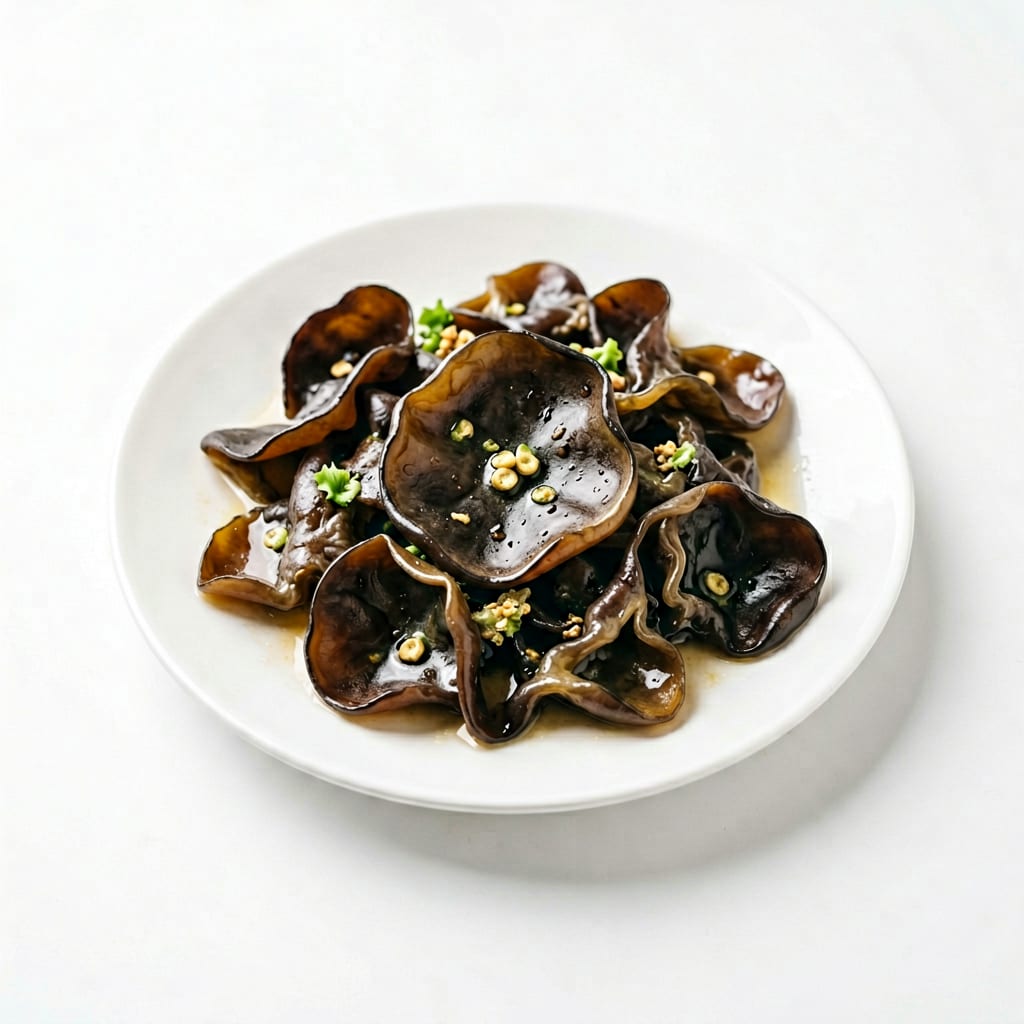
Wood Ear Mushroom
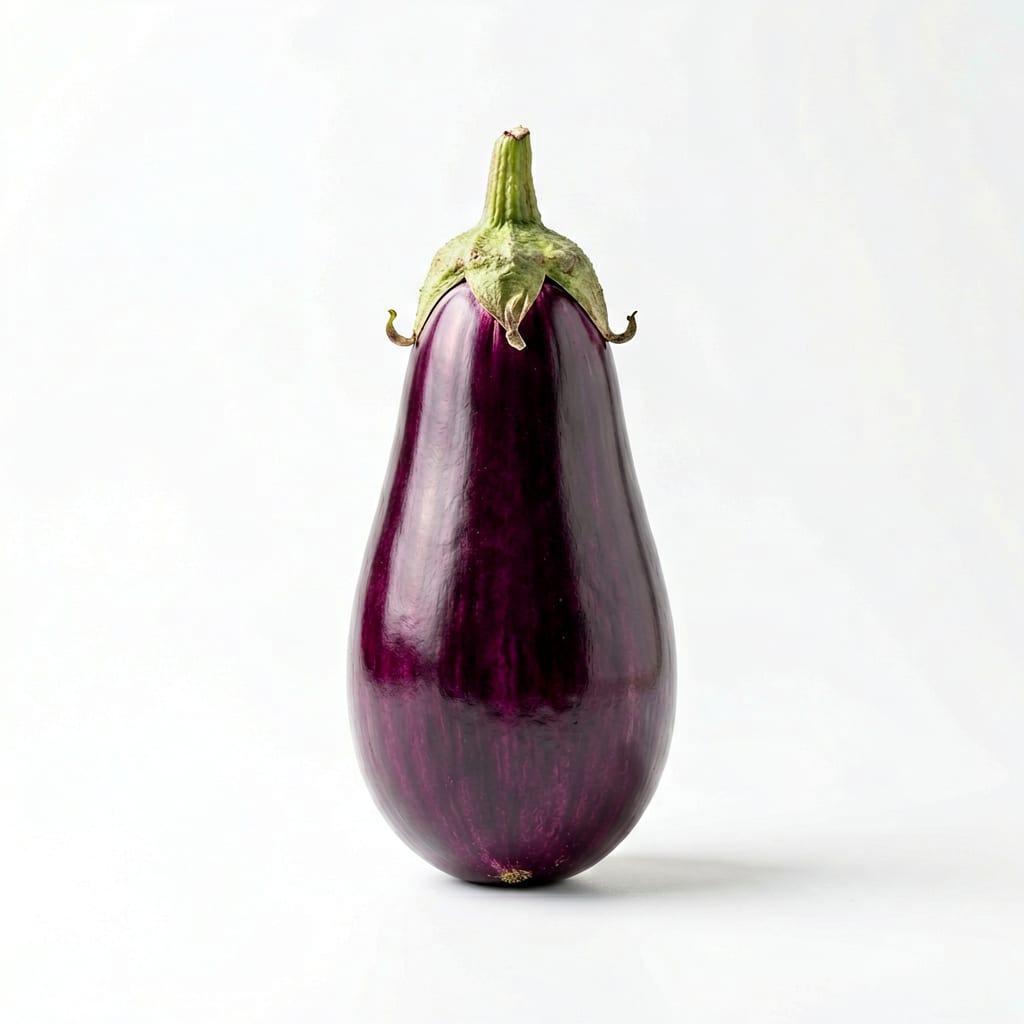
Eggplant
Wood Ear Mushroom wins for targeted cardiovascular and immune benefits while Eggplant wins for everyday versatility and broader meal integration
Eggplant edges ahead on practicality and daily usability but Wood Ear Mushroom offers more targeted therapeutic value. The close scores reflect that neither is a clear universal winner — your health context determines which serves you better.
Specialized therapeutic power versus practical eatability — Wood Ear Mushroom is the supplement-like food while Eggplant is the reliable daily vegetable
At a glance
Executive summary
Overall
It depends
Healthier
Wood Ear Mushroom
More practical
Eggplant
Daily use
Eggplant
Key comparison lenses
cardiovascular and blood health benefits
Wood Ear Mushroom is renowned for anticoagulant properties while Eggplant offers different heart-supportive antioxidants, making this the starkest contrast
culinary versatility and everyday practicality
Eggplant integrates easily into many cuisines and meals while Wood Ear Mushroom requires specific preparation and pairs with fewer dishes
fiber type and digestive impact
Both are fiber-rich but deliver very different fiber profiles affecting gut health differently
safety and contraindication awareness
Wood Ear Mushroom has notable blood-thinning effects and Eggplant carries nightshade sensitivity concerns that matter for specific populations
antioxidant diversity
Each offers unique antioxidant compounds worth comparing for long-term health strategy
Best choice for
Wood Ear Mushroom
- People seeking natural blood-thinning support
- Those wanting to boost iron intake plant-based
- Anyone focused on cholesterol management
- Traditional Asian cuisine enthusiasts
- Immune system support seekers
Eggplant
- Home cooks wanting versatile low-calorie ingredients
- People managing blood sugar with whole foods
- Mediterranean diet followers
- Those who need satisfying volume with minimal calories
- Anyone wanting easy-to-find affordable produce
Least suitable for
Wood Ear Mushroom
- People on blood-thinning medications like warfarin
- Those about to undergo surgery
- People who dislike gelatinous or slippery textures
- Anyone unfamiliar with preparing dried mushrooms
- Households wanting quick weeknight cooking
Eggplant
- People with nightshade sensitivities or arthritis flares
- Those watching oxalate intake for kidney stone prevention
- People prone to cooking eggplant in excessive oil
- Anyone with solanine intolerance
Deep comparison
Dimension by dimension
Each lens scores both foods and breaks down who each option suits.
- Dimension 1 · Priority 92Wood Ear Mushroom
cardiovascular protection
Wood Ear Mushroom · 88Eggplant · 65Wood Ear Mushroom contains unique polysaccharides that inhibit platelet aggregation and support healthier blood flow, a benefit Eggplant cannot match.
Tradeoff
That same blood-thinning power becomes dangerous for people on anticoagulant medications or preparing for surgery.
Why it matters
Cardiovascular disease remains the leading cause of death globally, and dietary blood-thinning is a meaningful preventive strategy for the right population.
Real-world impact
Regular Wood Ear Mushroom consumption may reduce clotting risk similarly to how low-dose aspirin works, but without the gastric irritation.
Wood Ear Mushroom
- People with elevated clotting risk
- Those seeking natural circulatory support
- Adults with family history of stroke
Better for
- Anyone taking warfarin or similar prescriptions
- Pre-surgery patients
- People with bleeding disorders
Worse for
Eggplant
- People already on blood thinners who need heart-safe foods without additive anticoagulant effects
- Those wanting gentler cardiovascular support through antioxidants alone
Better for
- Those who need active circulatory intervention beyond general antioxidant support
Worse for
- Dimension 2 · Priority 85Eggplant
culinary versatility and ease of use
Wood Ear Mushroom · 45Eggplant · 88Eggplant adapts to roasting, grilling, stir-frying, baking, and stewing across dozens of cuisines. Wood Ear Mushroom shines in soups and stir-fries but has a narrower range.
Tradeoff
Eggplant's oil-absorbing nature can turn a low-calorie vegetable into a calorie bomb if fried or poorly prepared.
Why it matters
The best healthy food is one you actually enjoy cooking and eating consistently. Versatility drives long-term adherence.
Real-world impact
You can meal-prep eggplant five ways in a single week. Wood Ear Mushroom becomes repetitive faster and requires rehydration planning.
Wood Ear Mushroom
- Asian soup and hot pot enthusiasts
- People who enjoy chewy gelatinous textures
- Those who prep ingredients in advance
Better for
- Spontaneous cooks who dislike overnight soaking
- People texture-averse to slippery foods
- Western recipe followers
Worse for
Eggplant
- Busy weeknight cooks
- Meal preppers wanting variety
- Anyone exploring Mediterranean, Middle Eastern, or Indian recipes
- Families needing kid-friendly vegetable options
Better for
- Oil-conscious cooks who struggle with eggplant's sponge-like absorption
- Those seeking quick-cooking vegetables for stir-fries
Worse for
- Dimension 3 · Priority 78Wood Ear Mushroom
fiber quality and gut health
Wood Ear Mushroom · 82Eggplant · 70Wood Ear Mushroom delivers exceptional soluble fiber and beta-glucans that feed beneficial gut bacteria and support cholesterol reduction. Eggplant provides good insoluble fiber and some soluble fiber but with less prebiotic potency.
Tradeoff
Wood Ear Mushroom's fiber is more therapeutically active but Eggplant's fiber comes with more food volume and satiety.
Why it matters
Gut microbiome diversity depends on consuming varied fiber types, and beta-glucans are among the most impactful prebiotics.
Real-world impact
A bowl of Wood Ear Mushroom soup feeds your gut bacteria more effectively than a similar portion of eggplant, but the eggplant leaves you more physically full.
Wood Ear Mushroom
- People targeting cholesterol reduction through diet
- Those wanting prebiotic fiber for microbiome support
- Anyone needing gentle fiber that does not cause bloating
Better for
- Those who associate fiber benefits only with feeling full
Worse for
Eggplant
- Those prioritizing physical fullness and satiety from vegetables
- People who need larger food volumes to feel satisfied
- Anyone wanting fiber alongside more vitamins and minerals
Better for
- People seeking maximum prebiotic impact per calorie
Worse for
- Dimension 4 · Priority 70It depends
antioxidant profile
Wood Ear Mushroom · 75Eggplant · 73Wood Ear Mushroom offers melanin and polysaccharide antioxidants while Eggplant skin delivers nasunin and chlorogenic acid. They protect different systems in different ways.
Tradeoff
Eggplant's nasunin specifically protects brain cell membranes while Wood Ear Mushroom's compounds favor circulatory and immune protection.
Why it matters
Antioxidant diversity matters more than quantity. Eating both gives broader protection than doubling down on one.
Real-world impact
If brain health is your priority, Eggplant skin is more targeted. If immune and blood health matter more, Wood Ear Mushroom delivers better.
Wood Ear Mushroom
- Immune system support
- Circulatory protection
- Anti-inflammatory goals
Better for
- Those specifically seeking neuroprotective antioxidants
Worse for
Eggplant
- Brain health and neuroprotection
- Cell membrane protection from oxidative damage
- Those who eat the skin for maximum benefit
Better for
- People who peel eggplant and lose most nasunin content
Worse for
- Dimension 5 · Priority 65Wood Ear Mushroom
mineral density
Wood Ear Mushroom · 78Eggplant · 55Wood Ear Mushroom is surprisingly rich in iron and provides meaningful vitamin K, both areas where Eggplant is relatively weak.
Tradeoff
Wood Ear Mushroom's iron is non-heme and less absorbable without vitamin C pairing, somewhat diminishing the advantage.
Why it matters
Iron deficiency is the world's most common nutrient deficiency, and plant-based eaters need all the iron sources they can get.
Real-world impact
Adding Wood Ear Mushroom to a stir-fry with bell peppers gives you iron plus the vitamin C needed to absorb it effectively.
Wood Ear Mushroom
- Plant-based eaters needing iron sources
- Women with higher iron requirements
- Anyone wanting to boost vitamin K intake naturally
Better for
- Those with hemochromatosis or iron overload concerns
Worse for
Eggplant
- Those getting adequate iron from other sources
- People focused on potassium intake instead
Better for
- Plant-based eaters who need concentrated mineral sources
Worse for
- Dimension 6 · Priority 72Eggplant
satiety and calorie efficiency
Wood Ear Mushroom · 55Eggplant · 80Eggplant provides more physical bulk and substance per serving, making it more filling. Wood Ear Mushroom is extremely low calorie but lacks the volume to satisfy hunger alone.
Tradeoff
Eggplant's satiety advantage disappears if you fry it in oil, which can triple its calorie density.
Why it matters
Satiety per calorie determines whether a food helps or hinders weight management in real-world eating.
Real-world impact
A grilled eggplant dish feels like a real meal. Wood Ear Mushroom feels like an ingredient that needs companions to be satisfying.
Wood Ear Mushroom
- Those adding fiber to already-complete meals
- People wanting minimal calorie addition to soups
Better for
- People eating alone who need one-dish satisfaction
- Those prone to overeating when meals feel insubstantial
Worse for
Eggplant
- Weight-conscious eaters needing volume
- People who want vegetables to be the main event
- Anyone replacing higher-calorie ingredients with low-calorie bulk
Better for
- Those who default to frying and absorb excessive oil
Worse for
Timeline
Health impact over time
Short-term
Hours to days
Wood Ear Mushroom
- May noticeably reduce blood clotting within hours of consumption
- Can improve digestive regularity due to high soluble fiber
- Might cause mild stomach discomfort if eaten in large quantities without adequate hydration
Eggplant
- Provides satisfying fullness that reduces snacking urges for hours
- Can cause bloating or gas in sensitive individuals due to fiber and nightshade compounds
- May trigger joint discomfort in people with nightshade sensitivity within hours
Long-term
Months to years
Wood Ear Mushroom
- Consistent consumption supports healthier cholesterol levels and improved circulation
- Ongoing blood-thinning effect reduces stroke and clot risk but requires monitoring with medications
- Prebiotic fiber contributes to more diverse and resilient gut microbiome over months
Eggplant
- Regular intake of nasunin from the skin supports long-term brain cell protection
- Chlorogenic acid contributes to gradual blood sugar improvement with consistent consumption
- Poorly prepared fried eggplant can contribute to weight gain and inflammatory oil intake over time
Risk profile
Safety & processing
Both foods are whole and minimally processed in their natural state. Wood Ear Mushroom is typically sold dried without additives, while fresh Eggplant is unprocessed. The main concern is that some commercially dried Wood Ear Mushroom may have sulfur dioxide preservatives, and Eggplant is among the more pesticide-heavy vegetables when conventionally grown.
Wood Ear Mushroom
Excessive anticoagulant effect
highPeople on blood thinners face serious bleeding risk. Even stopping consumption before surgery requires planning with a healthcare provider.
Sulfur dioxide in dried products
mediumSome commercially dried Wood Ear Mushroom contains sulfites as preservatives, which can trigger reactions in sensitive individuals, particularly asthmatics.
Contamination in foraged specimens
mediumWild-harvested Wood Ear Mushroom can absorb heavy metals and environmental contaminants from their growing substrate. Sourced commercial products are safer.
Eggplant
Pesticide residue
mediumEggplant consistently ranks among vegetables with higher pesticide residue when conventionally grown. Peeling helps but removes the most nutritious part.
Nightshade sensitivity reactions
mediumSolanine and other nightshade compounds can trigger joint pain, digestive upset, or inflammation flares in sensitive individuals, particularly those with autoimmune conditions.
Oxalate accumulation
lowEggplant contains moderate oxalates that may contribute to kidney stone formation in susceptible people with chronic high consumption.
Who wins for whom
Audience fit
Same foods, different winners depending on your goal.
children
EggplantEggplant is more familiar, easier to prepare, and can be incorporated into kid-friendly dishes like ratatouille or baba ganoush. Wood Ear Mushroom's slippery texture is often rejected by children.
daily consumption
EggplantEggplant integrates more easily into daily meals across breakfast, lunch, and dinner without safety concerns or texture fatigue, making consistent consumption more sustainable.
diabetes
EggplantEggplant's chlorogenic acid and higher food volume help stabilize blood sugar and reduce post-meal spikes more effectively, while also being easier to incorporate into balanced meals consistently.
elderly
Wood Ear MushroomWood Ear Mushroom's anticoagulant and cholesterol-lowering properties address cardiovascular concerns common in older adults, and its soft texture when cooked is easy to chew. However, medication interactions must be monitored carefully.
muscle gain
It dependsNeither food is notable for muscle building. Both are low-protein vegetables best used as sides alongside protein sources. Wood Ear Mushroom offers slightly more iron which supports oxygen delivery to muscles.
weight loss
EggplantEggplant provides more satiety per calorie and can replace higher-calorie ingredients in meals, making it easier to sustain a calorie deficit without feeling deprived.
Your move
Decision guide
Choose Wood Ear Mushroom
- You want targeted cardiovascular and circulatory support from food
- You are plant-based and need more iron in your diet
- You enjoy Asian soups, hot pots, and stir-fries where it naturally belongs
- You are building a gut-healing protocol with prebiotic fiber
- You have no blood-thinner medications in your regimen
Choose Eggplant
- You want a versatile vegetable that works across many cuisines and meals
- You are managing your weight and need satisfying low-calorie volume
- You prefer foods that are easy to find fresh and quick to prepare
- You want brain-protective antioxidants from nasunin in the skin
- You cook for a family and need broader appeal at the table
Either works if
- You are building a diverse vegetable rotation for gut microbiome health
- You want low-calorie fiber-rich foods to support digestive regularity
- You are generally healthy and simply want more whole plant foods in your diet
Avoid both if
- You are on blood thinners and have not consulted your doctor about dietary interactions
- You have severe nightshade sensitivity and mushroom allergies simultaneously
- You are preparing for surgery within the next two weeks
Final recommendation
Eat both if you can. Wood Ear Mushroom and Eggplant serve completely different nutritional purposes and complement each other well. Use Wood Ear Mushroom in soups and stir-fries for its circulatory and prebiotic benefits two to three times weekly. Use Eggplant as your everyday versatile vegetable for satiety, antioxidants, and meal variety. If forced to choose one, pick Eggplant for sustainability and safety, but you would be missing the unique therapeutic compounds only Wood Ear Mushroom provides.
Practical
Consumer tips
- 1
Pair Wood Ear Mushroom with vitamin C rich vegetables like bell peppers to dramatically improve iron absorption
- 2
Always cook Eggplant thoroughly — undercooked eggplant is bitter and harder to digest
- 3
Roast or grill Eggplant instead of frying to avoid the oil-sponge effect that triples calorie content
- 4
Soak dried Wood Ear Mushroom in warm water for 20-30 minutes and discard the soaking water to reduce potential sulfite residue
- 5
Buy organic Eggplant when possible to reduce pesticide exposure, especially if you eat the skin
- 6
If you take blood-thinning medication, talk to your doctor before making Wood Ear Mushroom a regular part of your diet
- 7
Keep the skin on Eggplant — that is where the valuable nasunin antioxidant lives
- 8
Store dried Wood Ear Mushroom in an airtight container away from moisture and it will last for months