
Nutrition comparison
Wood Ear Mushroom vs Tofu: Nutrition, Health Benefits, and Which to Choose
Compare wood ear mushroom and tofu side by side. Learn which is better for protein, heart health, weight loss, and daily meals — plus how to use both together for maximum benefit.
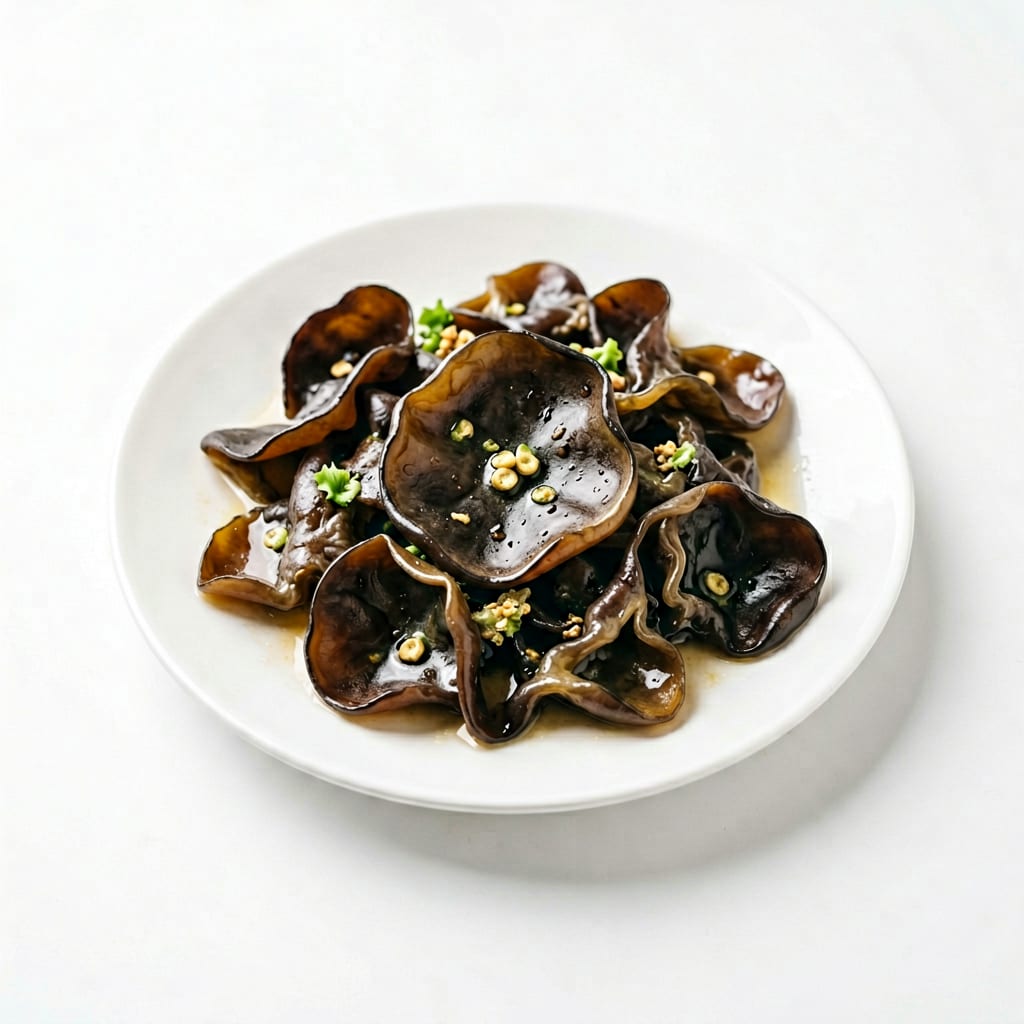
Wood Ear Mushroom
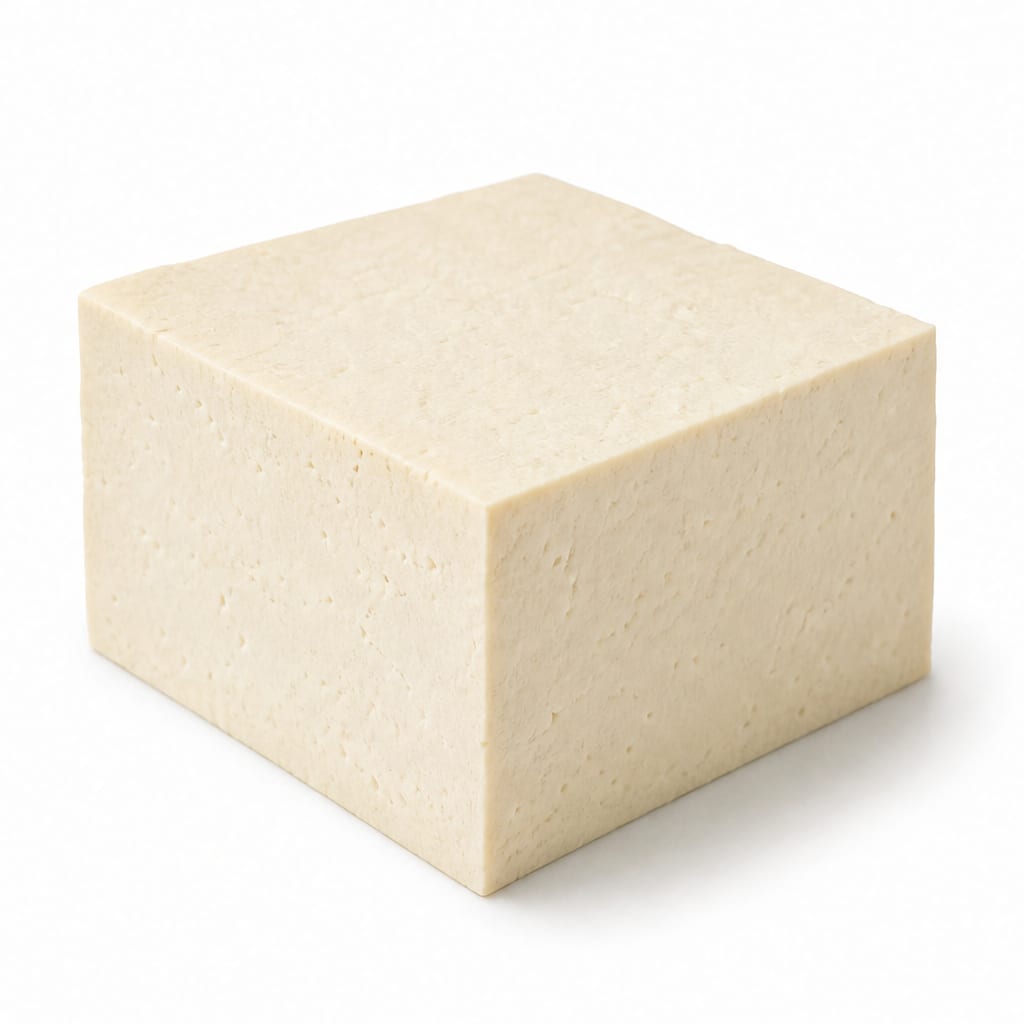
Tofu
Tofu feeds you; wood ear protects you. They solve different problems and work best together rather than as substitutes.
Tofu scores higher as a standalone nutritional contributor with protein, calcium, and meal-building versatility. Wood ear earns strong marks for unique cardiovascular fiber and minimal calories but cannot function as a dietary anchor the way tofu can.
Tofu provides real protein and sustained energy, while wood ear delivers unique cardiovascular fiber with almost zero calories but cannot stand alone as a meal component.
At a glance
Executive summary
Overall
It depends
Healthier
It depends
More practical
Tofu
Daily use
Tofu
Key comparison lenses
plant-based protein vs functional fiber
The core tradeoff: tofu delivers substantial protein while wood ear offers almost none but provides unique soluble fiber and cardiovascular benefits
heart health approaches
Both foods support cardiovascular health through entirely different mechanisms — blood-thinning polysaccharides versus cholesterol-lowering soy protein
weight management strategy
Wood ear is nearly calorie-free bulk, while tofu provides filling protein — different paths to feeling satisfied
everyday meal versatility
Tofu works as a main protein across countless dishes; wood ear is a supporting ingredient that adds texture and fiber
soy concerns and alternatives
Users avoiding soy for hormonal or allergen reasons may seek wood ear as a complementary ingredient
Best choice for
Wood Ear Mushroom
- People seeking cardiovascular and circulatory support
- Those on calorie-restricted diets needing volume without energy
- Anyone managing blood viscosity or circulation concerns
- Home cooks adding texture and fiber to stir-fries and soups
Tofu
- Vegetarians and vegans needing reliable plant protein
- Anyone building a filling, balanced meal around a single ingredient
- Older adults preserving muscle mass
- Budget-conscious eaters seeking affordable protein
Least suitable for
Wood Ear Mushroom
- Anyone relying on it as a protein source — it has virtually none
- People on blood-thinning medications without medical guidance
- Those wanting a standalone satisfying meal component
Tofu
- People with soy allergies or sensitivities
- Those avoiding phytoestrogens for specific hormonal conditions
- Anyone seeking an ultra-low-calorie bulk food
Deep comparison
Dimension by dimension
Each lens scores both foods and breaks down who each option suits.
- Dimension 1 · Priority 95Tofu
protein and satiety
Wood Ear Mushroom · 8Tofu · 82Tofu provides 8-17g protein per serving depending on firmness; wood ear provides negligible protein under 1g.
Tradeoff
You get lasting fullness and muscle support from tofu, but wood ear leaves you hungry if eaten alone.
Why it matters
Protein is the difference between a snack and a meal. Without it, wood ear cannot anchor a plate.
Real-world impact
A tofu-based lunch keeps you full for hours. A wood ear dish alone leaves you reaching for more food within an hour.
Wood Ear Mushroom
- Adding fiber bulk to already protein-rich meals
Better for
- Replacing any protein source
- Using as a main dish
Worse for
Tofu
- Post-workout recovery meals
- Breakfasts that need to last until lunch
- Anyone trying to eat less by staying fuller longer
Better for
- Meals where you already have ample protein from other sources
Worse for
- Dimension 2 · Priority 88Wood Ear Mushroom
fiber and gut health
Wood Ear Mushroom · 85Tofu · 30Wood ear is rich in soluble fiber and unique polysaccharides that feed gut bacteria and support digestive transit. Tofu contains minimal fiber.
Tradeoff
Wood ear actively improves gut environment and bowel regularity; tofu contributes almost nothing to fiber intake.
Why it matters
Most people are fiber-deficient. Wood ear is an easy way to add soluble fiber without adding calories.
Real-world impact
Regular wood ear consumption supports smoother digestion and feeds beneficial gut bacteria. Tofu alone will not move the needle on fiber needs.
Wood Ear Mushroom
- Anyone struggling with constipation or irregularity
- Building a diverse gut microbiome
- Adding prebiotic fiber to meals effortlessly
Better for
- Sensitive digestive systems unaccustomed to high fiber
Worse for
Tofu
- Situations where low residue diets are medically needed
Better for
- Meeting daily fiber targets without other sources
Worse for
- Dimension 3 · Priority 85It depends
cardiovascular support
Wood Ear Mushroom · 80Tofu · 75Wood ear thins blood and improves circulation through unique polysaccharides. Tofu lowers LDL cholesterol via soy protein and isoflavones. Different mechanisms, both valuable.
Tradeoff
Wood ear acts more on blood viscosity and flow; tofu acts more on lipid profiles. They complement rather than compete.
Why it matters
Heart health has multiple pathways. Blood thinning and cholesterol reduction address different risk factors.
Real-world impact
Regular wood ear consumption may improve circulation and reduce clotting risk. Tofu may lower cholesterol over weeks of consistent intake.
Wood Ear Mushroom
- People with concerns about blood thickening or poor circulation
- Those already managing cholesterol with other methods
Better for
- Anyone on anticoagulant medications without doctor approval
Worse for
Tofu
- People with elevated LDL cholesterol
- Those needing combined protein and heart benefits in one food
Better for
- People with soy allergies who need heart-healthy alternatives
Worse for
- Dimension 4 · Priority 80Wood Ear Mushroom
calorie density and weight management
Wood Ear Mushroom · 95Tofu · 55Wood ear provides massive volume and chew satisfaction for roughly 20-30 calories per cup. Tofu delivers 80-150 calories per serving depending on firmness.
Tradeoff
Wood ear lets you eat large portions with virtually no caloric cost. Tofu costs more calories but pays you back in protein and fullness.
Why it matters
Volume eating works for some people; protein-based satiety works for others. Your weight loss strategy determines which helps more.
Real-world impact
Adding wood ear to soups and stir-fries increases portion size without increasing calories meaningfully. Tofu keeps portions smaller but more satisfying.
Wood Ear Mushroom
- Volume eaters who need large portions to feel satisfied
- Very low-calorie diet phases
Better for
- Anyone who confuses physical stomach fullness with nutritional satisfaction
Worse for
Tofu
- Those who find protein more satiating than volume
- Sustainable weight maintenance after loss
Better for
- Strict calorie counters trying to maximize food volume
Worse for
- Dimension 5 · Priority 72Tofu
mineral density
Wood Ear Mushroom · 45Tofu · 78Tofu set with calcium provides 15-20% daily calcium per serving plus iron and magnesium. Wood ear contains iron and vitamin K but in smaller practical amounts.
Tradeoff
Tofu is a meaningful calcium source, especially for dairy-free diets. Wood ear contributes trace minerals but not at therapeutic levels.
Why it matters
Calcium and iron are common deficiencies, especially in plant-based diets where every source counts.
Real-world impact
A serving of calcium-set tofu covers a real portion of daily needs. Wood ear adds small amounts of iron but you would need to eat unrealistic quantities to rely on it.
Wood Ear Mushroom
- Contributing small amounts of iron alongside other sources
Better for
- Serving as a primary mineral source
Worse for
Tofu
- Dairy-free diets needing calcium
- Plant-based eaters at risk for mineral deficiencies
Better for
- People avoiding calcium supplements who also limit soy
Worse for
- Dimension 6 · Priority 75Tofu
cooking versatility and convenience
Wood Ear Mushroom · 50Tofu · 88Tofu works as a main protein in stir-fries, soups, scrambles, grills, and desserts. Wood ear is a texture and fiber booster limited to Asian-style dishes.
Tradeoff
Tofu can carry a meal. Wood ear can only enhance one.
Why it matters
Practical versatility determines how often a food actually gets eaten, not just how nutritious it is on paper.
Real-world impact
You can meal-prep tofu five ways for a week. Wood ear mostly goes into soups and stir-fries as a supporting player.
Wood Ear Mushroom
- Quick additions to soups and stir-fries for texture
- Traditional Asian recipes where it belongs authentically
Better for
- Cuisines outside East and Southeast Asian traditions where it feels out of place
Worse for
Tofu
- Weekly meal prep with diverse recipes
- Learning to cook plant-based proteins
- One-ingredient meals like scrambled tofu or grilled slabs
Better for
- Raw applications since uncooked tofu is less appealing to many
Worse for
Timeline
Health impact over time
Short-term
Hours to days
Wood Ear Mushroom
- Immediate feeling of fullness from fiber bulk without caloric load
- Smoother bowel movements within a day of consumption
- Potential mild blood-thinning effect noticeable in bruising tendency with large amounts
Tofu
- Sustained satiety lasting 3-4 hours from protein and fat content
- Steadier blood sugar when eaten instead of refined carbs
- Mild digestive adjustment period for those unaccustomed to soy
Long-term
Months to years
Wood Ear Mushroom
- Improved circulation and reduced blood clotting risk with regular consumption
- Better gut microbiome diversity from consistent soluble fiber intake
- Potential iron accumulation if consumed in very large quantities over years
Tofu
- Lower LDL cholesterol with daily intake of 25g soy protein
- Preserved lean muscle mass especially in aging populations
- Possible hormonal effects from isoflavones that remain debated but appear neutral to beneficial for most people
Risk profile
Safety & processing
Dried wood ear is simply dehydrated mushroom with nothing added. Tofu involves coagulating soy milk — a traditional process with minimal additives, though some brands add calcium salts or preservatives. Both are far closer to whole foods than most protein alternatives.
Wood Ear Mushroom
Blood-thinning interaction
highWood ear contains compounds that reduce blood clotting. Combined with anticoagulant medications like warfarin, this can increase bleeding risk significantly. Consult a doctor if on blood thinners.
Contamination in foraged varieties
mediumWild-harvested wood ear can accumulate heavy metals from polluted environments. Commercially cultivated versions are much safer.
Improper rehydration of dried product
lowSoaking dried wood ear too long at room temperature can promote bacterial growth. Rehydrate in the refrigerator and use within a day.
Tofu
Soy allergy
highSoy is a top eight allergen. Reactions can range from hives to anaphylaxis in sensitive individuals.
GMO soy exposure
mediumMost conventional soy in the US is genetically modified. Choose organic tofu to avoid GMOs if that matters to you.
Phytoestrogen concerns
lowIsoflavones in soy are weak plant estrogens. Current evidence suggests they are safe for most people, but those with estrogen-sensitive conditions should discuss intake with their doctor.
Who wins for whom
Audience fit
Same foods, different winners depending on your goal.
children
TofuGrowing kids need protein and calcium that tofu provides. Wood ear is safe in small amounts but nutritionally insufficient as a dietary component for children.
daily consumption
TofuTofu works as a daily protein staple across meals. Wood ear is better used a few times weekly as a functional supplement rather than a daily anchor.
diabetes
TofuTofu's protein and fat stabilize blood sugar without spiking glucose. Wood ear is also safe for blood sugar but lacks the protein that makes meals metabolically balanced.
elderly
It dependsTofu helps preserve muscle and bone density. Wood ear supports circulation and gut health. Both address different age-related concerns, and combining them is ideal.
muscle gain
TofuTofu provides complete plant protein with all essential amino acids. Wood ear contributes virtually no protein and cannot support muscle building.
weight loss
It dependsWood ear adds zero-calorie volume for big portions; tofu provides protein-based fullness that prevents snacking. The better choice depends on whether you are a volume eater or a protein-satiety responder.
Your move
Decision guide
Choose Wood Ear Mushroom
- You want cardiovascular and circulatory support beyond what standard foods offer
- You are already eating adequate protein and need fiber and volume instead
- You cook Asian dishes regularly and want authentic texture and health benefits
- You are on a very low-calorie phase and need filling portions
Choose Tofu
- You need a reliable plant protein that works across any cuisine
- You are building meals around a single affordable ingredient
- You want calcium without dairy
- You are feeding a family and need versatile, crowd-pleasing options
Either works if
- You want heart-healthy foods — they just approach it differently
- You are eating a varied plant-forward diet and can use both
Avoid both if
- You are on blood thinners and have not consulted your doctor about wood ear
- You have a diagnosed soy allergy — skip tofu entirely
- You expect either food alone to provide complete nutrition
Final recommendation
Use both. Tofu is your meal anchor providing protein, calcium, and lasting energy. Wood ear is your functional booster adding fiber, circulation support, and satisfying chew without calories. Together in a stir-fry or soup, they are more powerful than either alone. If you must pick one for daily use, tofu feeds you more completely. If you are optimizing for heart and gut health beyond basic nutrition, add wood ear several times a week.
Practical
Consumer tips
- 1
Choose firm or extra-firm tofu for stir-fries and grilling; silken for soups and desserts
- 2
Press tofu for 15-20 minutes before cooking for better texture and flavor absorption
- 3
Buy organic tofu to avoid GMO soy and pesticide residues
- 4
Rehydrate dried wood ear in the refrigerator, not at room temperature, to prevent bacterial growth
- 5
Add wood ear to hot pot, soups, and stir-fries in the last few minutes — it does not need long cooking
- 6
If on blood-thinning medication, talk to your doctor before making wood ear a regular part of your diet
- 7
Freeze tofu and thaw it before cooking for a chewier, more meat-like texture
- 8
Store leftover tofu in water in the refrigerator and change the water daily