
Whole Grains
Wild Rice
Wild rice is a highly nutritious aquatic grass seed offering more protein and fiber than traditional white or brown rice.
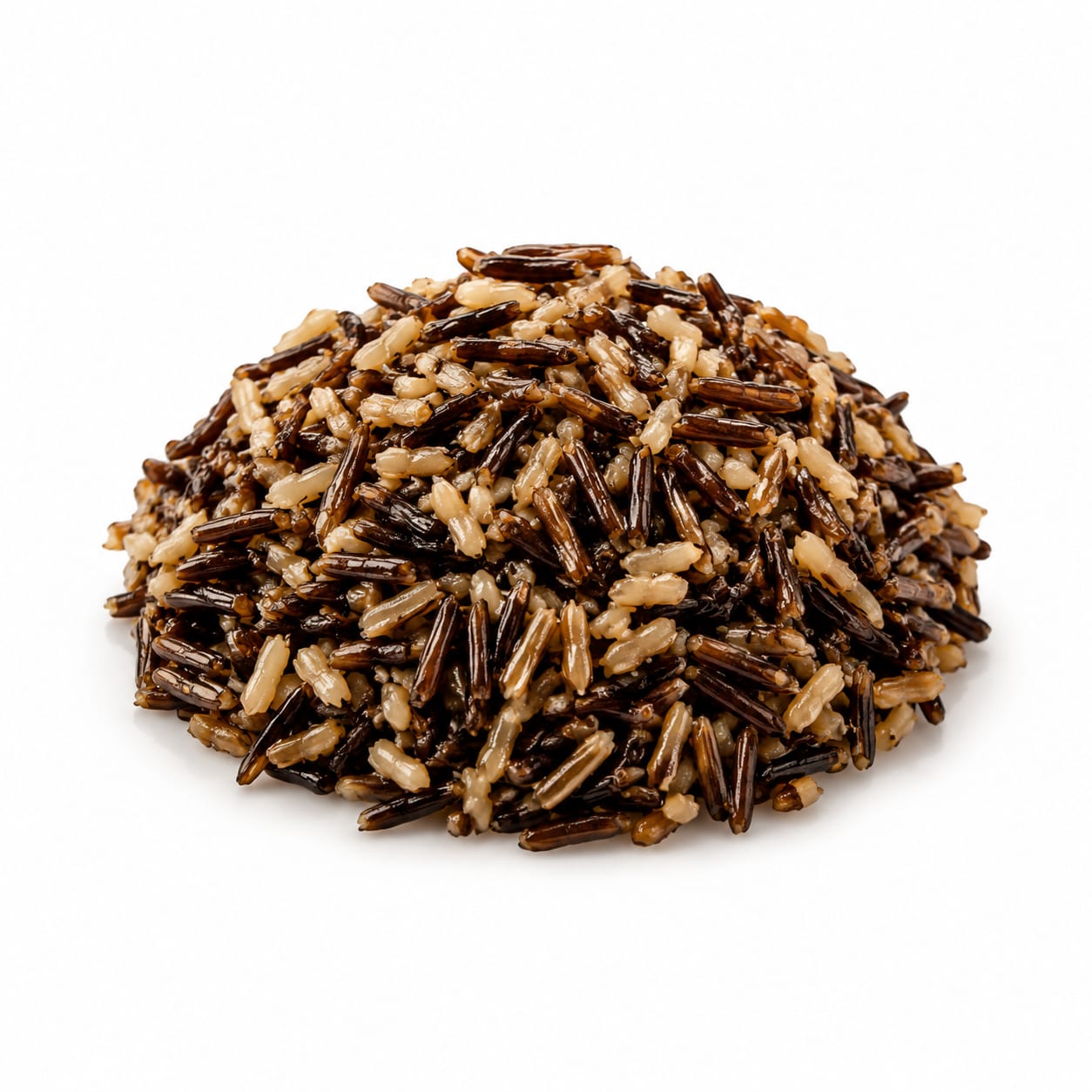
Wild rice is a semi-aquatic grass seed native to North America, prized for its chewy texture, nutty flavor, and superior protein and fiber content compared to regular white rice.
nutrient-dense whole grain seed
Typical serving · 100g
Common varieties · manoomin (hand-harvested lake wild rice), cultivated paddy wild rice, mixed wild and brown rice blends, black wild rice
Overall context score across nutrition, safety, and diet fit
At a glance
Quick facts
Simple indicators based on nutrition, processing, and diet fit.
The story
What makes it unique
Wild rice digests at a moderate pace due to its intact bran layer and high fiber-protein ratio, providing sustained energy and high satiety. Its macronutrient profile is distinct from true rice, offering significantly more protein and fewer carbohydrates. As a minimally processed whole grain, it retains its natural micronutrient and antioxidant density.
Varieties: manoomin (hand-harvested lake wild rice) · cultivated paddy wild rice · mixed wild and brown rice blends · black wild rice
Per 100g
Nutrition breakdown
Macro balance and key metrics at a glance.
Energy
Density 1.01 kcal/g
Protein
Carbs
Fat
Fiber
Sugar
0.7 g
Sodium
3 mg
Potassium
101 mg
Glycemic index
57
Glycemic load
12
Water content
73%
Standout compounds
Nutrient highlights
Zinc
highSupports immune function and cellular repair
Phosphorus
highEssential for bone health and energy production
Protein
moderatePromotes satiety and muscle maintenance
Fiber
moderateSlows digestion and feeds beneficial gut bacteria
Antioxidants
highProtects cells from oxidative stress and inflammation
Wellness map
Health scores & processing
NOVA processing scale
minimally processed · Whole food
Wild rice is simply harvested, dried, and hulled. It undergoes no artificial refinement, preserving its whole grain integrity and nutrient profile.
Diet compatibility
- Weight loss
- Muscle gain
- Diabetes
- Gut health
- Low carb
- High protein
- Heart health
Relative standing
Food rankings
Qualitative ranks compared to similar whole foods.
- Satietygood
- Blood sugargood
- Nutrient densityexcellent
- Fitness fuelmoderate
- Processing qualityexcellent
Eat with confidence
Food safety profile
Wild rice is generally safe and poses fewer arsenic concerns than standard rice. Sourcing from clean lakes or reputable organic farms minimizes heavy metal exposure.
Evidence confidence 85%
- Pesticideslow
- Antibioticslow
- Heavy metalsmoderate
- Contaminationlow
Watch for
- arsenic
- lead
Safer choices
Hand-harvested lake wild rice from pristine regions or certified organic cultivated varieties.
Prep tips
Rinse thoroughly under cold water before cooking to remove debris and surface dust. Cook fully to eliminate potential microbial contaminants.
As an aquatic plant, wild rice can absorb heavy metals from water, though it typically accumulates significantly less inorganic arsenic than conventional white or brown rice.
Deep dive
Health analysis
How this food may fit different goals and preparation choices.
Weight loss
Low energy density and high chewiness slow down eating, allowing satiety signals to register before overconsumption.
Blood sugar
Moderate glycemic index combined with protein and fiber prevents rapid glucose spikes, supporting stable insulin response.
Fitness & energy
Provides complex carbohydrates for sustained glycogen replenishment, though its lower carb density requires larger portions compared to white rice.
Gut health
Fiber content supports bowel regularity and feeds beneficial gut bacteria, though it contains less fiber than some other whole grains like barley.
Processing quality
As a single-ingredient whole food with no additives, it represents optimal processing quality.
Food safety
Lower arsenic levels compared to standard rice make it a safer staple grain choice for regular consumption.
Common mistakes
Overcooking wild rice causes the kernels to burst and become mushy rather than retaining their signature chewy texture. Another mistake is assuming it cooks as fast as white rice; it requires 45-60 minutes.
Best preparation
Boiling in ample water like pasta and draining, or using a 1:3 rice-to-water ratio on the stovetop for 45-55 minutes until kernels split open.
Practical guide
Best use cases
When and how this food fits real eating patterns.
Nutrient-dense side dish
Substitute for white or brown rice in pilafs and side dishes to lower the meal's overall glycemic load while boosting protein intake.
High-volume salad base
Mixed with chopped vegetables and a vinaigrette, cold wild rice adds satisfying chew and bulk to salads without excess calories.
Hearty soup addition
Added to soups and stews, it maintains its texture during long simmering, providing body and slow-digesting carbohydrates.
Lower-arsenic grain staple
Used as a primary grain for heavy rice eaters looking to reduce dietary arsenic exposure without eliminating grains entirely.
Balance sheet
Pros & cons
Upsides
- Higher protein and lower calories than true rice
- Significantly lower arsenic levels than white and brown rice
- Rich in antioxidants that combat oxidative stress
- Intact whole grain with minimal processing
- Distinct nutty flavor and chewy texture adds culinary variety
Trade-offs
- Takes nearly an hour to cook properly
- More expensive than conventional rice varieties
- Contains anti-nutrients like phytic acid that reduce mineral absorption
- Not suitable for strict low-carb or ketogenic diets
- Can taste bitter if overcooked or if low-quality cultivated varieties are used
Fit check
Who is it for?
Great match
- weight management
- blood sugar stabilization
- whole food plant-based diets
- athletes needing sustained complex carbs
- reducing dietary arsenic
Consider alternatives
- strict ketogenic diets
- low-fiber low-residue diets
- budget-conscious meal prep
- quick weeknight cooking
Side by side
How it compares
Open the full head-to-head analysis for nutrition, safety, and practical tradeoffs.
This food
Wild Rice
VS90% alike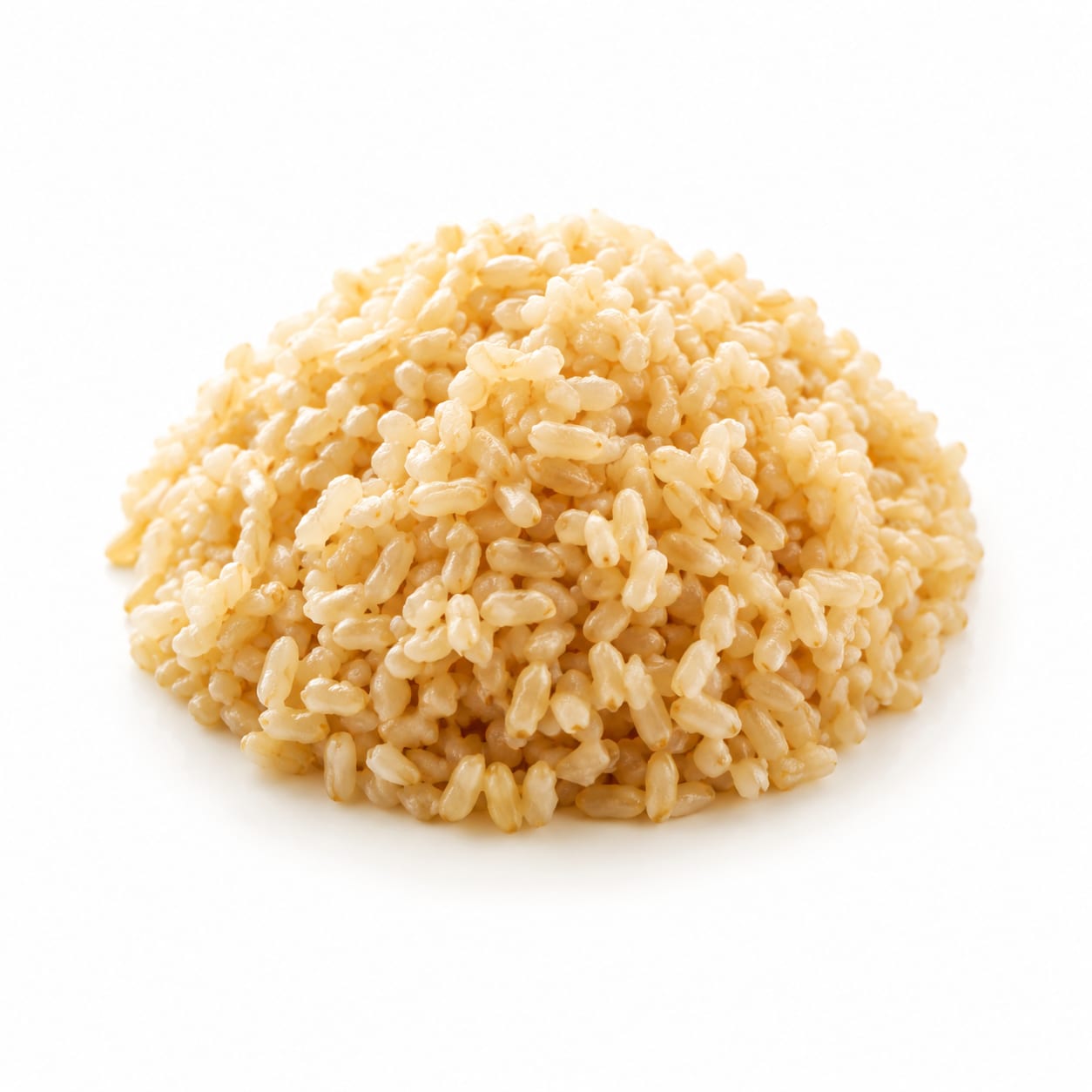
Compare with
Brown Rice
Wild rice offers more protein and fewer calories per serving than brown rice, while brown rice provides softer texture and faster cooking.
Wild rice beats brown rice for weight loss and blood sugar control due to higher protein and lower calories, but brown rice offers faster energy for athletes.
This food
Wild Rice
VS85% alike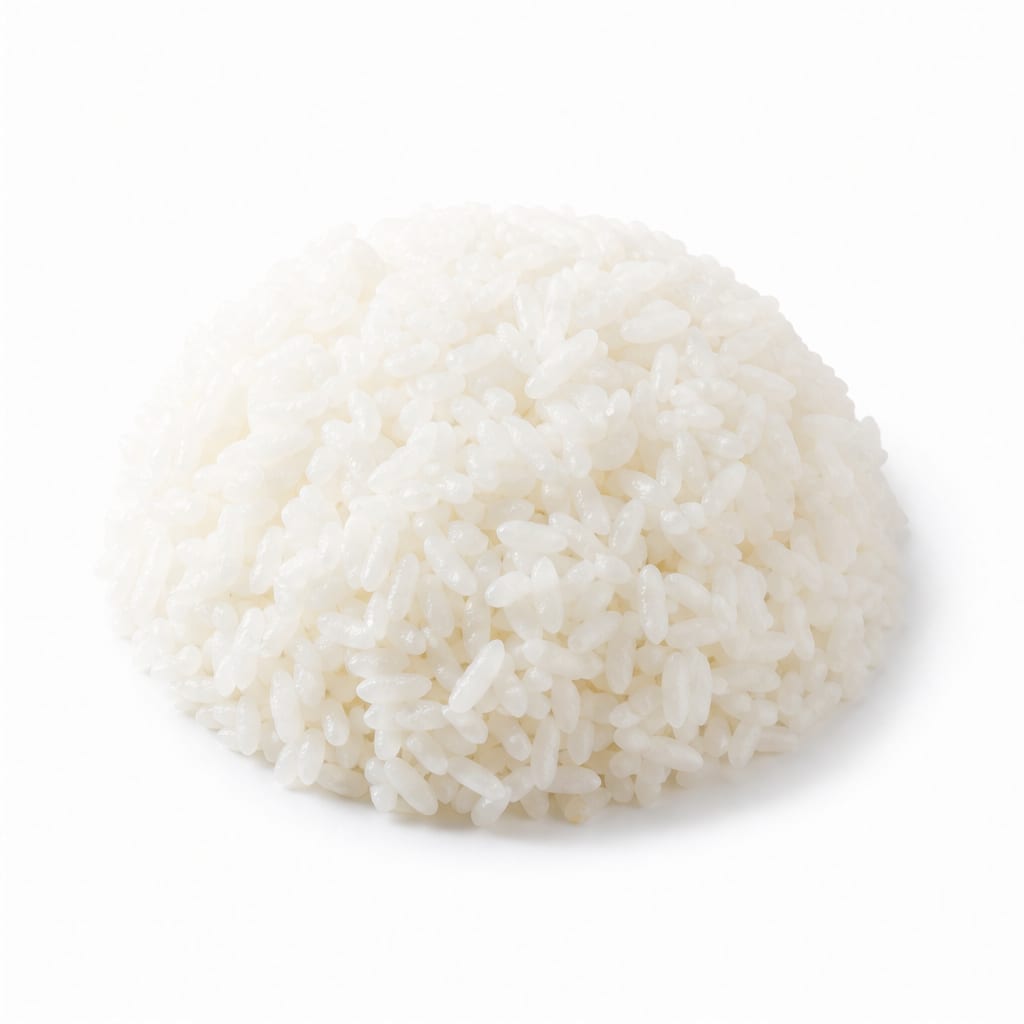
Compare with
White Rice
Wild rice is vastly superior in nutrients, fiber, and protein, while white rice digests faster for quick energy but spikes blood sugar more.
Wild rice provides more fiber and protein with a lower blood sugar impact than white rice, which is better suited for quick post-workout carb loading.
This food
Wild Rice
VS88% alike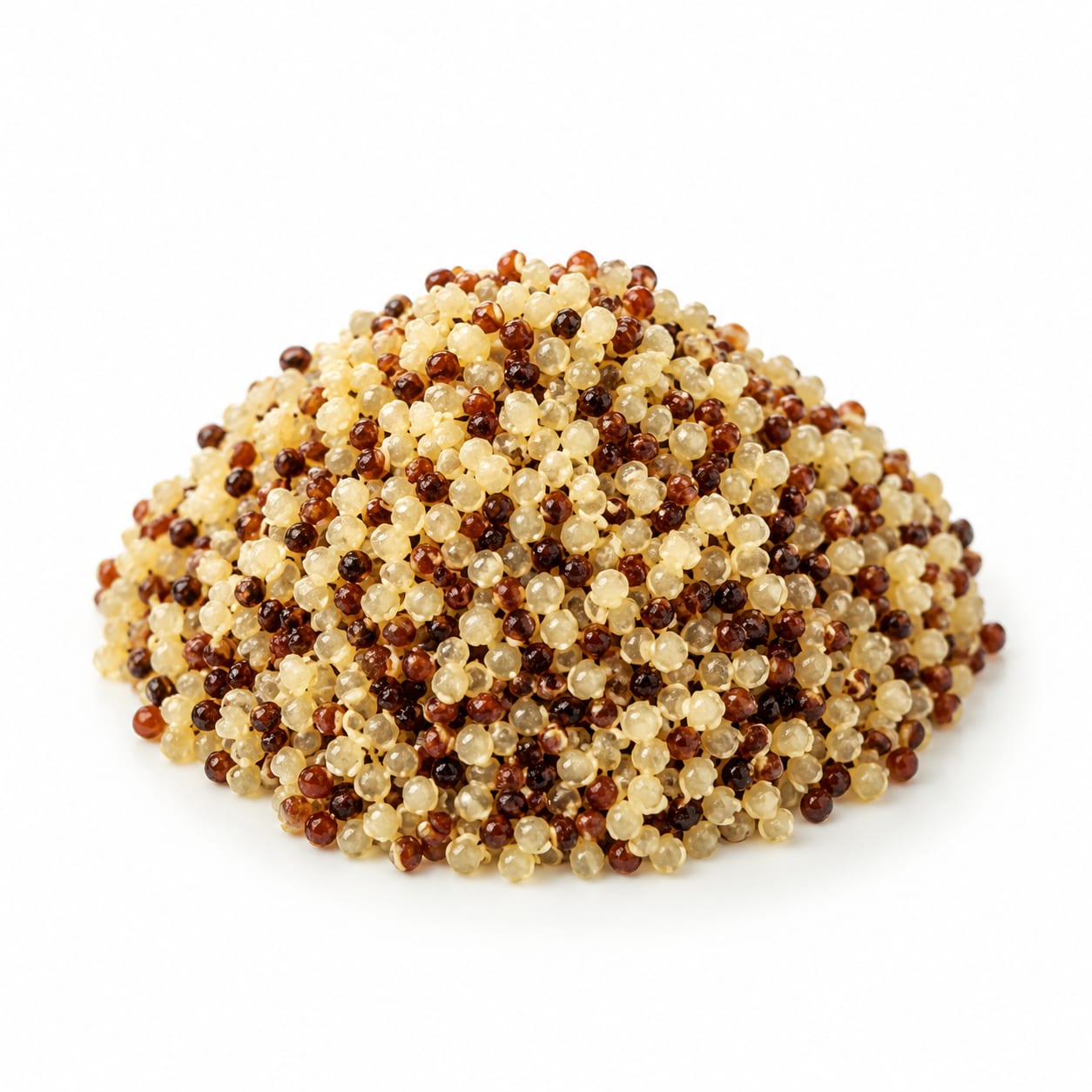
Compare with
Quinoa
Quinoa is a complete protein and cooks faster, while wild rice offers a chewier texture and slightly fewer calories.
Quinoa provides complete protein and faster cooking, while wild rice offers fewer calories and a heartier chew for weight loss meals.
This food
Wild Rice
VS82% alike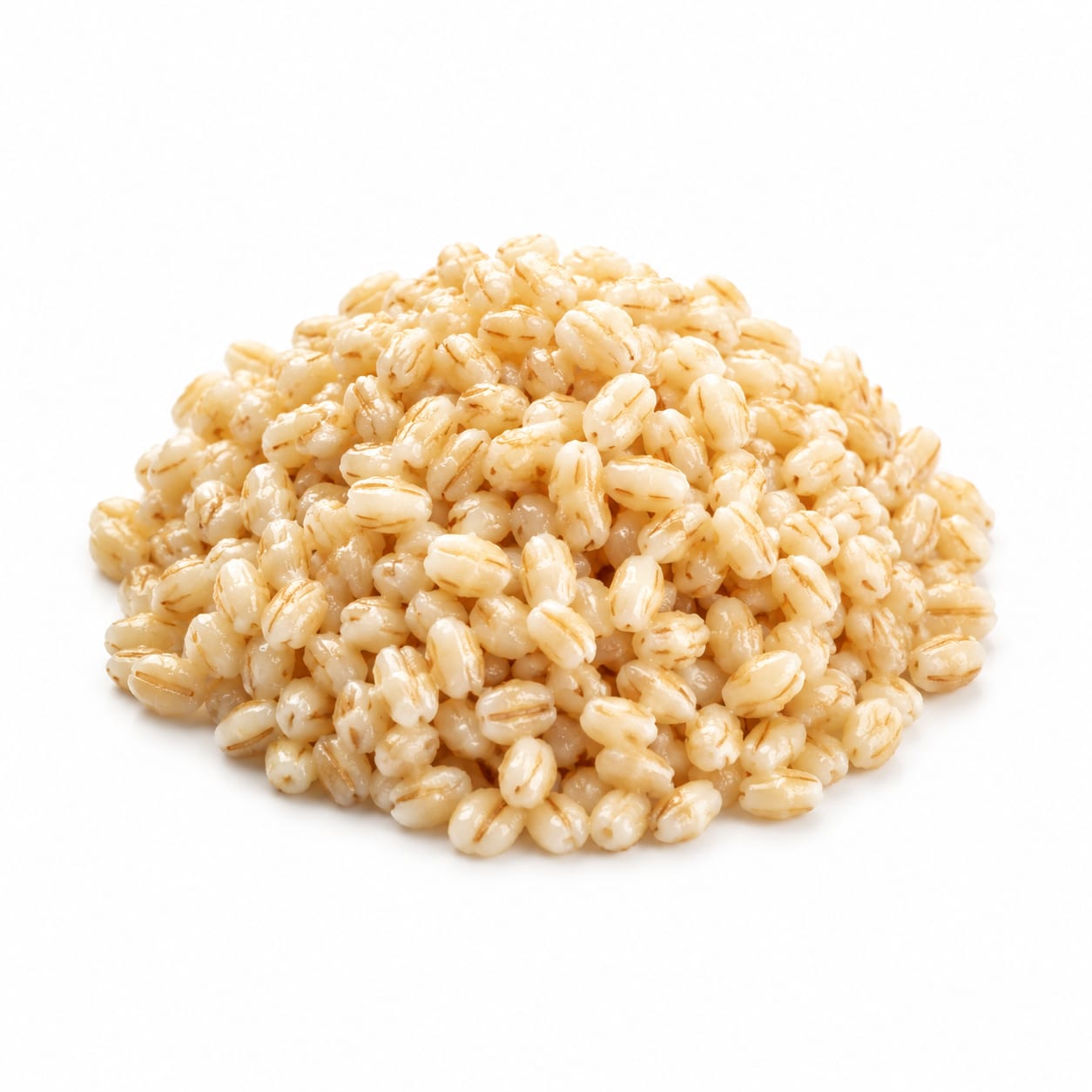
Compare with
Barley
Barley is exceptionally high in soluble beta-glucan fiber for heart health, while wild rice is lower in total carbohydrates and higher in antioxidants.
Barley wins for heart health and blood sugar control due to beta-glucan, while wild rice is lower in carbs and calories for weight loss.
This food
Wild Rice
VS78% alike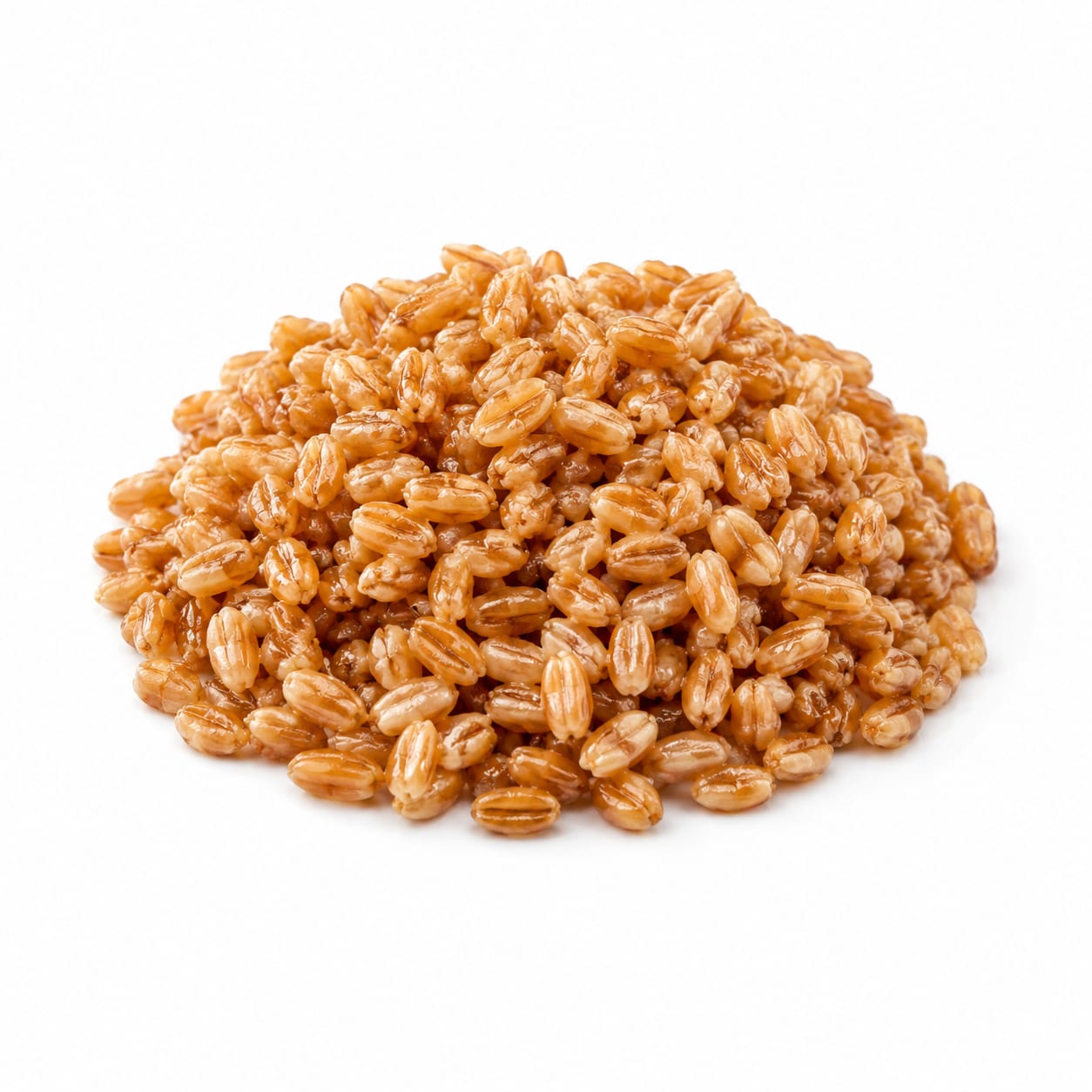
Compare with
Farro
Farro provides more protein and carbohydrates for muscle fuel, while wild rice is lighter in calories and lower on the glycemic index.
Farro offers more protein and energy for workouts, whereas wild rice is the better choice for low-calorie eating and blood sugar management.
This food
Wild Rice
VS75% alike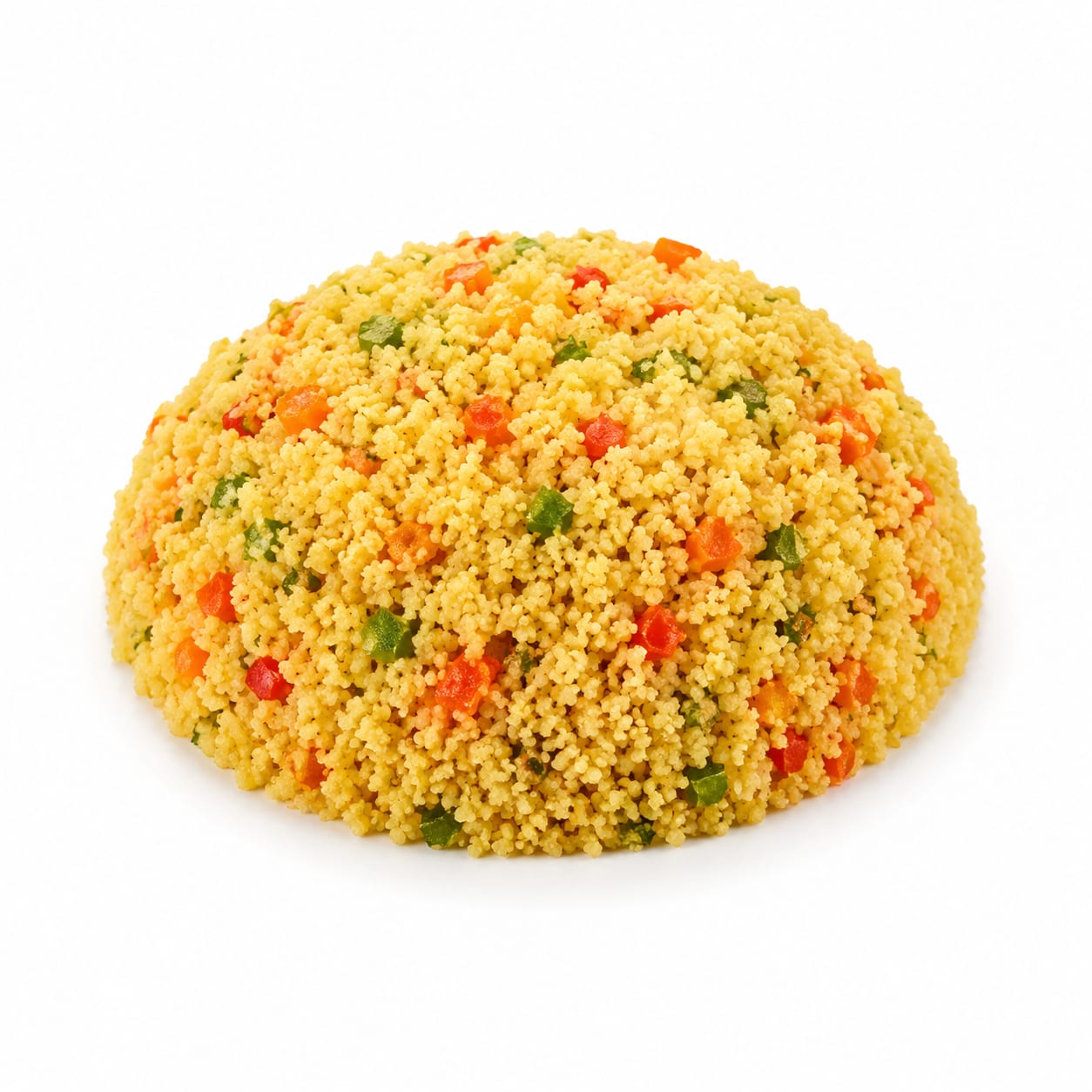
Compare with
Couscous
Wild rice is a whole food with high nutrient density and fiber, while couscous is essentially refined pasta with quick digestion and minimal fiber.
Wild rice easily beats couscous for weight loss and satiety because couscous is a refined carb, though couscous digests faster for quick energy.
This food
Wild Rice
VS80% alike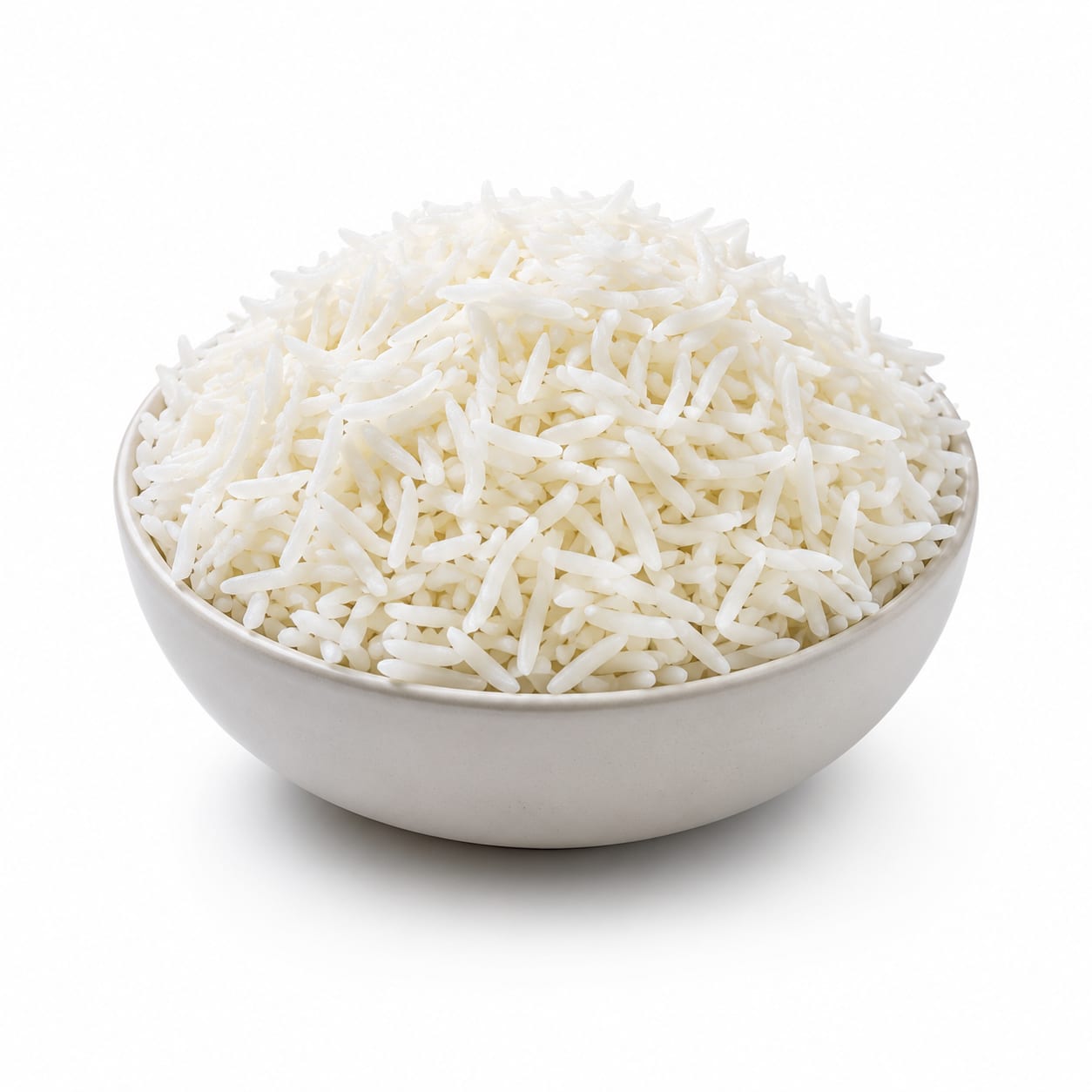
Compare with
Basmati Rice
Wild rice provides significantly more fiber and protein, whereas basmati rice digests faster and offers a fluffier texture.
Wild rice is superior for blood sugar control and fullness, while basmati rice provides quicker digesting carbs for intense training days.
This food
Wild Rice
VS92% alike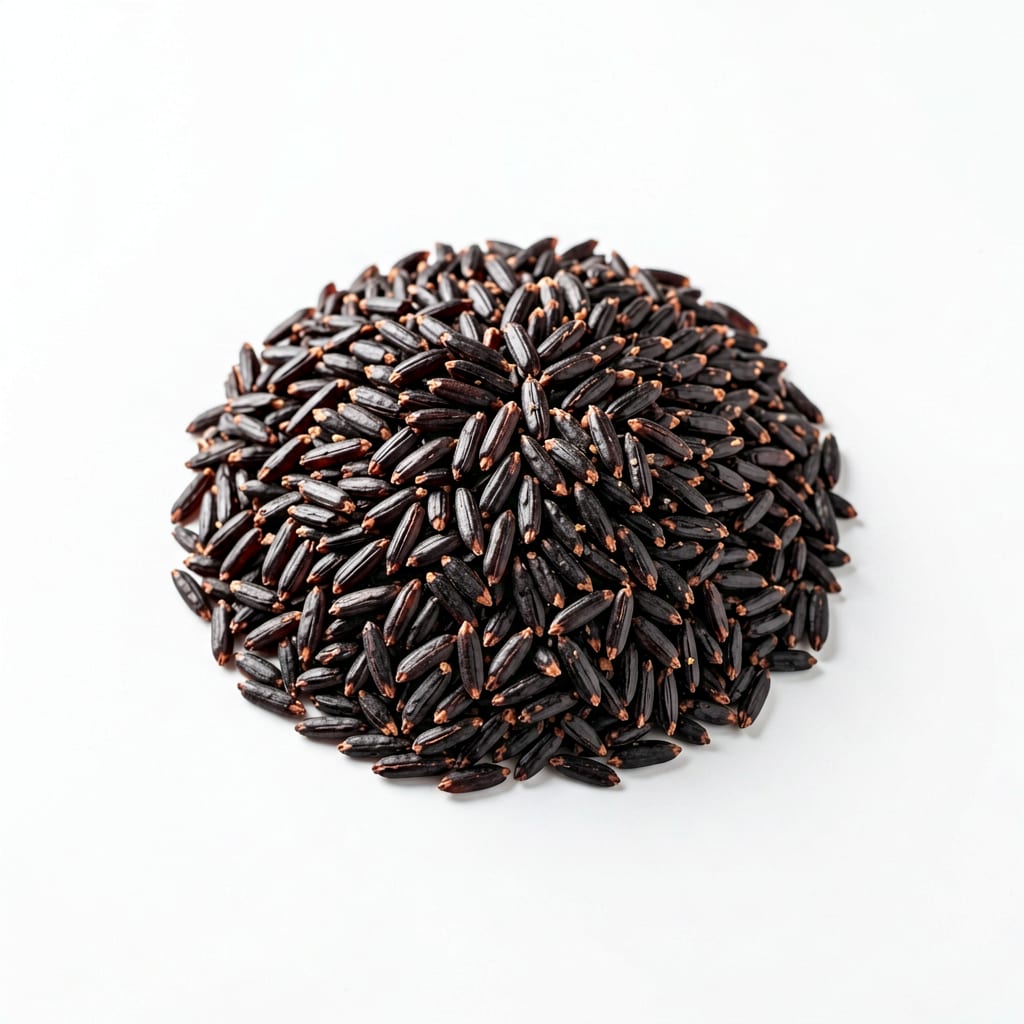
Compare with
Black Rice
Black rice has slightly more antioxidants and iron, while wild rice offers a bit more protein and a distinctively firmer chew.
Black rice and wild rice are nutritional powerhouses; wild rice has a slight edge in protein and satiety, while black rice excels in anthocyanin antioxidants.
This food
Wild Rice
VS70% alike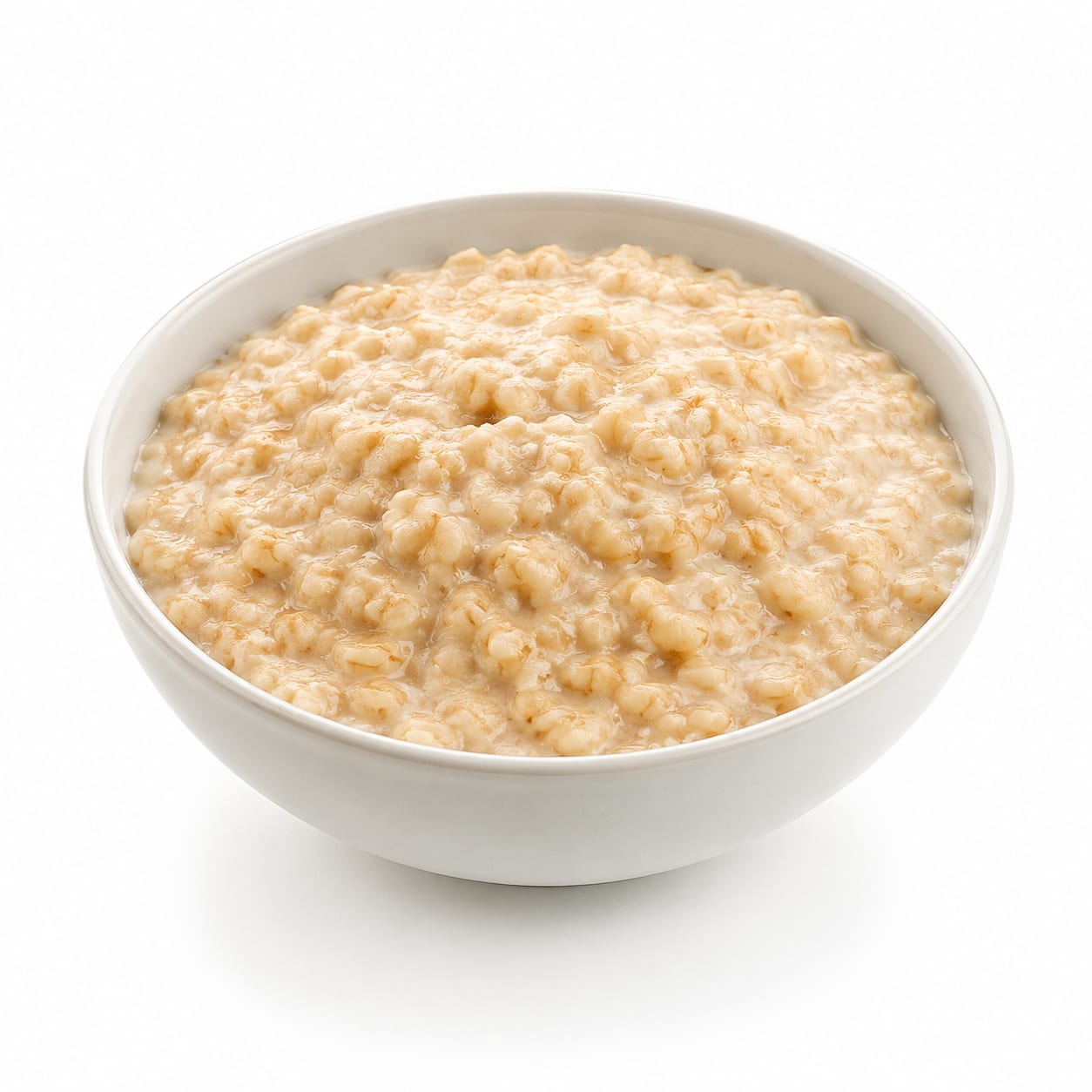
Compare with
Oats
Oats are superior for heart health and breakfast satiety due to beta-glucan, while wild rice is better suited for savory meals and lower calorie side dishes.
Oats are better for morning satiety and cholesterol lowering, while wild rice is a lower-calorie savory grain option for dinner.
This food
Wild Rice
VS76% alike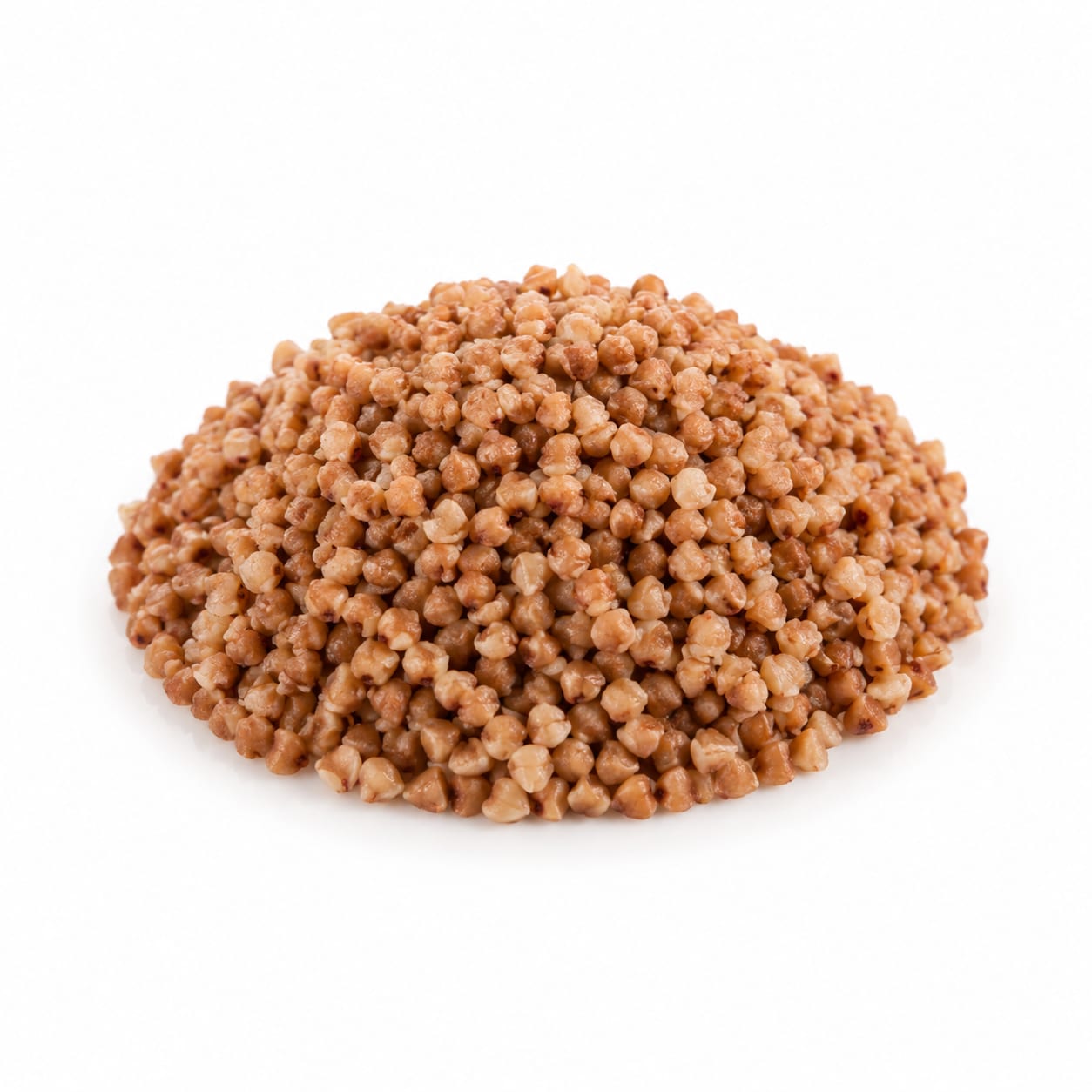
Compare with
Buckwheat
Buckwheat cooks faster and offers rutin for vascular health, while wild rice provides fewer calories and a more robust, chewy bite.
Wild rice is lower in calories and higher in protein for weight loss, while buckwheat digests slower for steady blood sugar and offers faster cooking.
Common questions
FAQ
Answers aligned with how people search for this food.
Is wild rice good for weight loss?
Yes, wild rice is excellent for weight loss. It has low energy density, meaning it provides volume and satiety for very few calories, and its high chewiness slows down eating.
Is wild rice healthier than brown rice?
Wild rice is generally considered nutritionally superior to brown rice because it contains more protein, fewer carbohydrates, and significantly fewer calories per serving, while also offering higher antioxidant levels.
Does wild rice have arsenic?
Wild rice contains trace amounts of arsenic, but significantly less than white or brown rice. Because it is a different plant species grown in different conditions, it is a much safer choice for regular consumption.
Can diabetics eat wild rice?
Yes, wild rice is a diabetic-friendly grain. It has a moderate glycemic index and its fiber and protein content help slow carbohydrate absorption, preventing sharp blood sugar spikes.
Is wild rice actually rice?
No, wild rice is not botanically rice. It is the seed of an aquatic grass native to North America, whereas white and brown rice are species of the Oryza sativa plant.
Is wild rice keto-friendly?
No, wild rice is not keto-friendly. It contains 21 grams of net carbs per cooked cup, which can easily exceed the strict carbohydrate limits required to maintain ketosis.
How long does wild rice take to cook?
Wild rice takes 45 to 60 minutes to cook on the stovetop. The kernels are done when they split open to reveal the lighter interior, while still retaining a firm, chewy texture.
What does wild rice taste like?
Wild rice has a distinct earthy, nutty, and slightly smoky flavor with a firm, chewy texture that holds up well in soups, salads, and pilafs.
Transparency
Data confidence
Estimated confidence for nutrition data, interpretation, safety notes, and comparisons.
Nutrition data
Health analysis
Food safety
Comparisons